

Kalliasseri has never really stopped fighting. Not even after 1947. This village in north Malabar in Kerala has fought on many fronts. In the thick of the freedom struggle, it challenged the British. At the heart of the peasant movement in the region, it took on the janmis (feudal landlords). As a centre of Left-wing currents, it confronted caste.
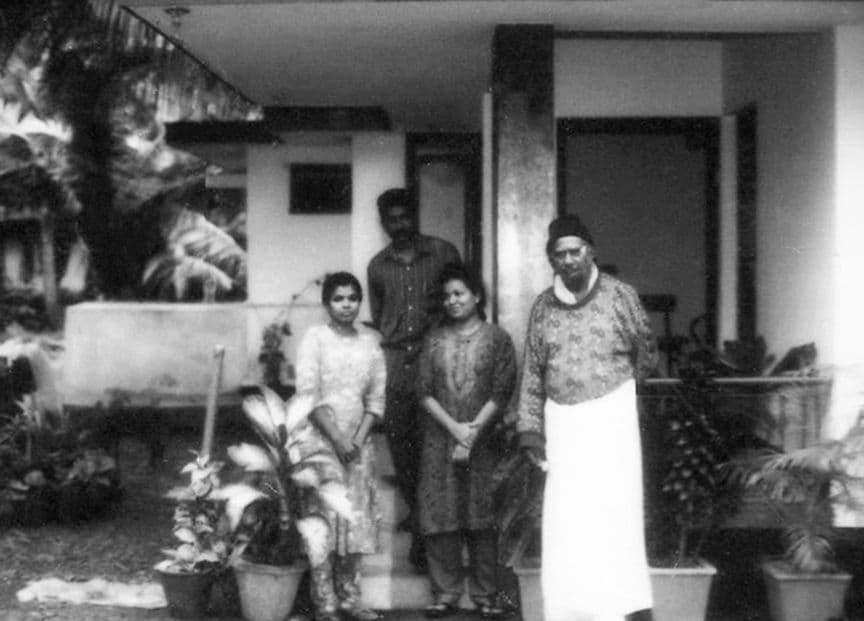
"How can we say the fight for freedom ended once and for all in 1947?" asks K.P.R. Rayarappan, a key figure in all those conflicts. "There was still the struggle for land reform left." At 86, Rayarappan sees more battles ahead. And he wants to be part of them. At 83, he walked some 500 kilometres from Kasargode to Thiruvananthapuram on a march calling for national self-reliance.
Two events that sparked off change in Kalliasseri stand out in his mind. One was Gandhi's visit to Mangalore in the early 1920s. Many, including schoolchildren, journeyed there to hear him. "We were all with the Congress then," says Rayarappan.
The other was "the thrashing of Sumukan, a little Dalit boy who sought admission to our board school. Upper caste elements beat him and his brother for daring to come to the school."
Caste oppression was closely linked to the control of resources. Mainly land. Kalliasseri was the bastion of janmi terror in the Chirakkal taluk of Malabar district. In 1928, upper caste Nairs controlled close to 72 per cent of the land. Thiyyas and other backward communities made up 60 per cent of the population, but owned just 6.55 per cent. Yet here, the drive for land reform, extending right into the 1960s, was to succeed.
Today, the Thiyyas and other backward castes and the Dalits control over 60 per cent of the land.
"We were like slaves earlier," says 63-year-old K. Kunhambu. His father was a Thiyya cultivator. "We were not allowed to wear shirts, just a towel under the armpit. No footwear either. And only half a dhoti, just like a small bath towel." In some parts lower caste women were not allowed to wear blouses. "We could not go through certain roads. We had to keep a set physical distance from an upper caste man depending on our place in the hierarchy. "
Keeping the lower castes out of school was just one part of it. Cutting them off from access to resources was the aim. Denying them any kind of respect went with that. Janmi terror against the poor was common.
The beating of Sumukan proved to be a major turning point.
"All the nationalist leaders of Malabar came here," says Rayarappan. "Kelappan, the great Congress leader even stayed awhile. All campaigned against caste. C.F. Andrews, too, came here. And he managed to have the issue raised in the British parliament. Later, Kalliasseri became a centre of Dalit education." People also organised community meals where members of different castes ate together.