

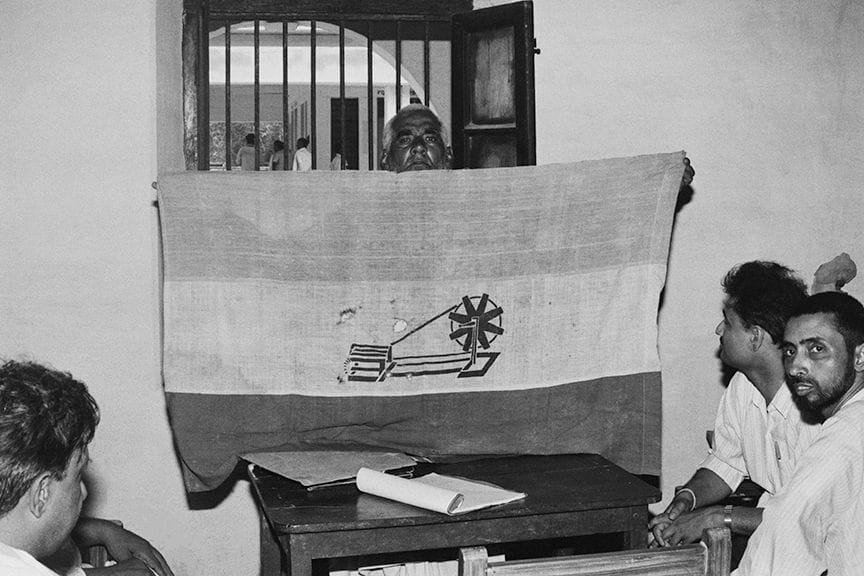
They still keep the flag at the tehsil office. Only here, they raise it on August 18. That day in 1942, people from this part of Uttar Pradesh’s Ghazipur district declared their independence from British rule. The tehsildar of Muhammadabad opened fire on a crowd, killing eight persons from Sherpur village. These were mostly Congressmen led by Shiv Pujan Rai. They were shot dead while trying to hoist the tricolour atop the tehsil building in Muhammadabad.
Struggles erupted across an already simmering district where the British had issued arrest warrants for 129 leaders on August 10. By the 19th, locals took control of nearly all of Ghazipur and ran the government for three days.
The British response, says the district Gazetteer, was “a reign of terror.” Soon, “village after village was pillaged, looted and burnt.” Military and mounted police crushed ‘Quit India’ protestors. They gunned down nearly 150 people across the district in the next few days. Records suggest that officials and police looted Rs. 35 lakhs from civilians. As many as 74 villages were burnt. Ghazipur’s people paid a collective fine of Rs. 4.5 lakhs, a huge sum in those days.
Officials singled out Sherpur for punishment. Hari Sharan Ram, the oldest Dalit resident here, recalls the day: “There wasn’t a bird left in the village, let alone human beings. Those who could, fled. The looting went on and on.” Yet, Ghazipur as a whole had to be taught a lesson. The district had a record of anti-British uprisings going back to the 1850s when locals had attacked indigo planters. It now learned a lesson spelt out with bullets and batons.


