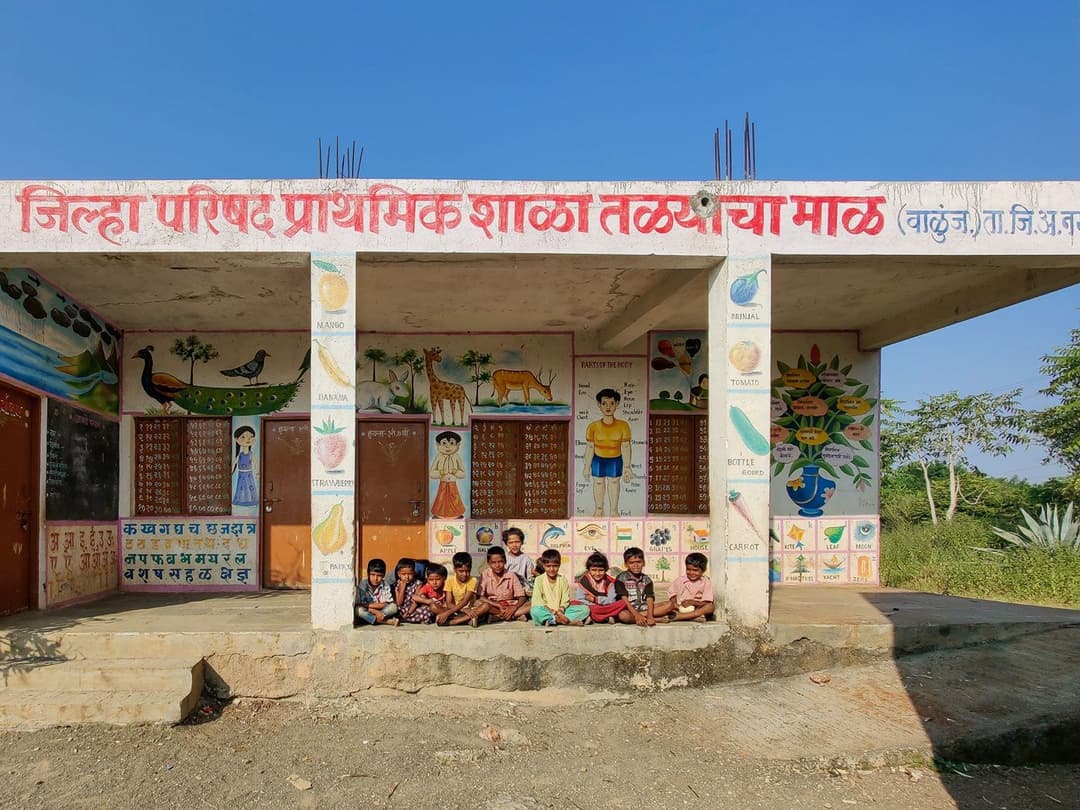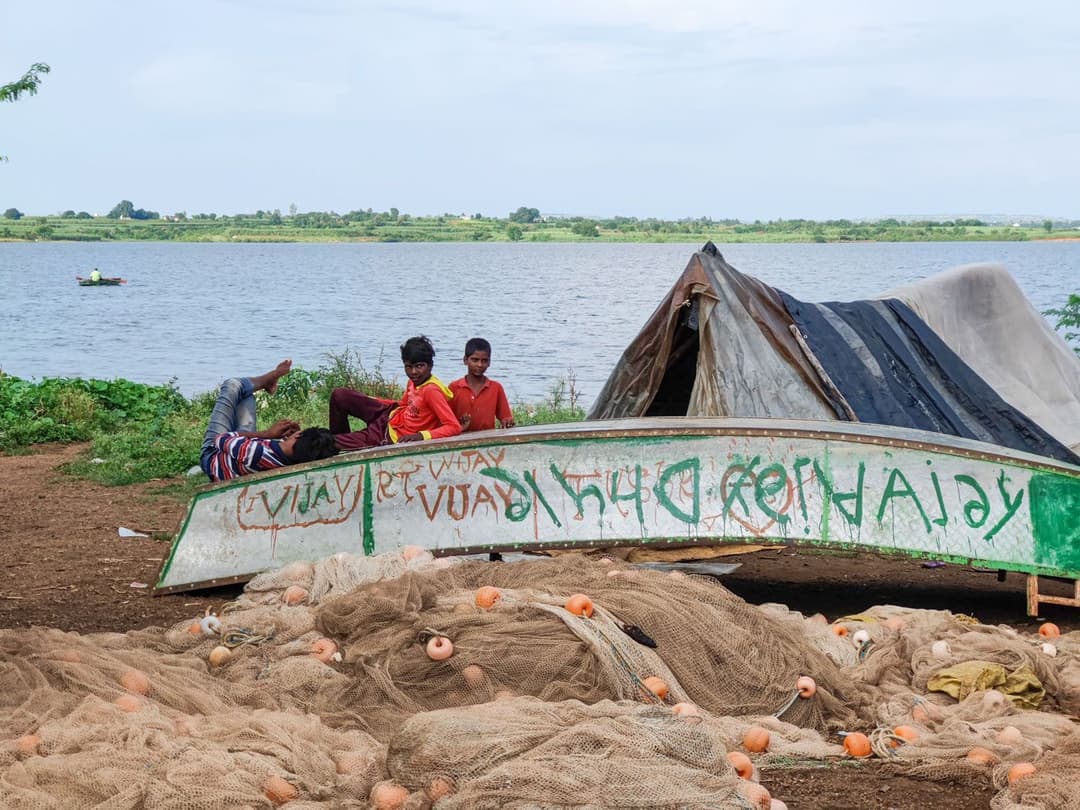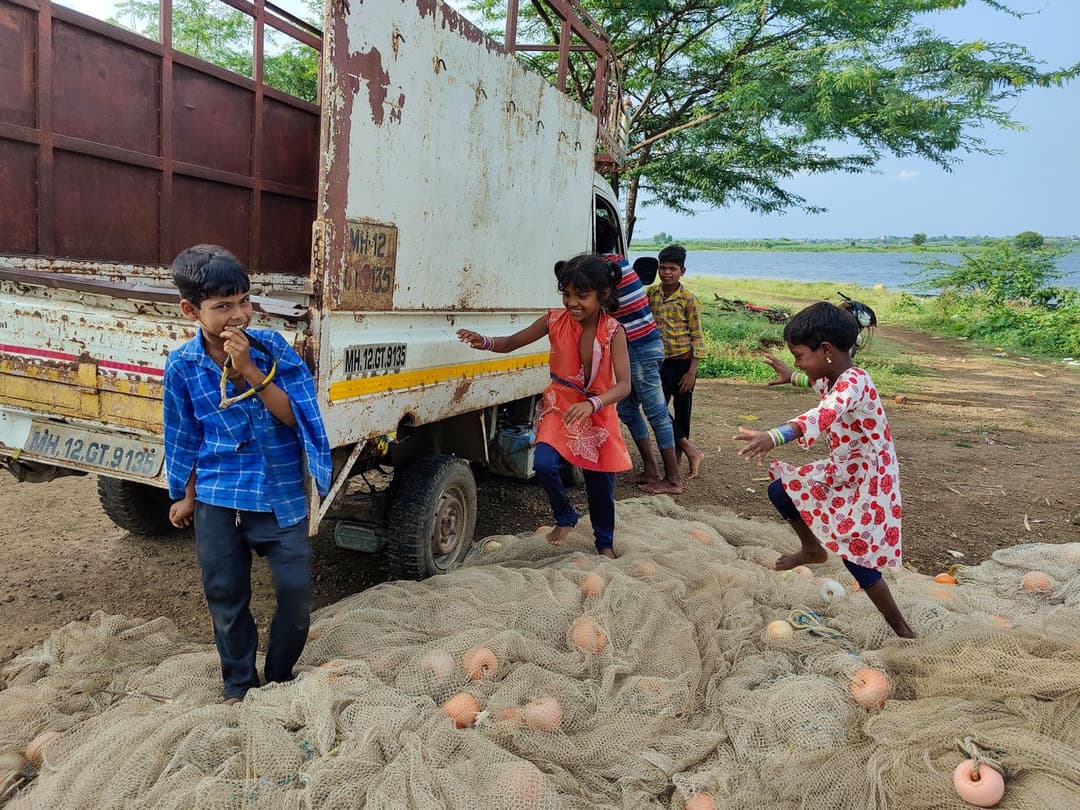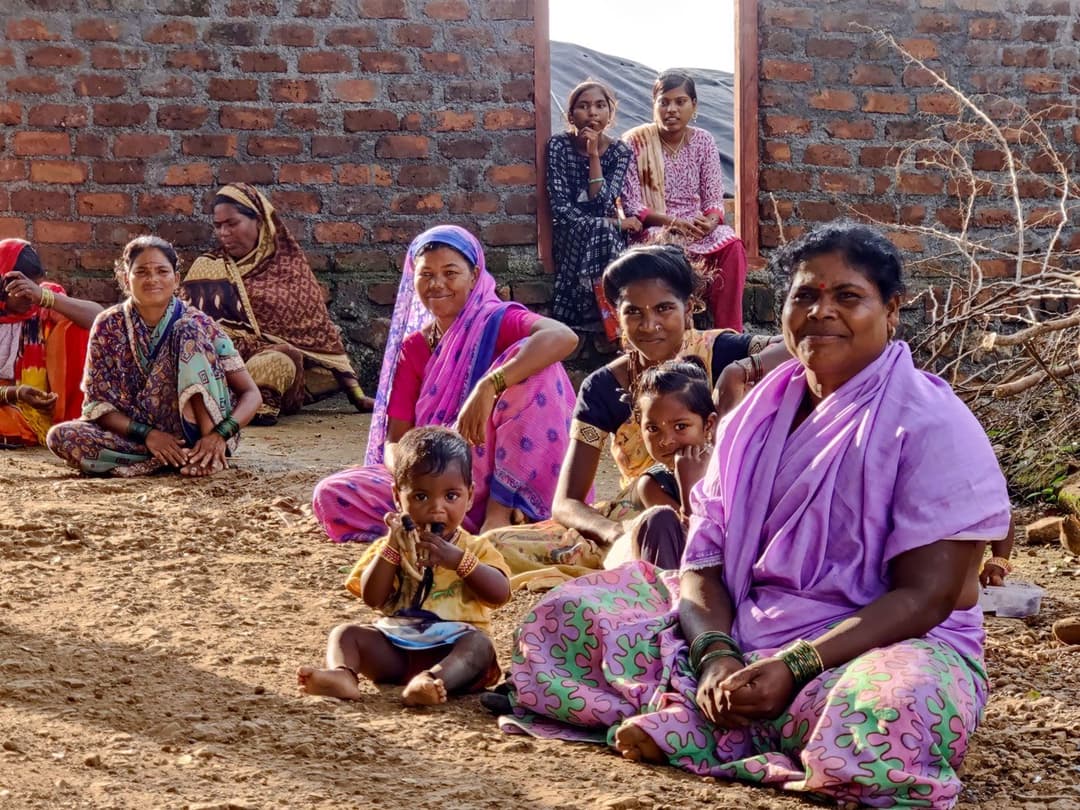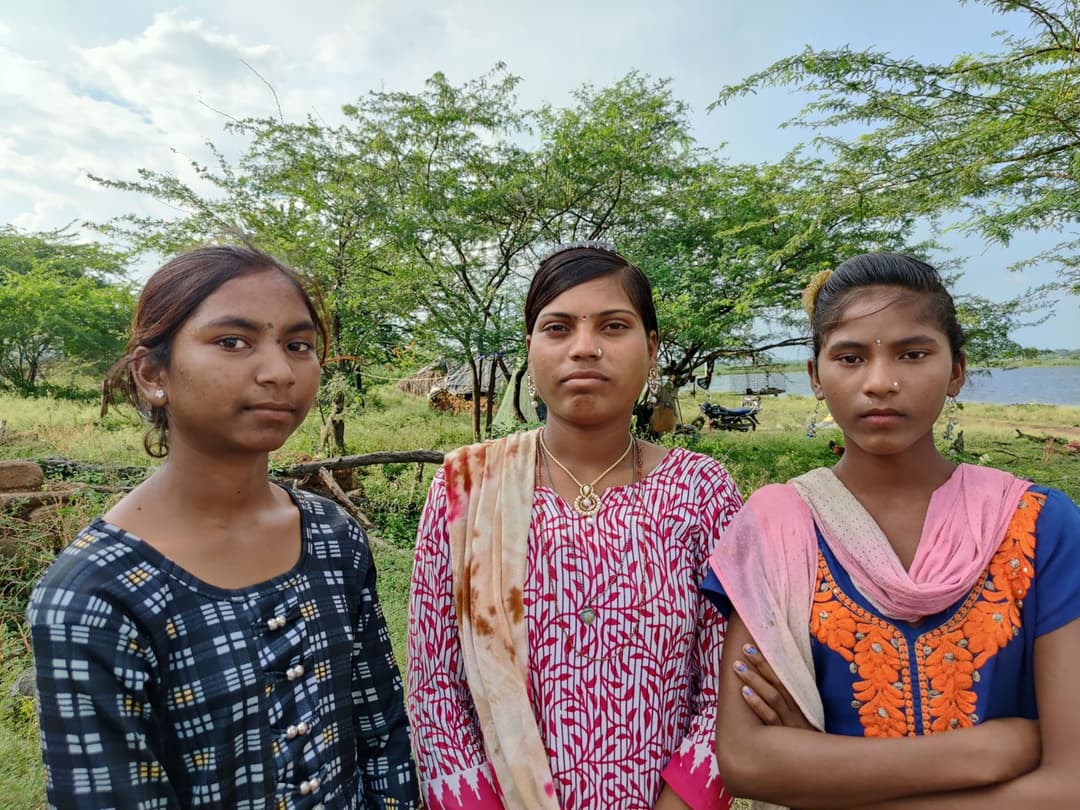


“This is the school,” Atul Bhosale’s earnest finger is pointing at a small, two-room concrete structure standing in the midst of barren fields at the edge of Gundegaon village in Maharashtra. You can’t miss it on your way to the village, walking along the muddy road that eventually gets you to a small Pardhi settlement about a kilometre away.
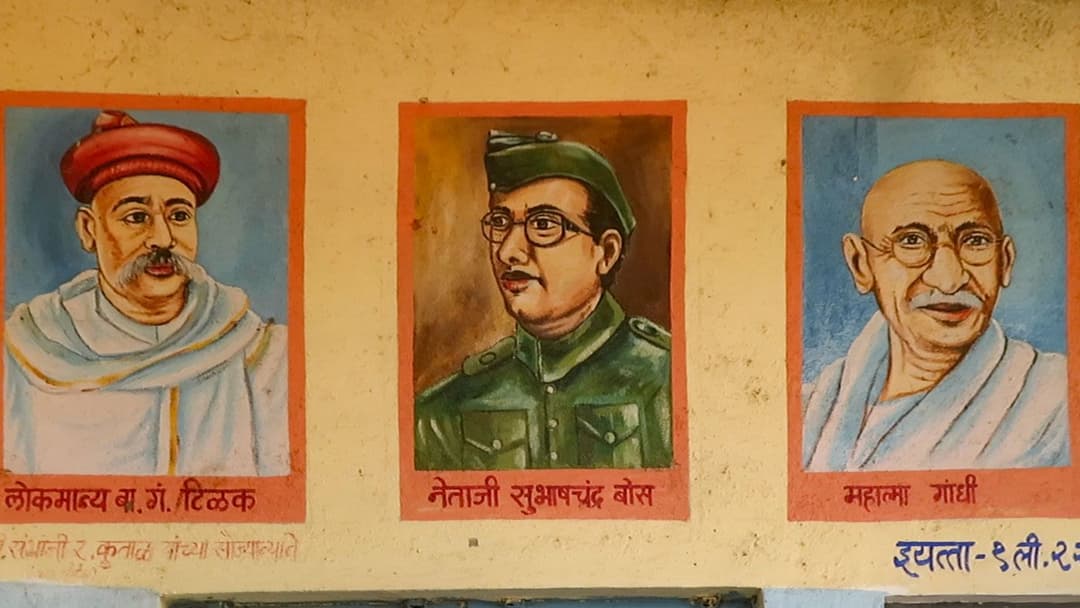
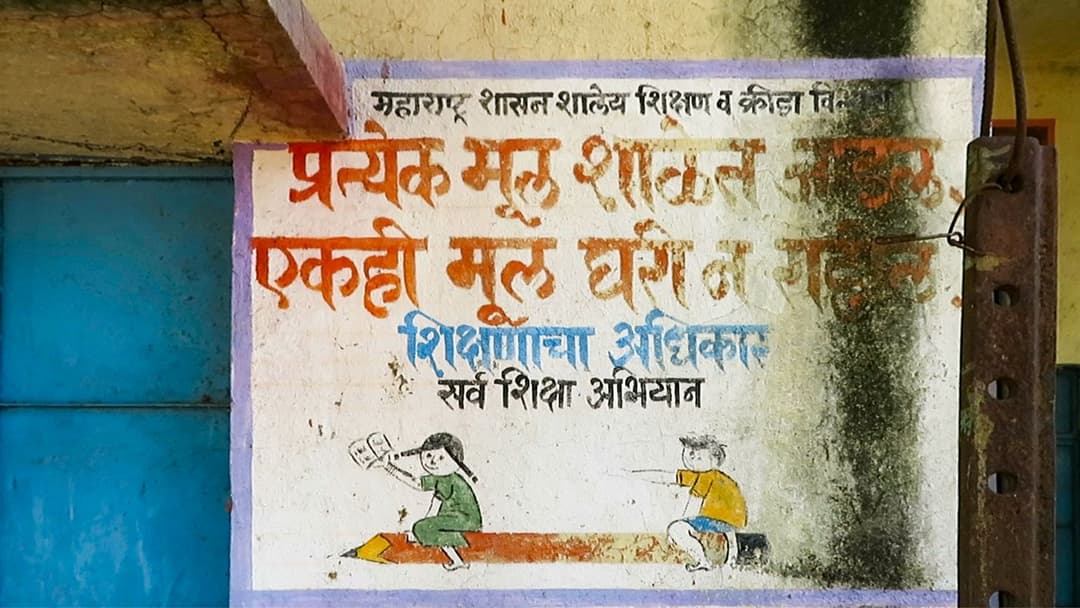
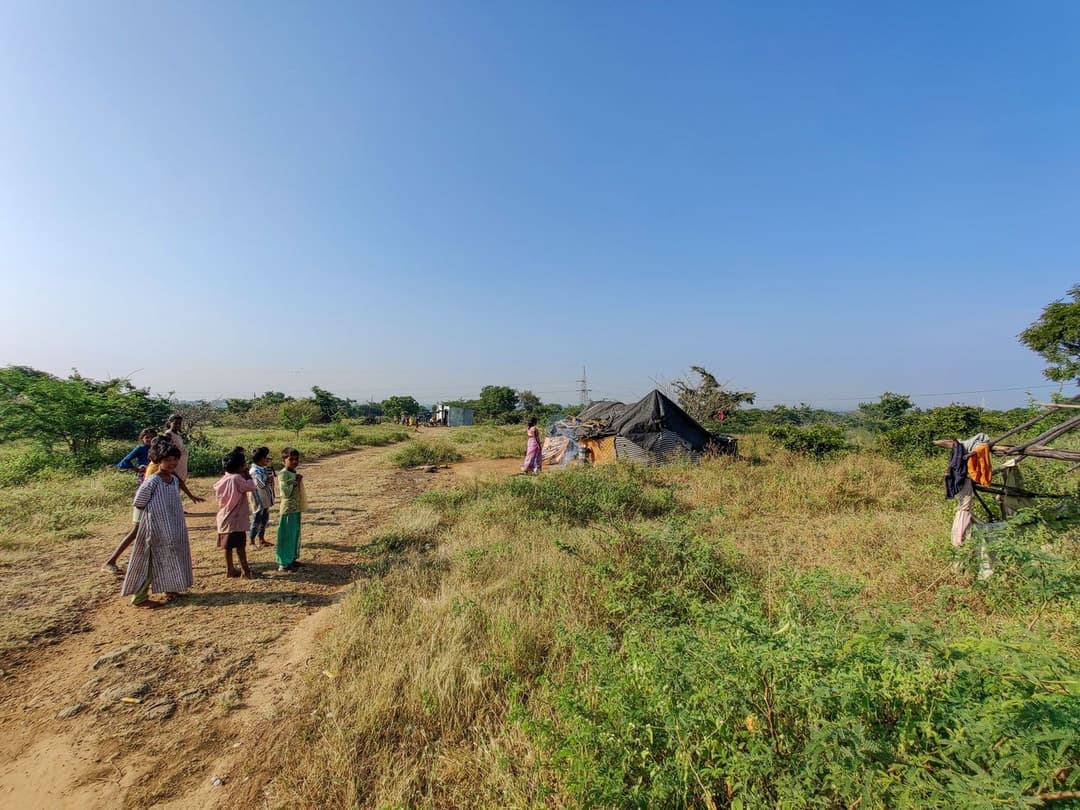
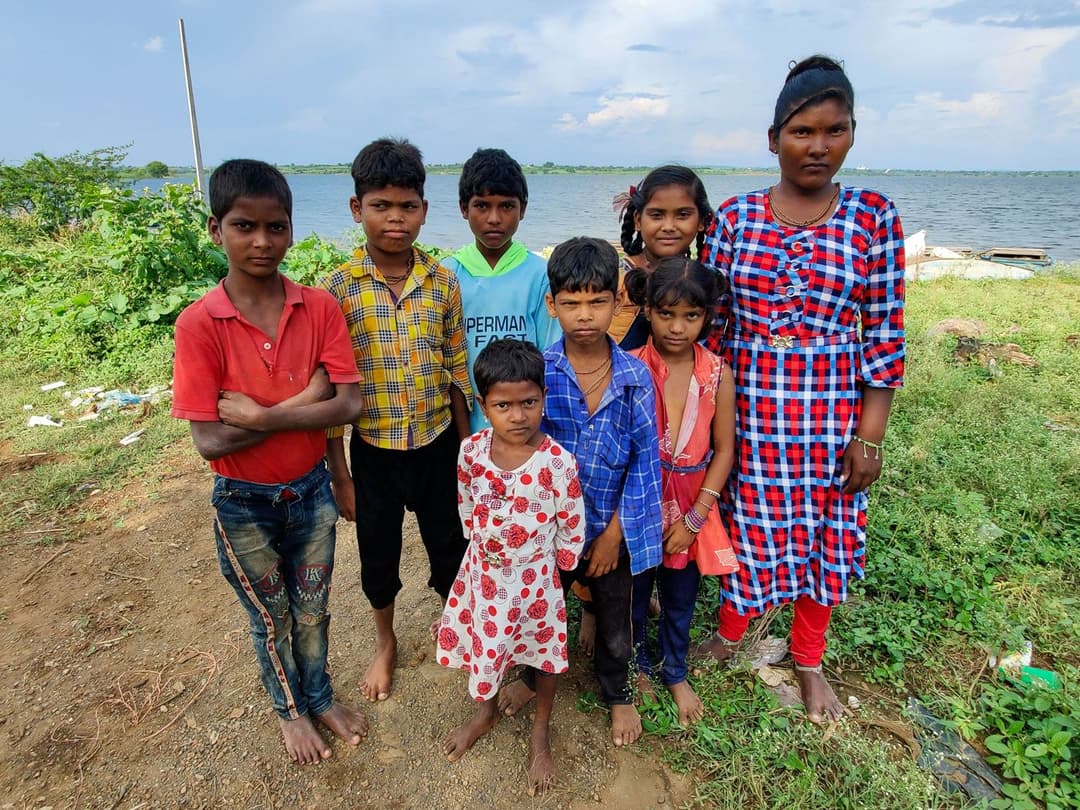
That school, a pale-yellow concrete structure with blue windows, colourful cartoons and a row of painted faces of Indian freedom fighters on the walls, commands your attention. It stands out even more, in contrast to the makeshift huts and mud houses with tarpaulin roofs that are the homes of the 20 Pardhi families here.
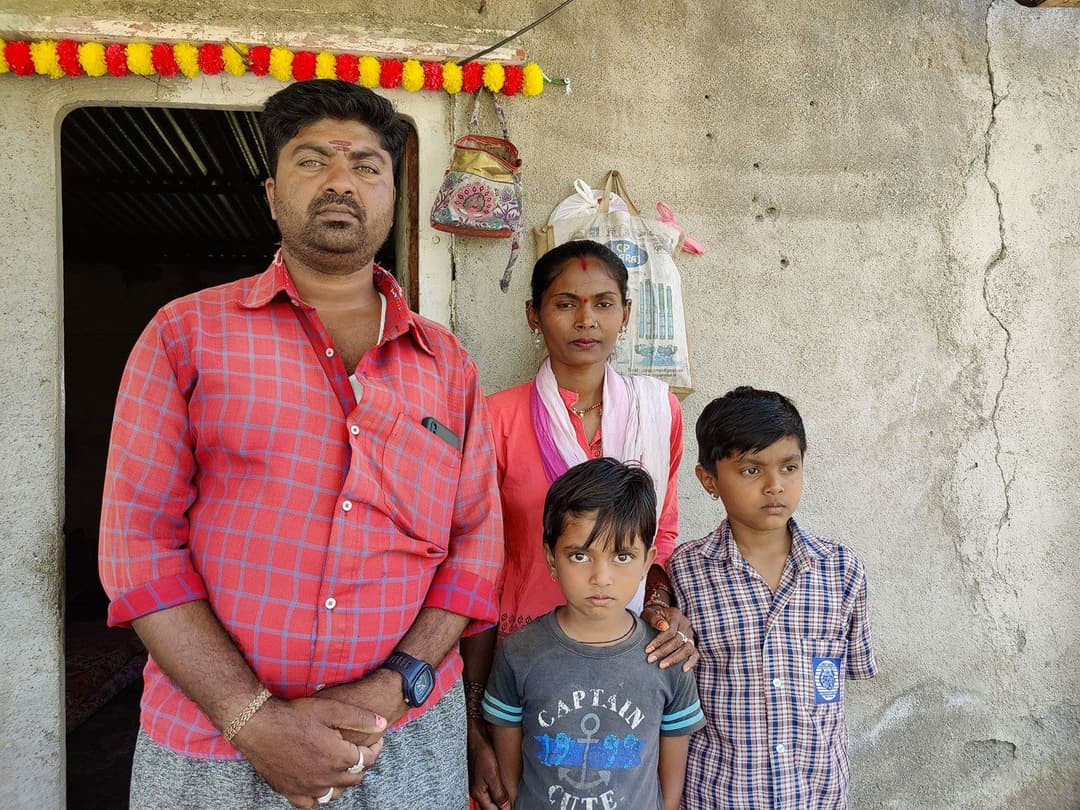
“Aata aamchyakade vikaas mhanje ni shalach aahe. Vikasachi nishani [This school is the only thing we have in the name of development for us here],” says 46-year-old Atul Bhosale about Pautkavasti, the name by which his hamlet is known in the Nagar taluka of Ahmednagar district.
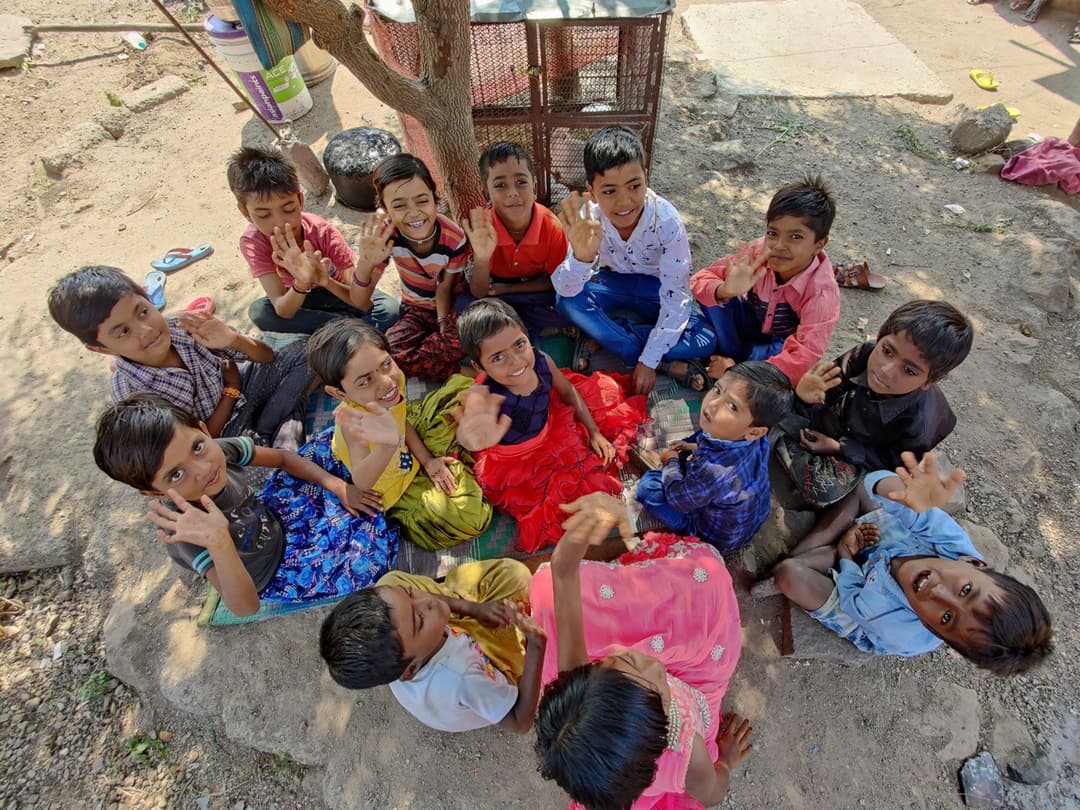
“Doosara kay nay. Vastit yaayla rasta naay, paani naay, light naay kay, pakki ghar naayit [There is nothing else. No roads. No water. No light. No pucca houses]. The school is close by, so our kids are at least learning to read and write,” he says. Atul is proud of this tiny place of learning. It is the place where his children Sahil and Shabnam study with 16 other students – seven girls and nine boys.
This is the same school the state government is planning to move and merge elsewhere. And that’s a shocker for this way-below-the-poverty-line community. A nomadic group and a Denotified Tribe, the Pardhis are listed as a Scheduled Tribe in Maharashtra.
This tribe has suffered extreme discrimination and deprivation for over a century and a half. In 1871, the British Raj enforced a ‘Criminal Tribes Act’ (CTA) aimed at suppressing nearly 120 Adivasi groups and other castes – mostly those who would not accept British suzerainty. The Pardhis were listed in it. The core idea of this Act was that you were a criminal-by-birth if born into any of these groups. The CTA was repealed in 1952 in Independent India, denotifying the victimised communities. But the stigma has never died down. Pardhis find regular employment near impossible. Their children trying to attend regular schools are bullied and often beaten.