
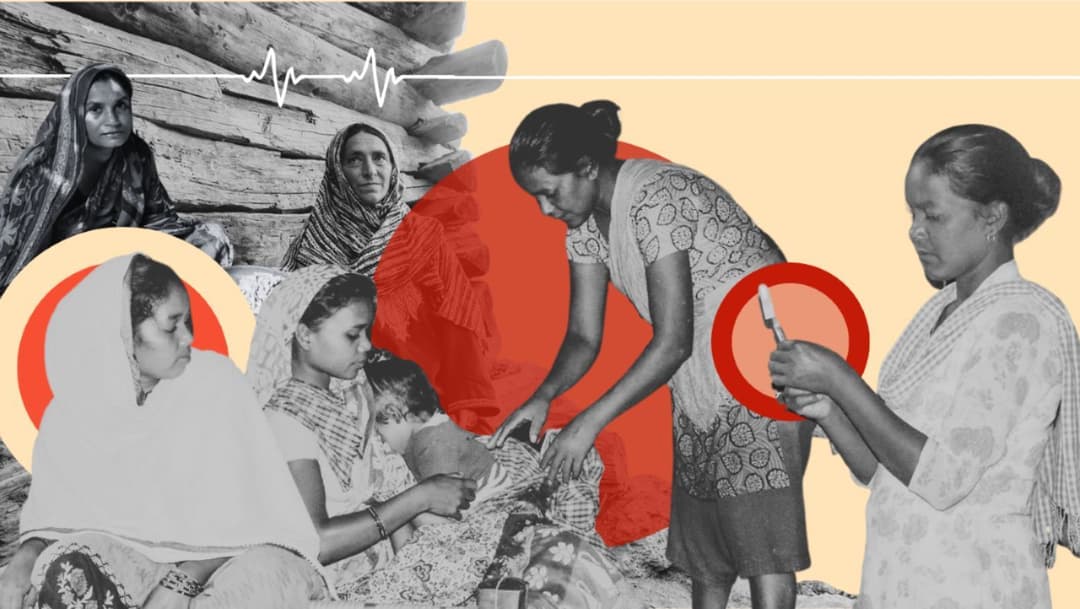
In Borotika, Jharkhand, a woman experiencing a complicated pregnancy may end up having to cross the border into Odisha just to see a doctor.
She is not alone – if you are a woman living in rural India, the chances of seeing a gynaecologist or even a surgeon are particularly bleak. Community Health Centres (CHCs) here have a shortfall of 74.2 per cent in obstetricians and gynaecologists required in the existing infrastructure.
If you are a young mother with a sick child, accessing a paediatrician in a CHC may take a while as roughly 80 per cent of the required posts for them as well as for physicians are yet to be filled.
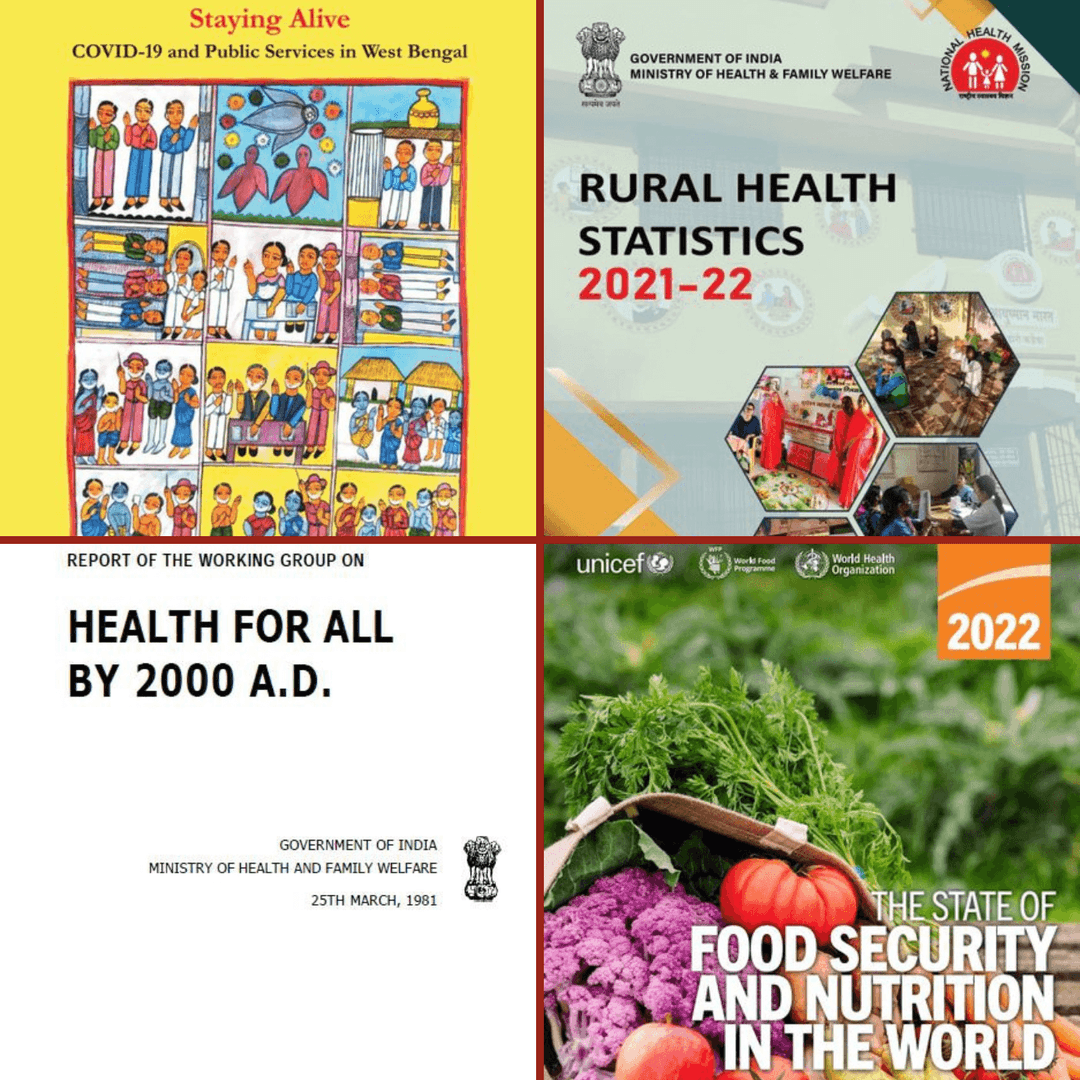
We know all this and more from the Rural Health Statistics 2021-22. These and other important reports, research papers and hard data, laws and conventions are available in the PARI Health Archive and serve as crucial vantage points to illustrate and better understand the state of women’s health in India.
This section spotlights the precarious nature of women’s health, especially in rural India. From reproductive health to sexual violence, mental health to the impact of the Covid-19 pandemic, the PARI Health Archive covers several aspects of women’s health – bolstering PARI’s mandate of covering ‘the everyday lives of everyday people’.