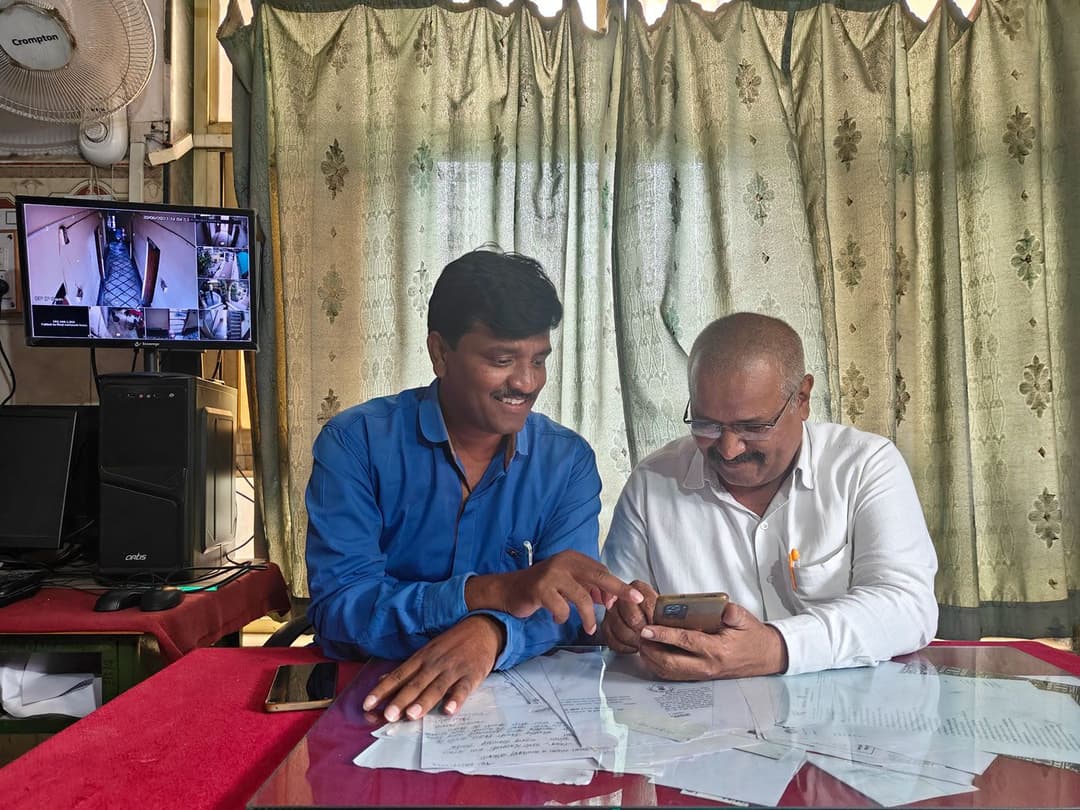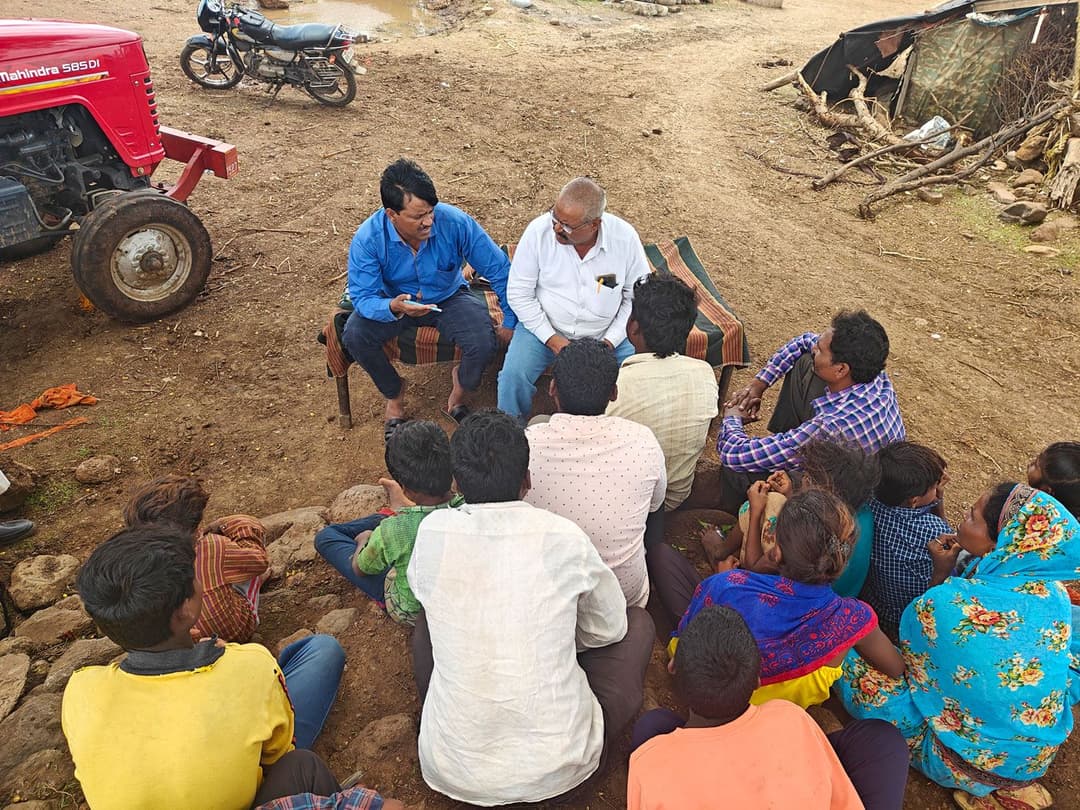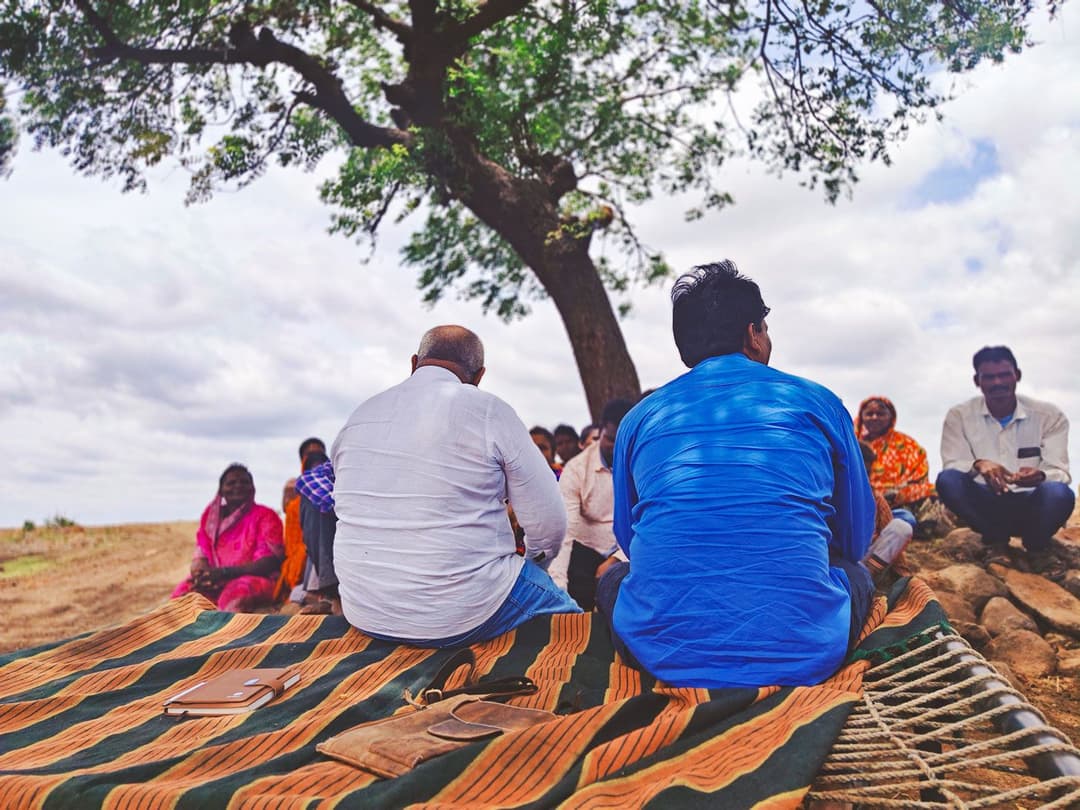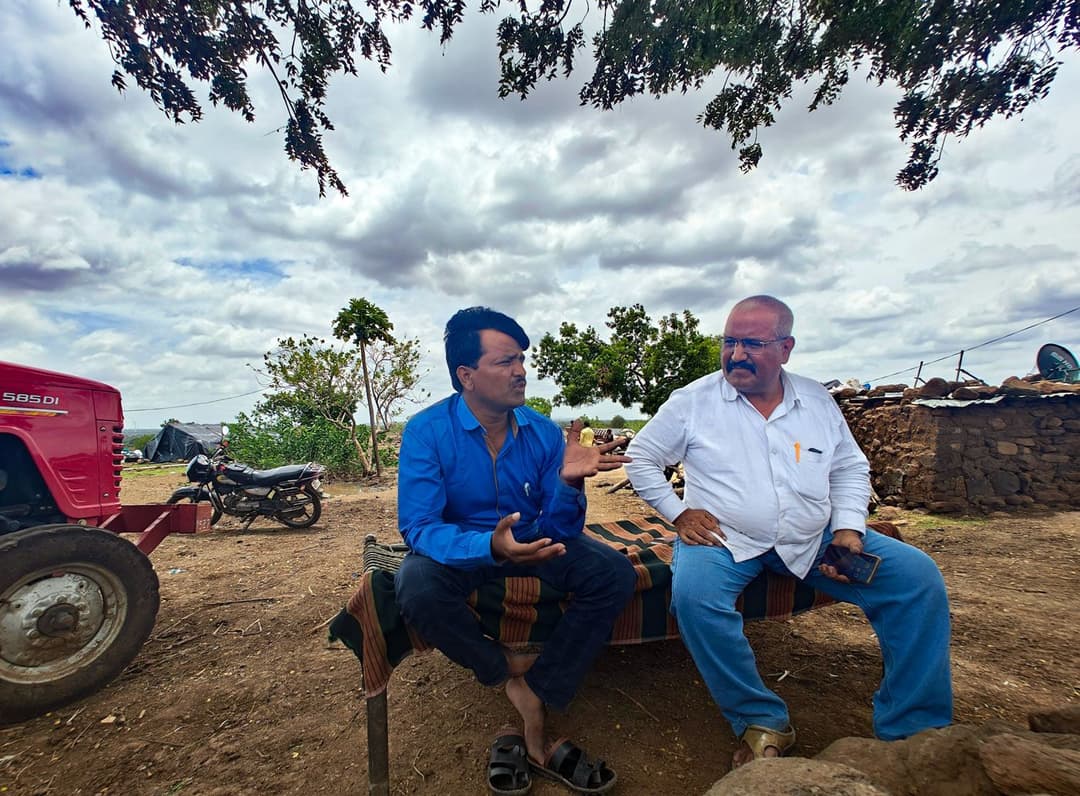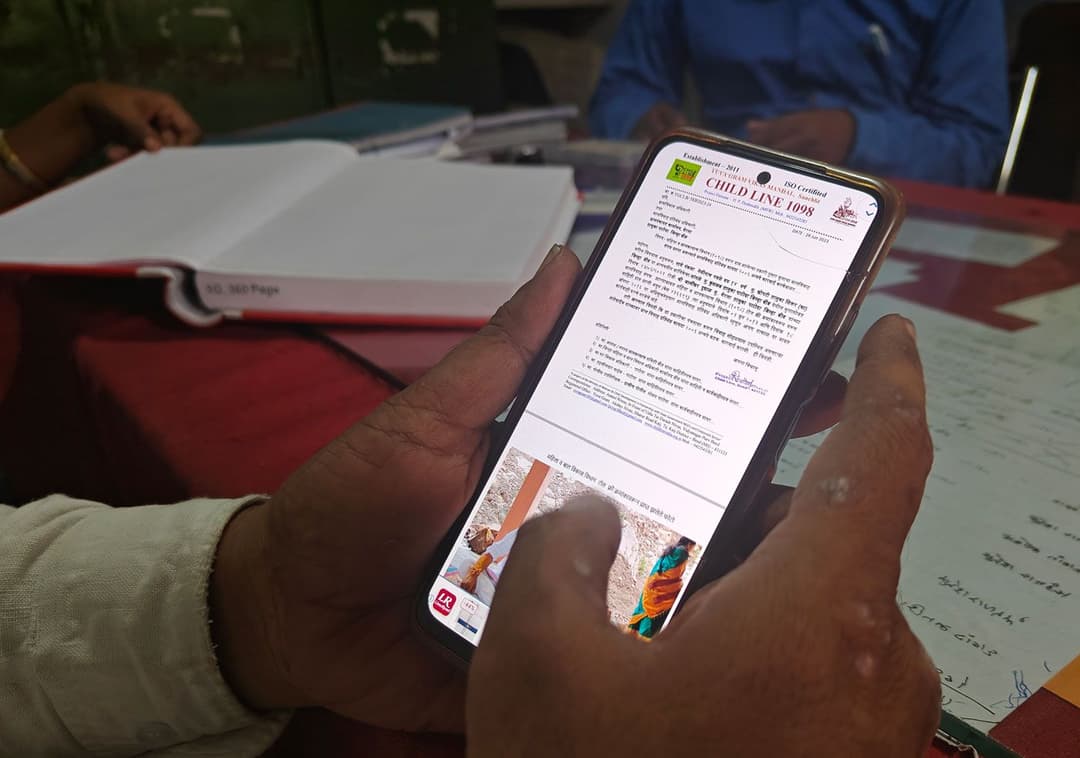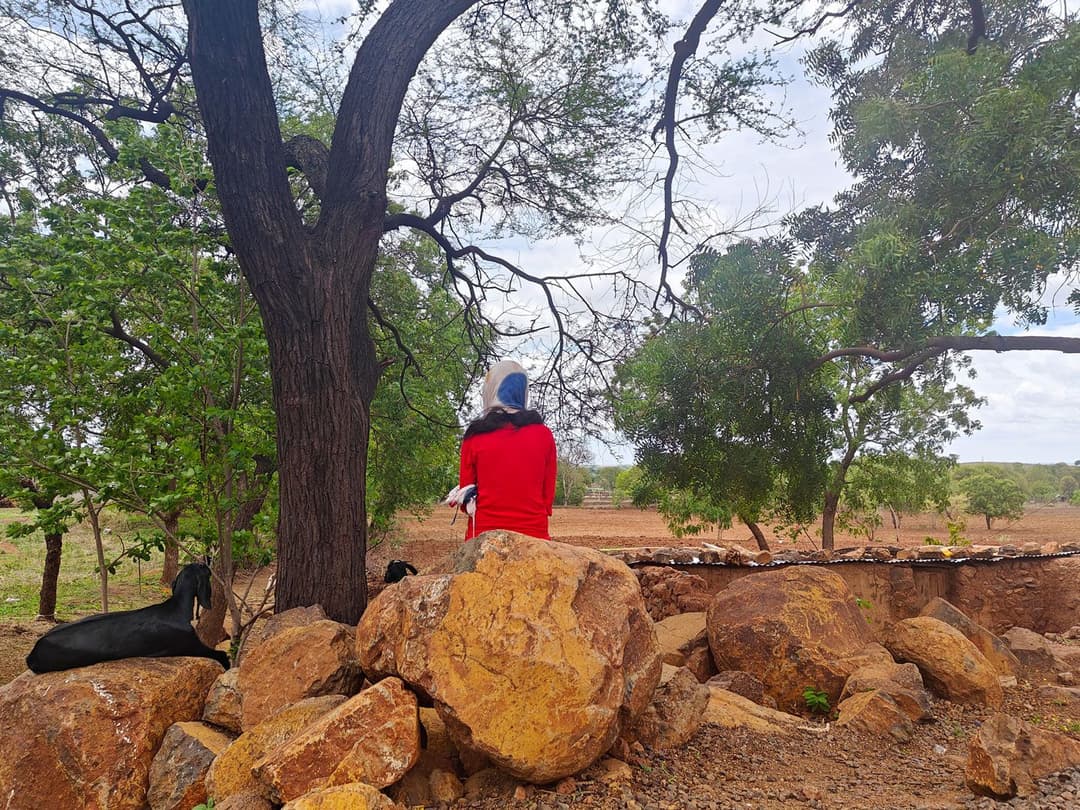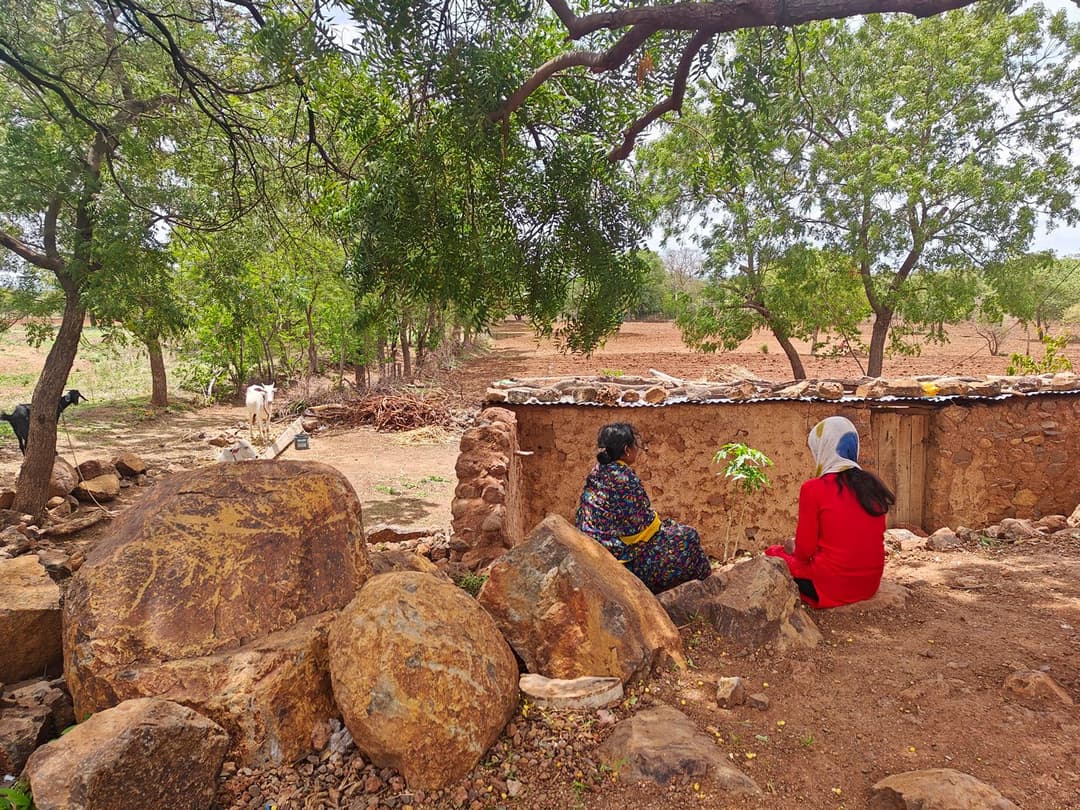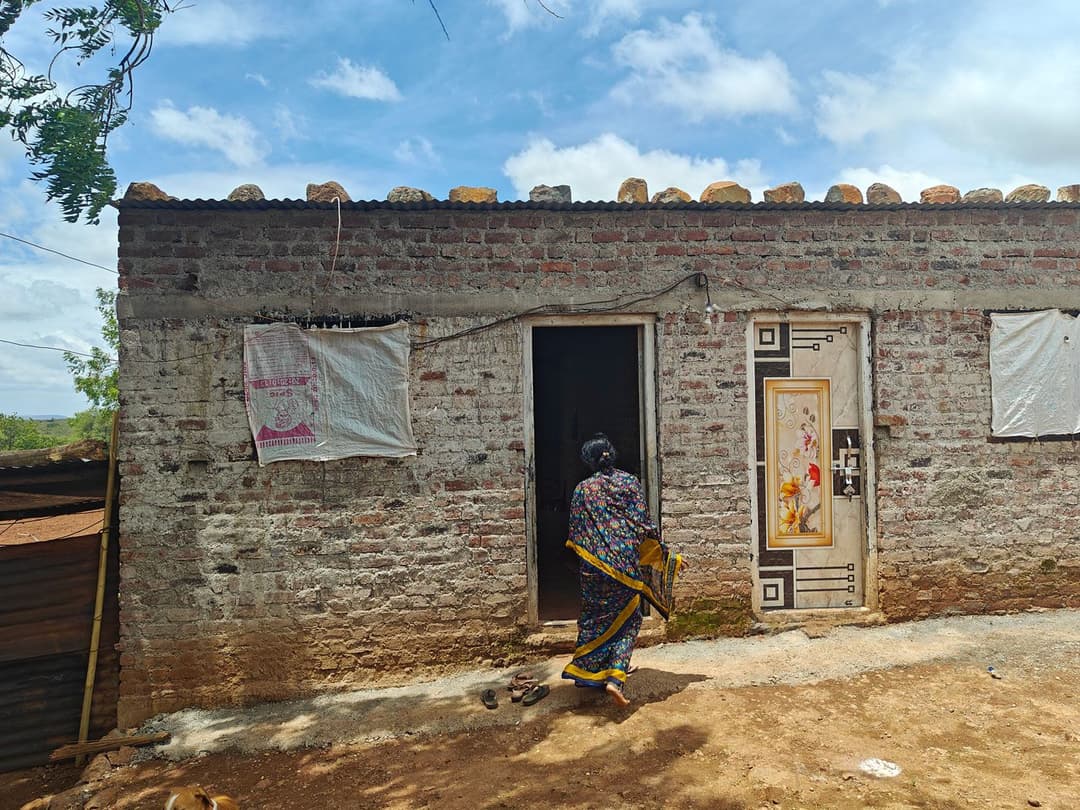

Ashok Tangde was scrolling through his phone one afternoon when a WhatsApp notification popped up. It was a digital wedding card with young faces of the bride and groom staring awkwardly into each other’s eyes. The card also included the time, date and venue of the wedding.
But it wasn’t an invitation for Tangde to attend the ceremony.
The card had been sent by one of Tangde’s informants in his district in western India. Along with the wedding card, he had also sent the birth certificate of the bride. She was 17 years old, a minor in the eyes of the law.
On reading the card, the 58-year-old realised that the wedding was about to take place in an hour. He quickly phoned his colleague and friend Tatwasheel Kamble and they jumped in a car.
“It was about half an hour away from where we stay in Beed city,” says Tangde, recalling the incident from June 2023. “On our way, we WhatsApped the images to the local police station and the gram sevak so that we don’t lose any time.”
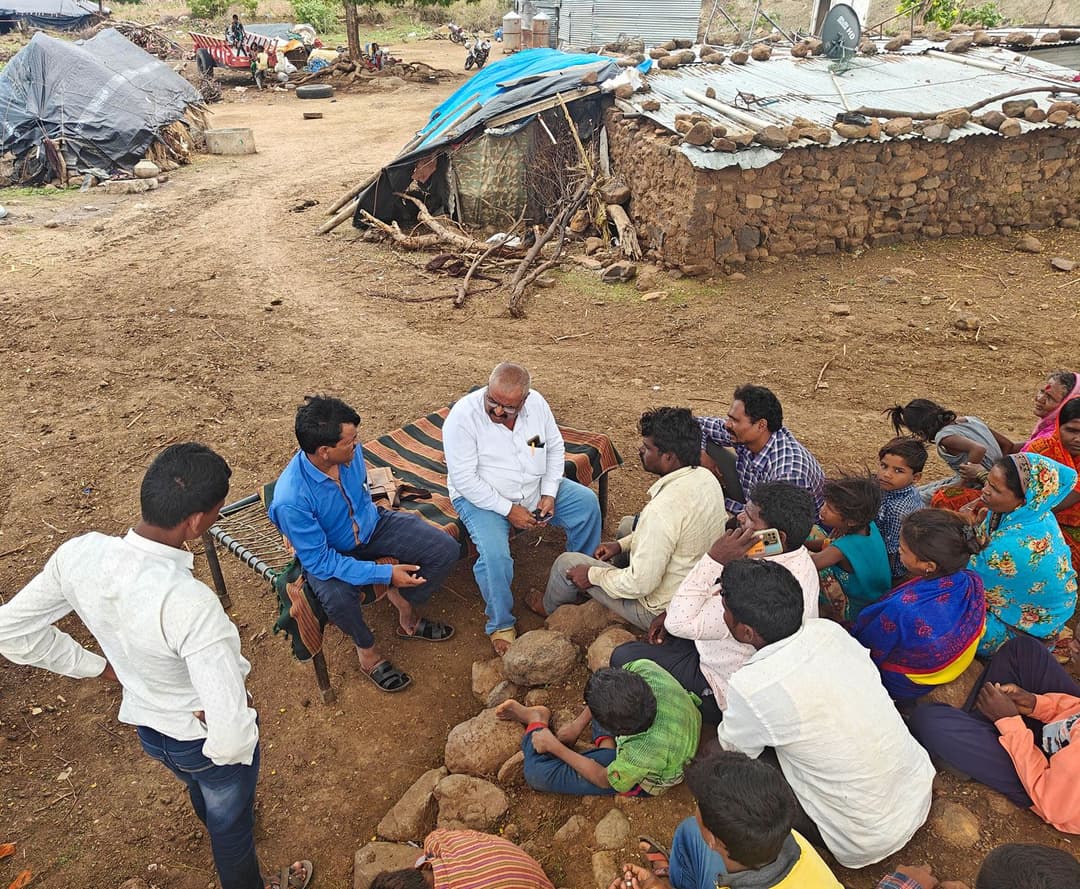
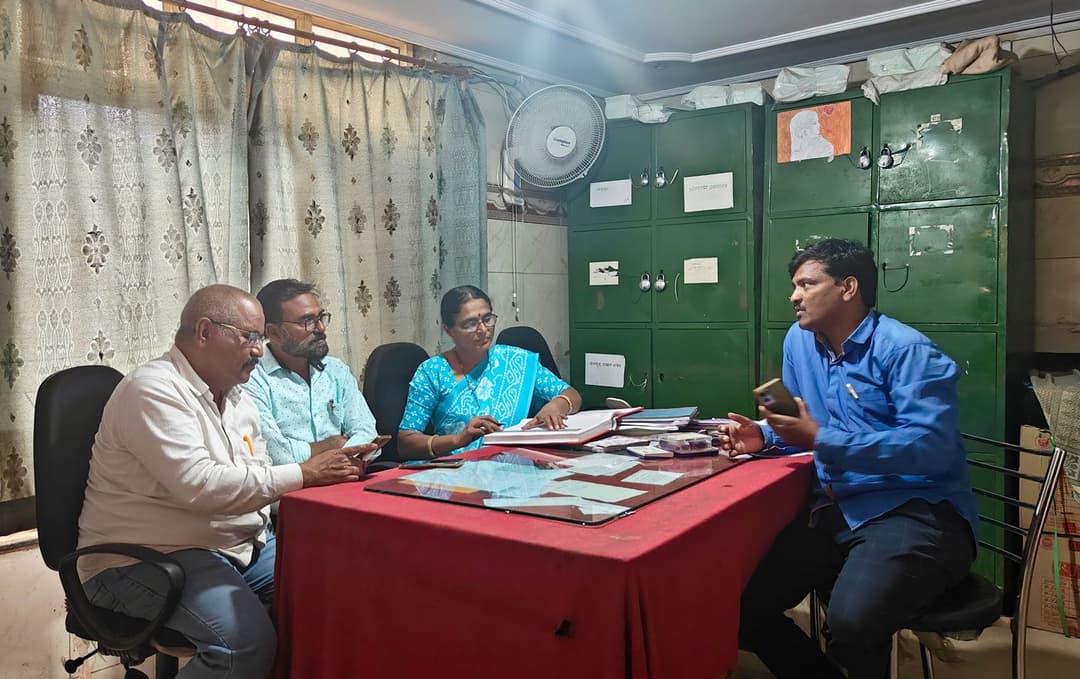
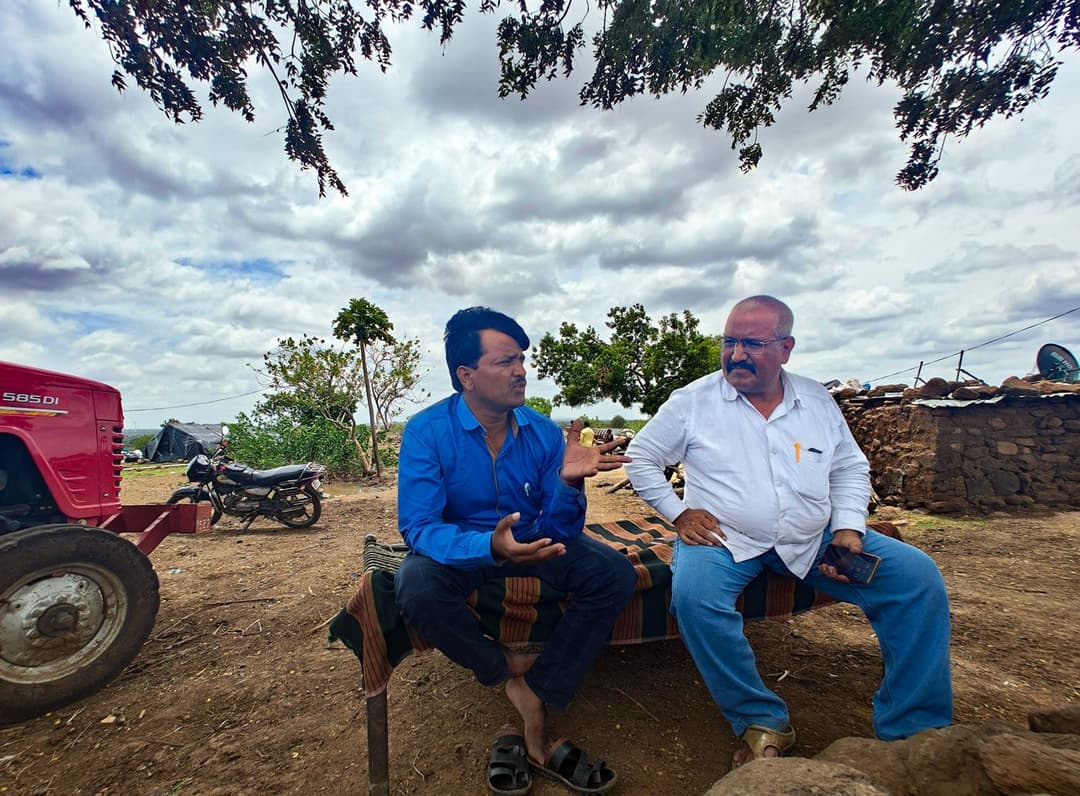
Tangde and Kamble are child rights activists, acting as whistleblowers in the district of Beed in Maharashtra.
Helping them in their cause are a wide range of informants: from a village boy with a crush on the bride to a school teacher or even a social worker, anyone who understands that child marriage is a crime can be an informant. And over the years, the two activists have cultivated a network of over 2,000 informants across the district who help them track child marriages.