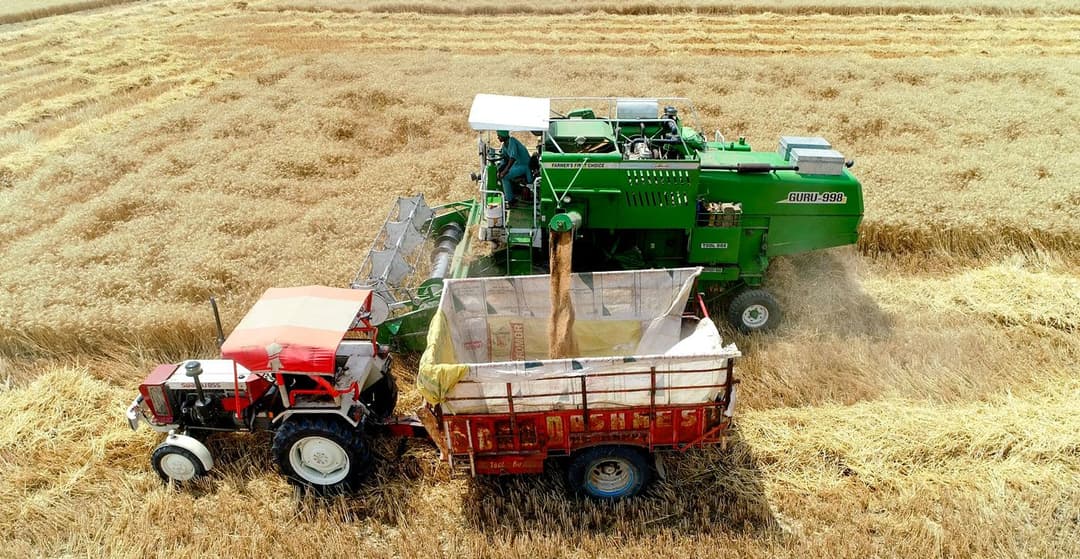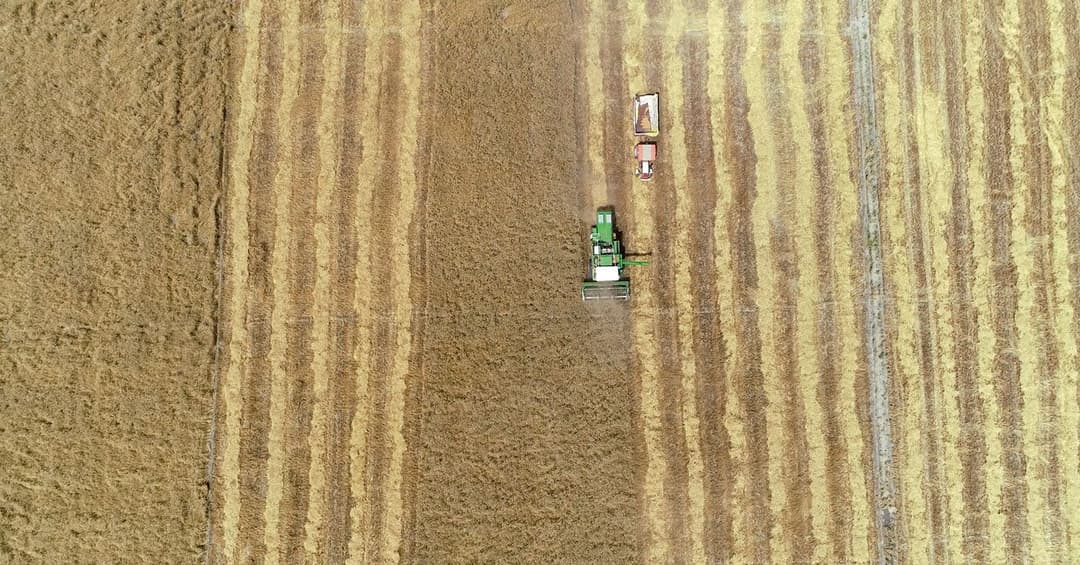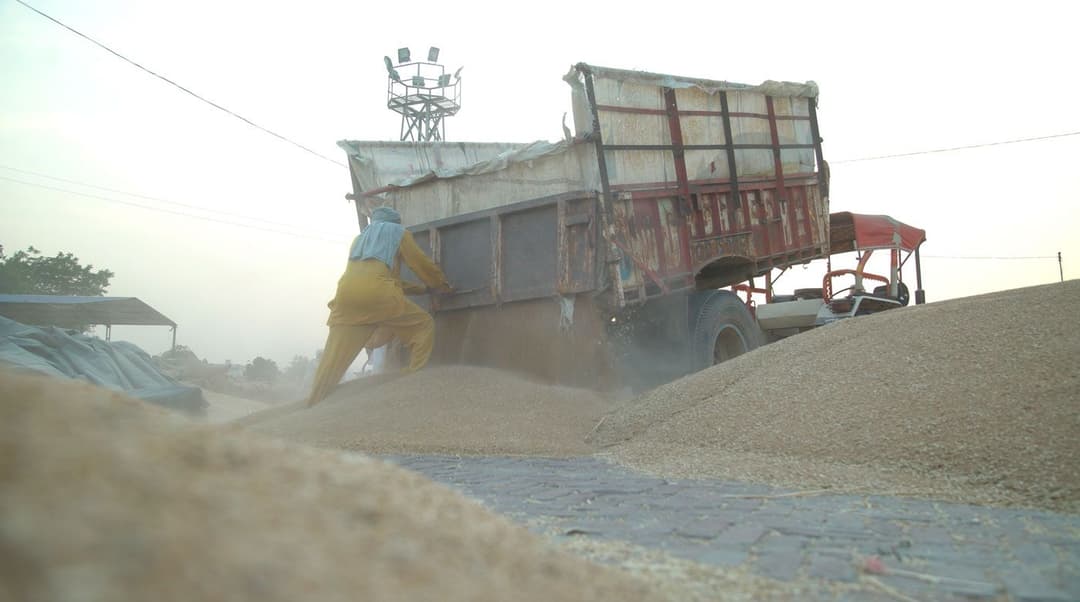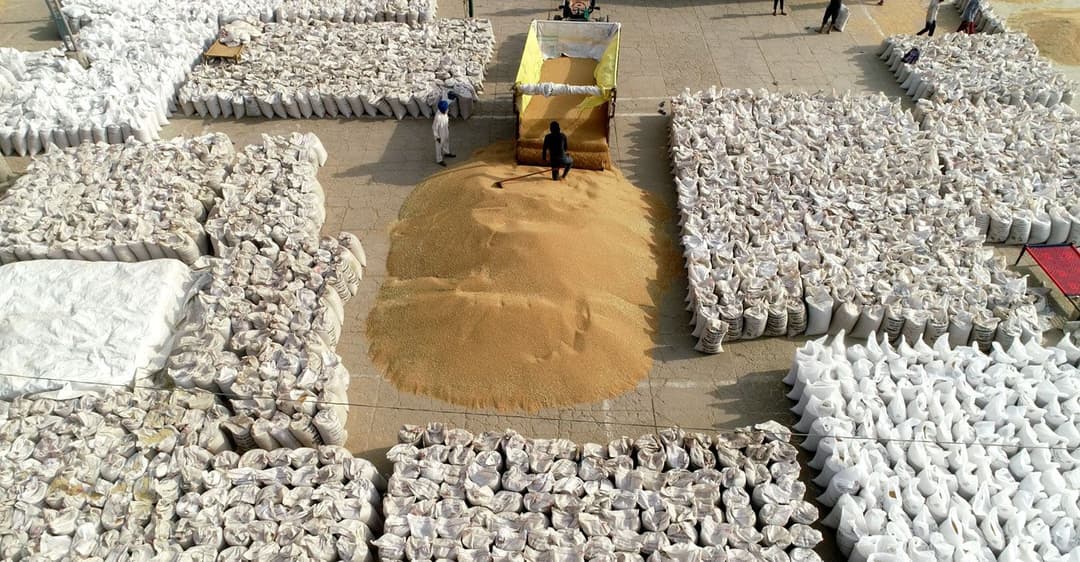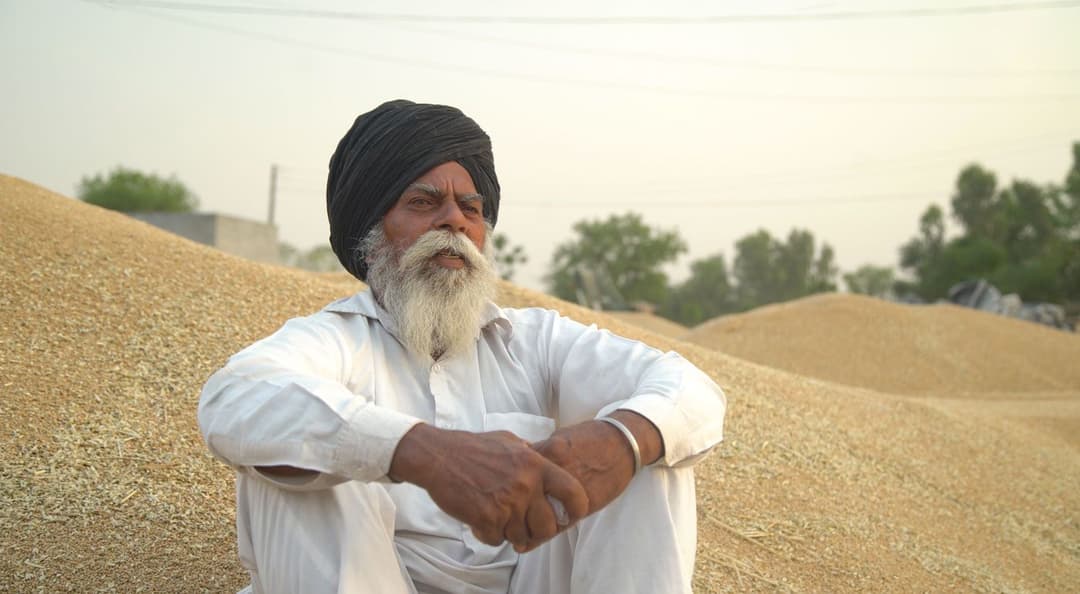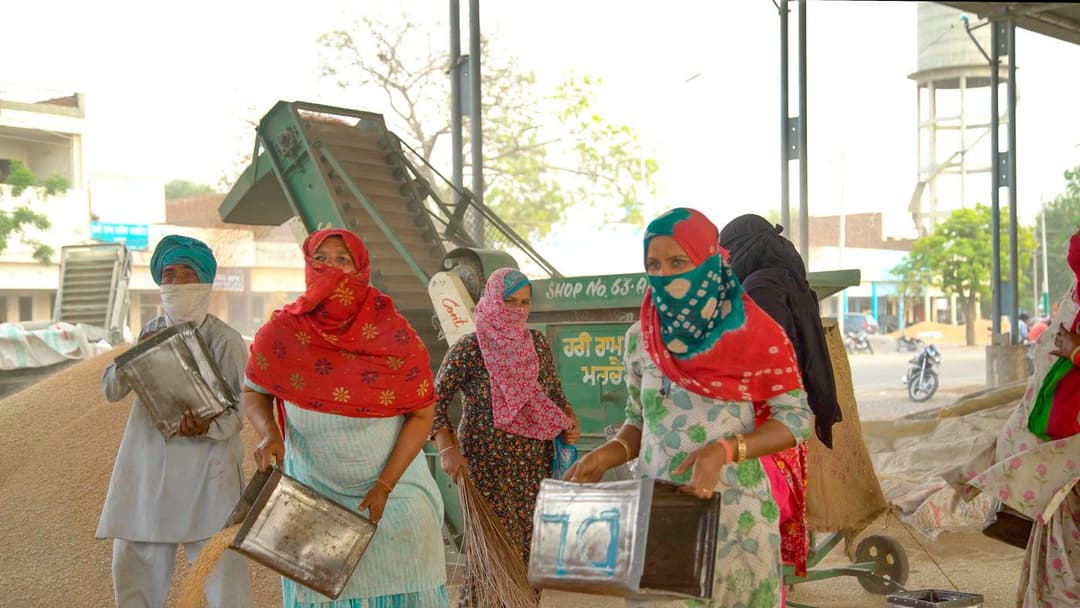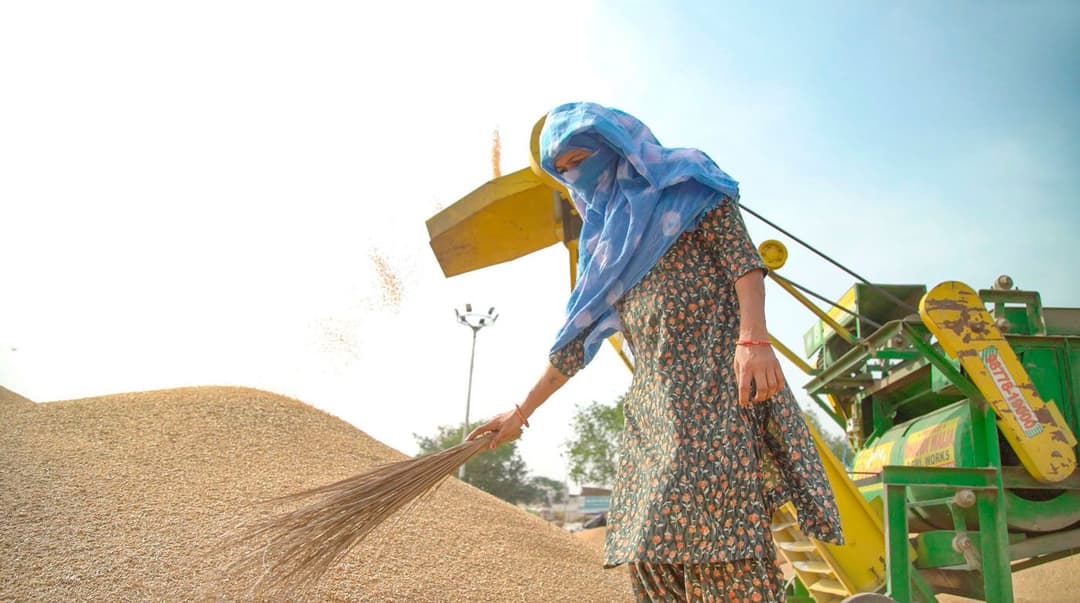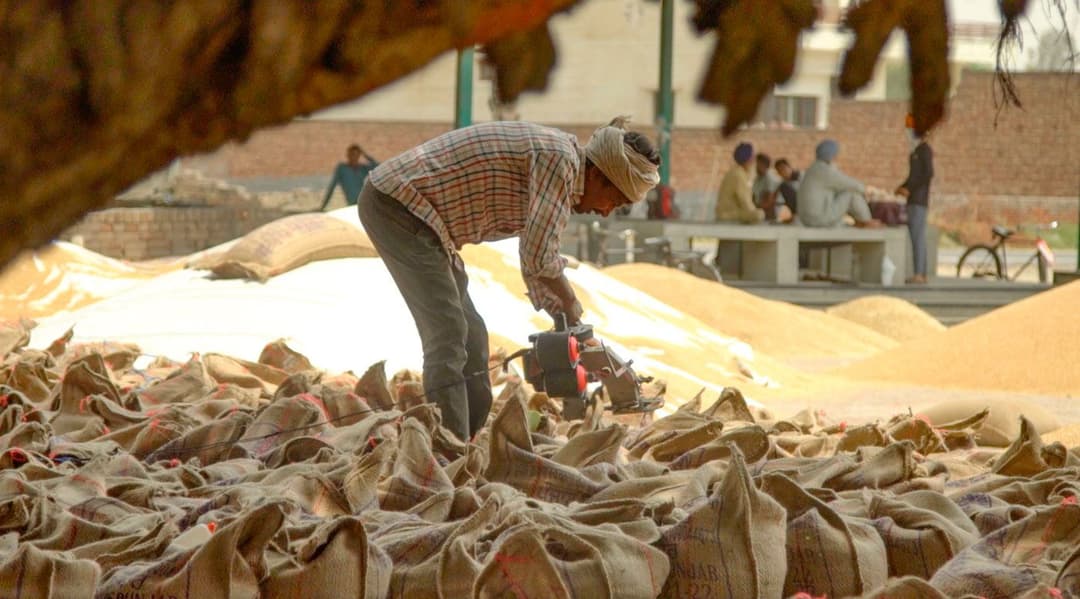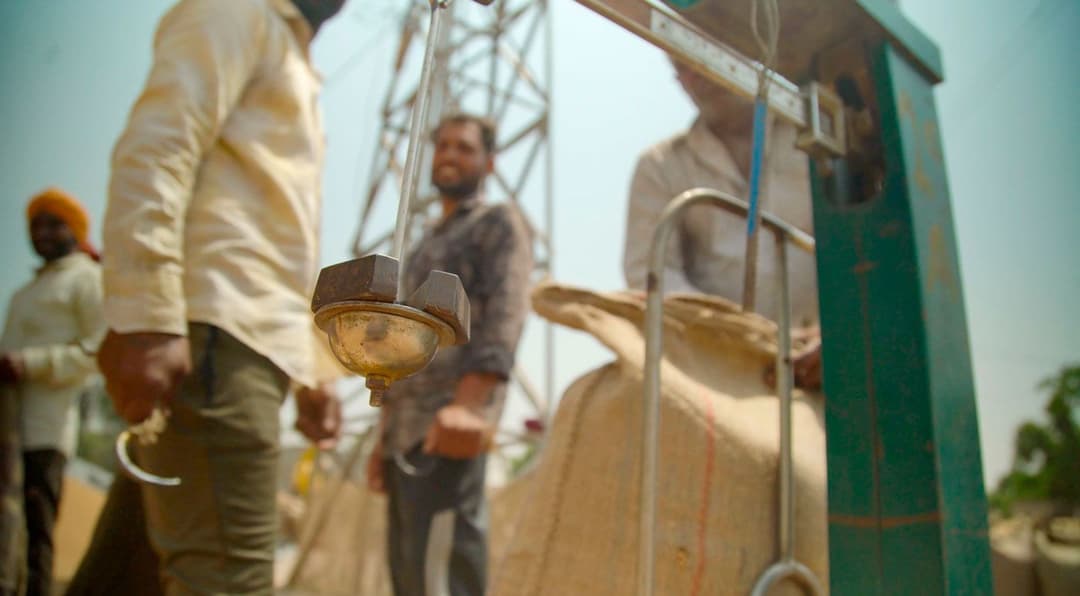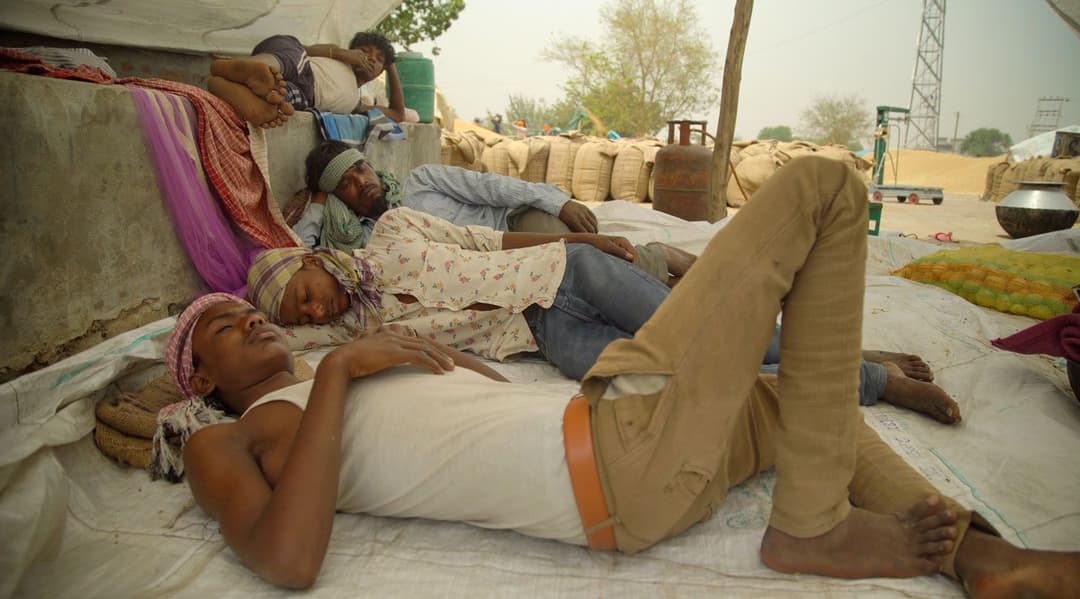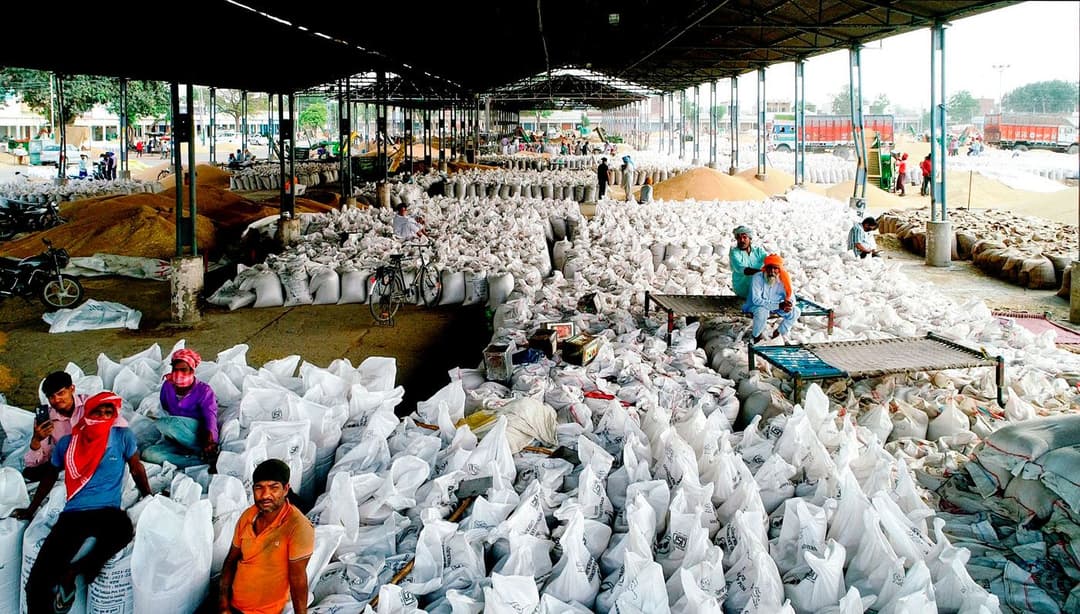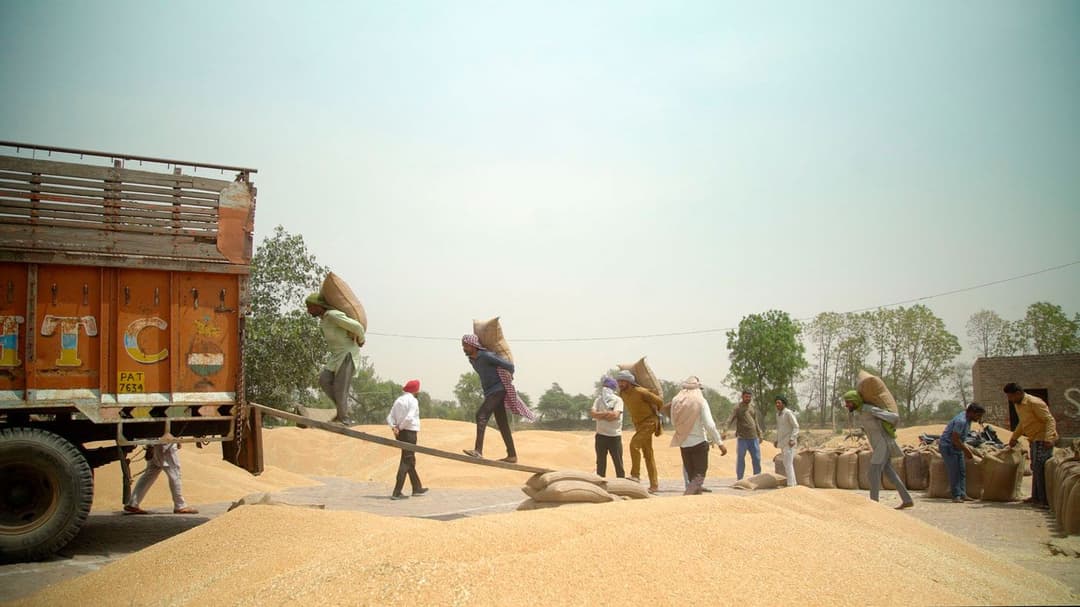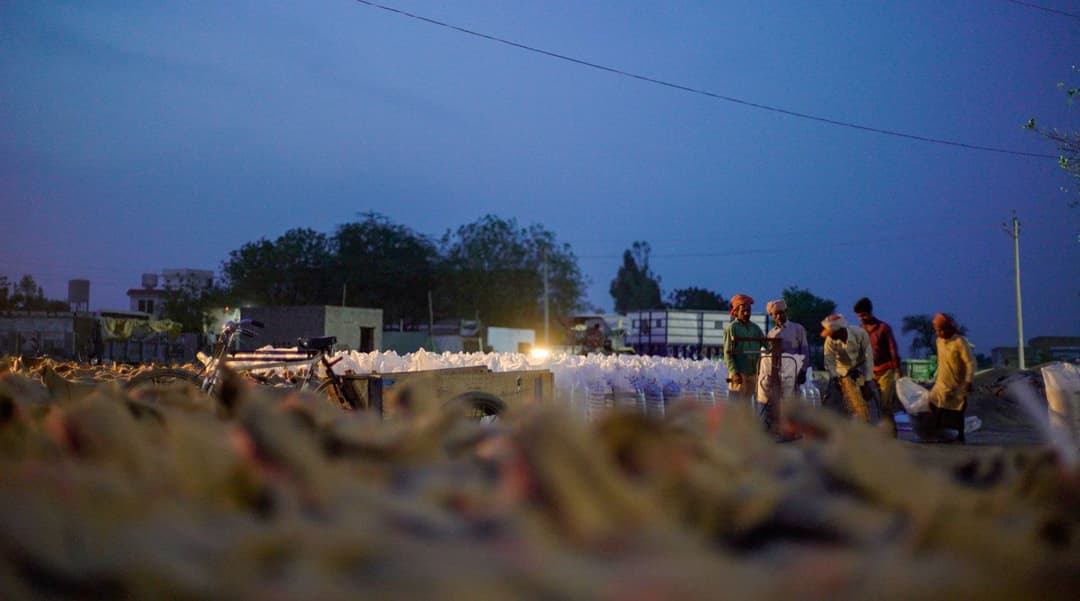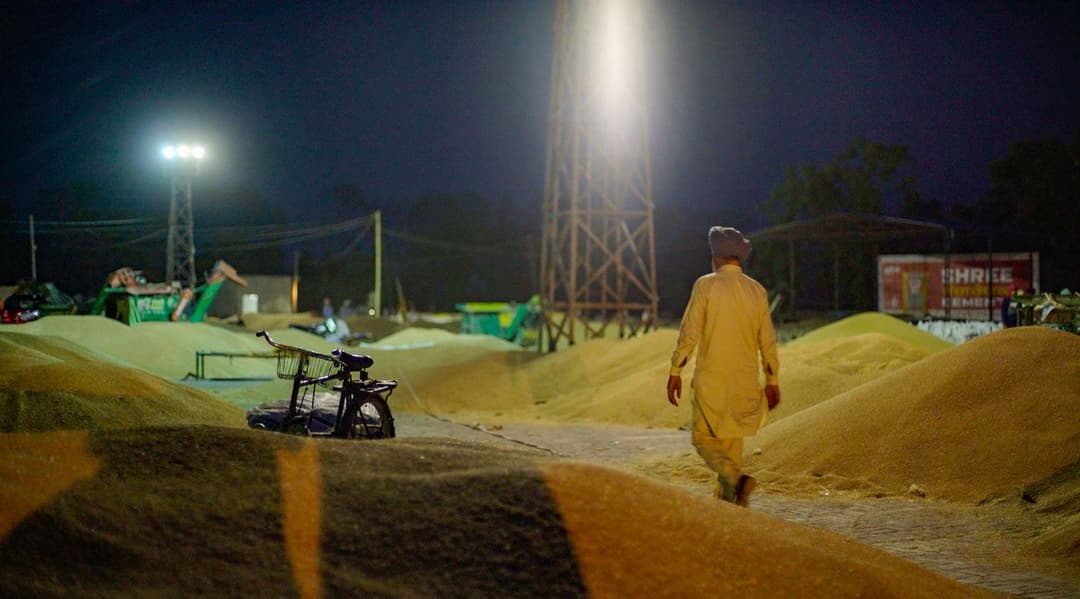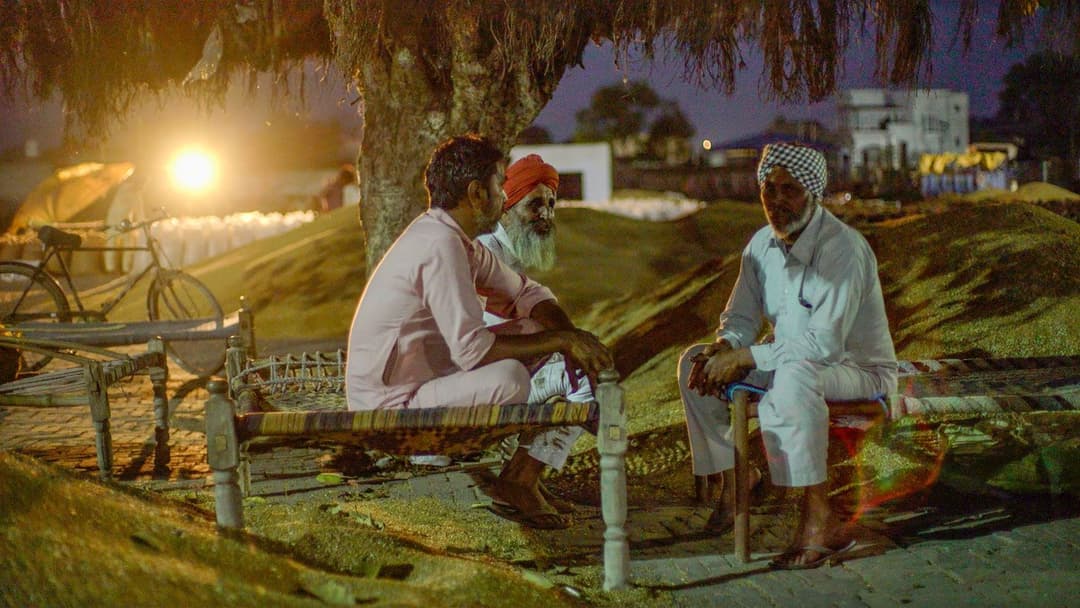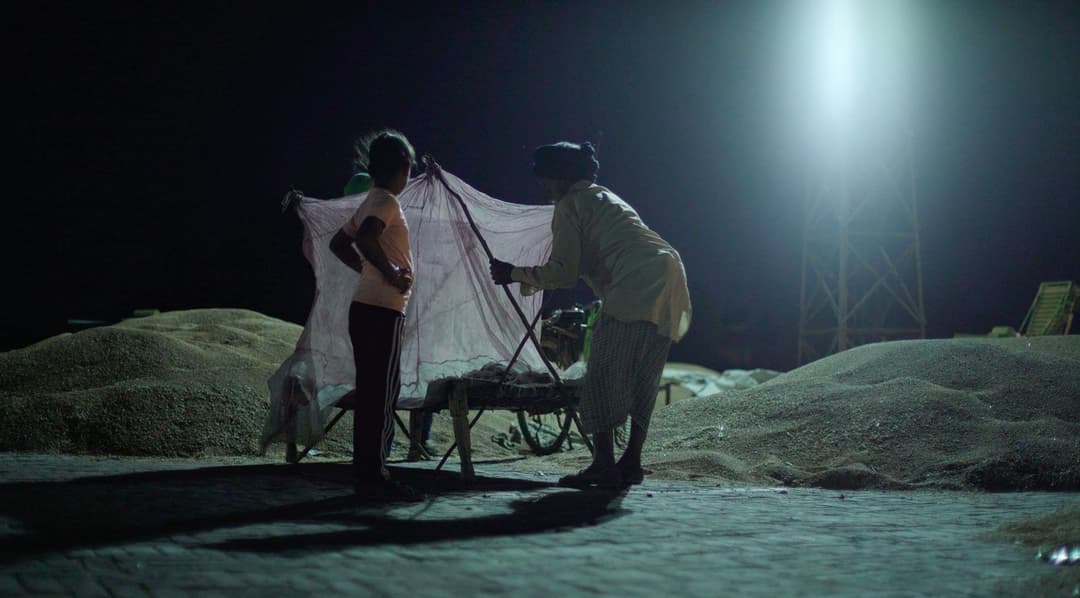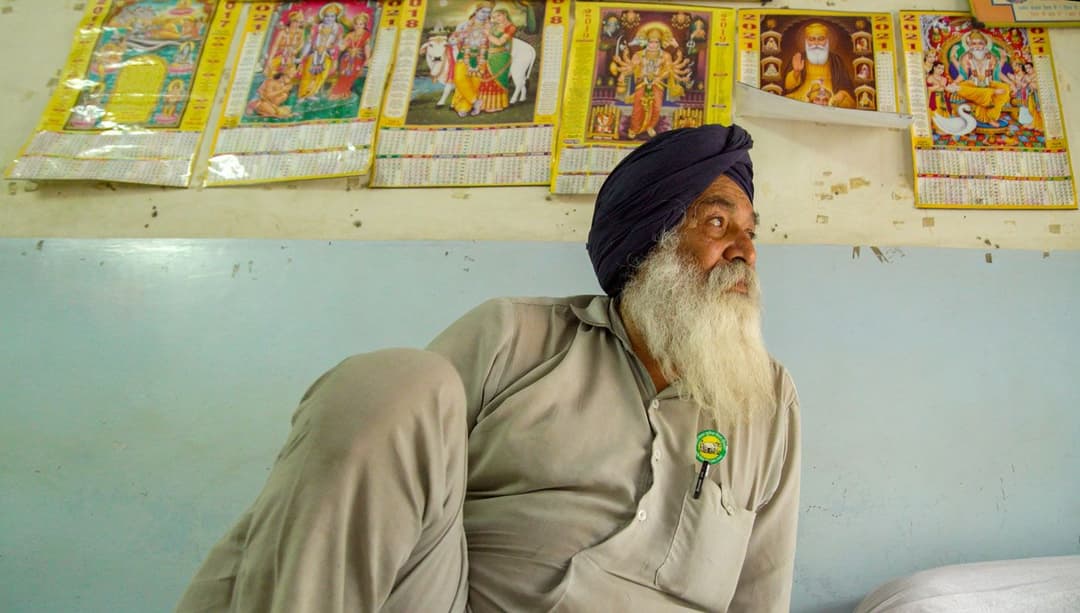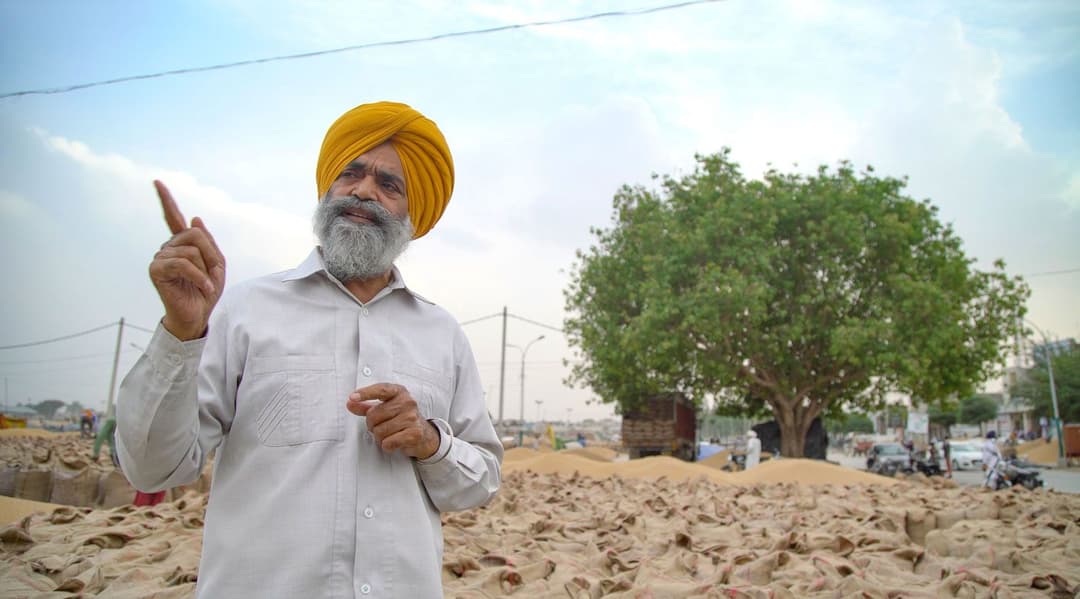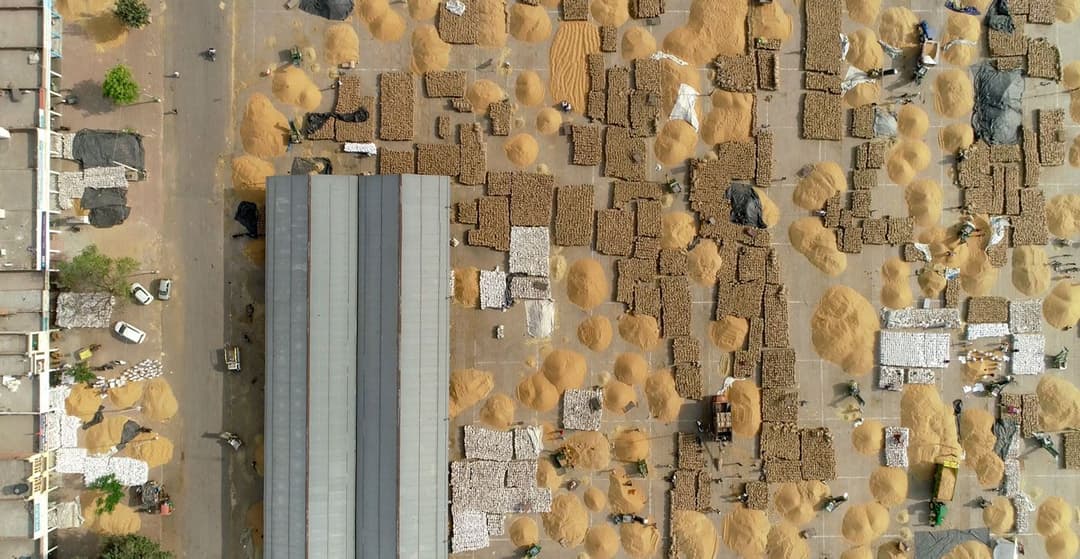

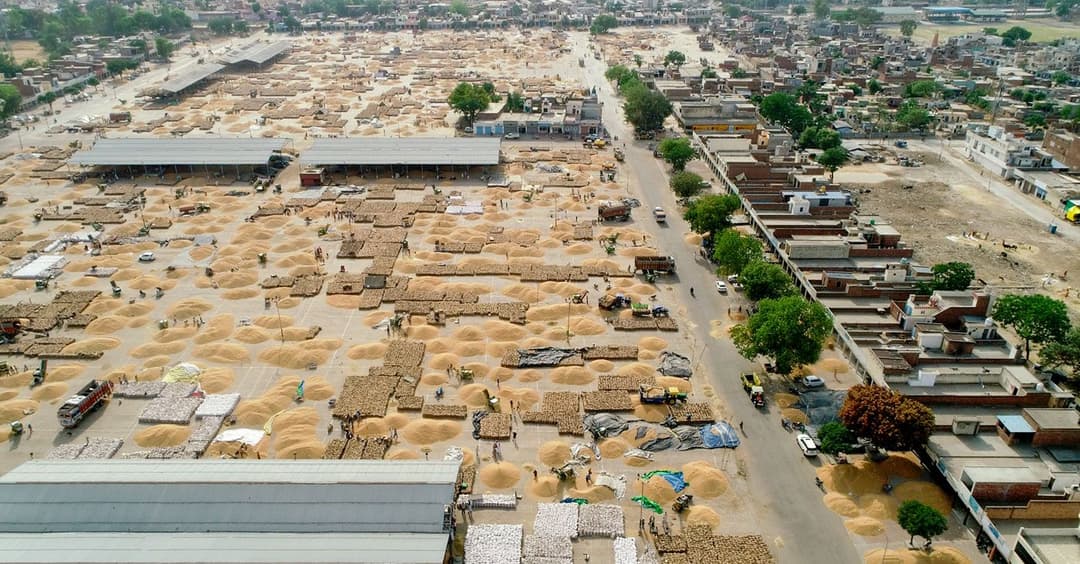
It’s a massive grid – 152 main yards, 279 sub-yards and 1,389 purchase centres across Punjab (in 2019-20). Together, it forms a safety net for Jaswinder Singh. A farmer feels secure in this mandi system, says 42-year-old Jaswinder of Longowal town in Sangrur district, whose family cultivates 17 acres. “I can take my harvest to the mandi without any hesitation or fear knowing that I will get the money for it. I know the process and am certain I will get my due.”
Main (or principal) yards are huge mandis (like the one in Sunam in the photos here). These yards have various facilities and areas allotted to farmers to bring and pile their harvest, usually in front of the shops of their arhtiyas (commission agents)
https://ruralindiaonline.org/en/articles/punjabs-arhtiyas-sins-of-commission/
. Sub-yards are, broadly, additional nearby spaces if the area within a principal yard is inadequate for the produce that year. Purchase centres are smaller mandis, mostly in villages (like the Sheron mandi in the photos here). Together, these comprise Punjab’s vast Agricultural Produce Marketing Committee (APMC) network.“When my crop is sold, I get a J-form from the arhtiya and that works as a security until the payment comes,” says Jaswinder. “But most importantly for me, since it is a government set-up, if anything untoward is to happen with my payment, I know I am protected under the law and that is a big security,” he adds (referring to the Punjab Agricultural Produce Markets Act of 1961).
The APMC network ensures that crops are procured in a regulated process by private traders or government agencies like the Food Corporation of India or Markfed (Punjab State Cooperative Supply & Marketing Federation Limited), which mainly purchase wheat and paddy at a state-mandated minimum support price (MSP). Once the grain reaches any of the mandis in Punjab, FCI or Markfed officials test its quality, according to specific standards like the amount of moisture it contains. Then the grain is auctioned and sold. The process is routed through the arhtiyas, who are a critical link in this chain.
Accessibility and reliability are major benefits of such a system, says 32-year-old Amandeep Kaur from Dugal Kalan village in Patran tehsil of Patiala district. “The most important thing for me is that I can take my produce right to the village mandi [purchase centre]. It is convenient and I know the rate I will get for my crop [as the MSP]. We have seen what is happening with sugarcane in the state. There is no centralised system for it, so farmers have to take their produce sometimes to one city then another wherever they get a better price. How can we wander about the state searching for a better price?"