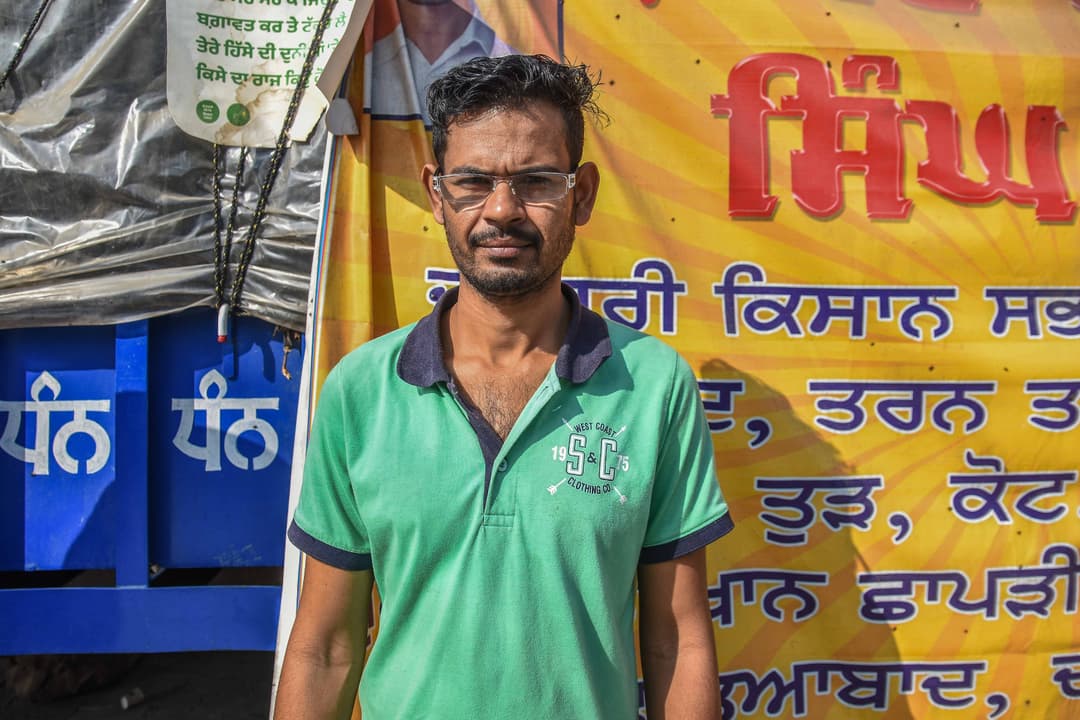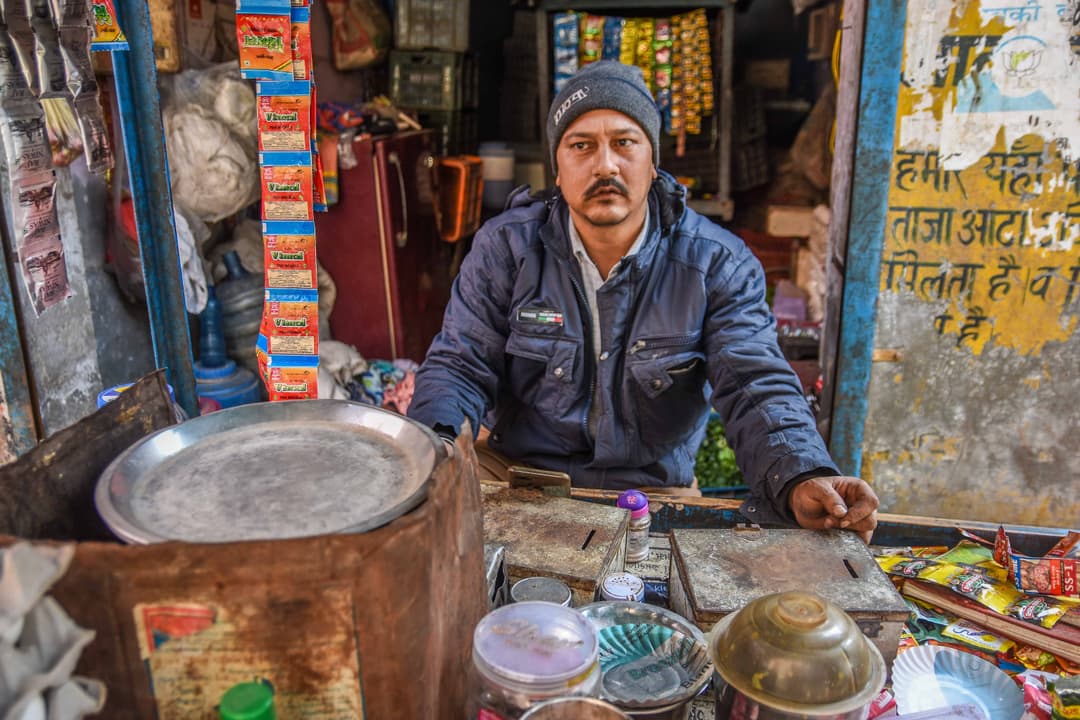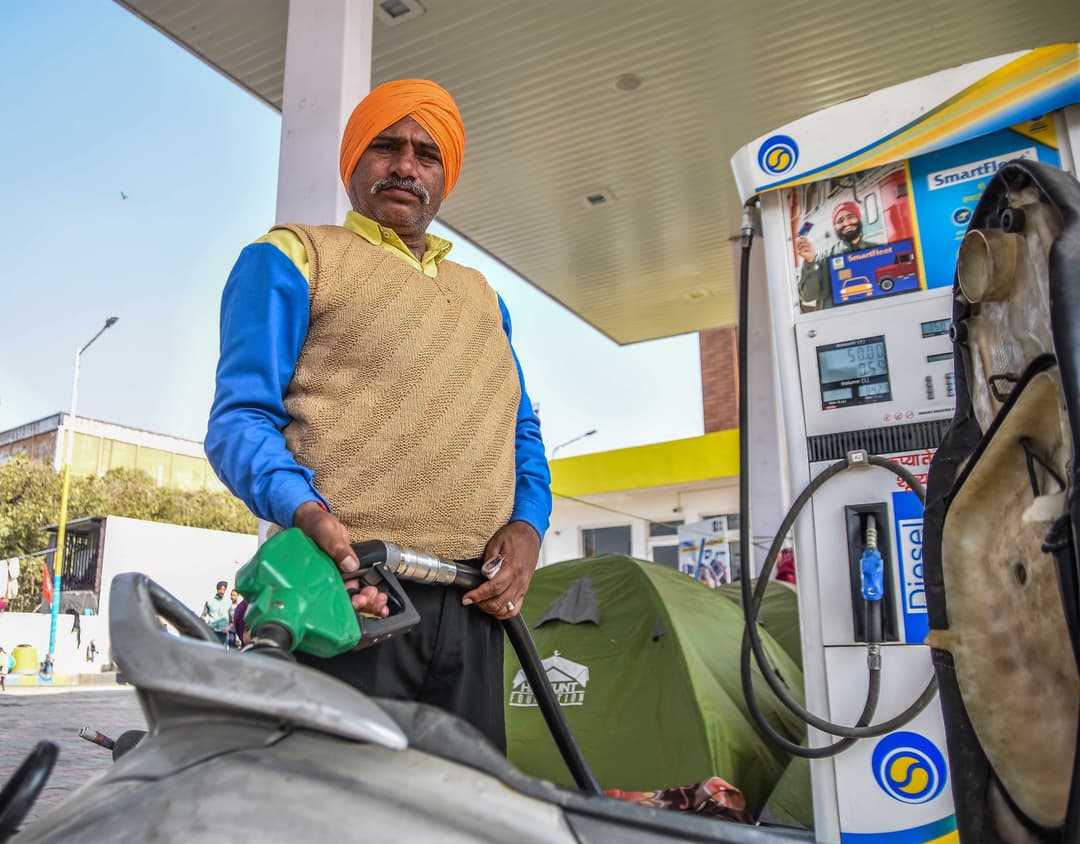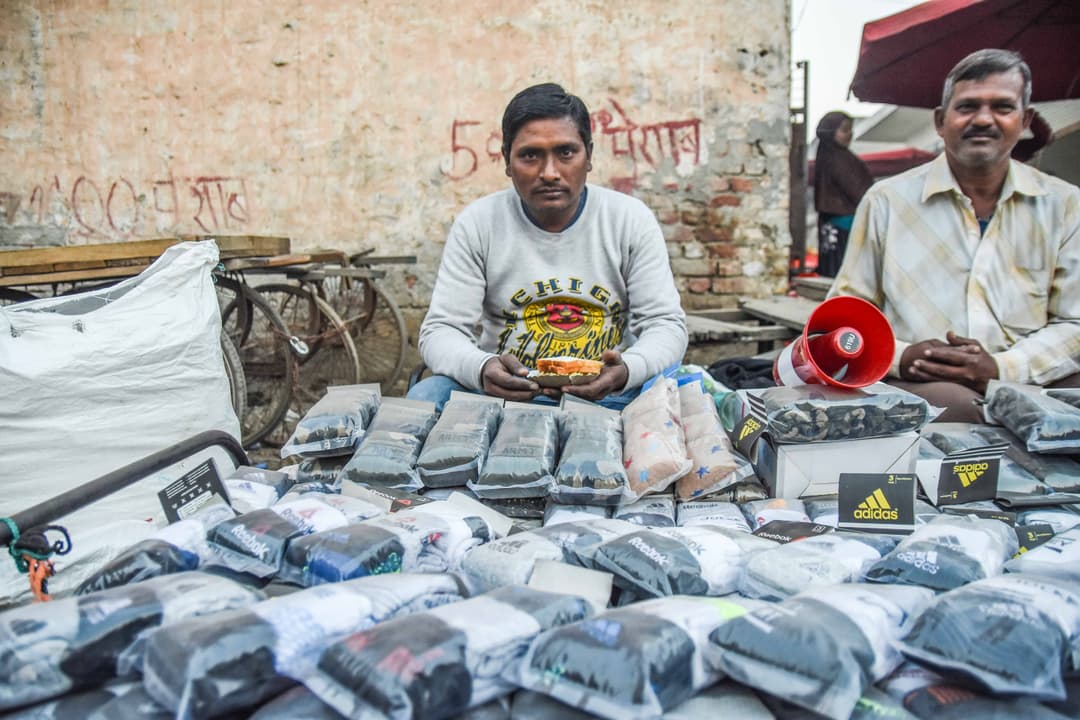

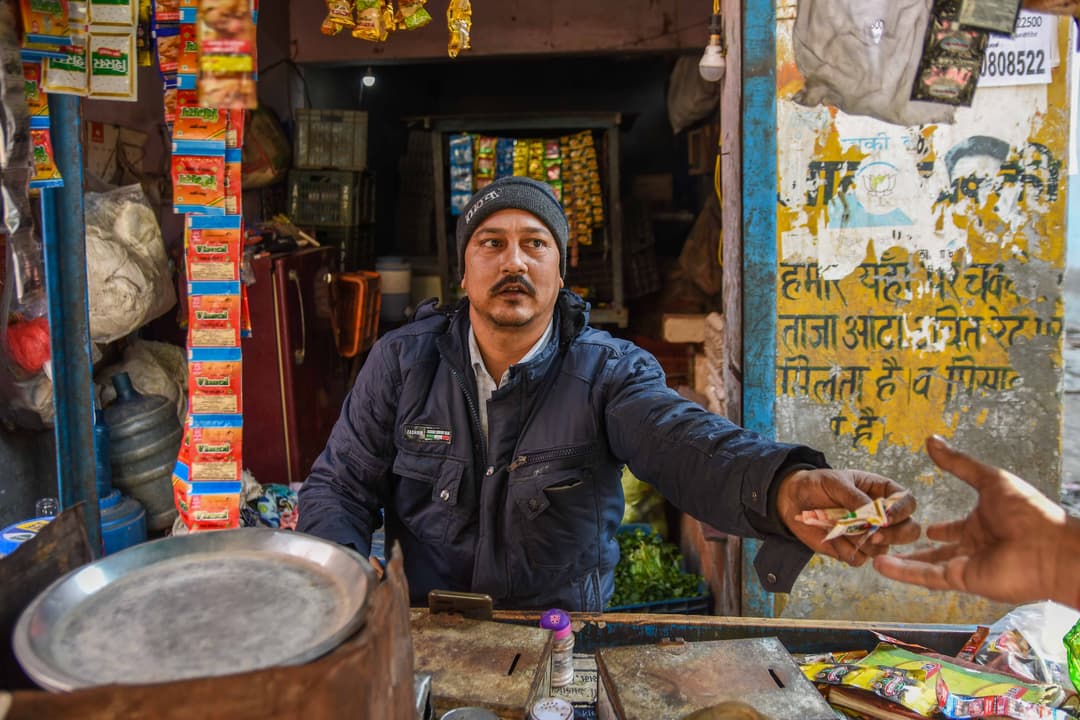
“The company people are certainly irritated with the protest happening here. It has badly affected transportation and the business is running poorly,” says 22-year-old Nizamuddin Ali, a security supervisor at a home appliances factory in the Kundli industrial area. He lives about six kilometres from the farmers’ protest site at Singhu, on the Haryana-Delhi border. (Kundli is an old village, now a municipal council, in Haryana’s Sonipat district).
Due to the disruption, Nizamuddin has not been paid by his company for over two months, but he remains supportive of the protesting farmers. “I understand the problems my factory faces right now, which have affected my salary. At the same time, I support the farmers,” he says. But his allegiance is not evenly divided – “If I support my factory 20 per cent, I support the farmers 80 per cent."
Nizamuddin came to Kundli some years ago from a village in Siwan district of Bihar, where, on 6.5 bighas of land (roughly 4 acres in Bihar), his family cultivates wheat, rice, arhar dal, mustard, moong dal and tobacco. “It's the farmers who grow these crops to earn a living, not the government or Ambani and Adani. I understand the pain of farmers across India. If these new laws take root, our access to rations will come to an end. The midday meals at schools won't be continued,” he says.
“We were told in Bihar [some years ago] that wheat will fetch 25 rupees per kilogram. Each farm family in Bihar got 2,000 rupees in their account [under the PM-Kisan scheme]. But later that 25 rupees rate got reduced to 7 rupees per kilo. We want to move forward, but the government is clearly pushing us back.”