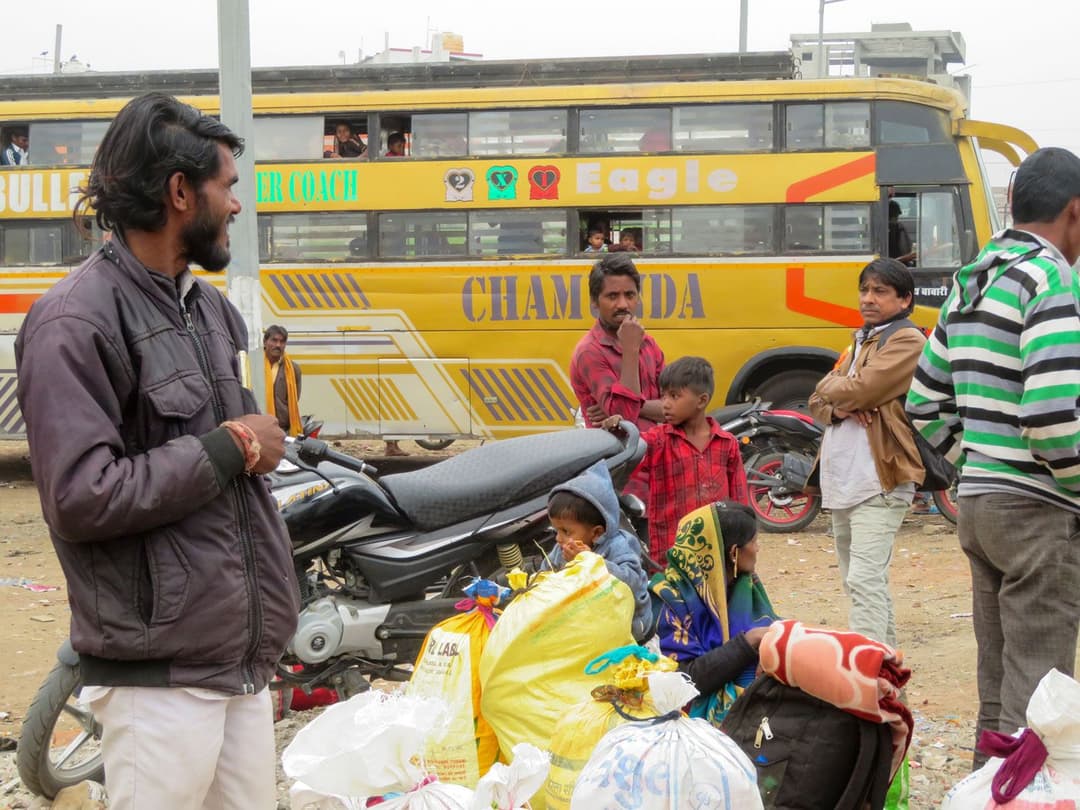
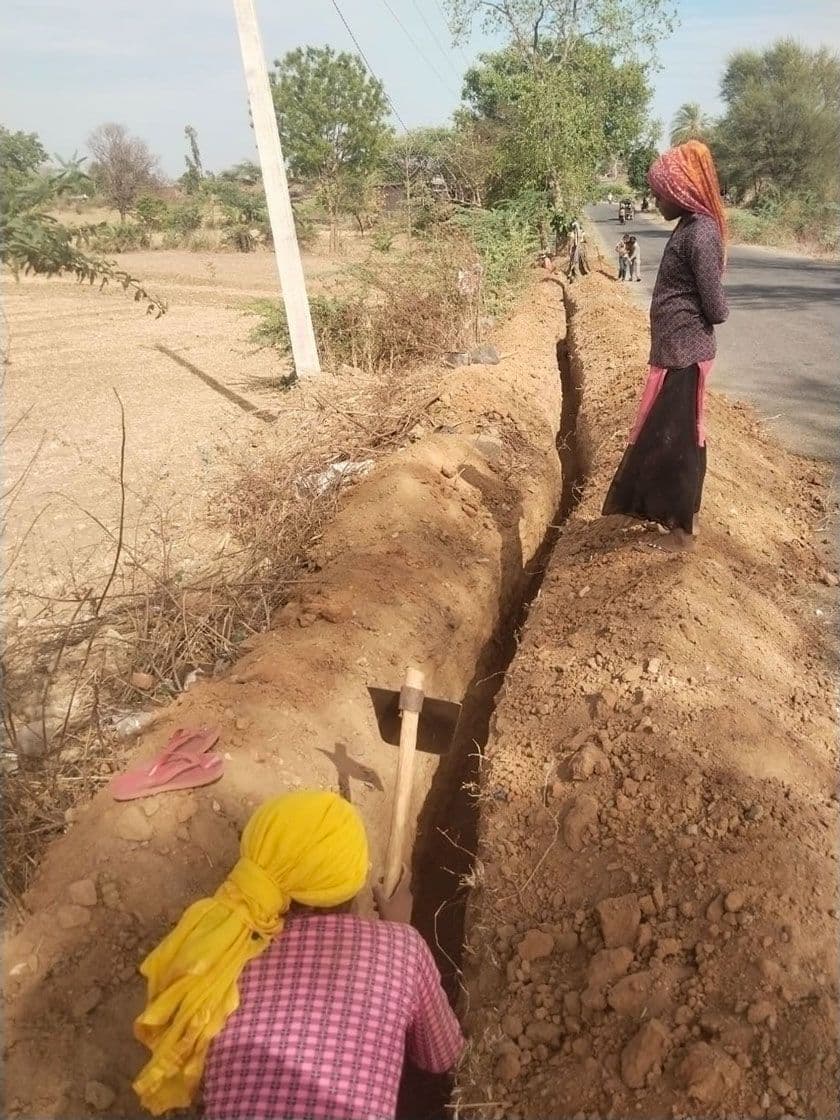
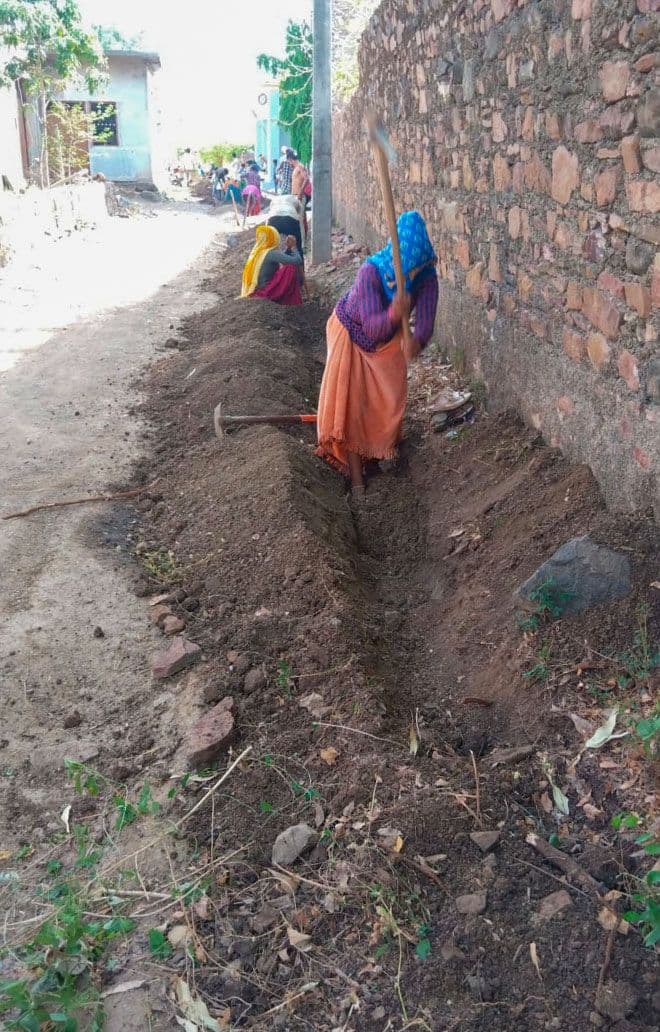
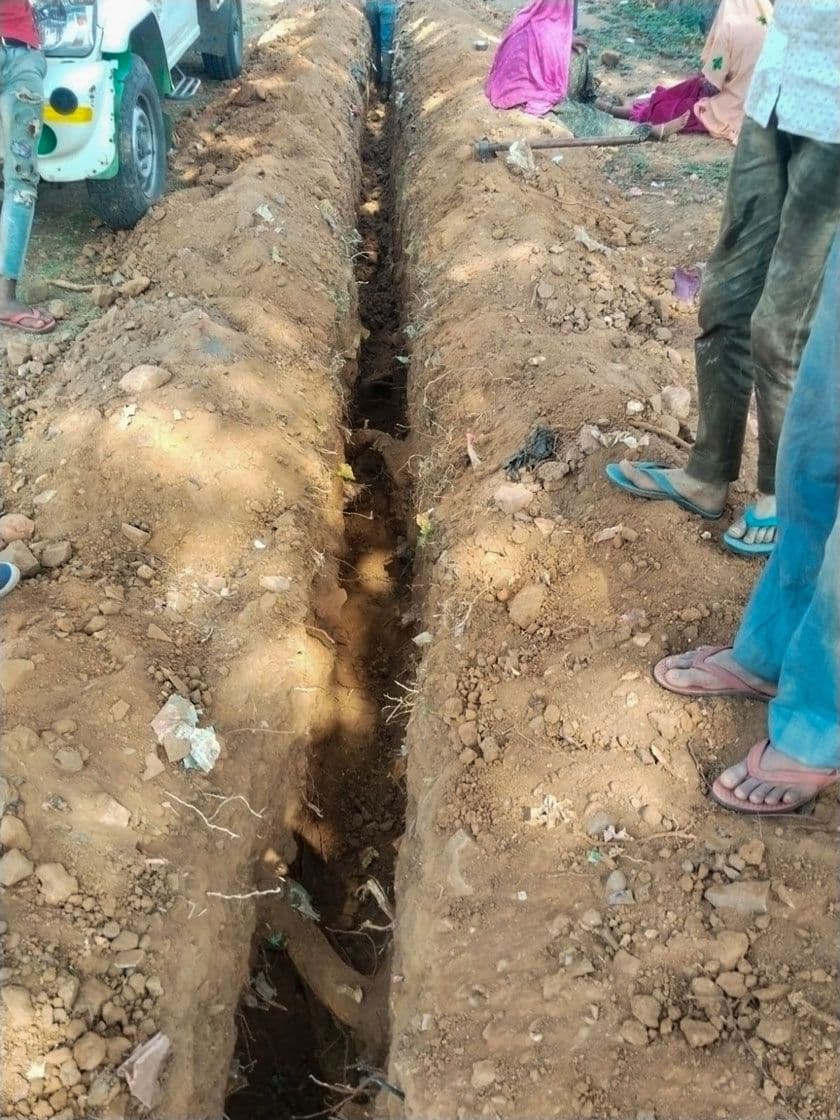
Migrants dream of a pot of ‘gold’ at the end that will pay off debts, keep children in school and hunger at bay. But things often go wrong. The state labour helpline run by Aajeevika receives up to 5,000 calls a month from migrant workers seeking legal redress for non-payment of dues.
“For wage labour, agreements are never formal, they are verbal. Labourers are passed from one contractor to another,” says Kamlesh who estimates that the denial of wages for just the migrants out of Banswara district adds up to crores of rupees.
“They never get to know who their principal contractor is, who they are working for, so redressal of dues is a frustrating and longwinded process,” he adds. His job gives him a ringside view of how migrants are exploited.
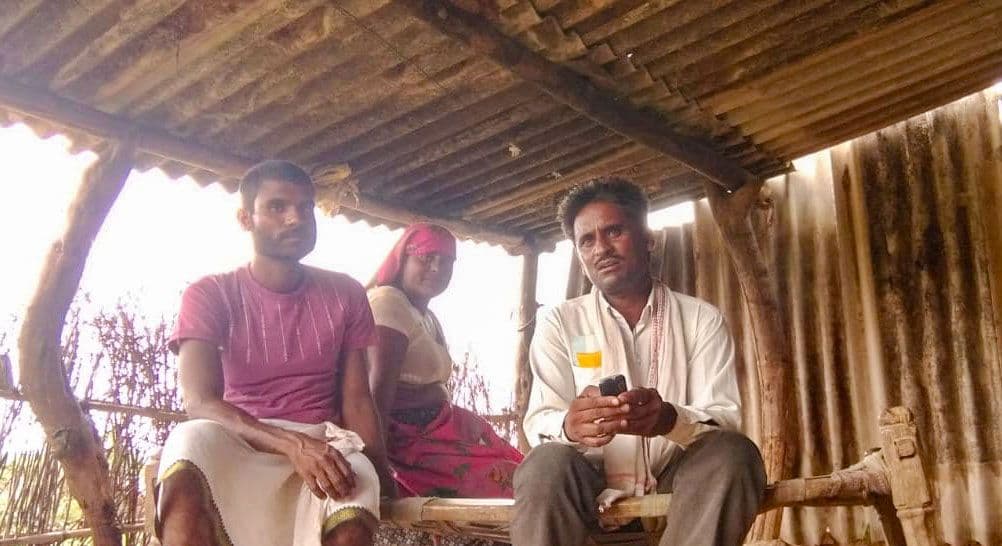
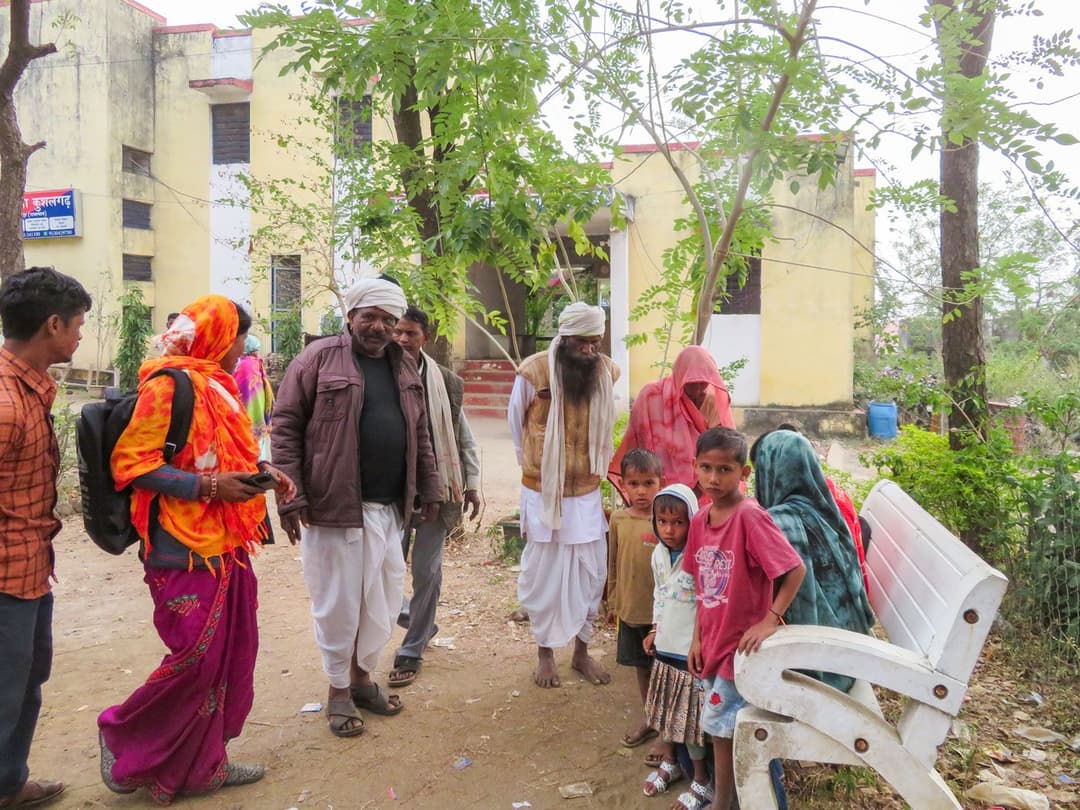
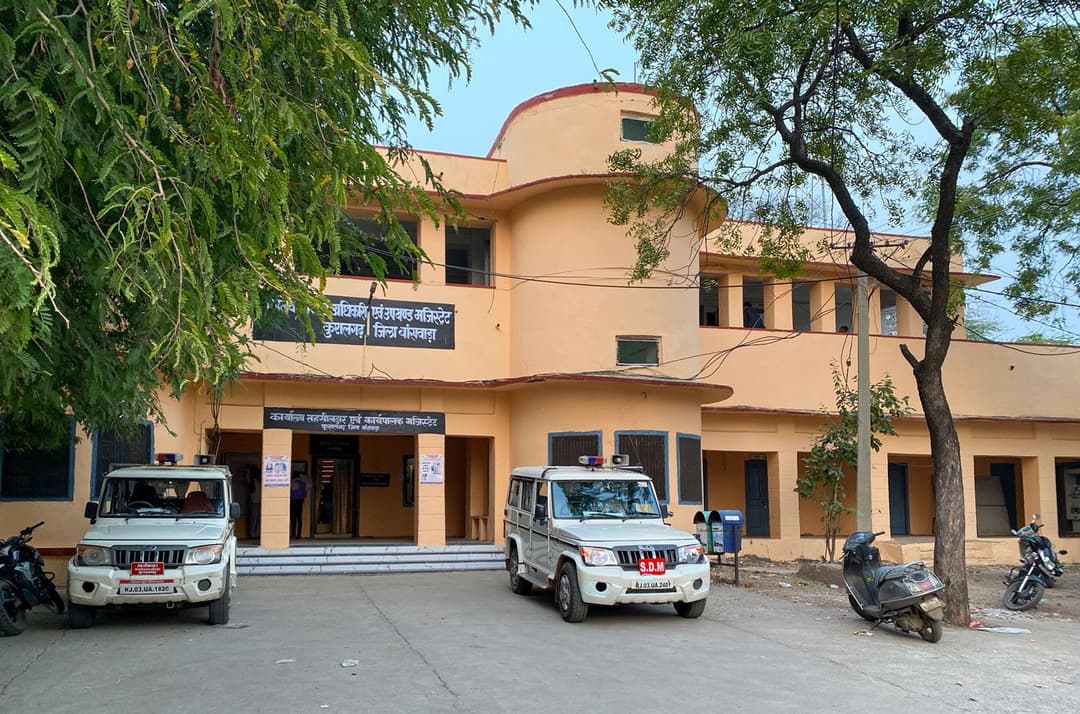
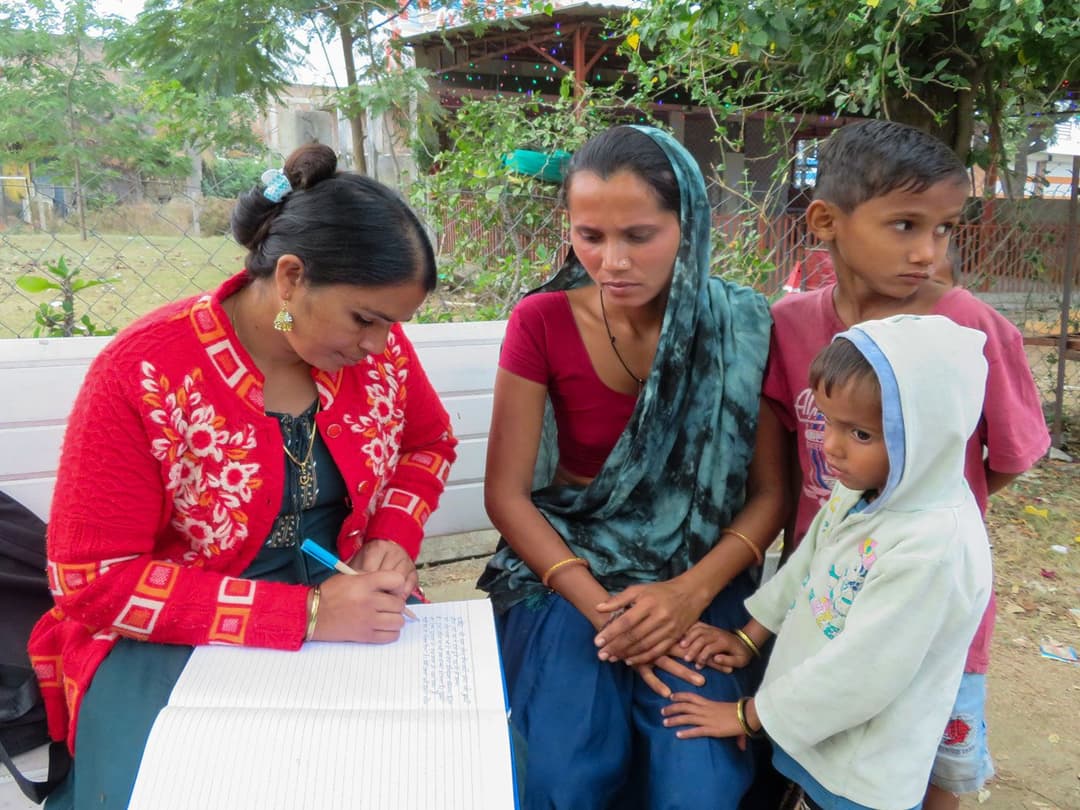
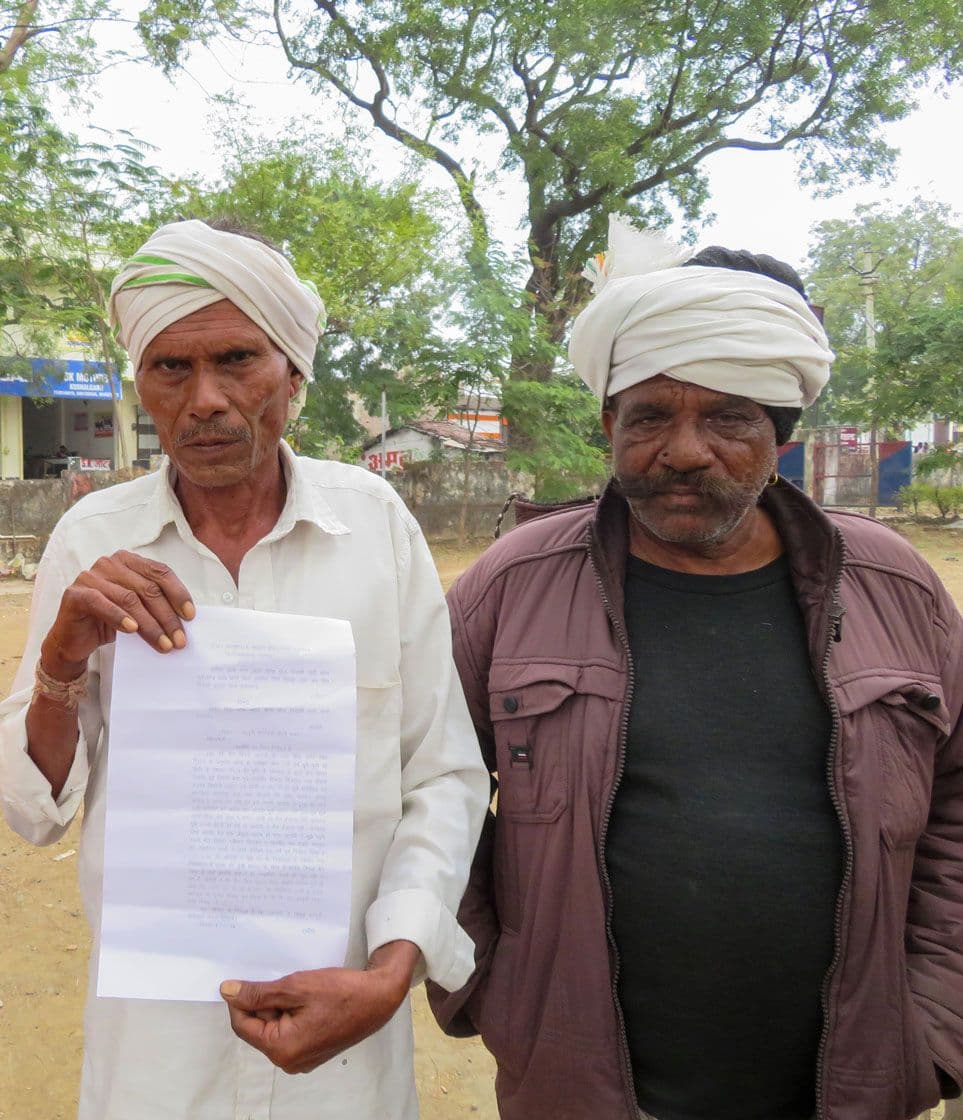
On June 20, 2024, Rajesh Damor, a 45-year-old Bhil Adivasi and two other workers walked into his office in Banswara seeking help. Temperatures in the state were at an all-time high, but that was not the reason why the beleaguered workers were hot and bothered. Collectively due Rs. 226,000 from the labour contractor who had hired them, they had approached the Patan Police Station in Kushalgarh tehsil to lodge a complaint. The cops redirected them to Aajeevika’s Shramik Sahayata Evam Sandarb Kendra, a resource centre for migrant labour in the area.
In April, Rajesh and 55 workers from Sukhwara panchayat had left for Morbi in Gujarat, 600 kilometres away. They had been hired to do labour and masonry work at a construction site in a tile factory there. A daily wage of Rs. 700 was promised to the 10 skilled workers and the rest would get Rs. 400.
After a month of working, “we asked the thekedar [contractor] to pay us all our dues and he kept pushing the dates,” says Rajesh speaking on the phone to PARI. It helped that Rajesh, who was at the forefront of negotiations, speaks five languages – Bhili, Wagdi, Mewari, Hindi and Gujarati. The contractor dealing with their dues was from Jhabua in Madhya Pradesh and spoke Hindi. Often labour is unable to communicate with the final contractor sometimes because of a language barrier, but often because it means wading through a hierarchy of sub-contractors below him. Sometimes contractors get physically violent when the labourers demand their dues.
The 56 workers waited weeks to be paid their hefty dues. They were running out of food from home and purchases in the open market were eating away at their earnings.