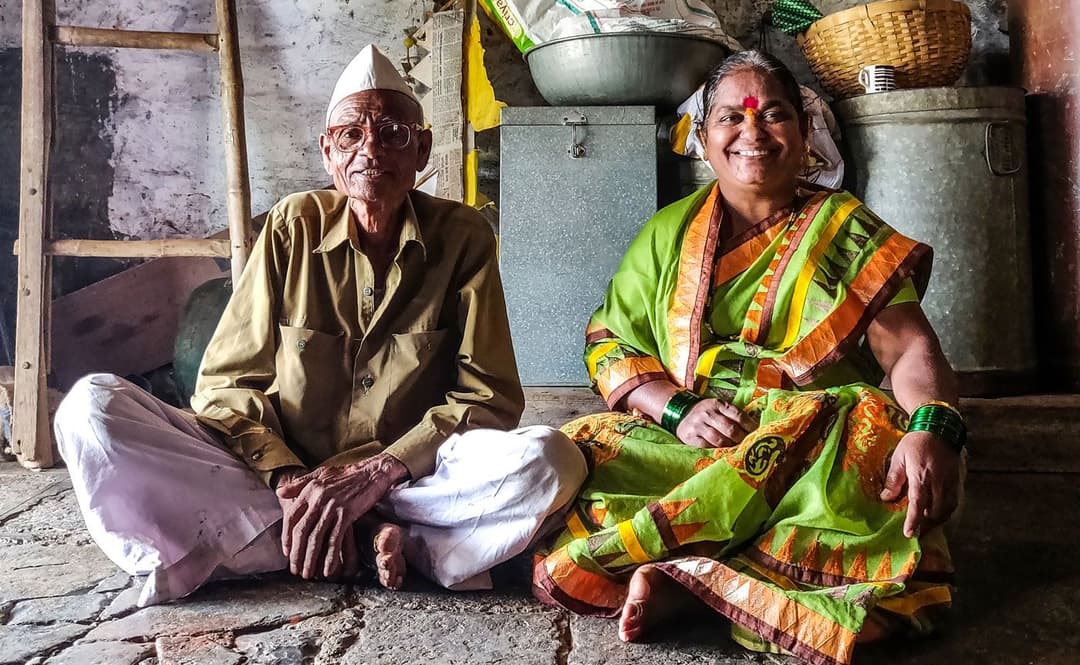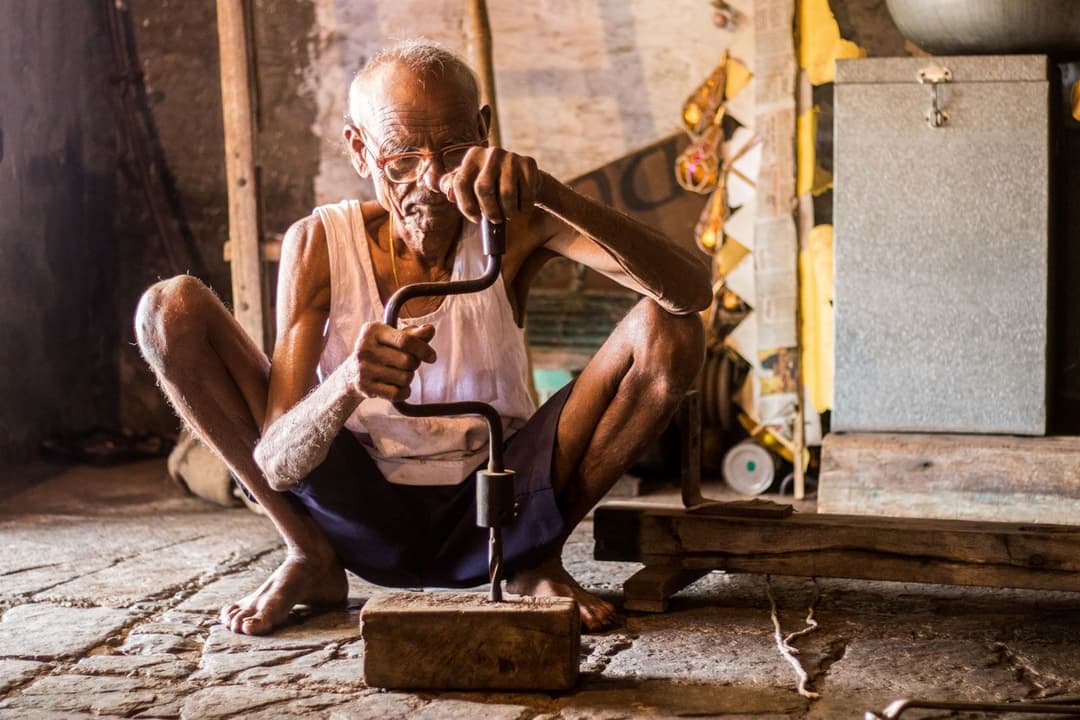

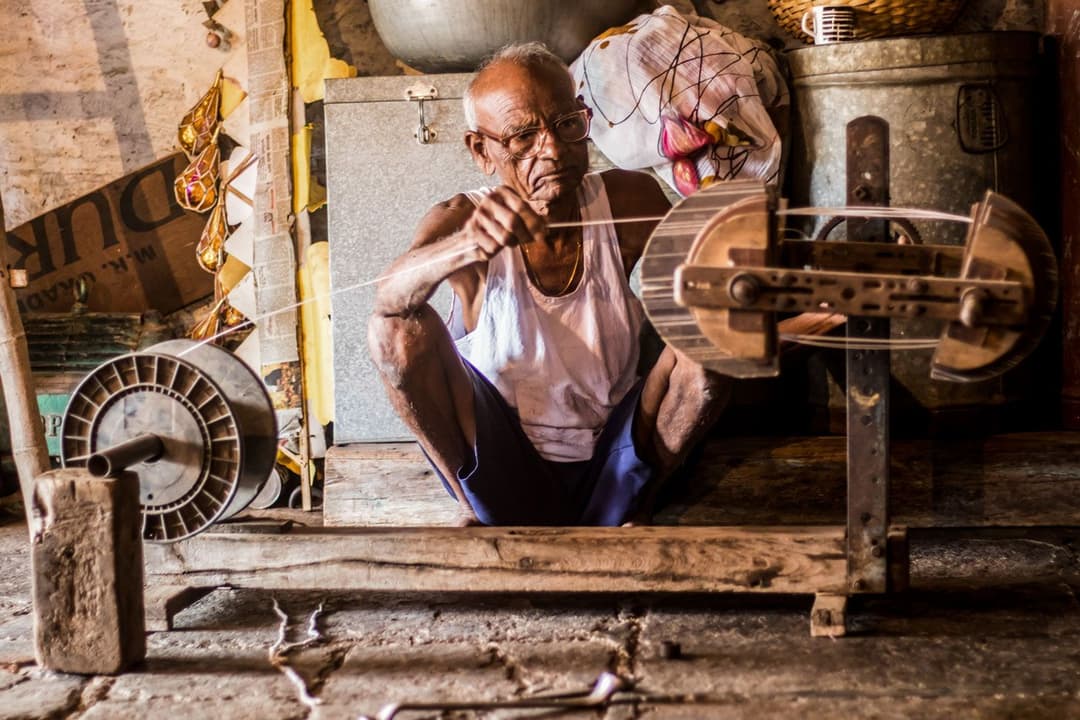
Eighty-two-year-old Bapu Sutar remembers that day in 1962 very clearly. He had just sold another of his wooden treadle handlooms. Seven feet tall and made by hand in his own workshop, it had fetched him a handsome 415 rupees from a weaver in Kolhapur’s Sangaon Kasaba village.
It would have been a happy memory if it wasn’t the last handloom he would ever make. The orders stopped coming after that; there were no more takers for his handmade wooden treadle looms. “Tyaveli sagla modla [Everything came to an end then],” he recalls.
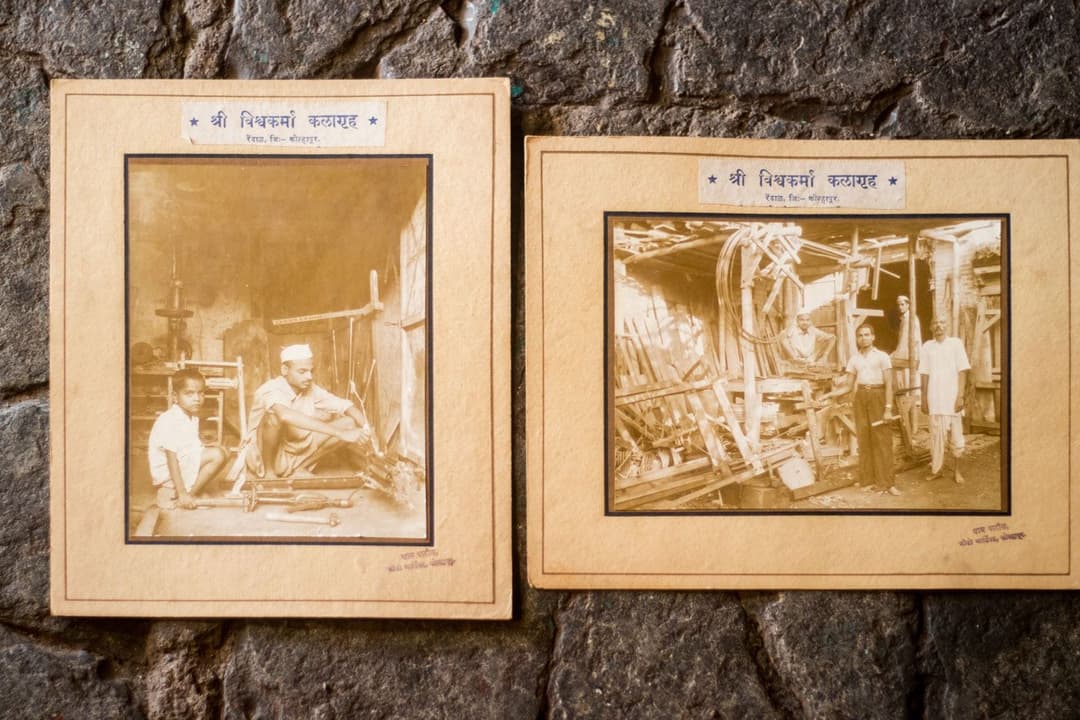
Today, six decades later, few in Rendal, in Maharashtra’s Kolhapur district, know that Bapu is the last remaining treadle loom maker in the village. Or that he was once a much sought-after craftsman. “All the other handloom makers of Rendal and nearby villages have died,” says Vasant Tambe, 85, the oldest weaver in the village.
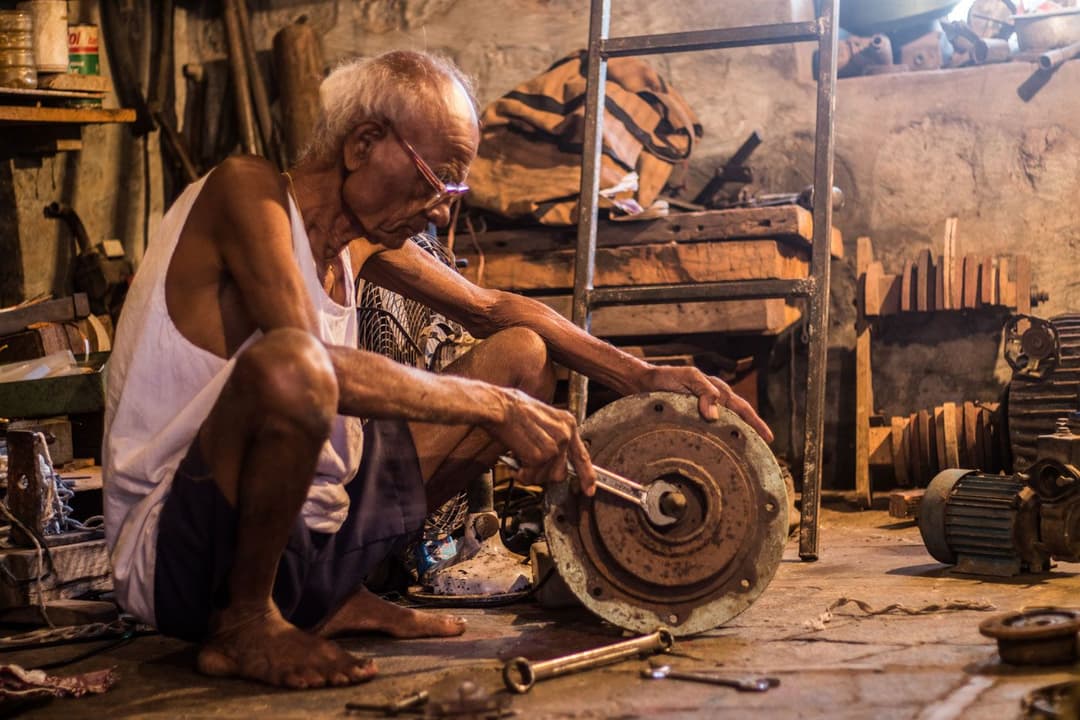
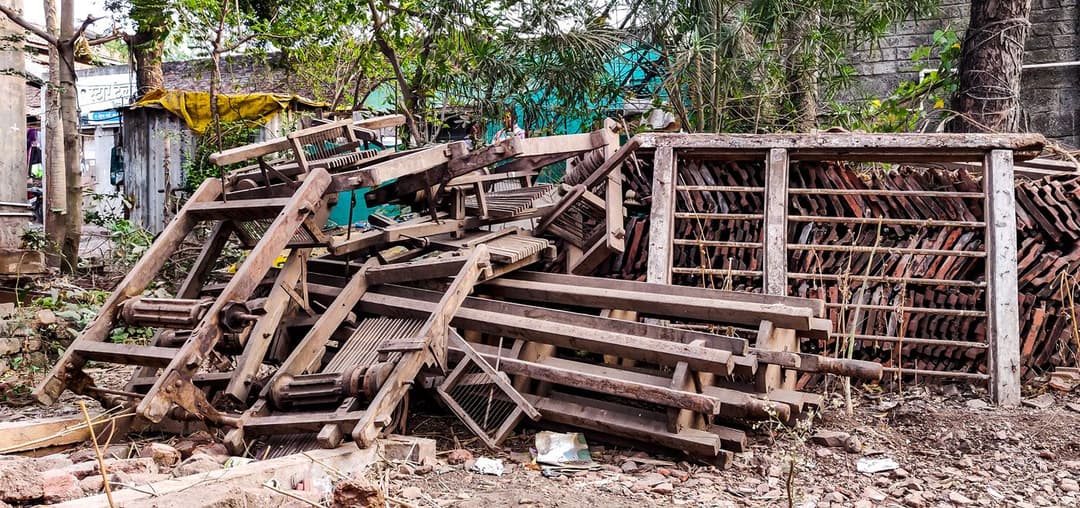
Crafting handlooms out of wood itself is a tradition lost to Rendal. “Even that [last] handloom doesn’t exist,” Bapu says, struggling to be heard amidst the clanking of powerlooms in the workshops surrounding his modest home.
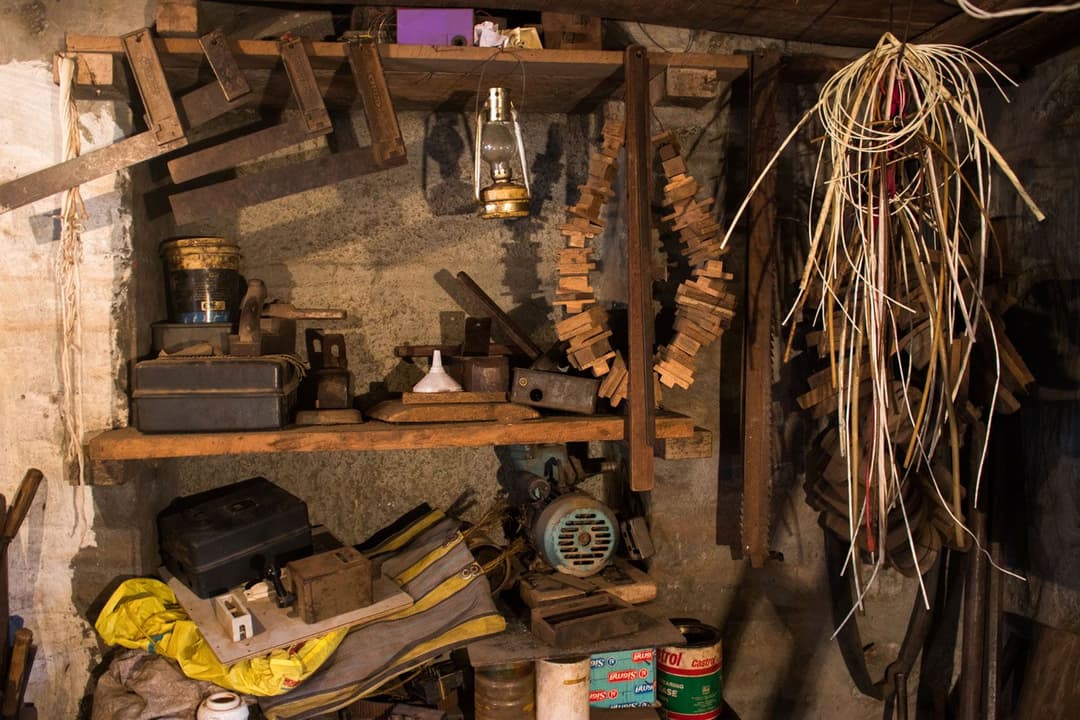
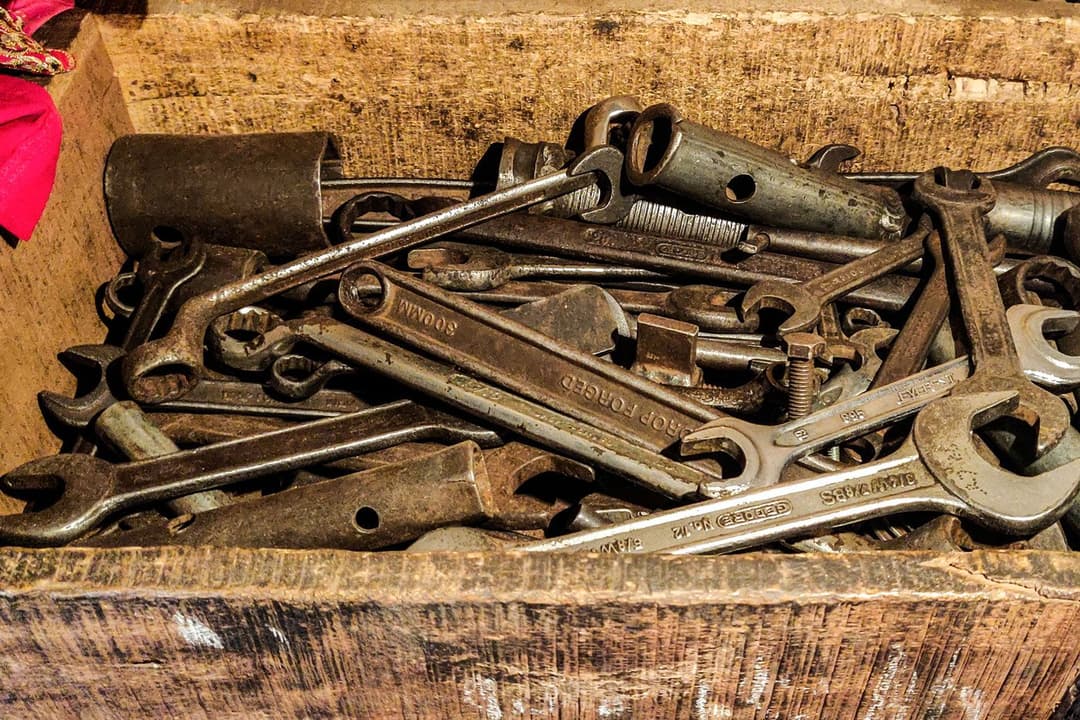
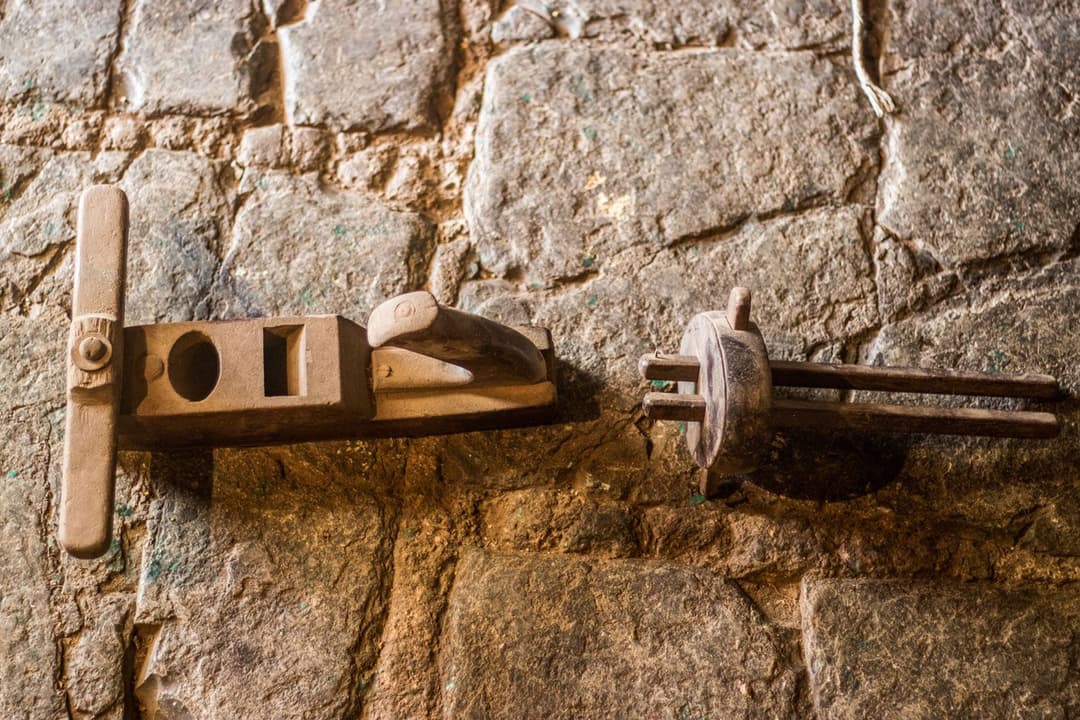
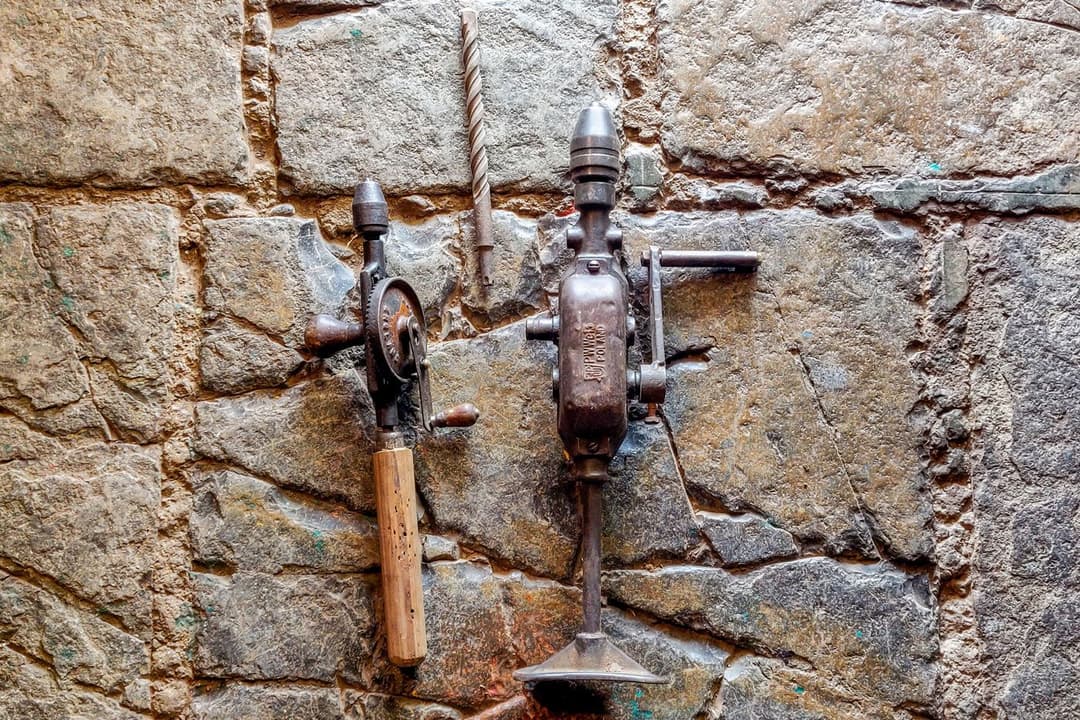
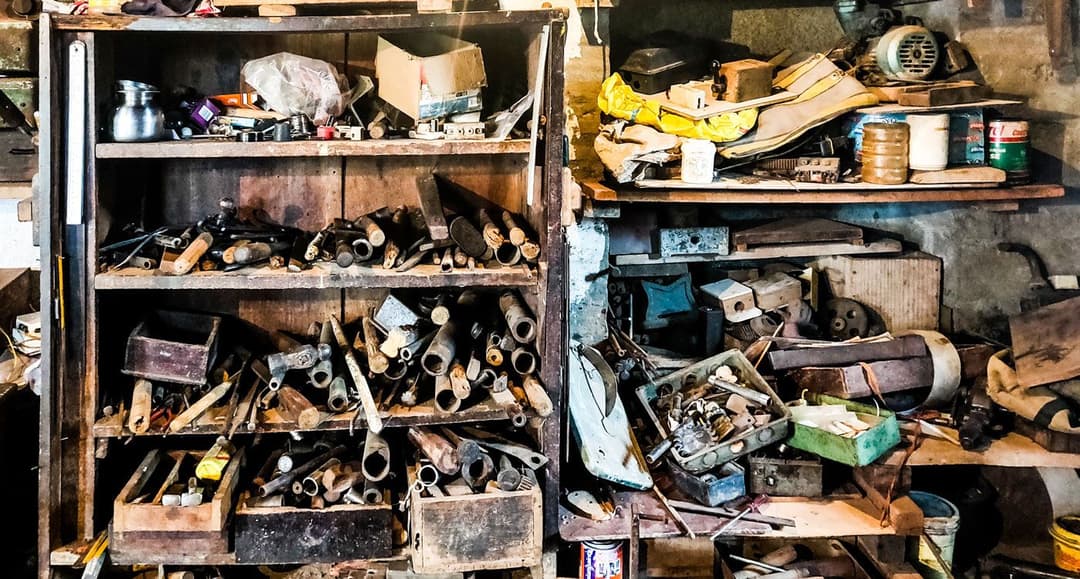
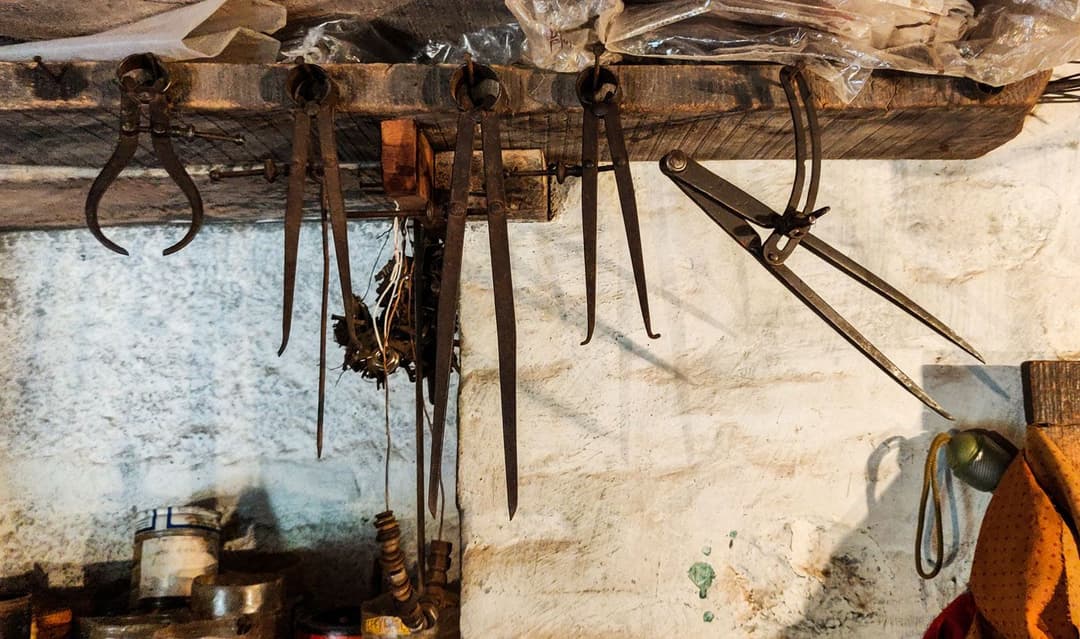
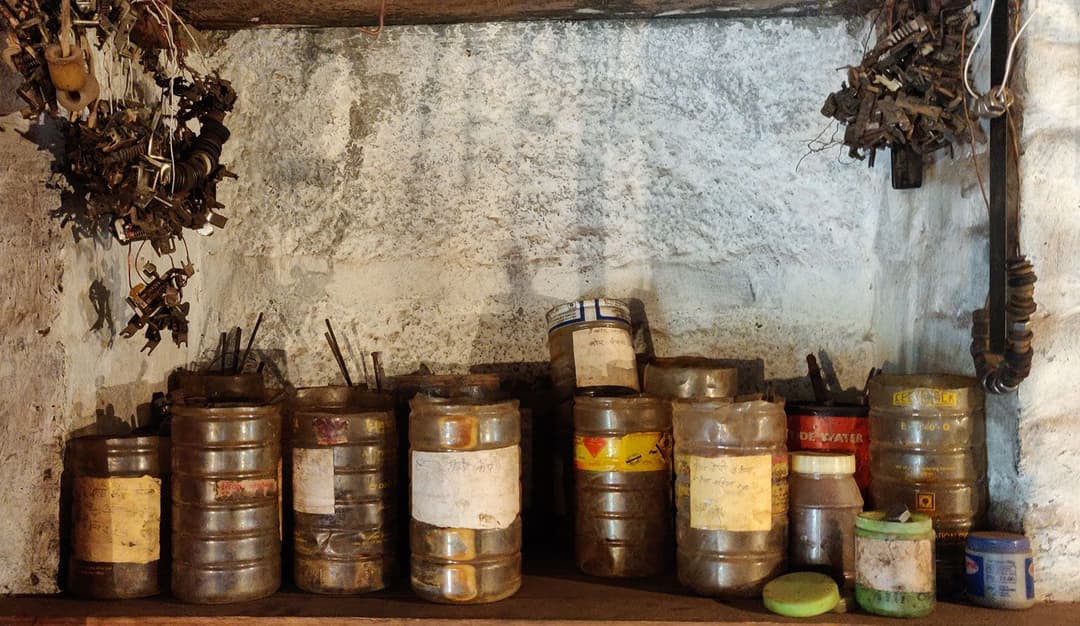
Bapu’s single-room traditional workshop, located within his home, has witnessed the passing of an era. The medley of browns in the workshop – dark, sepia, russet, saddle, sienna, mahogany, rufous and many more – are slowly fading, their lustre dimming with passing time.