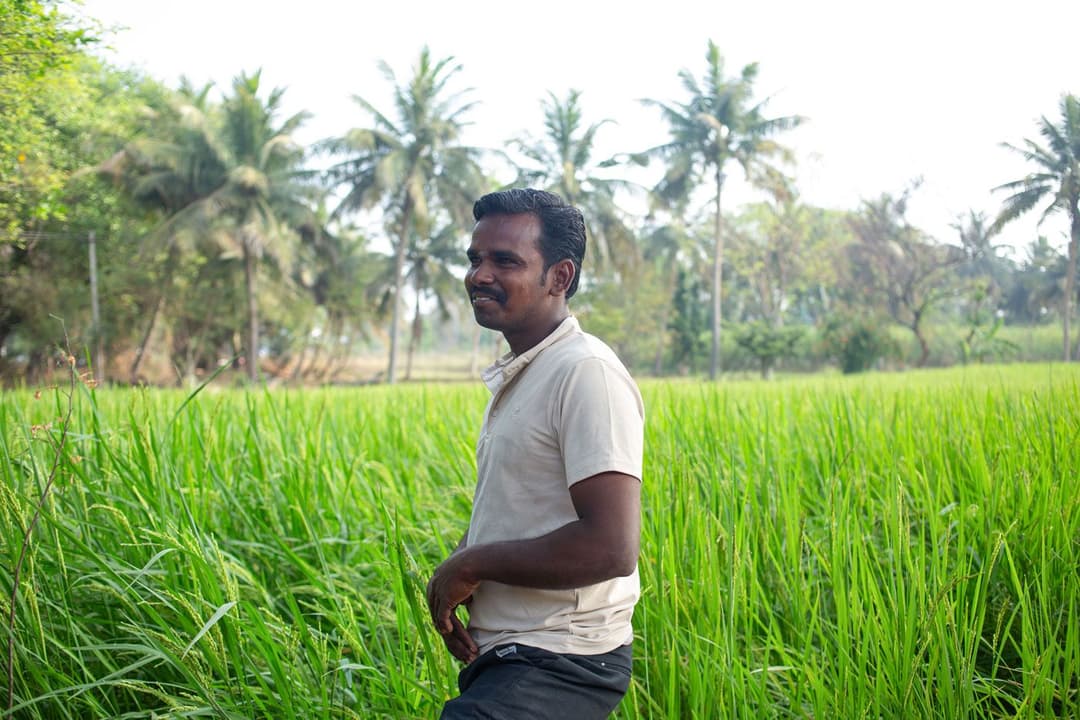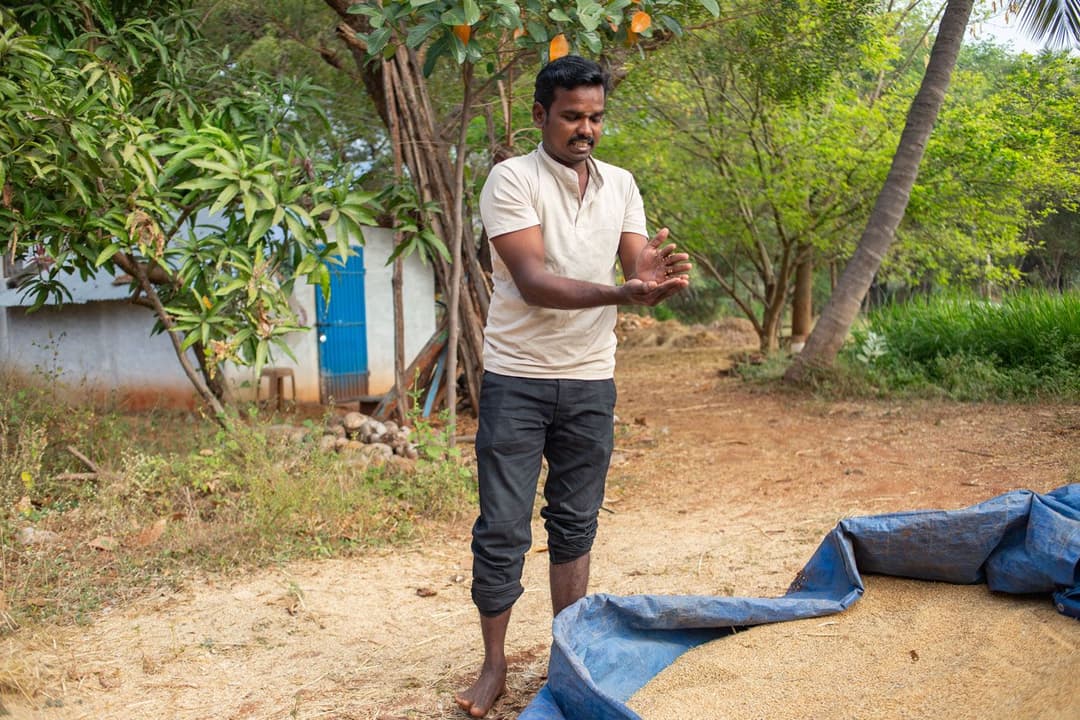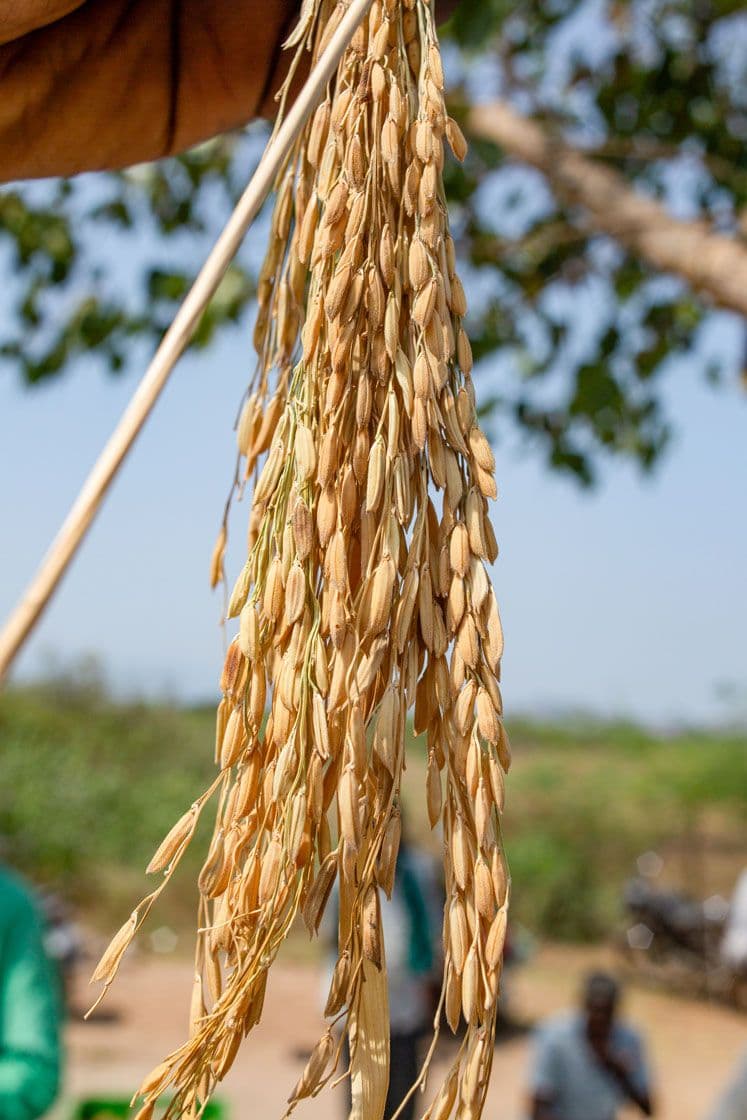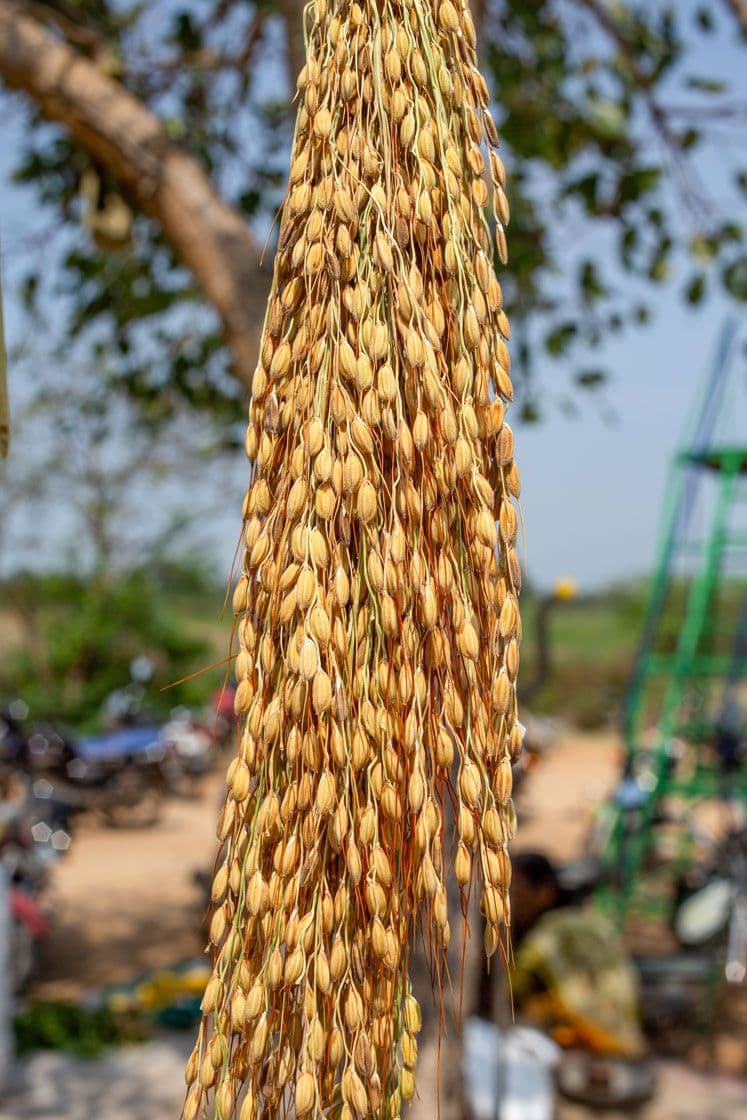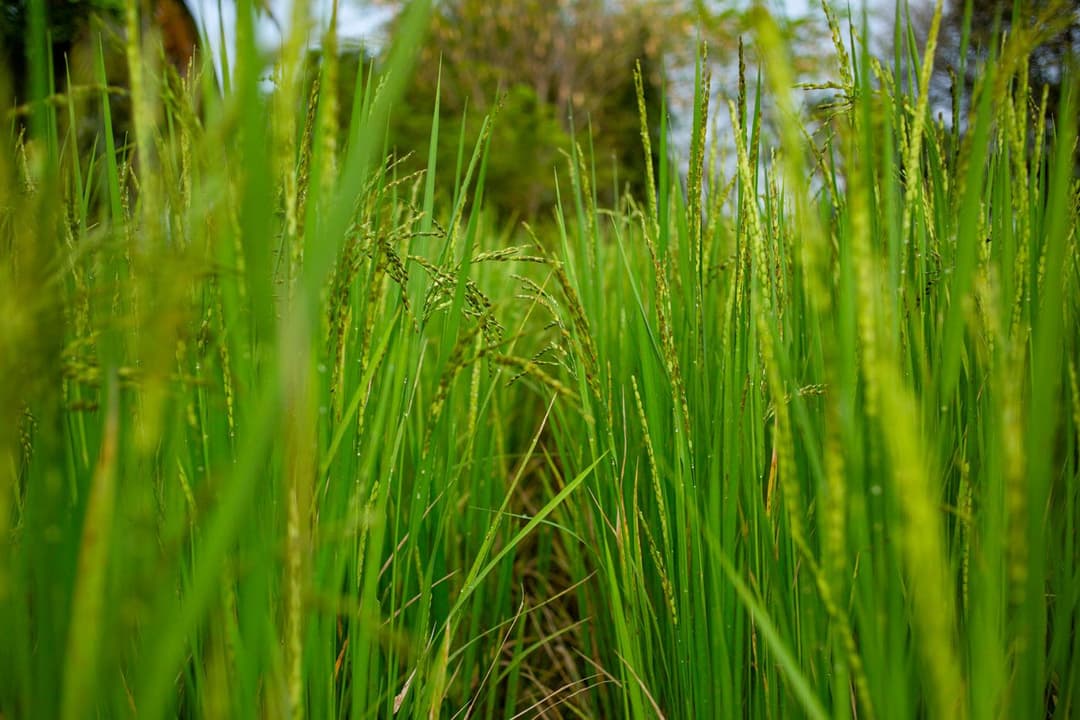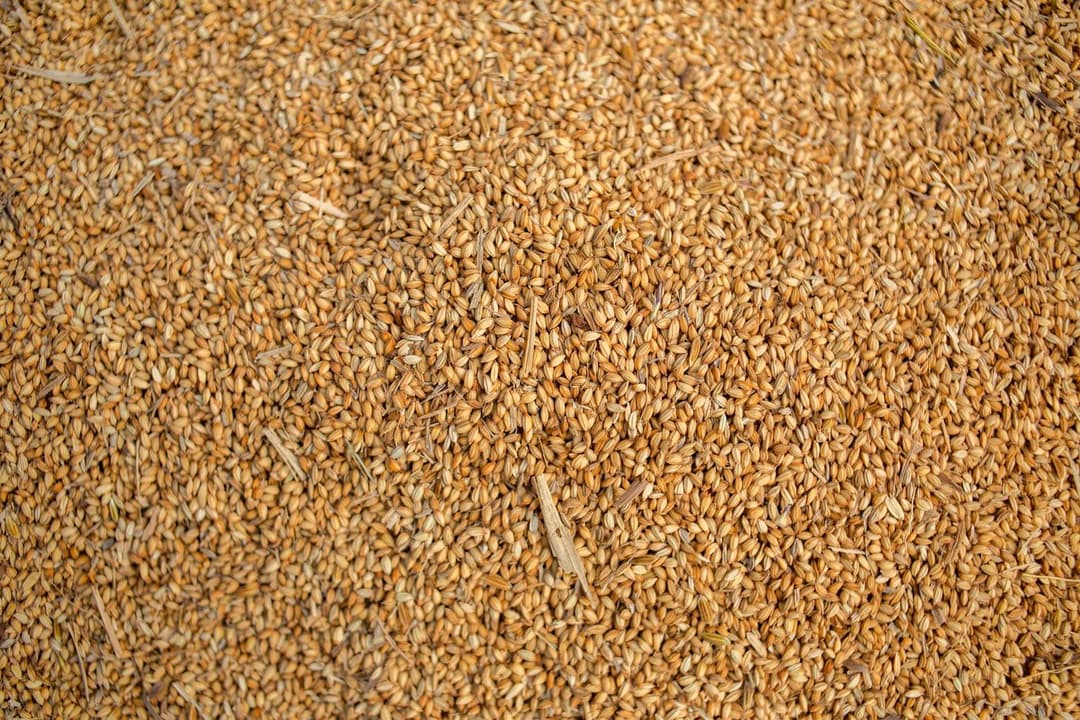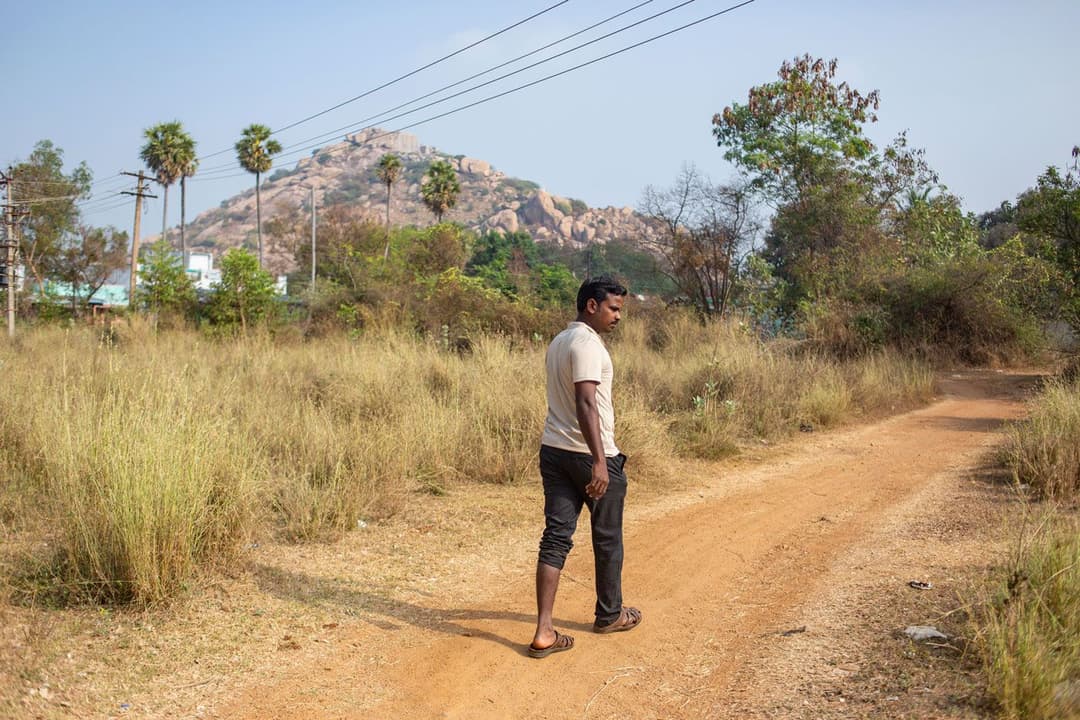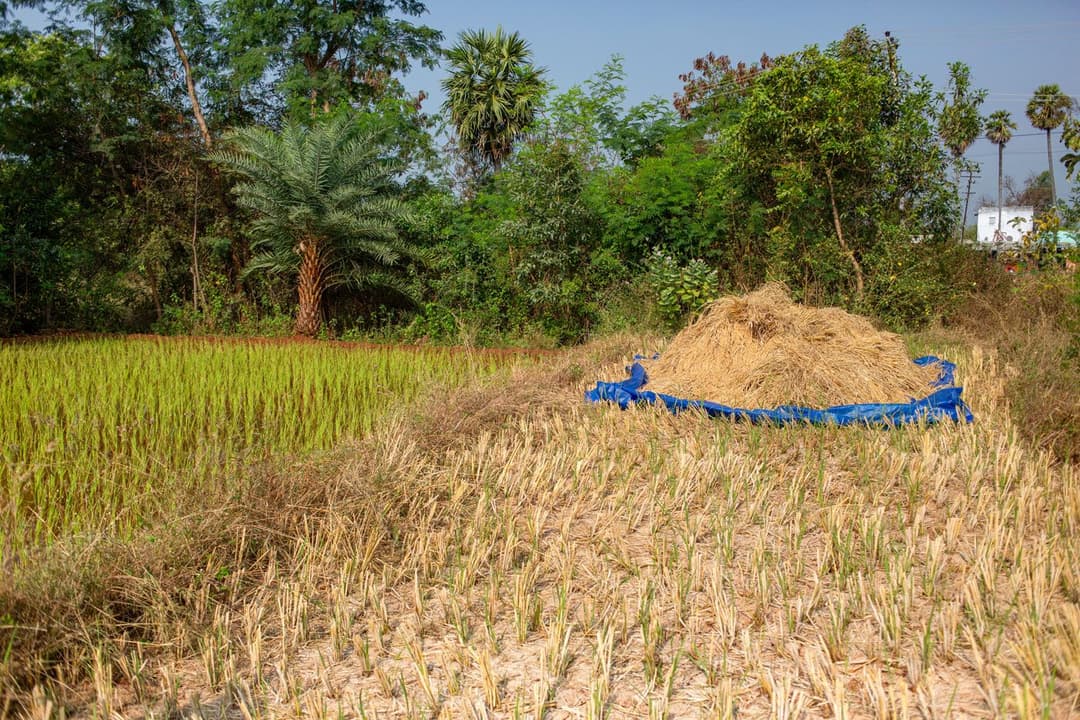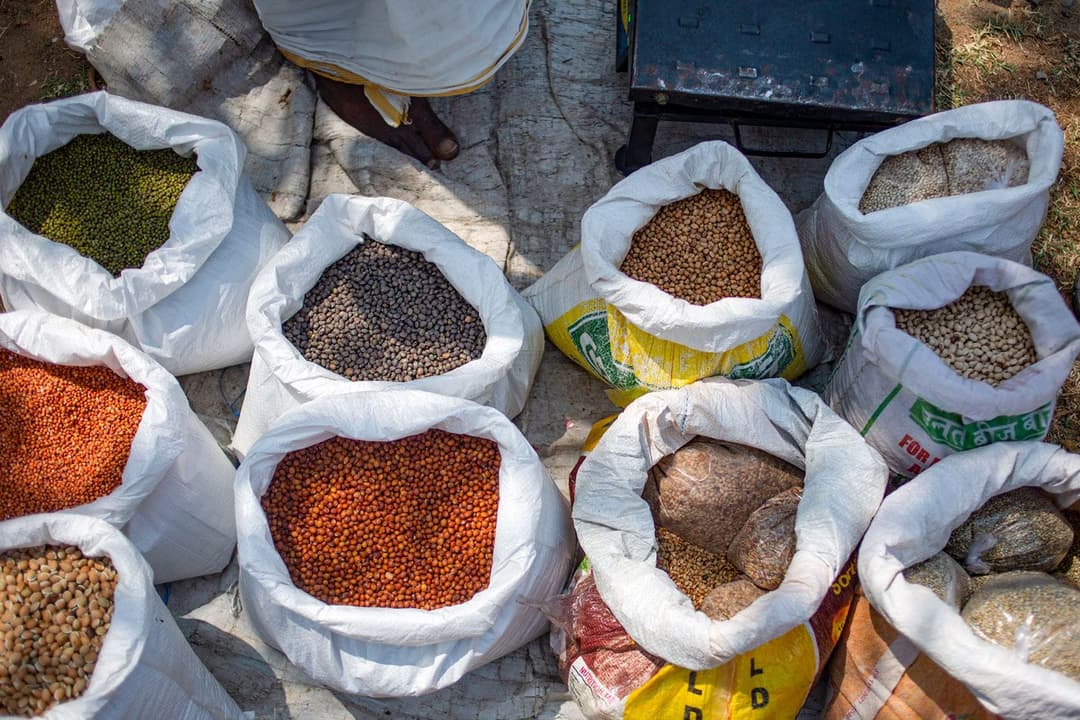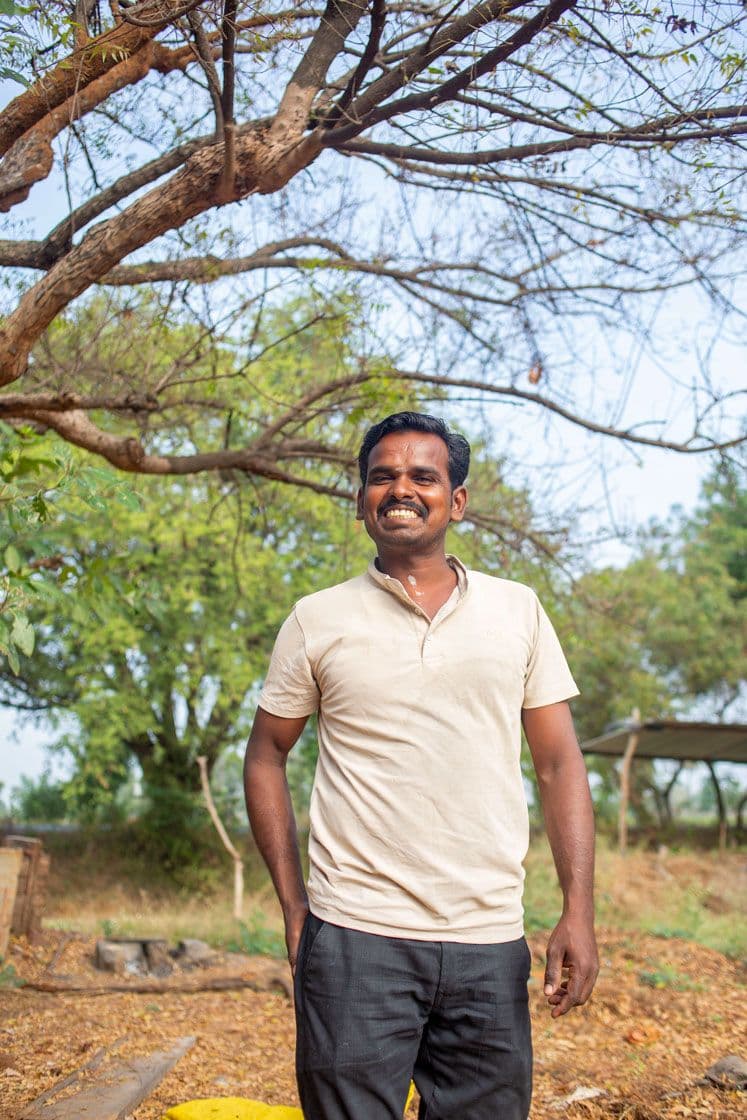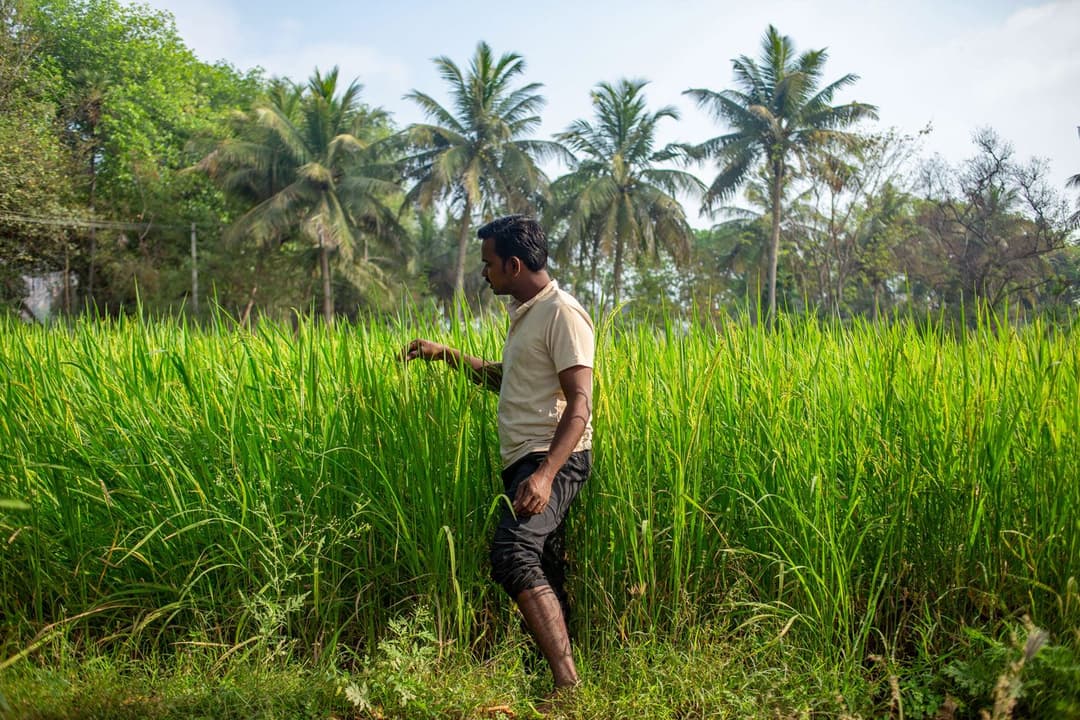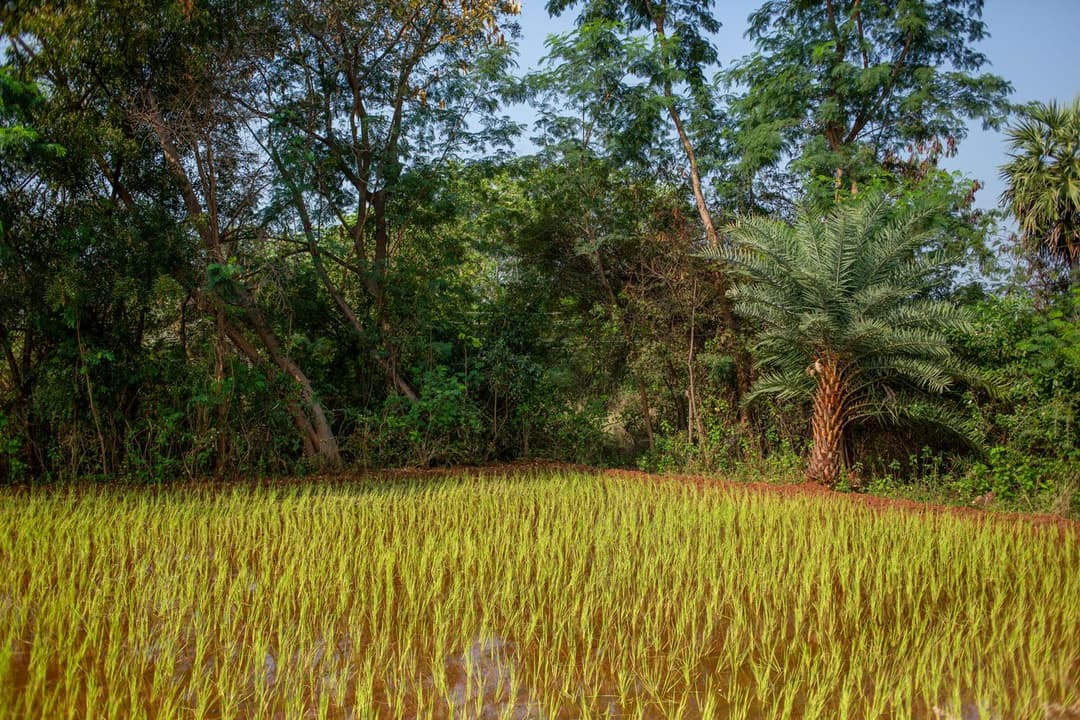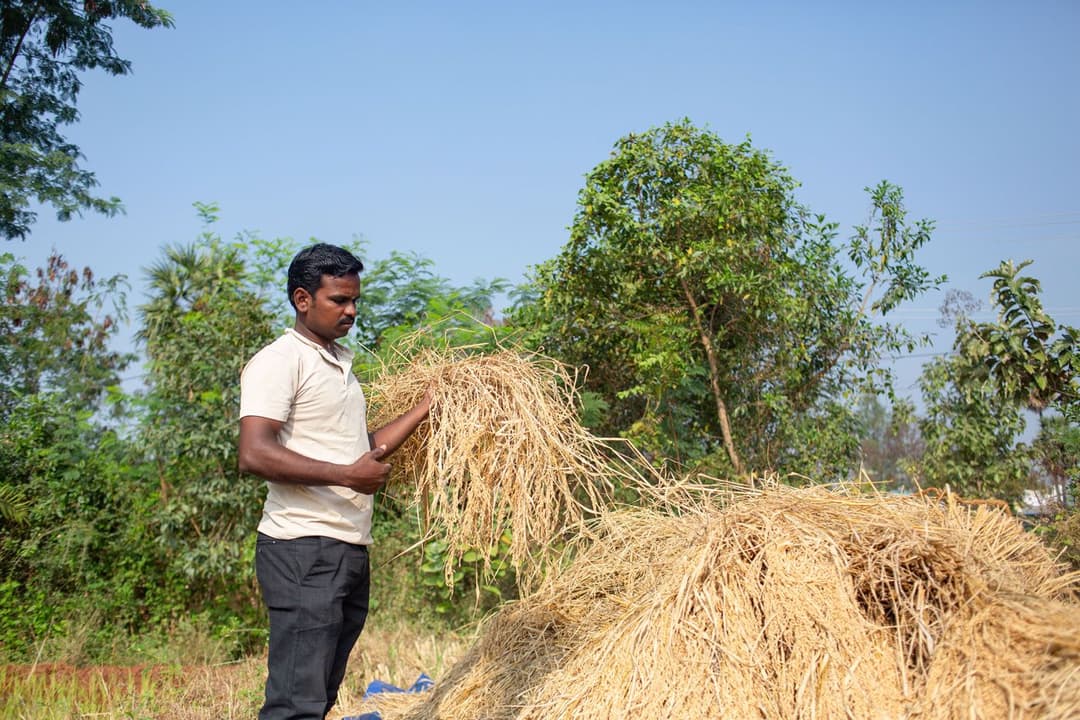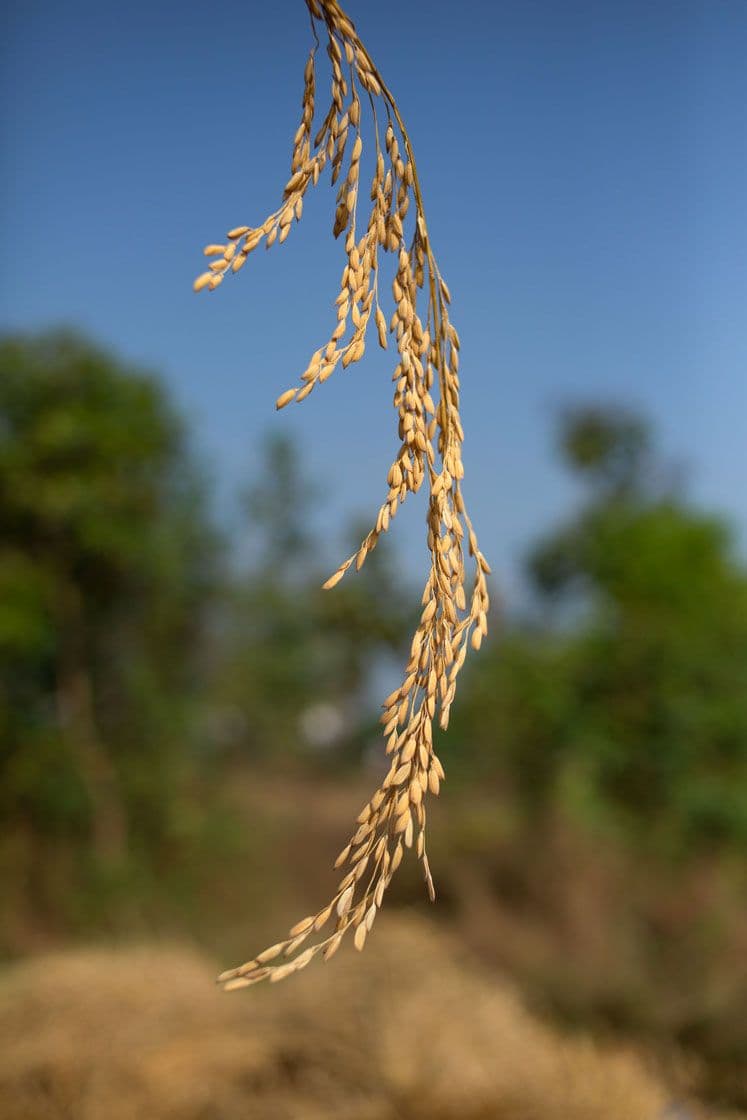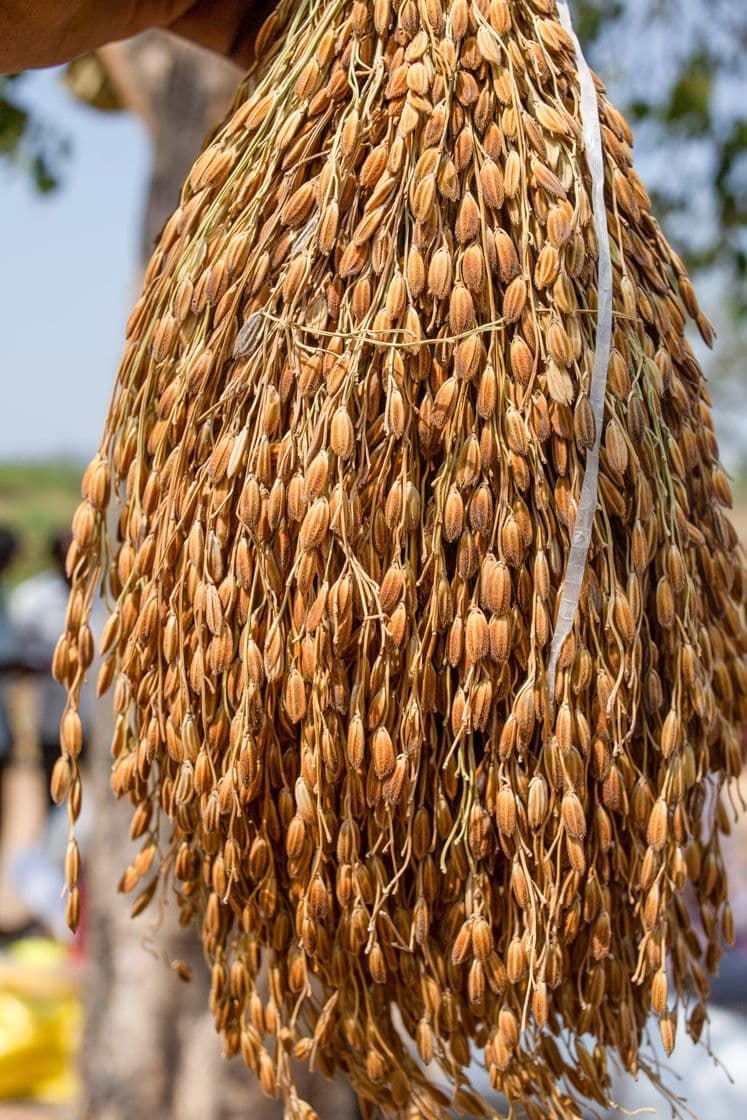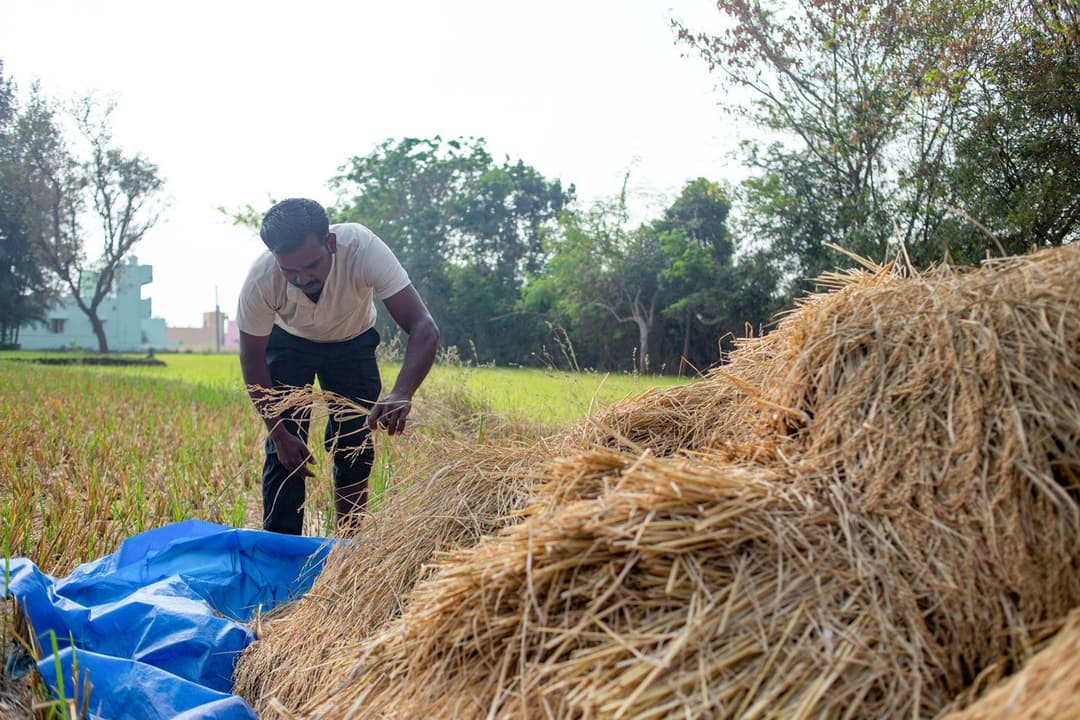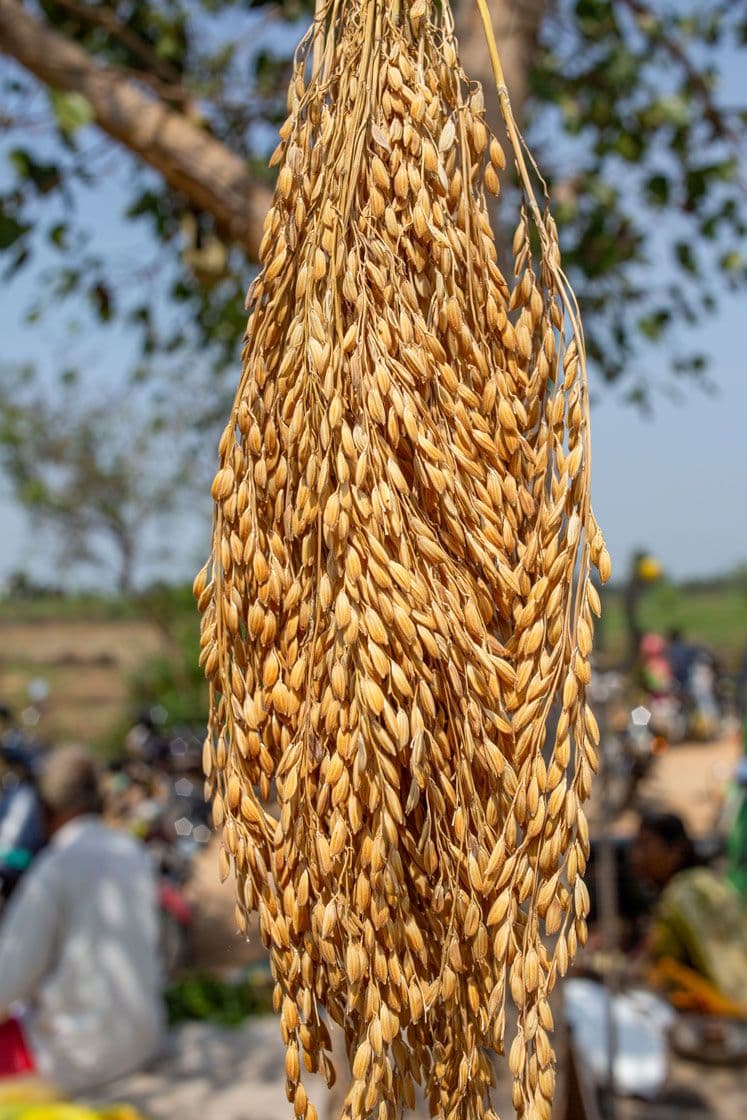


Lenindhasan cultivates 30 varieties of rice. He sells another 15 raised by fellow farmers. And he conserves 80 types of paddy seeds. All this, in his family’s six-acre farm in Tamil Nadu’s Tiruvanamalai district.
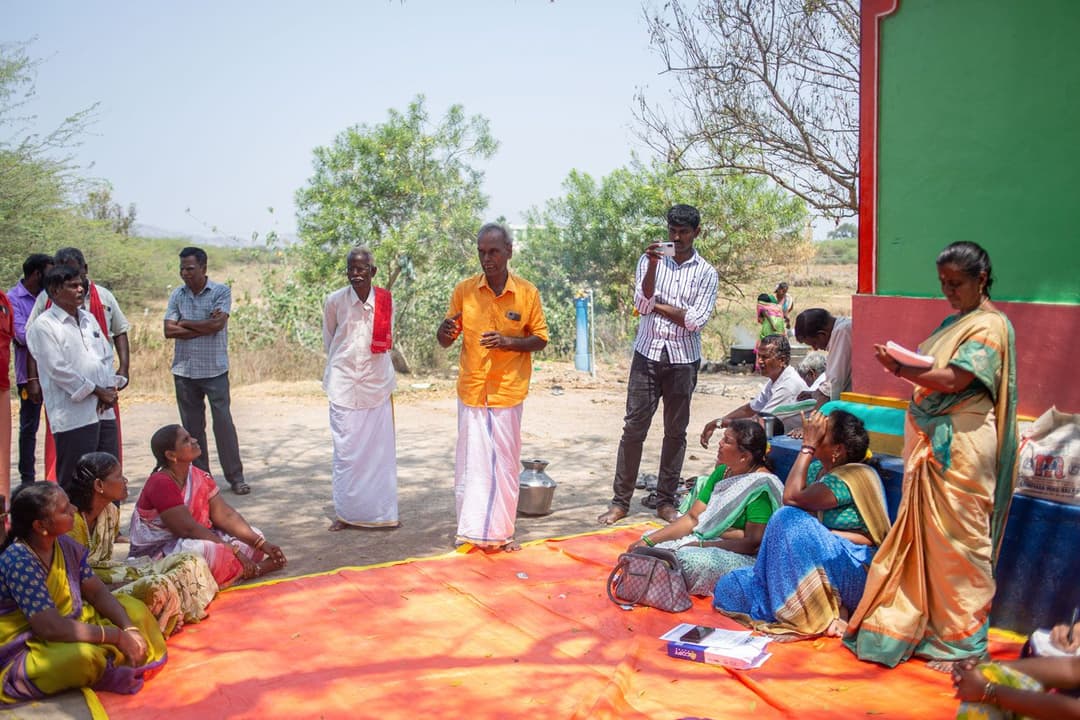
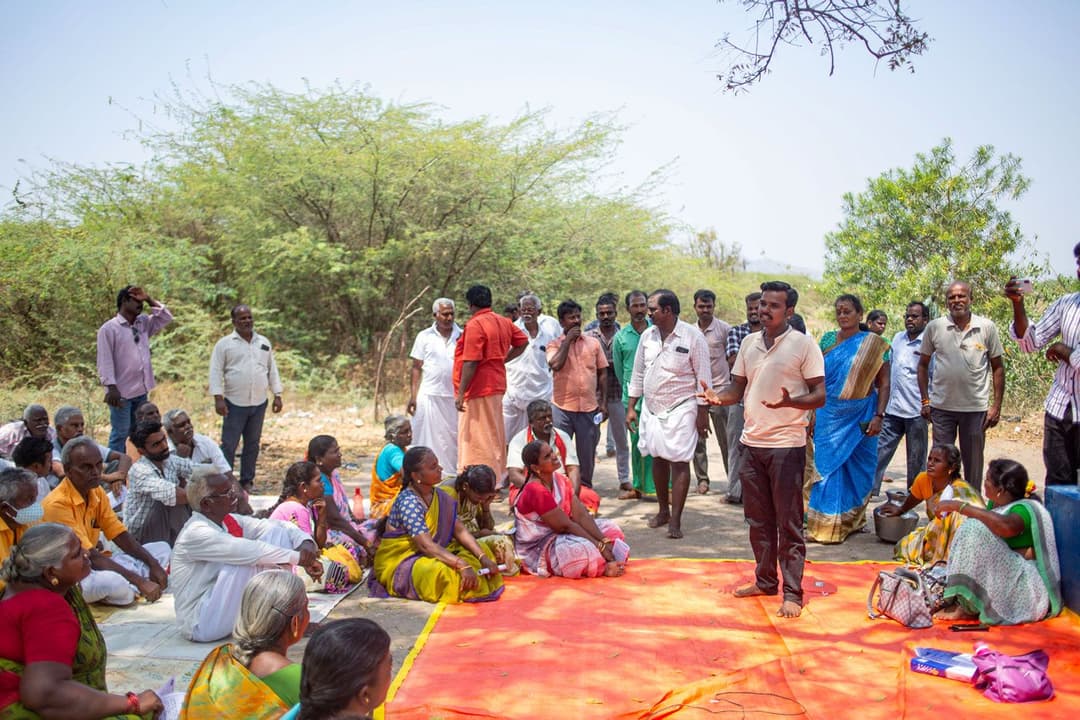
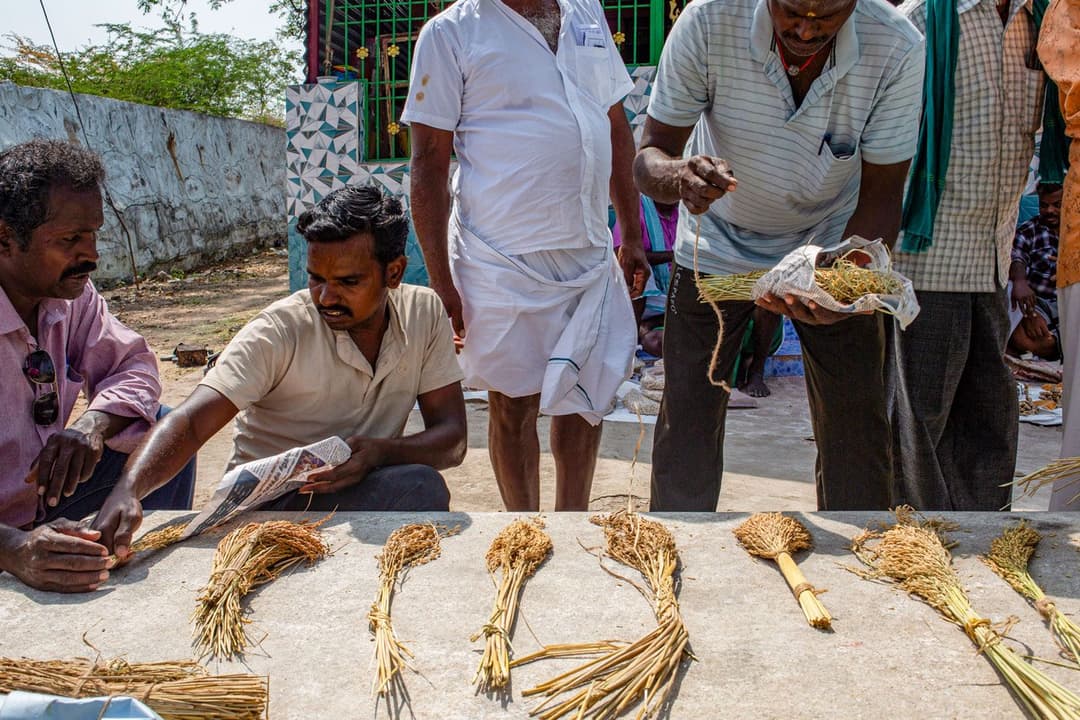
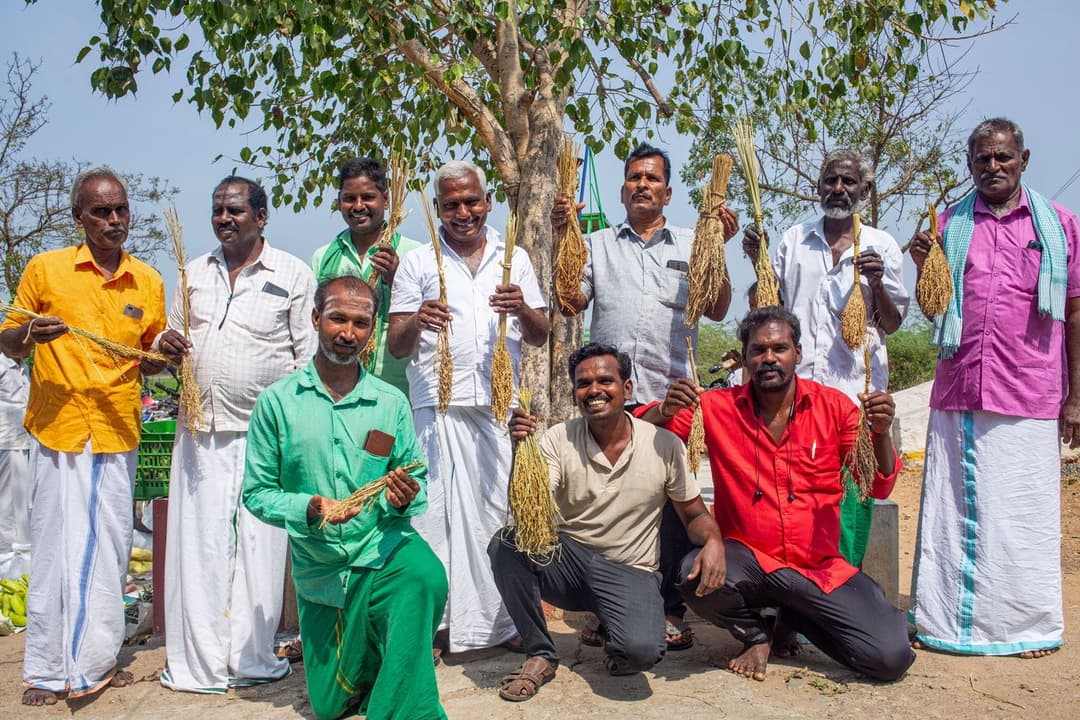
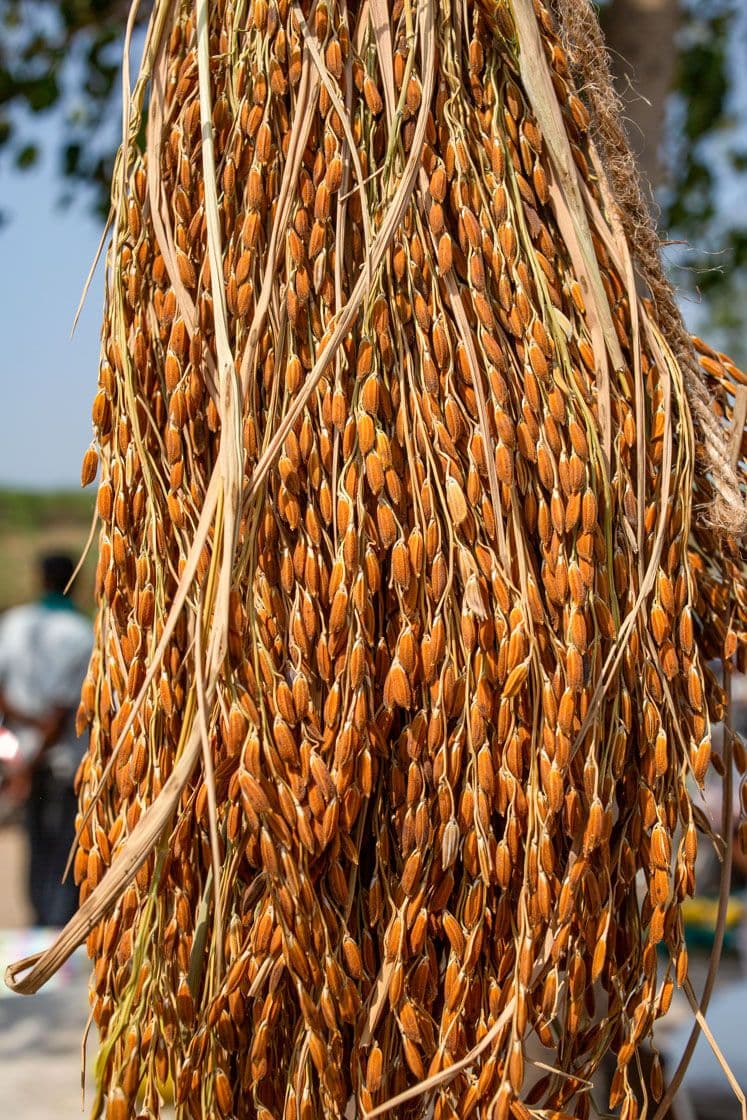
It’s not just the numbers that are extraordinary. These long neglected traditional kinds of rice are more suited to the small and marginal farmlands in his region. Lenin – as he is called – and his friends, are trying to replace modern rice varieties and resist mono-cropping. Their plan is to restore lost diversity. And to germinate a rice revolution.
It's a different kind of revolution, led by another kind of Lenin.
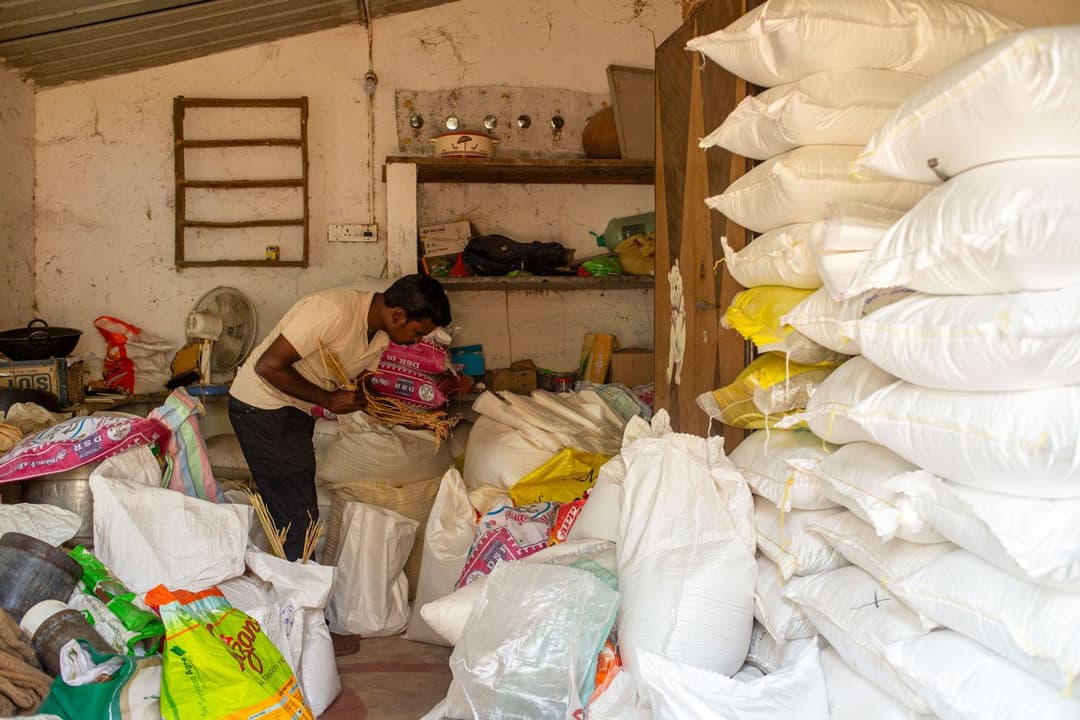
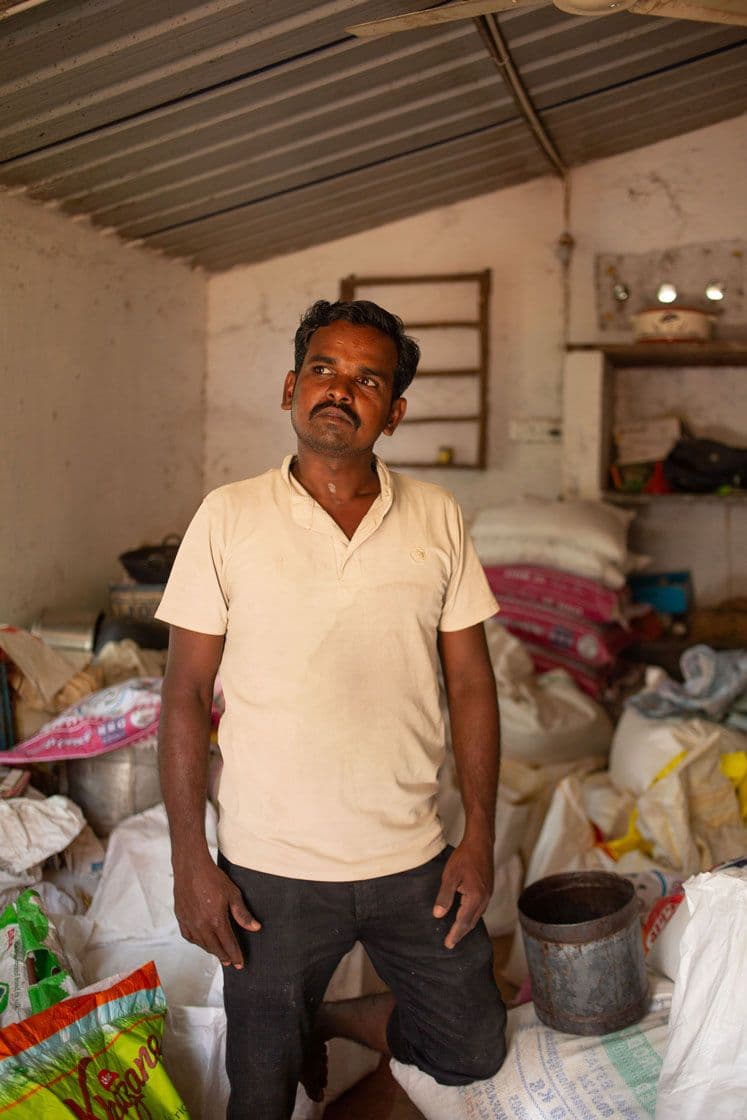
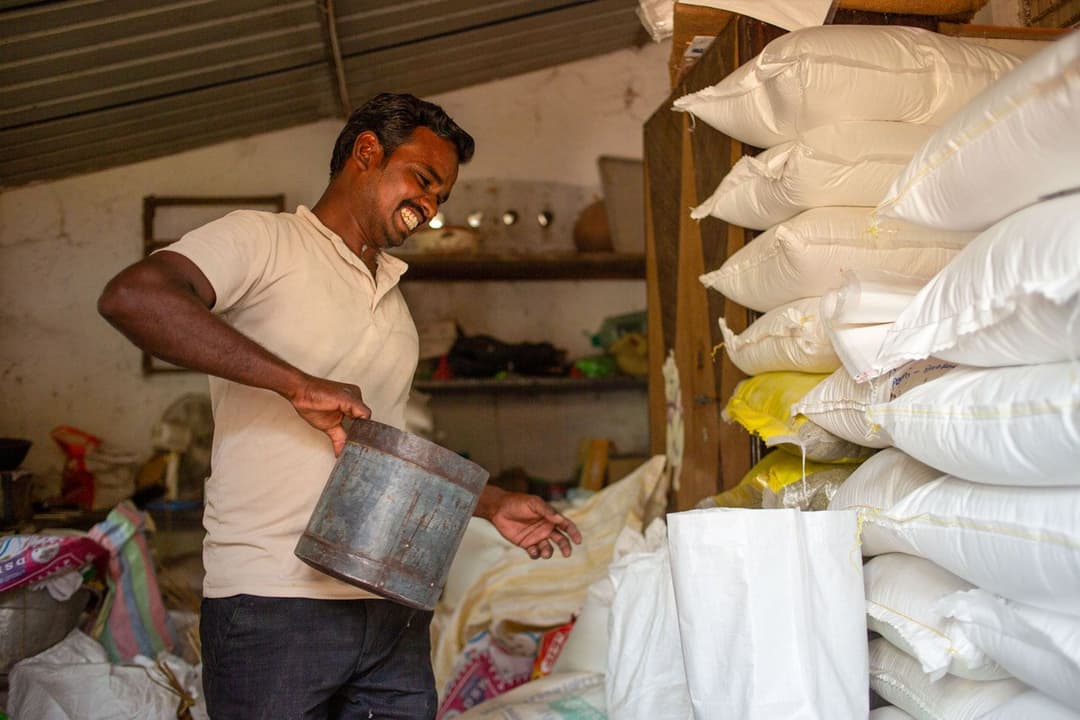
The godown where he stocks hundreds of sackfuls is an upcycled goat shed, next to his fields, in Sengunam village, Polur taluka.
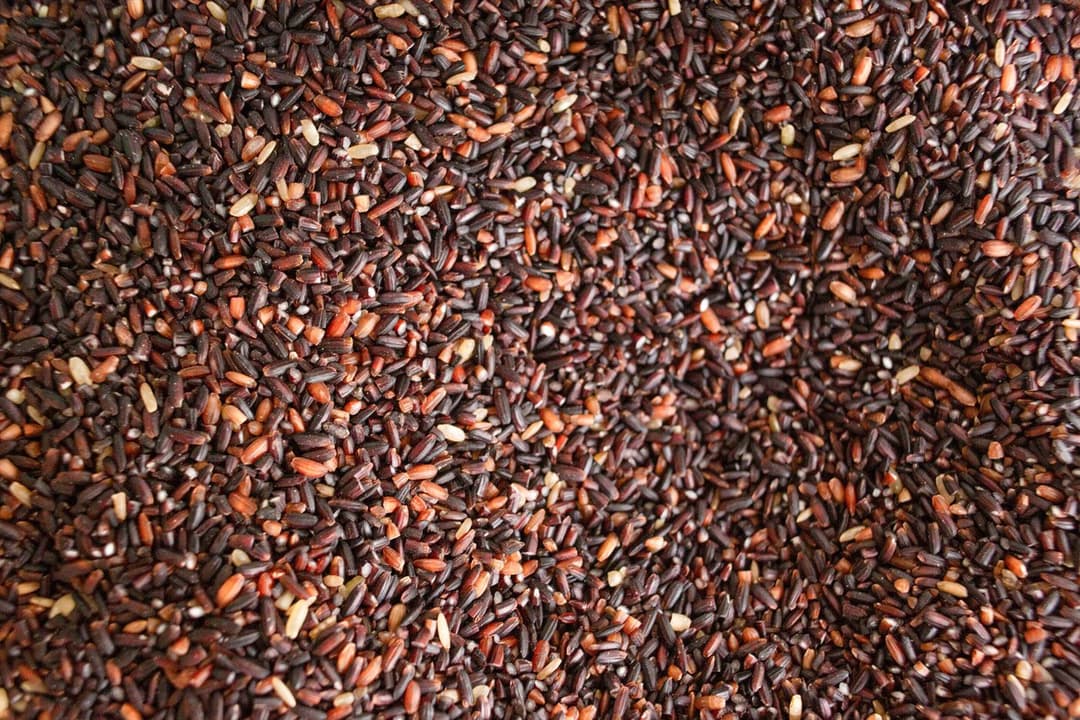
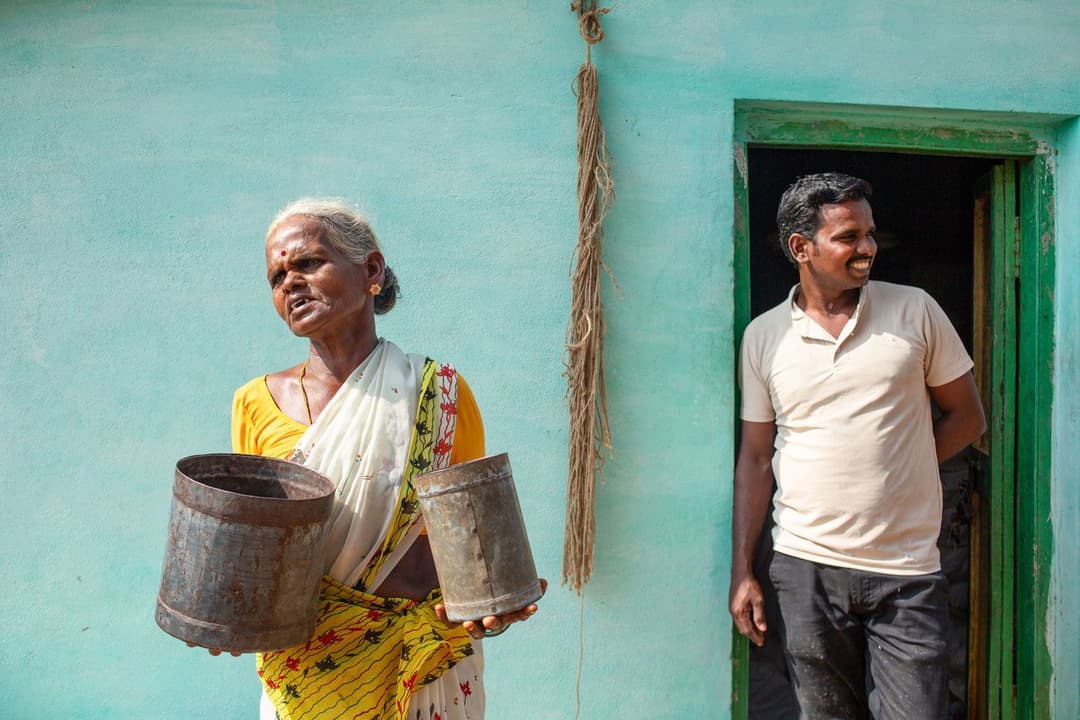
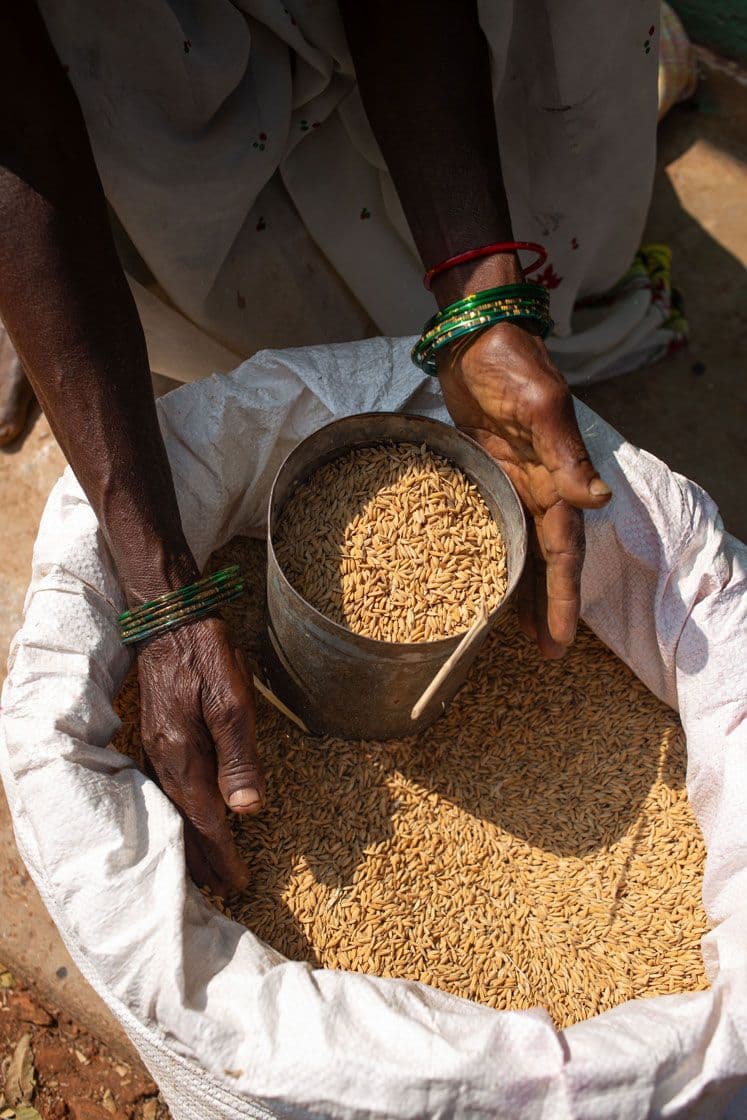
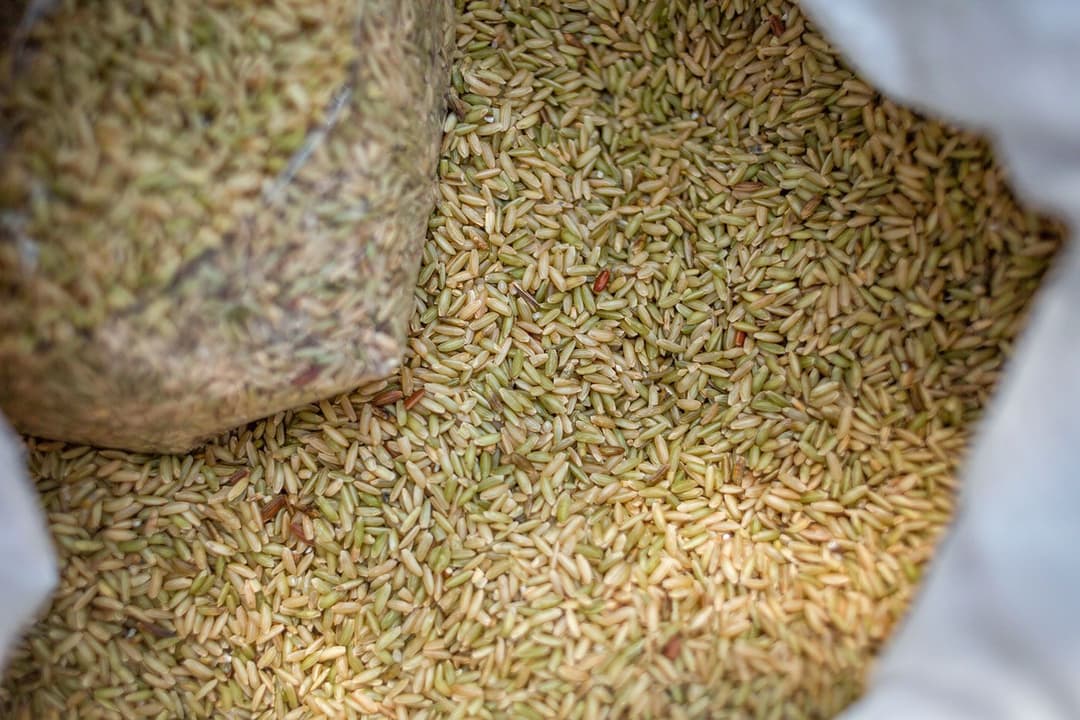
From the outside, the small building is unremarkable. That impression quickly changes when we step in. “This is karuppu kavuni, that is seeraga samba," Lenin says, piercing rice sacks with a needle and drawing out grains. He holds these two heirloom varieties in his palm. The first one is blackish and shiny, the second is slender and aromatic. From one corner, he fetches old iron measures: padi, marakka, which hold different quantities of paddy.
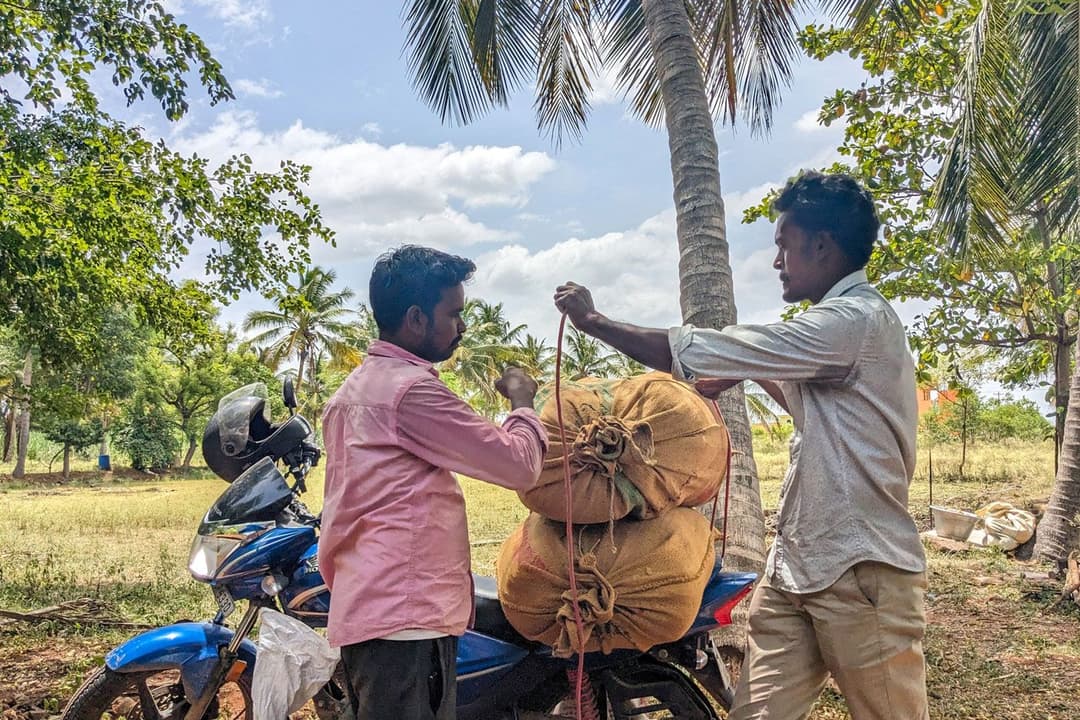
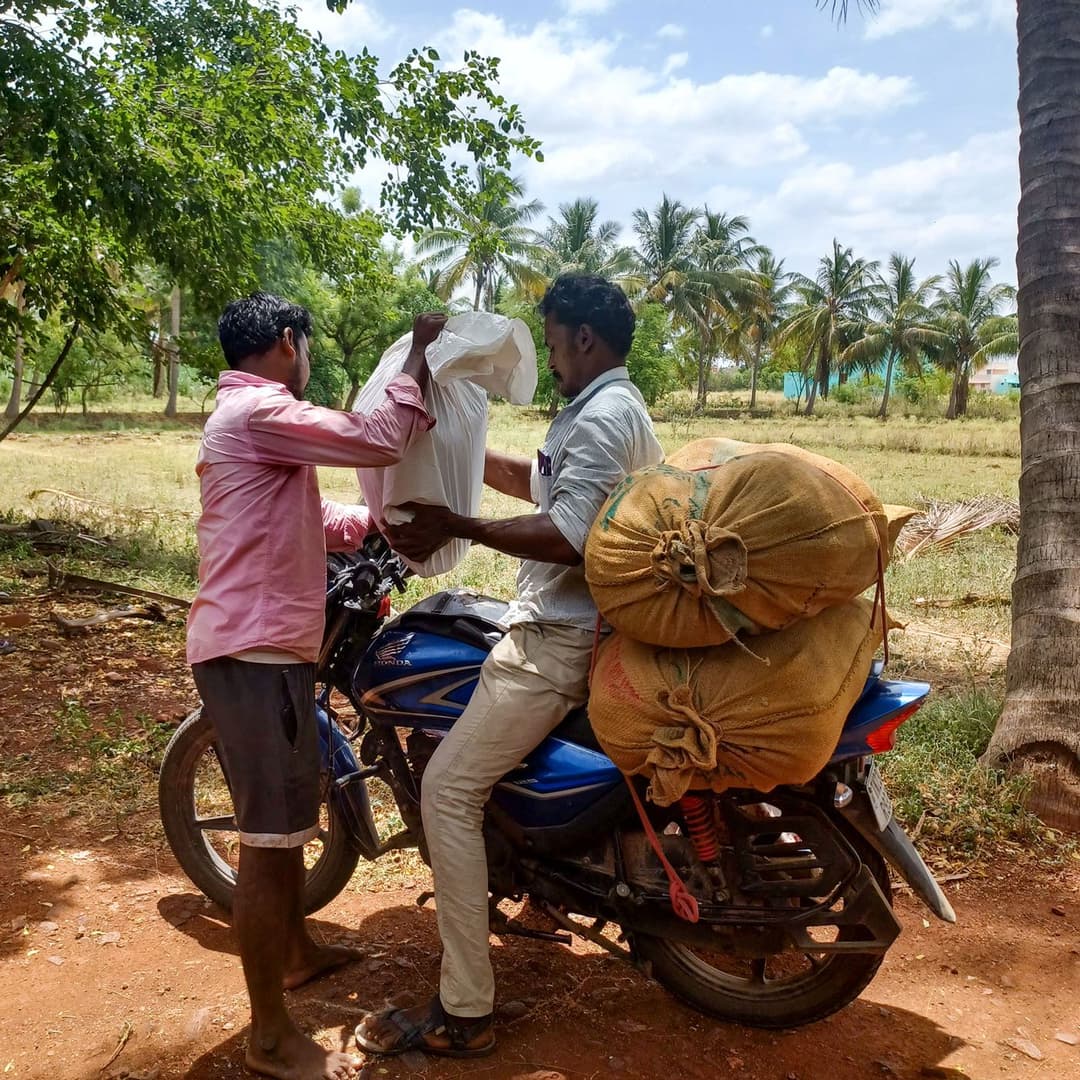
It’s from this shed that Lenin – with little noise and no fuss – weighs and packs the rice and sends it all the way up to Bengaluru, all the way down to Nagercoil. It seems as if he’s been farming and selling paddy for decades. But it’s only been six years.