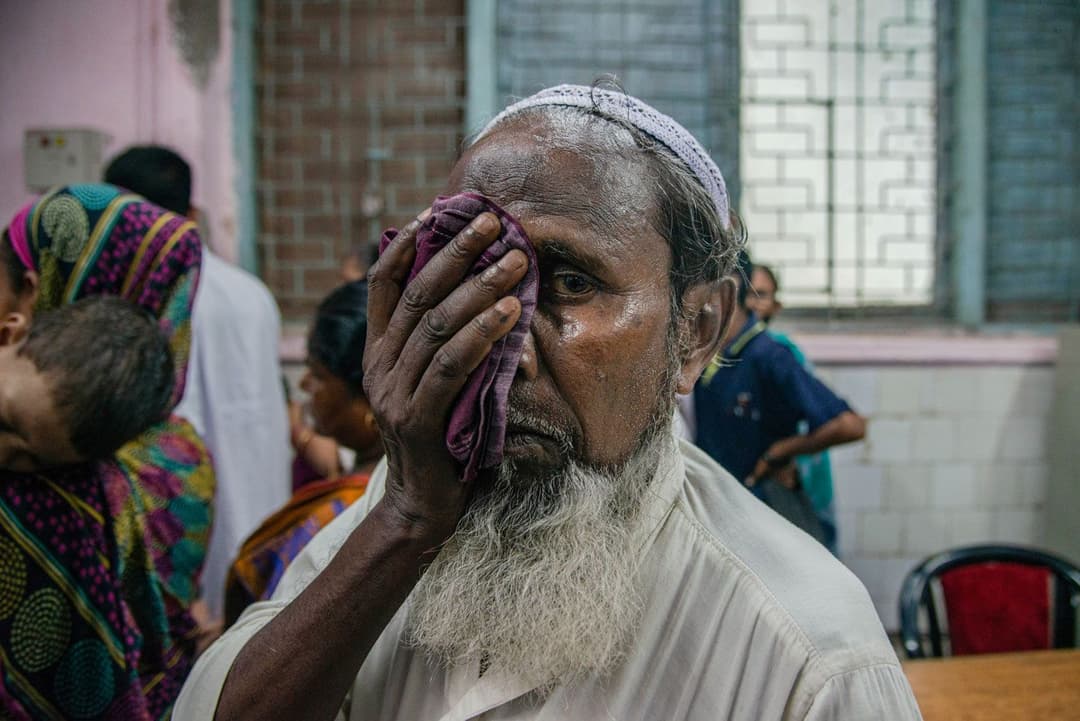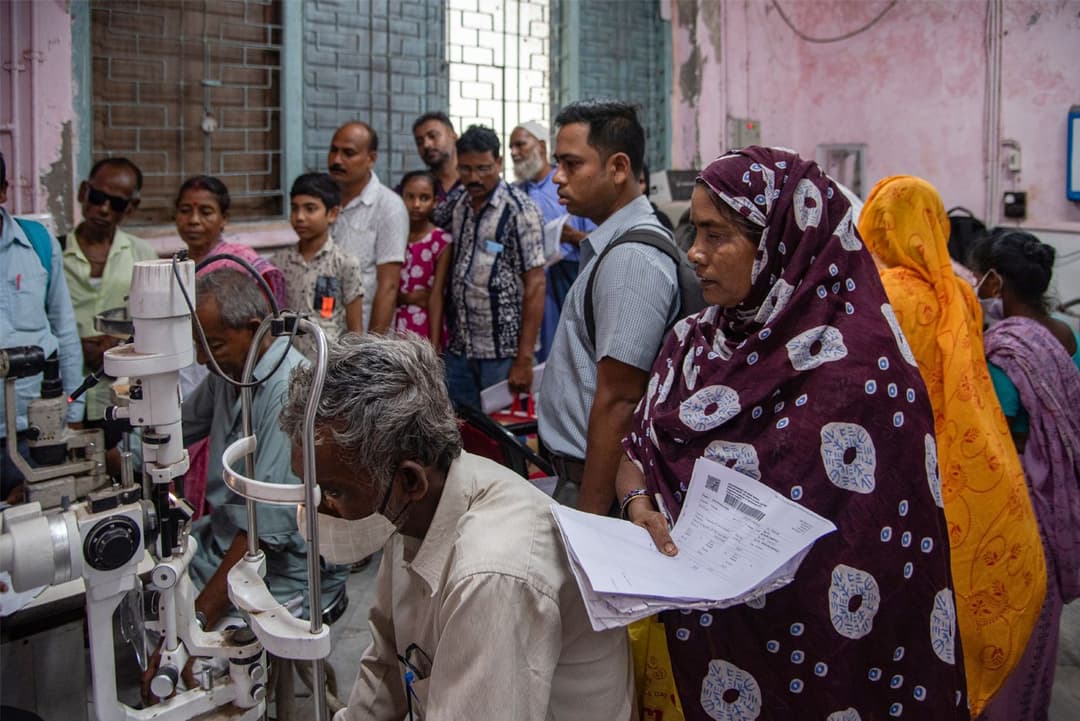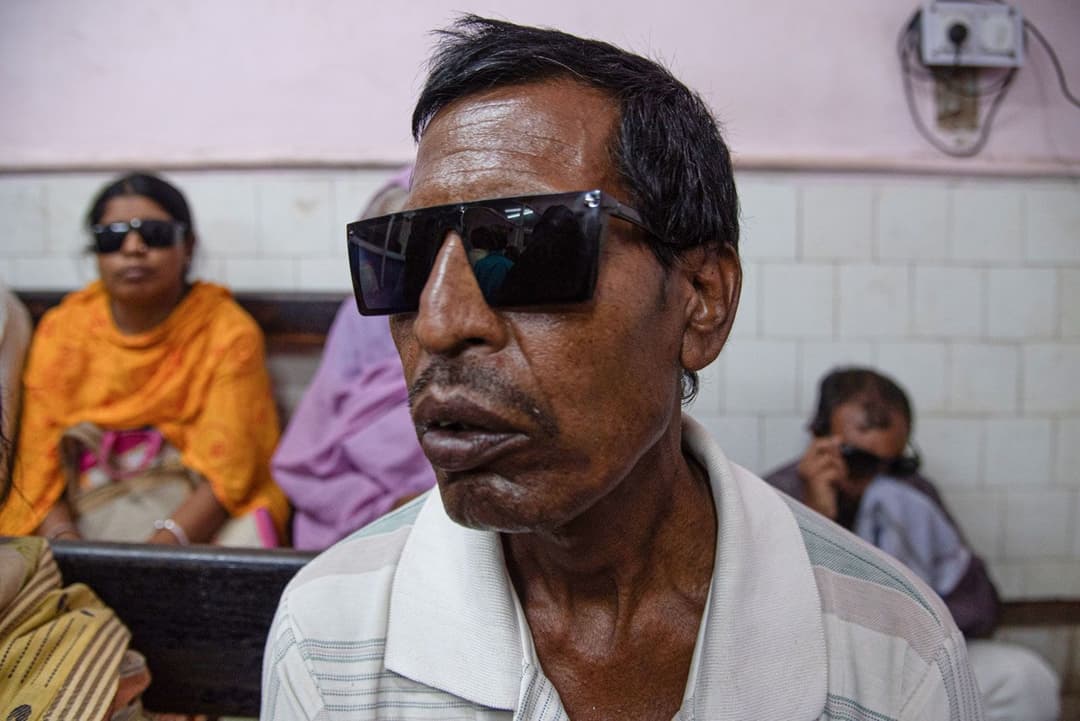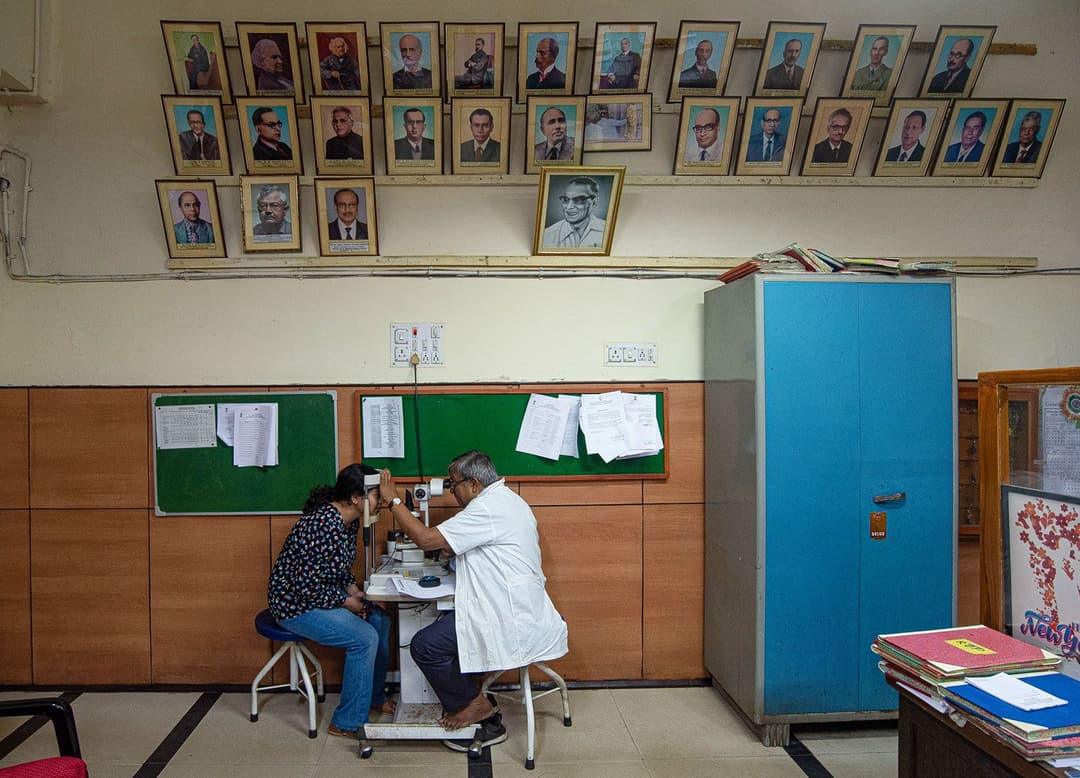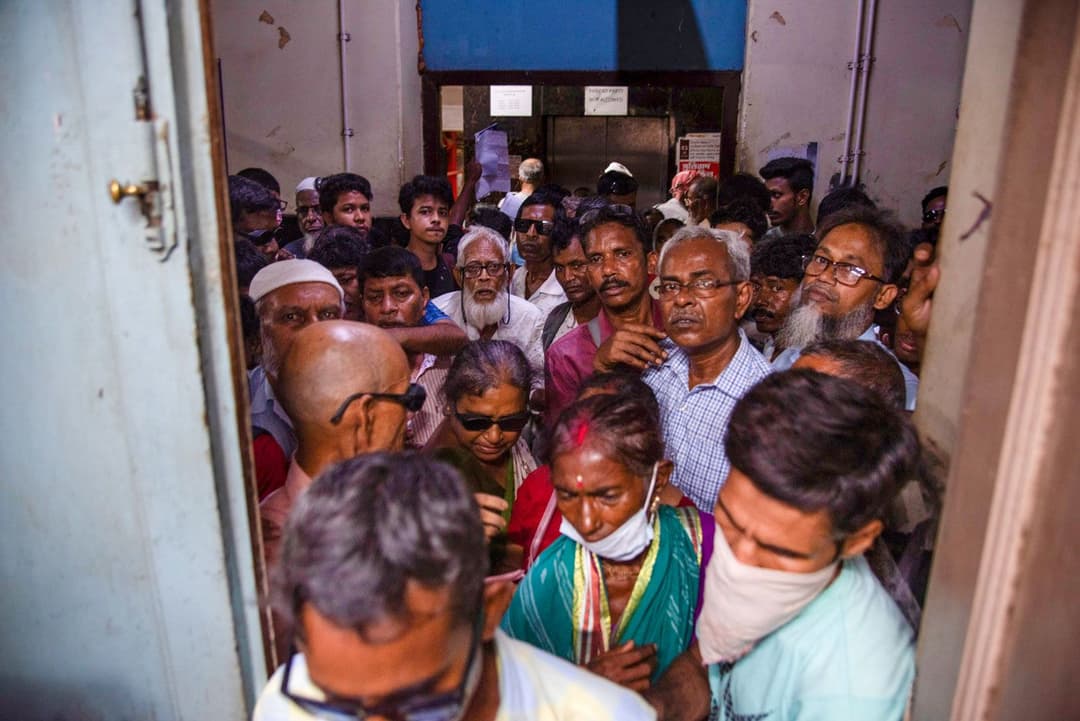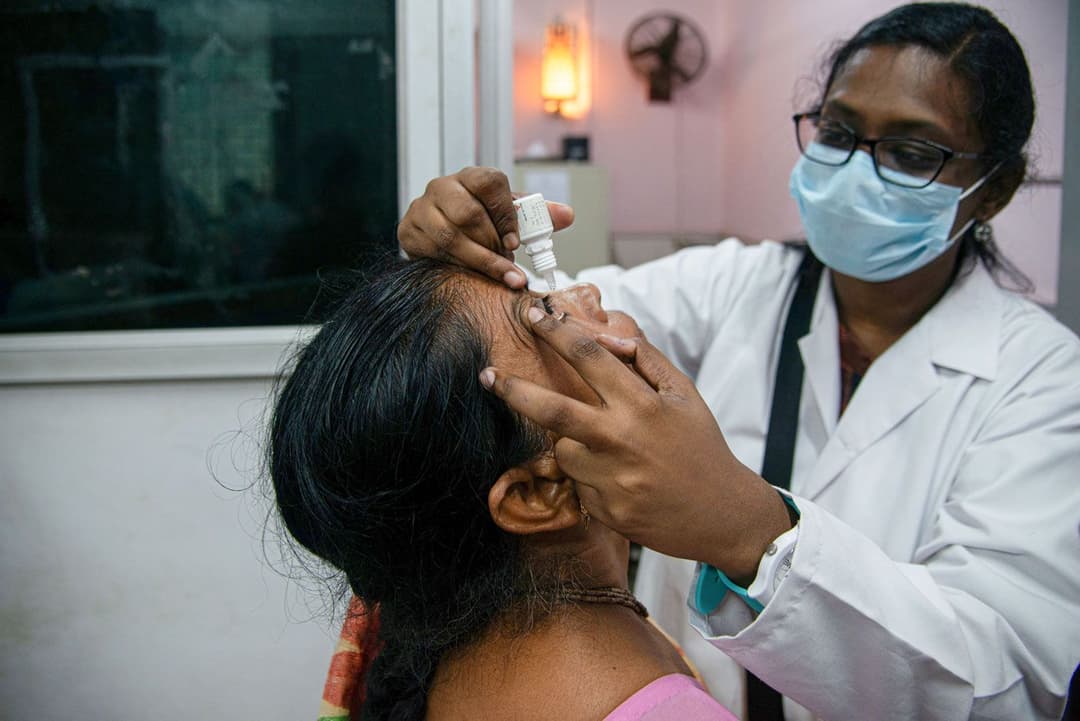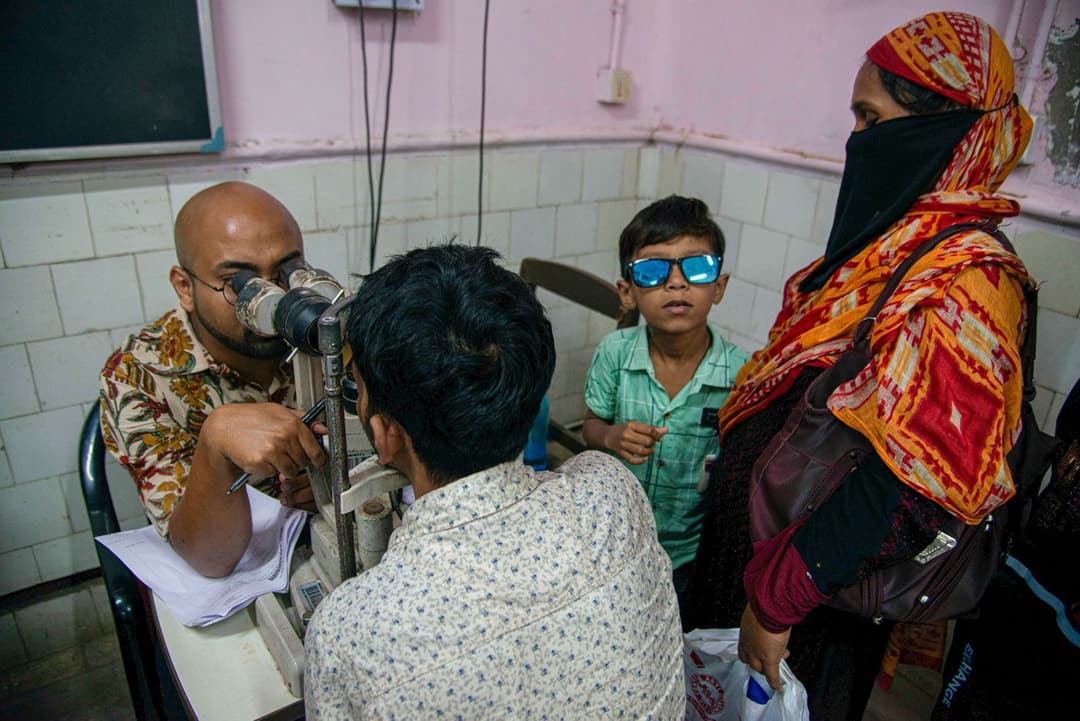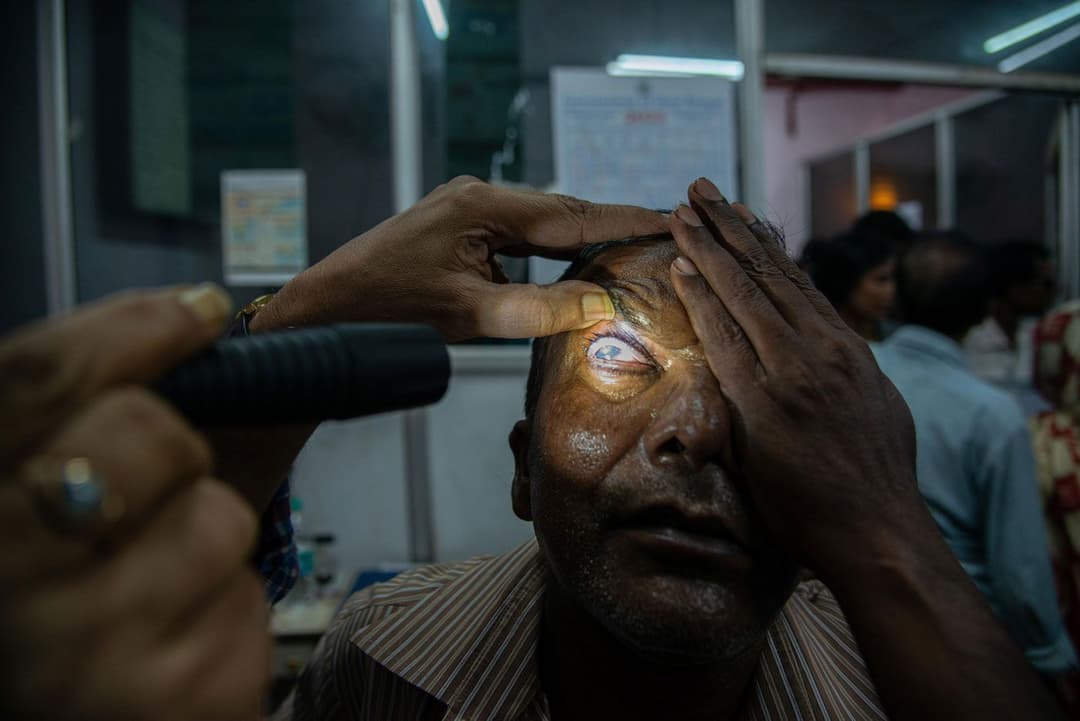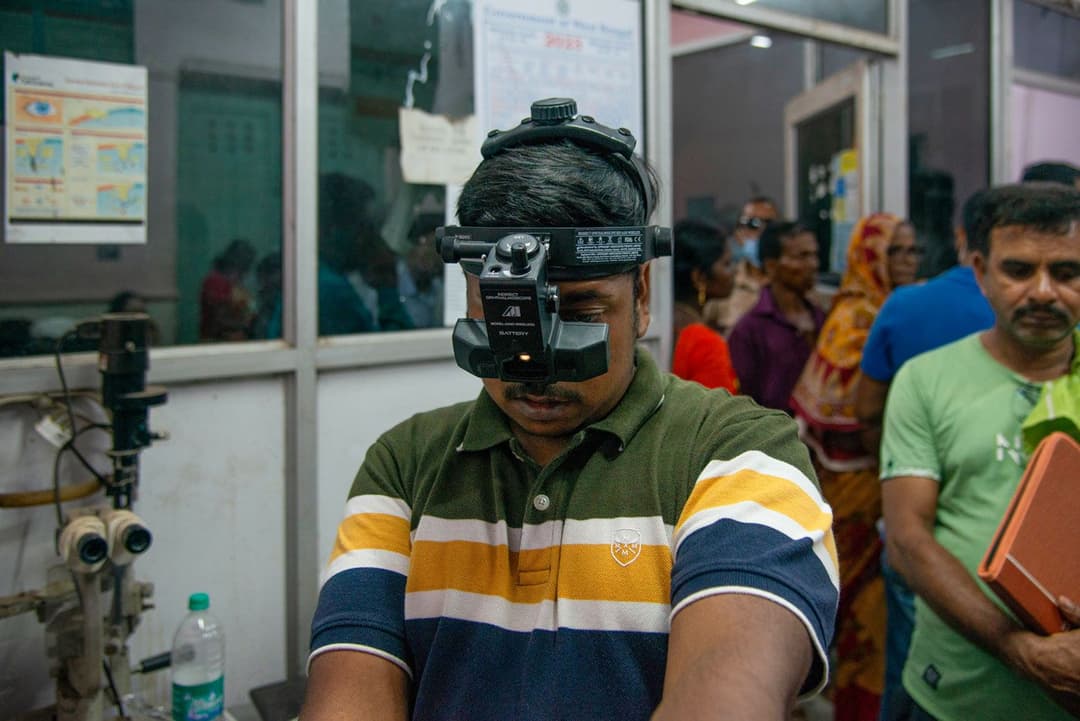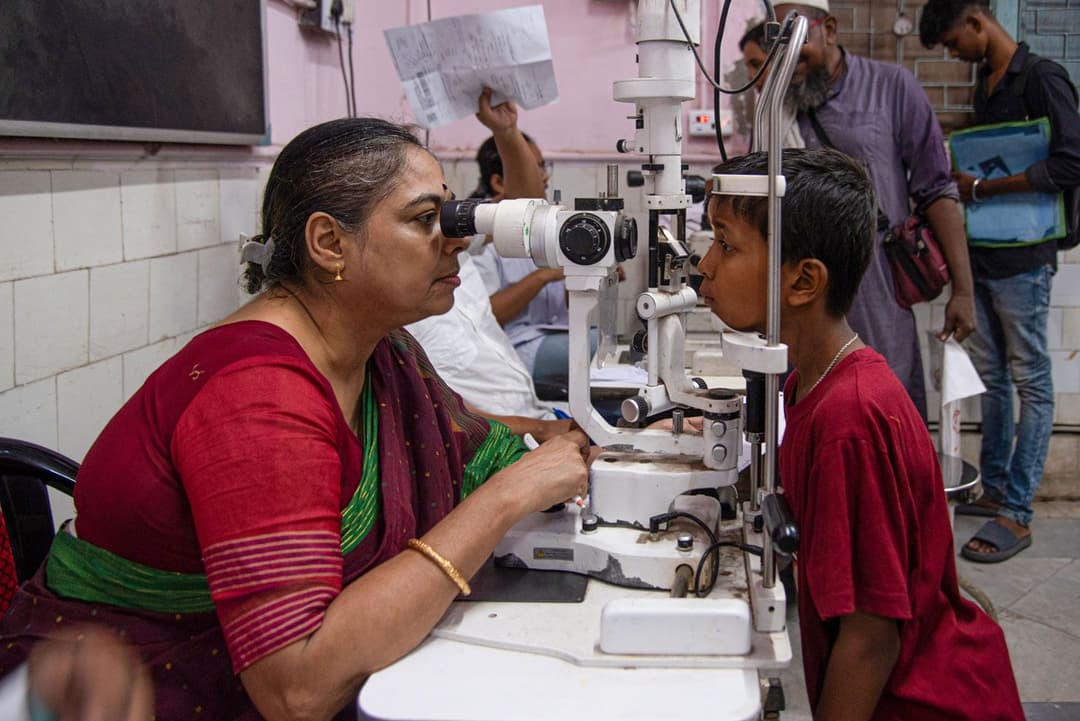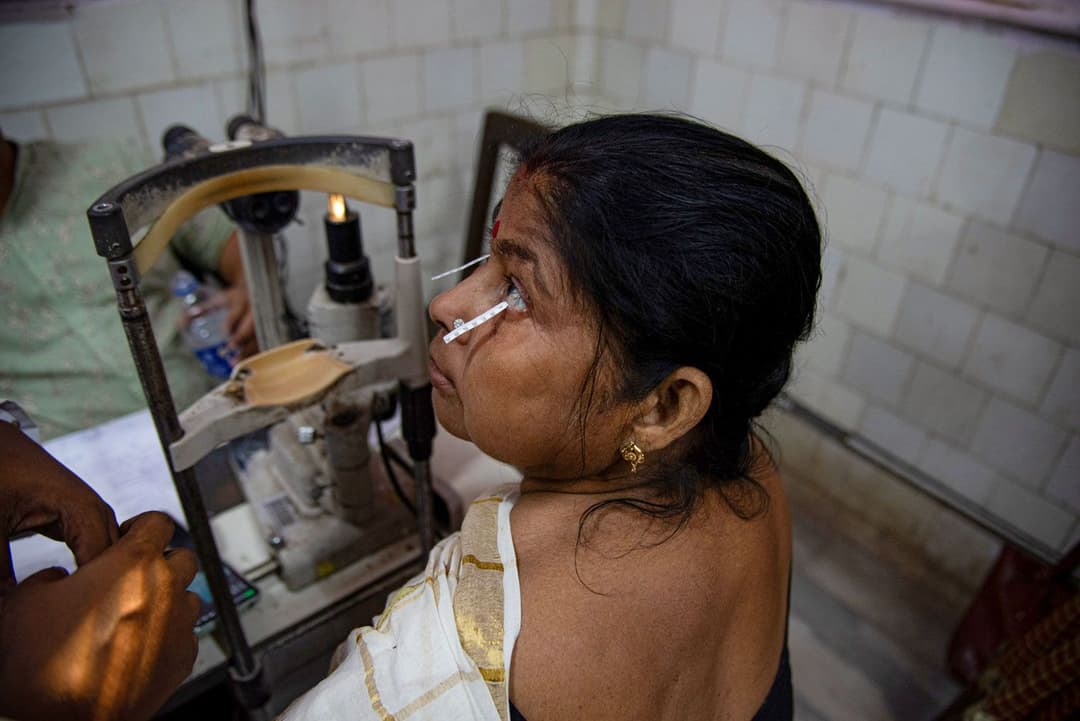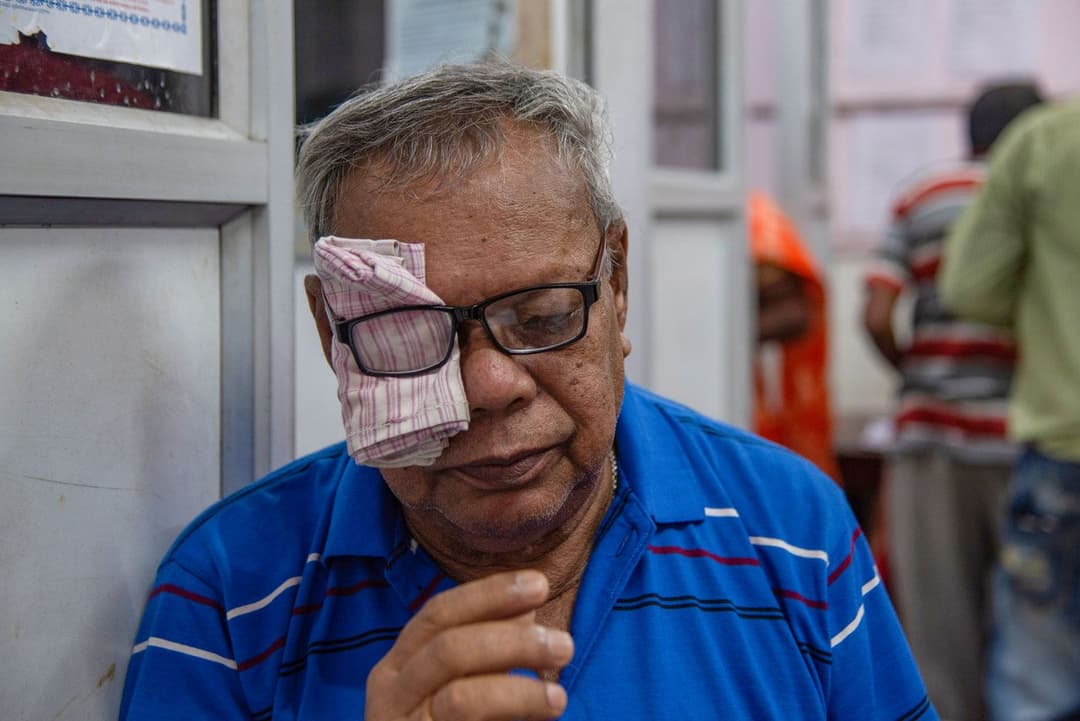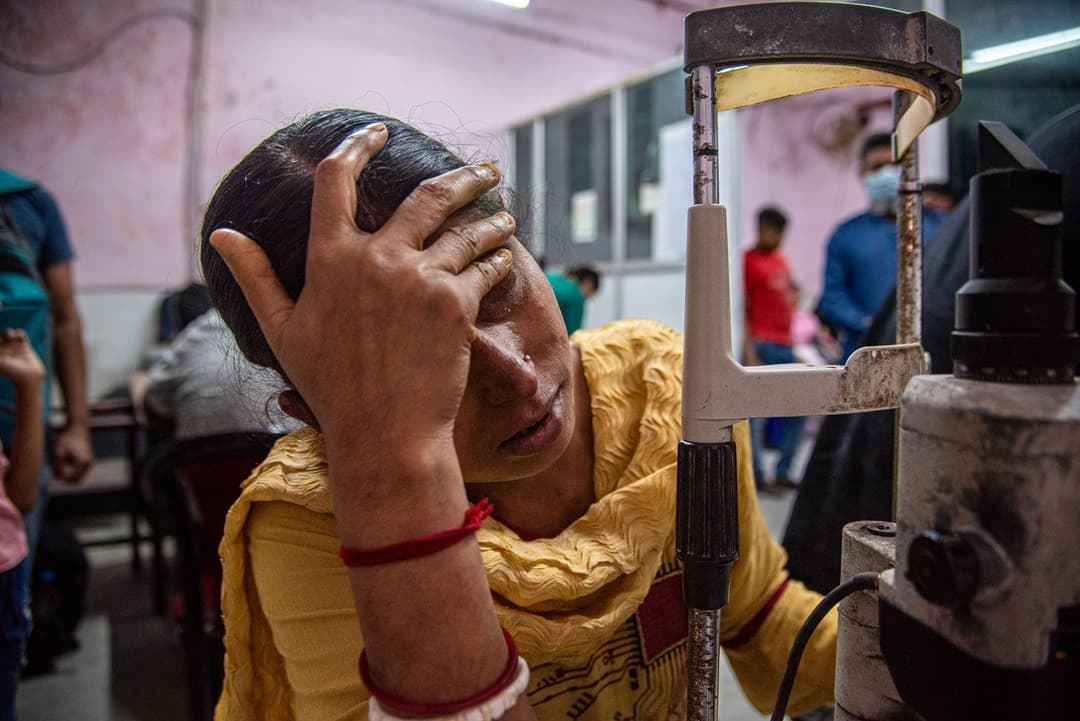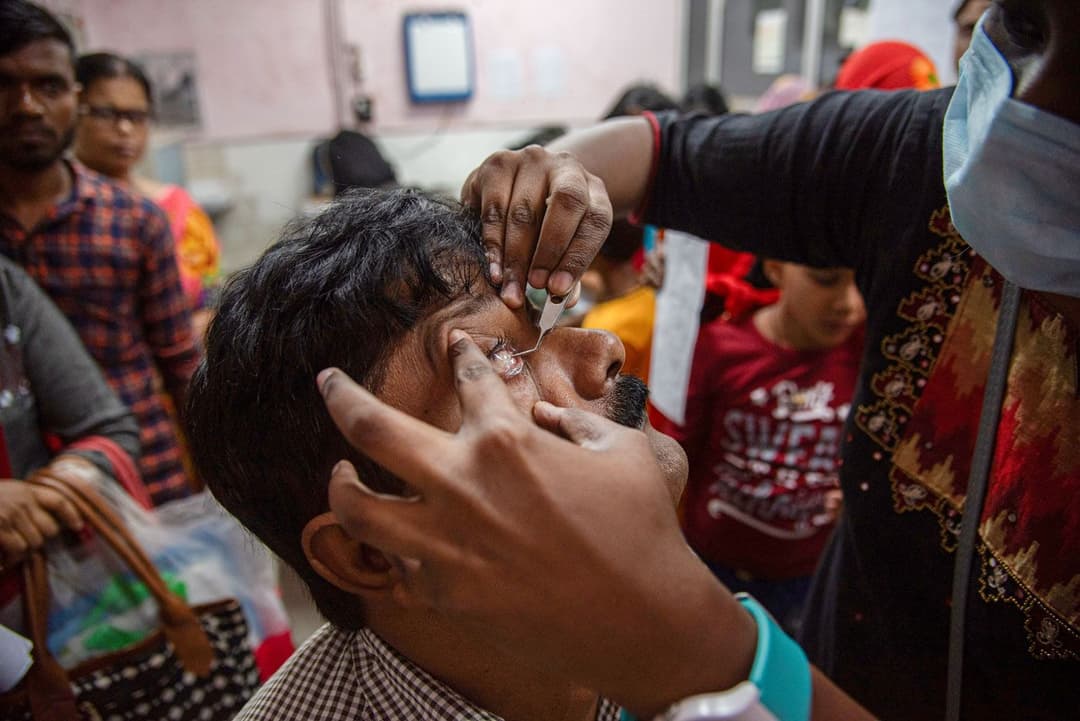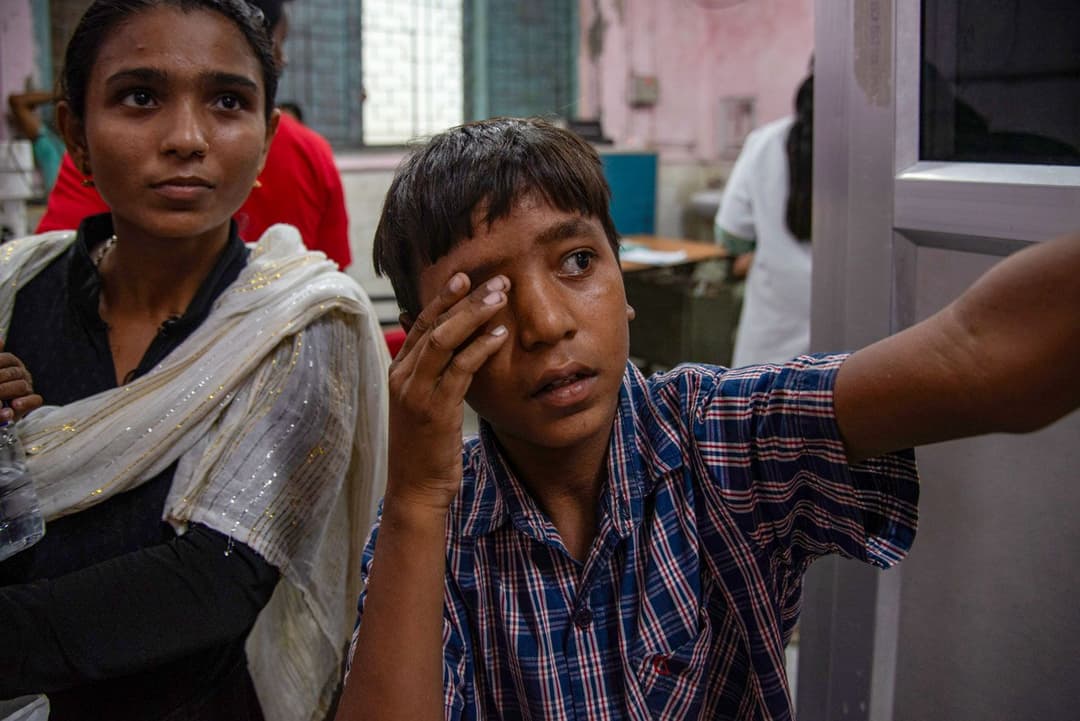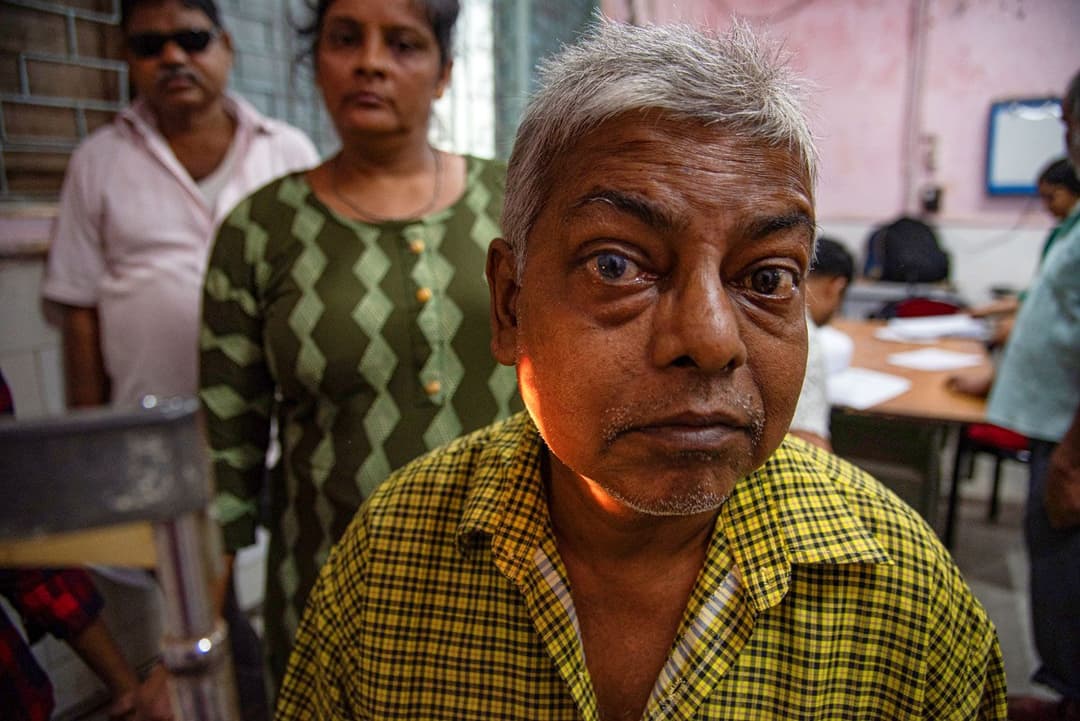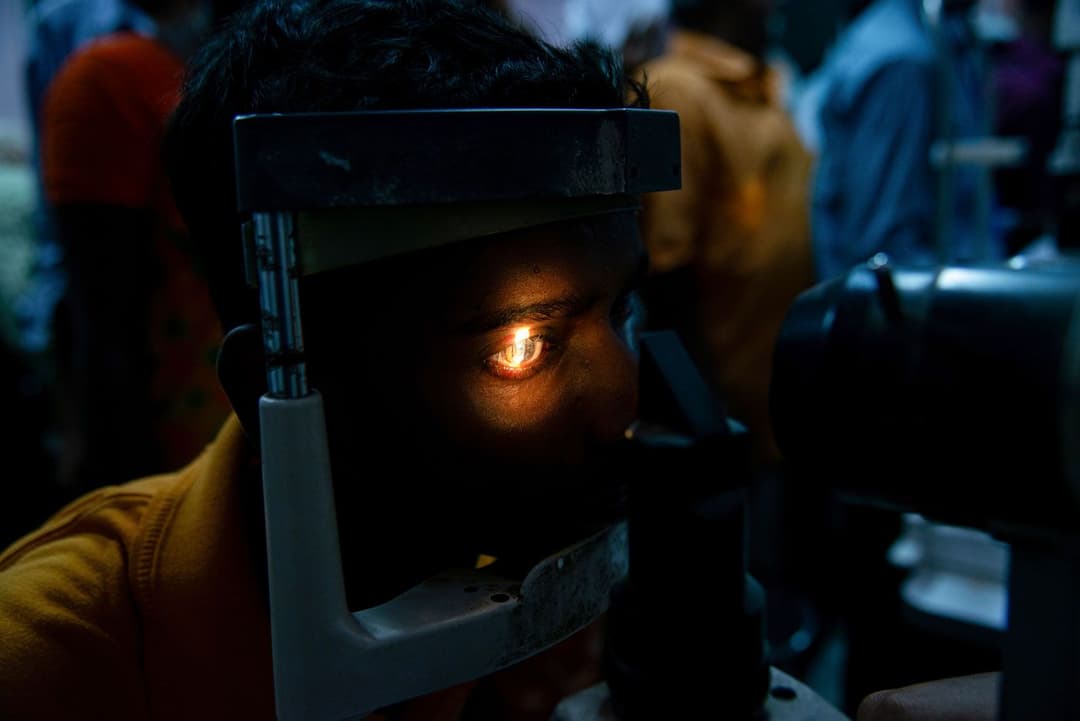
“I can’t see anything in my left eye. The bright light hurts. It's painful. Very painful. I am living in such a challenging situation because of this” says Pramila Naskar, a homemaker from Bangaon town in West Bengal’s South 24 Parganas district. Pramila, in her early forties, is speaking to us at a weekly cornea clinic in the Regional Institute of Ophthalmology, Kolkata, where she has come down for treatment.
I could easily empathise with Pramila Naskar. The more so as loss of sight even in one eye is a terrifying prospect for a photographer. I had a corneal ulcer in my left eye in 2007 and was on the verge of going blind. I was living overseas at the time and had to fly back to India for treatment. For one and a half months, I endured a torturous rehabilitation procedure before regaining full vision. And yet, a decade and a half after recovery, I still harbour a fear of going blind. I keep visualising how agonising it must be for a photographer to lose his sight.
Globally, according to the World Health Organisation (WHO) "at least 2.2 billion people have a near or distant vision impairment. In at least 1 billion – or almost half – of these cases, vision impairment could have been prevented or has yet to be addressed…”
The second most common cause of blindness worldwide, behind cataracts, is corneal diseases. The epidemiology of corneal blindness is complex and includes a wide range of inflammatory and viral eye conditions that result in corneal scarring, which eventually causes functional blindness. Additionally, the frequency of corneal disease varies from country to country.