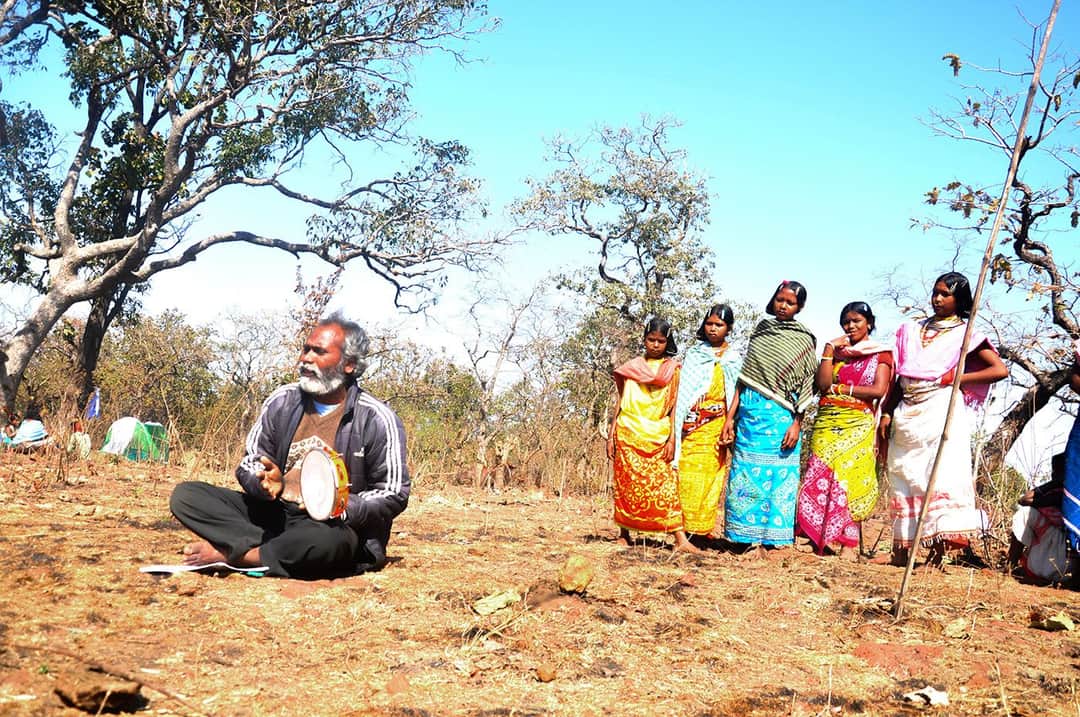

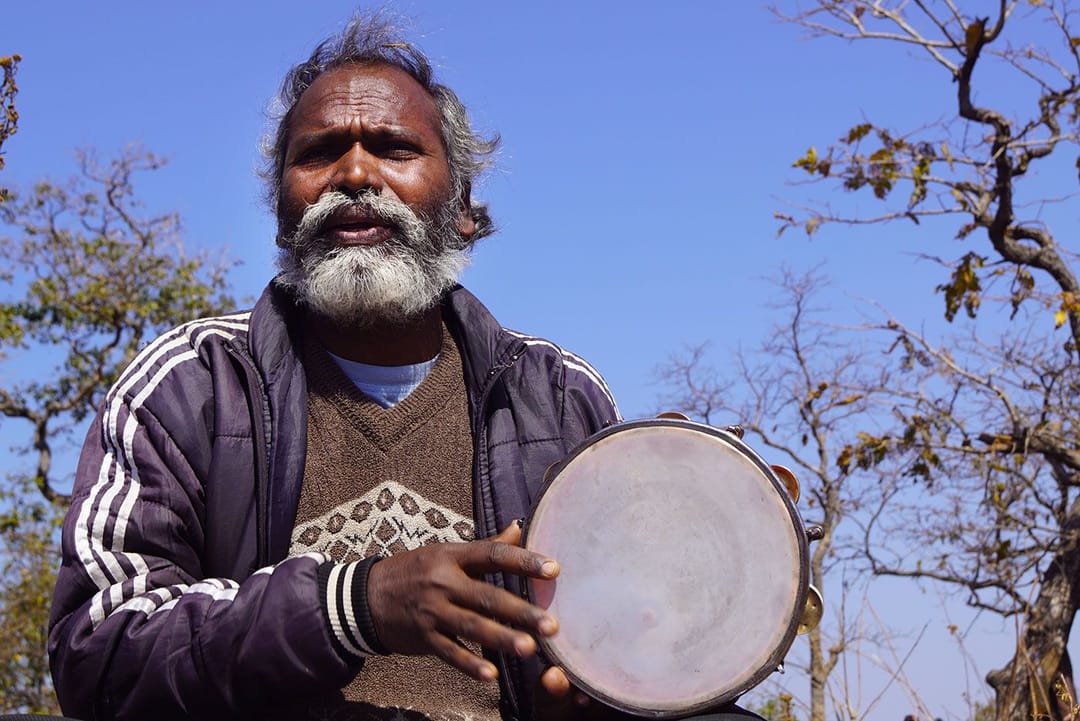
“From my childhood, I have been a rebel. I protest against injustice,” says Rajkishor Sunani, a Dalit poet, singer and activist from Karlagaon village, around 110 kilometres from the Vedanta alumina refinery in Kalahandi district. “I joined the movement [against bauxite mining in the Niyamgiri hills] in 2002-03. I wrote songs to make people aware, and I travelled from village to village to spread the message of the movement,” he says.
“At that time, my wife Leelabati and I lived in the villages here and sang songs,” Rajkishor recalls. People would invite the couple into their homes and give them food and shelter. The Sunanis, modest cultivators in their own village, had no source of income at that time and survived on the generosity of Adivasis. “My wife and I also went to jail in 2004 for protesting against Vedanta. I was detained for three months and Leelabati for a month. Even today, the nexus between the government and [mining] companies continues to suppress people’s movements,” he says.
The Niyamgiri hills, which spread across Kalahandi and Rayagada districts in southwestern Odisha, are home to the Dongria Kondh (or Jharnia Kondh, as many of them call themselves), a Particularly Vulnerable Tribal Group (PVTG), estimated to number only 8,000; other related Adivasi groups live in around 100 villages in the region.
For long, the Dongria tribes have opposed a project by the government-owned Odisha Mining Corporation and Sterlite Industries (now Vedanta), a British multinational. The project proposed to mine their sacred hills for bauxite (used for making aluminium) for Vedanta’s refinery in the state's Lanjigarh tehsil.
In 2013, the Adivasis unanimously rejected the mining of their land through a Supreme-Court mandated referendum conducted in 12 villages around Niyamgiri. Among others, the movement was led by the Niyamgiri Suraksha Samiti, a collective of Adivasis, and many activists like Rajkishor.
The Odisha government has since tried (so far without success) to overturn the referendum, and the refinery continues to operate with bauxite from other sources. The threats to the ancestral land of the Adivasis remain on the horizon.