

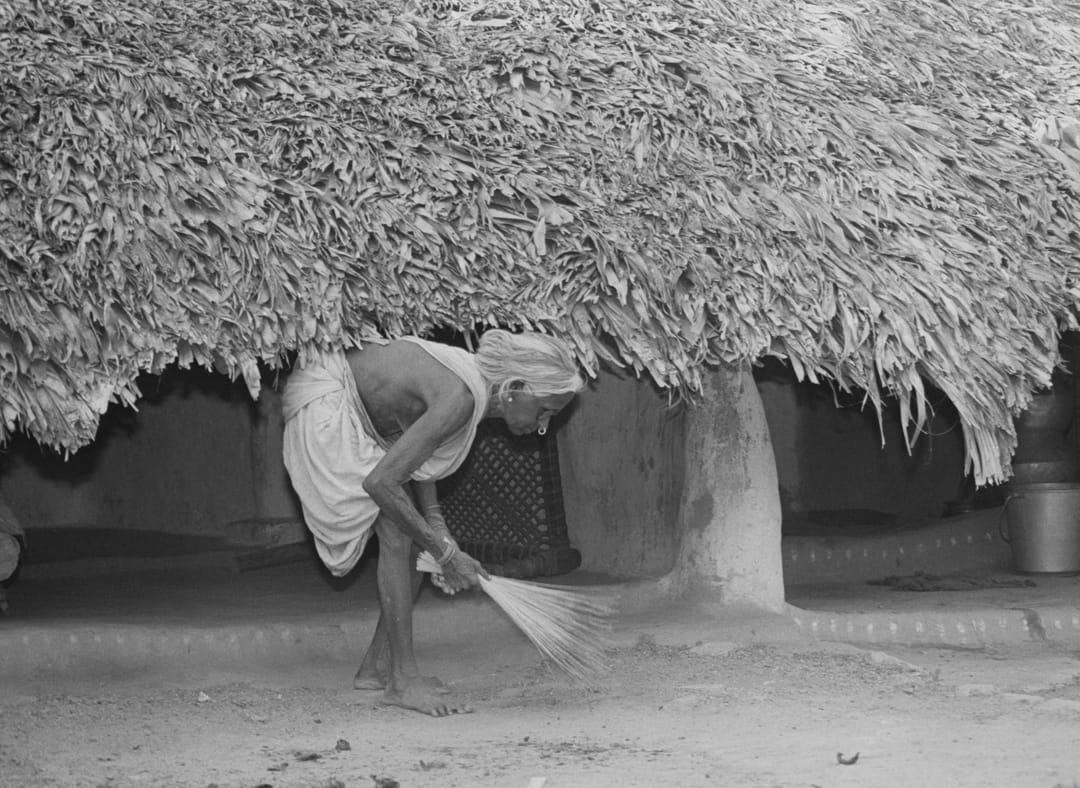
SANGUR, PUNJAB
|FRI, AUG 24, 2018
The handlers of India’s human waste
Tens of thousands of Dalits still work as manual scavengers in India – unclogging sewers, emptying septic tanks, and more. They work with no protective gear, no holidays, irregular wages, and the constant threat of disease and death. All this along with deep social stigma – while the government speaks of a Swachh Bharat and of ‘open defecation free' villages. These are PARI’s stories about citizens stained by the stigma of 'safai'
Author
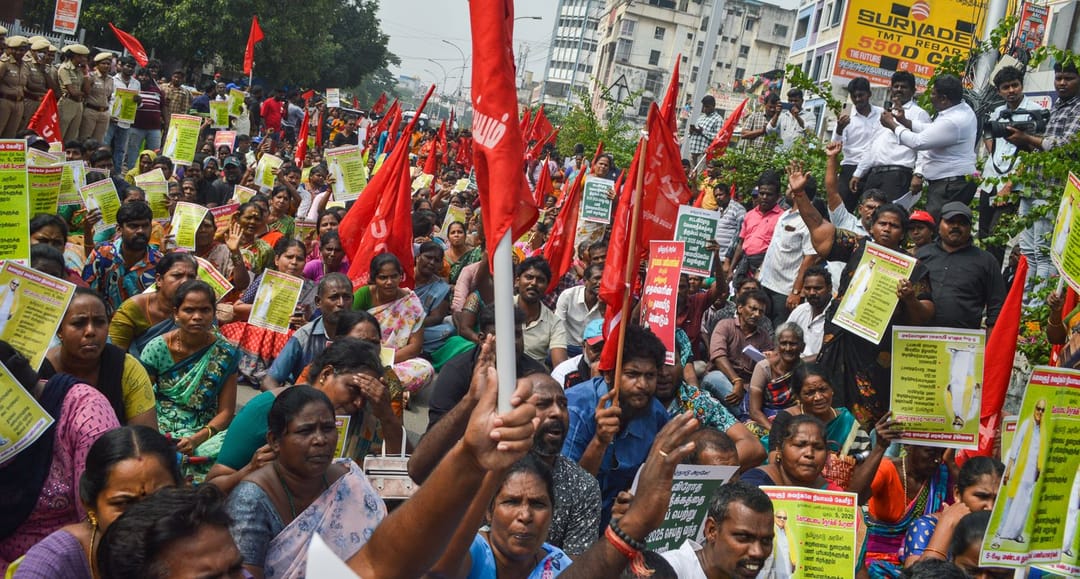
16. Chennai sanitation workers’ historic protest
After months of peaceful protest against the privatisation of their jobs, anguished sanitation workers are finally heard
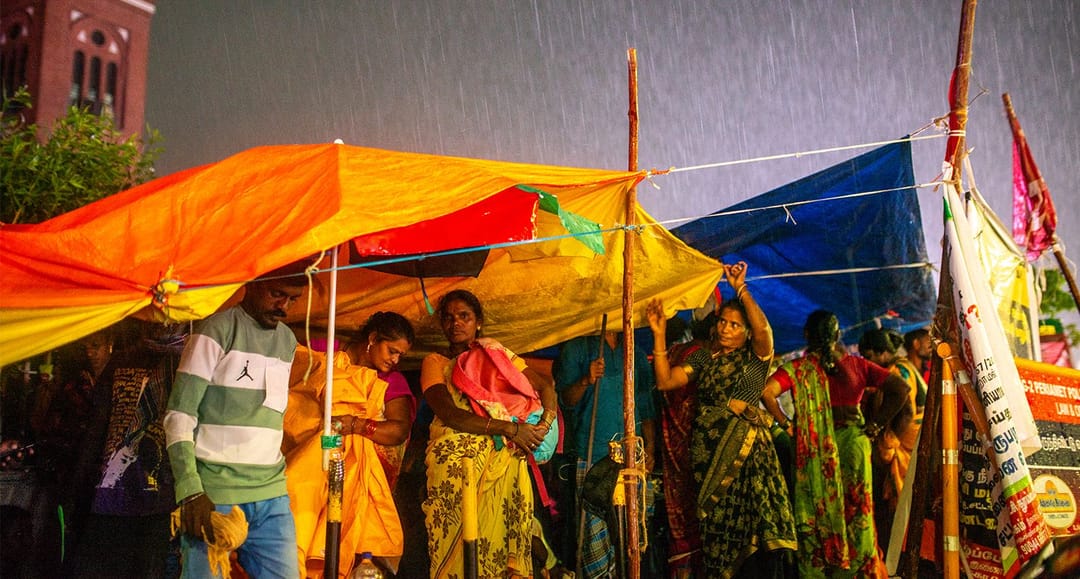
15. ‘This job is our only livelihood’
From August 1-13, 2025, over 2,000 sanitation workers sat in protest against the privatisation of their jobs which will result in a drop in wages by almost 50 per cent. Most of the protestors were women, many among them widows

14. ‘There is no such thing as professional grief’
A photographer documents the deaths of manual scavengers, and the lives they leave behind
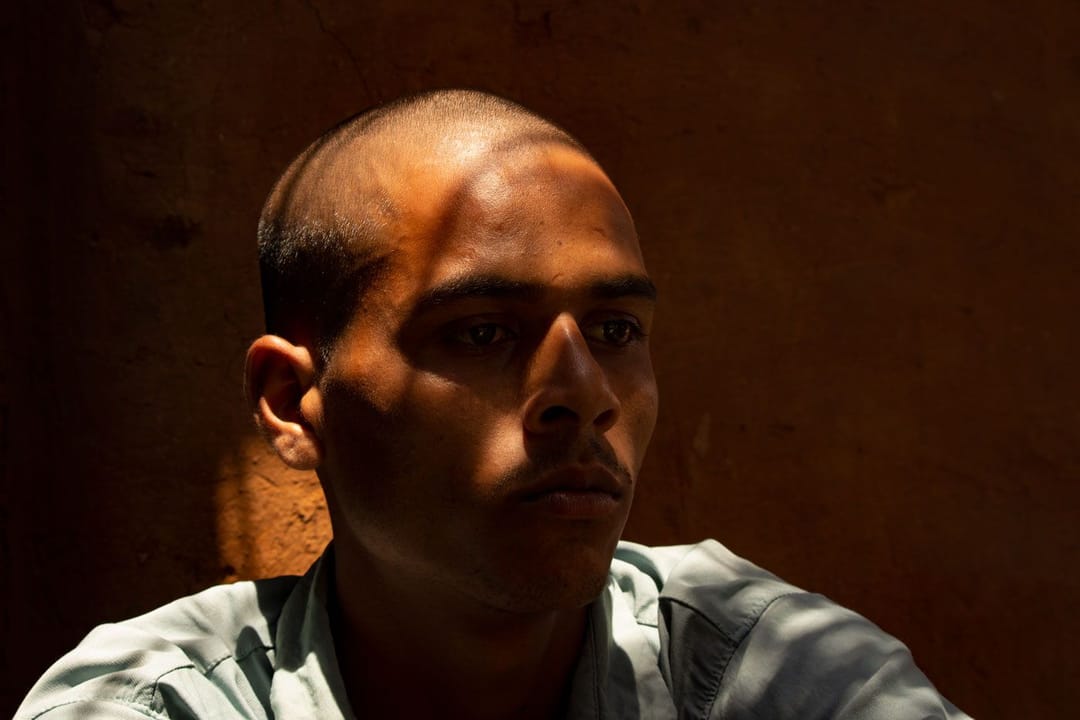
13. In Gujarat: gassed to death in Dahej
Toxic fumes killed three Adivasis and savaged two others while they were cleaning a sewer without any protective gear in Gujarat’s Bharuch district on April 4 this year
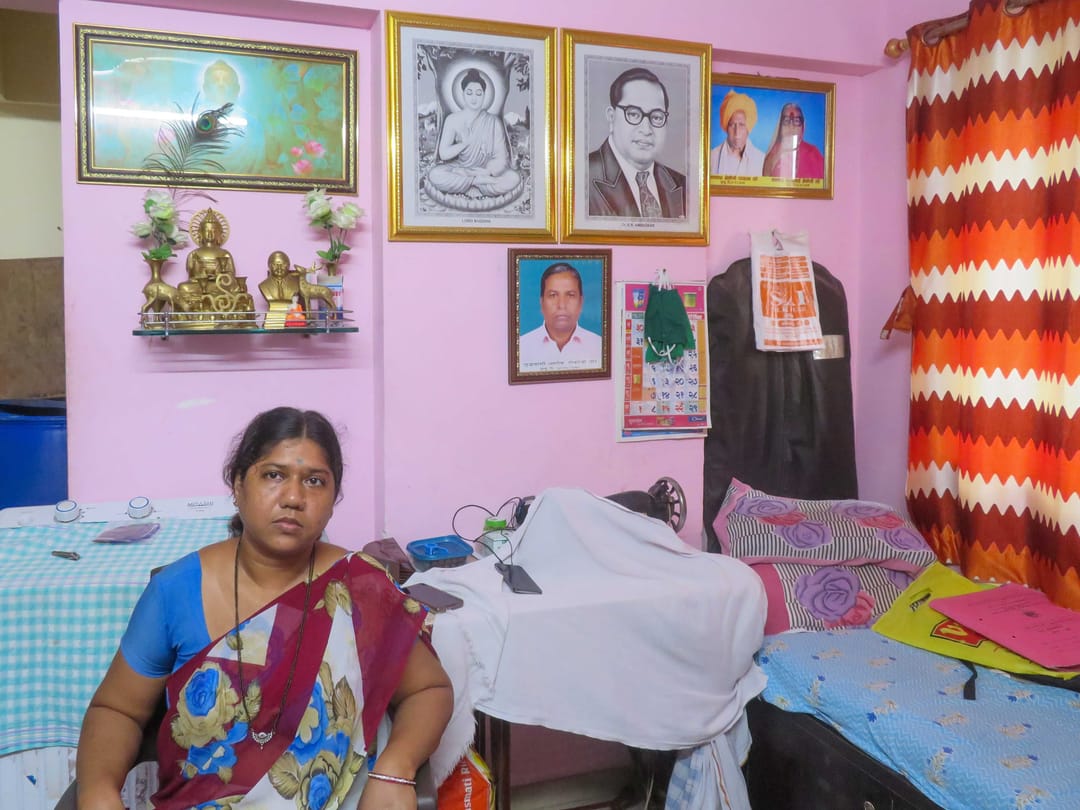
12. Ashok Taare: denied leave, departs permanently
Despite Covid-19 symptoms, Ashok Taare, a sanitation worker in Mumbai, was forced to work without safety gear or leave. His family ran around for help, and months after his death on May 30, await compensation
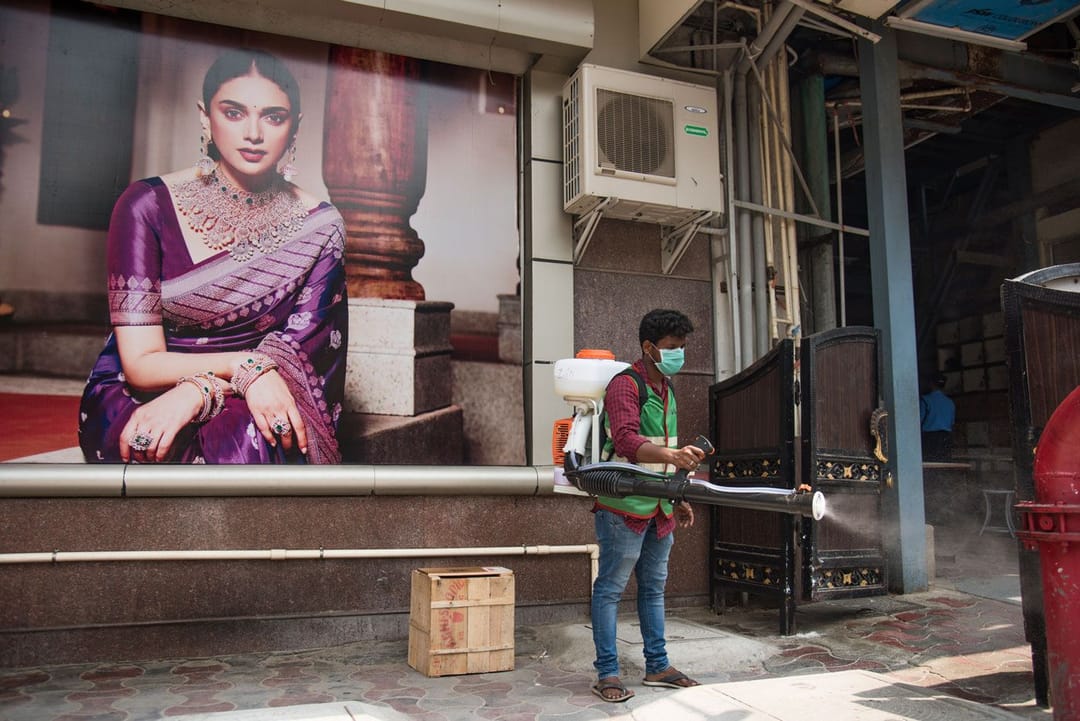
11. Sanitation workers – the wages of ingratitude
Sanitation workers in Chennai are walking long distances to work during the lockdown, or journeying on garbage lorries. Taking leave for a day during this period invites penalties, even sacking

10. Essential services, expendable lives
That’s the story of Mumbai’s safai karamcharis on the frontlines of the battle against Covid-19. Wages delayed, and with little protective gear, they’re still clearing garbage even in the toxic air of the Mahul area
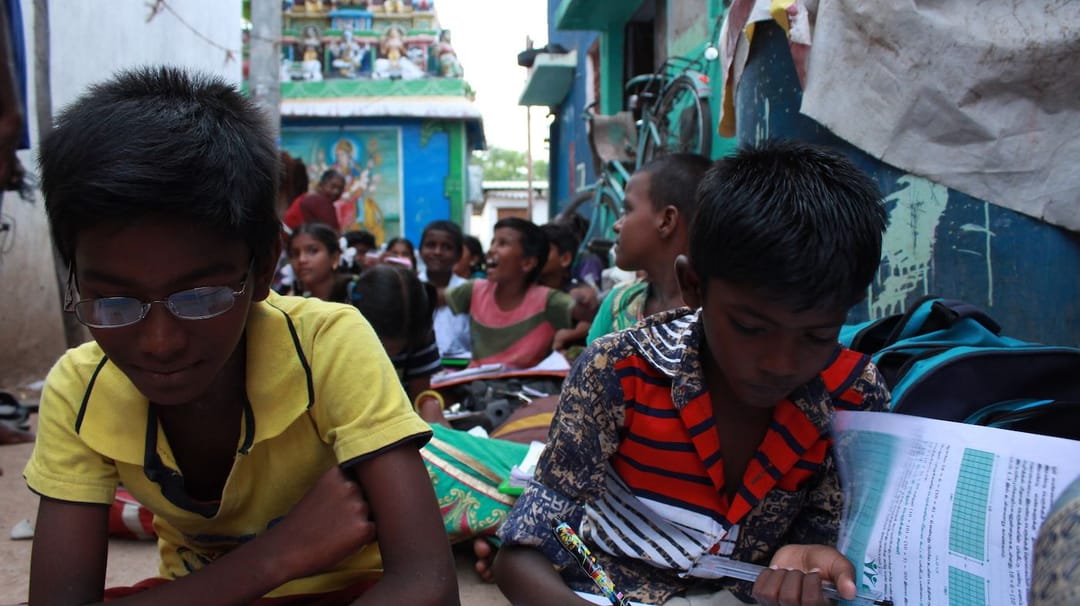
9. A tuition centre coaching rebellion
In a slum colony in Madurai, a teacher juggles three jobs to still make time to run a tuition centre for the children of manual scavengers and others – exhorting them never to think of doing their parents’ job
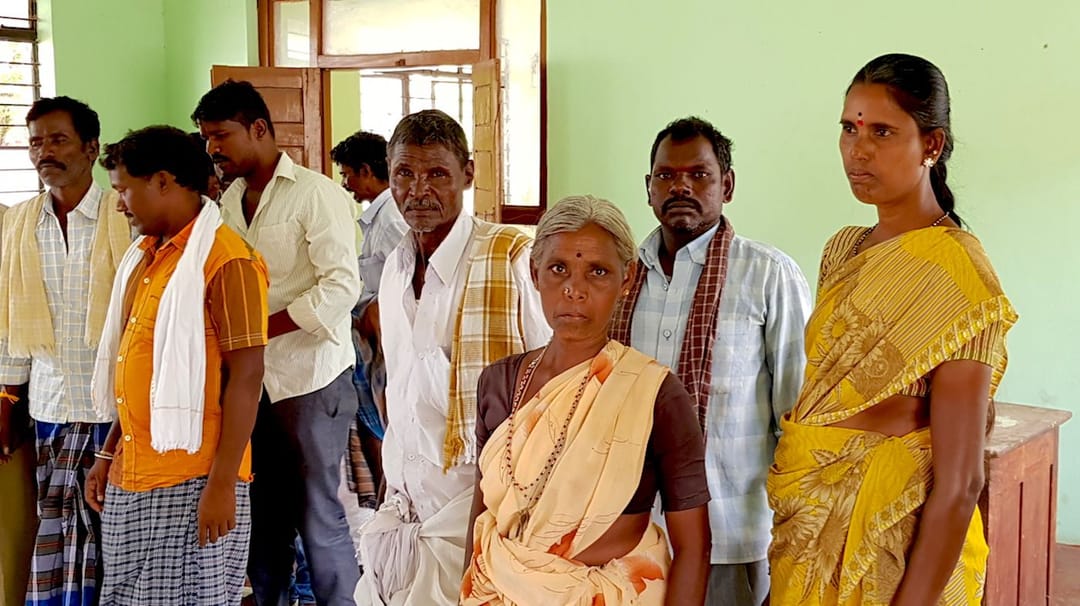
8. Pavagada’s social hierarchies of sorrow
Minimum protective gear, maximum risk, no holidays, no pay, and ever-lurking disease and death. That’s the fate of safai karmacharis in Pavagada in Karnataka’s Tumkur district

7. Caste can’t smother Bhateri’s toothless smile
After a lifetime of dehumanising labour, caste oppression and family tragedy, 90-year-old Bhateri Devi – a Mumbaikar from Rohtak – is still not bitter, and remains independent and quite cheerful

6. ‘Swachh Bharat, and people still clean gutters?’
When he was 10, Arjun Singh's father Rajeshwar died while cleaning a sewer in Delhi. At 14, the schoolboy sells snacks to support himself and his mother, and dreams of becoming a bank manager and a chef
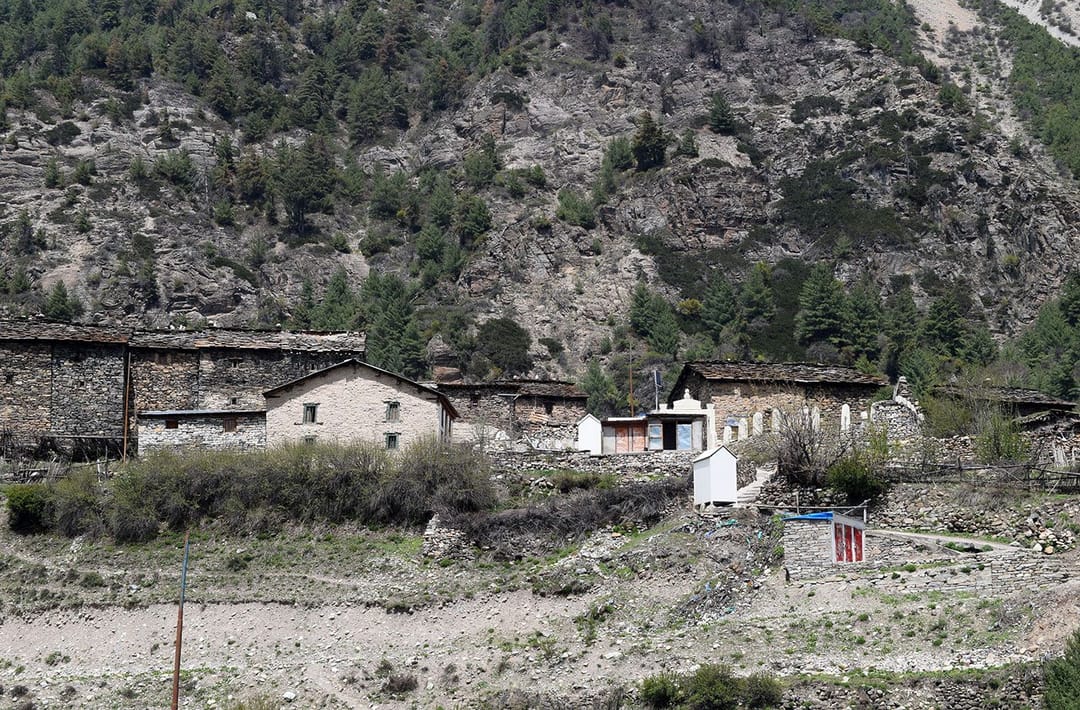
5. Something is not so ‘swachh’ in Gunji
Uttarakhand’s Gunji village is home to 194 families who still relieve themselves behind hedges in the biting cold of the mountains – and yet, the Swachh Bharat Mission claims the region is free of open defecation

4. ‘I have been going into this hell for decades’
Mani has spent nearly 30 years cleaning choked sewers, while enduring the stigma of his work and caste. And each time he dives bare-bodied into the sludge and human waste, he wonders if he will come out alive

3. ‘My mother is a fearless woman’
K. Nagamma, the wife of a sanitation worker who died in a septic tank, and her daughters Shyla and Anandhi, recount their struggles against a system that confines them – quite literally – to the gutters
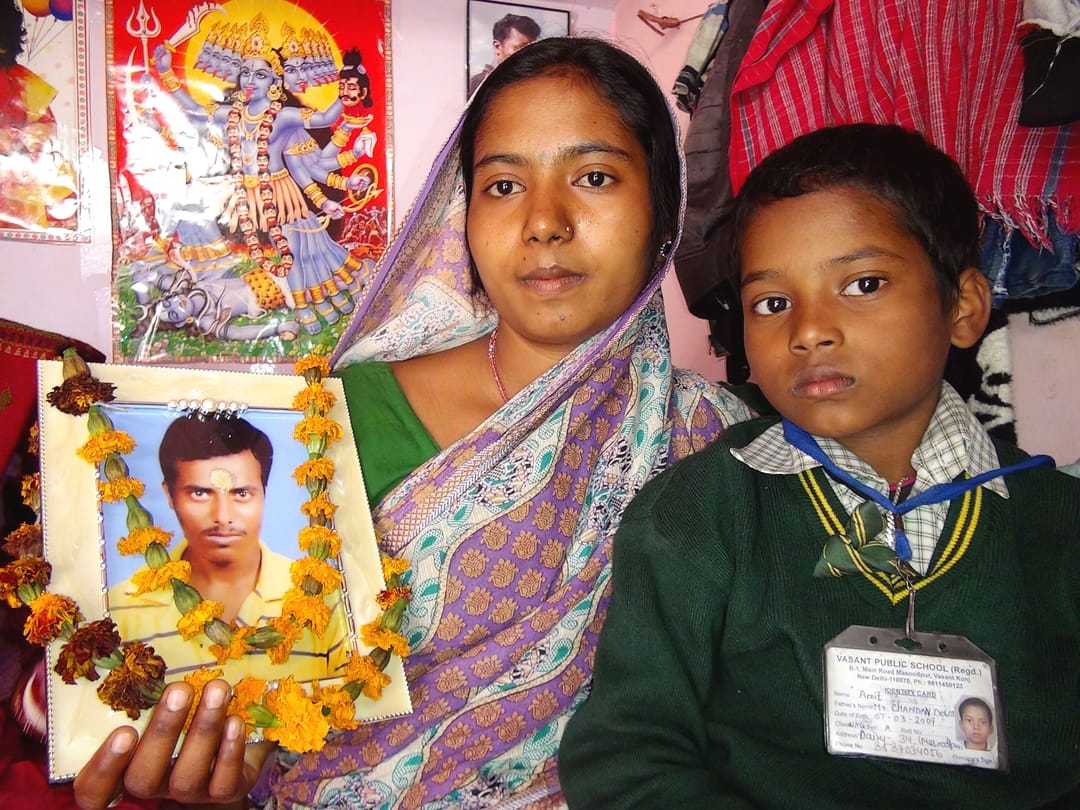
2. 'No life should end in the gutter'
In November 2016, Chandan Daloi died while cleaning a septic tank at a Delhi mall. ‘Why is only our caste employed for cleaning the sewers, and why are people still dying inside them’, asks his wife, Putul


The Prohibition of Employment as Manual Scavengers and their Rehabilitation Act, 2013
This Act, as compared to an earlier law related to manual scavengers, emphasises restoring the workers’ dignity and rights, and provides for rehabilitation
Sept 18, 2013 | Ministry of Law and Justice, Government of India
Want to republish this article? Please write to [email protected] with a cc to [email protected]
Donate to PARI
All donors will be entitled to tax exemptions under Section-80G of the Income Tax Act. Please double check your email address before submitting.
PARI - People's Archive of Rural India
ruralindiaonline.org
https://ruralindiaonline.org/articles/the-handlers-of-indias-human-waste