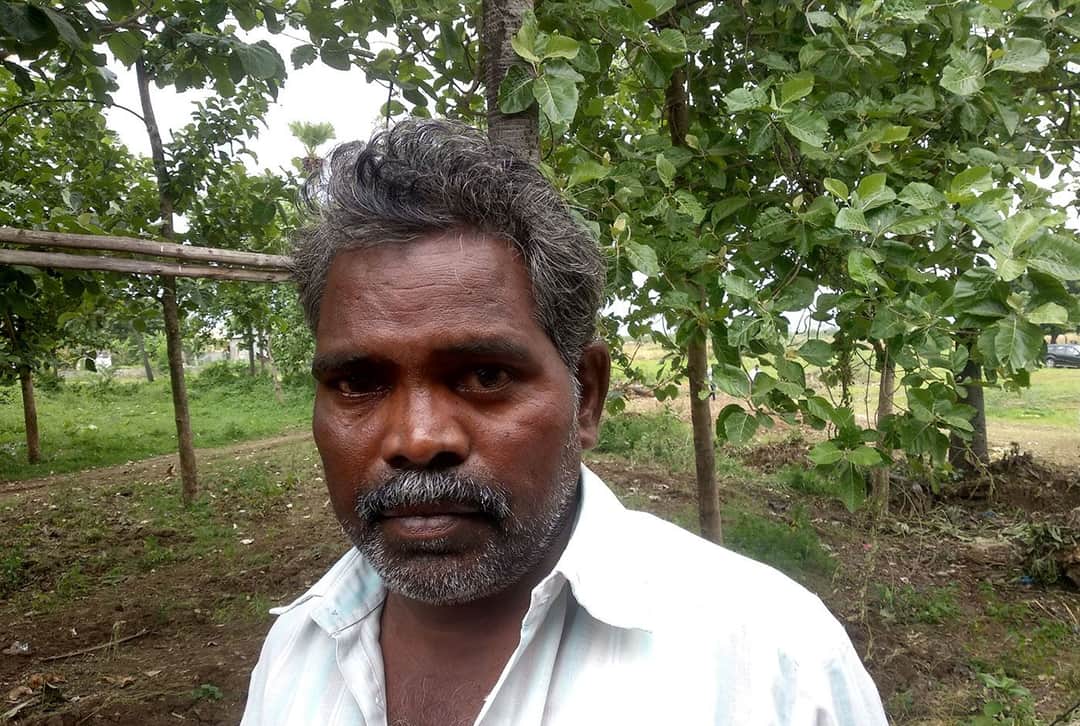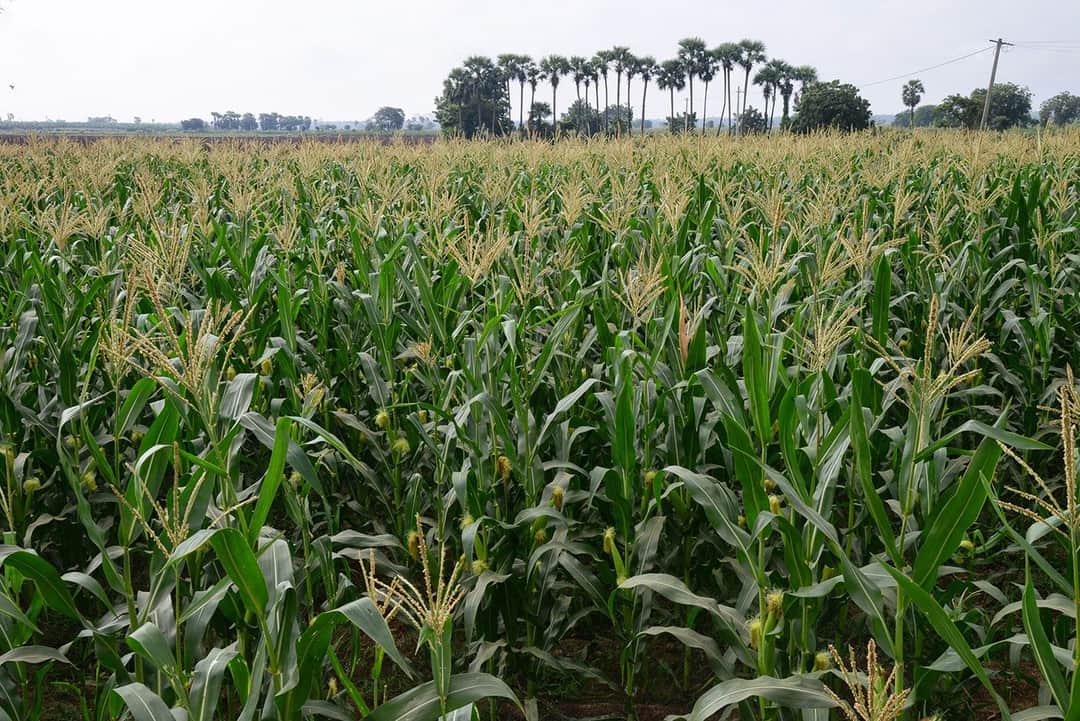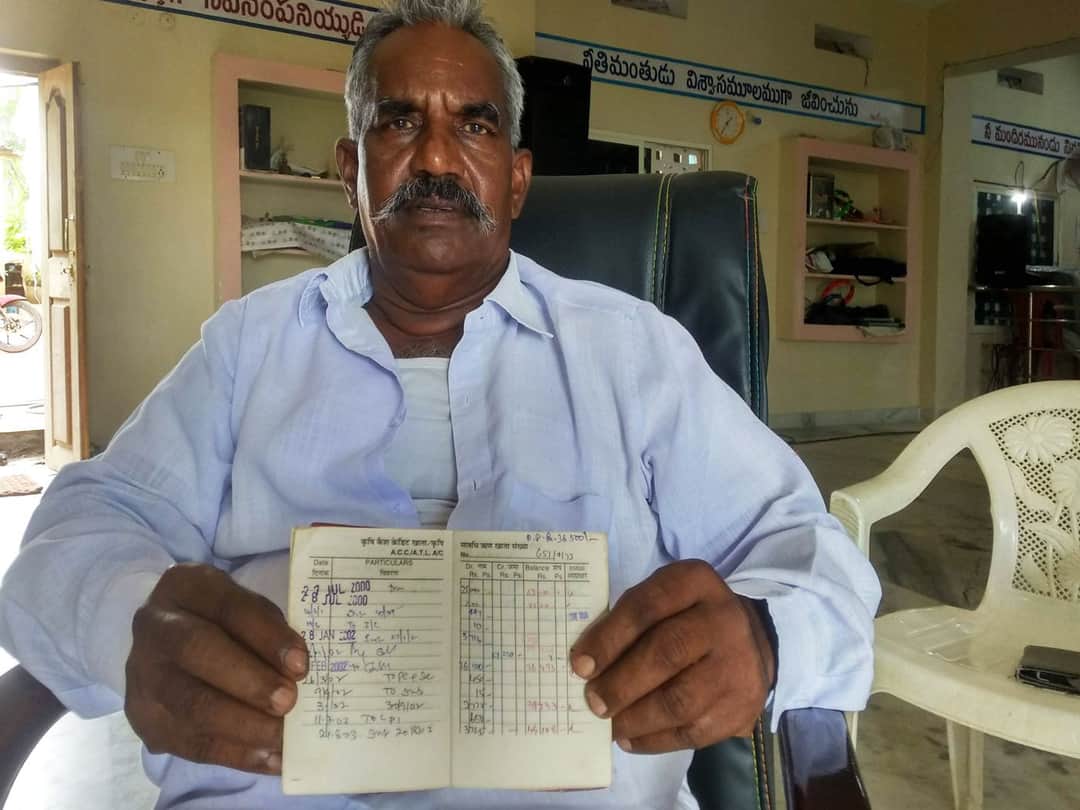

“Why are we being given compensation that’s different from what landowners with pattas [titles] are given?” asks Turaka Baburao, a 55-year-old Dalit farmer who owns less than an acre in Rayapudi, a village of around 4,800 people in Guntur district. He’s talking about the compensation that the Andhra Pradesh government is giving farmers for land it is acquiring to build a new ‘world-class’ capital, Amaravati. “In fact, our fields are far more fertile than the patta lands because they are adjacent to the Krishna river,” he adds.
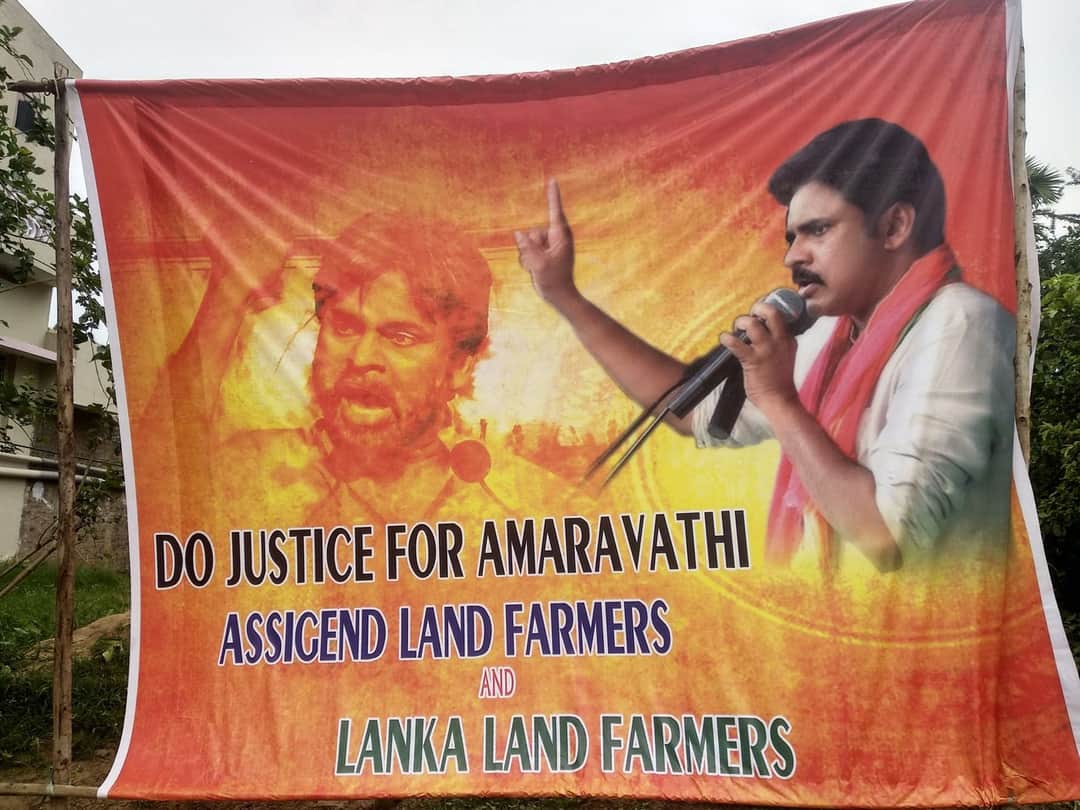
Baburao, along with 800 other farmers, most of them from the Scheduled Castes (SC) and Other Backward Classes (OBC), is a member of the Assigned Land Farmers Welfare Association, Rayapudi. When the state distributed land under the Andhra Pradesh Land Reforms (Ceilings on Agricultural Holdings) Act, 1973, these cultivators were ‘assigned’ around 2,000 acres (by their own estimate) in Rayapudi on the banks of the Krishna and its islands. Most of the families who received these plots are from Dalit and OBC communities.
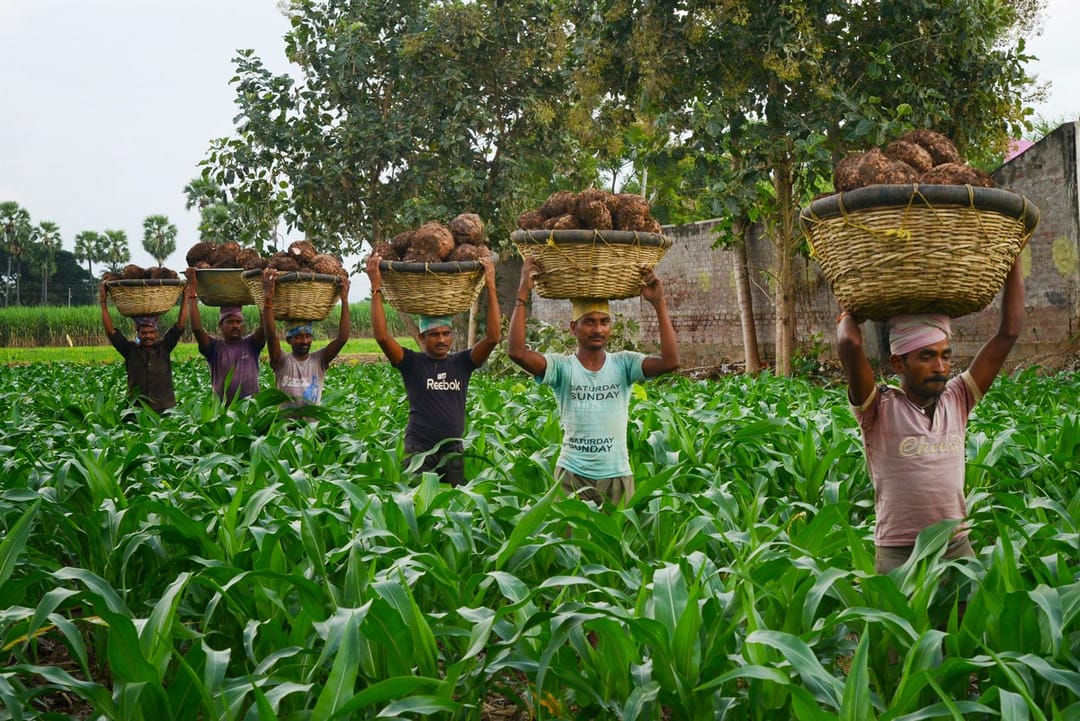
“We have been cultivating this land for three generations, even before this country got Independence. Indira Gandhi gave us rights over the land by giving us assigned pattas,” says Baburao. According to the Andhra Pradesh Assigned Lands (Prohibition of Transfers) Act, 1977, these assigned lands cannot be bought or sold by individuals and can only be transferred from one family member to another.
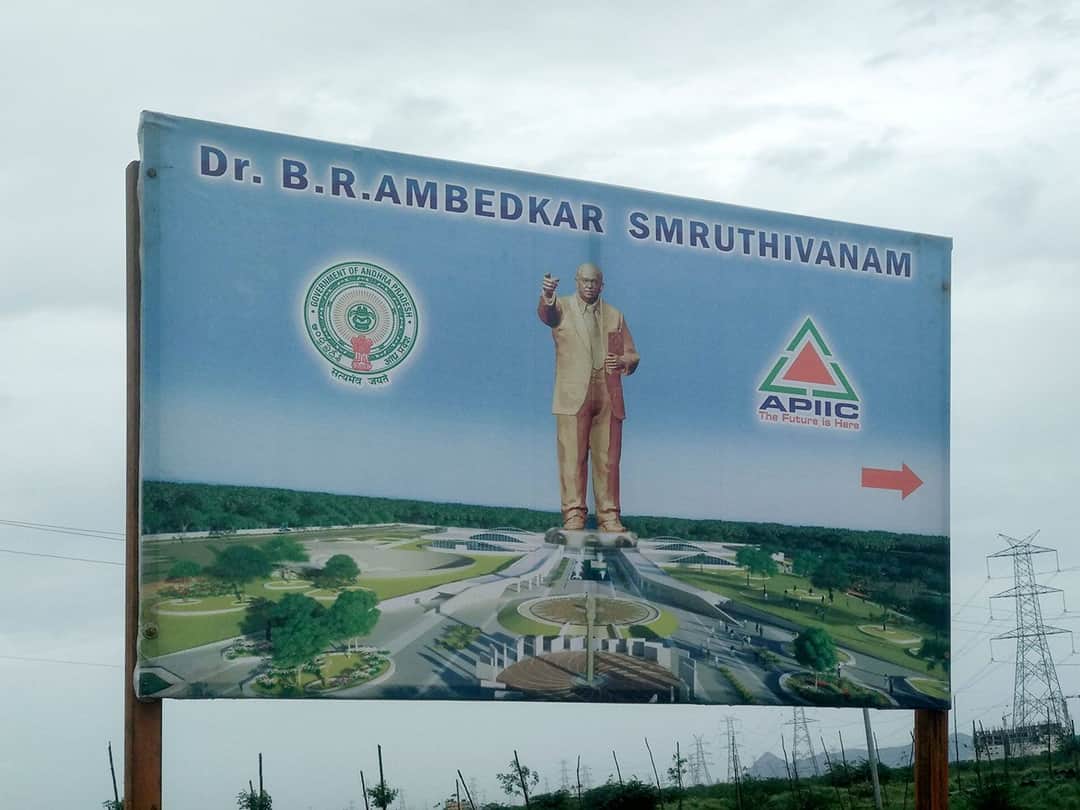
However, the government is acquiring 33,000 acres for phase one of the construction of its ‘greenfield’ capital. Of these around 10,000 acres, estimate local activists, are assigned lands, while the rest are patta lands cultivated by upper caste Kamma, Kapu and Reddy farmers.