
"The day I was born, my father tried to bury me alive," Manju Singh tells me. "The moment he knew he'd had a daughter, he charged into the windowless room in which my mother had delivered me and started digging a hole in the mud floor. The umbilical cord had just been cut. My maternal grandmother scooped me up and fled."
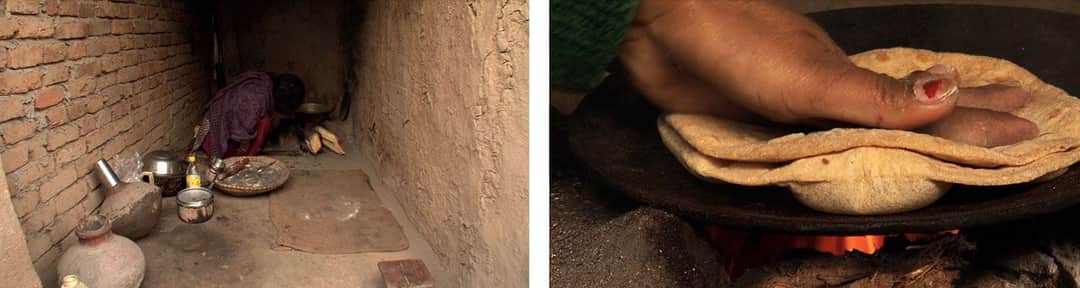
Sitting before a wood stove in her outdoor kitchen in Haryana, Singh is cooking breakfast. It's winter, around dawn, and the 35-year-old mother of two speaks in a matter-of-fact tone, not allowing her narrative to interrupt the rapid motion of her rolling pin. The year is 2012 and there's bad news from India’s just-published Census report: the number of girls born, compared to boys, has fallen drastically between 2001 and 2011– from 927 to 919.
"That I lived is nothing short of a miracle," Manju continues. "My mother had to fight hard to keep me alive. Even while I was growing up my father tried several times to kill me. He'd beat me to pulp. But somehow, I lived through it all. I was just that stubborn." She laughs.
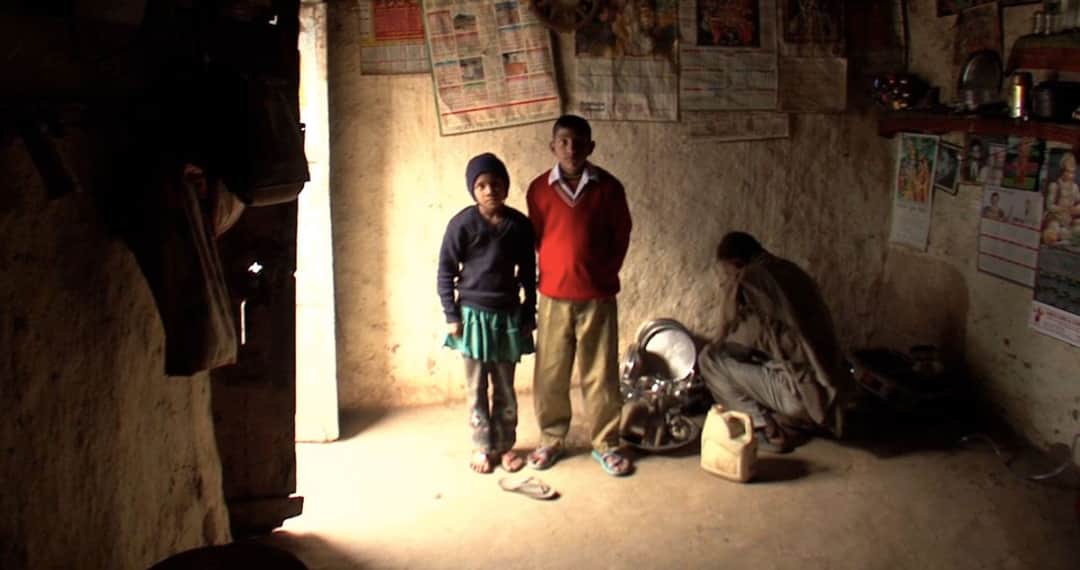
For generations, no girl child in Singh’s family in Sadikpur village had been allowed to live. When she was 10, Manju’s father told her that he had watched his sister being buried alive by his father. Killing new-born female progeny was a family ‘tradition’. The strictly ‘sons only’ policy was implemented ruthlessly.