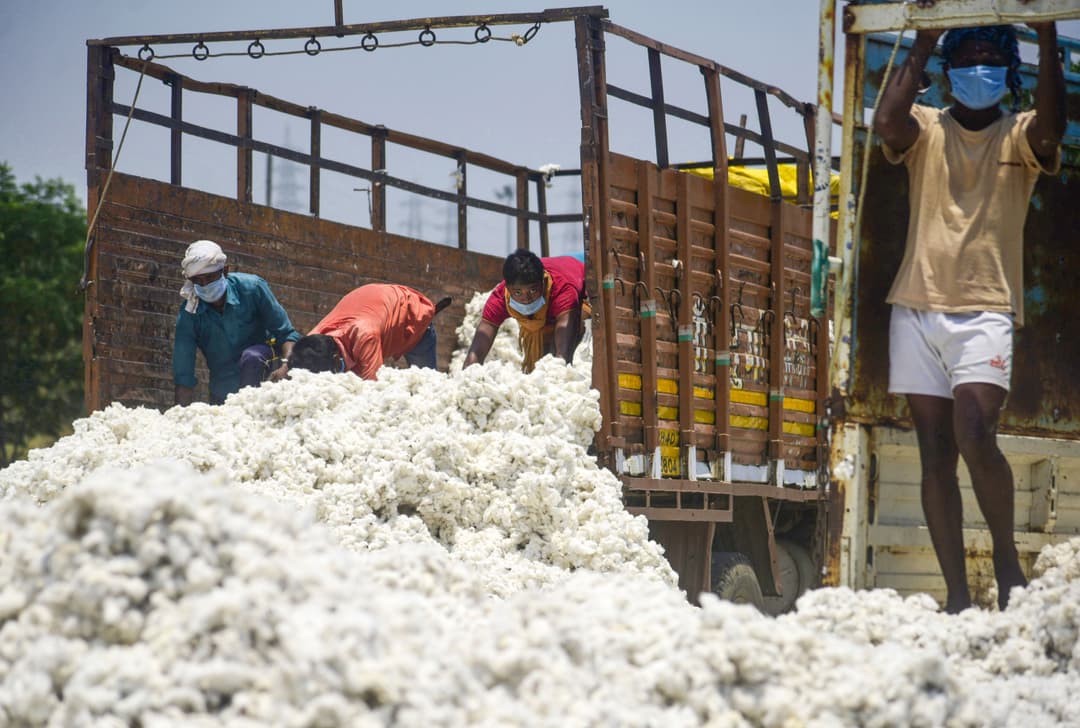
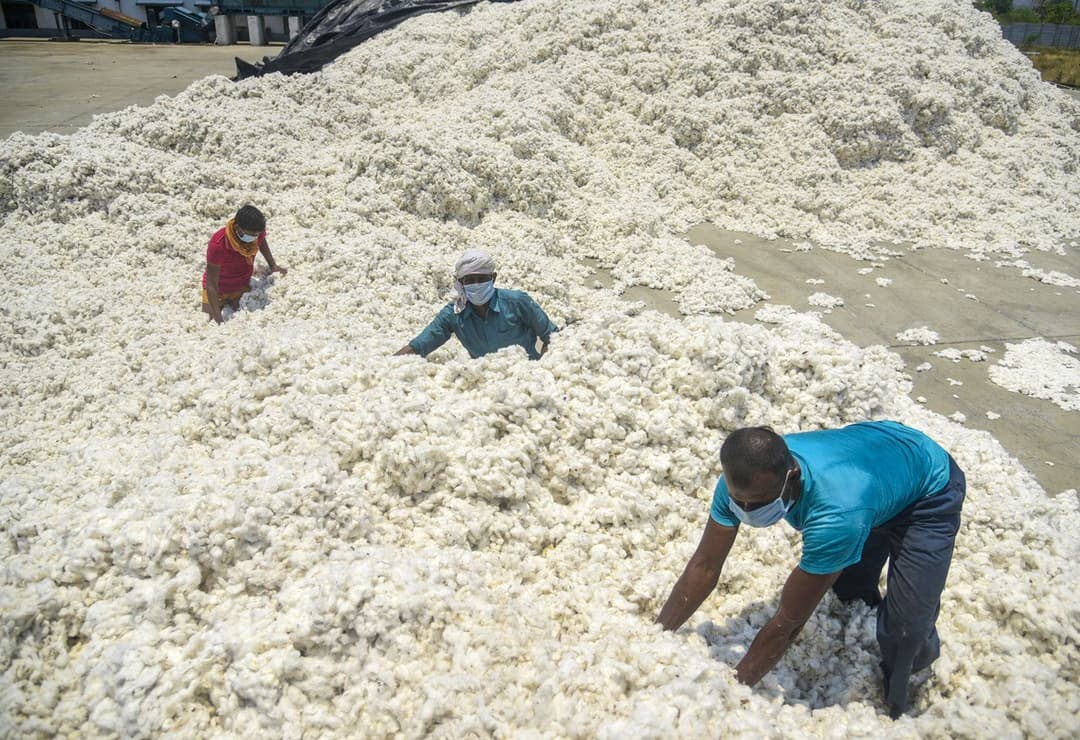
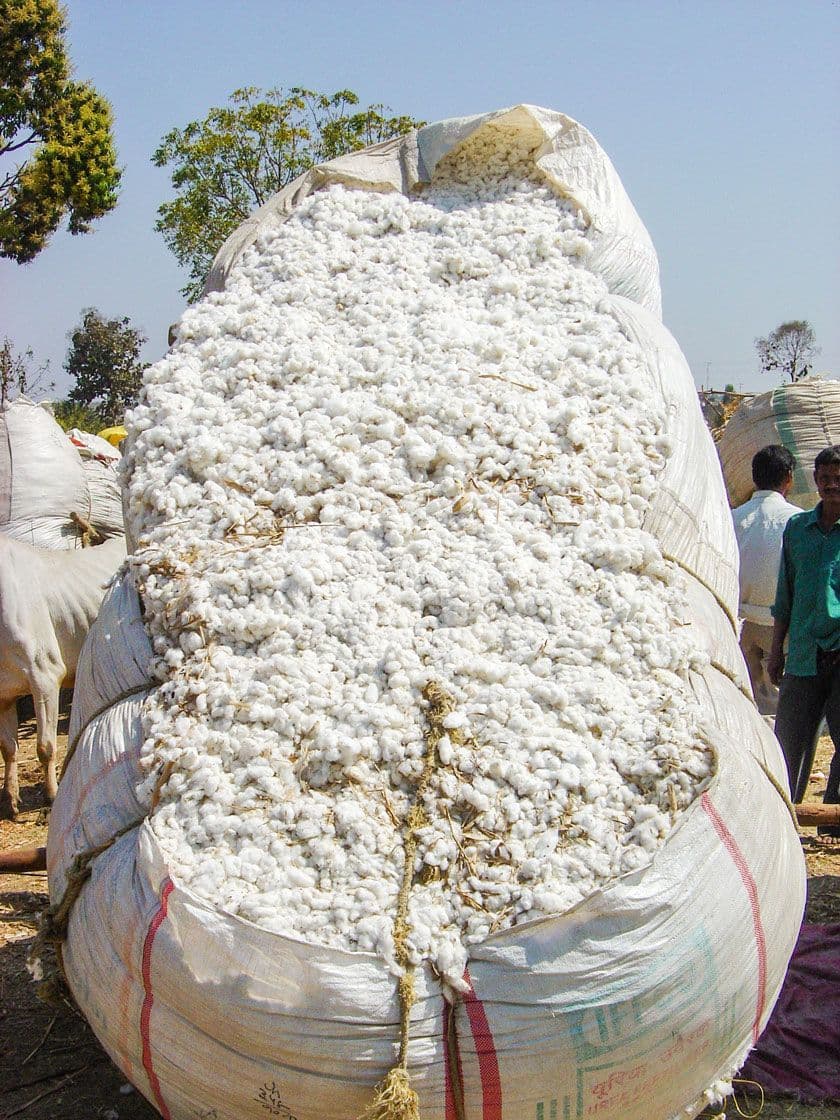
Pawar had not sold his cotton earlier because rates fell below the minimum support price (MSP) of Rs. 5,500 a quintal in January and February. In late February, he sold 40-50 quintals, at Rs. 4,500 per quintal, to pay off the labourers’ wages.
He had decided to hold out for April when demand does go up. The trend in recent years, he says, has been: cotton prices drop in January-February and rally in March-April.
But what came in March was the lockdown.
Now, as the Covid-19 crisis worsens and the lockdown is in its third month, there are no buyers, and agriculture supply chains have been massively disrupted.
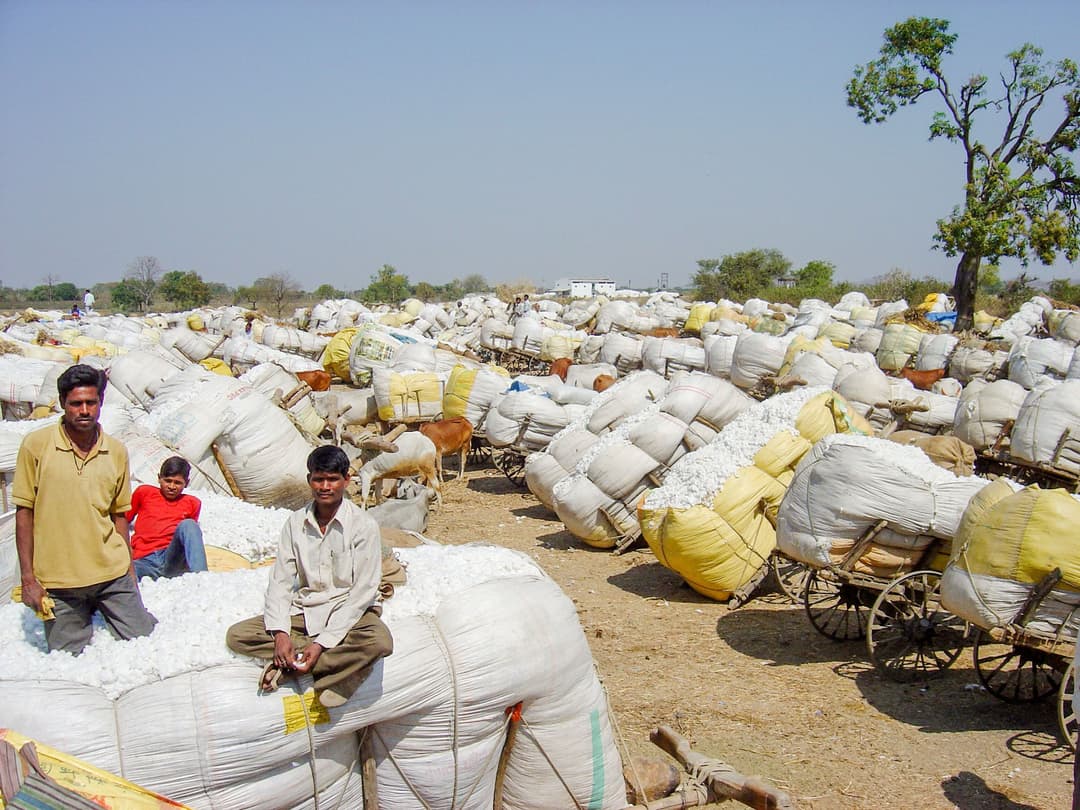
Pawar is among countless farmers from across Maharashtra, indeed the whole country, stuck with unsold cotton (and other rabi produce, particularly cash crops).
The central government’s apex marketing body in this sector, the Cotton Corporation of India (CCI), and state-level agencies, have kept open some 150 procurement centres in Maharashtra. However, a staggered procurement preceded by online registrations and long e-queues, is testing the patience of desperate sellers like Pawar.
Thus far, the CCI has procured 93 lakh bales of cotton (roughly 465 lakh quintals) across India. That’s greater than its previous highest of 90 lakh bales in 2008. And almost nine times its average annual procurement nationally, this past decade. It intervened on such a scale because private traders stopped procuring cotton after mid-March, as the country moved towards a lockdown.
Besides, traders were pushing down prices before Covid-19 to Rs. 5,000 a quintal, which saw farmers opt for selling to the CCI at Rs. 5,500. Now the traders are not procuring cotton at all. Meanwhile, the CCI and the state government, reluctant to further strain their fragile finances, are not inclined to buy any more.