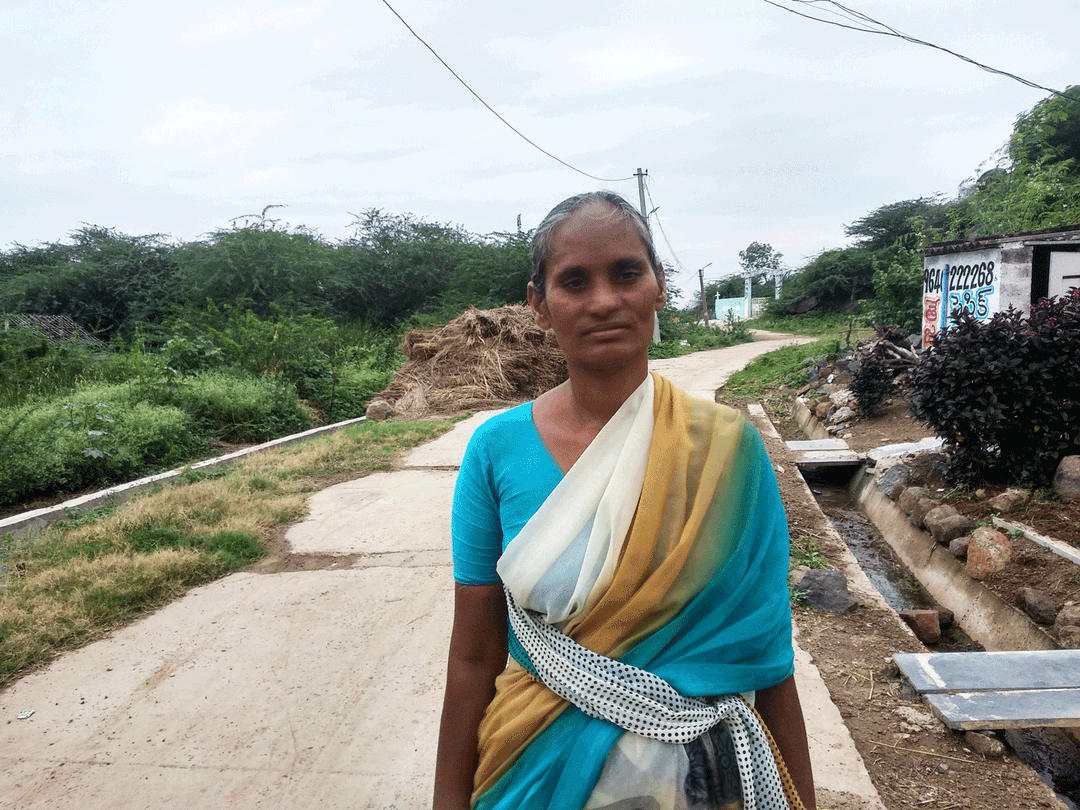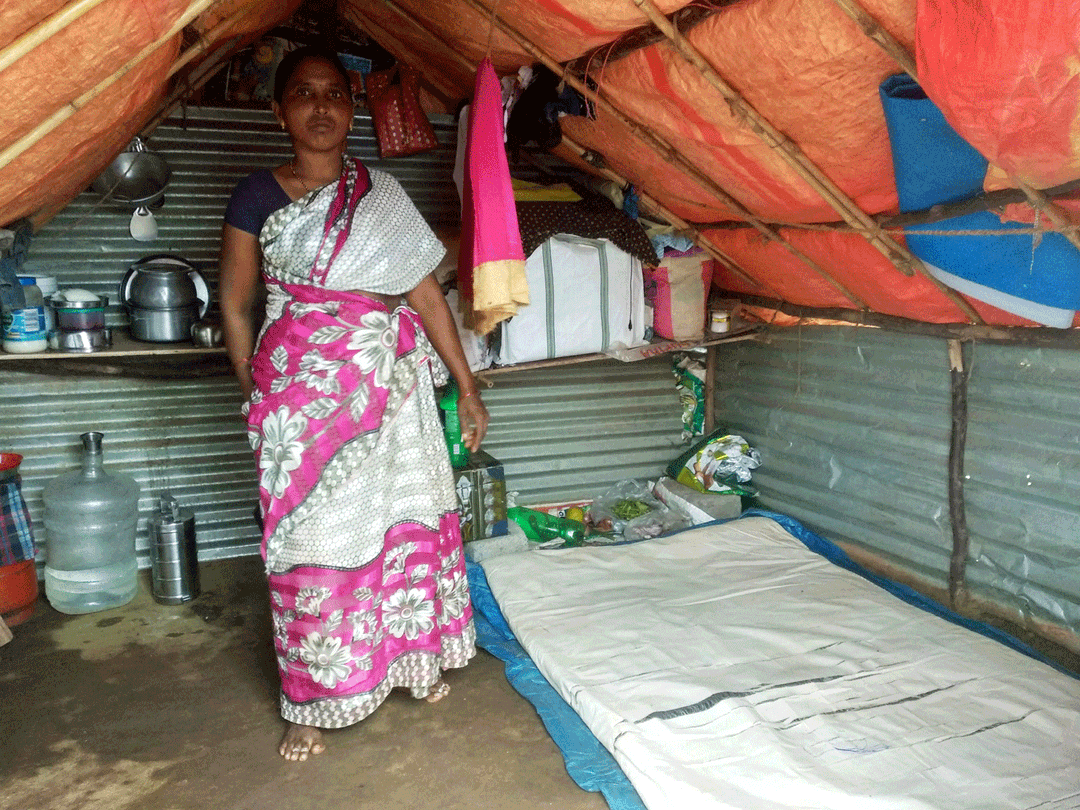


Valaparla Tirupathamma was relieved. She had been hired to clean the paint spilled on the floor at the newly-built SRM University in Neerukonda village of Guntur district. “We haven’t had much work for 3-4 years, so we were happy to be employed. But that happiness was short-lived,” she says. After two weeks, 29-year-old Valaparla was asked to leave, no reasons were given.
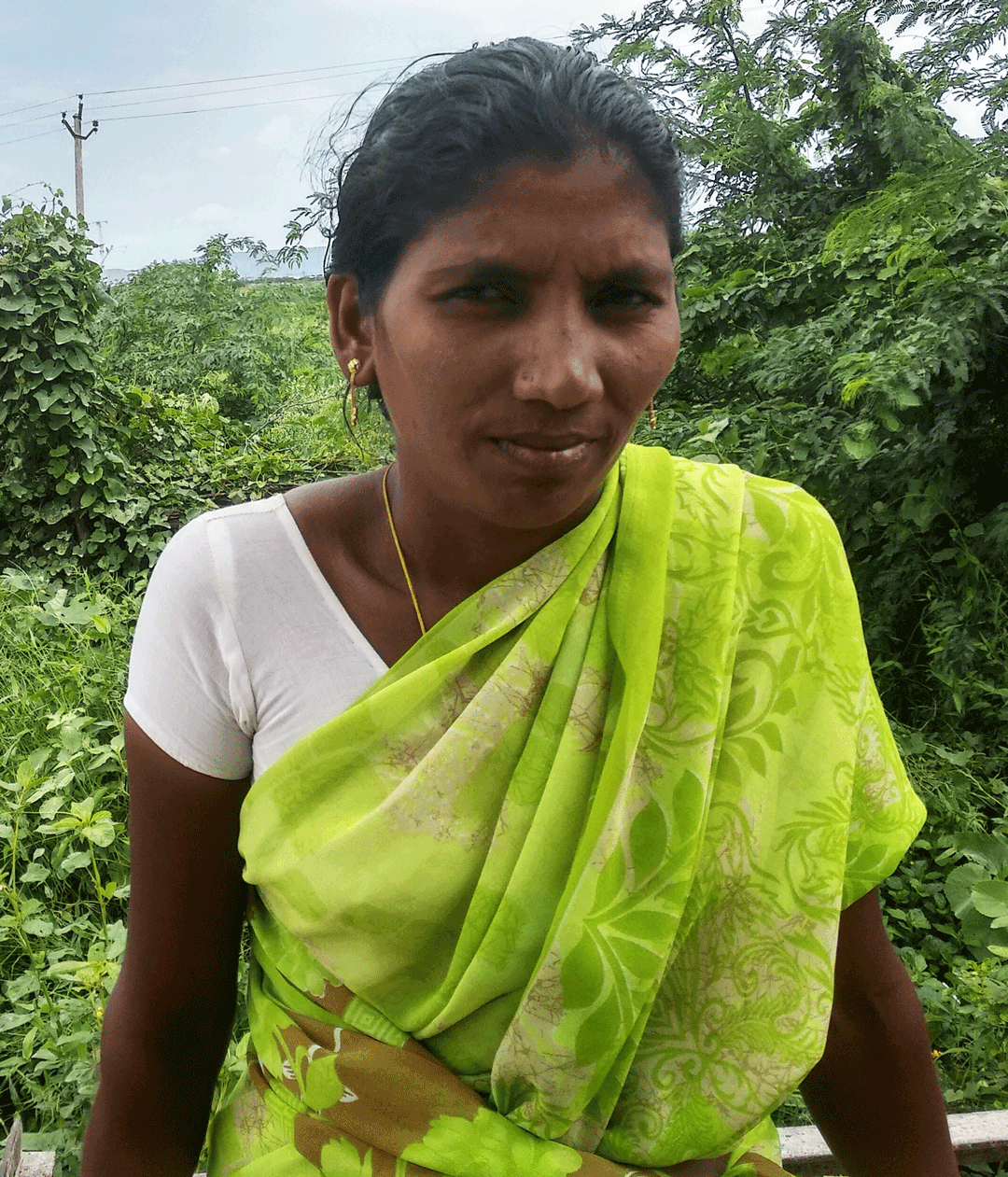
Ustala Mary Matha, 40, was fired too. “They paid us Rs. 250 a day for cleaning up the paint. When the work was over, we were asked to leave. They said that we are ‘old’ and not fit to work,” she says.
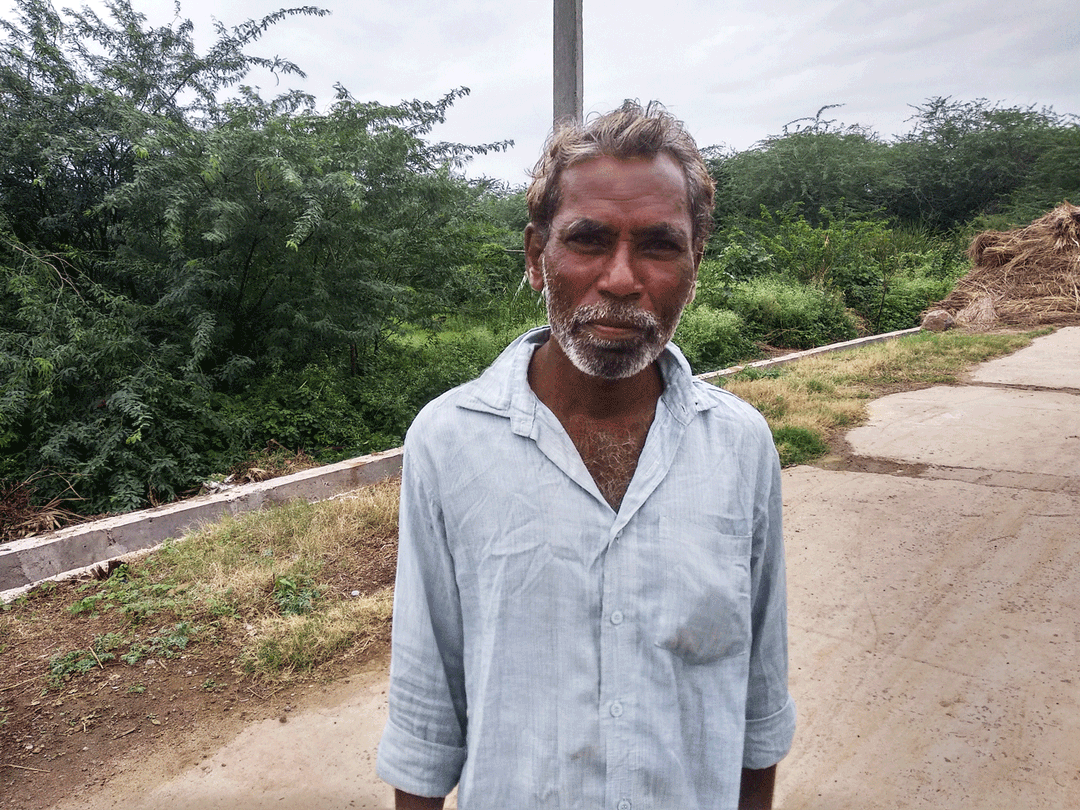
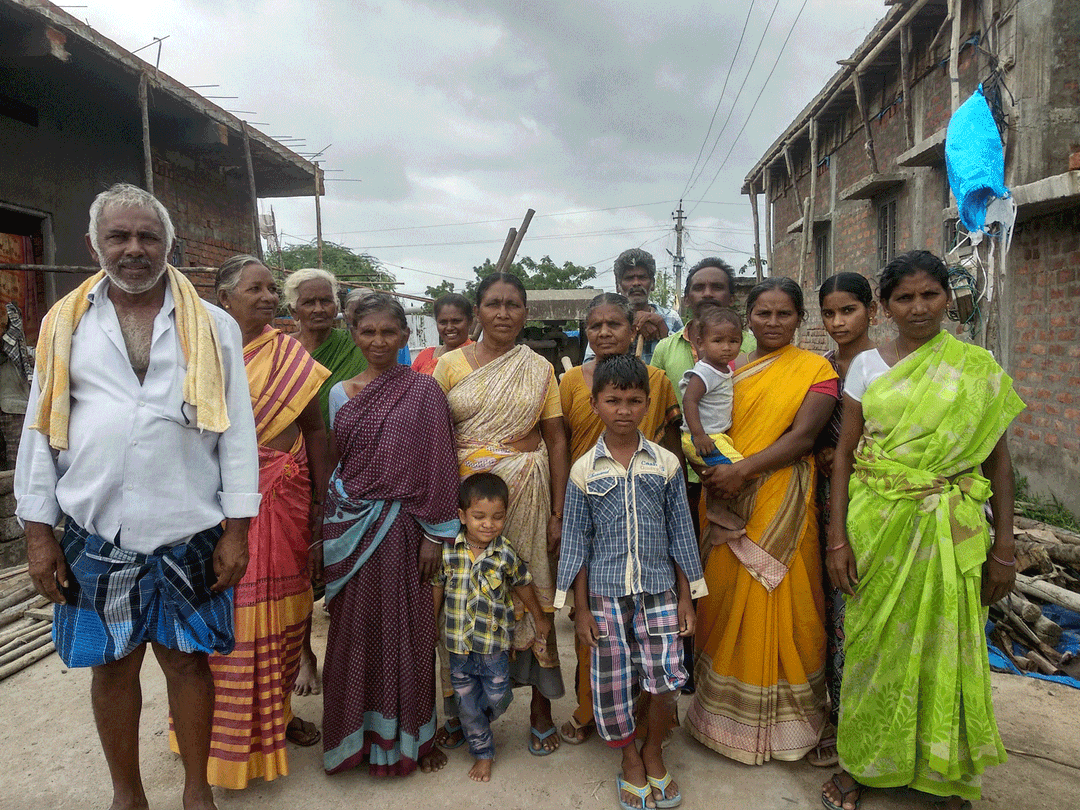
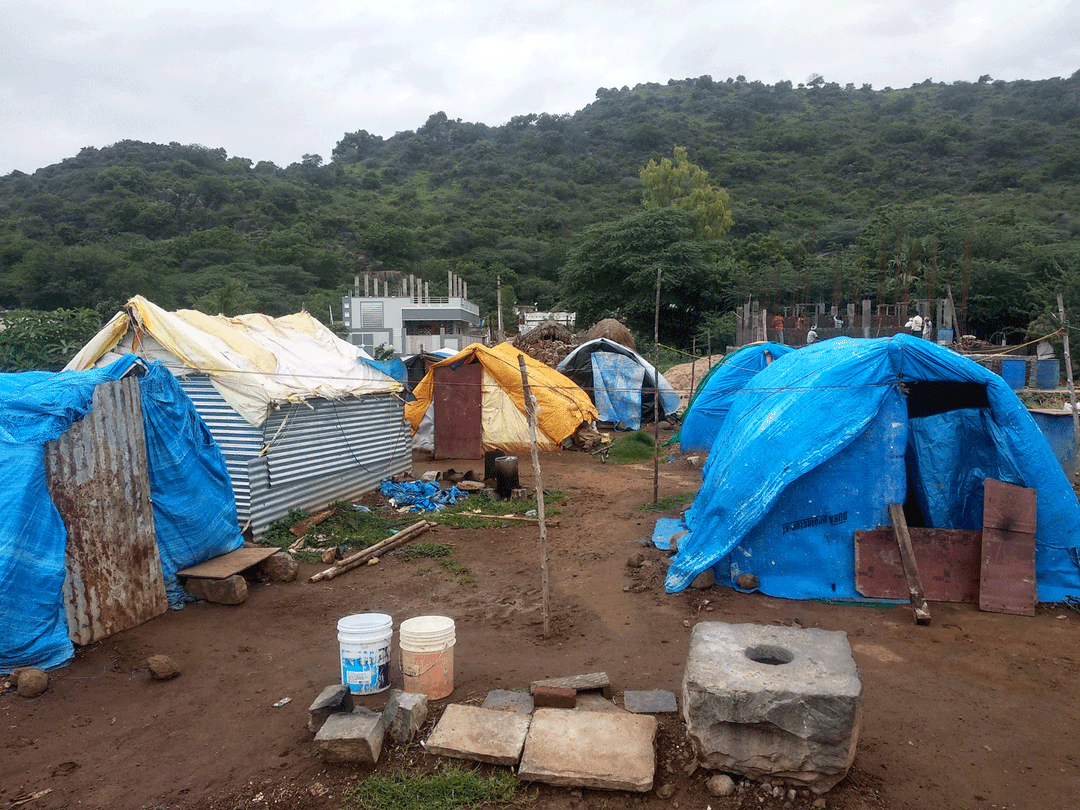
In May 2018, contractors had visited the Dalit colony in Neerukonda – a village of around 1,500 people – looking for workers. A group of 20 men and women were hired. “They come and take us whenever there is work. They send us away when the work is done, using some pretext,” says 60-year-old Kuraganti Vajram. “Anyway there is no shortage of labourers since we are all jobless.”
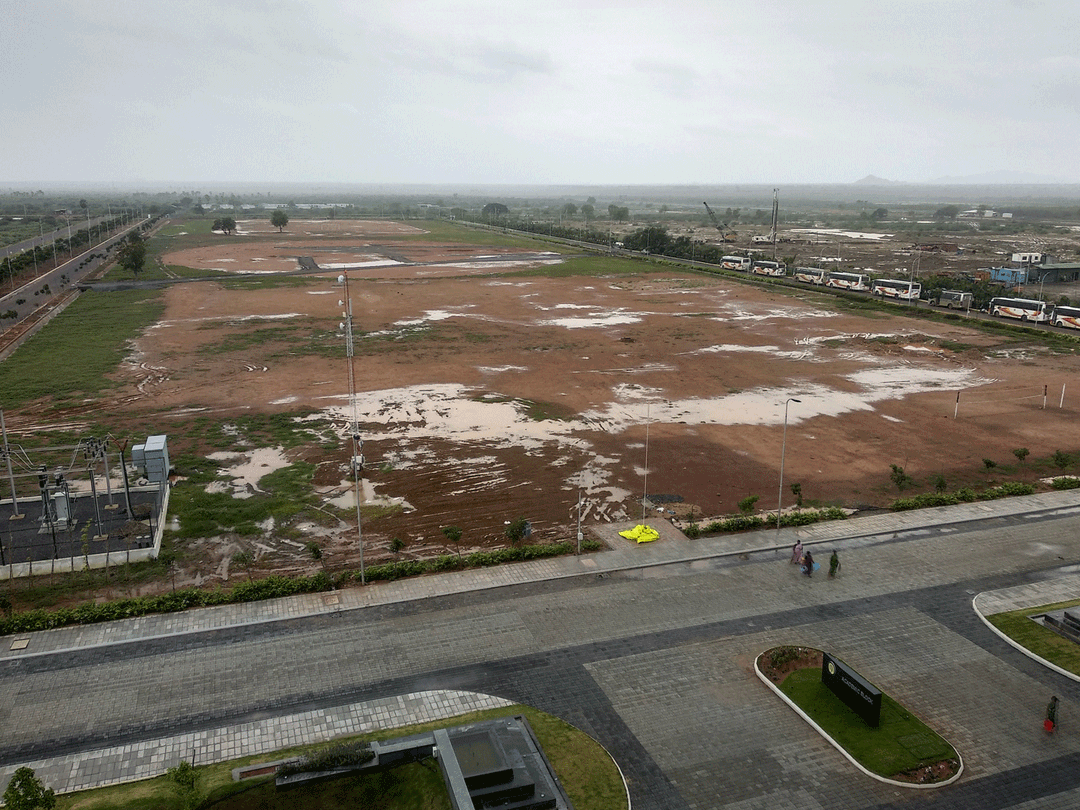
A few others villagers continue to work with the university’s gardening and housekeeping departments, not knowing how long this work will last. The private SRM University – as well as several others – will be part of a ‘knowledge hub’, the Amaravati ‘Knowledge City’ in Andhra Pradesh’s new capital. It will include higher educational institutions, research and development departments of the corporate and public sectors, ‘skill development’ institutes and a ‘start-up hub’. Phase one of this cluster, spread over 75 acres, is scheduled to be ready by the year 2022, and phase two by 2037, says a document of the Andhra Pradesh Capital Region Development Authority (APCRDA).