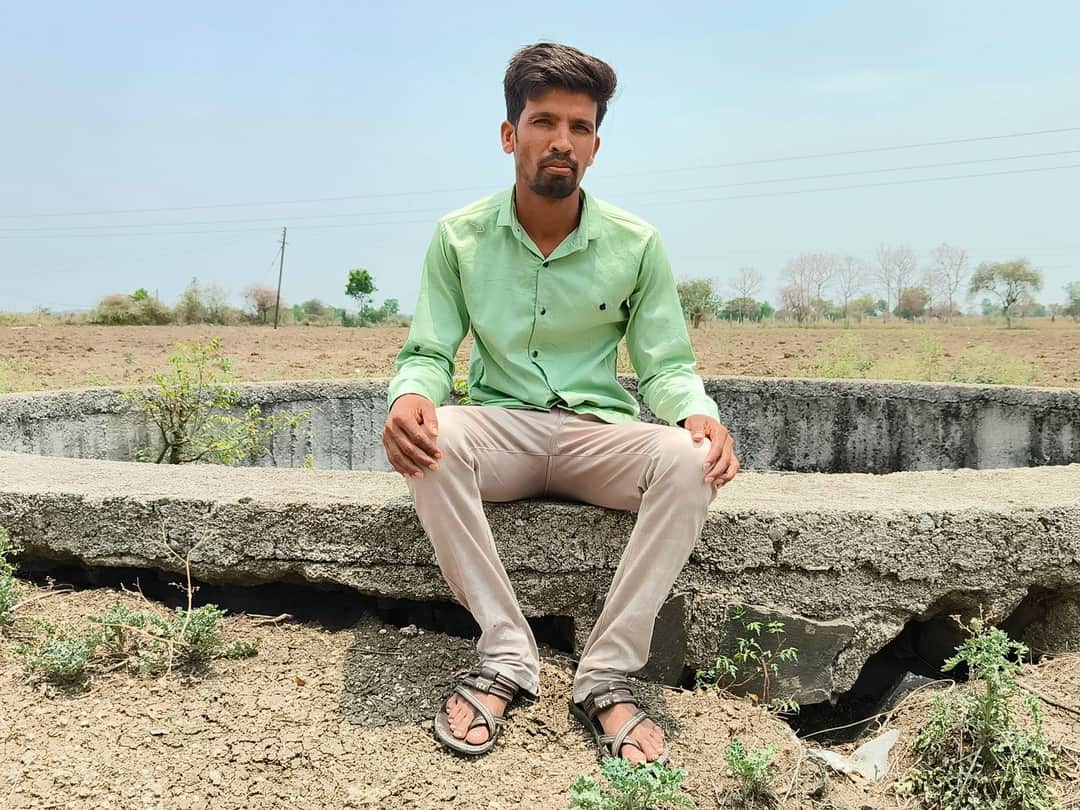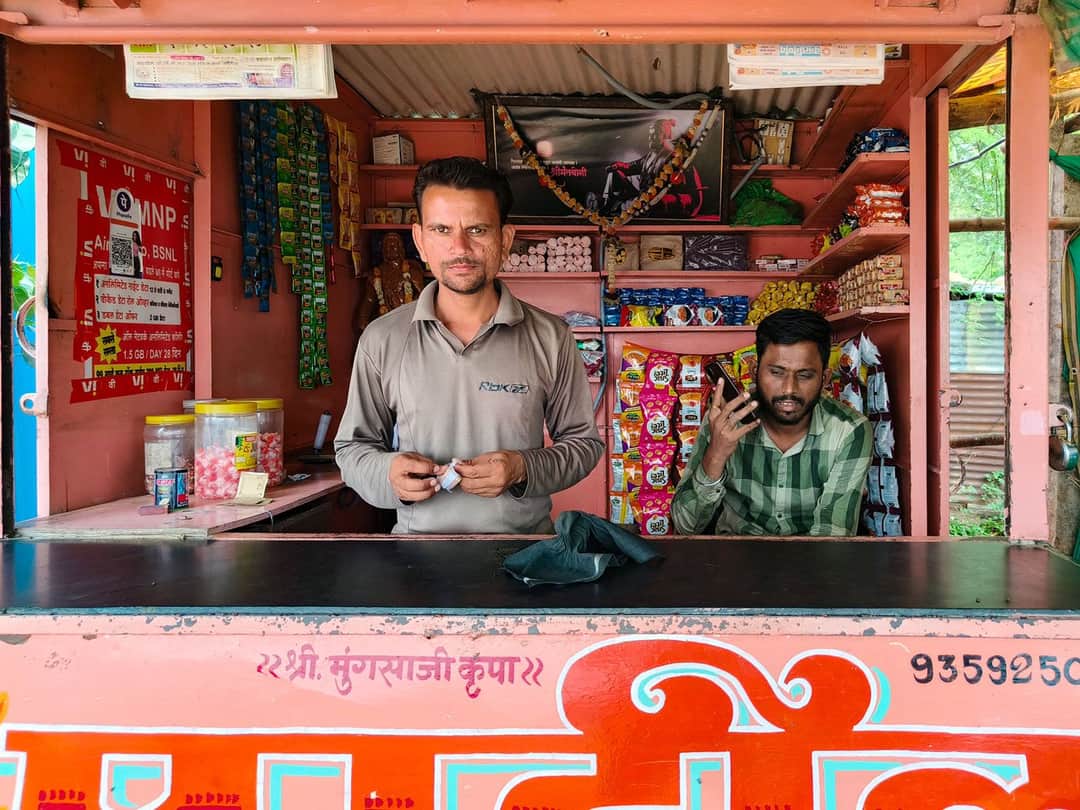

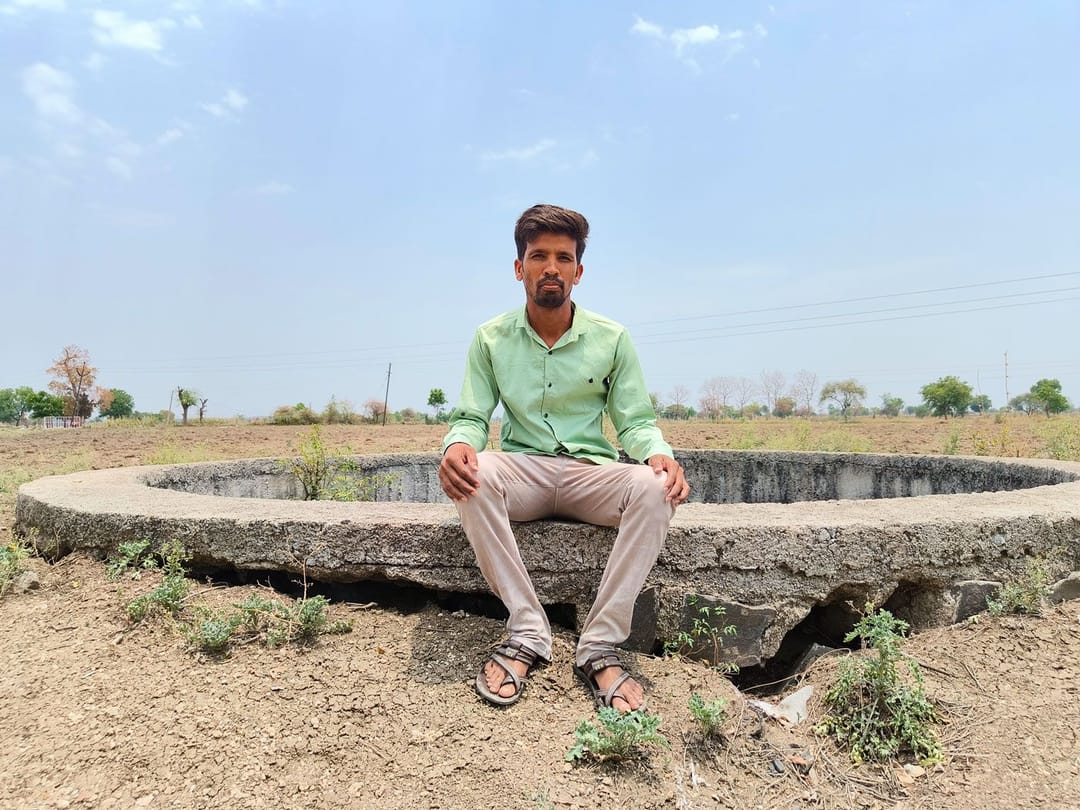
Hemant Kawale insists on adding one more adjective before his name.
“I am educated, unemployed, and…unmarried,” quips the 30-year-old about his single status, poking fun at himself and his fraternity of young farmers.
“Su-shikshit. Berojgar. Avivahit.” He spells each word with an emphasis, and his friends in their mid-30s around him at his small paan stall break into a nervous laughter that hides their anger and embarrassment over their forced bachelorhood. As if the joke’s also on them.
“That’s our main issue,” says Kawale, who has a Masters in Economics.
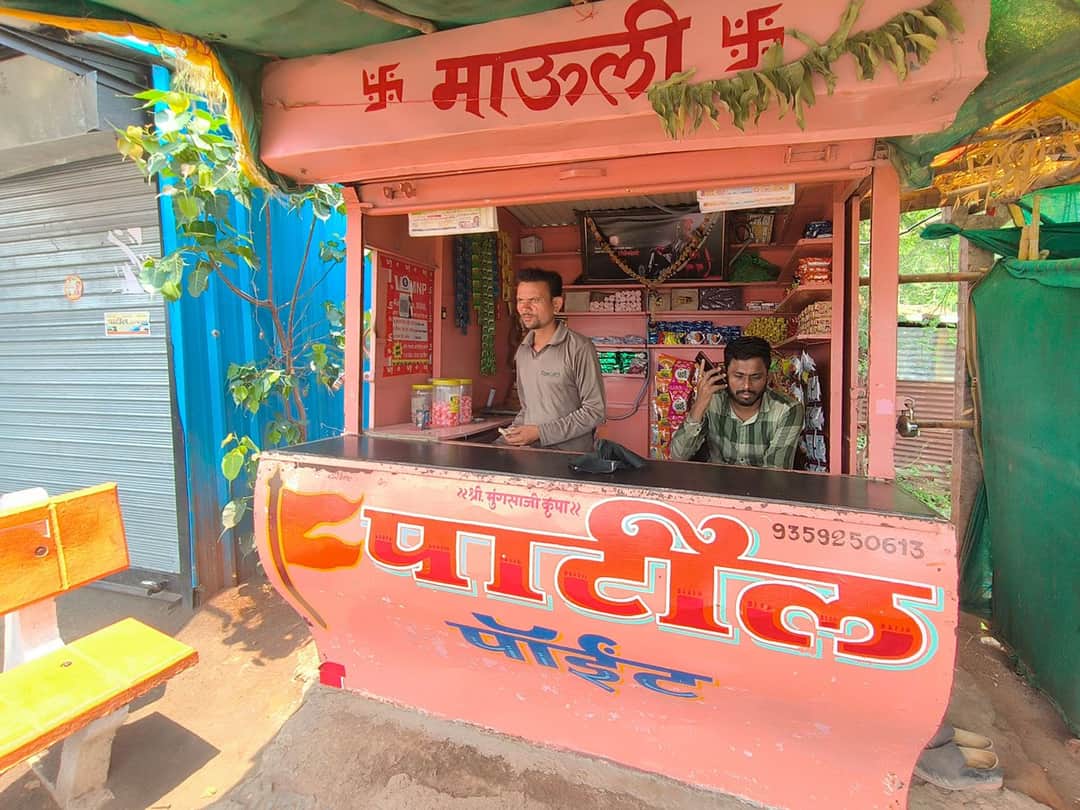
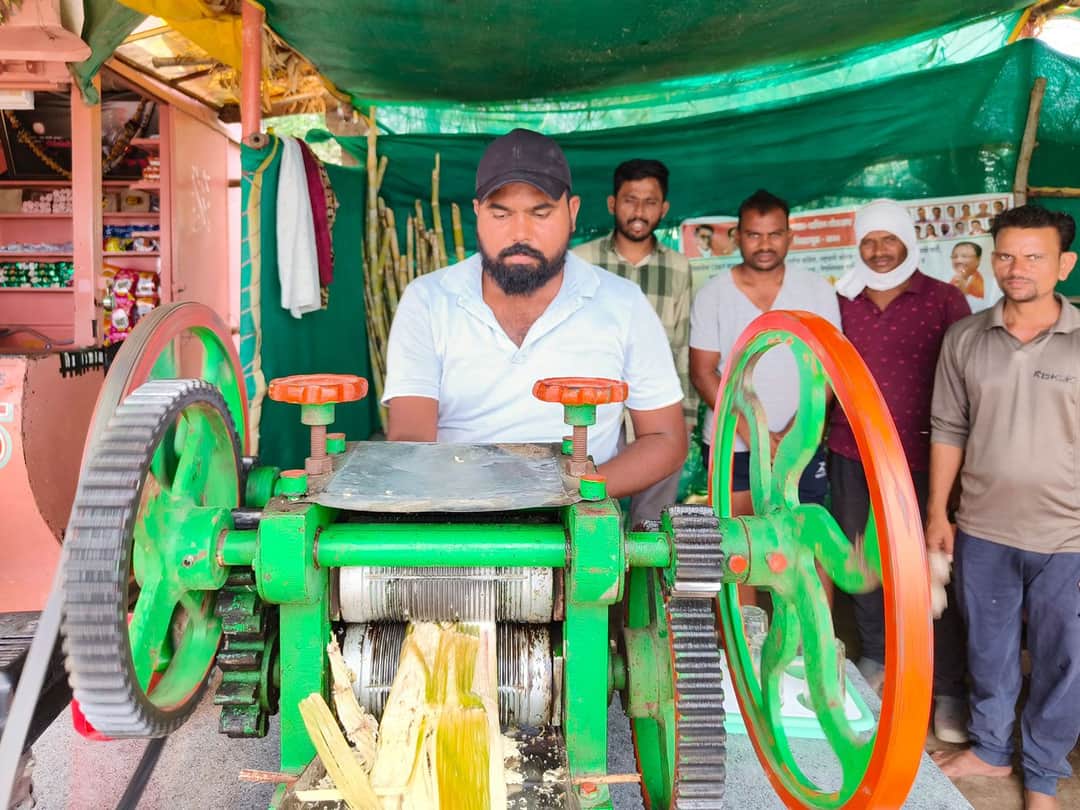
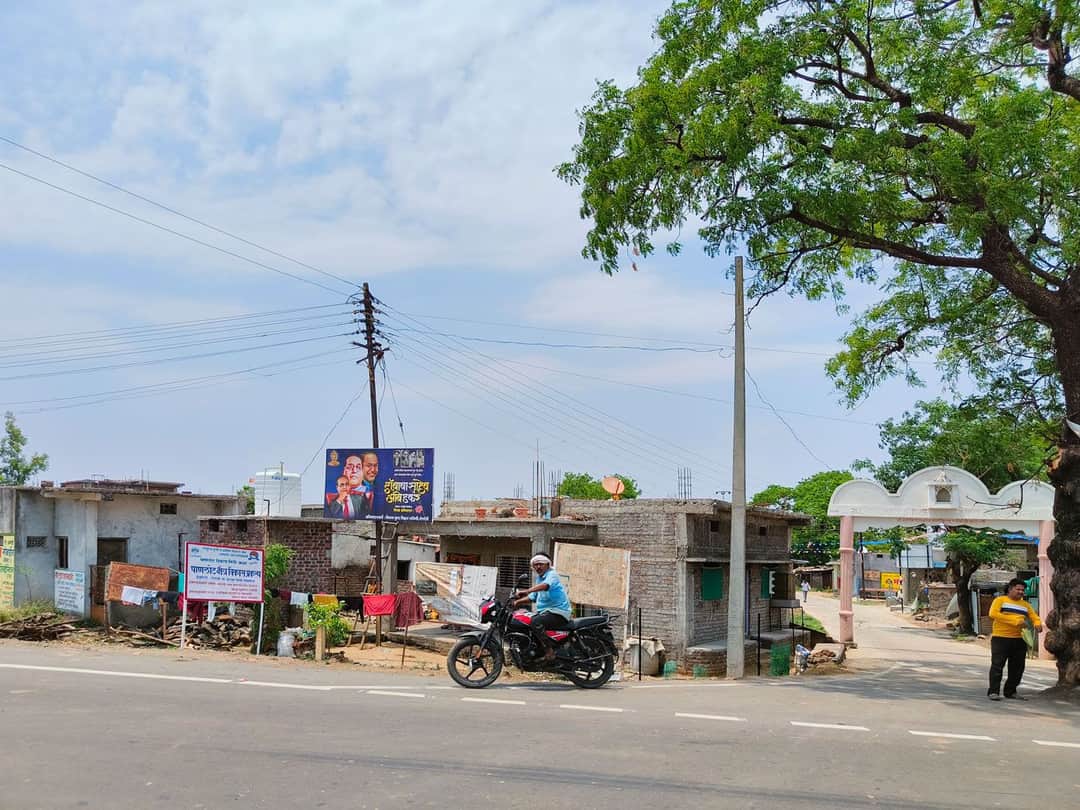
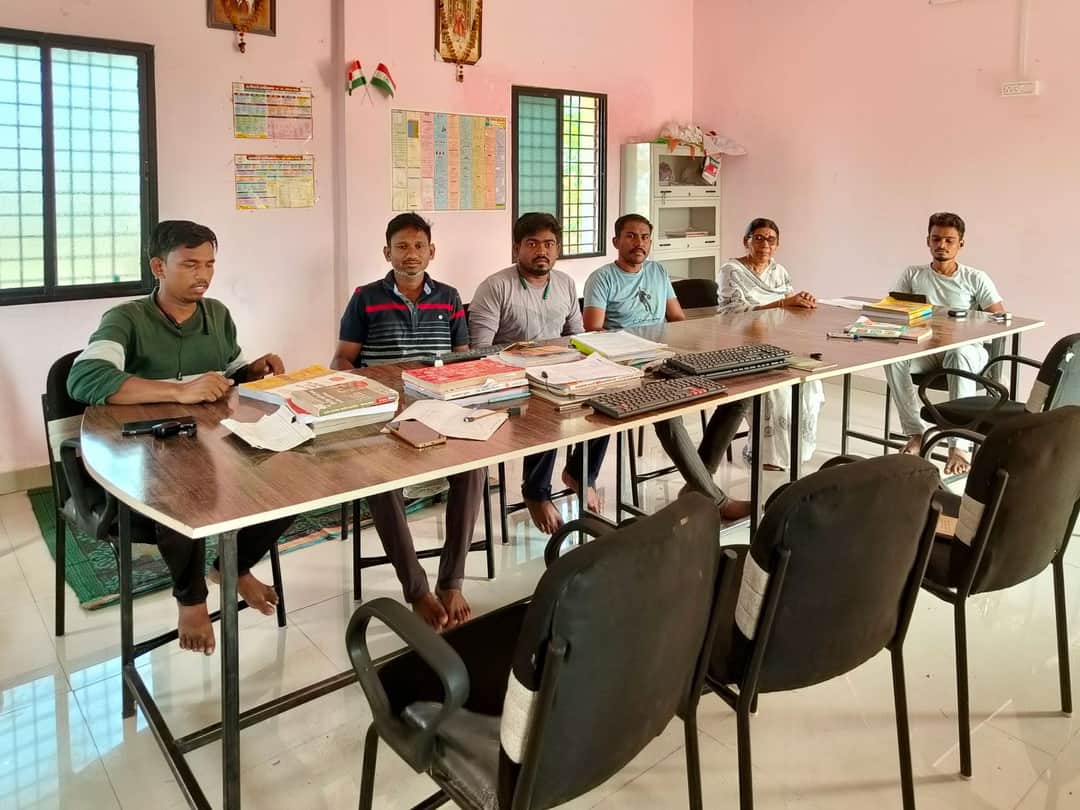
We are in Shelodi, a village on the Yavatmal-Darwha road in the cotton bowl of Vidarbha, Maharashtra’s farm-suicide-torn eastern region, long in the shadow of agrarian distress and high out-migration. The group of youth is whiling away the time under the shade of the kiosk that Kawale runs at the village main square. They are all graduates or postgraduates; they all have farm land in their name; all of them are unemployed. None of them is married.
Most of them have tried their luck in far-away cities like Pune, Mumbai, Nagpur or Amravati; worked for a while on paltry salaries; appeared in the state or union public service commission or other competitive exams for jobs, and failed.
Like most of the youth in this part and perhaps all over the country, Kawale grew up thinking he needs a better education to get a job.
Now he is finding out that he needs a permanent government job to get a bride.
With jobs few and far between, Kawale has fallen back on his family farm in the village and put up a stall in the village as a side-business.
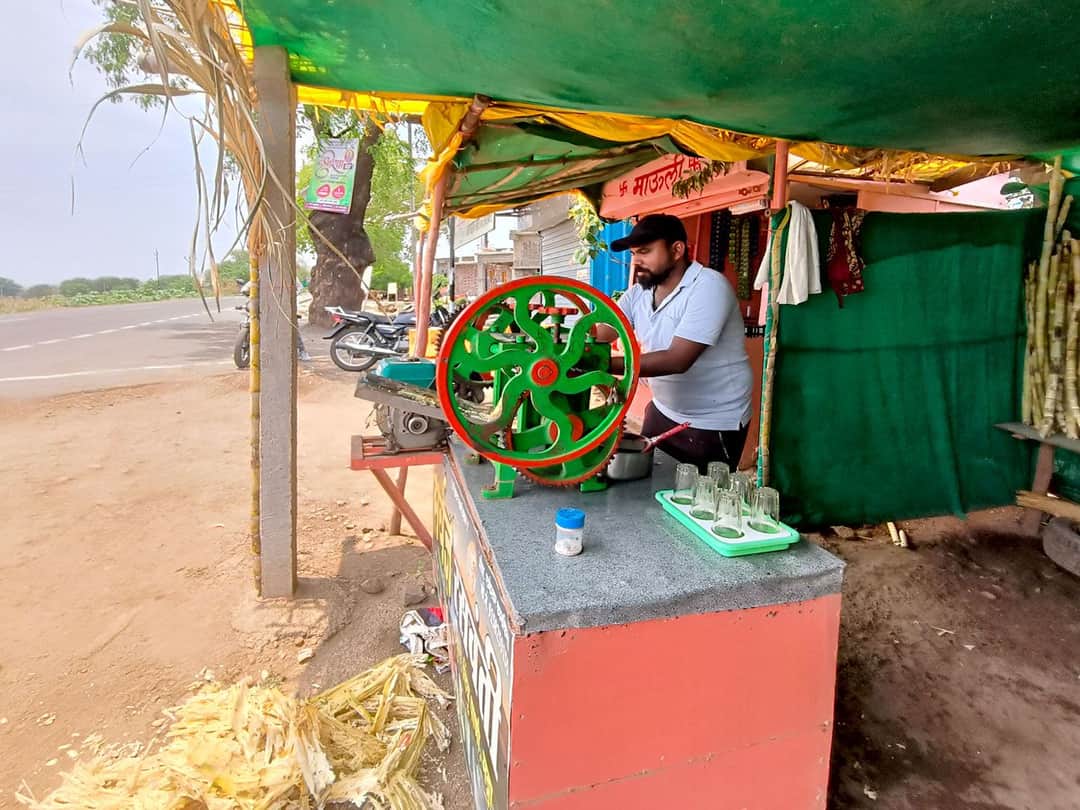
“I decided to put up a paan kiosk, asked a friend to run a raswanti [sugarcane juice stall], and another friend to put up a snack stall here so that we do some business,” the sharp-witted Kawale says. “Instead of eating one full chapati in Pune, it’s any day better to eat half a chapati in my village,” he says.