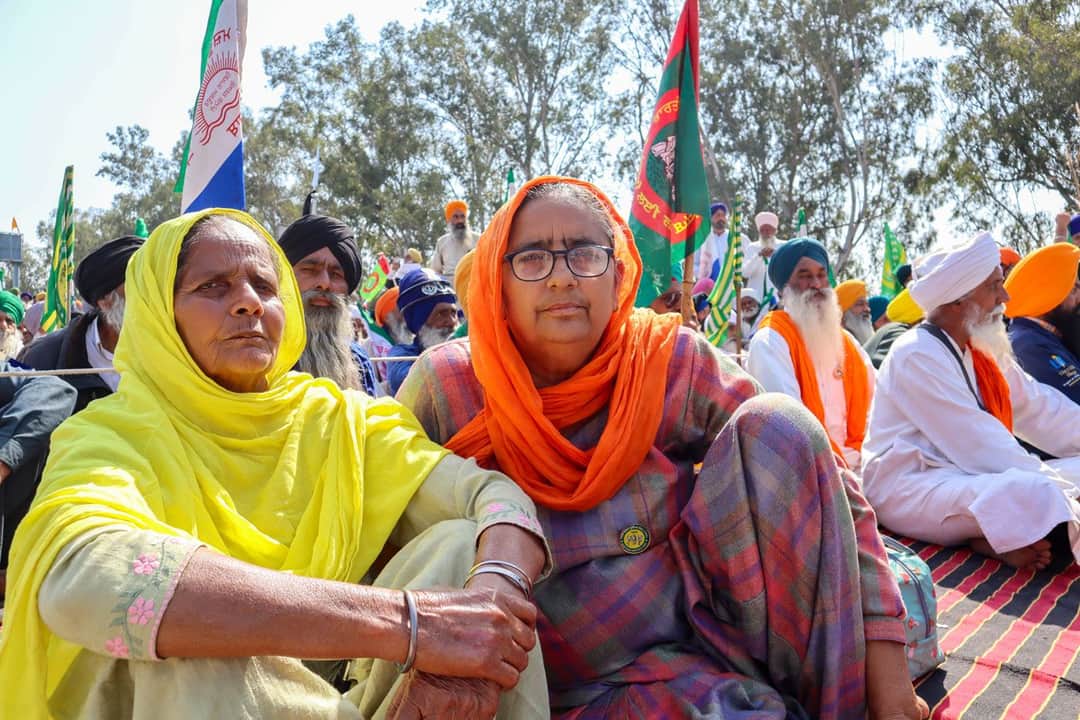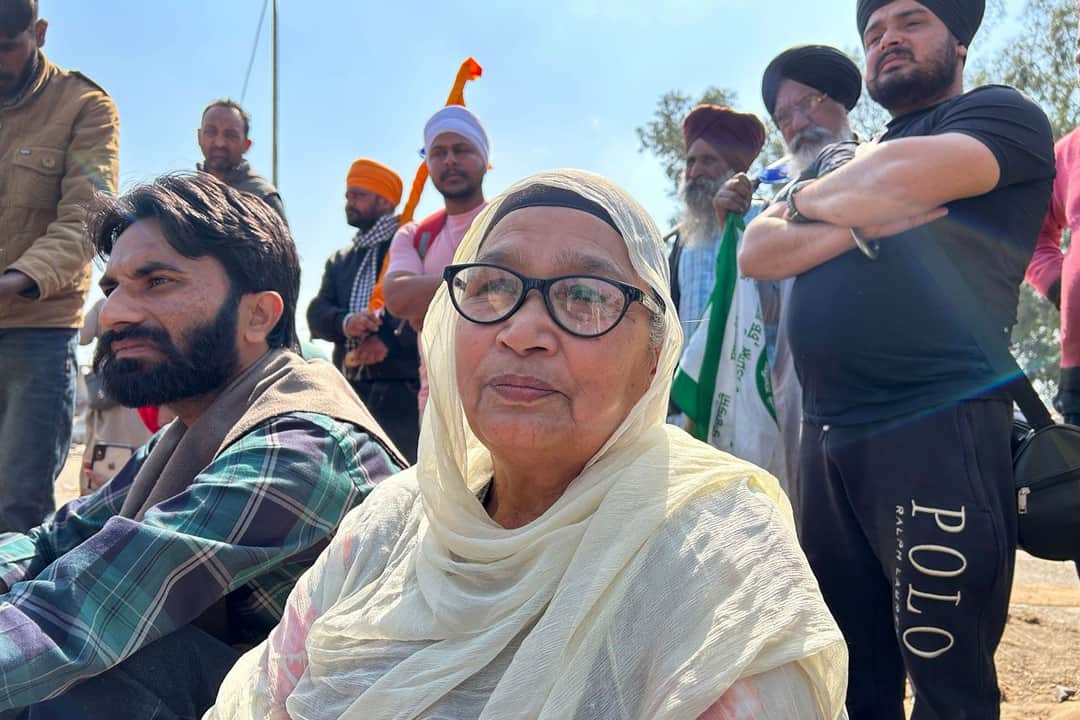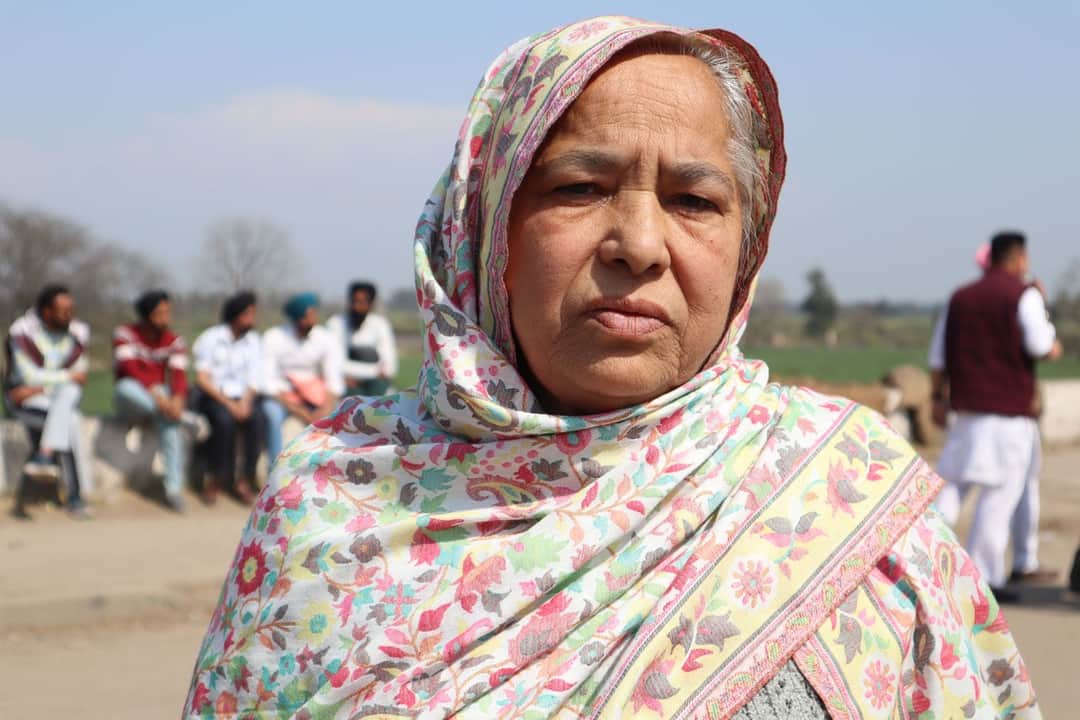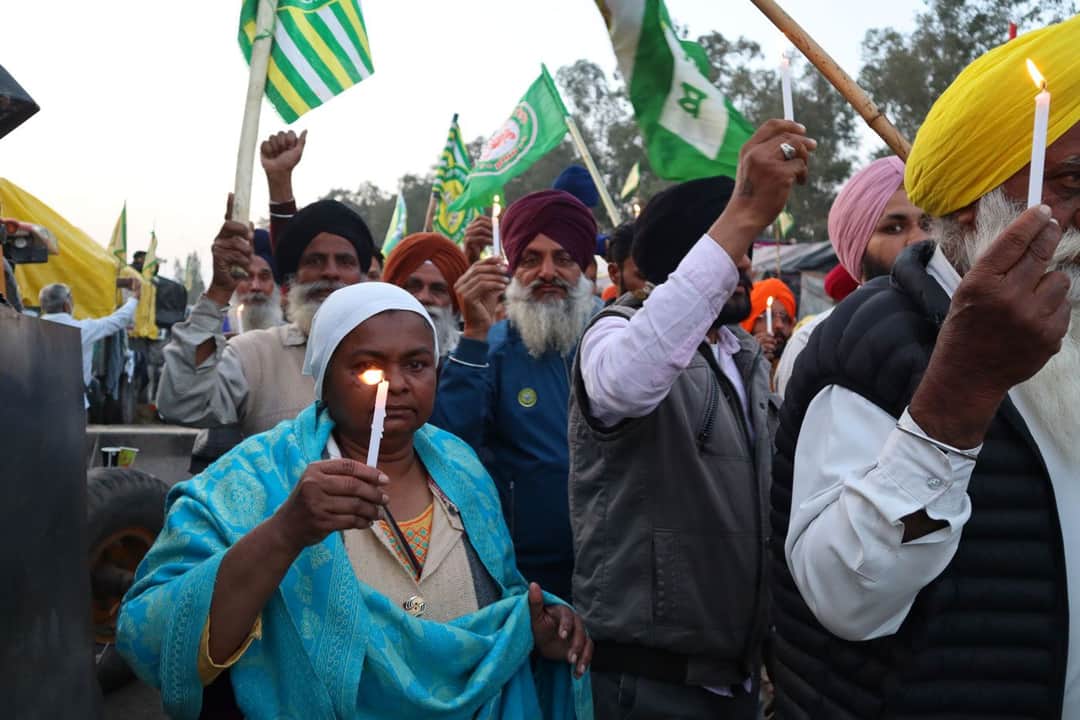

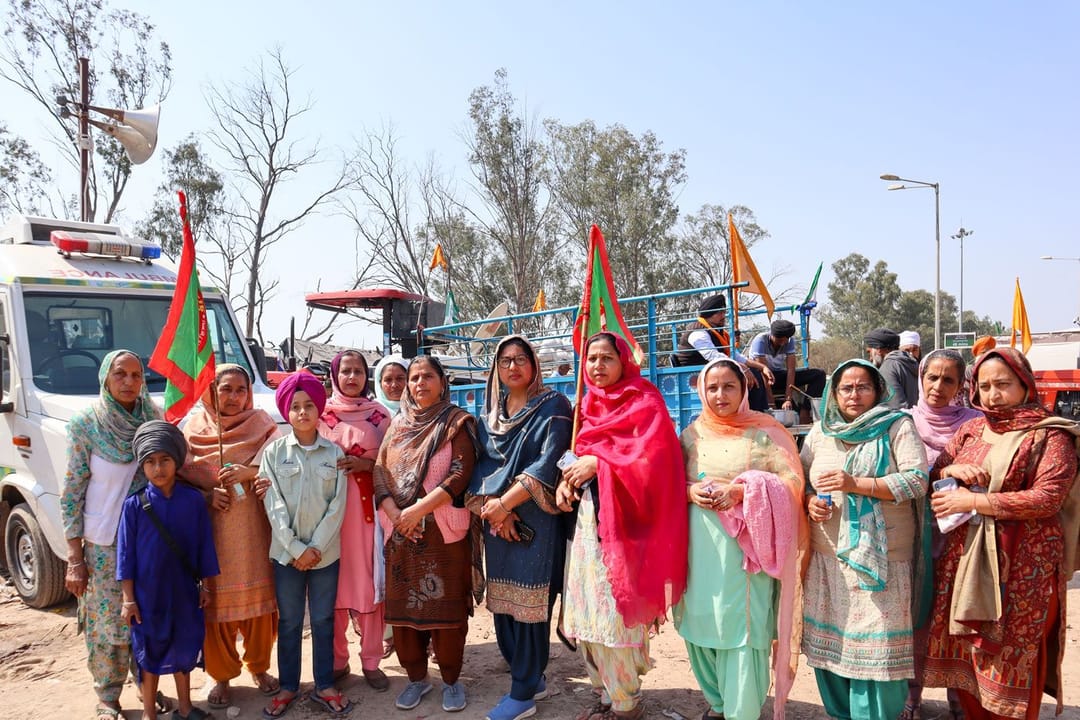
“It has been over two years since we have returned from Delhi. The government had said they would fulfil all our demands, but no one called us farmers to discuss those demands,” says the 60-year-old Charanjit Kaur, resident of Sangrur district in Punjab. She and her family grow wheat, paddy and a few vegetables for household consumption on their two acres of land. “We are fighting for the rights of all the farmers,” she adds.
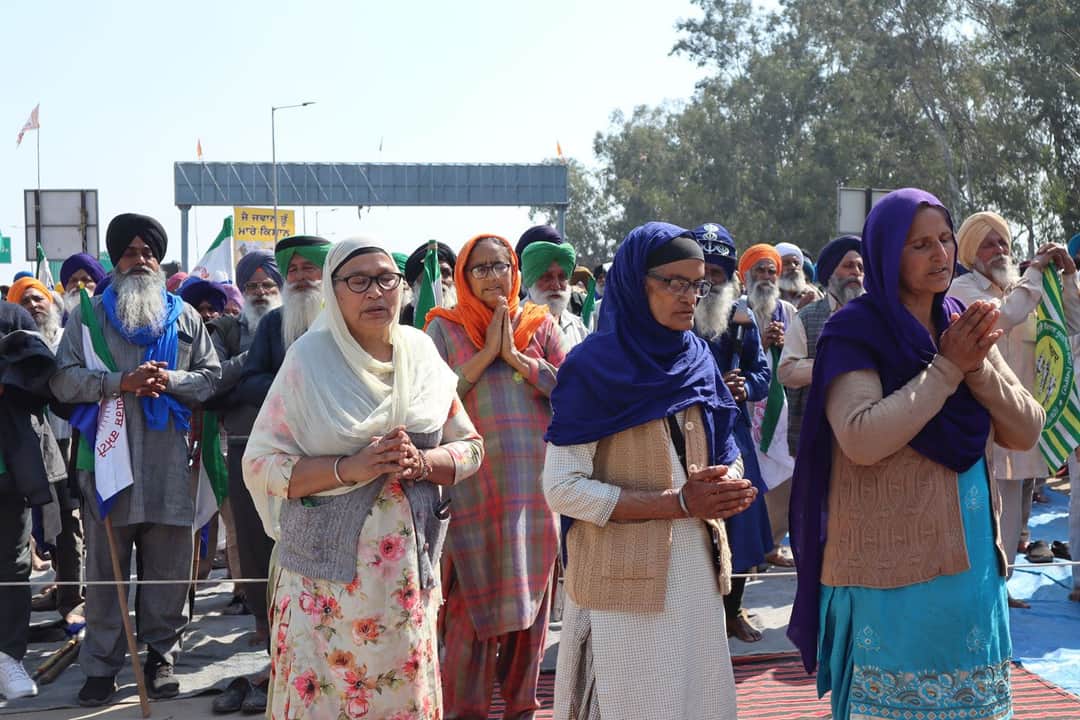
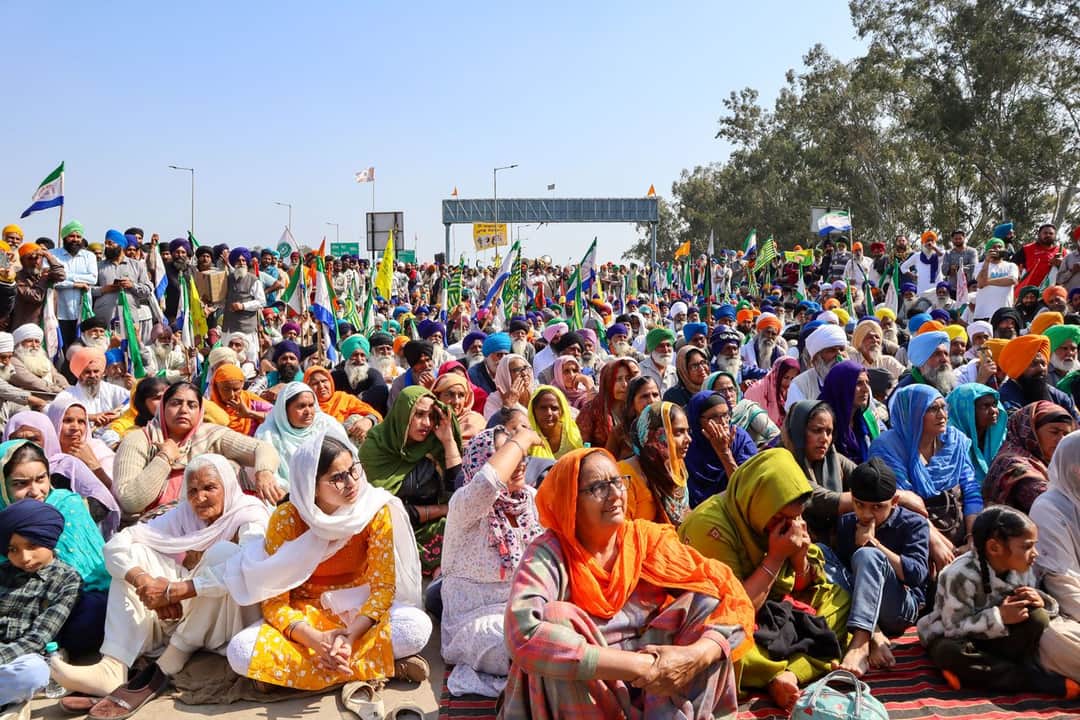
Charanjit is sitting with her neighbour and friend, Gurmeet Kaur among a group of women at the Shambhu border in Patiala district. The warm afternoon sun is falling on the group. “They [government] didn’t even let us go to Delhi,” says Gurmeet. She is referring to the multilayer barricades of concrete walls, iron nails, and barbed wires that have been placed on the roads along the Haryana-Punjab borders, and then along the Delhi-Haryana borders, stopping protesting farmers from reaching Delhi. Read: ‘I feel imprisoned at Shambhu border’
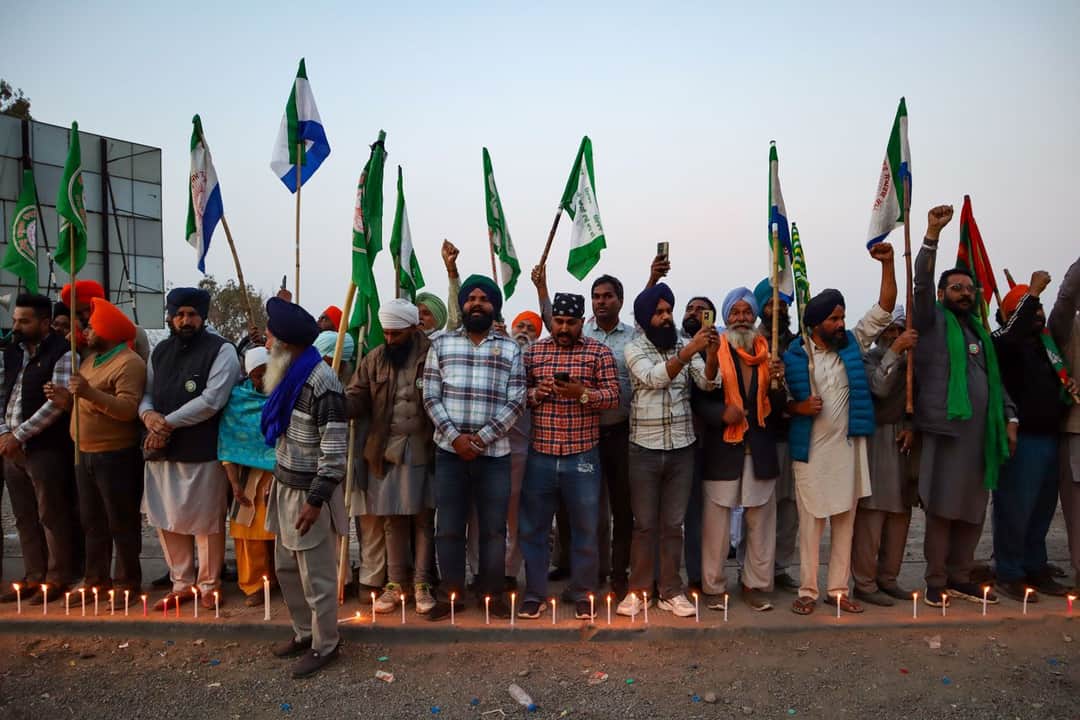
The farmers gathered here say that the Centre has failed them on many counts: guarantee of minimum support price (MSP) as per the recommendations of the Swaminathan Commission, a complete waiver of debts for farmers and farm labourers, justice for the farmers affected in the Lakhimpur-Kheri massacre, arrest of the culprits, a pension scheme for farmers and labourers, and compensation to families of farmers who were martyred in the 2020-2021 protest.
A few weeks ago on February 13, when these farmers began a peaceful march to the national capital to press for their demands, they were met with tear gas, water cannons, rubber bullets from pellet guns, fired by the Haryana police to stop them from moving further.