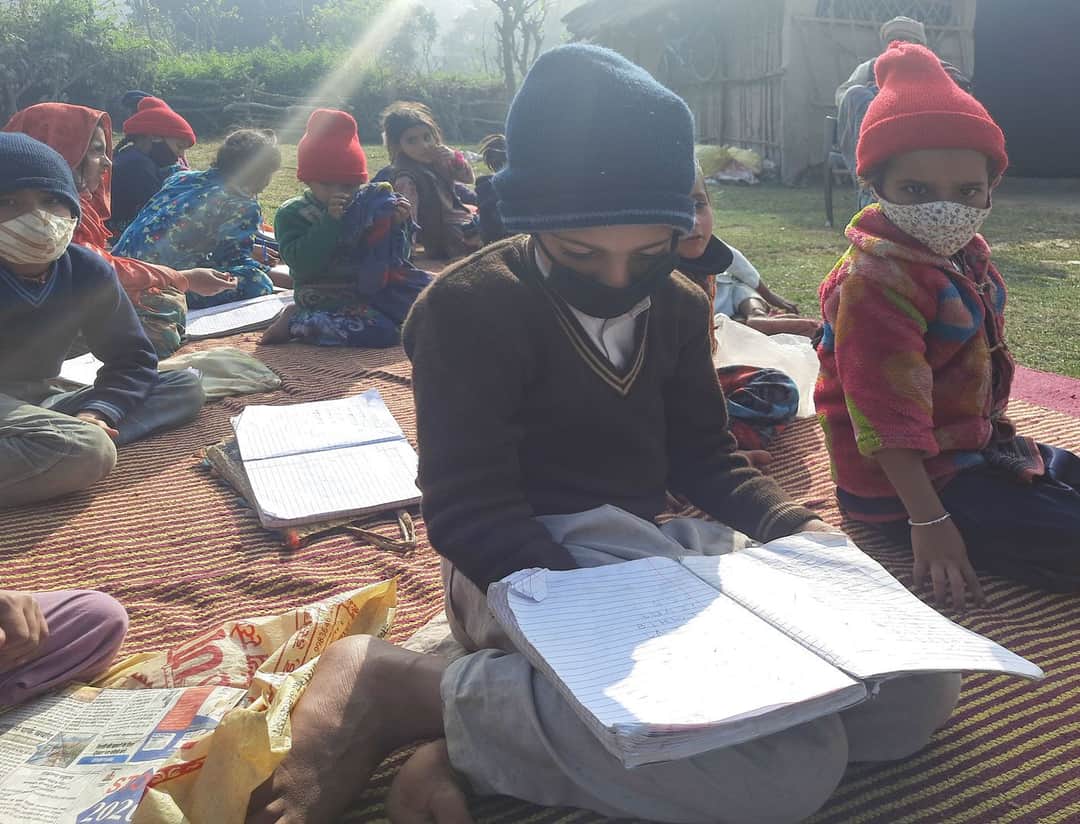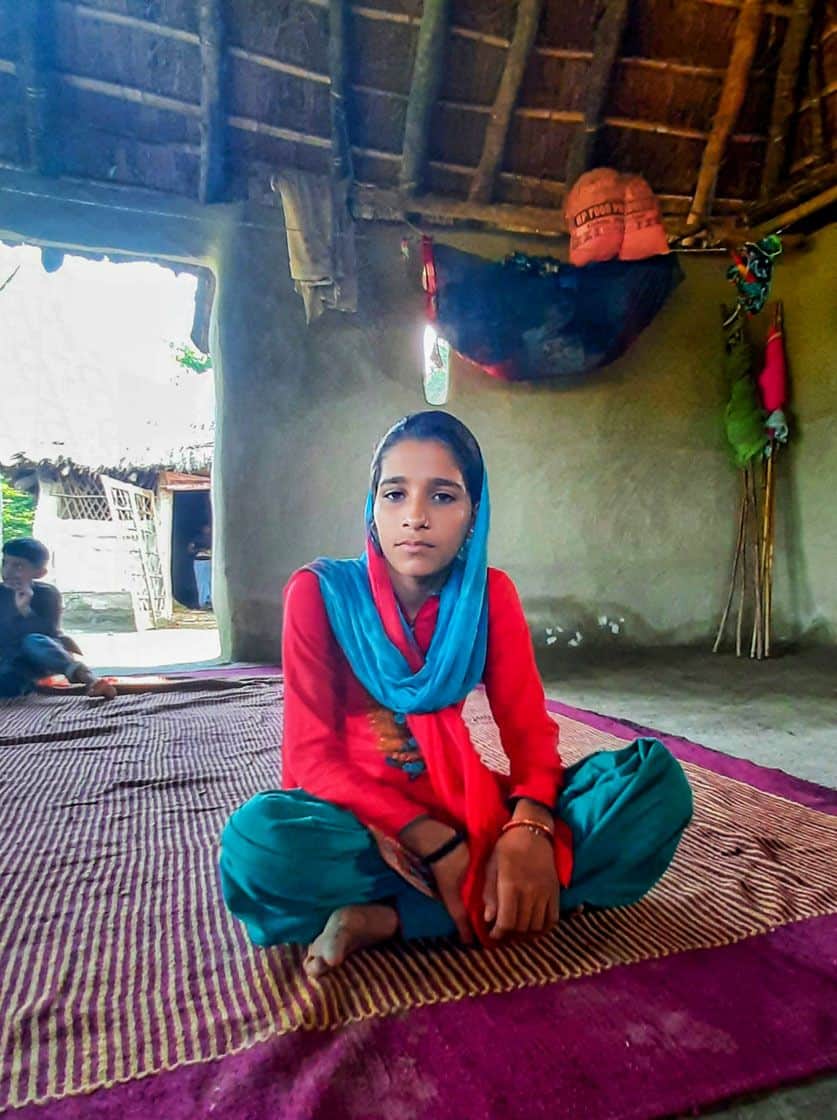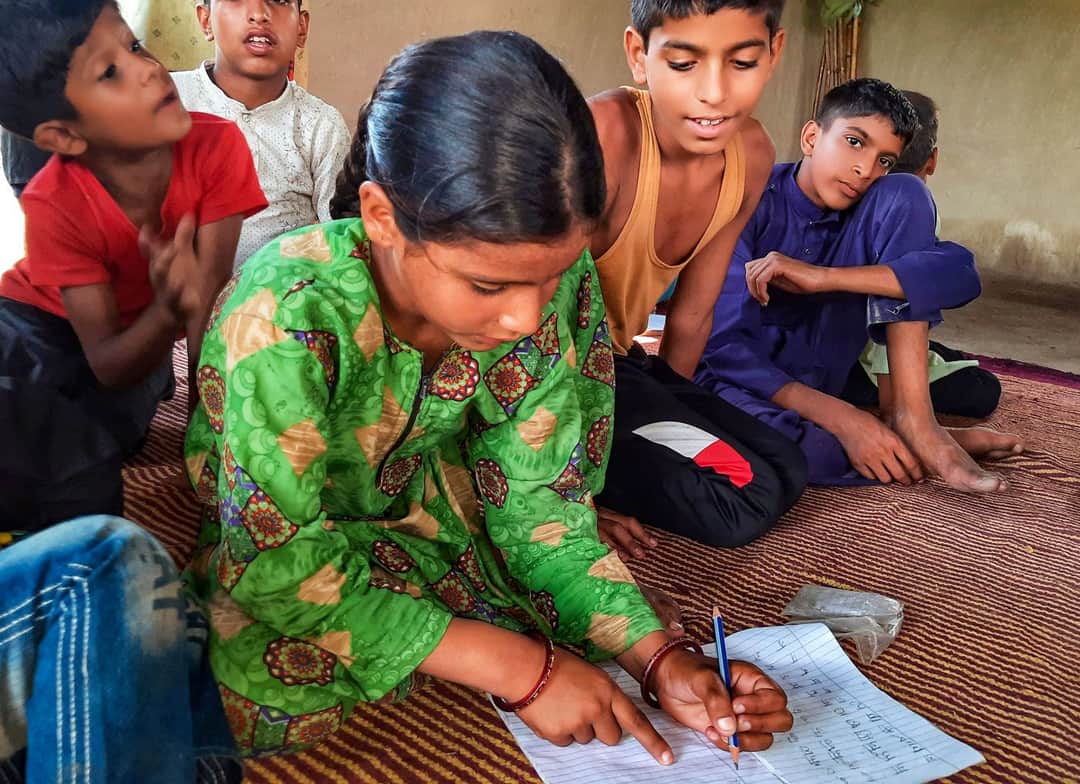

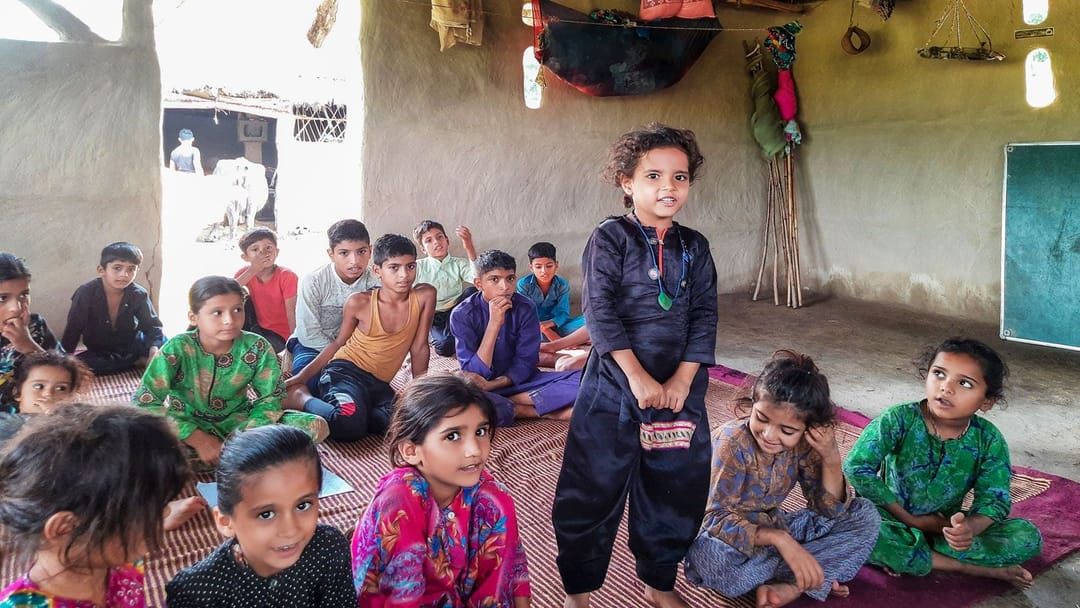
Fatima Bano was reciting a poem: “The fan rotates above, the baby sleeps below,” she said in Hindi. “Sleep baby sleep, sleep on the big red cot... ” With all eyes on her, the nine-year-old was still trying to somehow not be noticed among the group of kids attending a class one afternoon in a Van Gujjar basti inside the Rajaji Tiger Reserve.
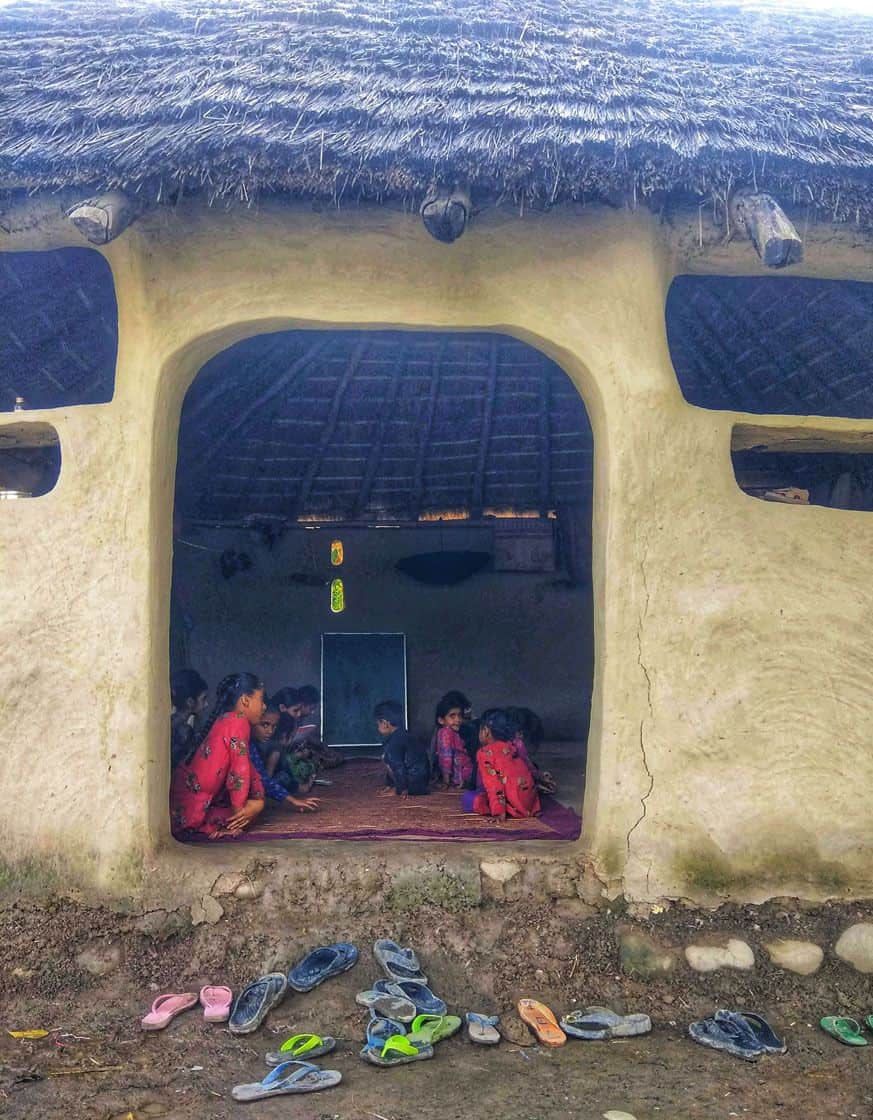
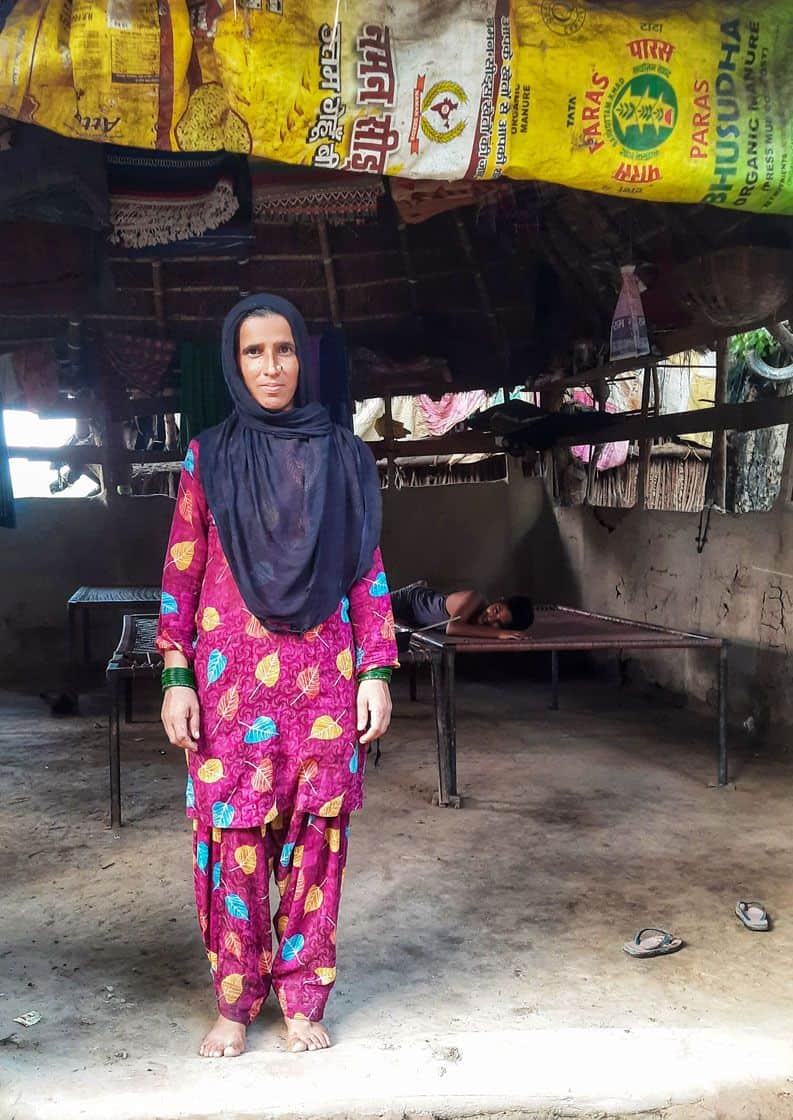
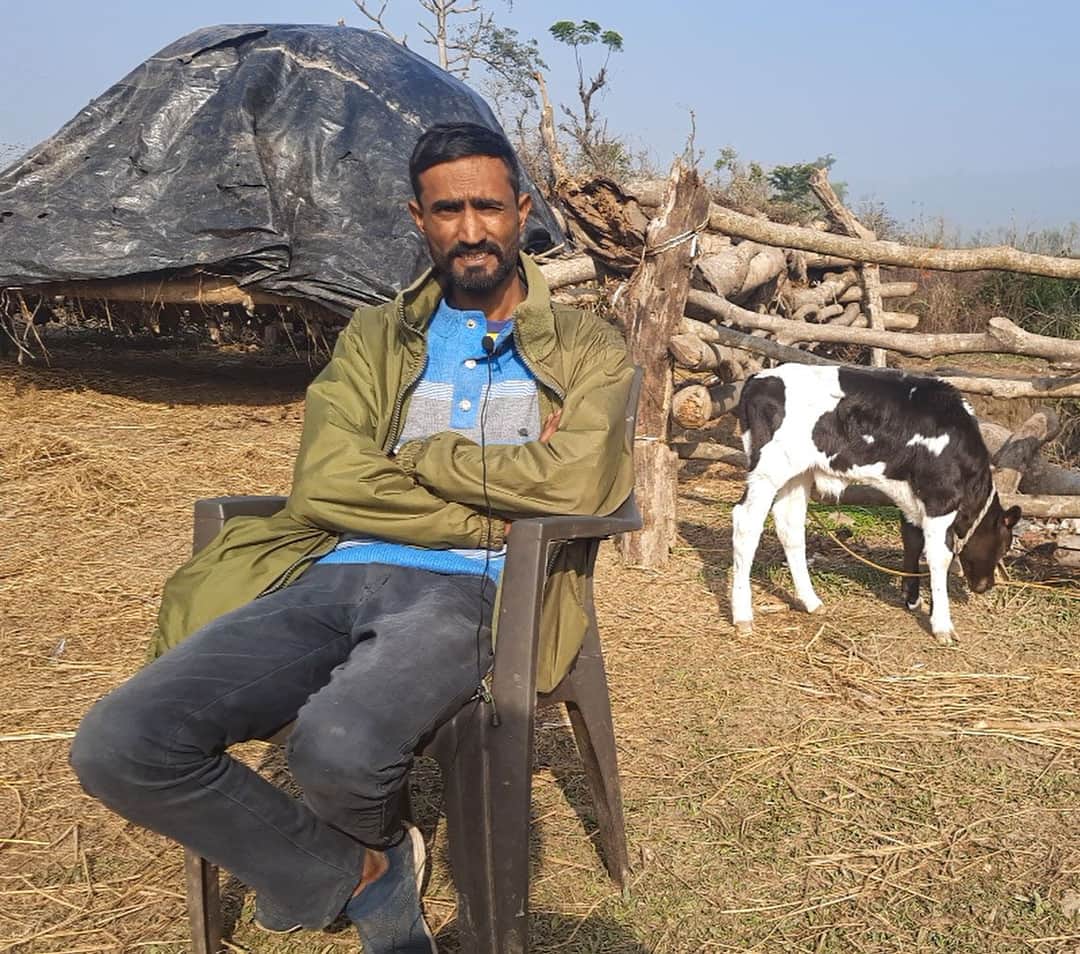
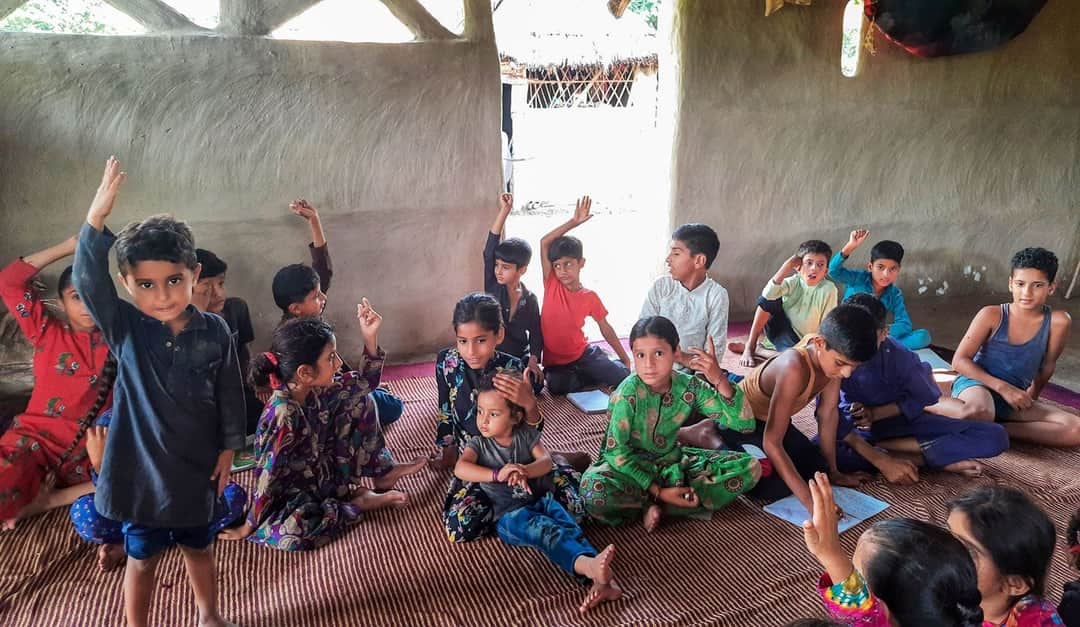
Their ‘school’ was being held that day in the front yard of Tabassum Biwi's house. A bunch of students, ages ranging from 5 to 13, were sitting on a large durrie, a few clutching notebooks. Tabassum Biwi’s two kids, a boy and a girl, were among them; her family, like almost everyone in this basti, rears buffaloes and sells milk for a living.
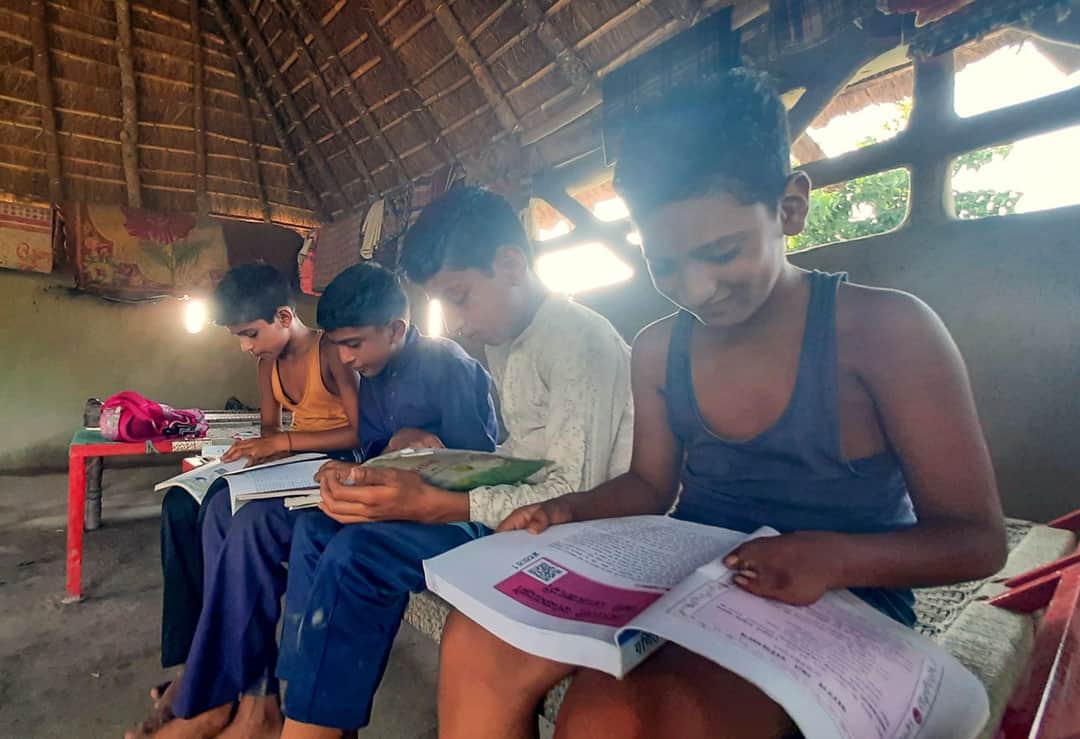
The school has been assembling intermittently in the Kunau Chaud settlement since 2015 – either in the yard or in a large room in the house. Classes are held on and off from Monday to Friday between 9:30 a.m. and 12:30 p.m. During one of my visits here in December 2020, when Fatima Bano was reciting the poem, 11 girls and 16 boys were present.
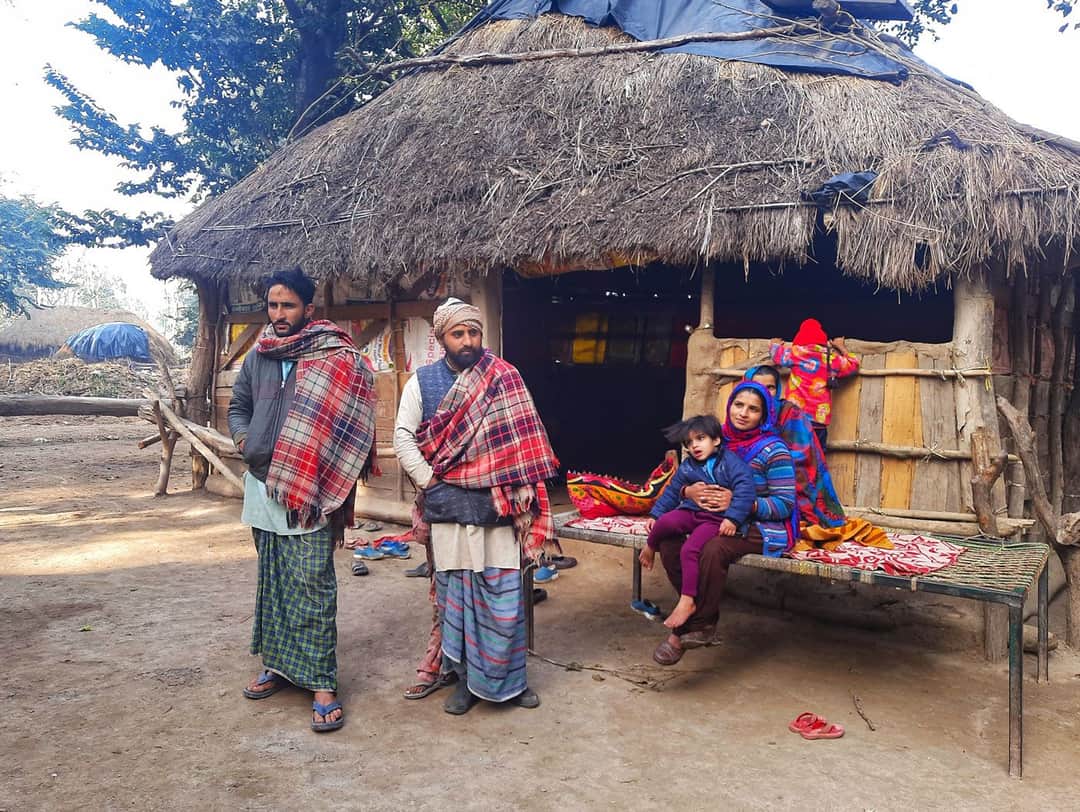
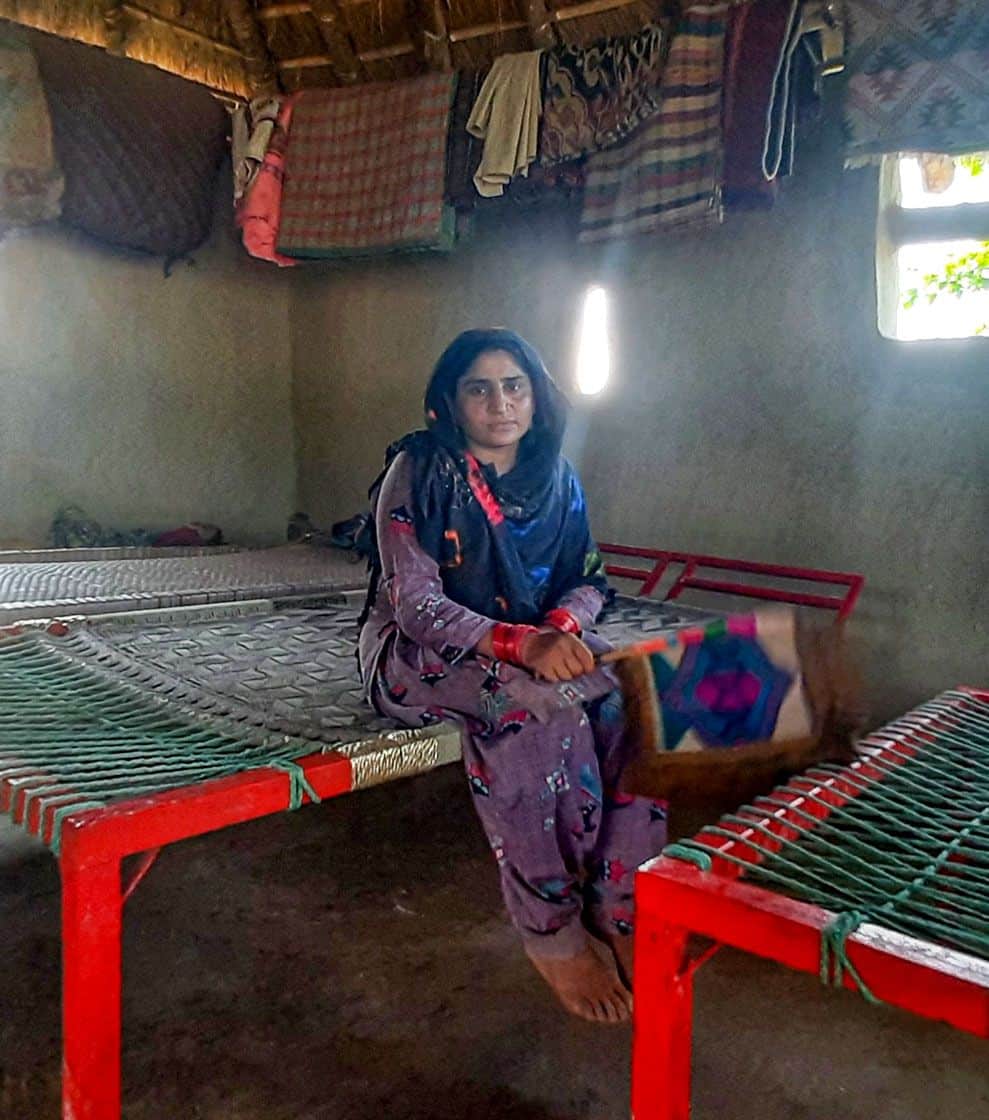
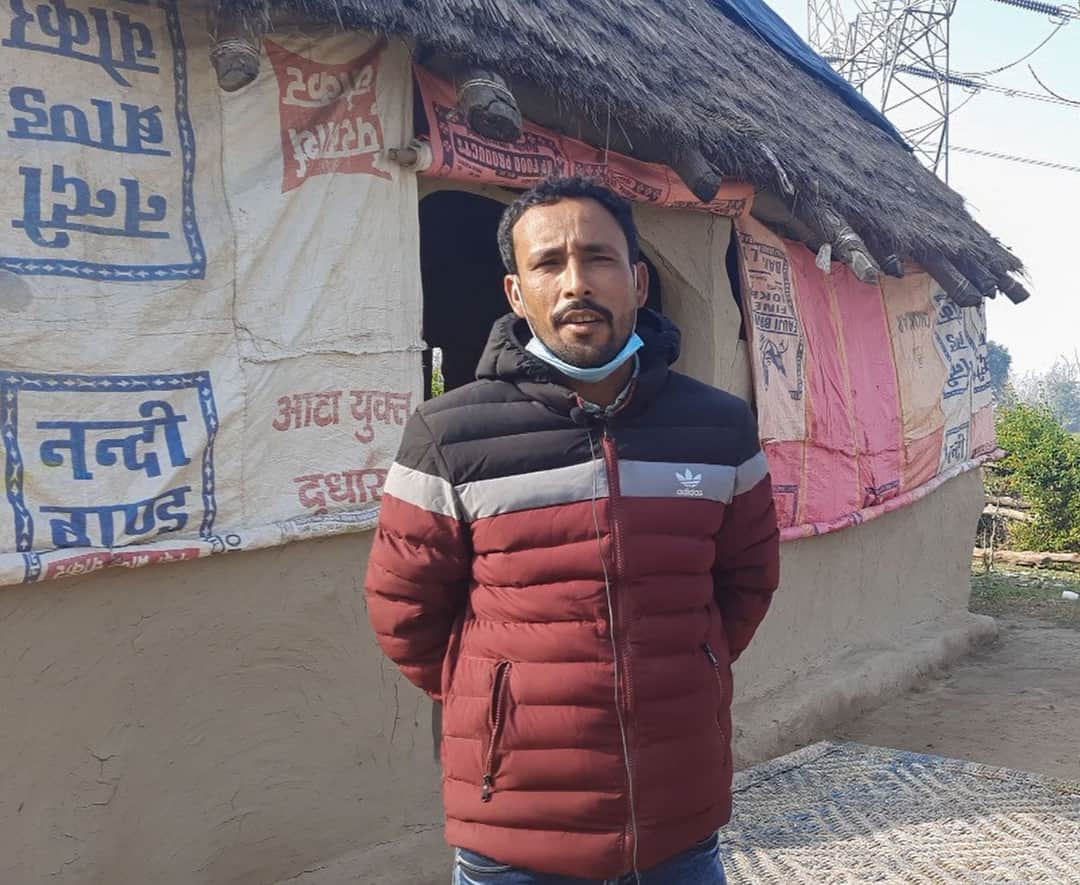
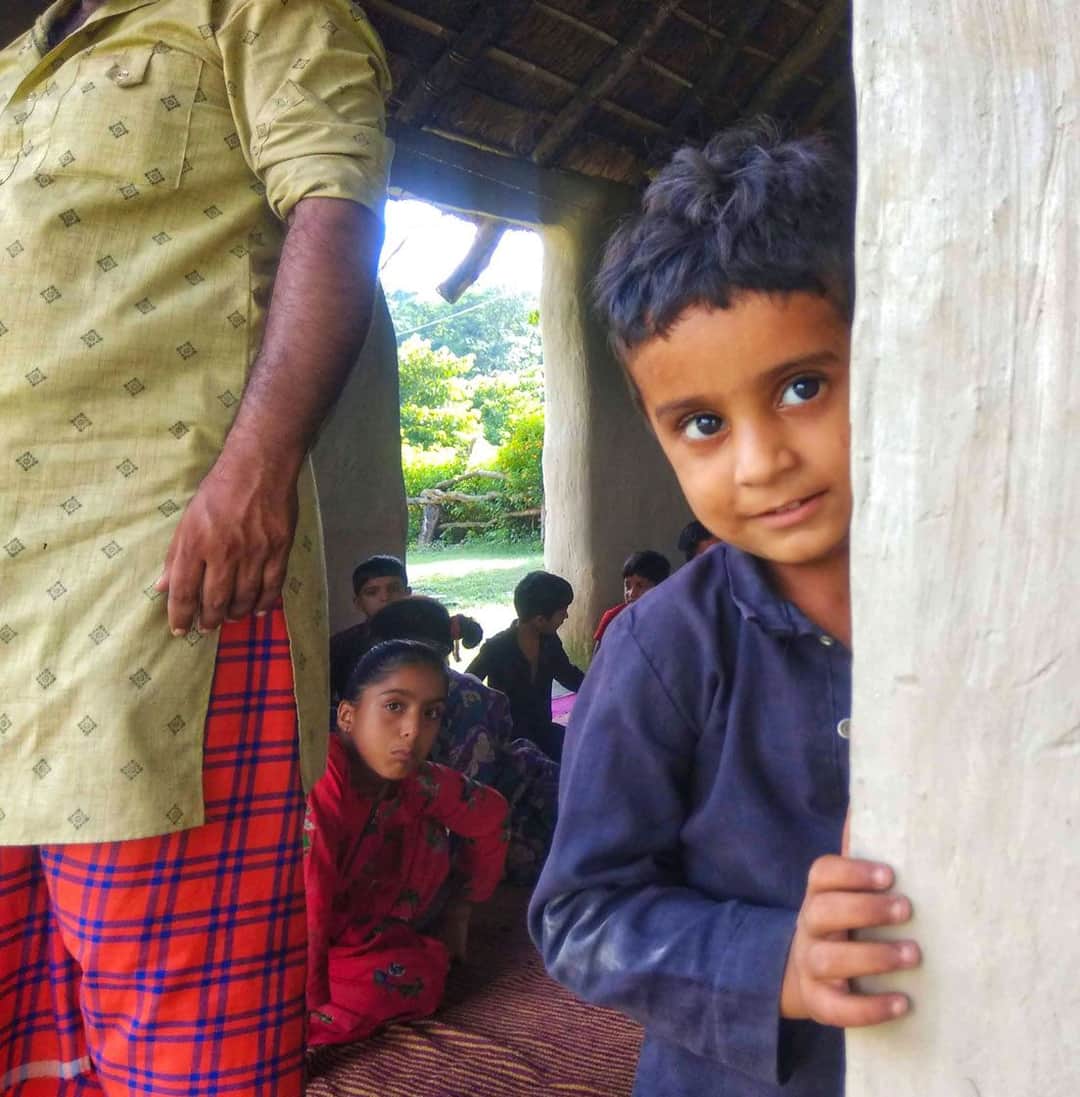
A band of Van Gujjar youth are their teachers. They try to fill in a persistent education gap in Kunau Chaud – a basti of around 200 families in Yamkeshwar block of Uttarakhand's Pauri Garhwal district. (Between 70,000 and 100,000 Van Gujjars live in the Kumaon and Garhwal regions of the state, estimate community activists; they are listed as an OBC in Uttarakhand and have been demanding Scheduled Tribe status.) The settlements that are in the tiger reserve usually consist of mud and thatch huts. Permanent construction is prohibited by the forest department, there are no toilet facilities, and water is used from forest streams.