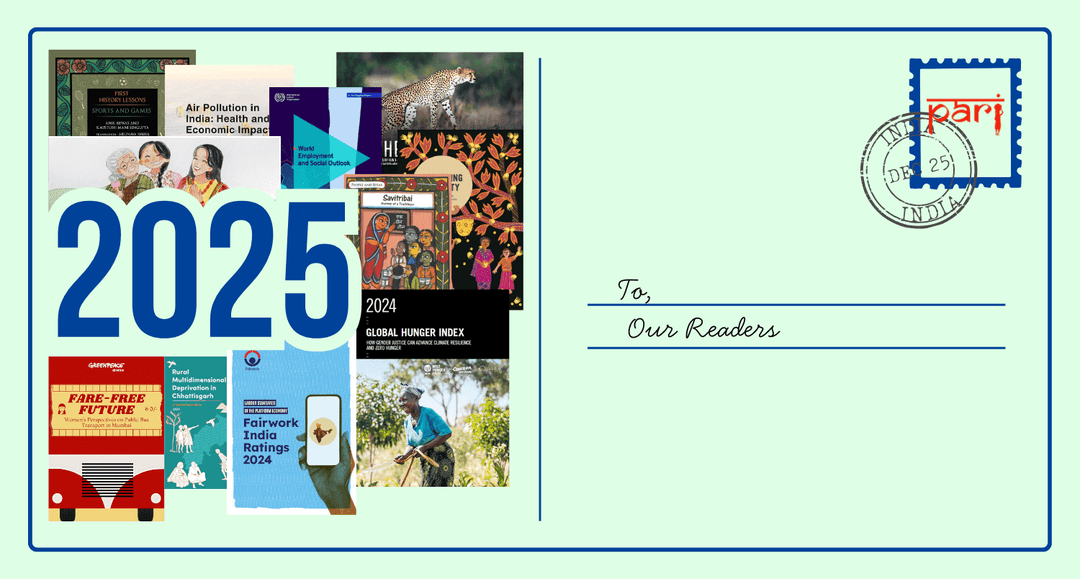
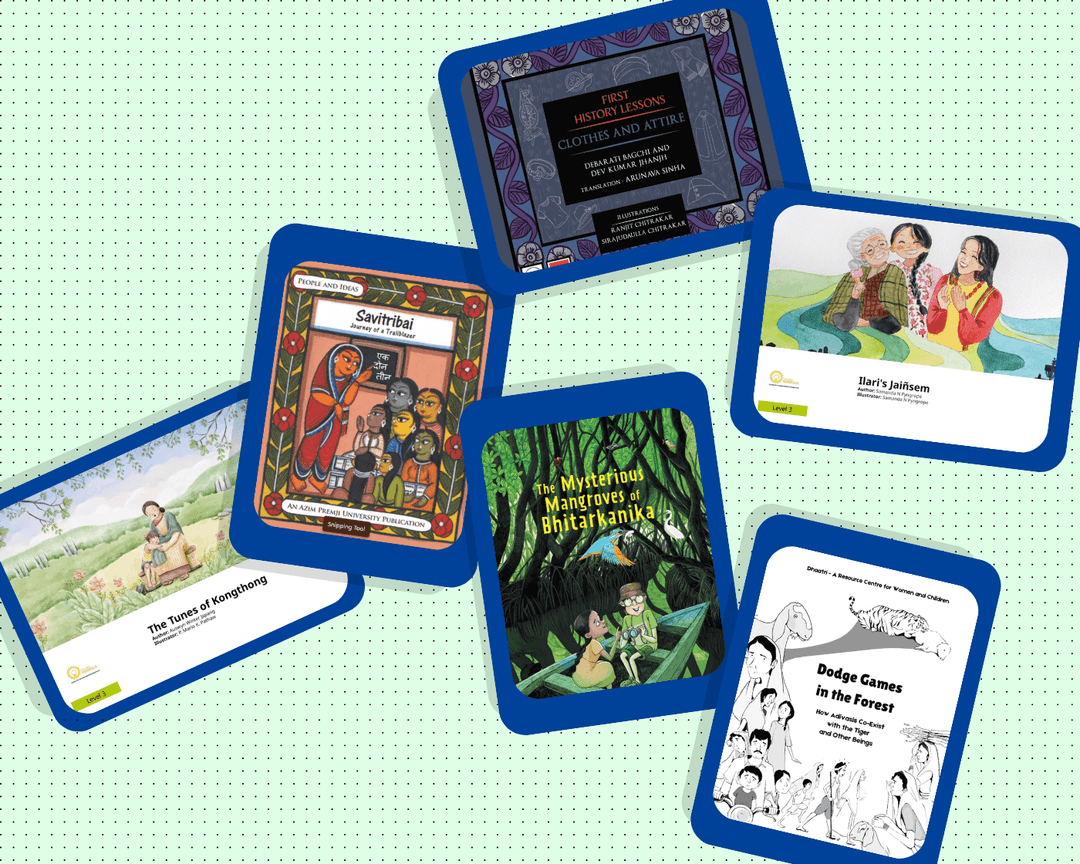
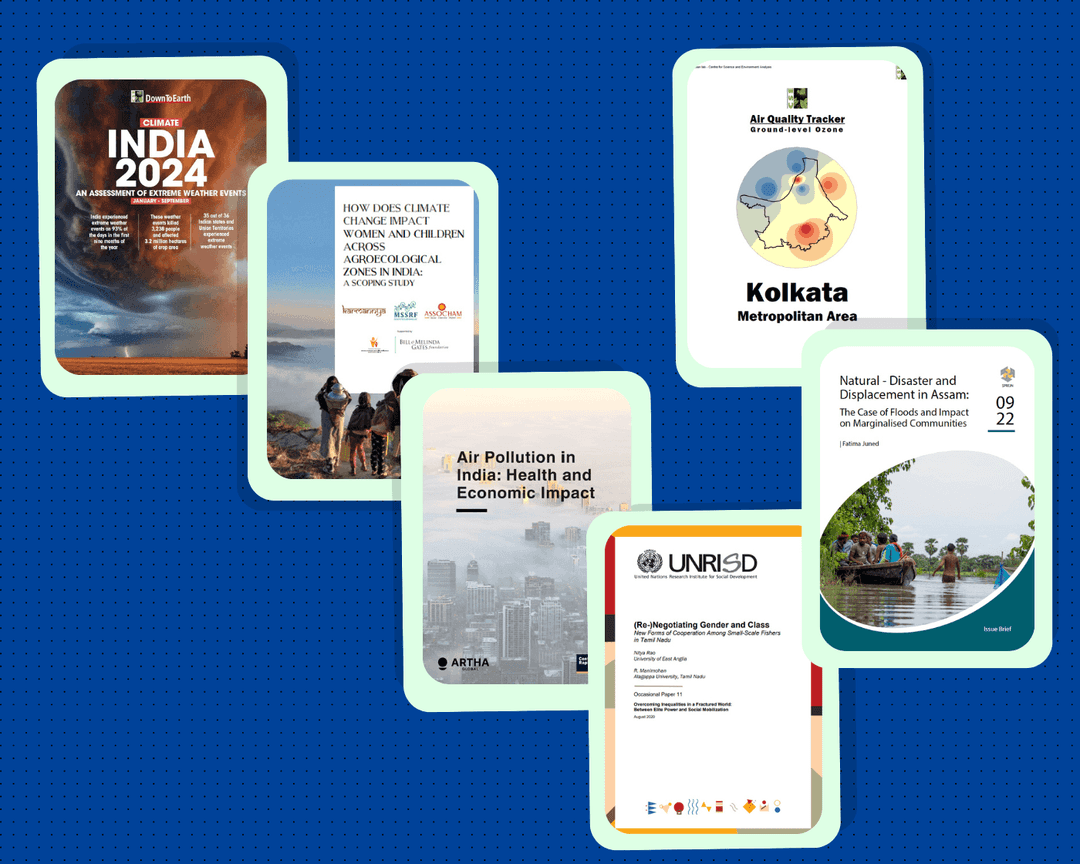
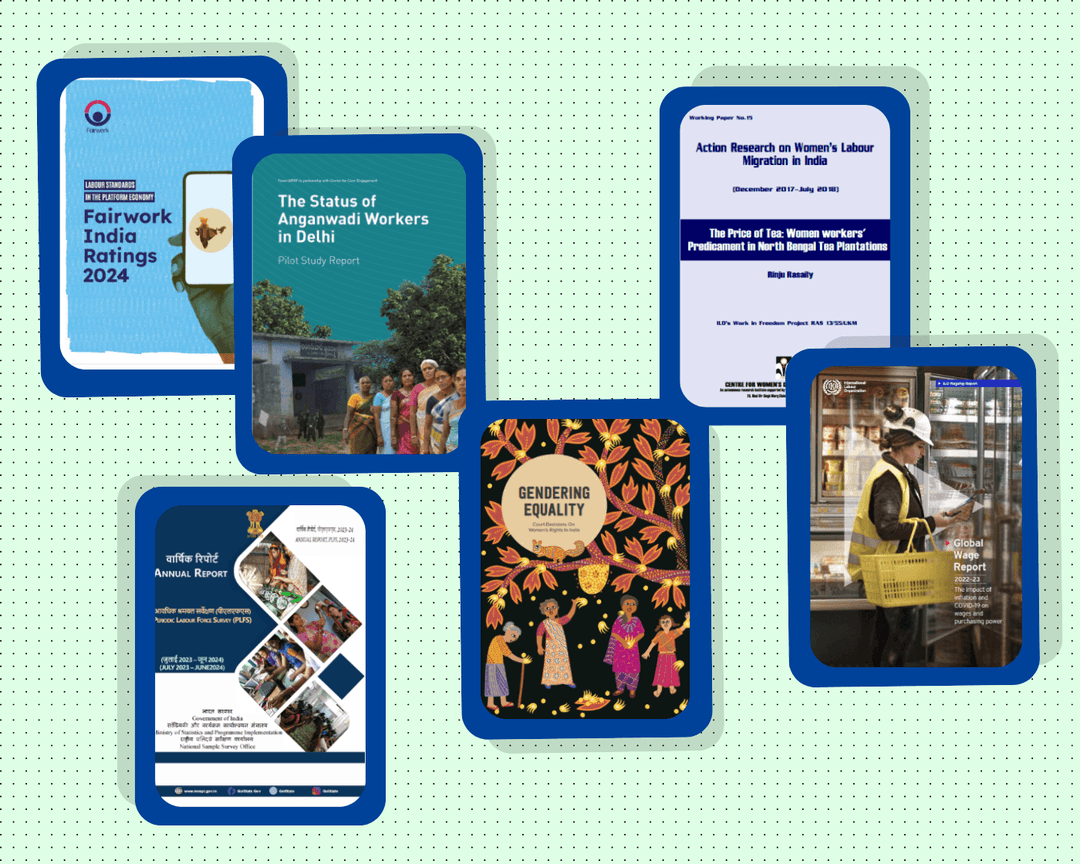
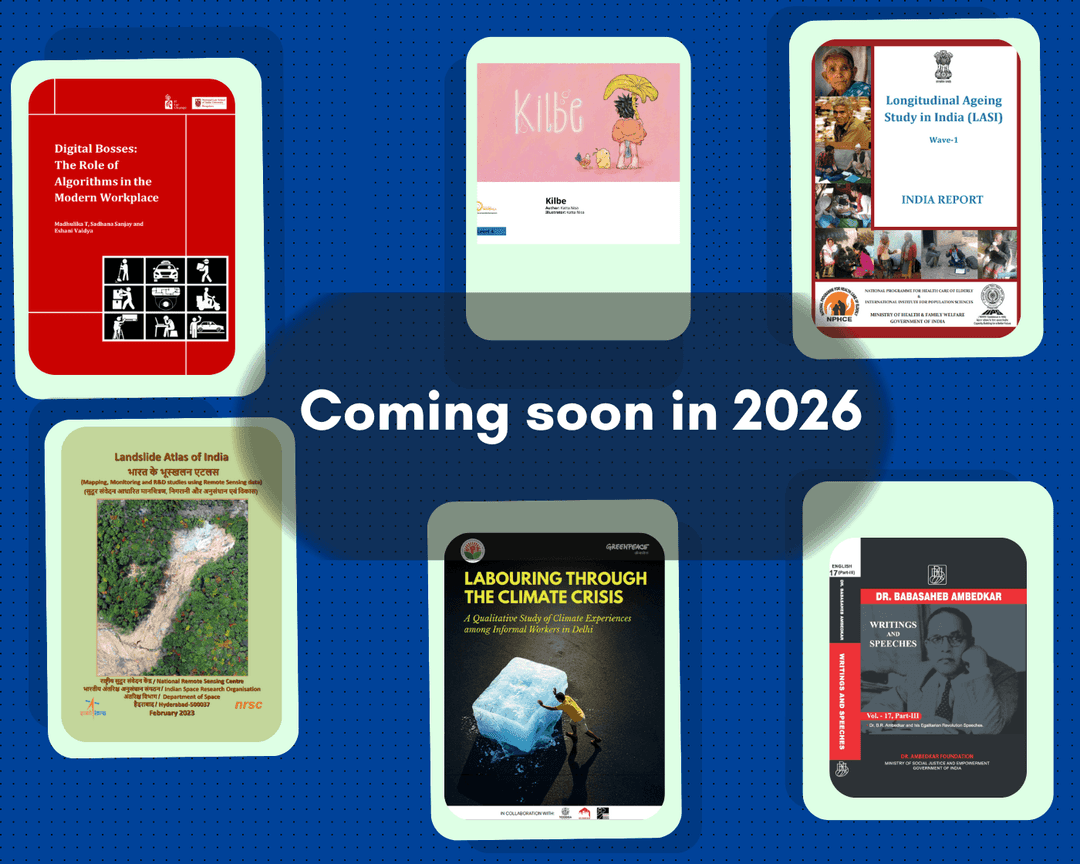
At the heart of our functioning are our volunteers who curate summarising ‘focus and factoids’ for each report we host. We have college students, working as well as retired professionals who volunteer with us to recast dense and expansive topics into lucid readings. They lend us their time and skill, ensuring that our archive remains accessible and diverse in its scholarship.
At present, the PARI Library has nearly 450 volunteers who have worked with us since our inception.
As we end 2025, we are delighted to feature the voices of some of our regular volunteers who speak of their experiences and key takeaways:
Yazhini Sathiamoorthy
Pursuing MTech in Environmental Science and Engineering at IIT Bombay
Every report that I have compiled ‘focus and factoids’ for has allowed me a fresh outlook that stays with me. Few of the reports, for instance Tainted Carpets: Slavery and child labour in India’s hand-made carpet sector or Climate India 2024: An assessment of extreme weather events left me disturbed, and it took me days to go through them. But given what I am studying, working on these reports provided me with opportunities to expose myself better to the subjects at hand.
Whether it is a one-page poster or a 500-page statistical report, PARI Library's structured set of ‘focus and factoids’ take you to the crux of the issue. Unfortunately, many of these reports are not mainstream yet.
Abizar Shaikh
A communications and financial services specialist with over 30 years of experience
I had the time to spare and wanted to do something worthwhile. Volunteering with PARI Library was an excellent opportunity. The work PARI does was a perfect fit, having always been one of my abiding personal interests.
As a reader, I'd like to see improved cataloguing and searchability of themes in the Library.
Jerry Jose
A climate scientist from Kottayam, Kerala
My introduction to PARI was through a lecture by P. Sainath around the time of the release of the website. The effort to archive rural India, which is “a continent inside a subcontinent” was inspiring and one of a kind. Volunteering was my way of remotely contributing to the ever-expanding PARI library.
It is appreciable that the Library features curated reports with accessible ‘focus and factoids’. I find the extended scope very complementary to PARI's journalism. I enjoyed working on reports within my area of expertise and outside of it, where the research was a learning in itself.