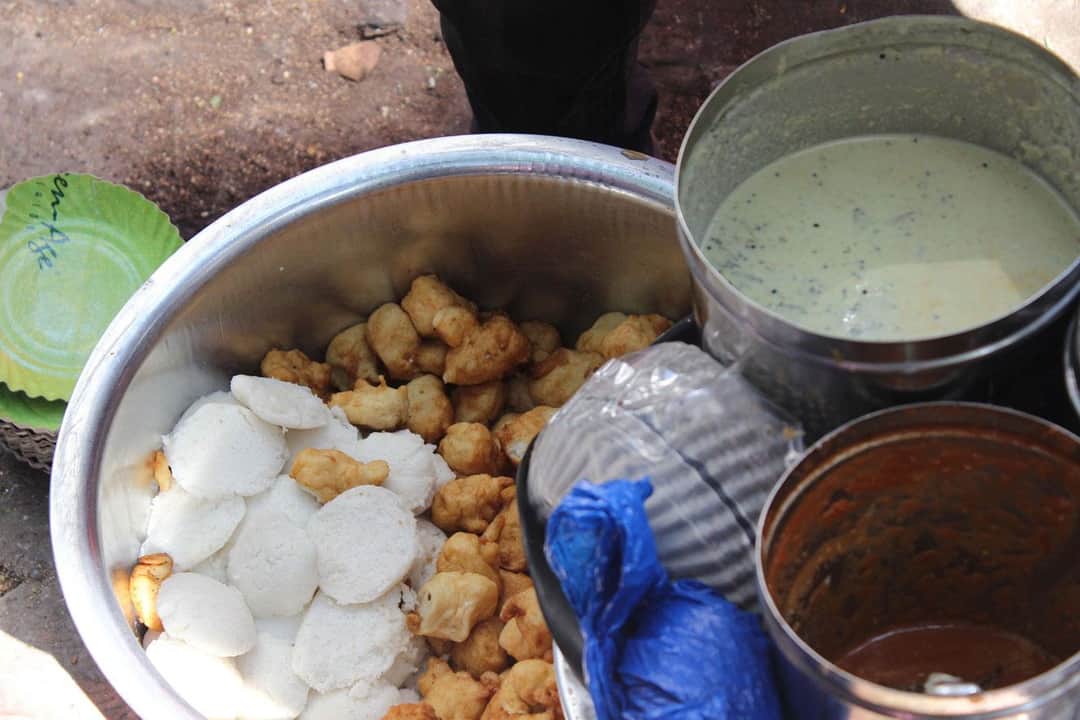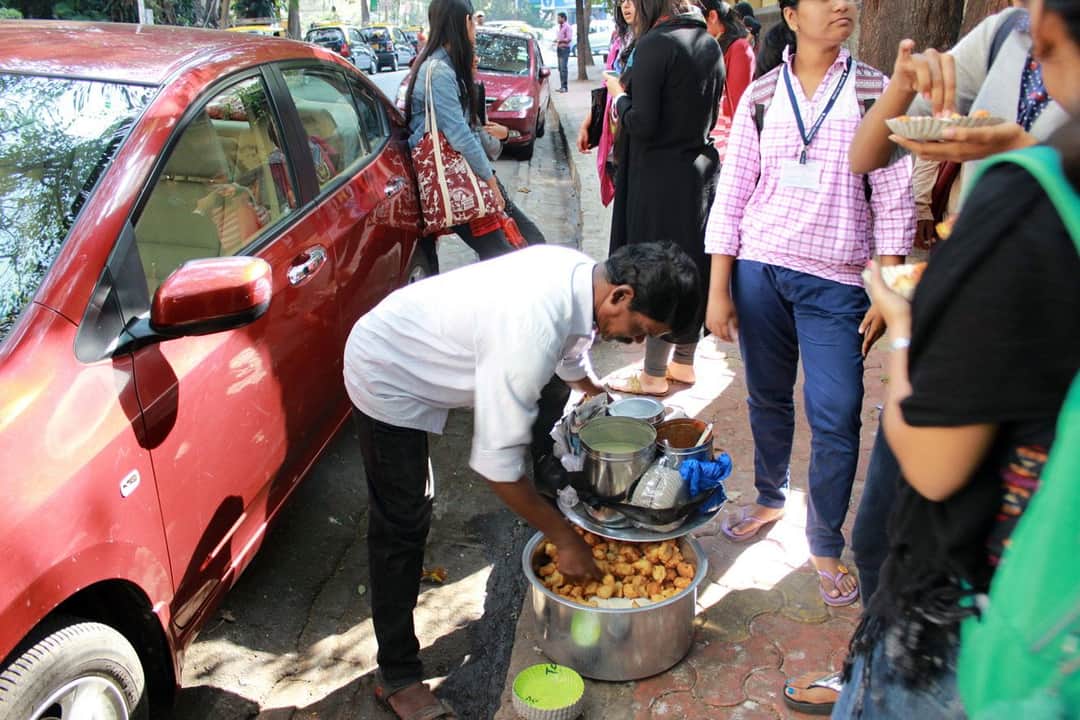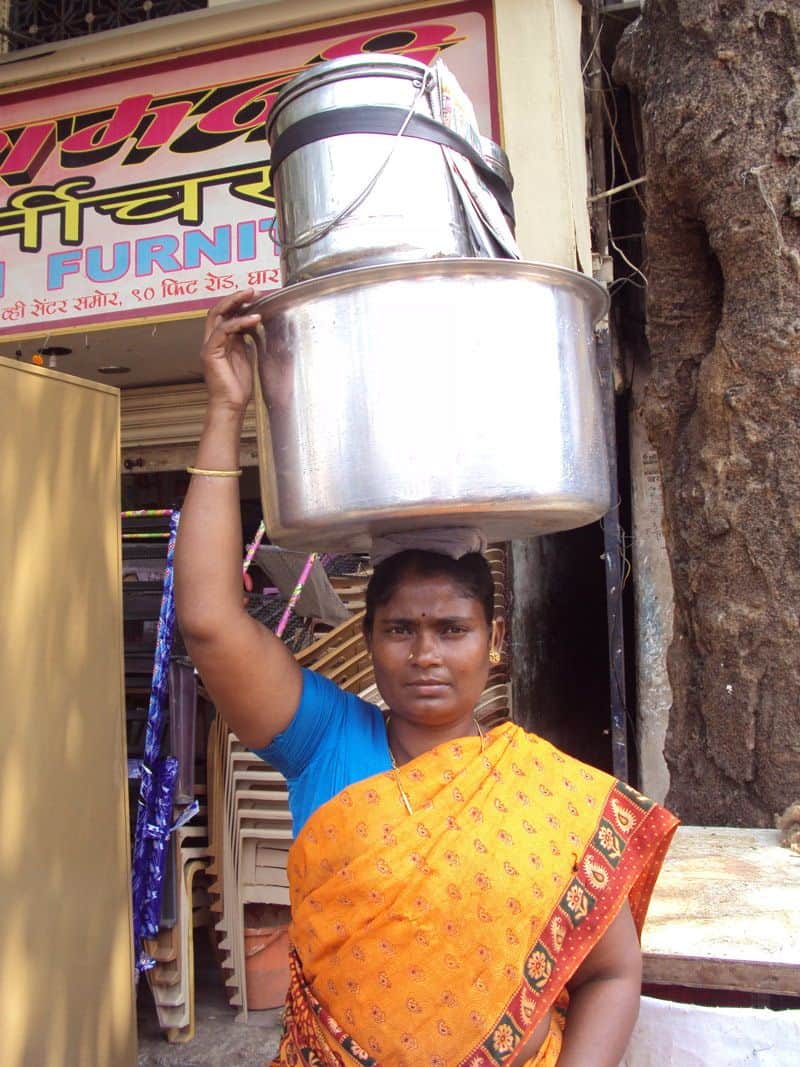

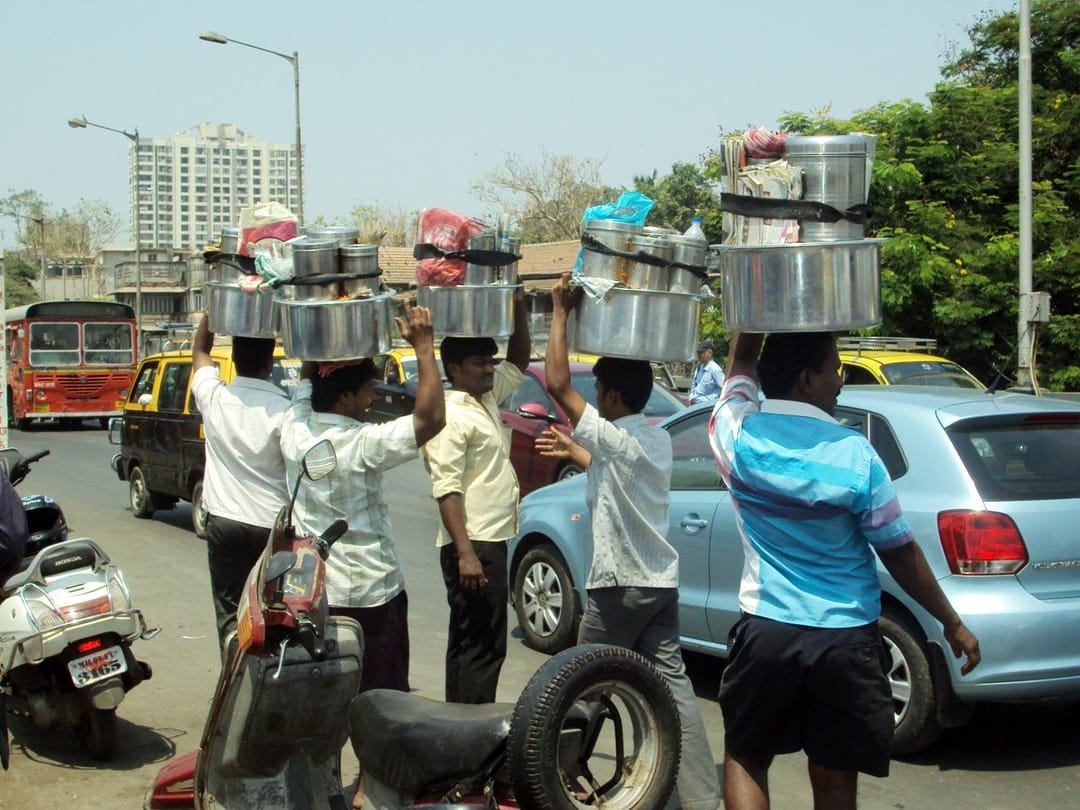
They are a battery of men clad in lungis and shirts, with huge aluminium containers tied to their cycles by agamcha (a thin towel). Smaller stainless steel containers with chutney and sambhar , and a heap of paper plates, are all fastened together with a worn-out cycle tube.
By 7 a.m. they set out into the streets to satisfy the palettes of thousands in the city. They are Mumbai’s very own idliwalas . Their signature call is the “pom-pom,” which can be heard from a distance. The sound of this unique rubber horn is a signal for the residents of Mumbai’s neighbourhoods that the men with idlis have arrived.
These cycle-borne sellers are a community of migrants from Madurai, Tamil Nadu – around 500-700 families living in one of Asia’s largest slums, Dharavi. They earn their living by making and selling south India's popular breakfast and have turned idli-vada into one of Mumbai’s most loved snacks. Each home makes a minimum of 400 steaming, fluffy rice cakes every day, earning a daily profit of Rs. 400-500. A household with two or three men could mean a daily income of about Rs. 1,000.
Over 3,00,000 idlis and other south Indian delicacies move out from this mini Tamil Nadu into the rest of Mumbai each day. The pucca shanties that this community has settled in are strategically located between Sion and Mahim, at the cross-section of the central, western and harbour train lines. From here, they idliwalas can move across the city to satiate the appetite of its buzzing workforce.