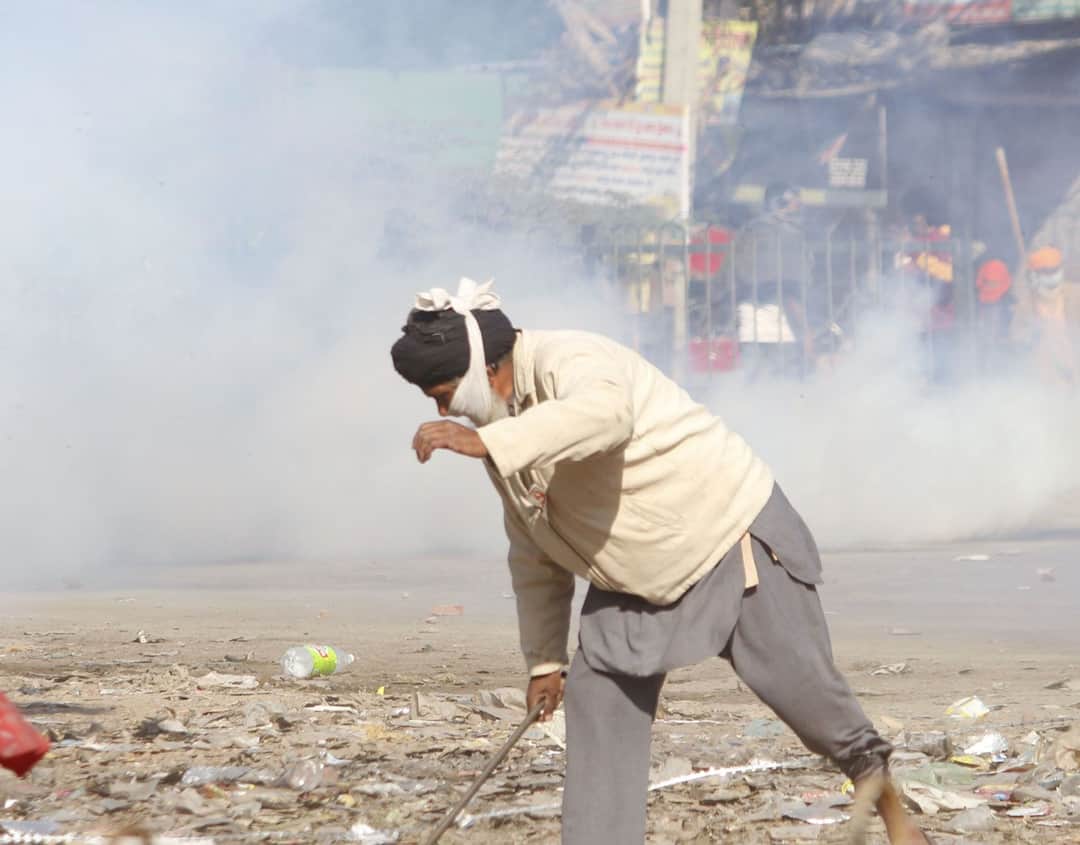

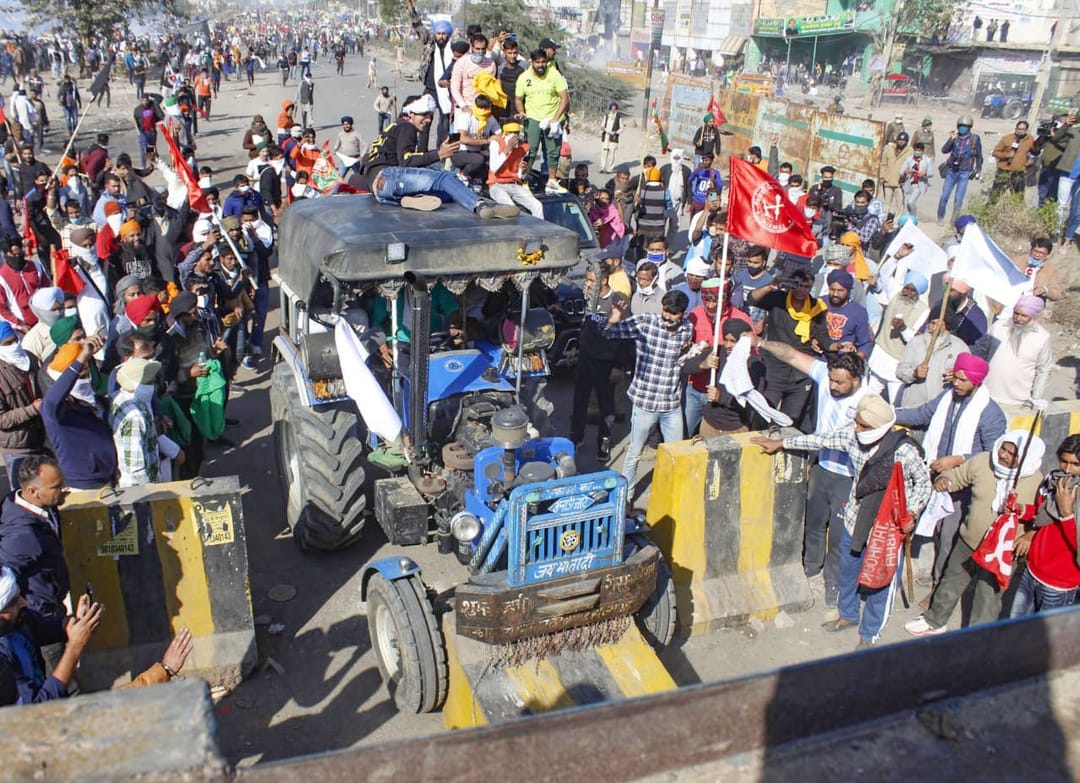
“When protestors block a road or damage it, they are branded as criminals. What if governments do the same? Are they not what they call us?” asks 70-year-old Harinder Singh Lakha, a farmer from Mehna village in Punjab’s Moga district.
Lakha is referring to the 10-feet trenches dug in the roads by the authorities to prevent Punjab’s marching farmers from entering Delhi. For days now, well over 100,000 farmers from the state, along with many from Uttar Pradesh and Haryana, have been compelled to fight pitched battles with the police and other forces for the right to enter their country’s capital city.
While the Delhi police relented after three days of confrontation, the Haryana government is still preventing the protestors from crossing the state borders. And though they have publicly been given permission to enter the capital, on the ground the central government has not tried to make that any easier. Despite the ‘permission’, the trenches, the barbed wire, the barricades – all remain. And the tear gas shells and water cannons have left a lingering trail of destruction.
The farmers have come together to protest against the three farm laws passed by the Centre in September this year. They point out that the law related to the Agricultural Produce Marketing Committees (APMCs) will destroy the system of mandis which has worked reasonably for them. It will destroy the MSP (minimum support price) process and allow large agro-chains and corporations to control prices. They know that this and the other two laws not only fail to mandate an MSP, but also make no mention at all of the Swaminathan (National Commission for Farmers) reports. The farmers have pointed out that the second of these laws, the Farmers (Empowerment And Protection) Agreement On Price Assurance And Farm Services Act, 2020, which deals with contracts, unduly favours private traders and large corporations. And that the amended Essential Commodities Act also boosts corporations, allowing stockpiling and hoarding while stifling the bargaining power of farmers.
The protestors’ demands include a repeal of these three laws.