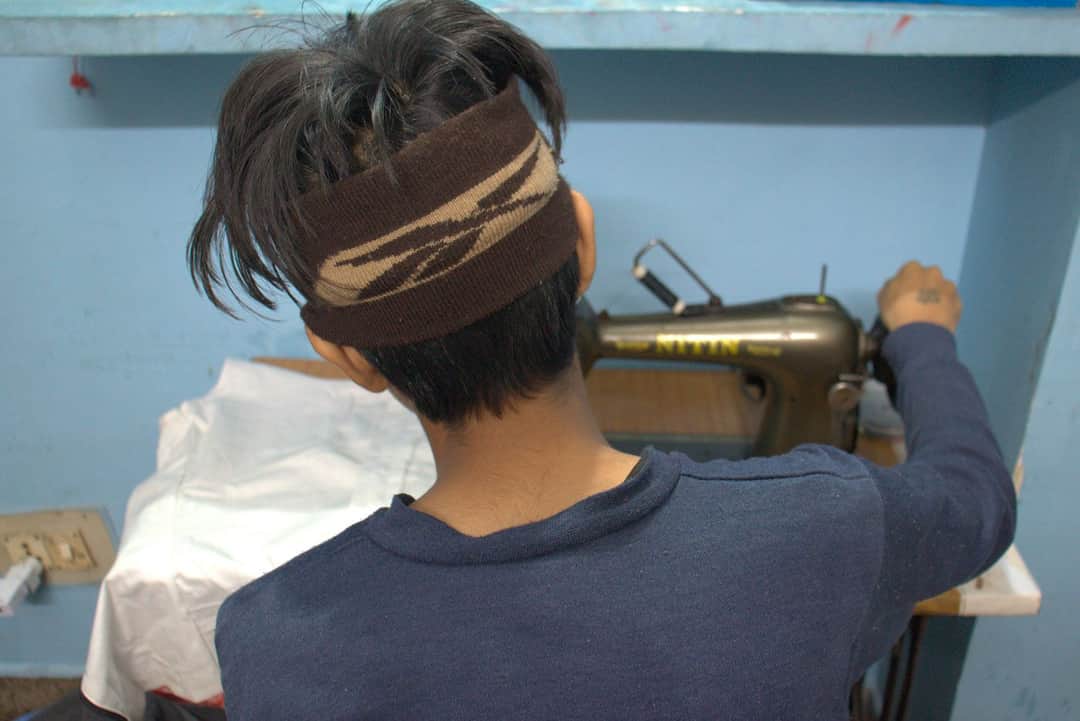


The first time 18-year-old Sumit (name changed) went to a government district hospital in Rohtak, Haryana to inquire about a chest reconstruction surgery, he was told he would have to be admitted as a burn patient.
A lie. Needed to cut through the red tape that surrounds the complex medico-legal journey India’s transgender community has to take if they choose to transition from the body they were born in, into a body they can feel comfortable in. Even so, the lie didn’t work.
It would take Sumit eight more years of paperwork, endless psychological evaluations and medical consultations – not to mention over one lakh rupees including loans – to move ahead. The strained familial relationships during this trying time did not help. His dislike for his former breasts was finally dealt with by a ‘top surgery’, as it is colloquially referred to, at a private hospital in Hisar, about 100 kilometres from Rohtak.
A year and a half later, 26-year-old Sumit still hunches his shoulders when he walks; a habit from his pre-surgery years, when his breasts were a source of shame and uneasiness.
There’s no recent count of how many people in India, like Sumit, identify with a different gender than what they were assigned at birth. A study in collaboration with the National Human Rights Commission, puts the number of transgender persons in India at 4.88 lakh in 2017.
In the 2014 National Legal Services Authority v. Union of India case, the Supreme Court passed a landmark judgement, recognising the “third gender” and their right to identify with their “self-identified” gender, and directing governments’ to ensure healthcare for them. Five years later, the Transgender Persons (Protection of Rights) Act, 2019 re-emphasised the role of governments in providing holistic healthcare services to the community such as gender-affirming surgeries, hormone therapy, and mental health services.