
“We've spent our entire lives presenting documents and proving to the government and fellow citizens that we belong to this country just like everyone else here.”
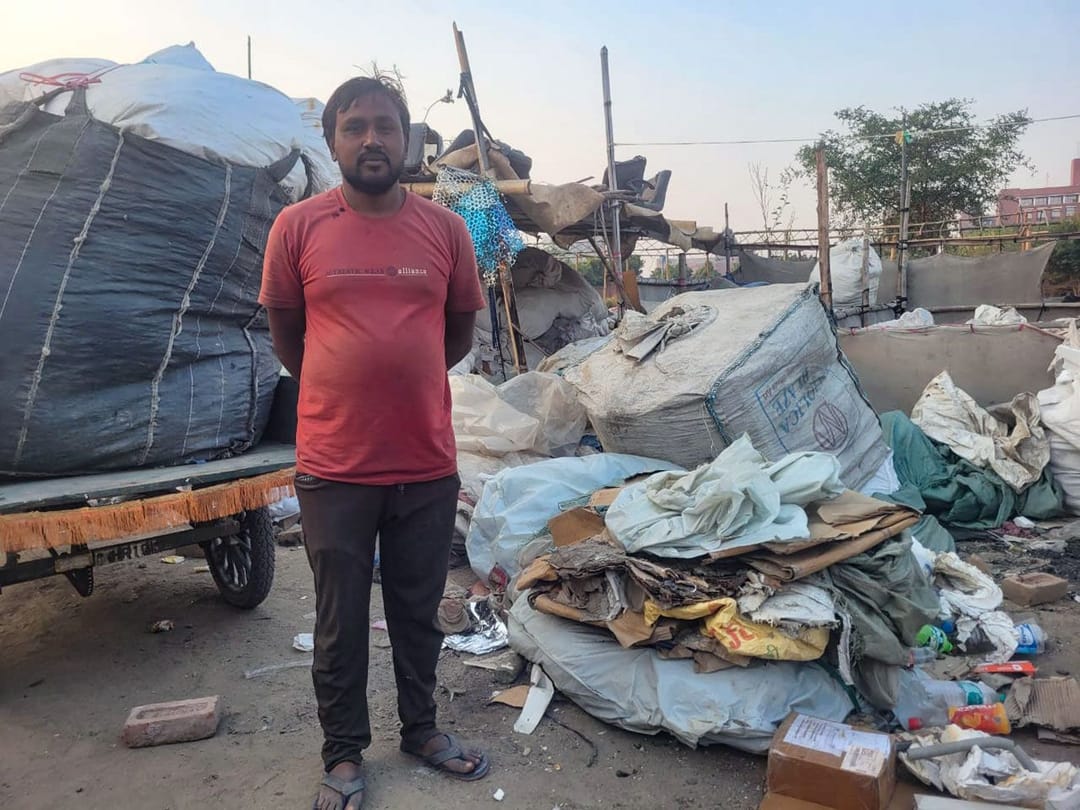
Baharul Islam is busy segregating waste. He is making different piles – of plastic bottles, wet garbage, cardboard and thermocol, shoving each into separate plastic sacks. The 35-year-old is part of 13 migrant families from the districts of Barpeta, Bongaigaon and Goalpara in Assam. They all live together on a plot of land in Asawarpur town of Haryana, and their livelihood is waste picking and segregation.
“People question our identity all the time, both here and in Assam.” Baharul says that officials keep turning up at his slum demanding documents from everyone. “When we go to pick up the waste, people ask us where we are from. Upon hearing Assam, they assume that we are Bangladeshi.” He adds that the police often ask for police verification from Assam to ensure they don’t have a criminal record. “What we say doesn't matter,” says Baharul who is aware of the National Register for Citizens (NRC) being conducted in Assam but says he is not worried as he has land ownership papers.
Also living in the same compound, brothers Riyaz and Nur Islam say they left Assam as the constant flooding of their land near the Brahmaputra made it impossible to rely on farming. Back in Barpeta, their parents farm 800 square feet of land where they cultivate green chillies, tomatoes, and other vegetables. “During heavy rainfall, the river water enters our houses, and we have to leave. We use banana tree logs to travel from one place to another,” say the brothers According to the National Remote Sensing Centre (NRSC), about 28.75 per cent of land in Assam state has been affected by floods between 1998 and 2015.


