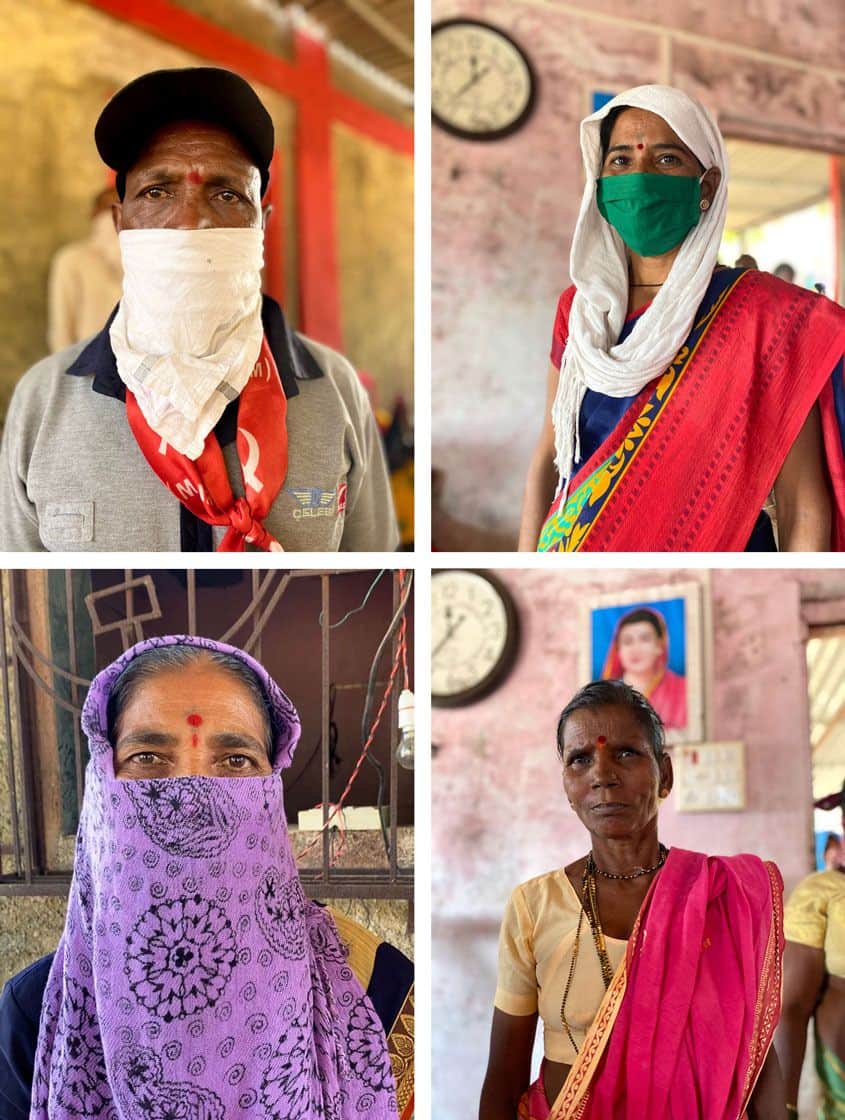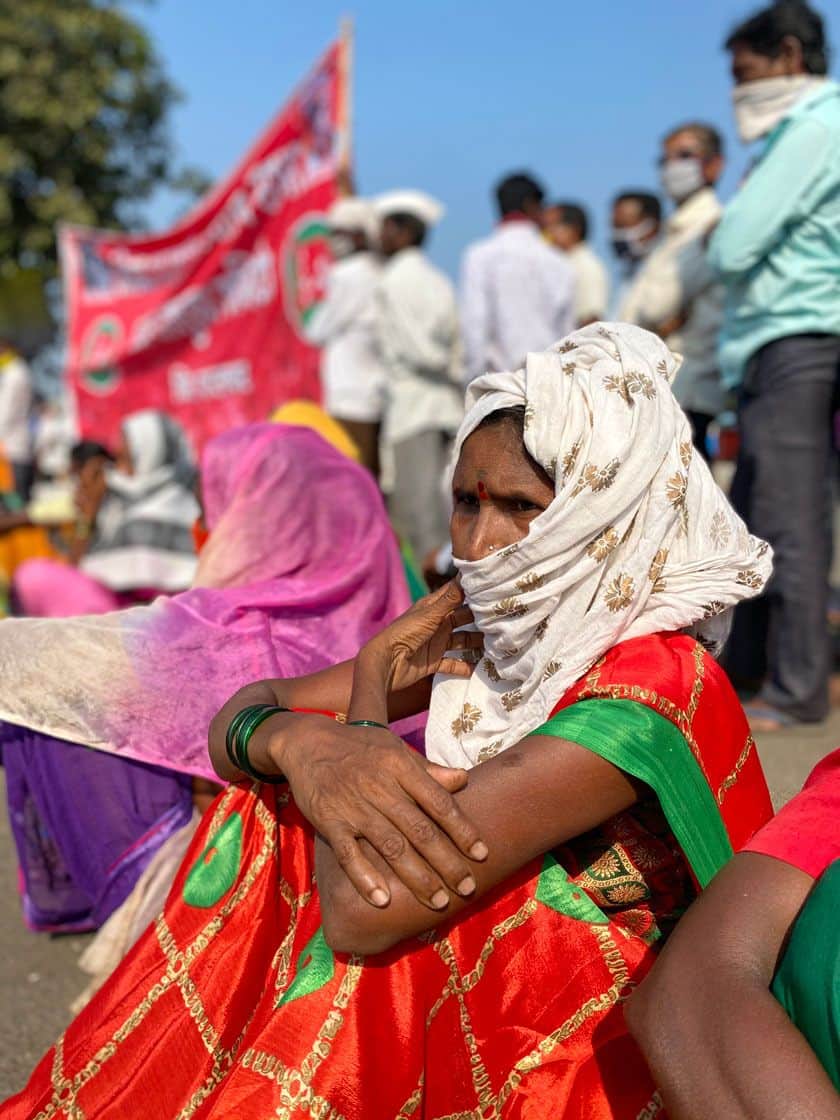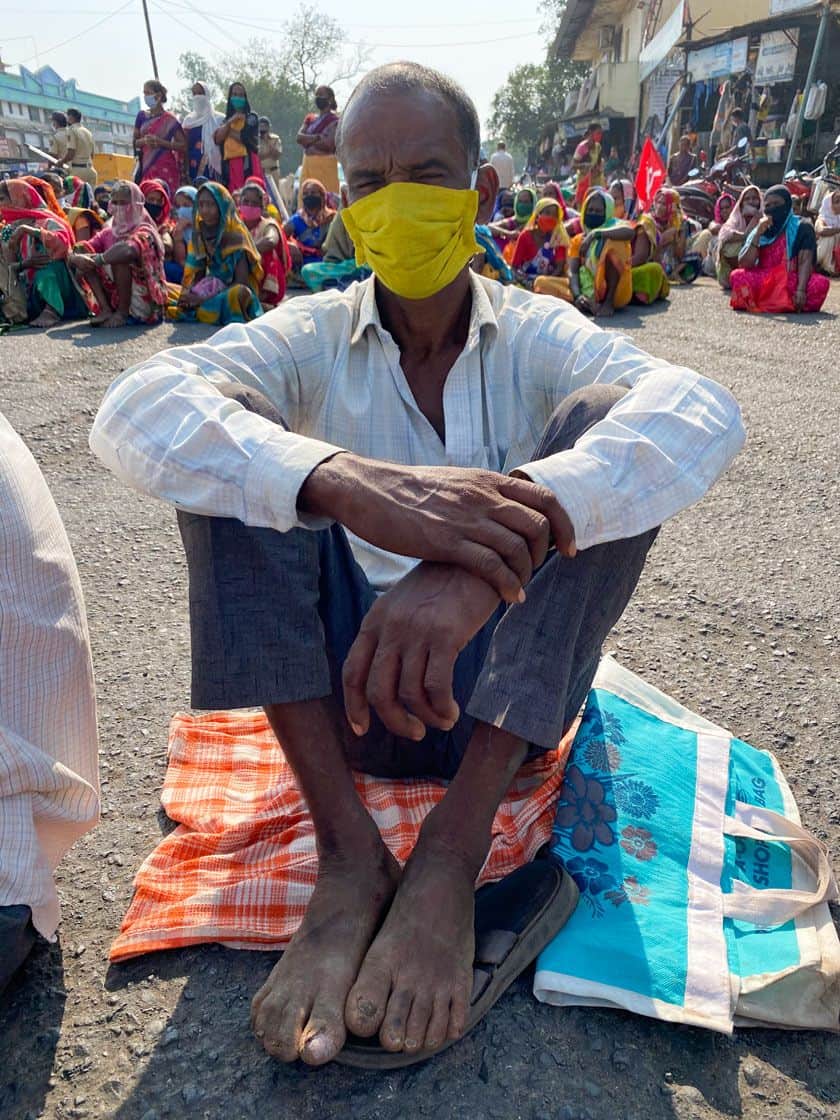

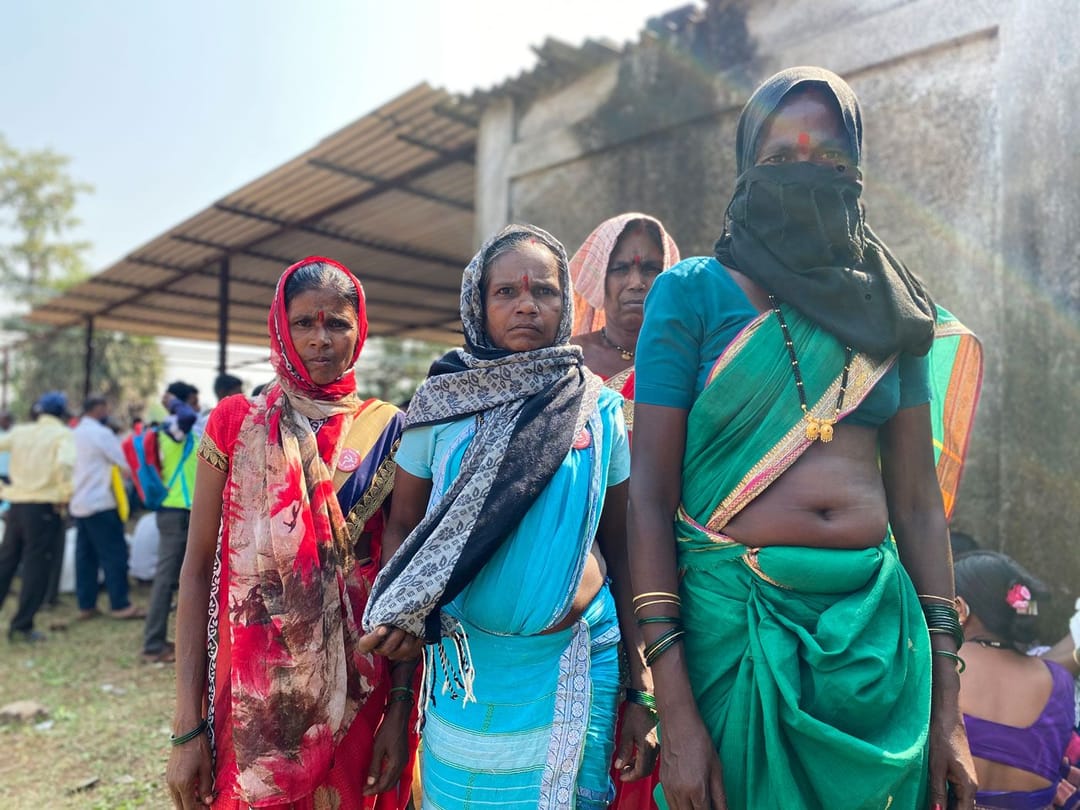
“We will not back down today,” said Tukaram Valavi. “We are being attacked by this government. If we ask to be given 10 acres of land where we have been cultivating for years, they give us only 10 gunta [a quarter acre]. If we ask for five acres, they will give us three gunta. How will we eat without our land? We have no money, no work and no food.”
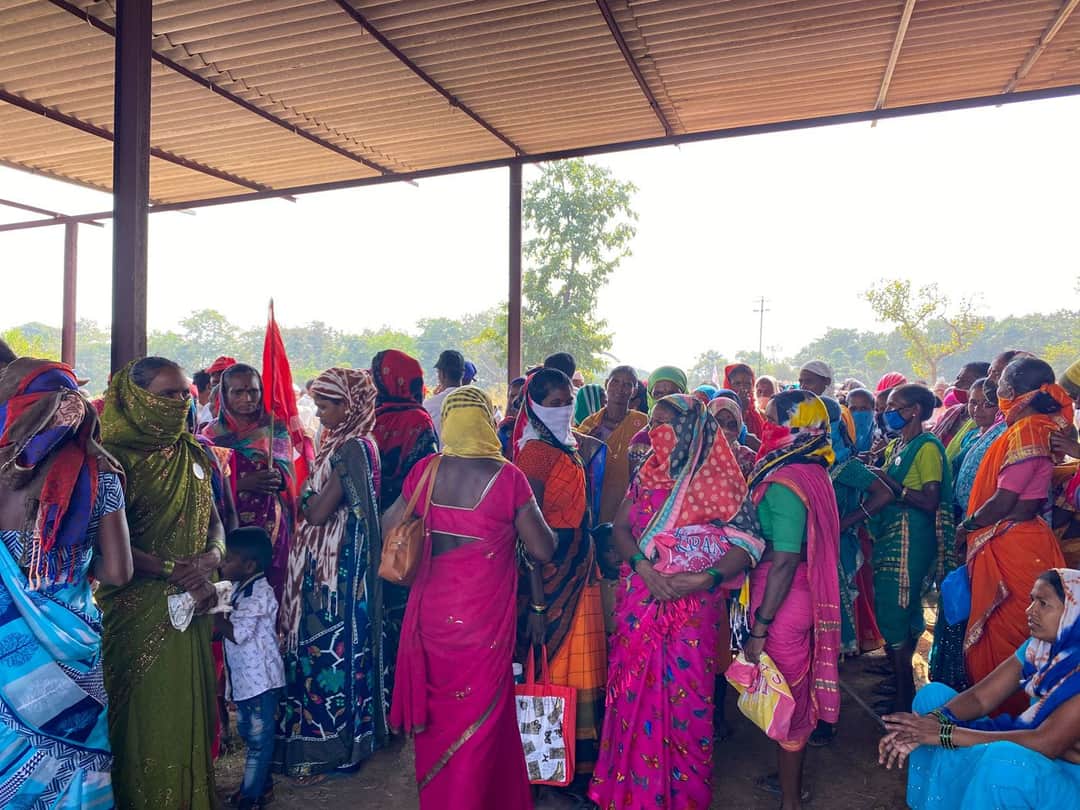
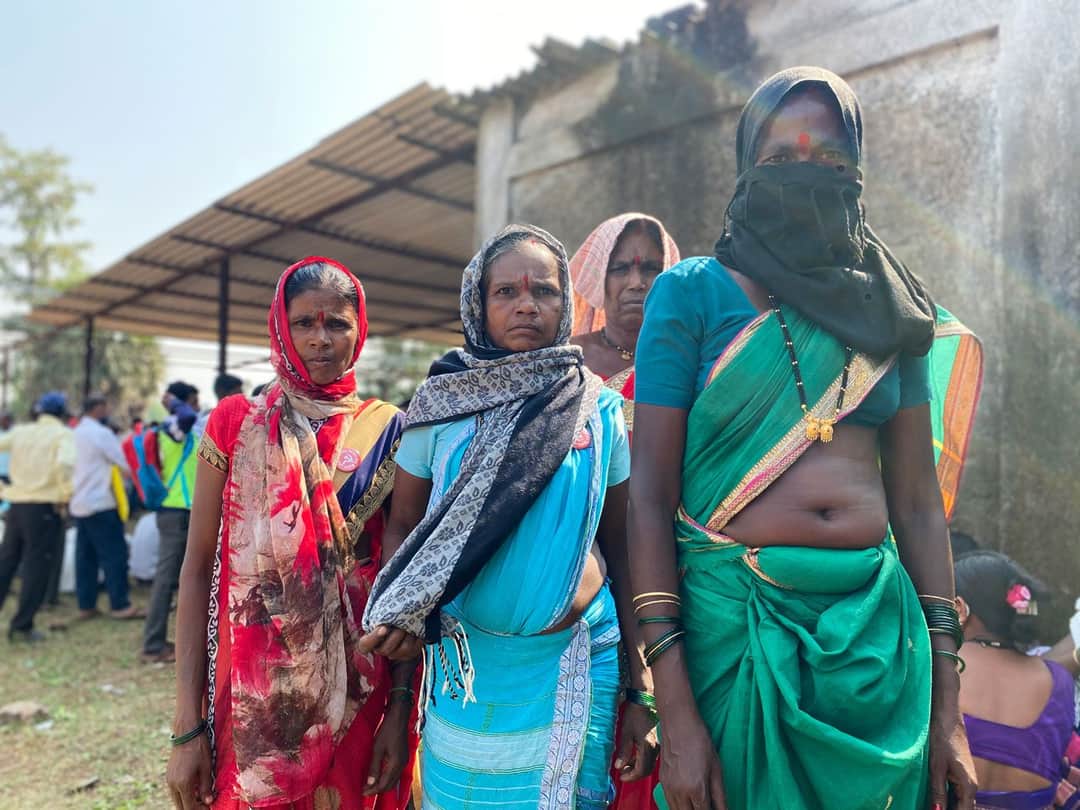
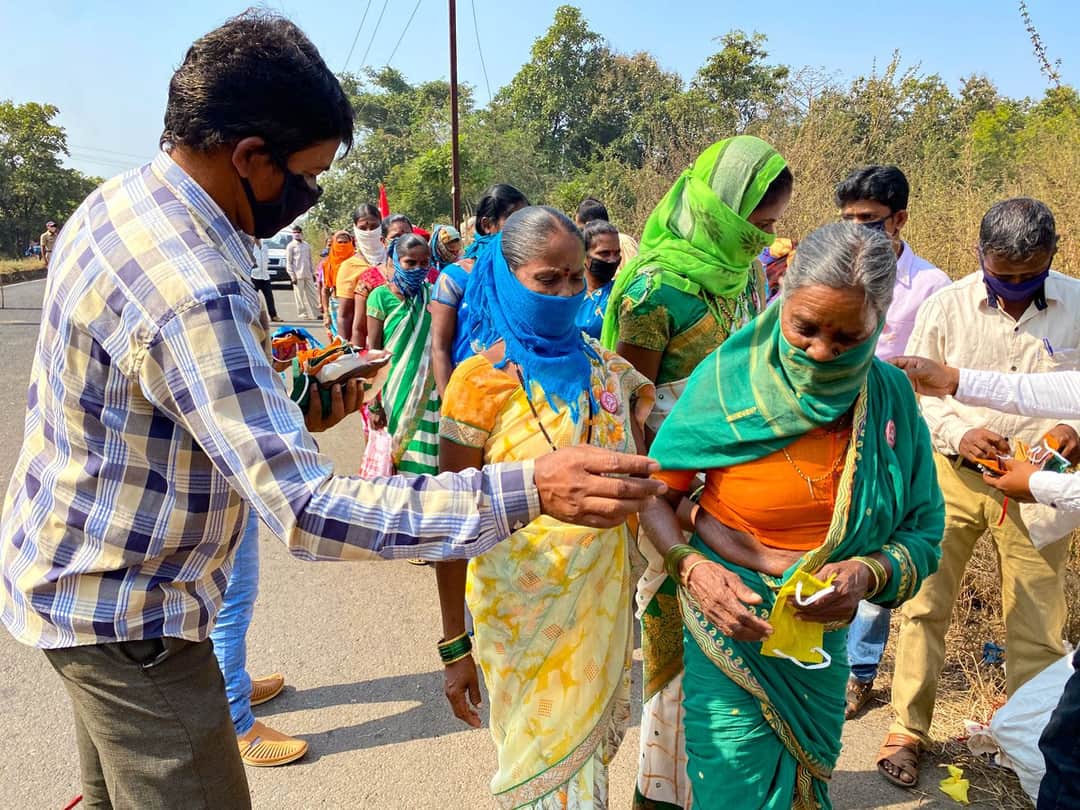
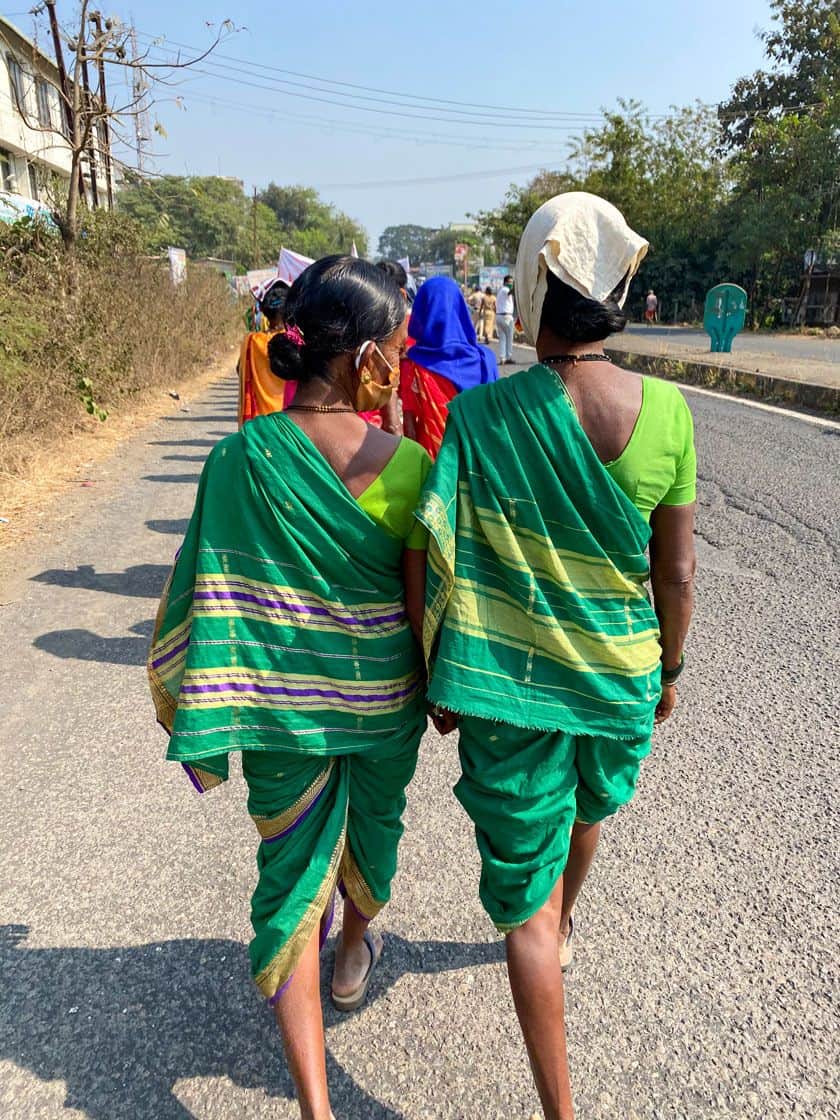
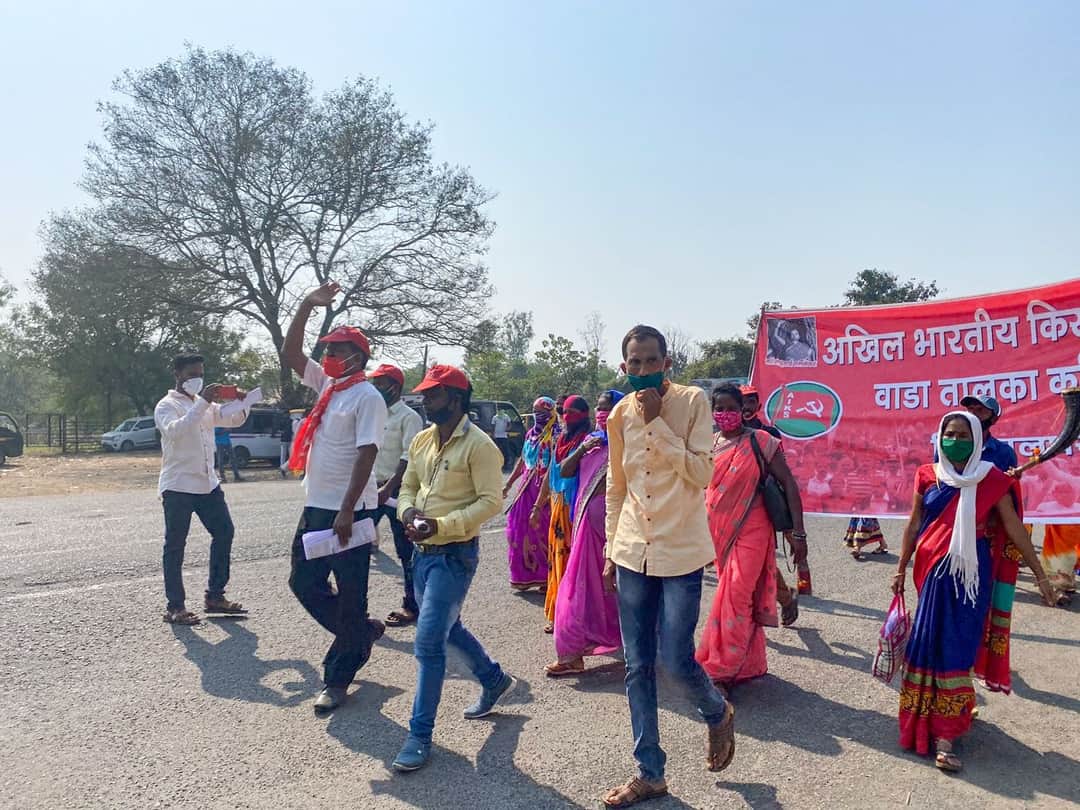
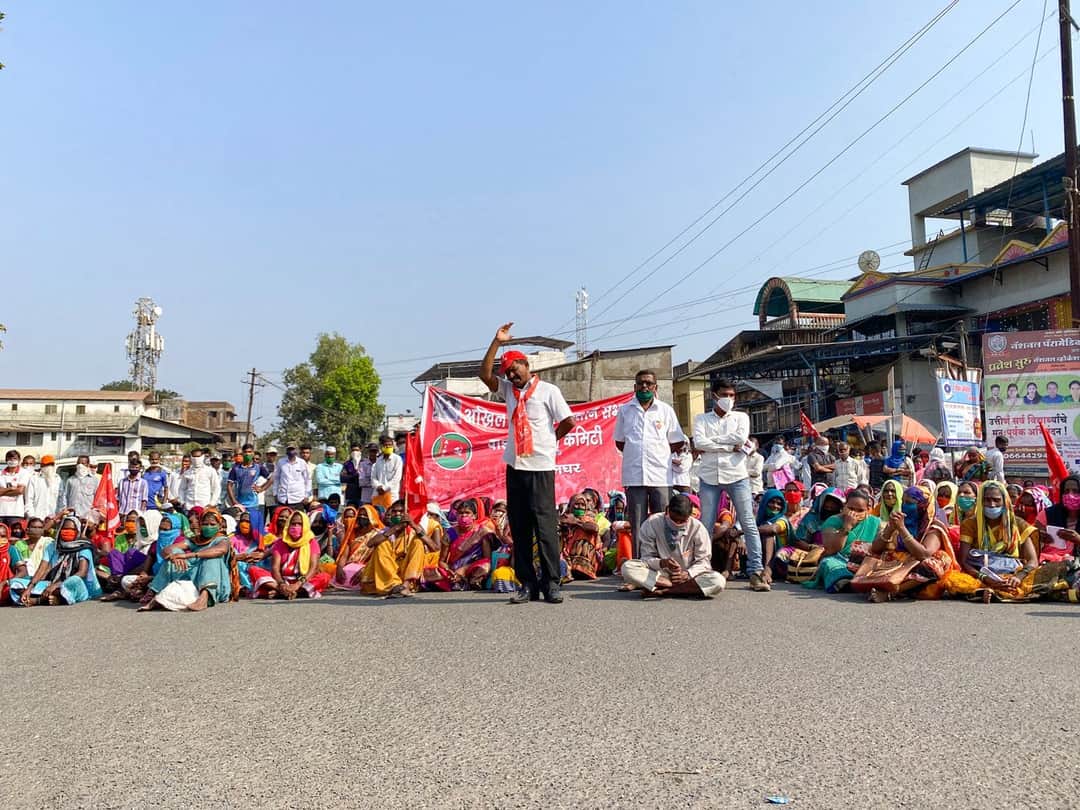
Valavi, 61, who is from the Warli Adivasi community and cultivates three acres in a hamlet of Gargaon village in Wada taluka of Palghar district, was at a protest this week along with (an estimated) 3,000 farmers and agricultural labourers from various villages of Palghar, many from the Warli community.
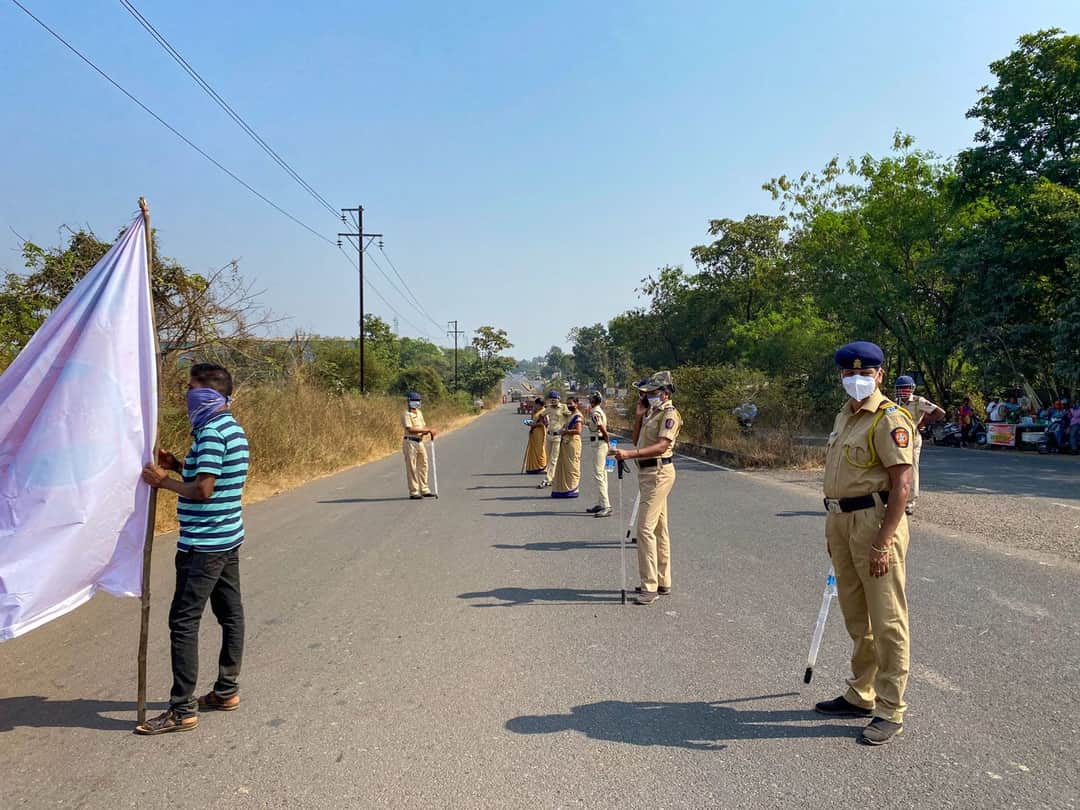
Together, on November 26, they staged a rasta roko at Khandeshwari Naka in Wada against the three new farm laws passed on September 27, "aimed at the transformation of agriculture in the country and raising farmers’ income.” These, the government claims, will open up the agricultural sector to private investors and global markets. The passing of these laws has since September led to widespread protests by farmers – especially in Haryana, Punjab and western Uttar Pradesh.
With all the attention on the pitched battles farmers have fought on the Haryana and Delhi borders in recent days, the protests by their counterparts in many states – in solidarity with their demands, as well as adding on some local ones too – have received little media attention. In Maharashtra, for instance, at least 60,000 people participated in a series of protest actions on November 25-26 across the state – from Nashik to Palghar to Raigad. Even within these districts, the protests have been dispersed across many centres in different talukas.
In Wada this week, Valavi’s pressing concern – land titles – was among the demands at the rally, which was organised by the All India Kisan Sabha (AIKS). It’s a demand that has recurred at several protests by Adivasi farmers in Maharashtra for some years now. Valavi has been doing the rounds of courts for 15 years to get the title for his plot. “In [our] villages, those who cultivate forest land have faced injustice by the forest department,” he said. “We have to fight these cases in court. We don't have money to pay for our bail. Where will we poor people bring that kind of money from?”