
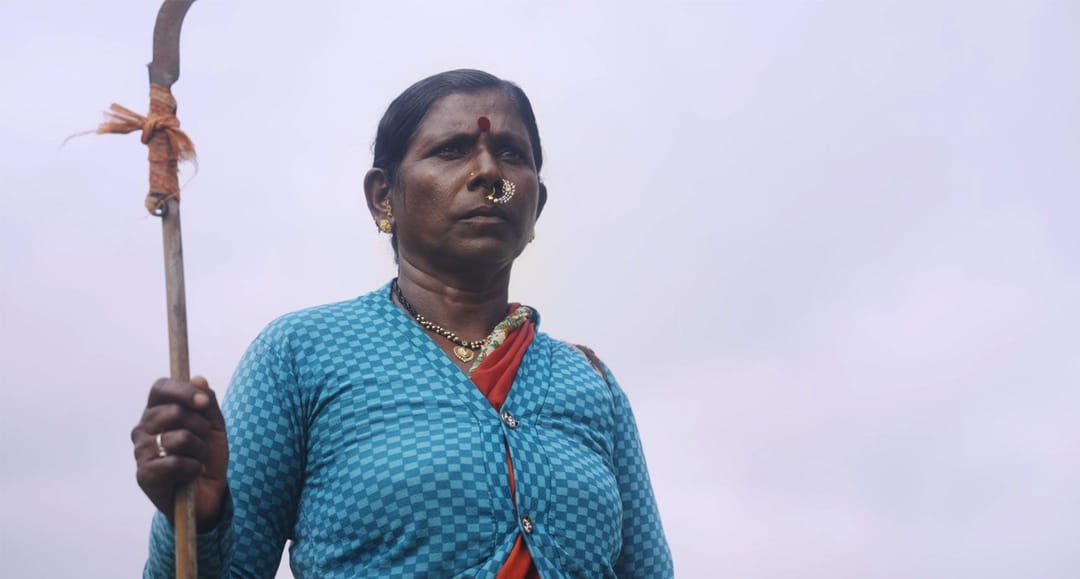
“We had forgotten our Adivasi food,” says Chanda Ghodam, a resident of Yavatmal.
In rural India, more than 75 per cent of women work in agriculture. But very few own land or livestock or can exercise rights over natural resources. Women are central to food production and biodiversity protection, yet social structures do not recognise them as farmers in their own right.
In Maharashtra's drought prone and farm-suicide affected regions of Marathwada and Vidarbha, despite all odds, women farmers like Chanda and others are leading a silent revolution in agriculture and getting back to their traditional food.
“I tell other women that everything can grow in our land,” Chanda says with a smile.