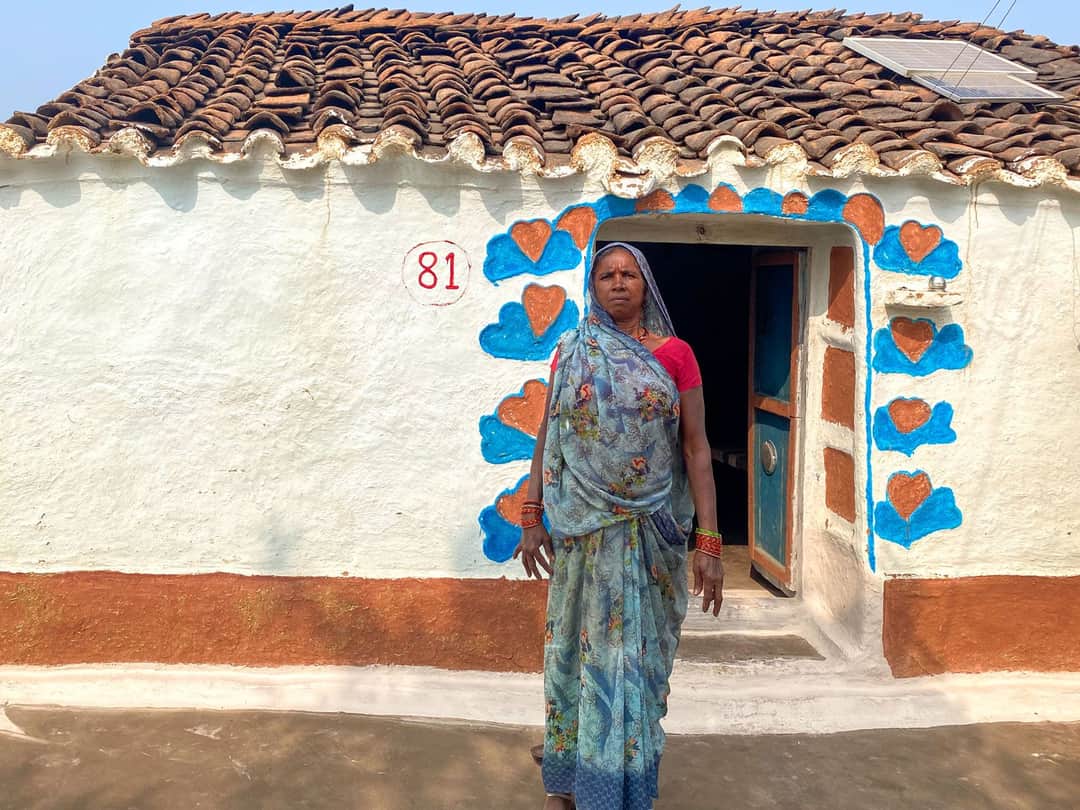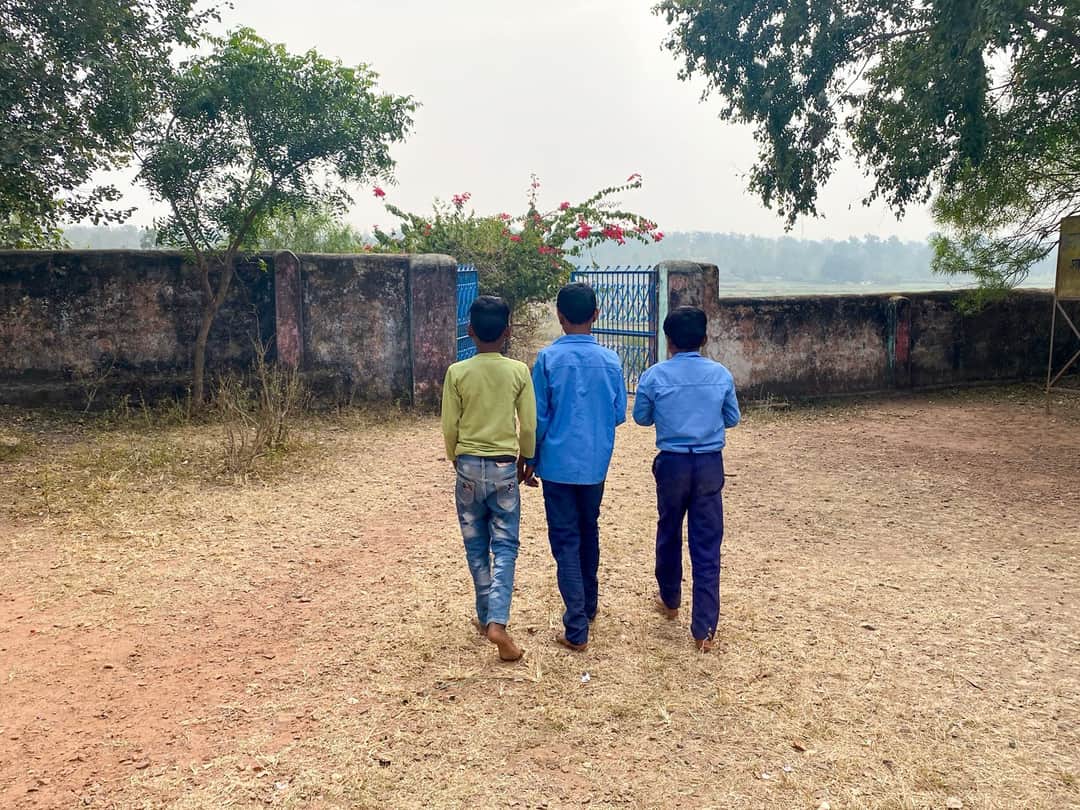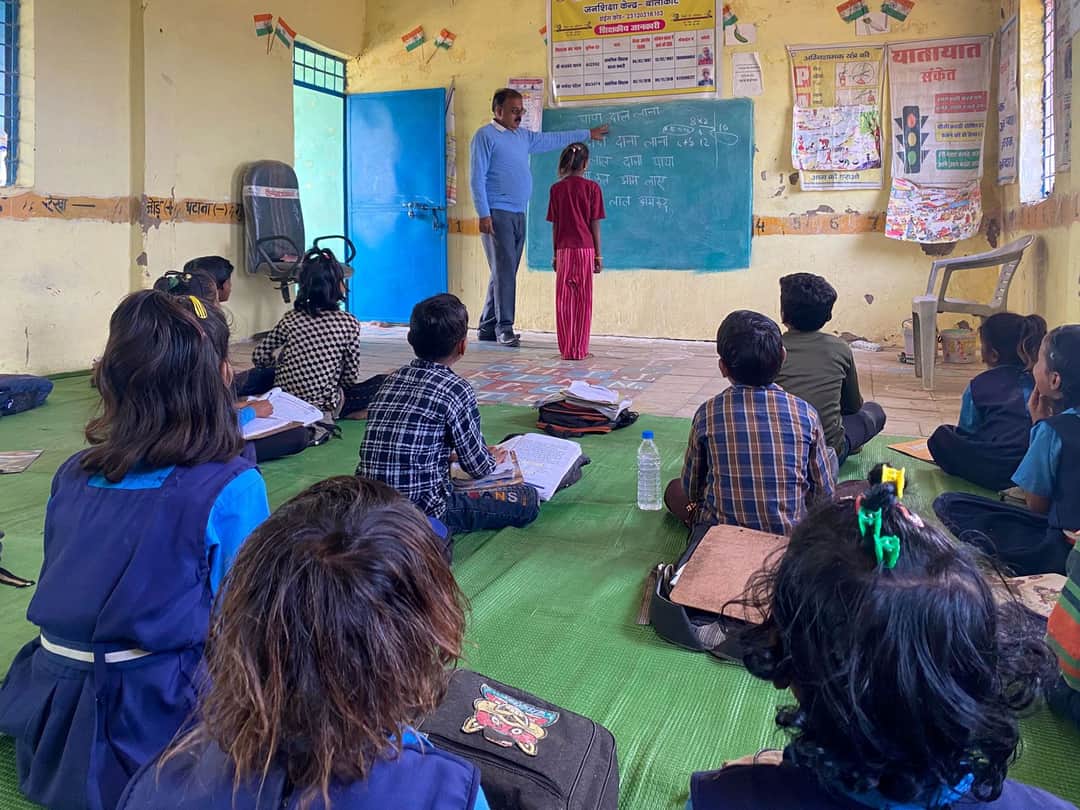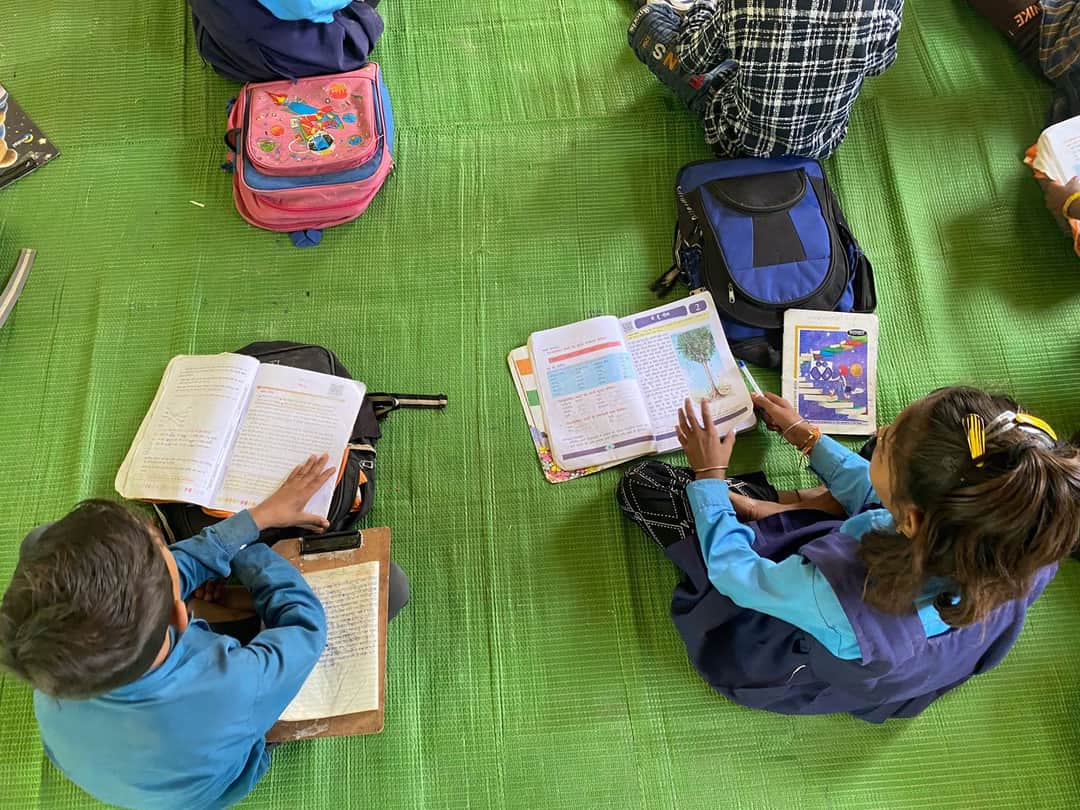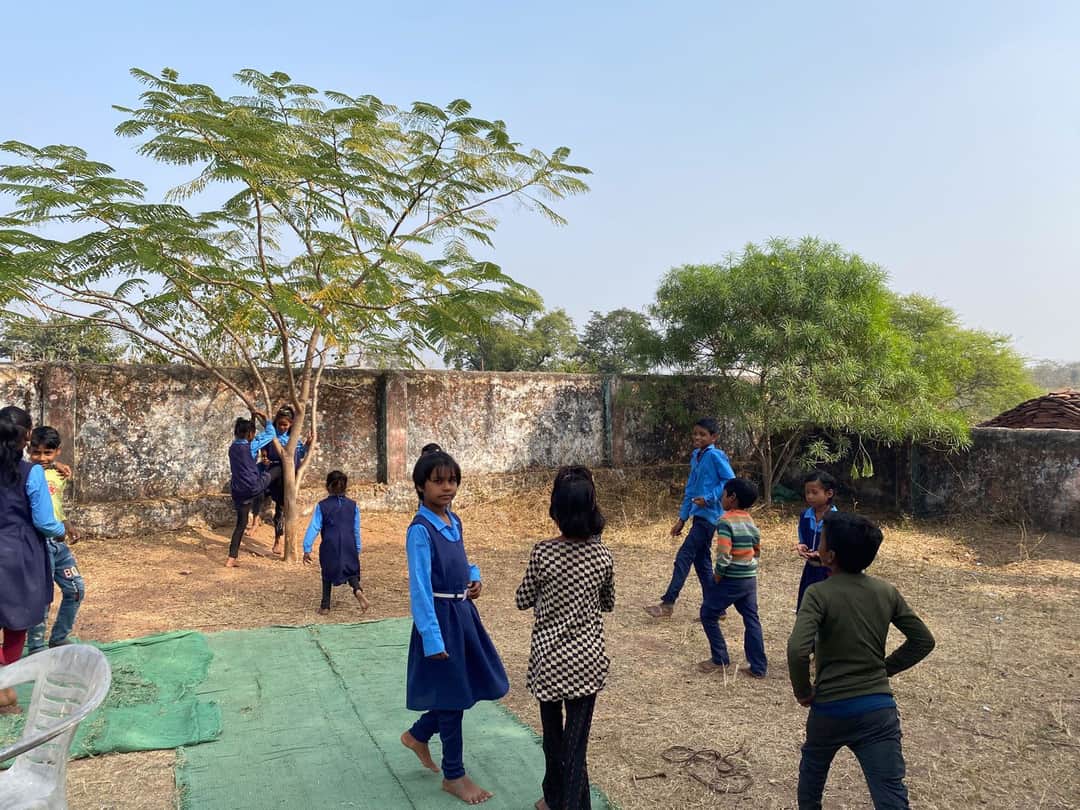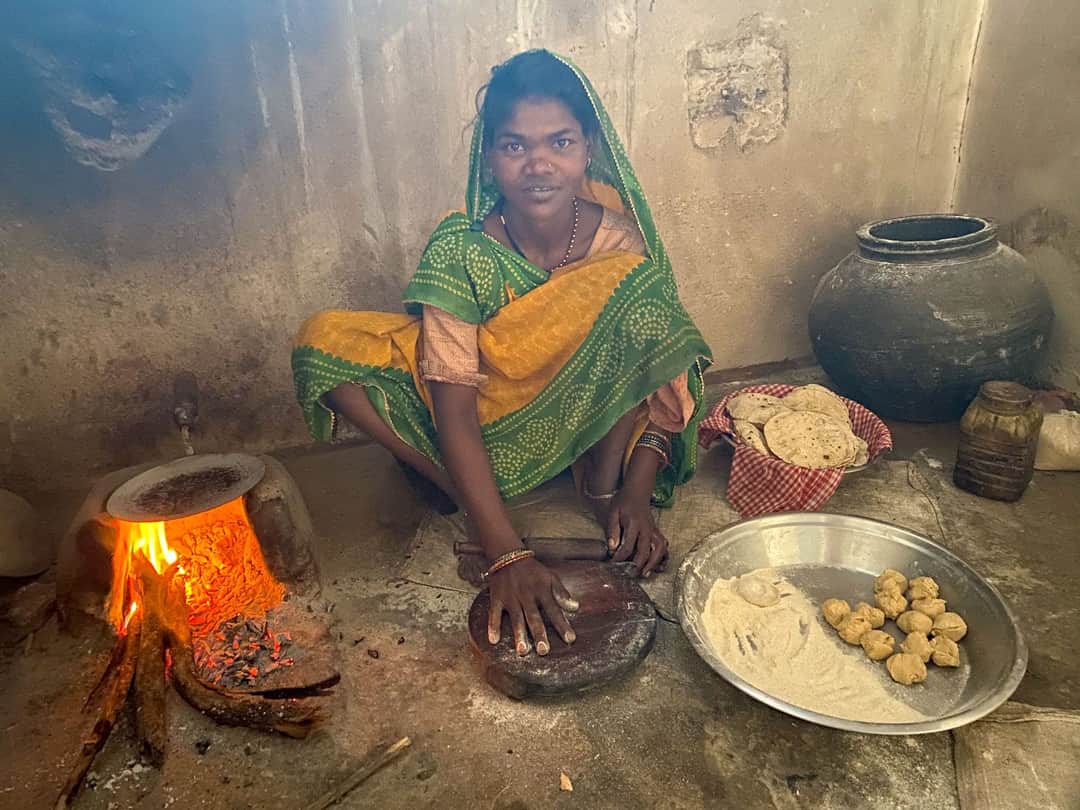

In her fifties, Ashok Rani Gond has never been to school, but her nine-year-old grandson won’t miss a day, she says laughing. “Ek bhi din nahin chhoda [not even a single day has he missed,]” she tells PARI.
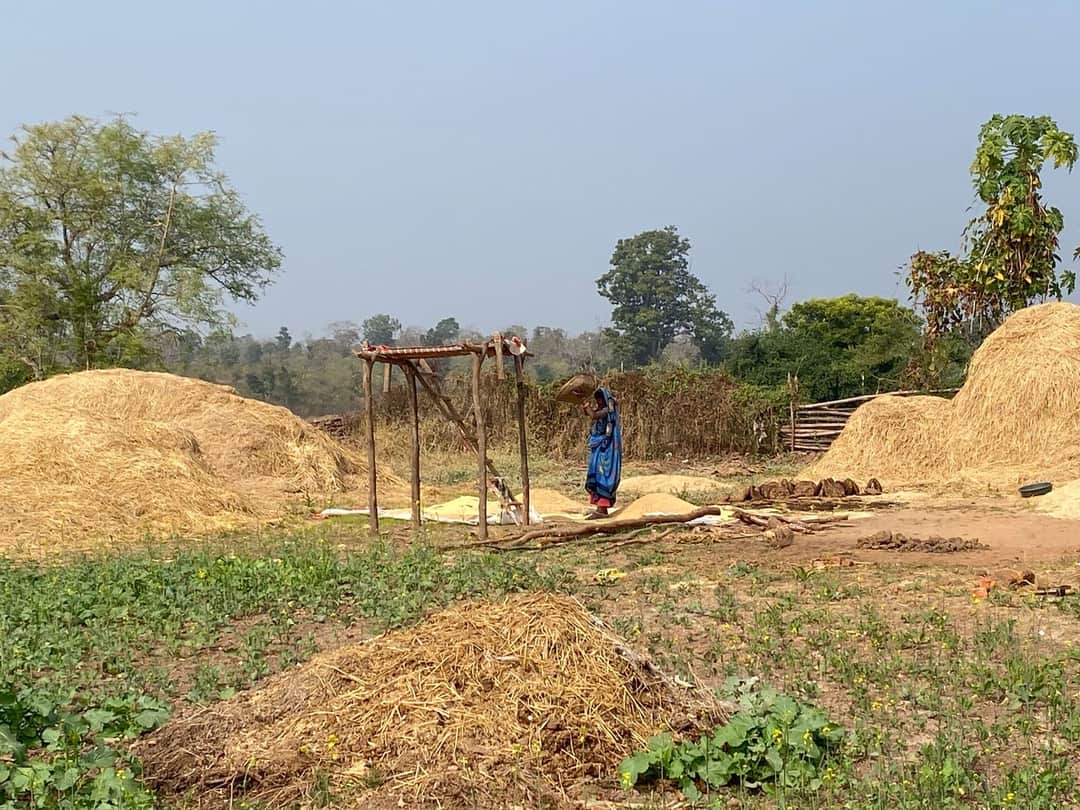
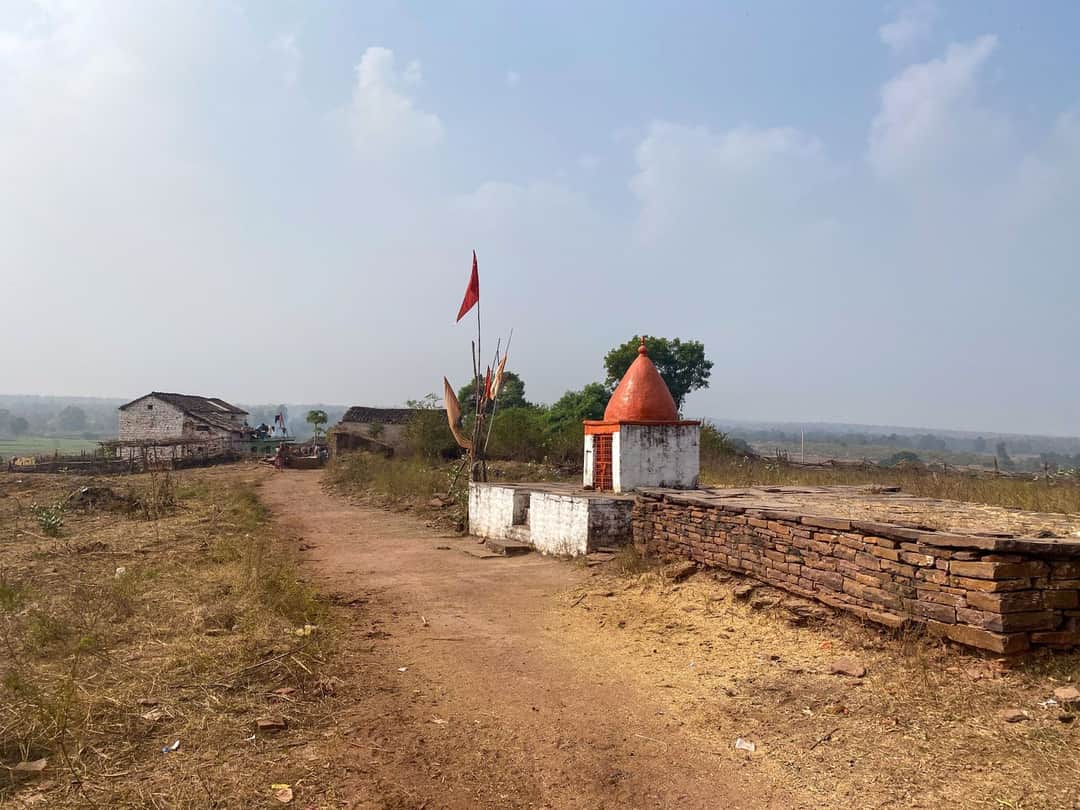
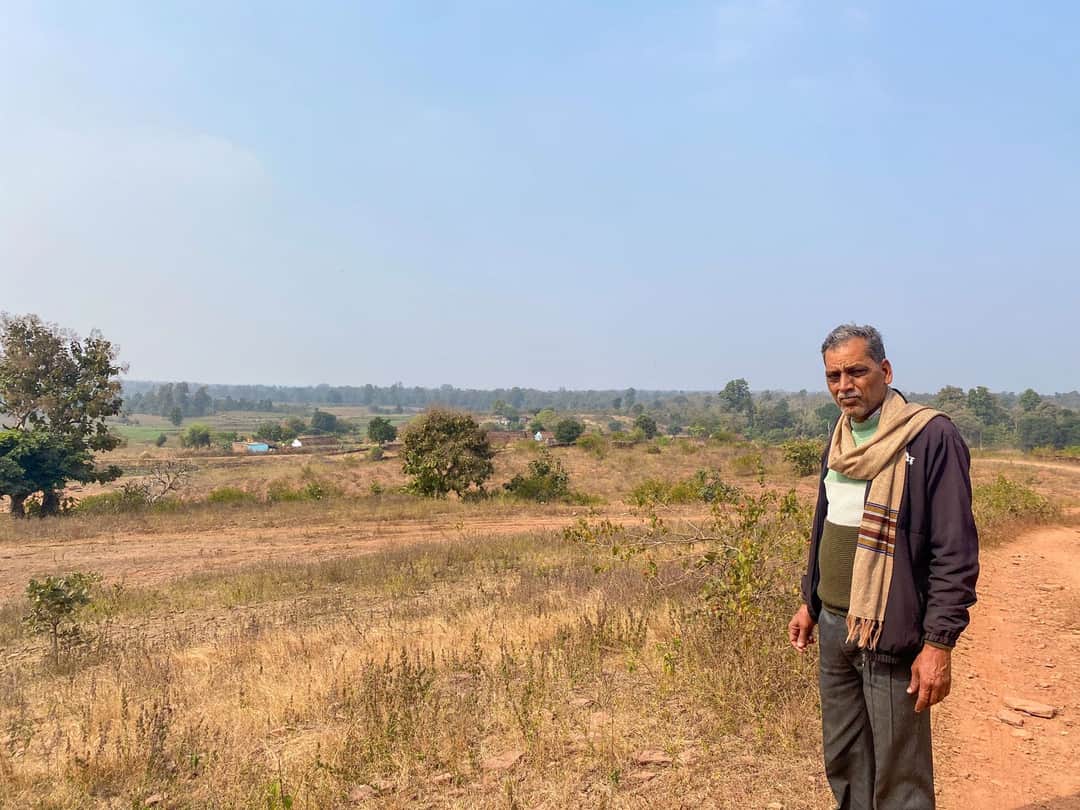
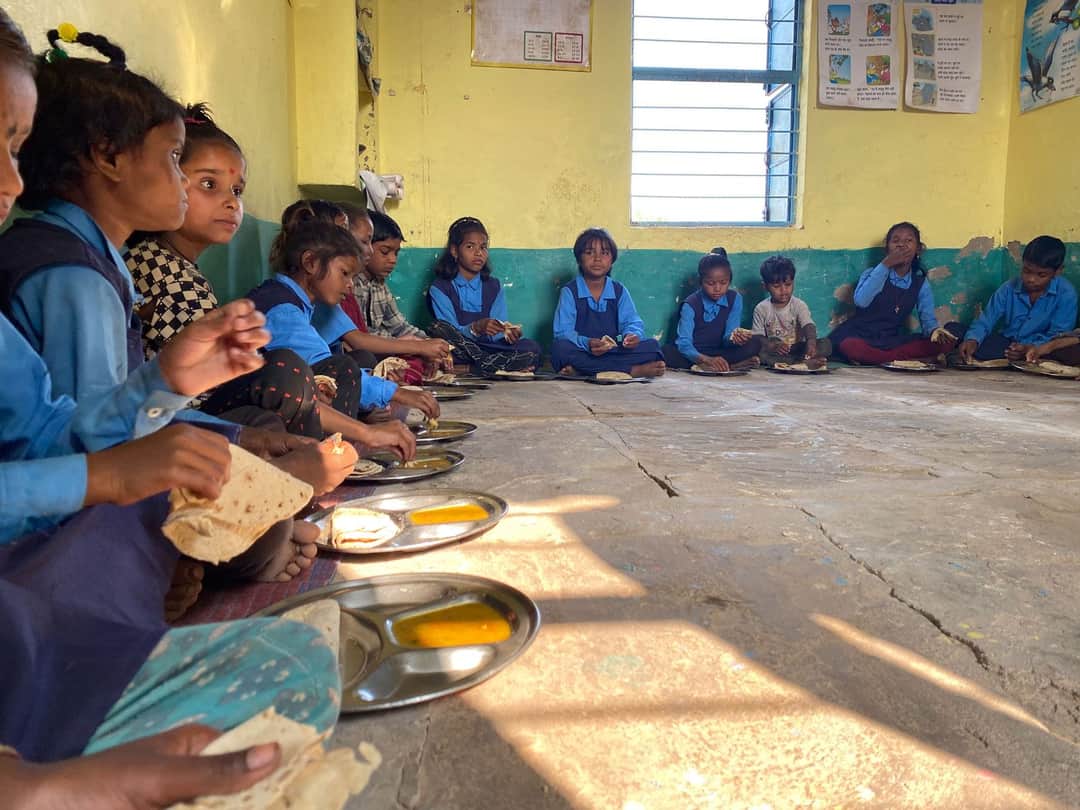
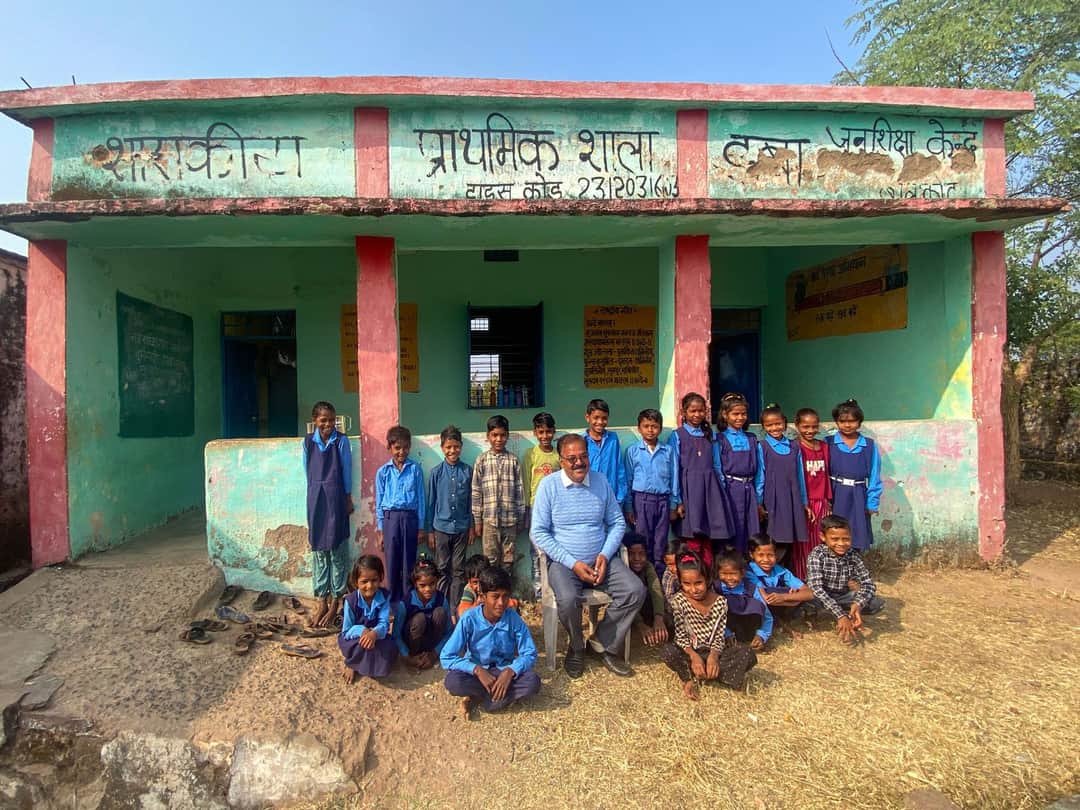
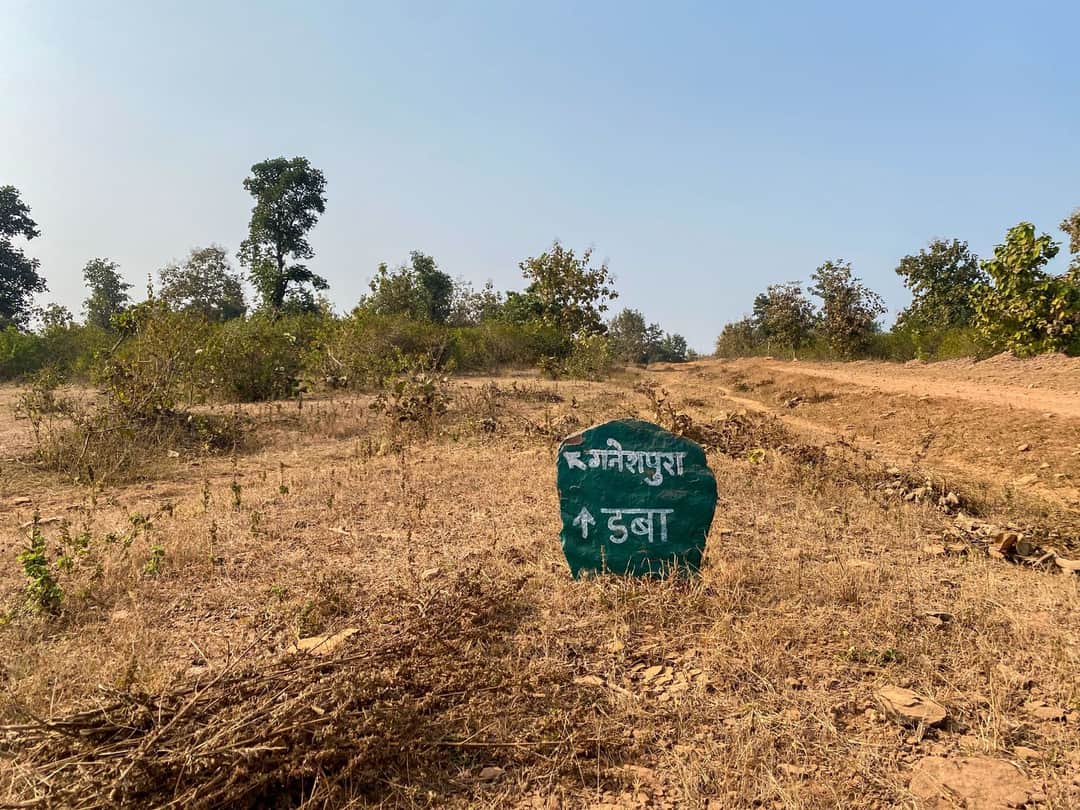
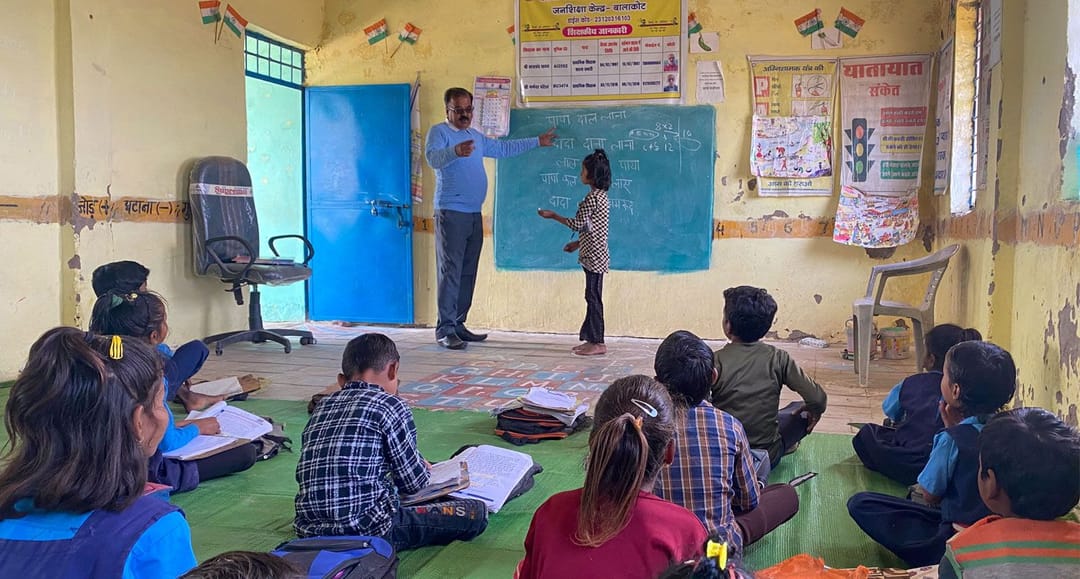
Her grandson is one of the 39 children enrolled at Daba’s primary school. This village of roughly 500 people (Census 2011) lies in a corner of Damoh district, surrounded by low hills, open grassland and patches of agricultural land. Most families – mainly Gond Adivasis – practice a little agriculture and keep cattle.
Many adults have never been to school - 50 per cent of Gond Adivasis are not literate, says this 2013 report.
So Daba school has always had some reluctant scholars and their numbers change with the season: those missing school will swell in number when work dries up and families migrate taking the young ones with them. But some just prefer to stay home to play around the house – climbing mango, guava and other trees is infinitely more attractive for any 6 to 9-year olds.
One of the two teachers at the school – he was born and grew up here – Tarachand Yadav has a strategy for these hesitant scholars. He waits a day or two, and then walks over to the truant’s home armed with a few chocolates. “I first talk to the parents, requesting them to send their children,” he says. “They tell me, ‘Master, we leave early in the morning for wage labour…what are we to do?’”