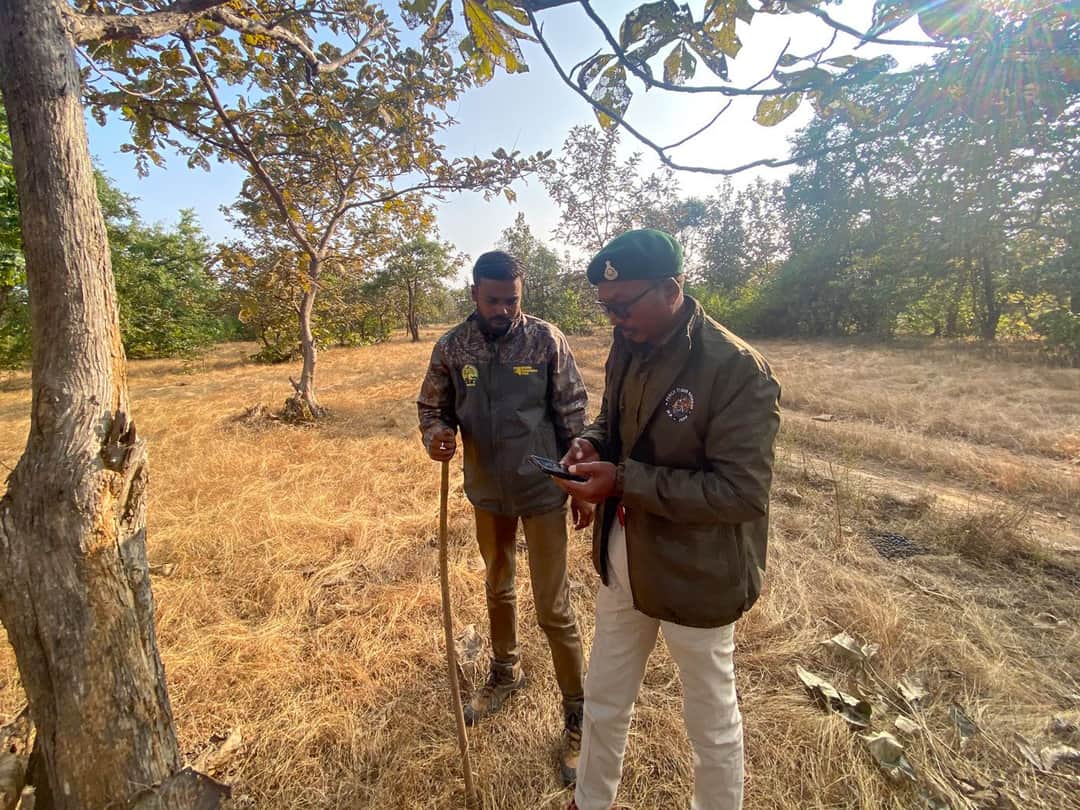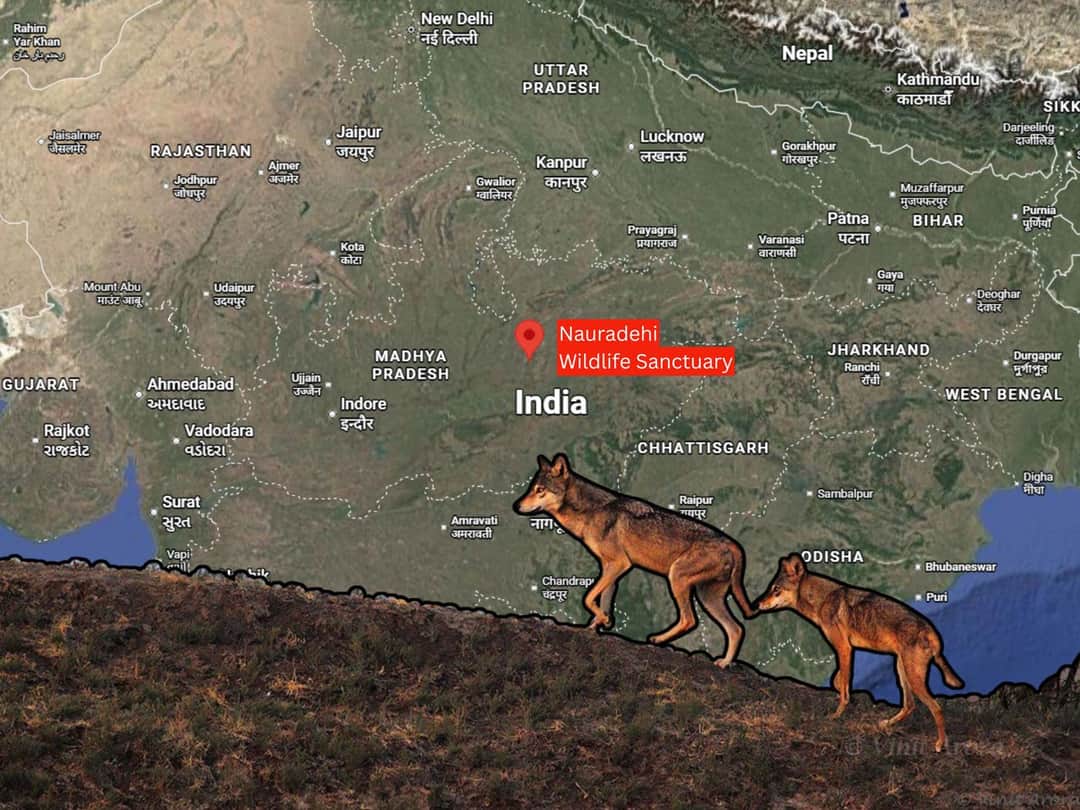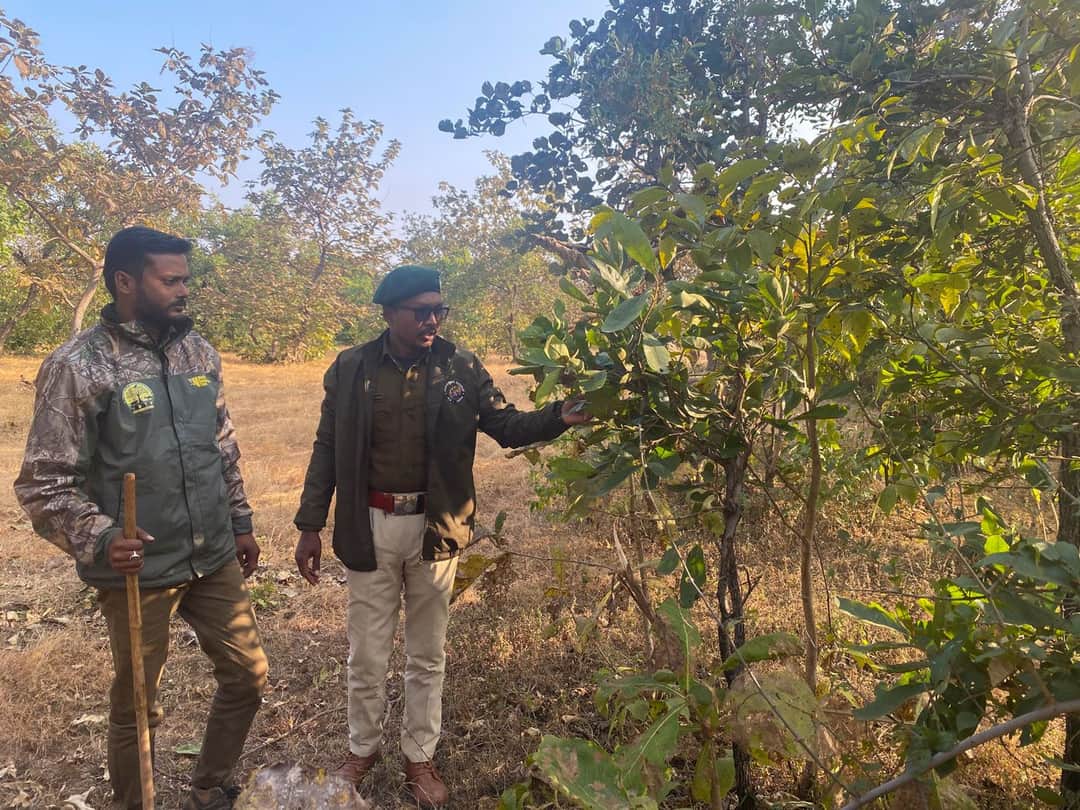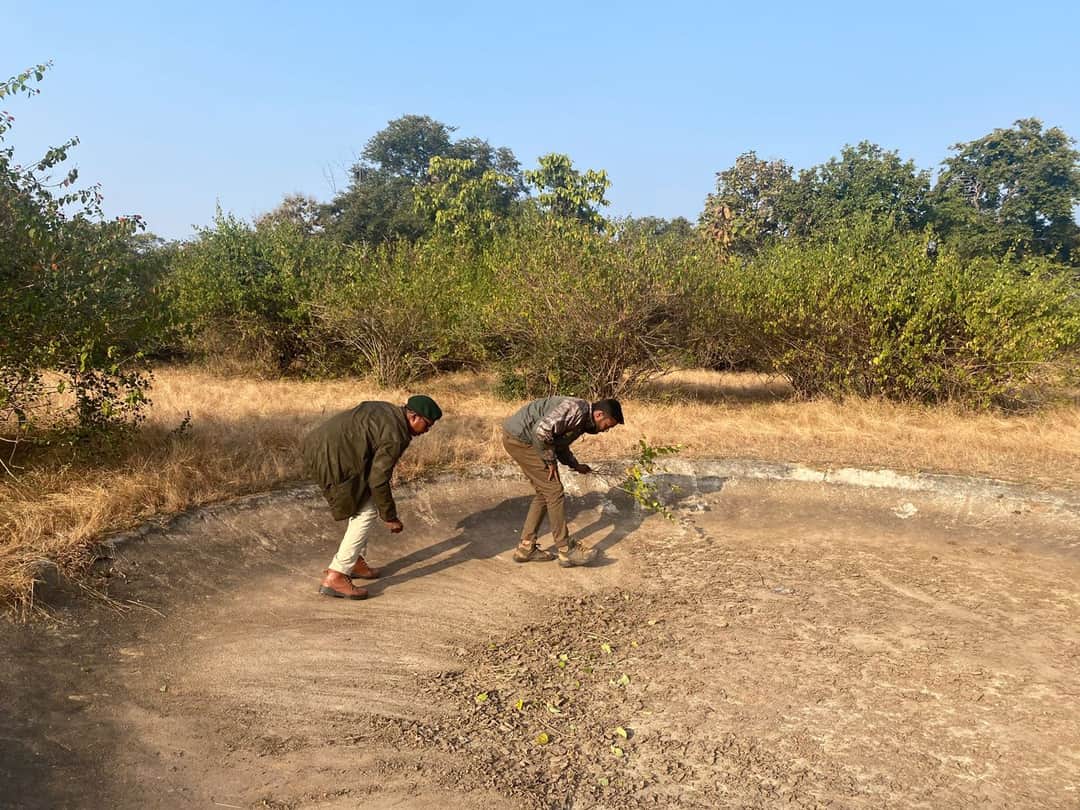

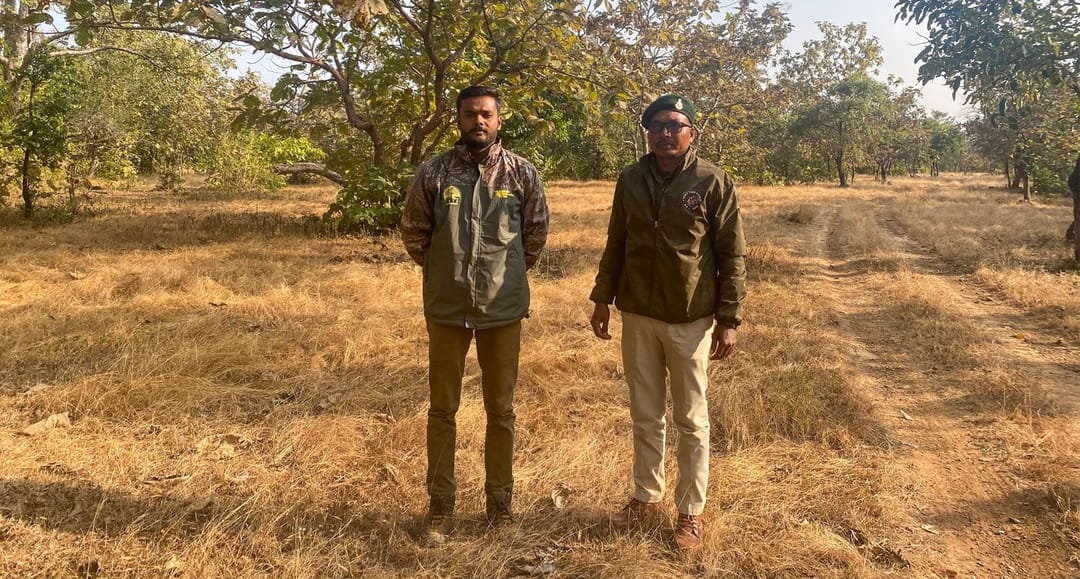
In his 13 years as a van rakshak (forest guard) in Nauradehi wildlife sanctuary, Tarachand Gond has seen more tigers than Indian Grey Wolves. His eyes twinkling through his shades, the 34-year-old is amused at the irony.
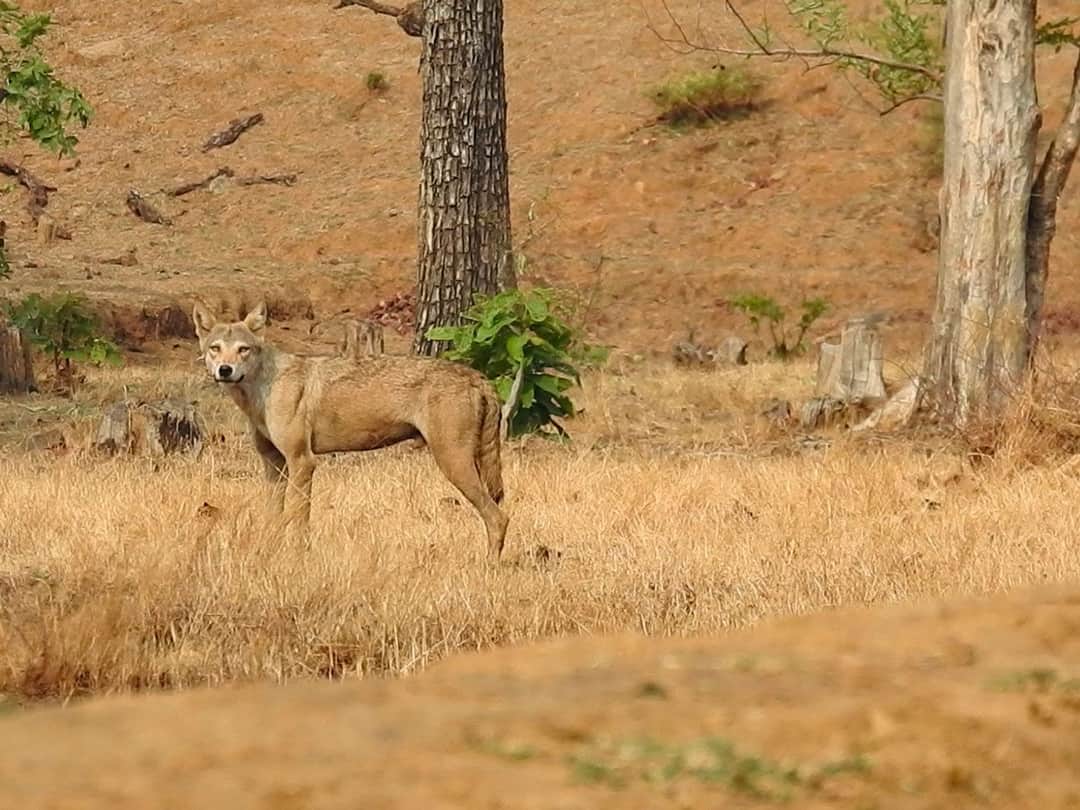
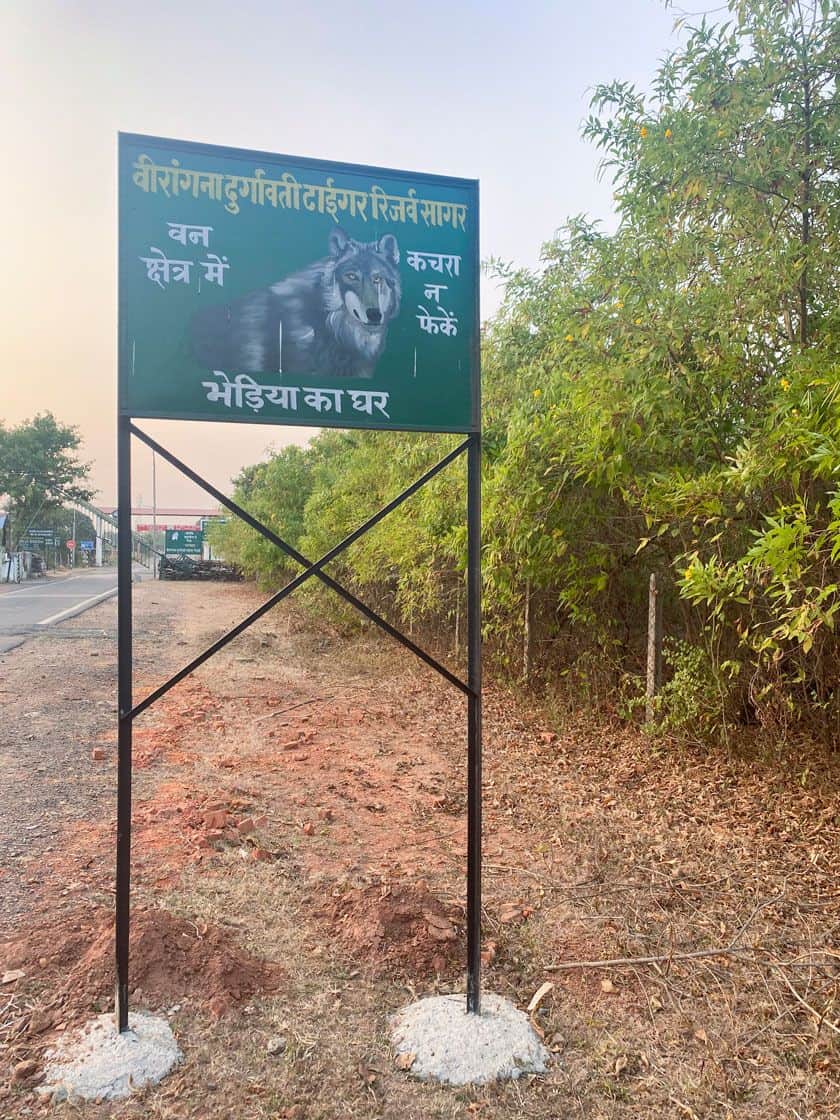
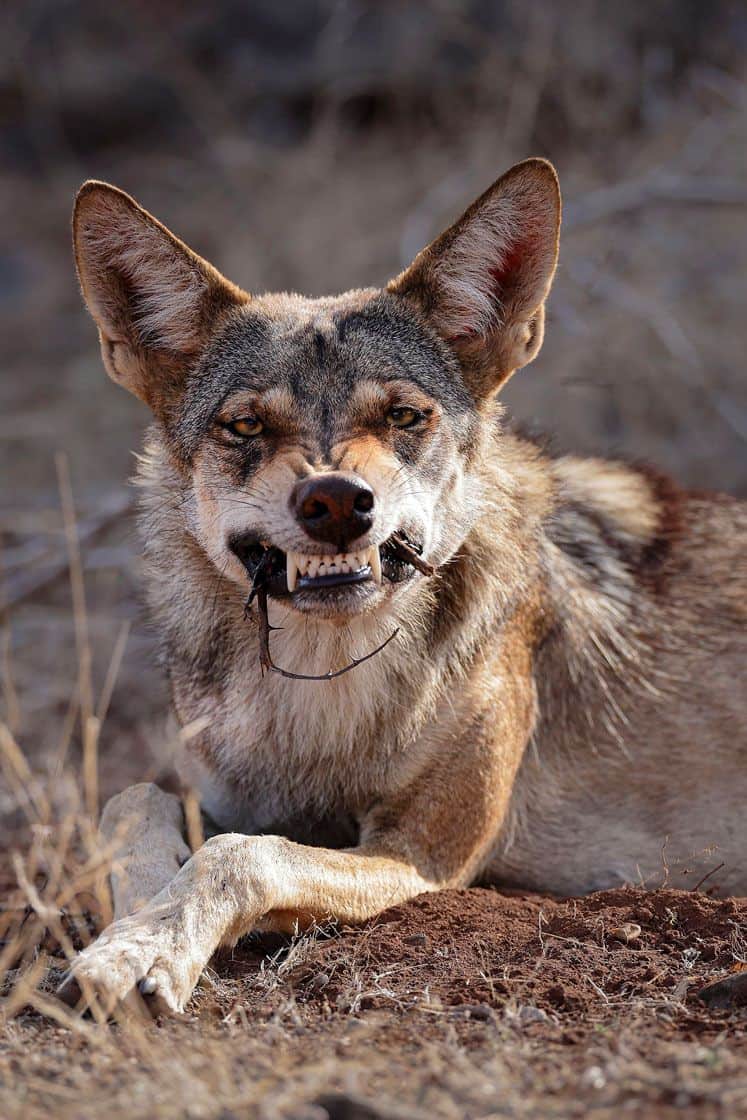
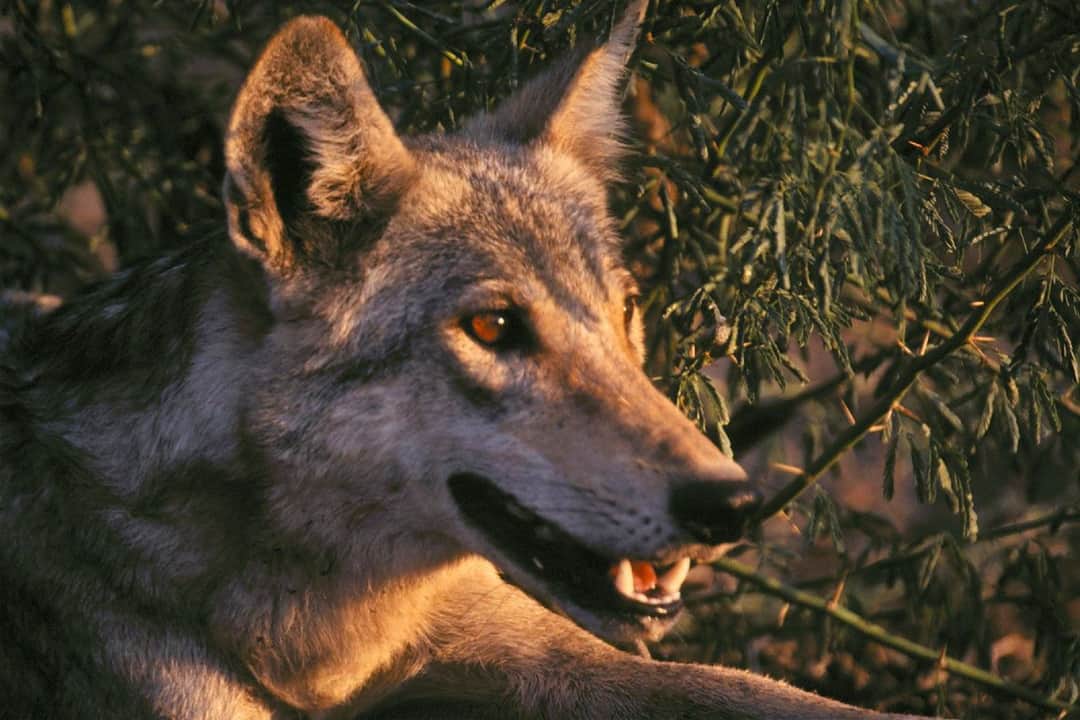
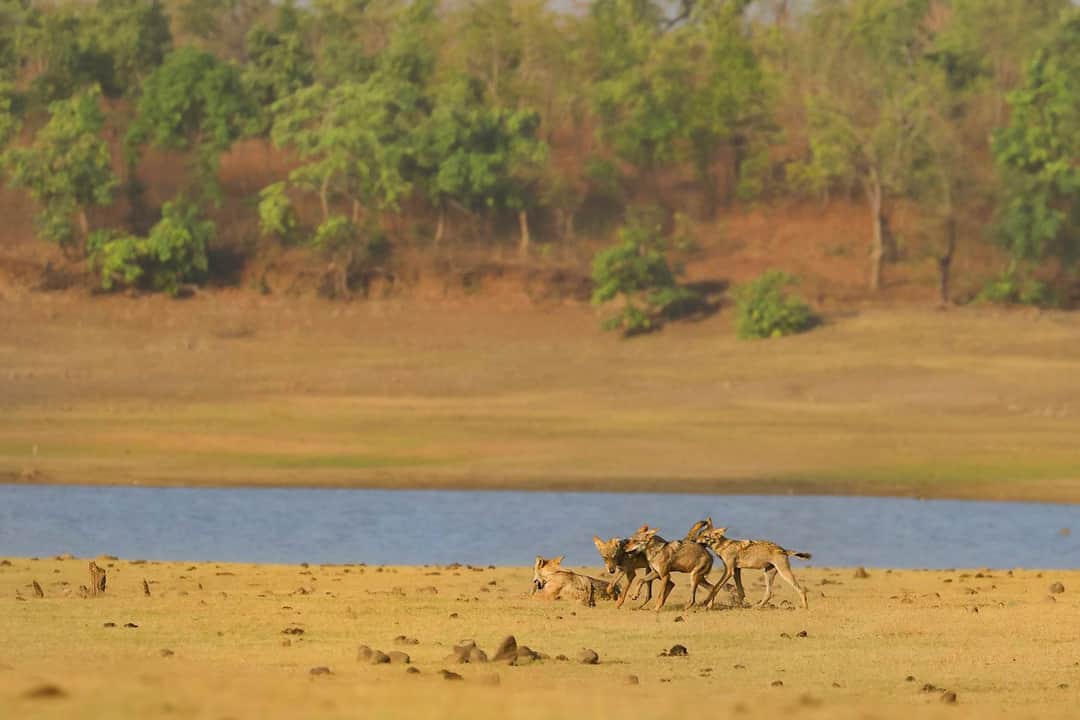
Amused because he is speaking in India’s oldest park dedicated to the endangered wolf; tigers were only brought in as recently as 2018. But the Indian Grey Wolf (Canis lupus pallipes) – an ancient lineage of wolves endemic to the Indian subcontinent – is a tough one to spot. There are just over 3,000 grey wolves in the country – fewer than the 3,682 tigers counted in 2022.
Tarachand’s first sighting of the grey wolf is something he has never forgotten: “I first saw the bhediya [wolf] two years after I had been patrolling,” says this Gond Adivasi guard. “I was with a senior ranger in the Bharai circle [of the range] when we saw this animal in the distance. It was running from us. I asked him what it was and he said, ‘this is the bhediya’. This is the animal for whom the sanctuary exists.”
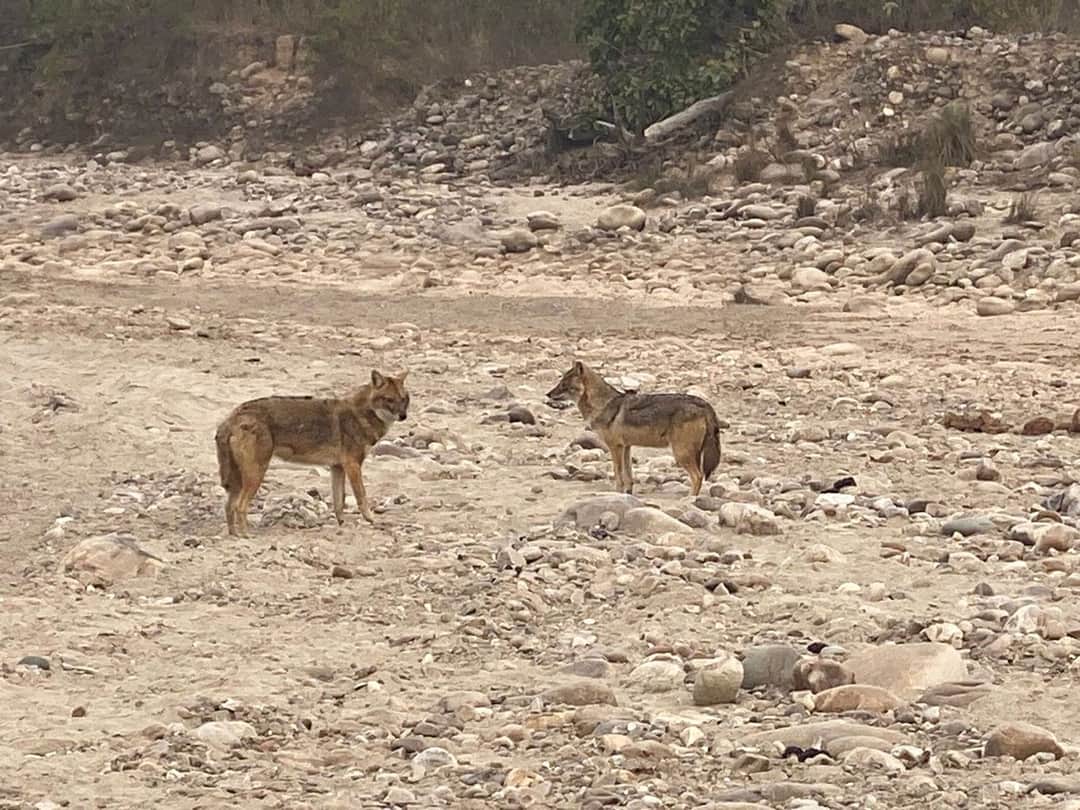
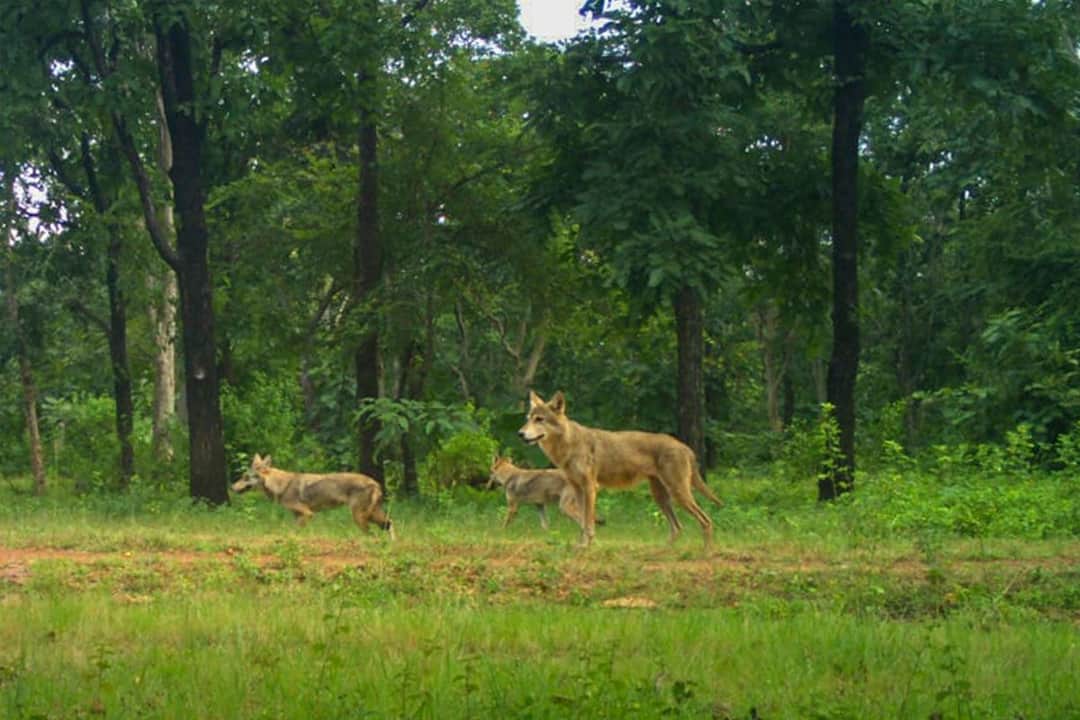
For the longest time, wolves were the primary predators in Nauradehi, lords of this scrub forest, spread across the southern Vindhya hills of Madhya Pradesh. Painfully shy, they have always been difficult to sight and are often confused with jackals. “When you do see them, it’s usually their back or side profile as they run away from you,” says Shubham Raikwar, a suraksha shramik (forest watchman).
With 700 of them, Madhya Pradesh has the largest population of wolves for any state. Yet, “It is very difficult to capture or lay eyes on it. A wolf, I'm telling you, is more clever than a tiger!” says Dr. Aniruddha Majumdar. A wildlife biologist at the State Forest Research Institute, Jabalpur, he is studying their behaviour, leading a four-year project: Ecology of the Indian Wolf and its conservation implications in Nauradehi Wildlife Division.