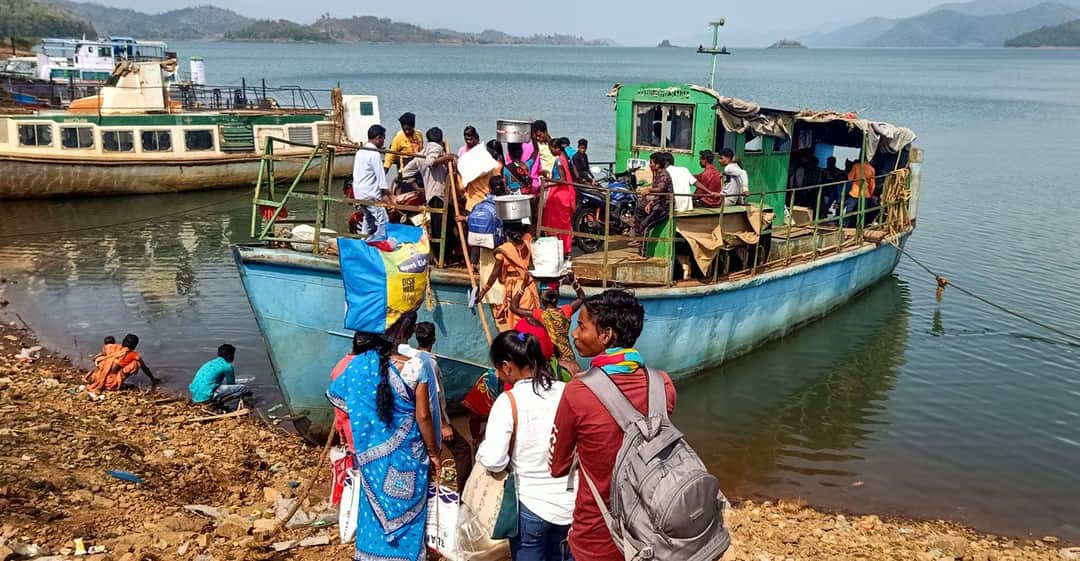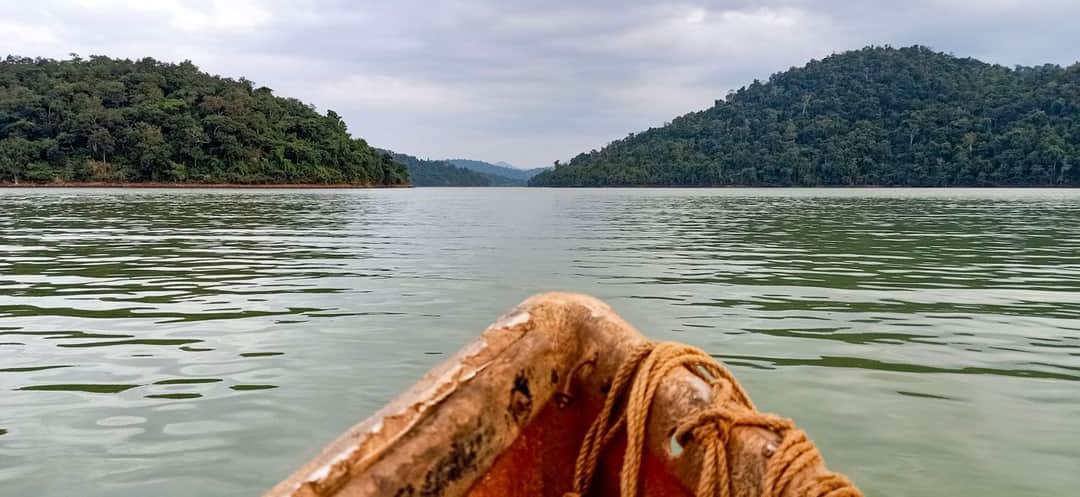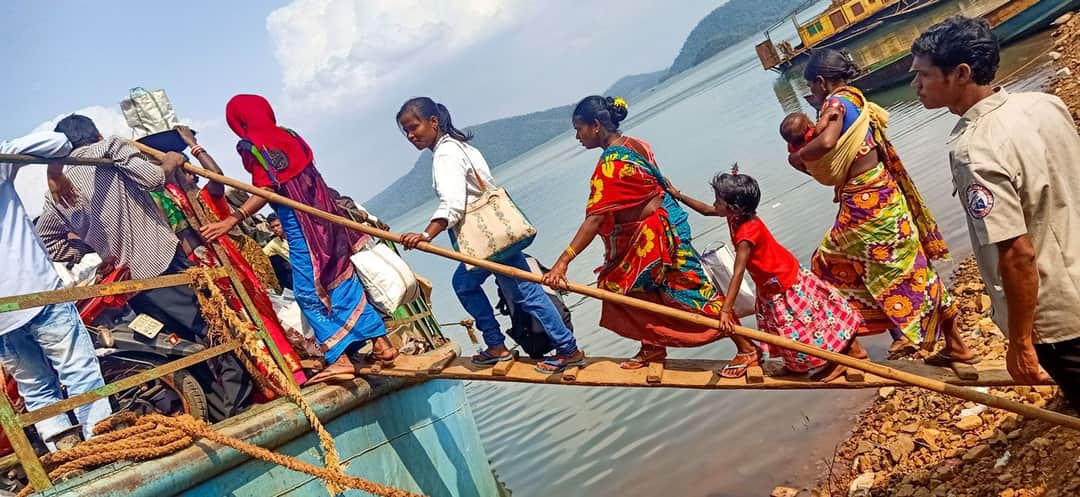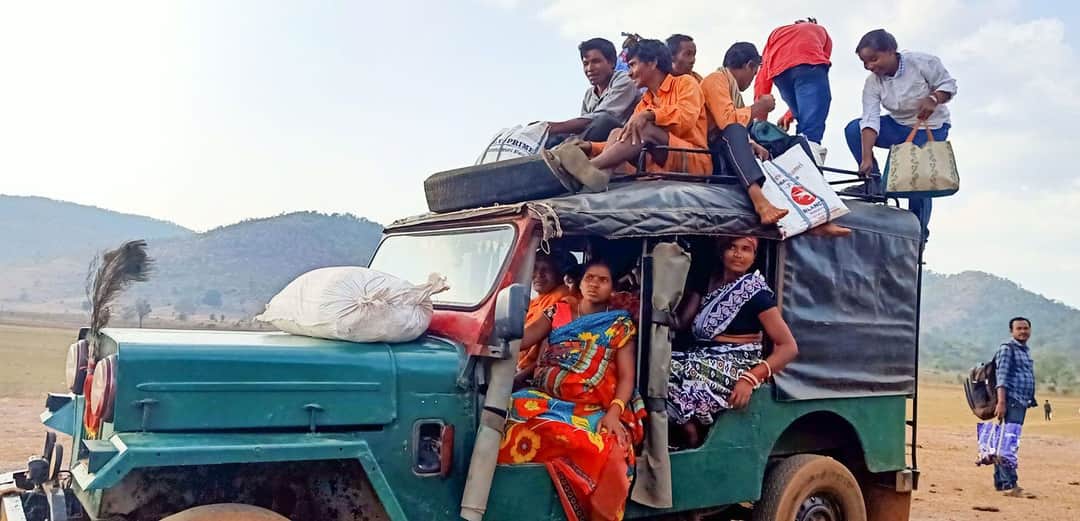

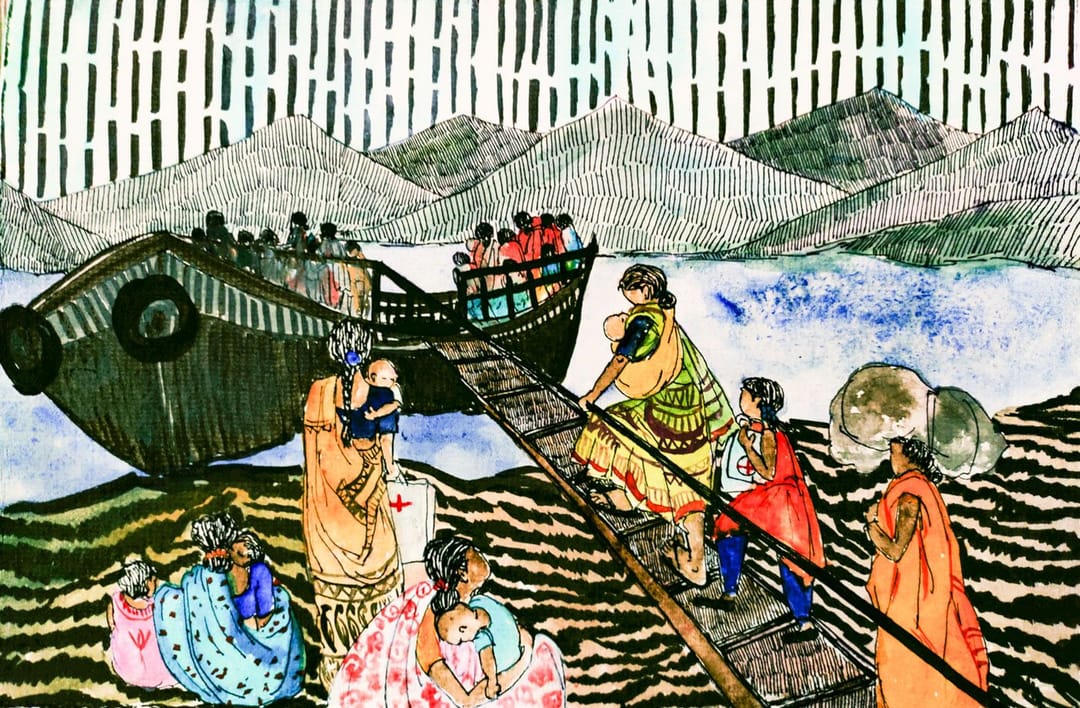
The nearest hope of medical help was a two-hour ride by a boat that runs on the reservoir of a dam. The alternative was traversing a high hill across a partially constructed road.
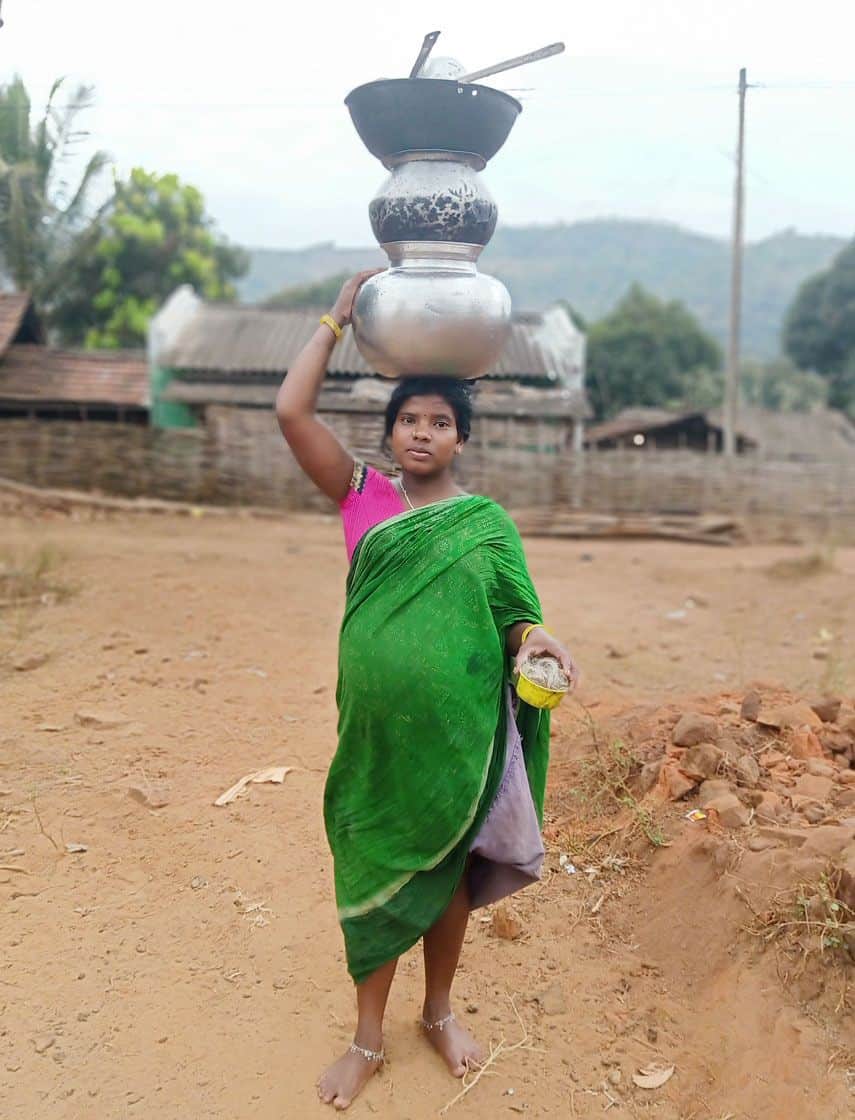
And Praba Golori was nine months pregnant and very close to childbirth.
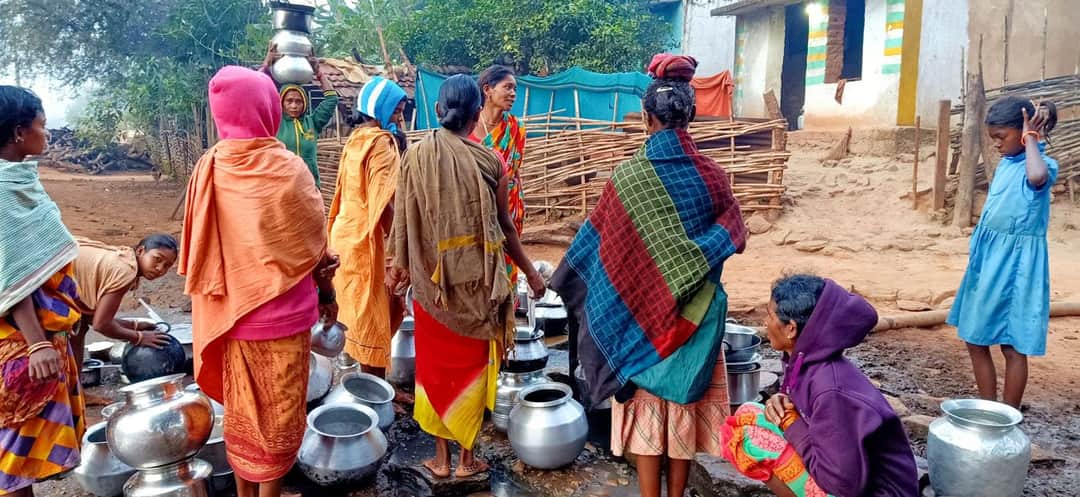
When I reached Kotaguda hamlet around 2 in the afternoon, Praba’s neighbours had gathered around her hut expecting the baby would not make it.
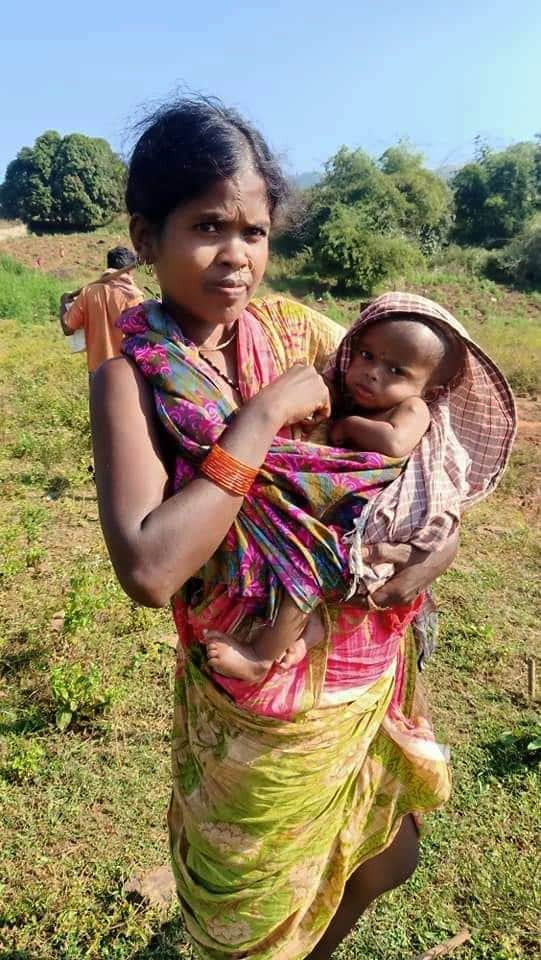
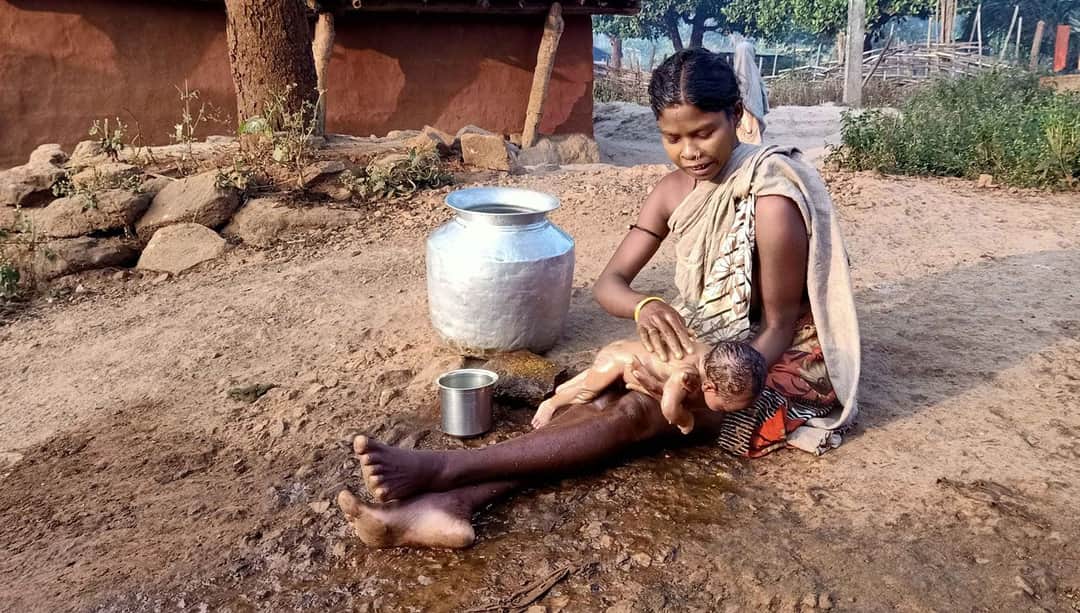
Praba, 35, had lost her first child when he was three months, her daughter is now about six years old. She had delivered them both at home, with the help of local dais, traditional birth attendants, and without much trouble. But this time the dais were hesitant, they had assessed it was going to be a difficult childbirth.
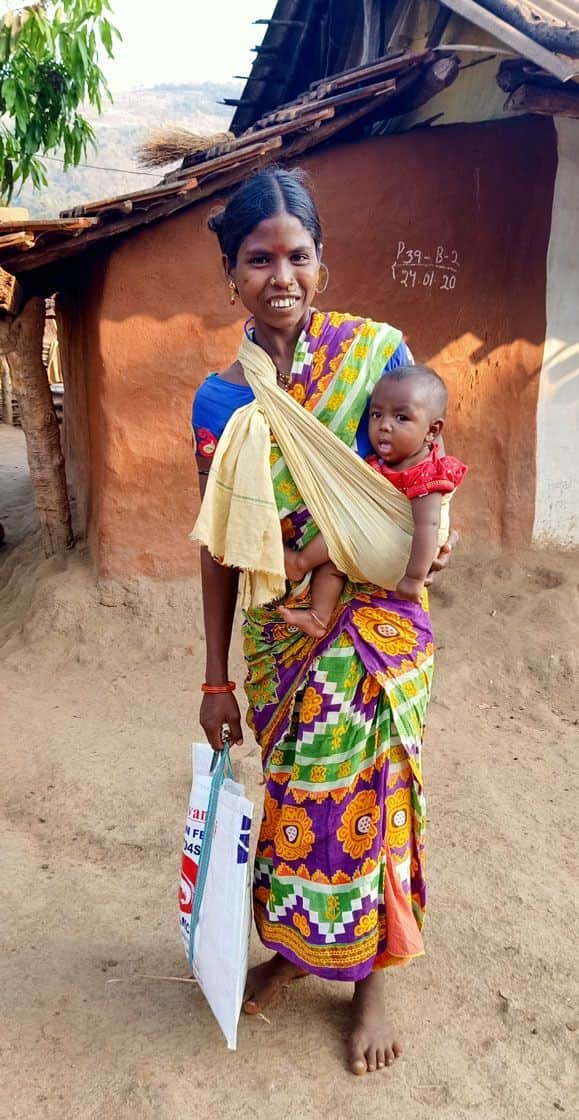
I was in a nearby village that afternoon covering a story when the phone rang. Taking a friend’s motorbike (my usual Scooty cannot manage these hilly roads), I rushed to Kotaguda, a hamlet of barely 60 people in Odisha’s Malkangiri district.
Other than its inaccessibility, the hamlet in Chitrakonda block, like other parts of the Adivasi belt of Central India, has witnessed recurring conflicts between Naxalite militants and the state’s security forces. Roads and other infrastructure in many places here remain poor and sparse.