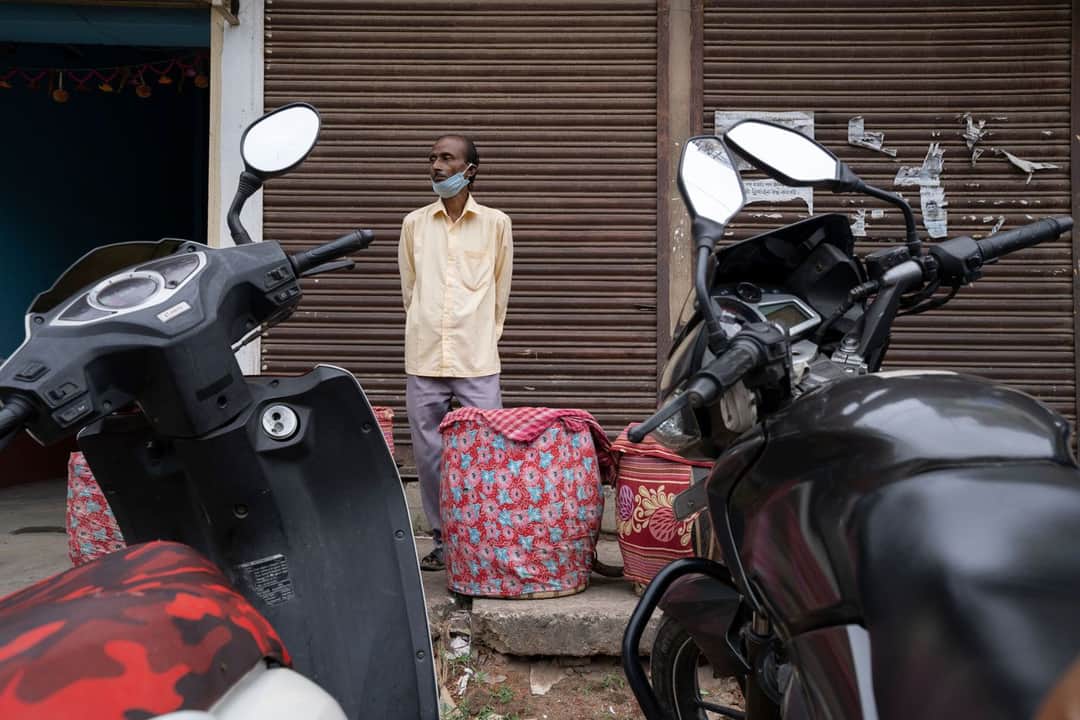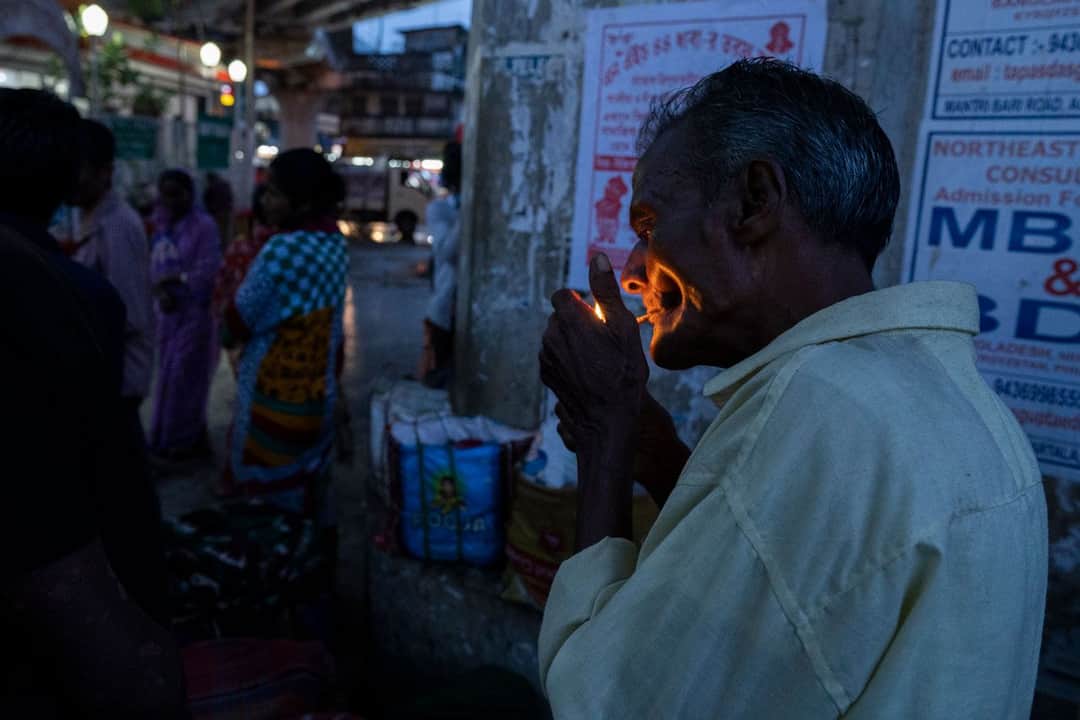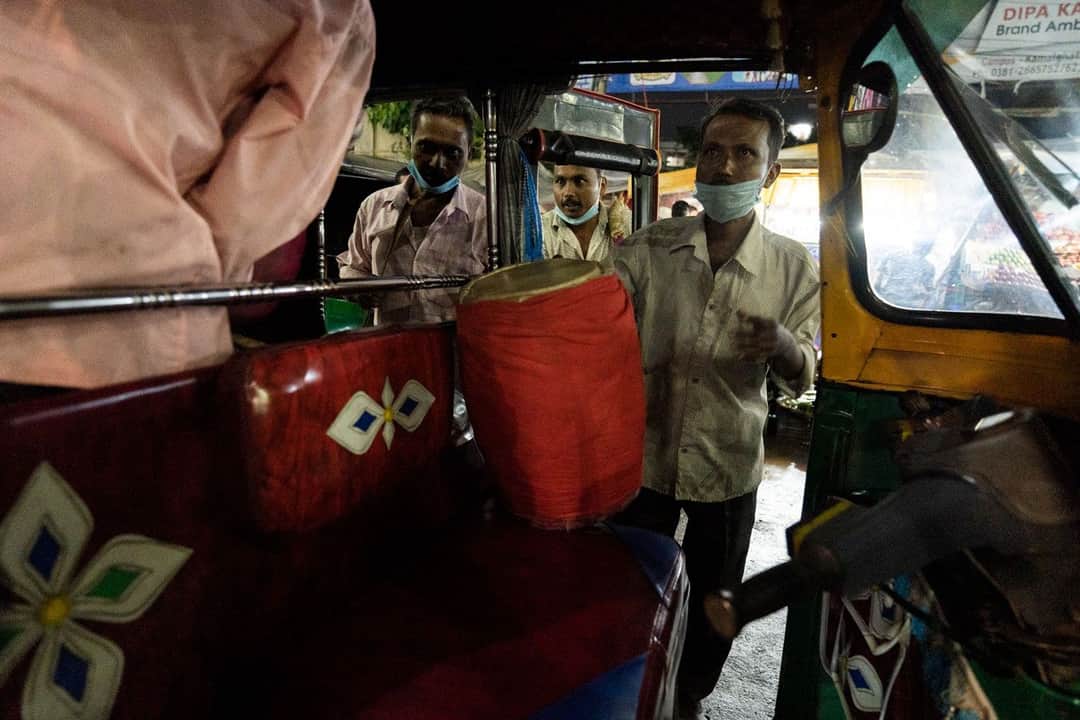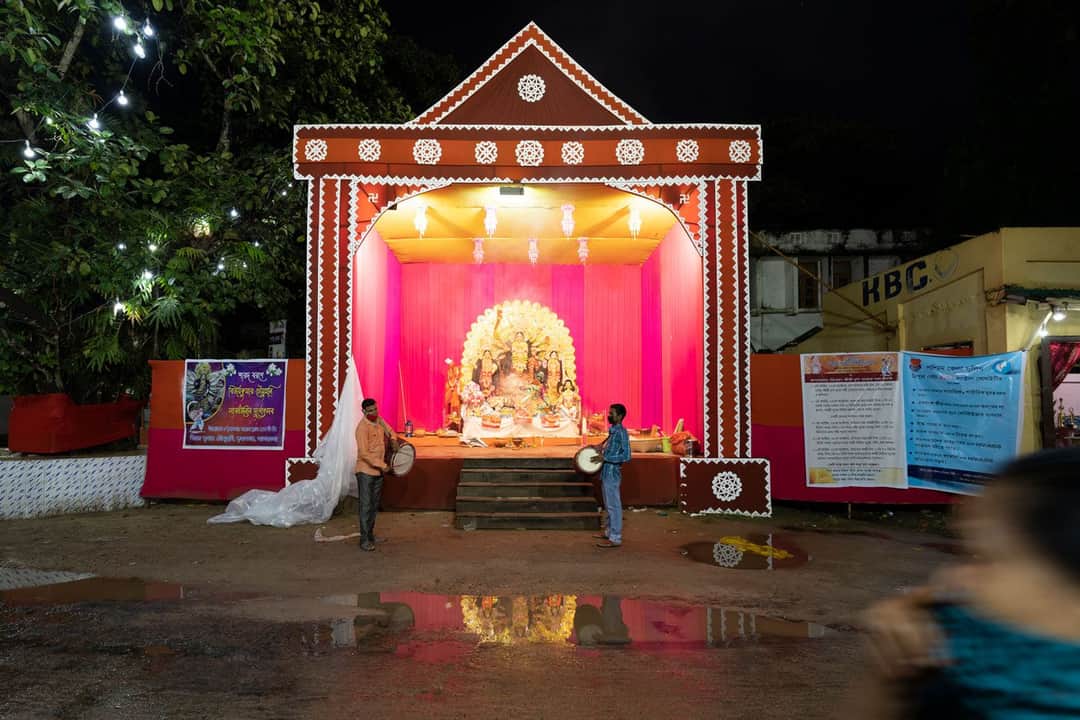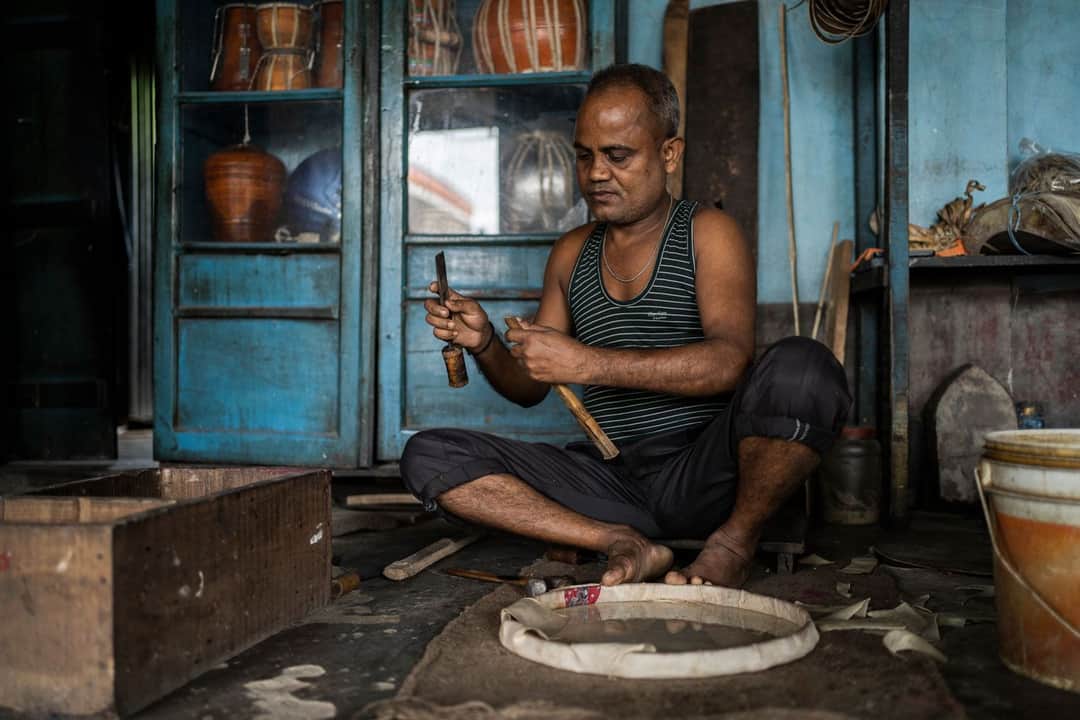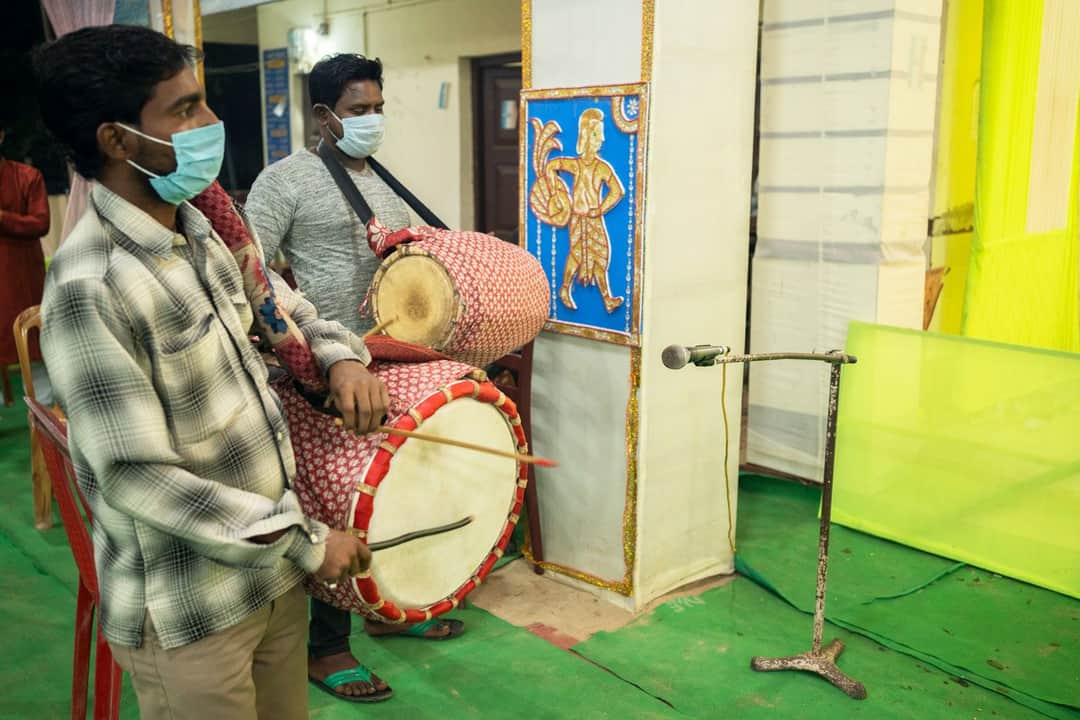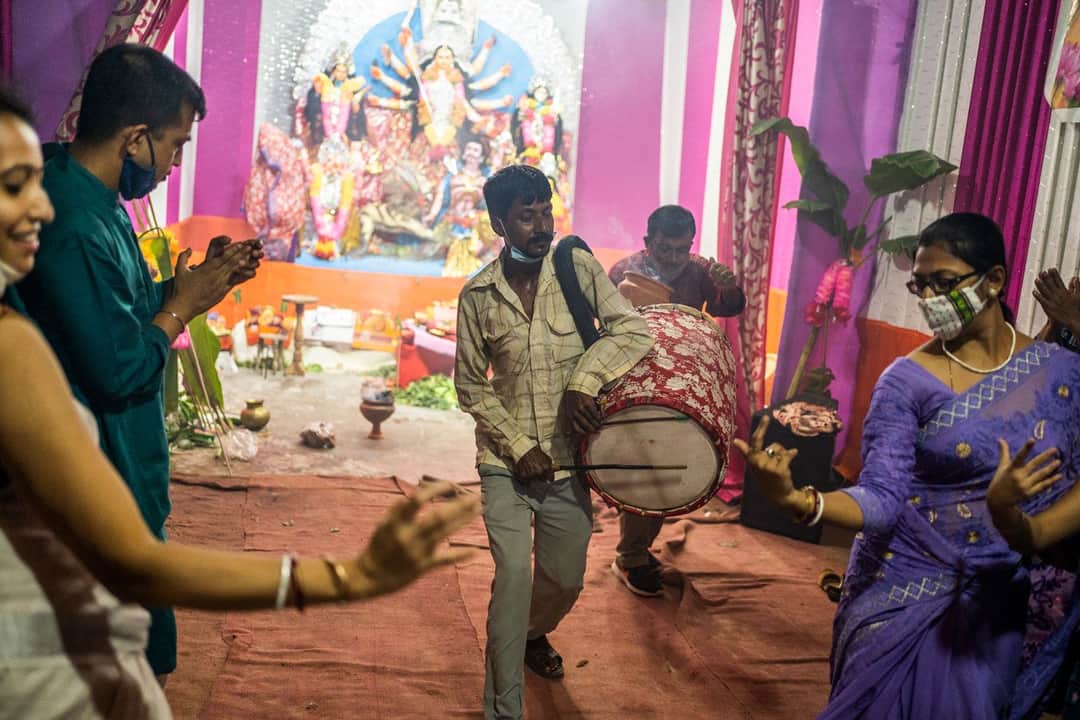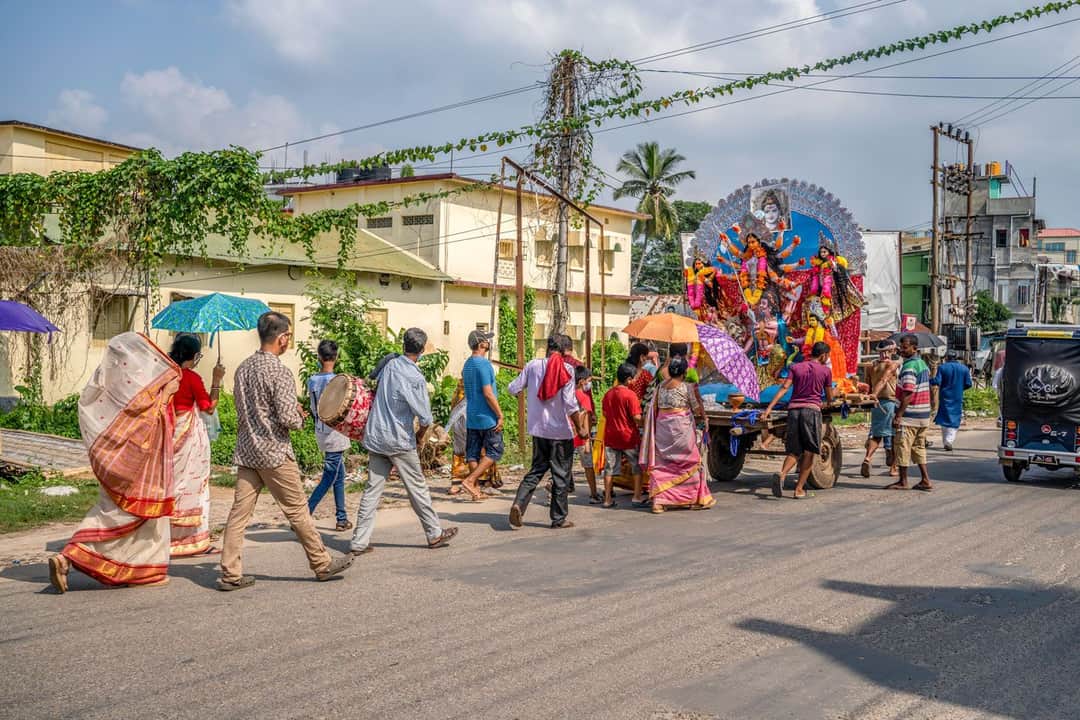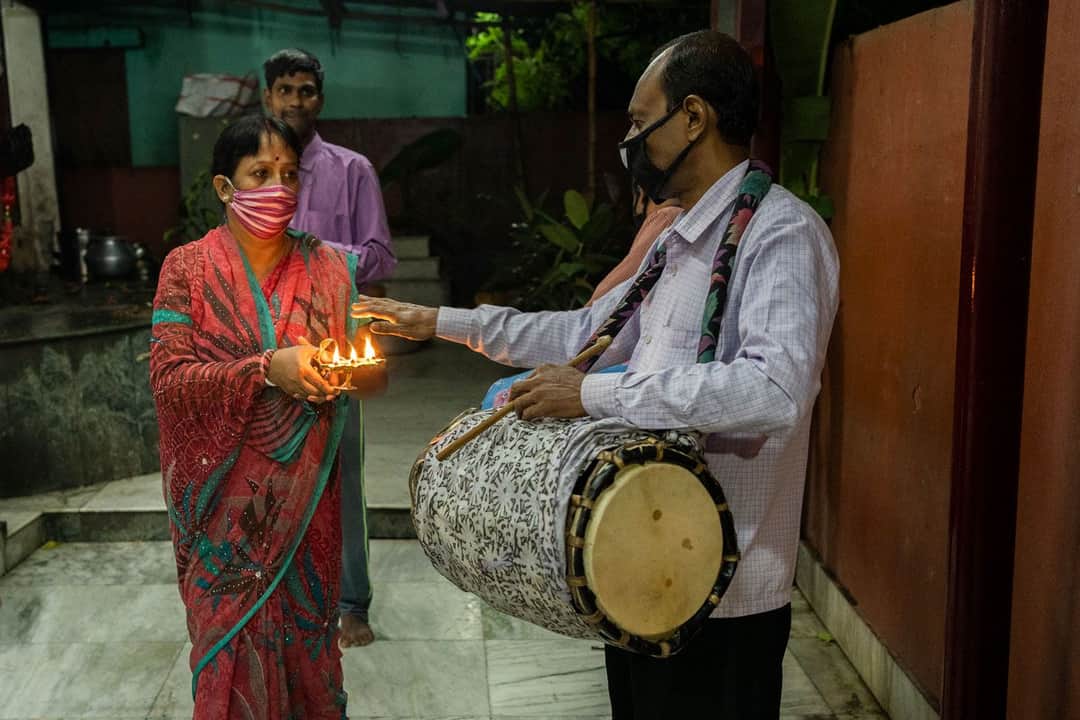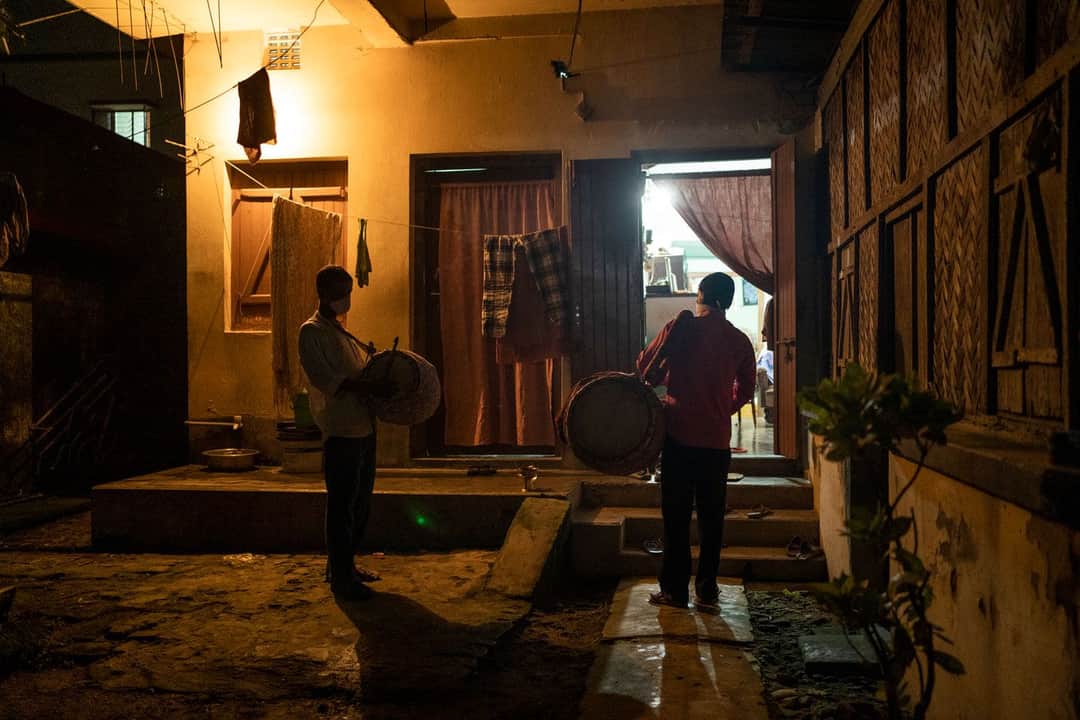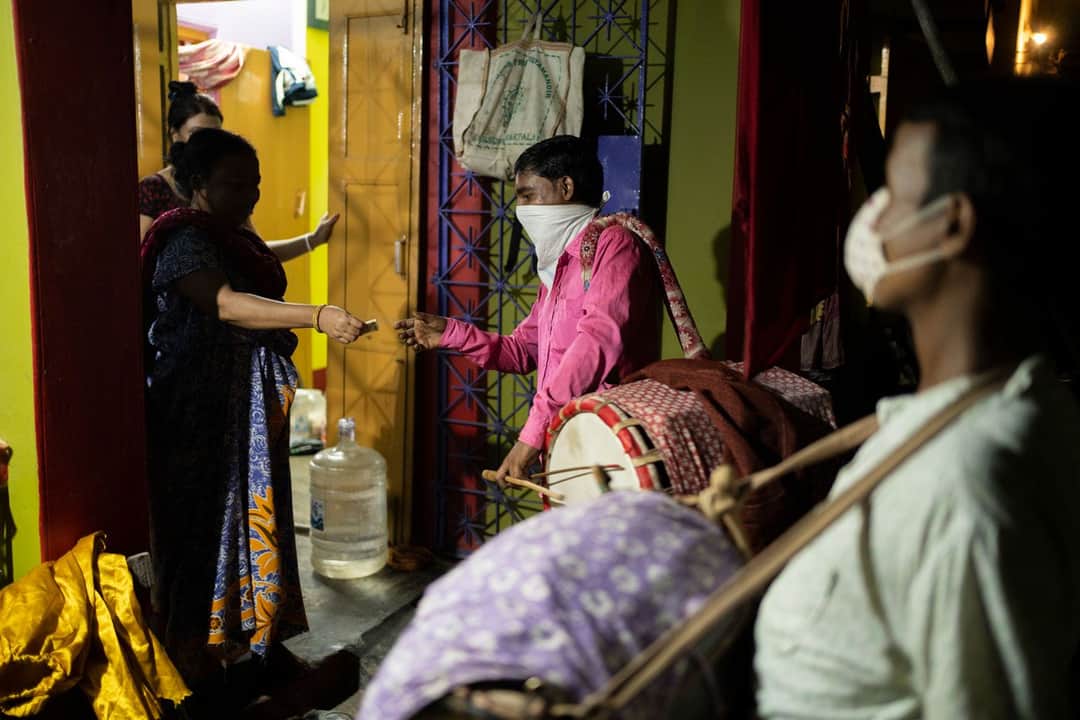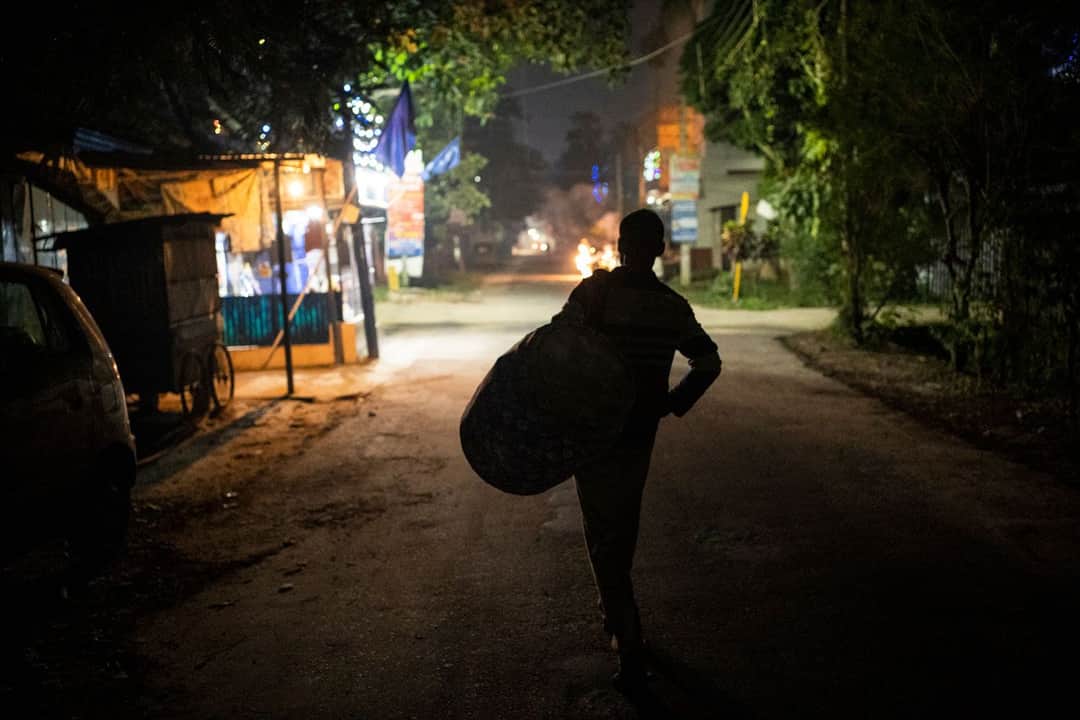

The sounds of the dhak are beginning to reverberate across Agartala. Durga Puja is coming up on October 11, and preparations for the celebrations begin weeks in advance every year – the scaffolding for pandals is built, idol-makers give finishing touches to idols, families purchase new clothes.
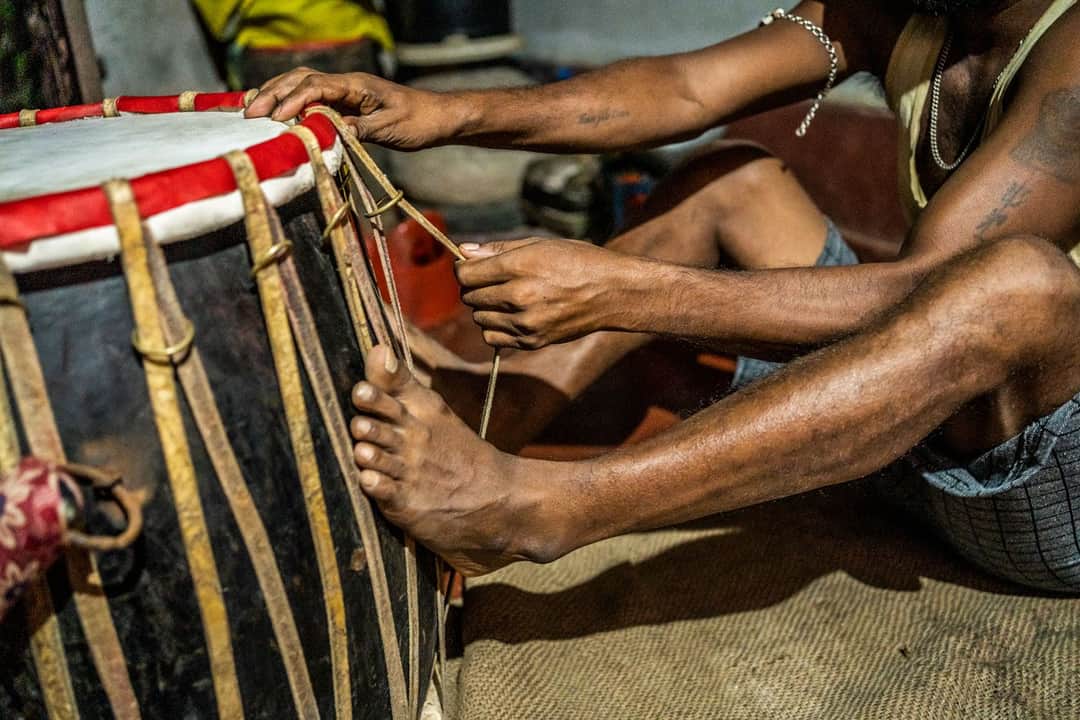
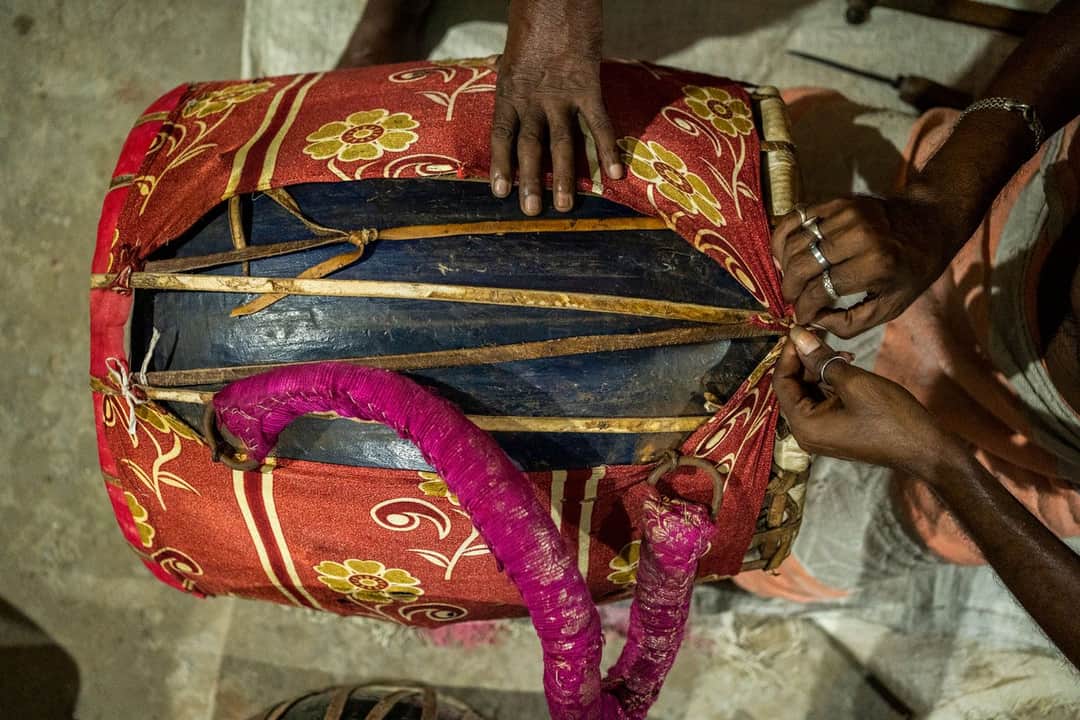
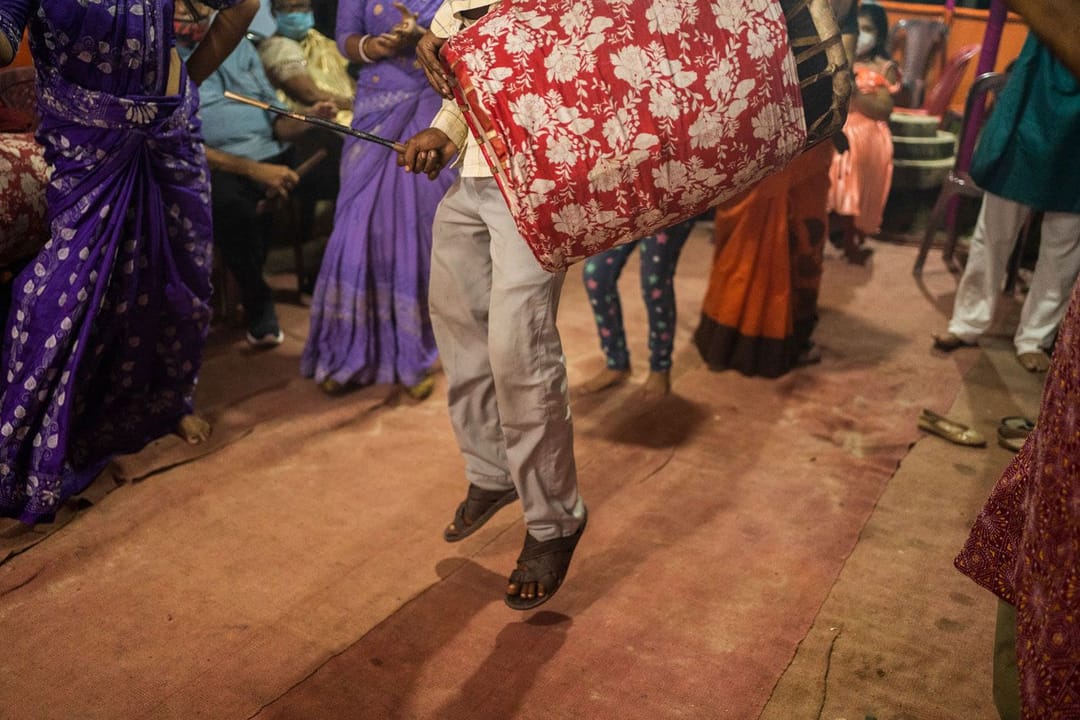
The dhak, a barrel-shaped drum slung from the neck or kept on a solid platform and played with sticks, is integral to these celebrations.
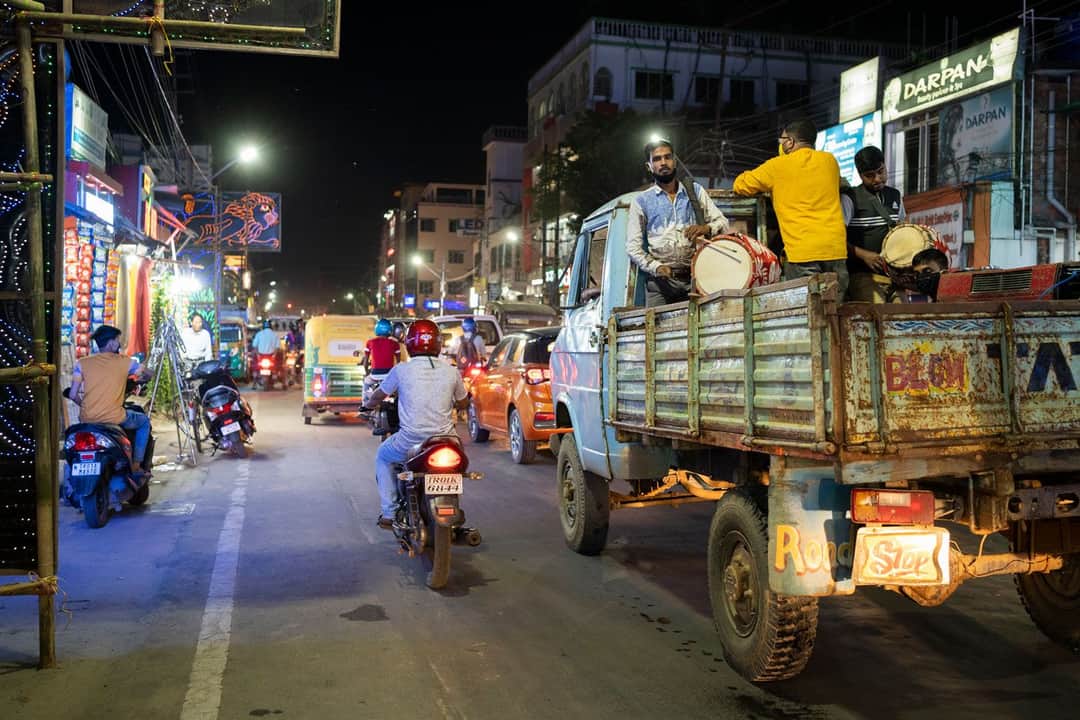
Playing the dhak is a seasonal job. Five days of the Puja every year, with the final beat sounding up to the day of Lakshmi Puja – this year, it's on October 20. Some dhakis get called to play during Diwali too. But it’s during Durga Puja that the dhak is in great demand in Agartala and in other parts of the state of Tripura.
The dhakis are invited to play by pandal committees as well as by families. Sometimes, before they are hired, they are asked to perform as a trial – most of them are adept, having learnt from senior family members. “I used to play with my older cousins,” says 45-year-old Indrajit Rishidas. “I started with the kashi [a metallic plate-like instrument played with a small stick], then the dhol, and then dhak.” (He, and other Rishidas, Rohidas and Ravidas families belong to the Muchi community, listed as a Scheduled Caste in Tripura.)
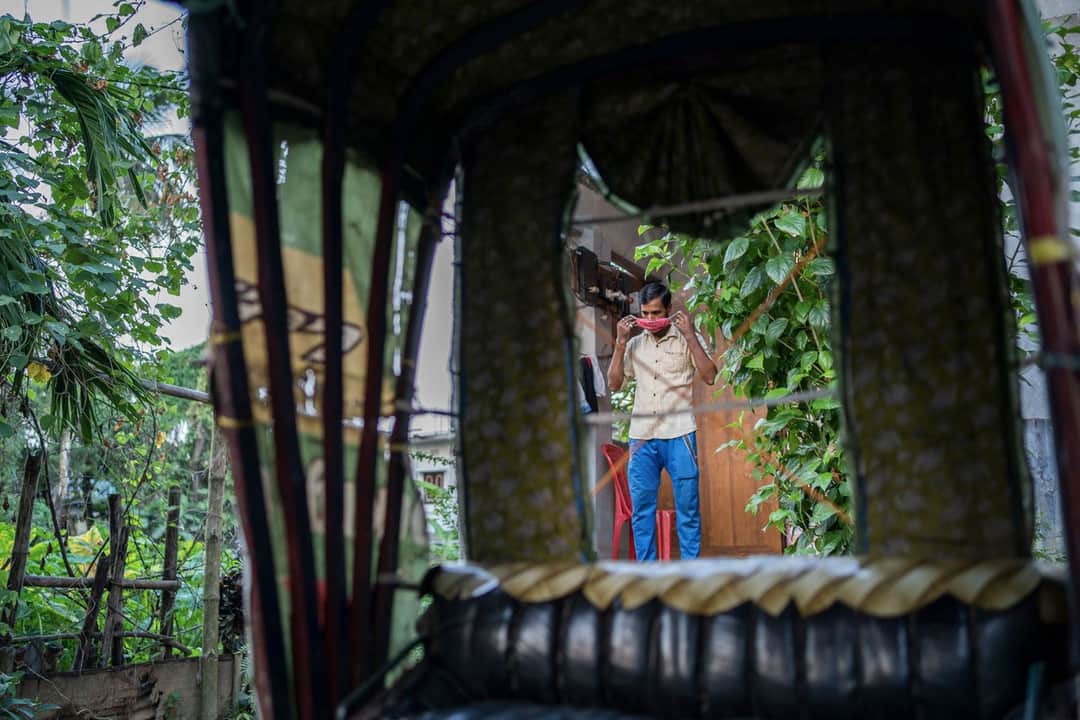
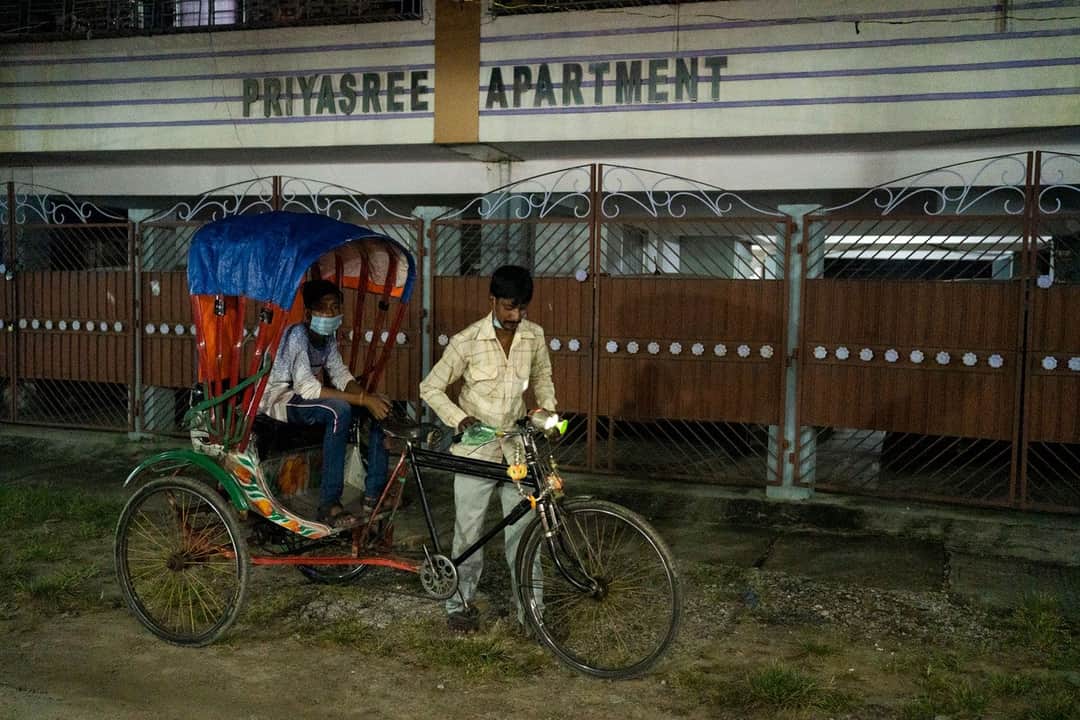
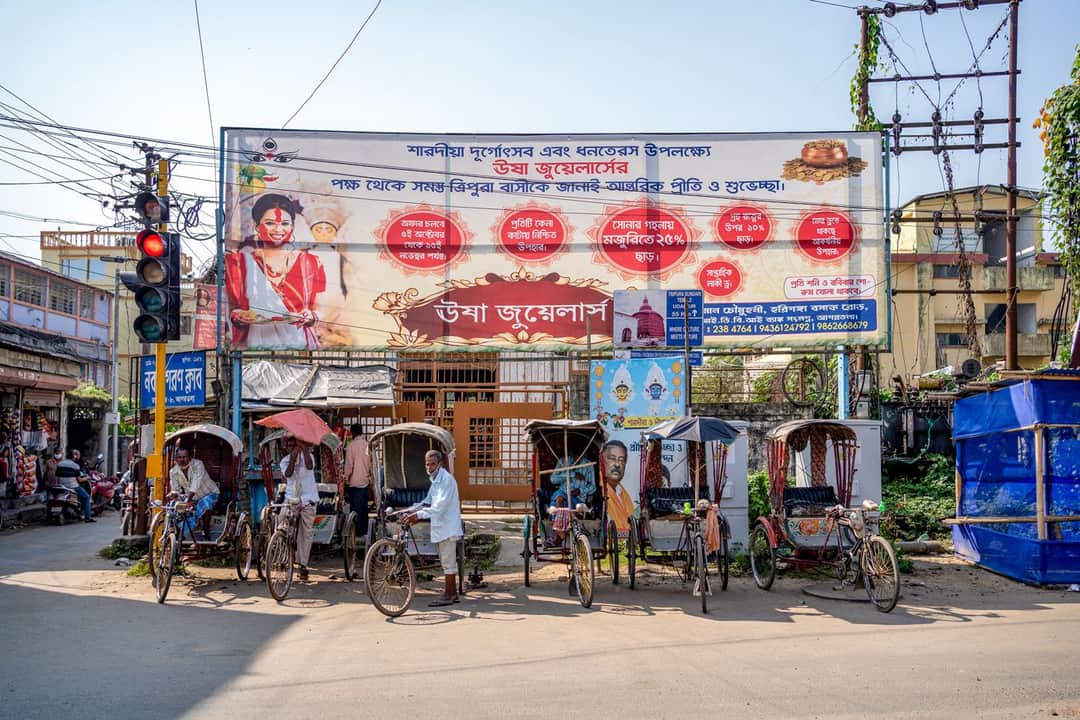
Like many of Agartala’s dhakis, Indrajit works as a cycle rickshaw driver for the rest of the year. At times, like the others, he also plays in bands – locally known as ‘band-party’ – during weddings and other celebrations. Besides these occasional jobs, the dhakis also take up daily wage work as electricians or plumbers, while some are vegetable vendors and some are farmers in nearby villages who come to Agartala when hired for performances.