
“Each jhopdi I build lasts at least 70 years.”
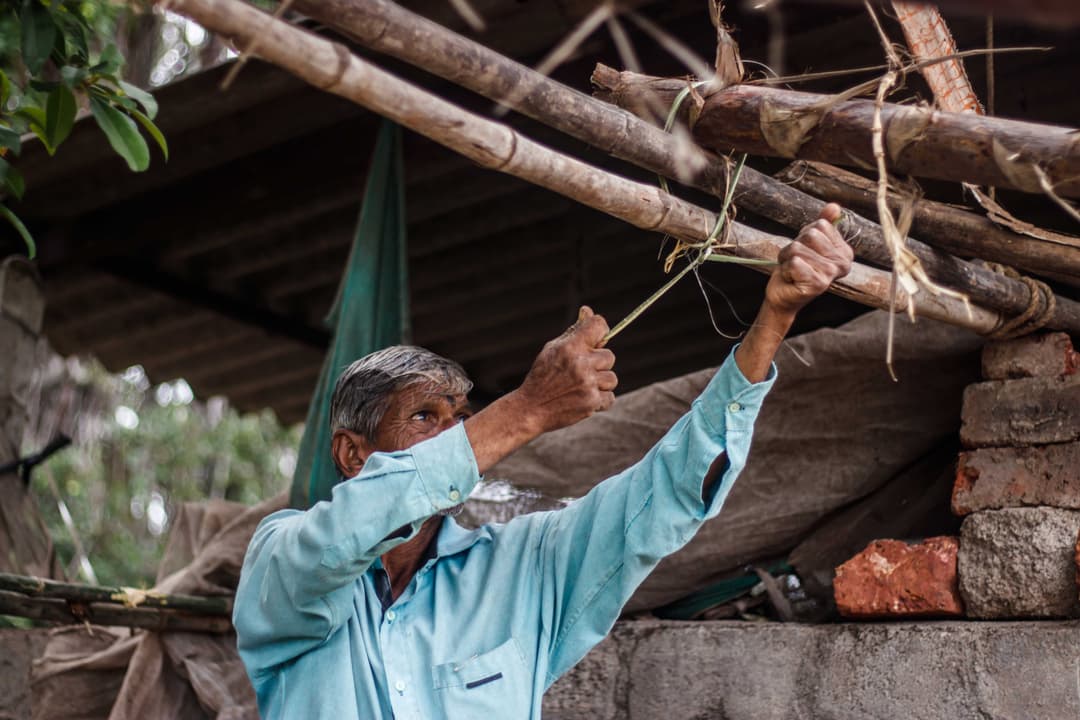
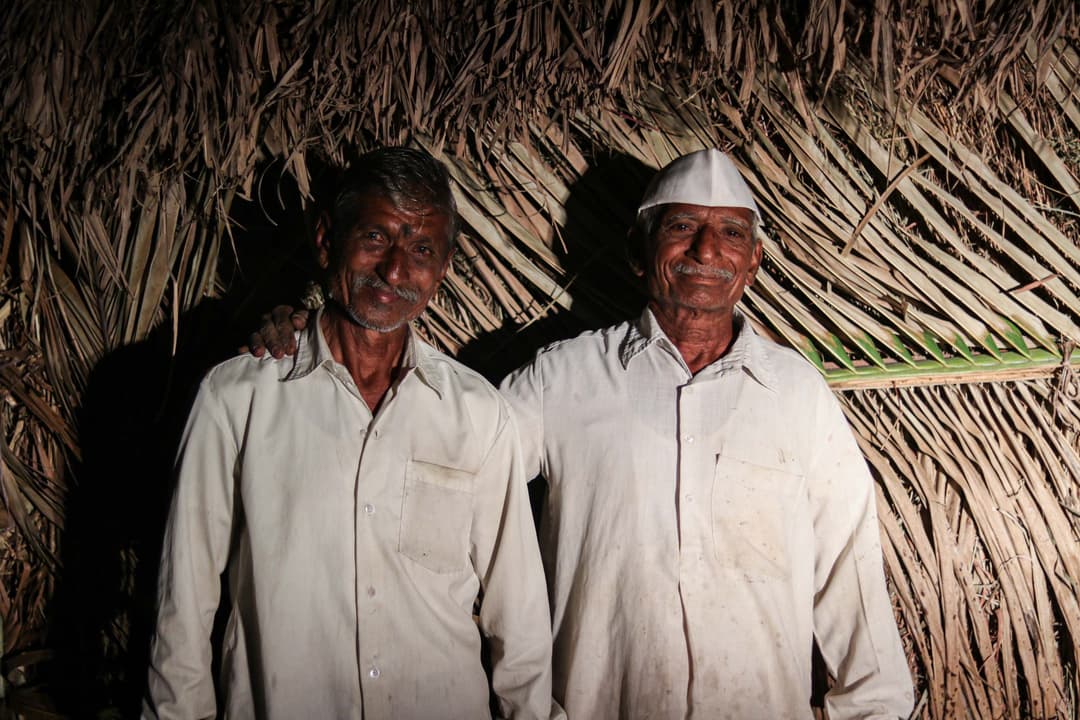
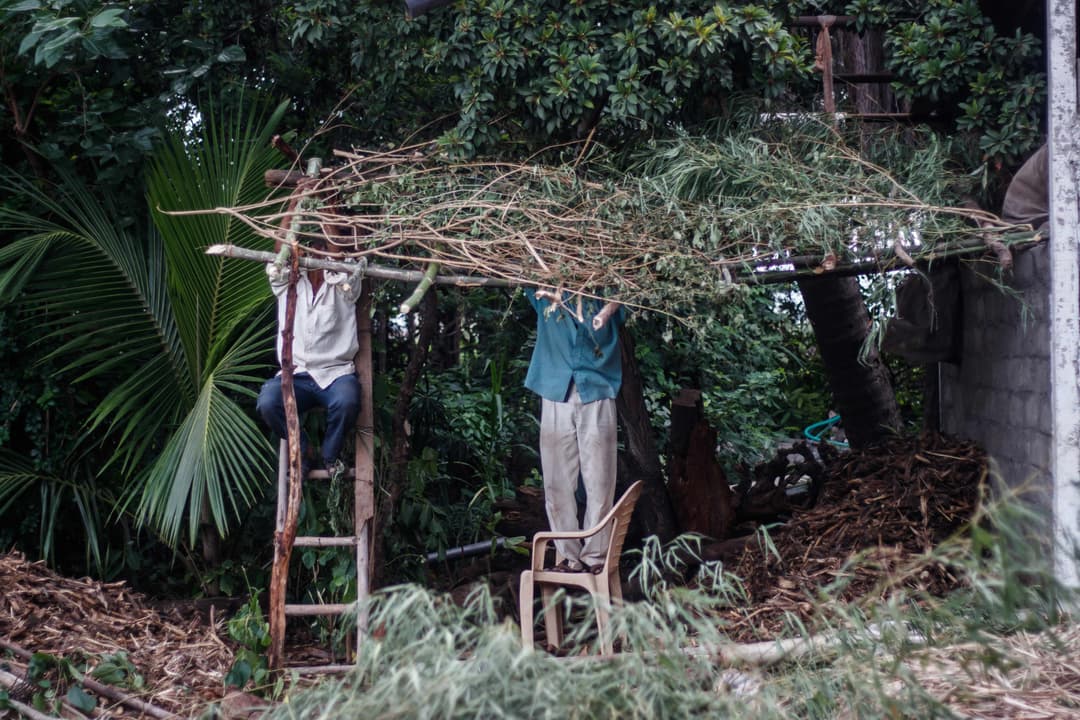
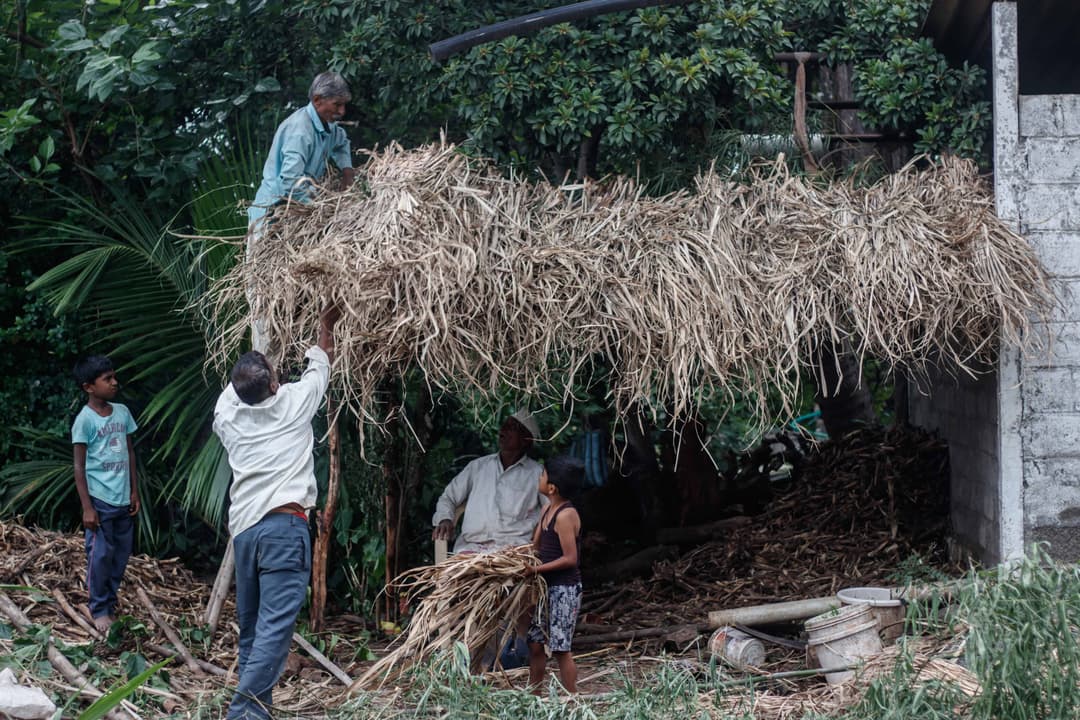
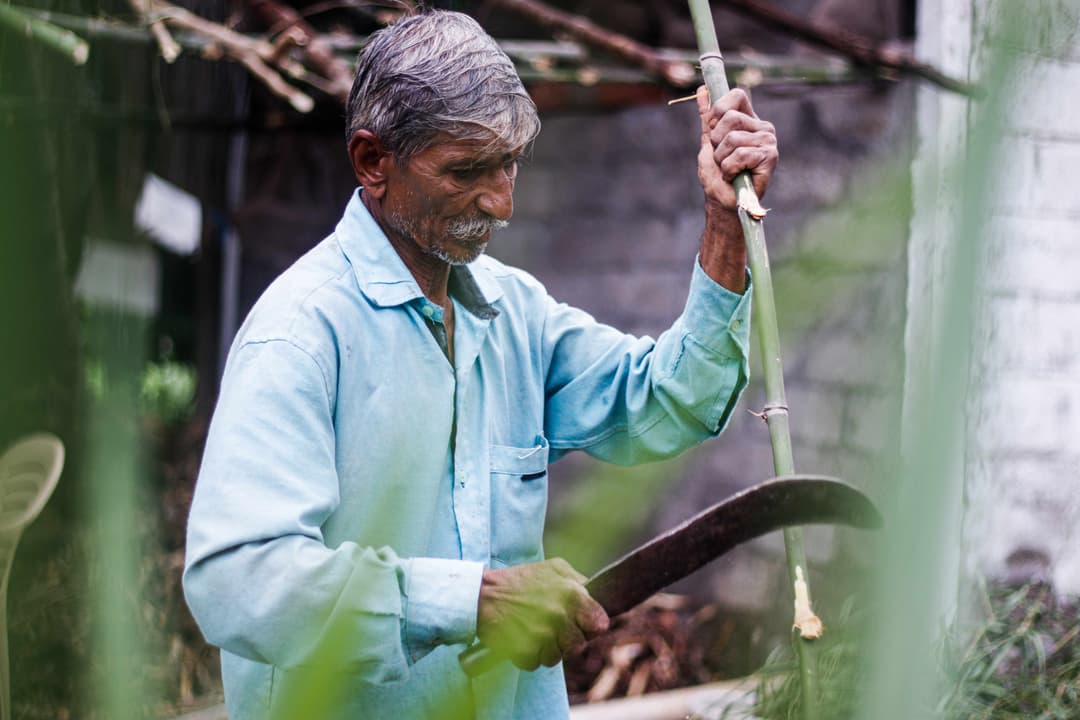
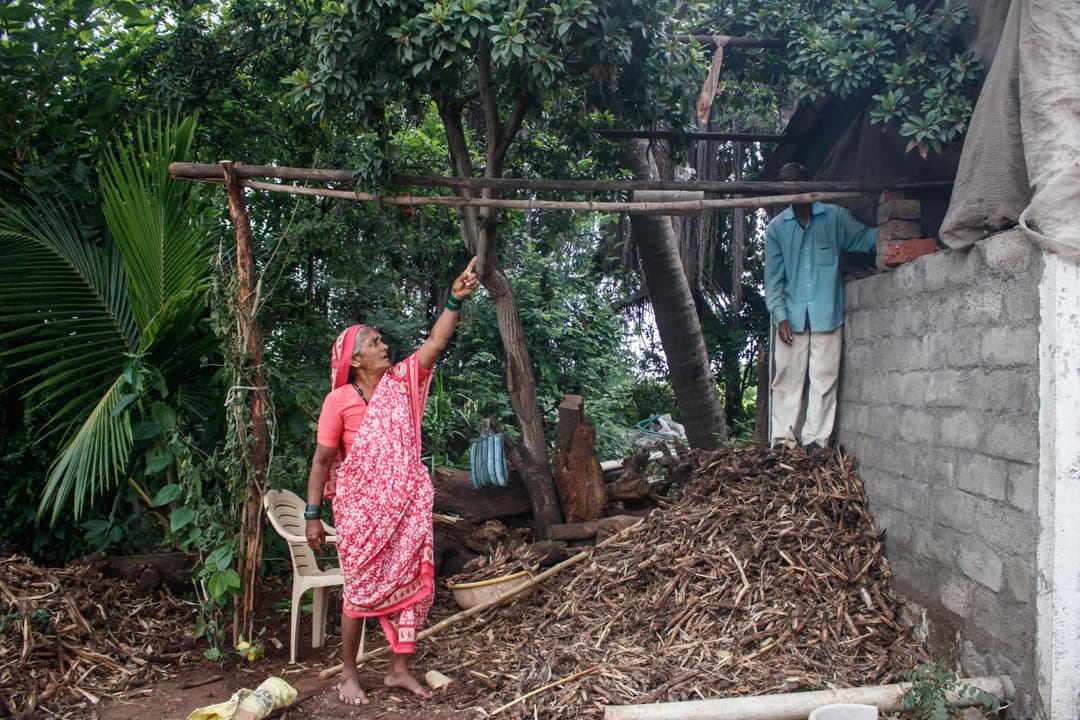
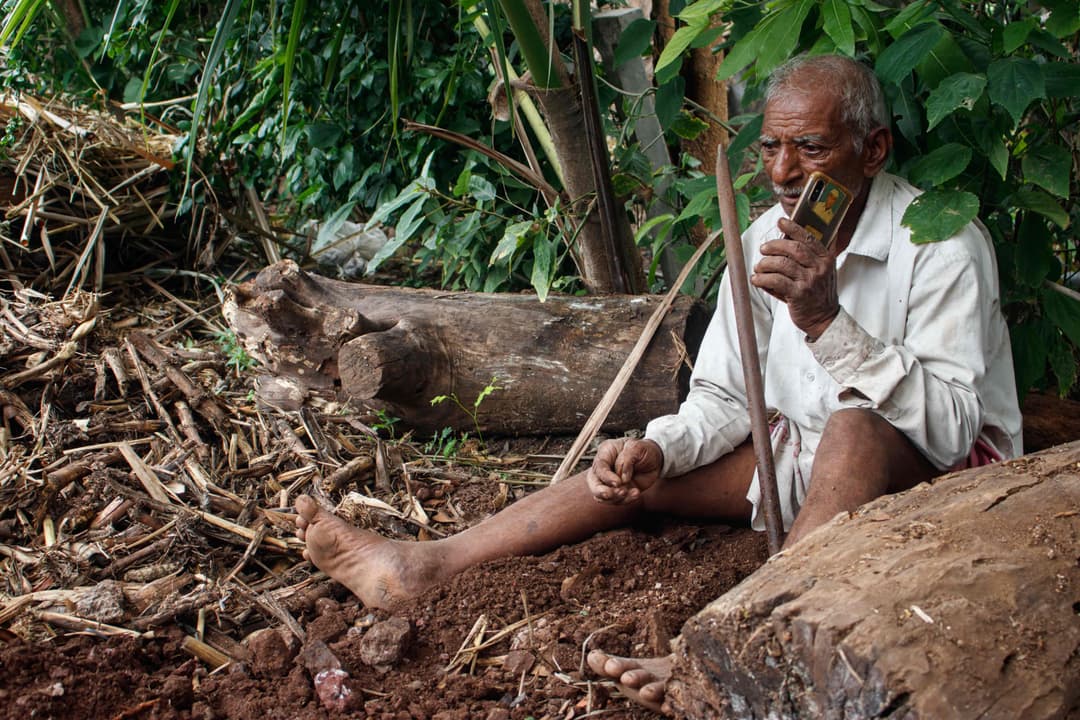
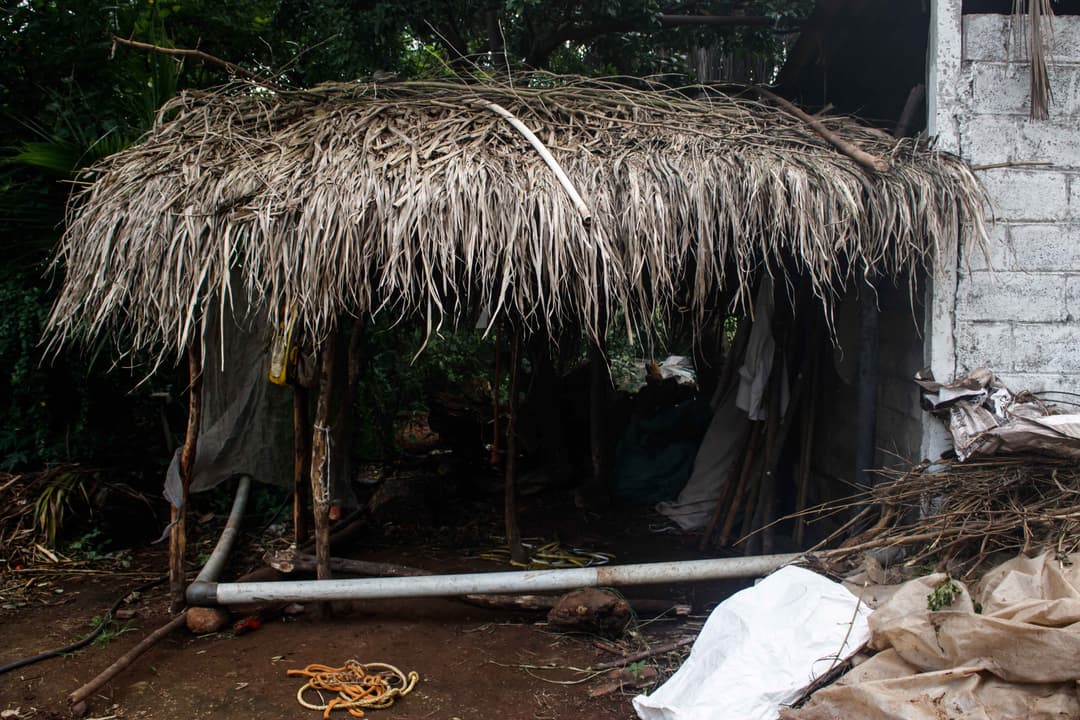
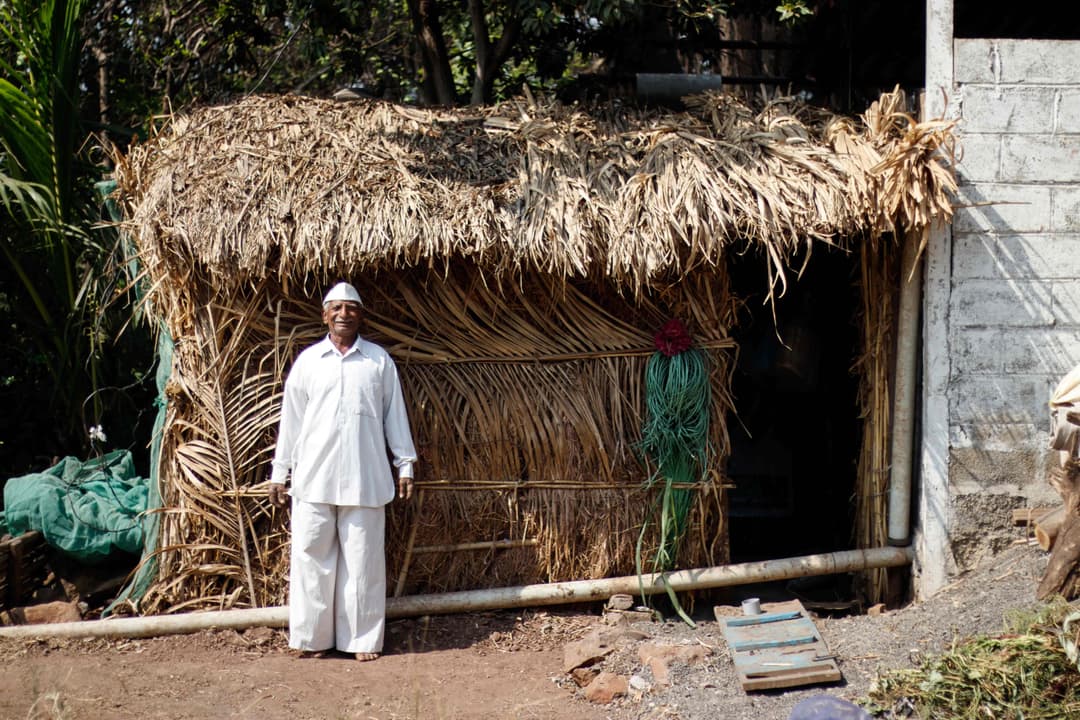
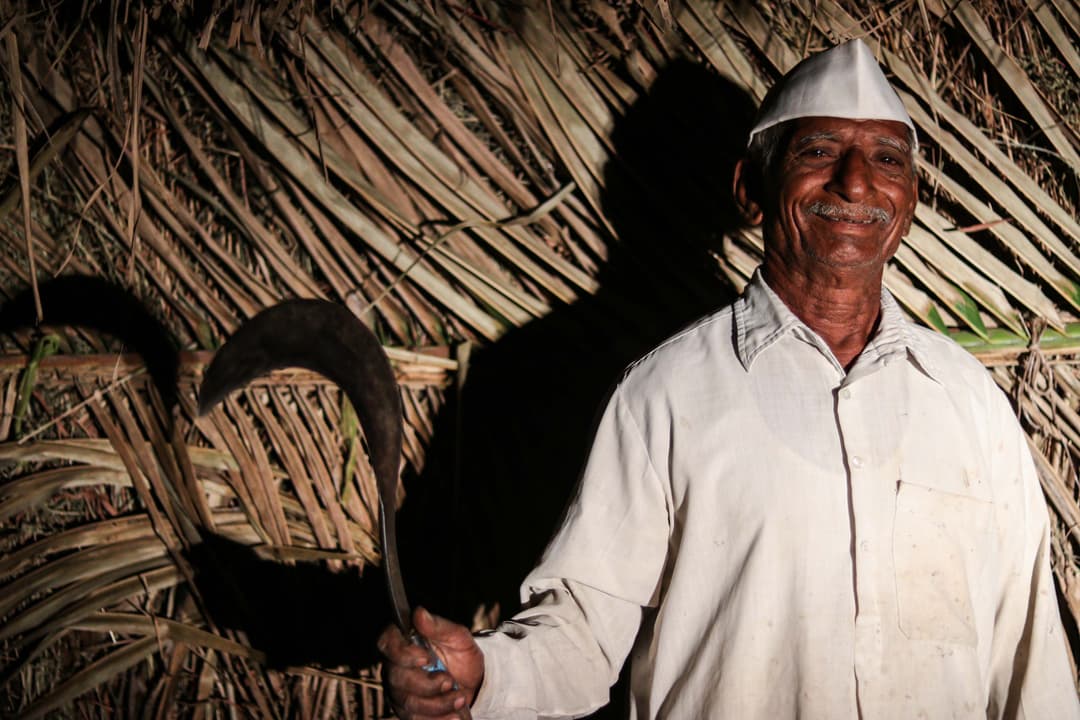
Vishnu Bhosale has a rare skill – he is a jhopdi (traditional hut) maker, living in Jambhali village of Kolhapur district.
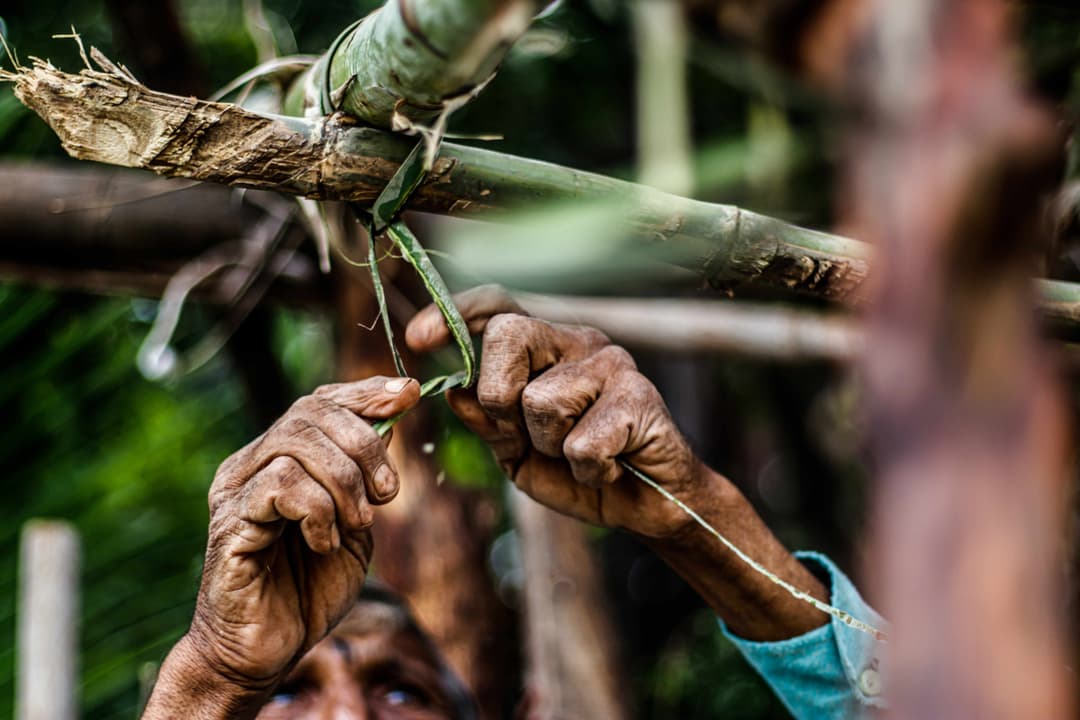
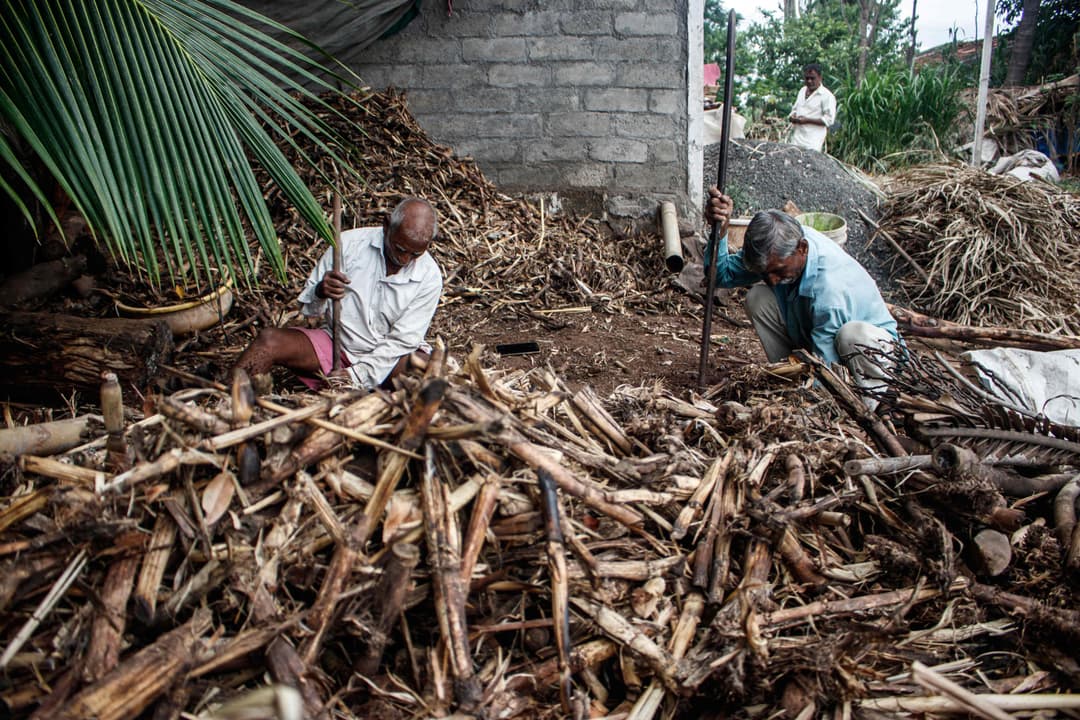
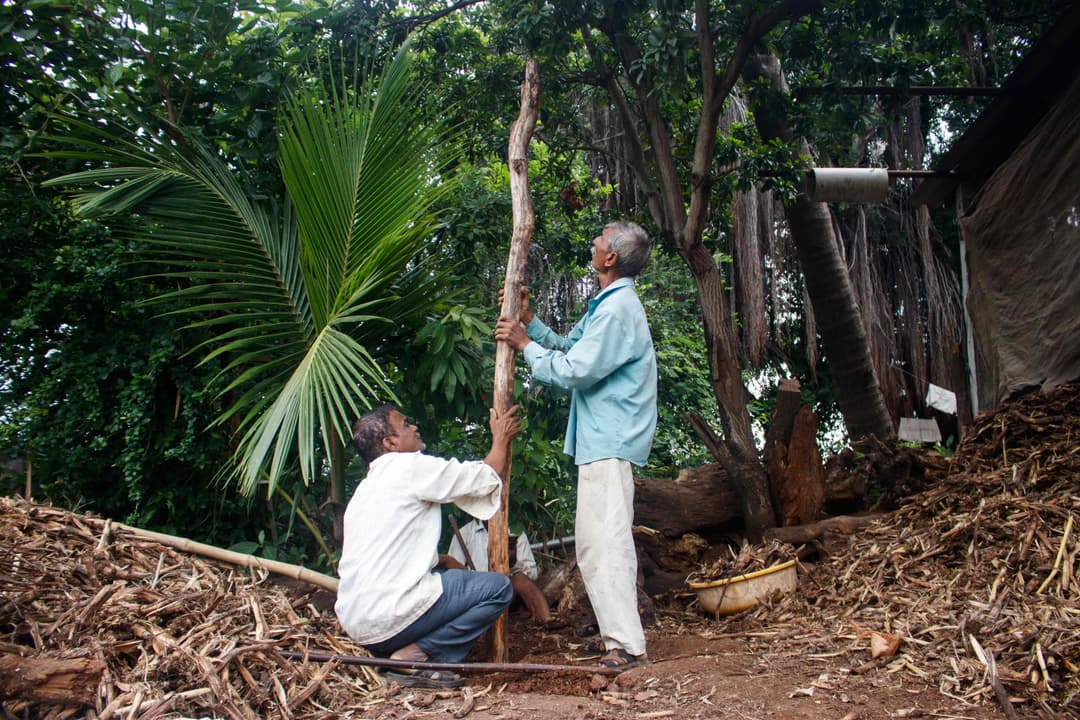
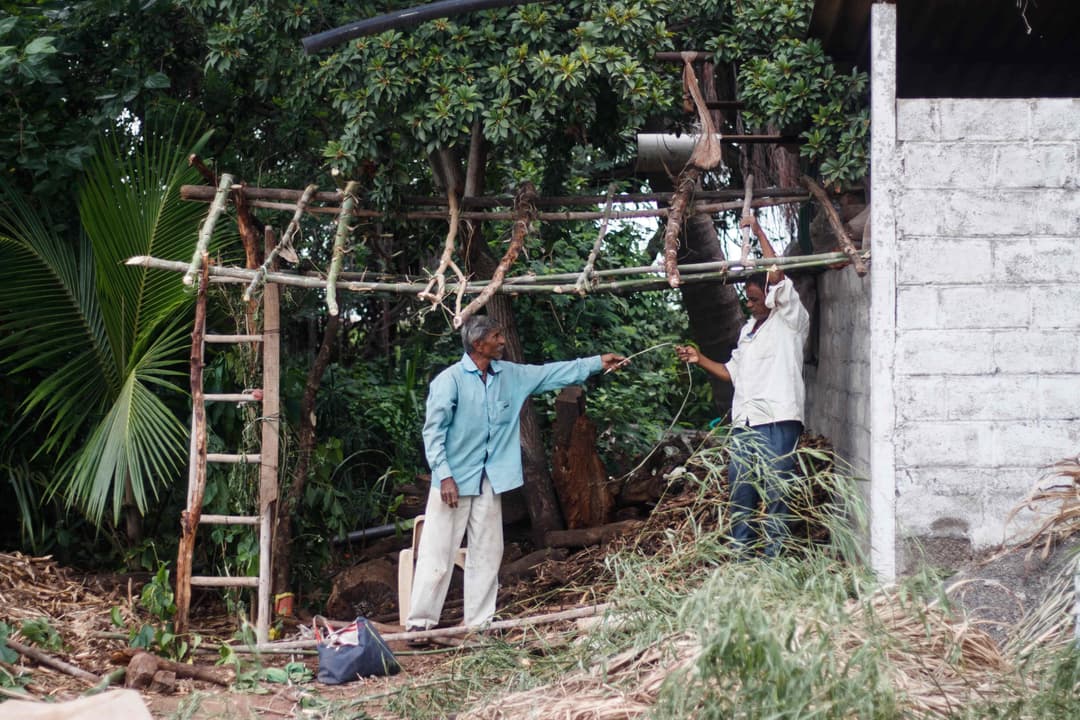
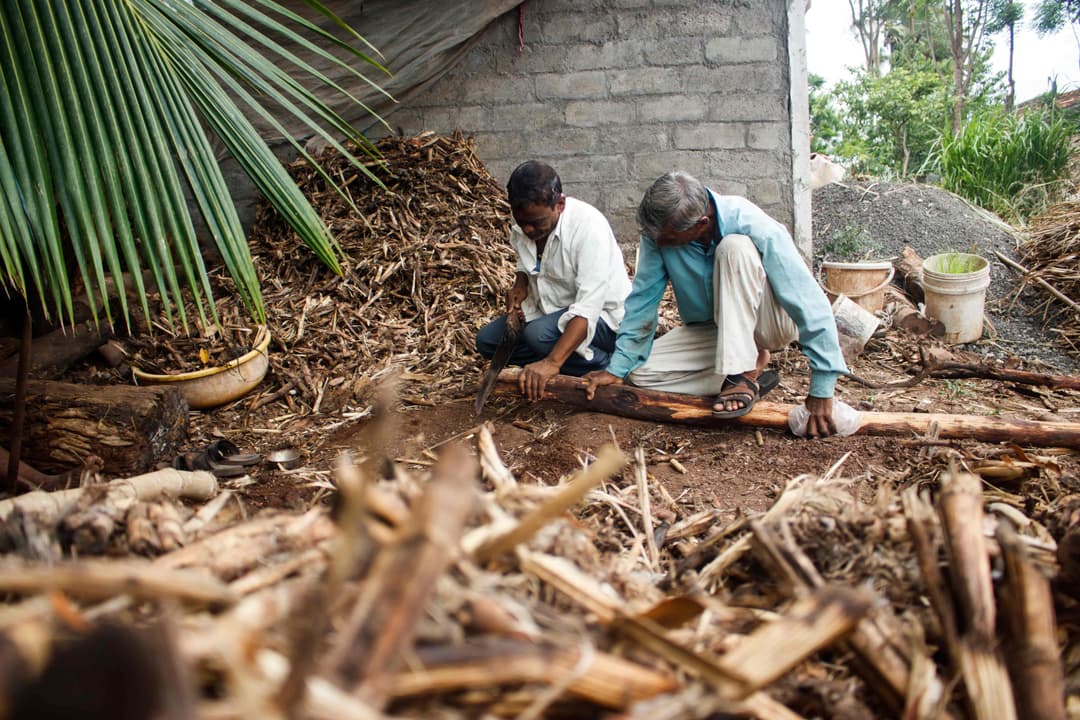
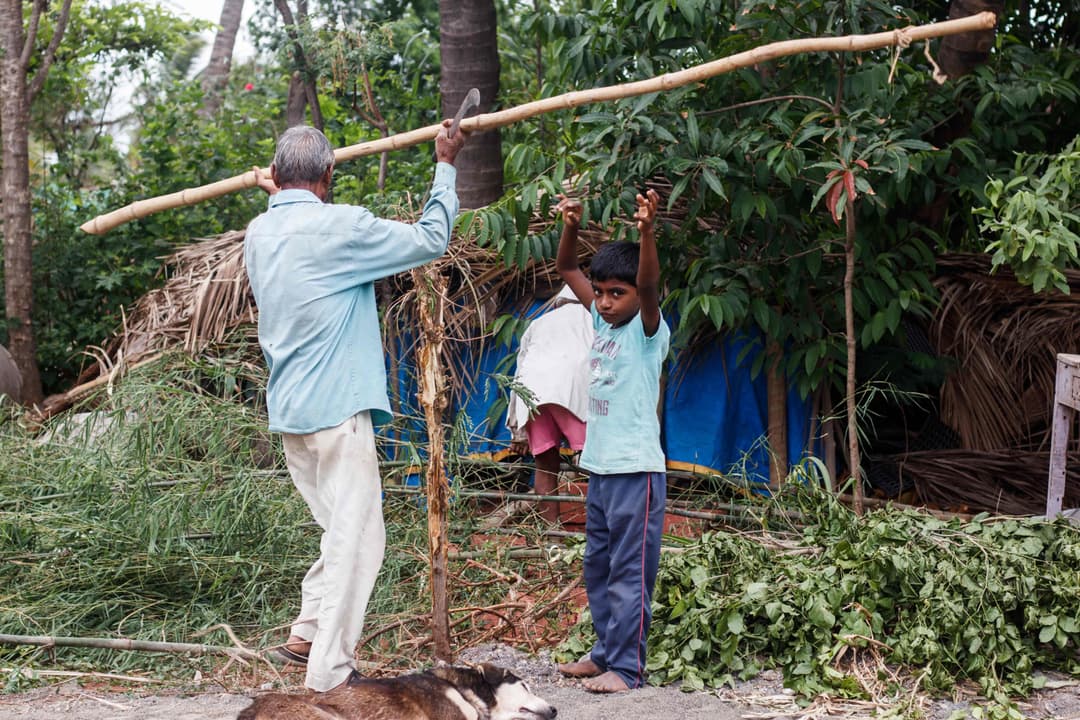
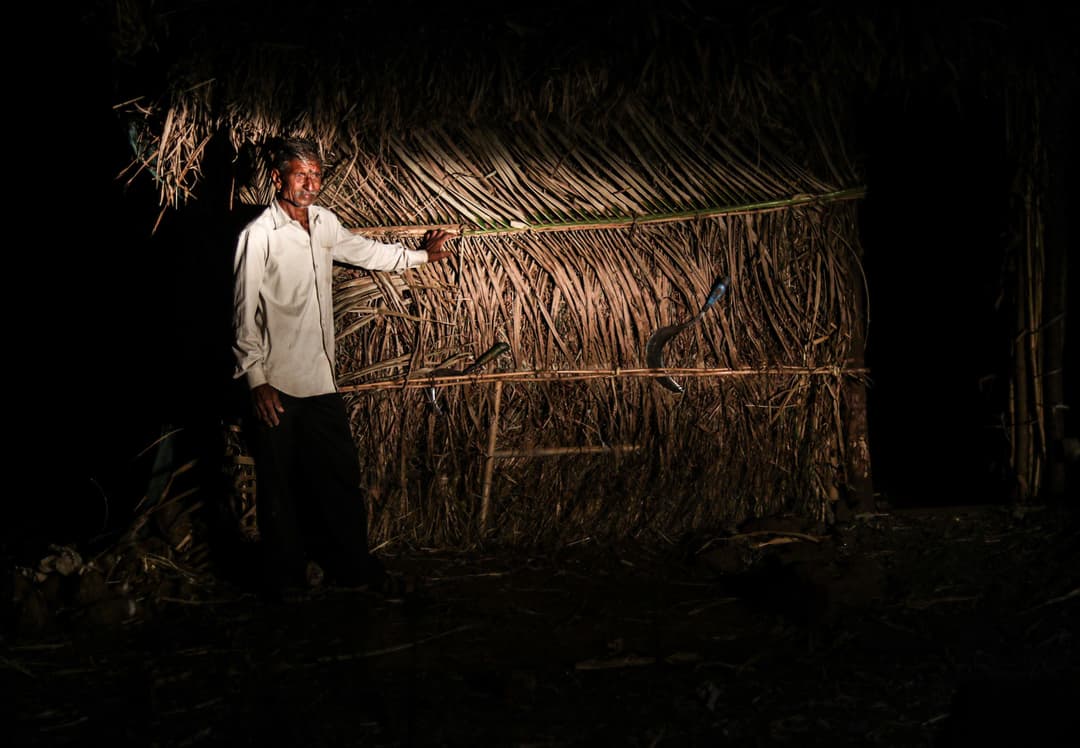
The 68-year-old learnt the skills of building a hut with a wooden frame and thatch from his father, the late Gundu. He has built over 10 jhopdis and assisted in roughly the same number. “We [usually] made them only in the summers as we didn’t have much work in the fields [at that time],” he recalls and adds, “People were excited around building a jhopdi.”
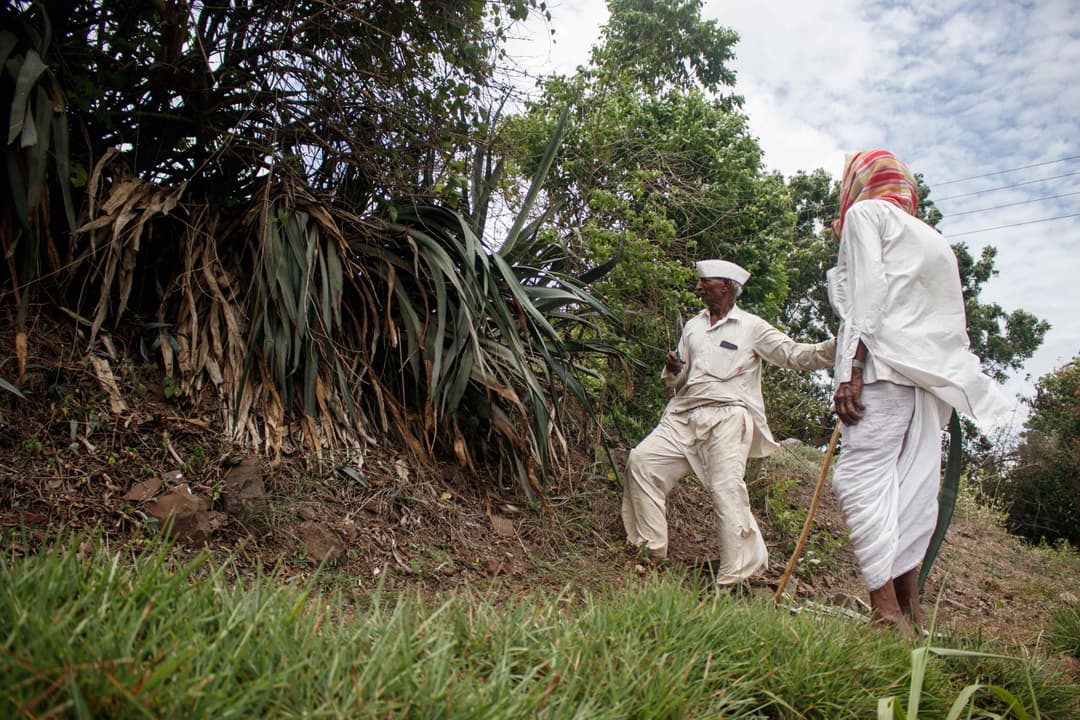
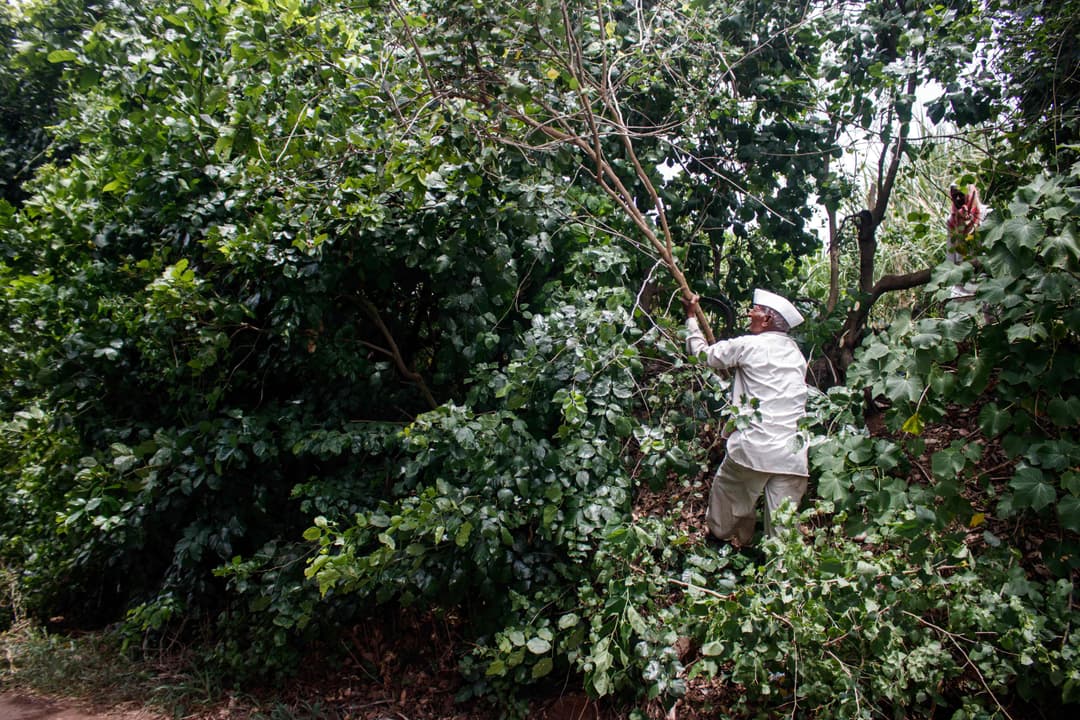
Vishnu recalls a time till around the 1960s, when Jambhali had over a hundred such huts. He says friends helped each other and used material available in the vicinity. “We didn’t spend even a single rupee in making a jhopdi. None could afford it,” he says and adds, “People were ready to wait for up to three months, but they would start building only when they had [all] the right sahitya [material].”
By the end of the century, brick, cement and tin had replaced the wooden and thatch structures in this village of 4,963 people (Census 2011). The jhopdis first lost out to the arrival of khapri koulu (roof tiles) or kumbhari koulu made by local potters, and later to the machine-made Bangalore koulus which had better strength and durability.
Tiles required less maintenance, were easier and quicker to install when compared to the labour needed for a jhopdi’s thatch. Finally, it was the advent of cement and bricks to make pucca houses that sealed their fate, and jhopdi building went into serious decline. People in Jambhali began abandoning their jhopdis, and today only a handful exist.
“It is rare to see any jhopdi in the village now. In a few years, we will lose all the traditional ones because nobody wants to look after them,” says Vishnu.