
When Gutti Samanya, a Sahariya Adivasi was enlisted as a ‘cheetah mitra’ (friend of the cheetah) by the Madhya Pradesh forest department, he was told to “inform the forest ranger if you see the cats.”
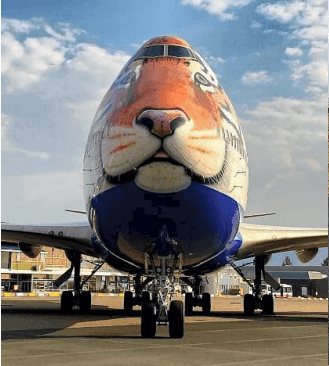
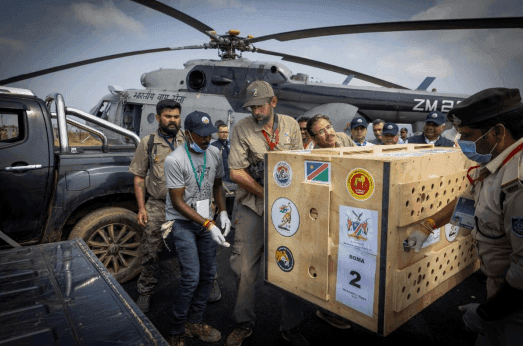
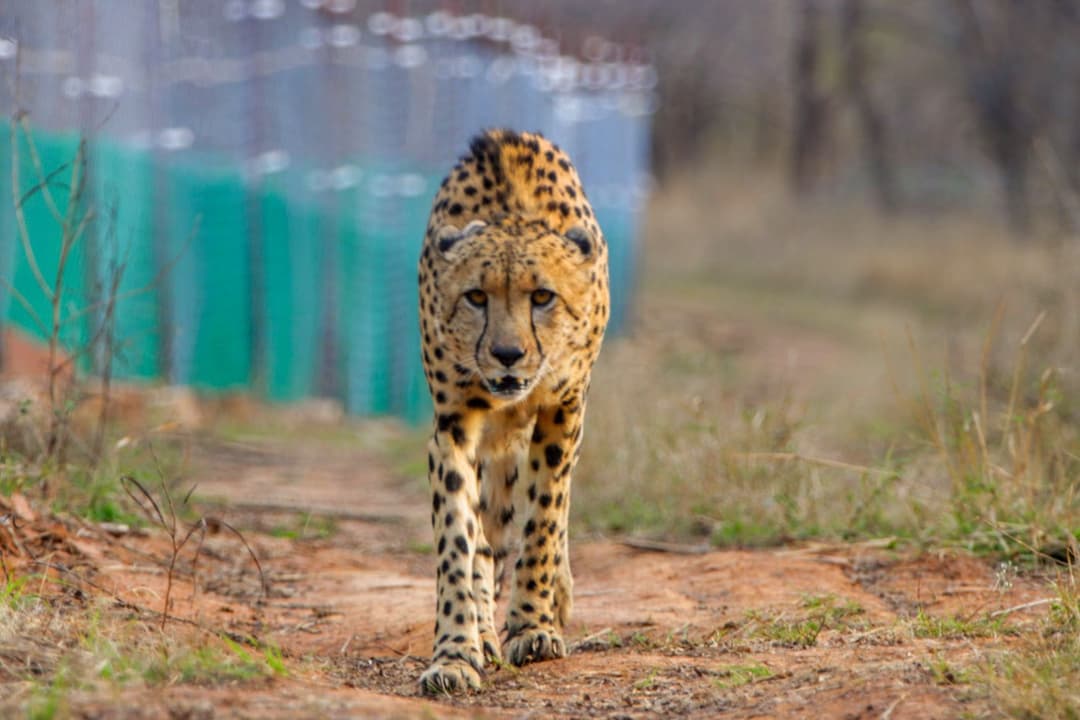
It seemed an important enough job, even though not paid. After all, the African cheetahs were coming to Kuno national park from over 8,000 kilometres away, over sea and land, in cargo and military planes and helicopters. The Indian state was spending undisclosed amounts of foreign exchange on their travel, and emptying the coffers for conservation on their stay.
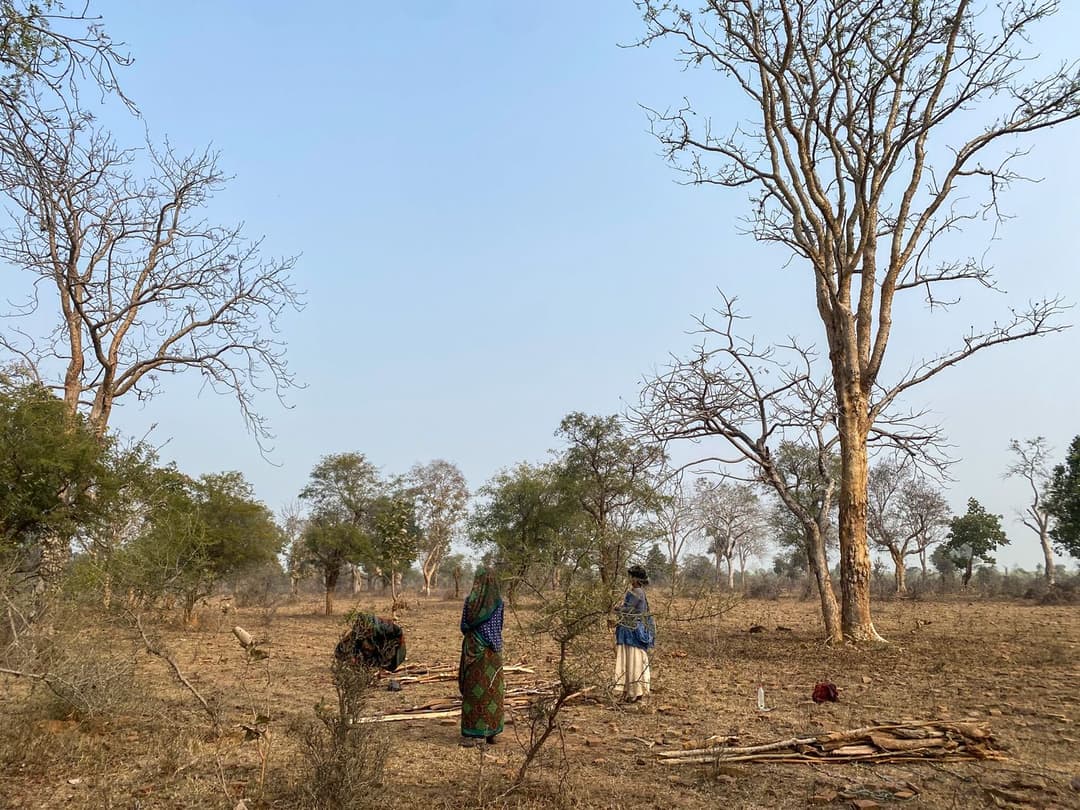
Cheetah mitras would keep them safe from poachers, and also save them from irate villagers into whose homes they might stray. So, the roughly 400-500 mitras, all forest dwellers, farmers and daily wagers, spread across small hamlets and villages bordering Kuno-Palpur National Park (KNP), readied for national service.
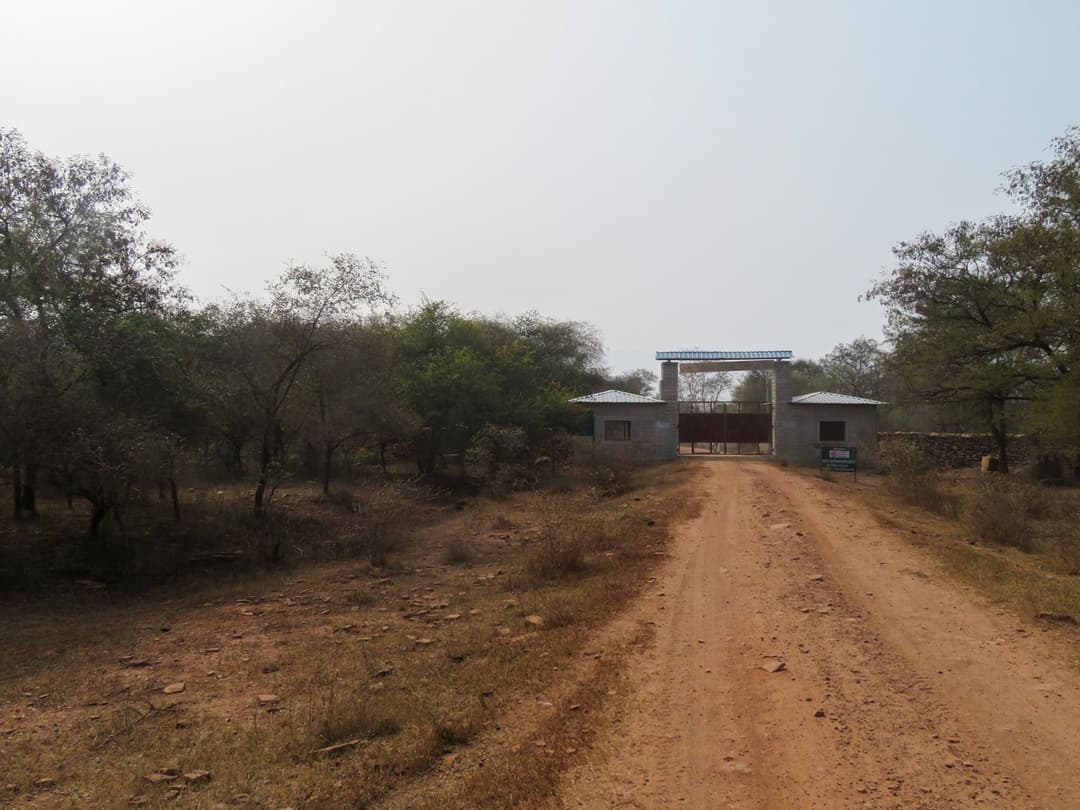
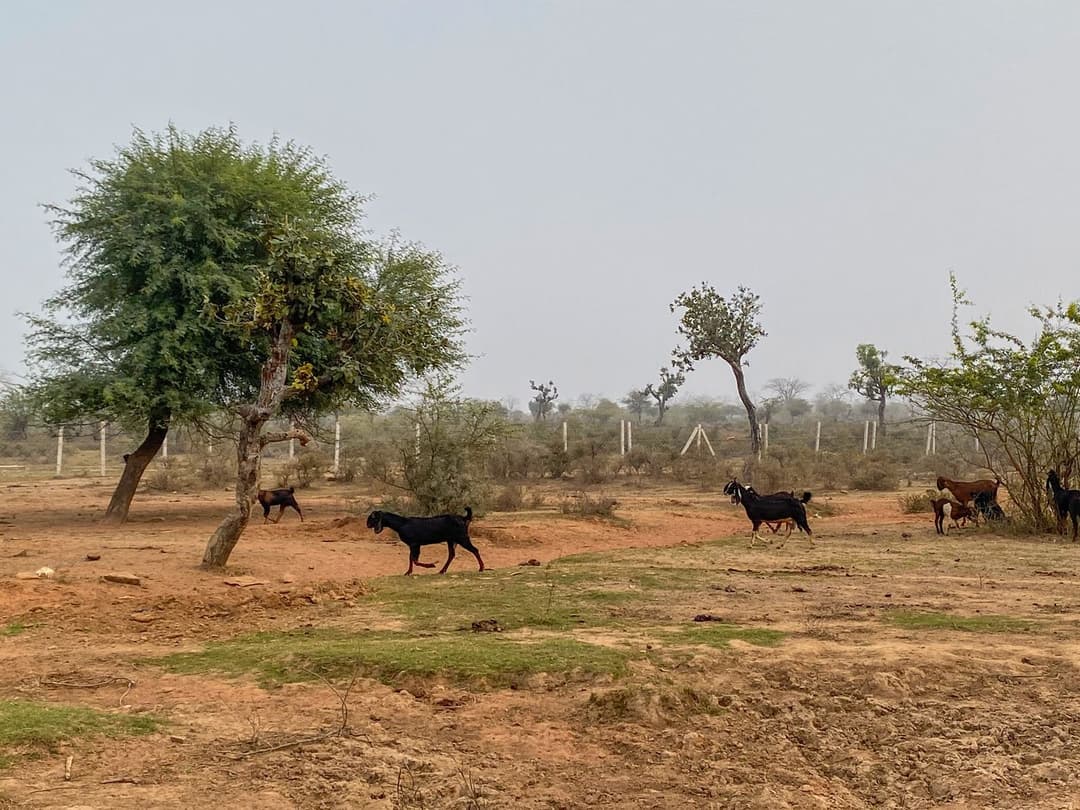
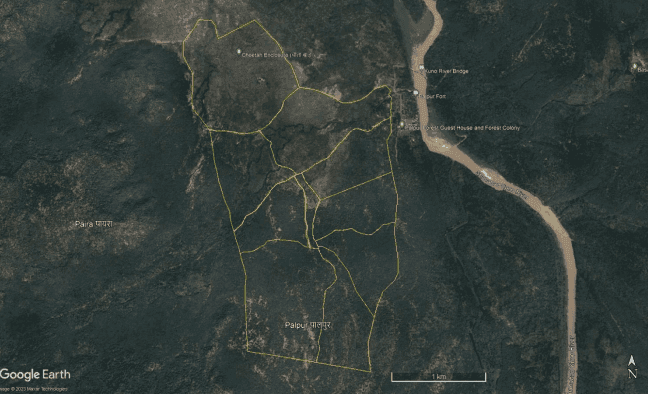
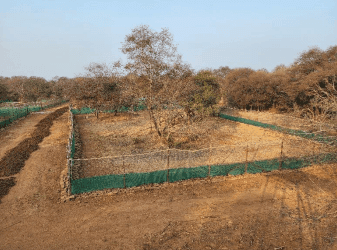
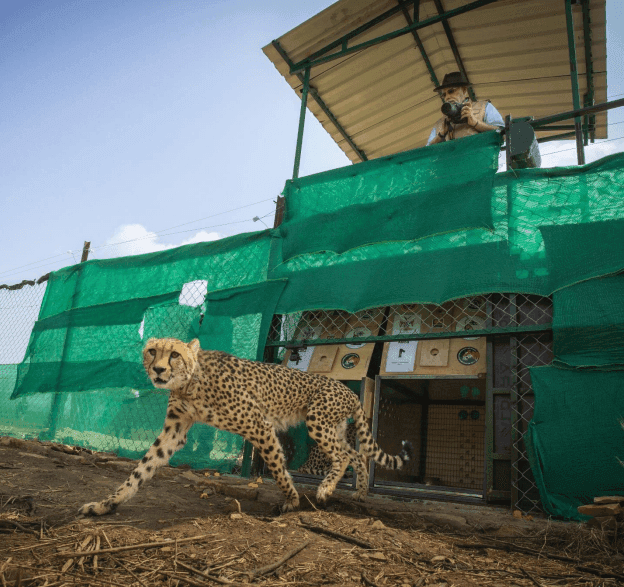
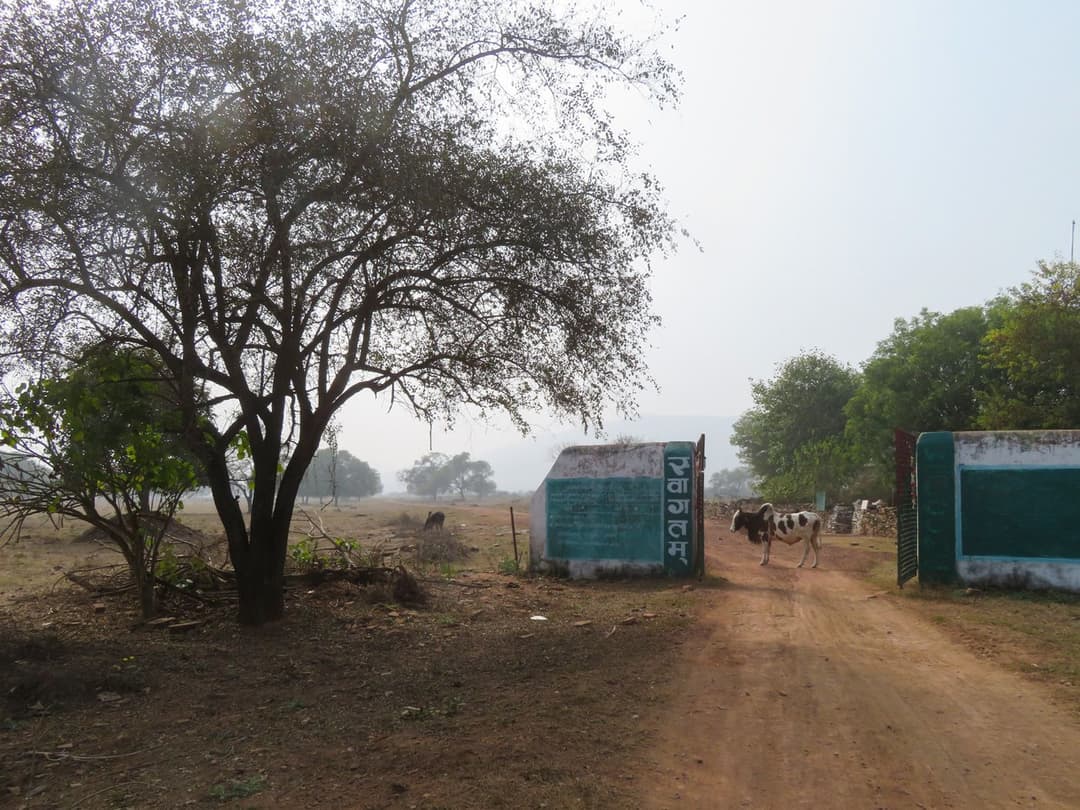
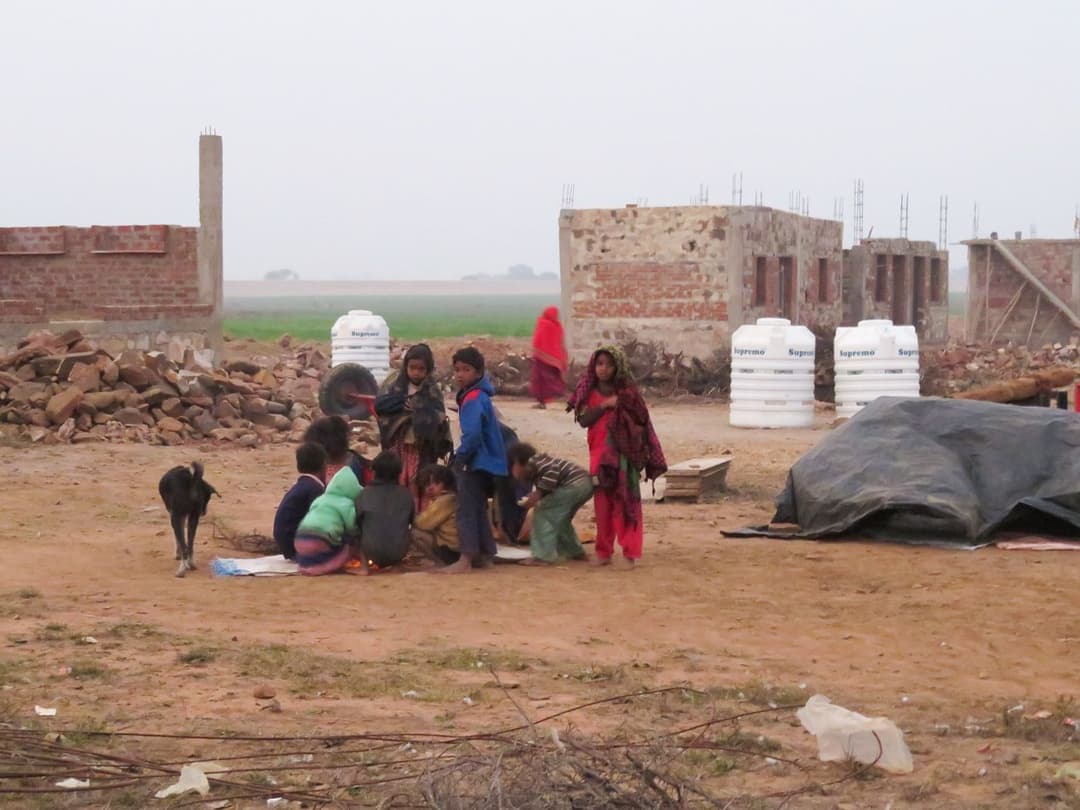
But since the cheetahs landed, they have spent a lot of time in caged spaces, and fences have gone up in the forests of Kuno, both to make sure they stay in, and others stay out. “We are not allowed in. There are new gates at Sesaipura and Bagcha,” says Sirinivas Adivasi who also signed up to be a cheetah mitra.