
Bloodletting was a common medical treatment for nearly 3,000 years.
It developed around an idea, originating with Hippocrates and later wildly popular in Europe of the Middle Ages: that an imbalance of the four humours of the body – blood, phlegm, black bile, yellow bile – caused illness. Around 500 years after Hippocrates, Galen declared blood to be the most important humour. These and other ideas driven by surgical experimentation and, often, superstition, led to bleeding the body, ridding it of bad blood, if you like, to save the patient.
Leeches were used for bloodletting, including the medicinal leech Hirudo medicinalis. We will never know how many people lost their lives across 3,000 years to this treatment, how many humans turned corpses, bled to death by the medico-ideological delusions of their doctors. We do know that King Charles II of England had some 24 ounces of blood taken from him before he died. George Washington’s three doctors drained him of copious amounts of blood (on his own request) to cure him of a throat infection – he died soon after.
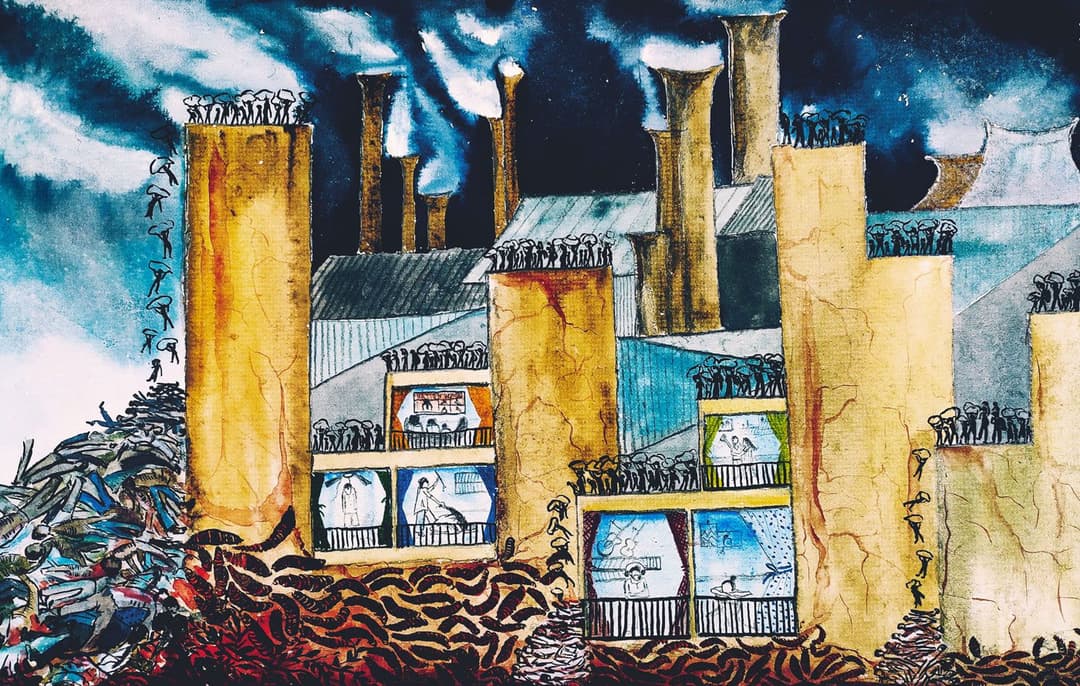
Covid-19 has given us a brilliant, thorough autopsy of neoliberalism, indeed of capitalism itself. The corpse is on the table, in glaring light, every vein, artery, organ and bone staring us in the face. You can see all the leeches – privatisation, corporate globalism, extreme concentration of wealth, levels of inequality unseen in living memory. The bloodletting approach to social and economic ills that has seen societies drain working people of the basics of decent and dignified human existence.
The 3,000-year-old medical practice reached its peak in Europe in the 19th century. Its discrediting came only with the late 19th and 20th centuries – but the doctrine and practice are still dominant in the disciplines of economics, philosophy, business and society.