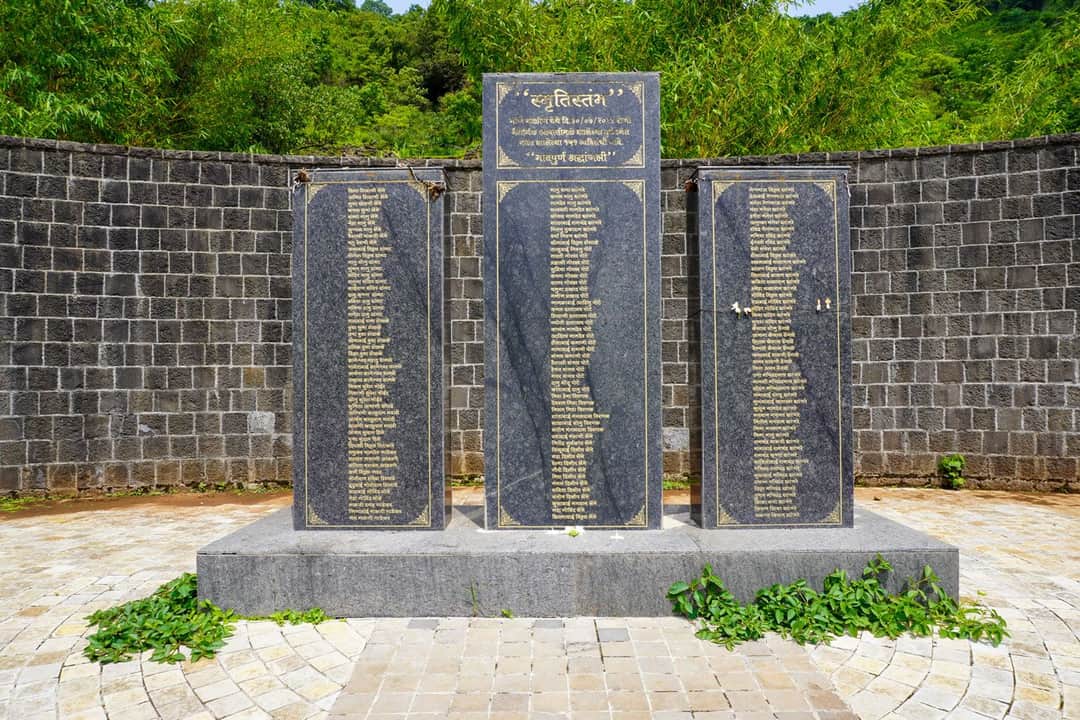
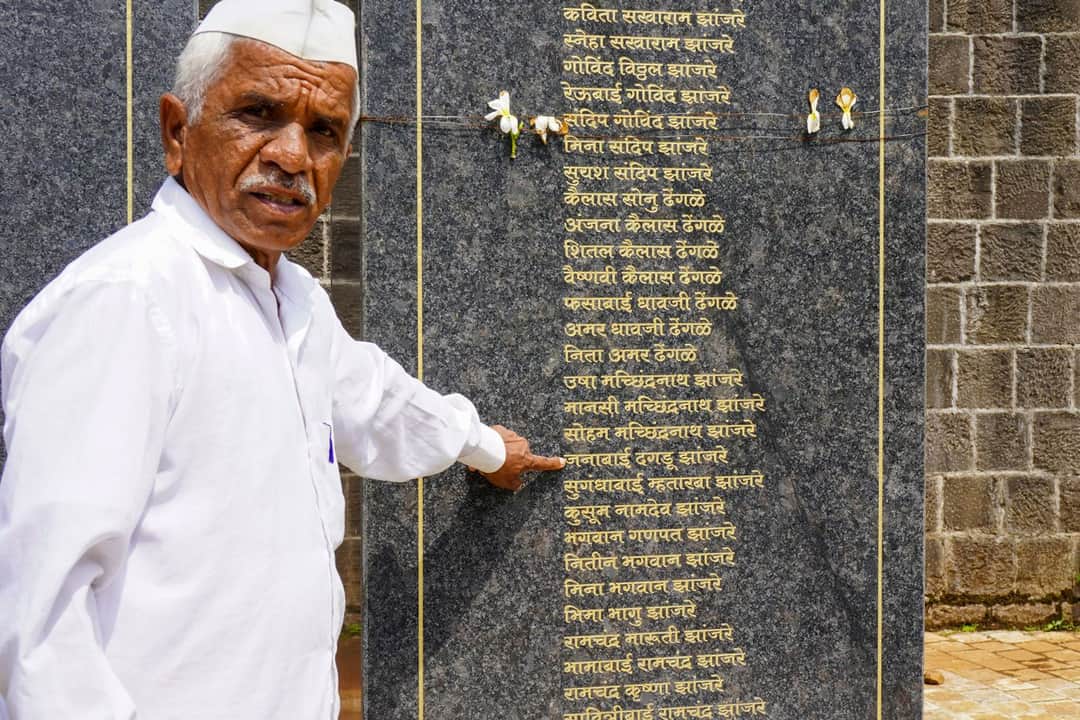
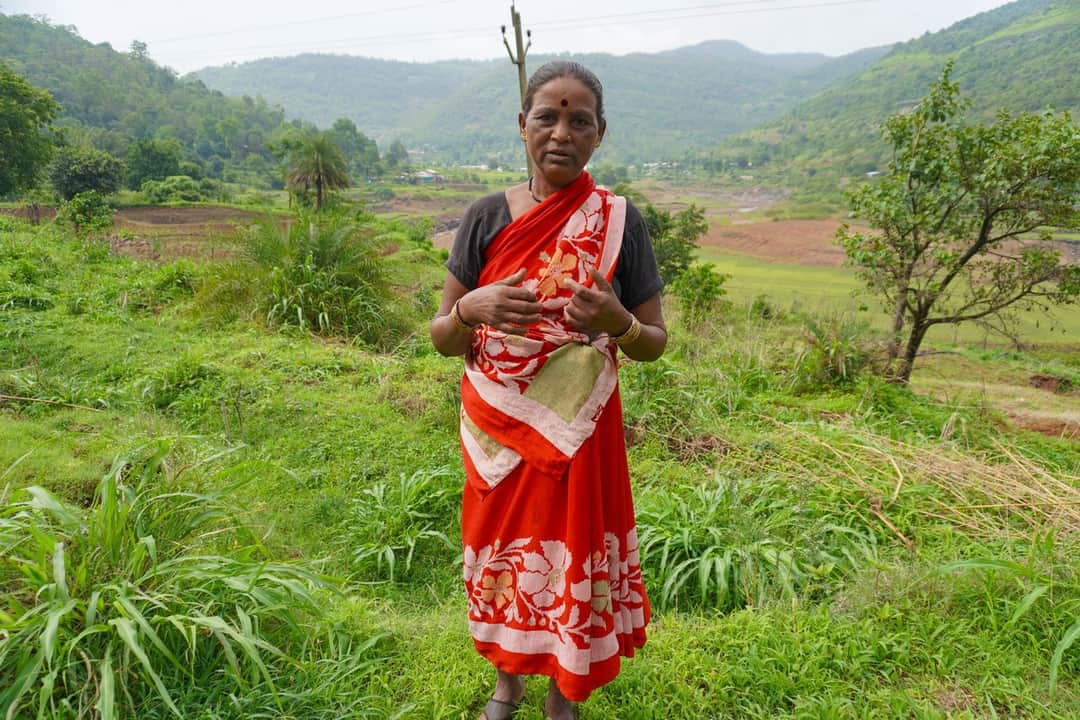
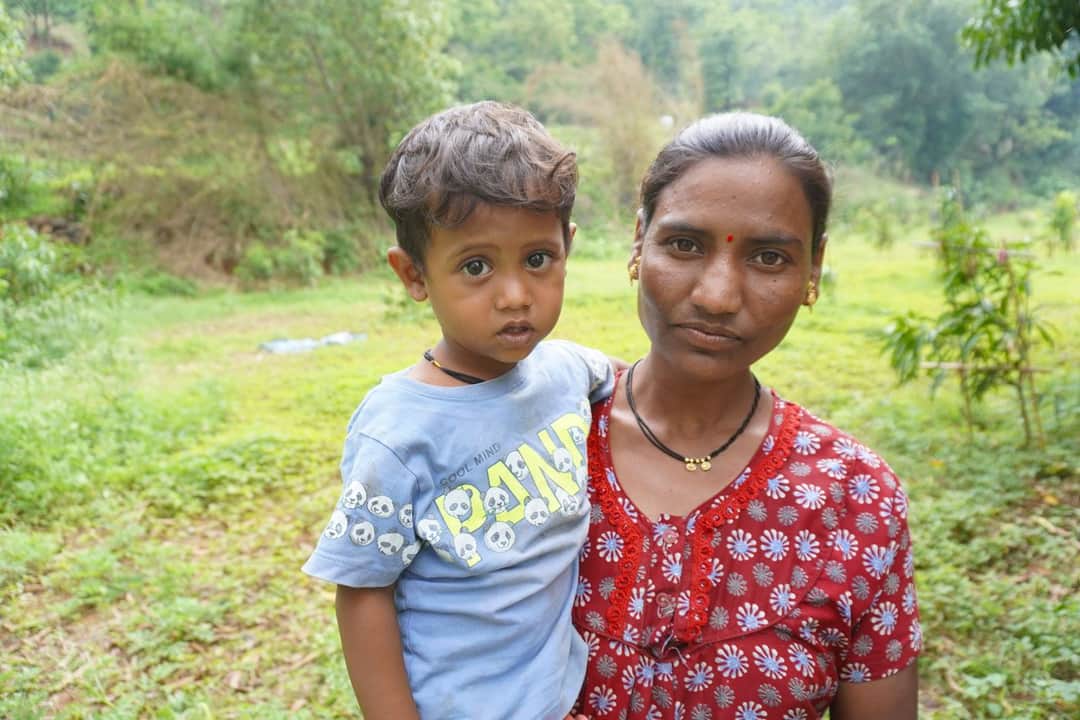
The rain, too, has changed. “I’ve lived here for 30 years but never seen rain like this before. It comes all at once – heavy, relentless. It reminds us of Malin every year.”
The danger is not imagined. As the climate warms, the atmosphere holds more moisture. “The amount of rainfall and time of rainfall has changed. Rain that once spread over three months now falls in only two weeks,” says Dr. Gurudas Nulkar, Director of the Centre for Sustainable Development at Gokhale Institute, Pune. He explains further that shifting rainfall patterns and unregulated construction are key drivers of the worsening landslide risk. (Read: In Thane, the rain has gone rogue)
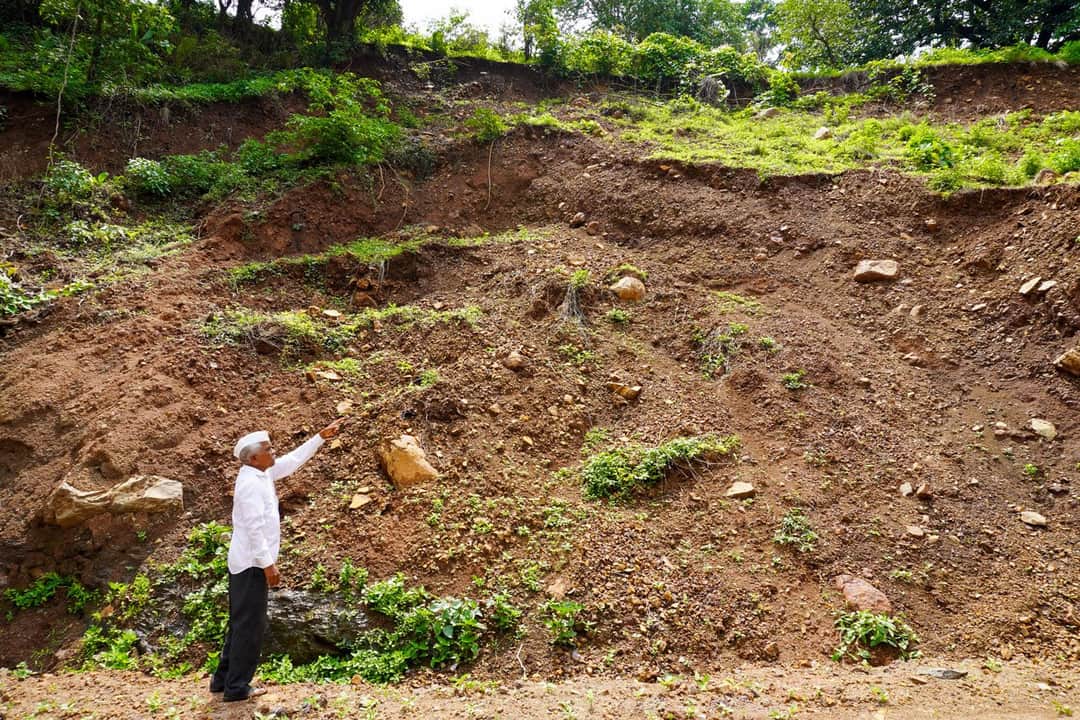
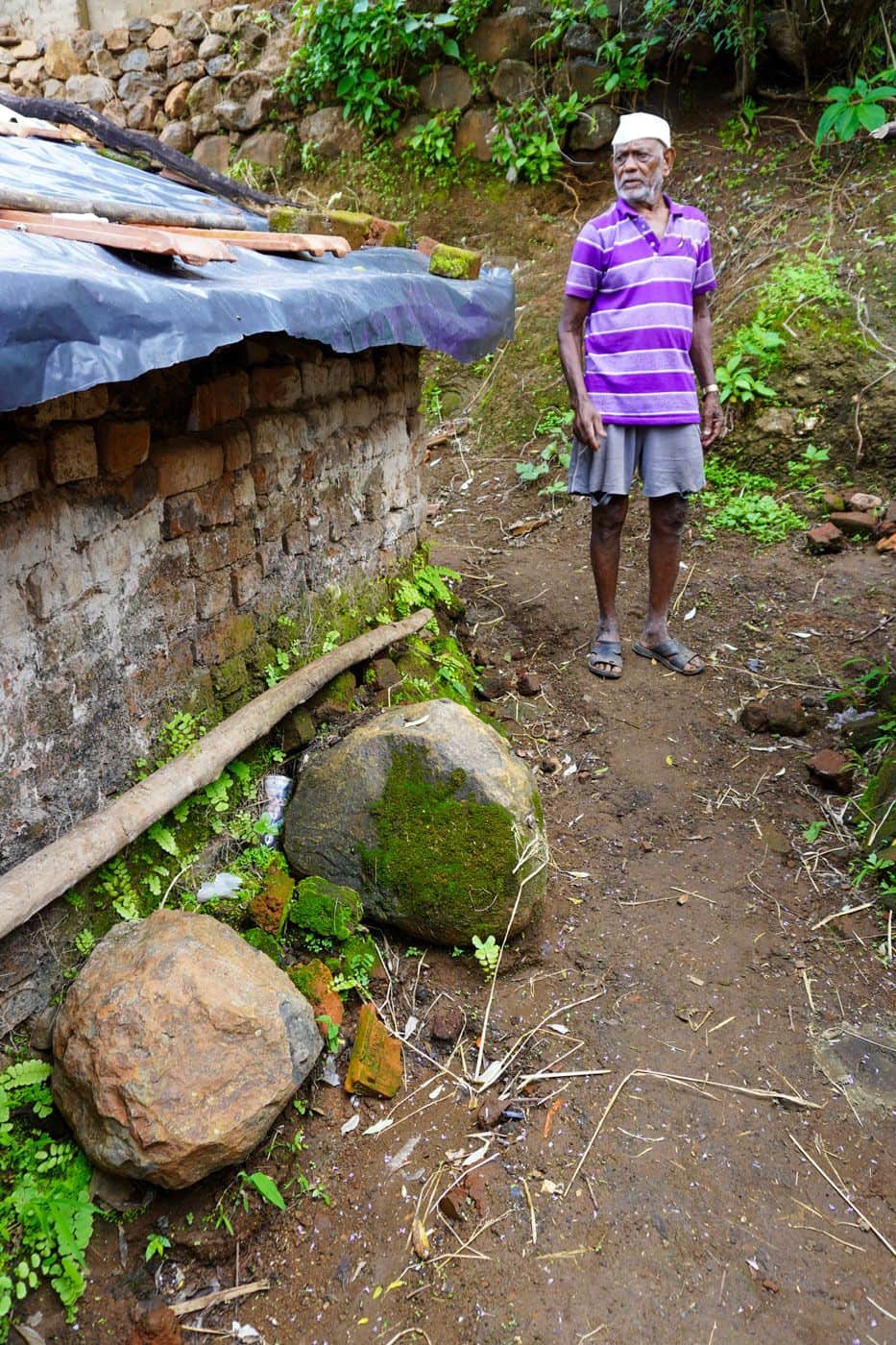
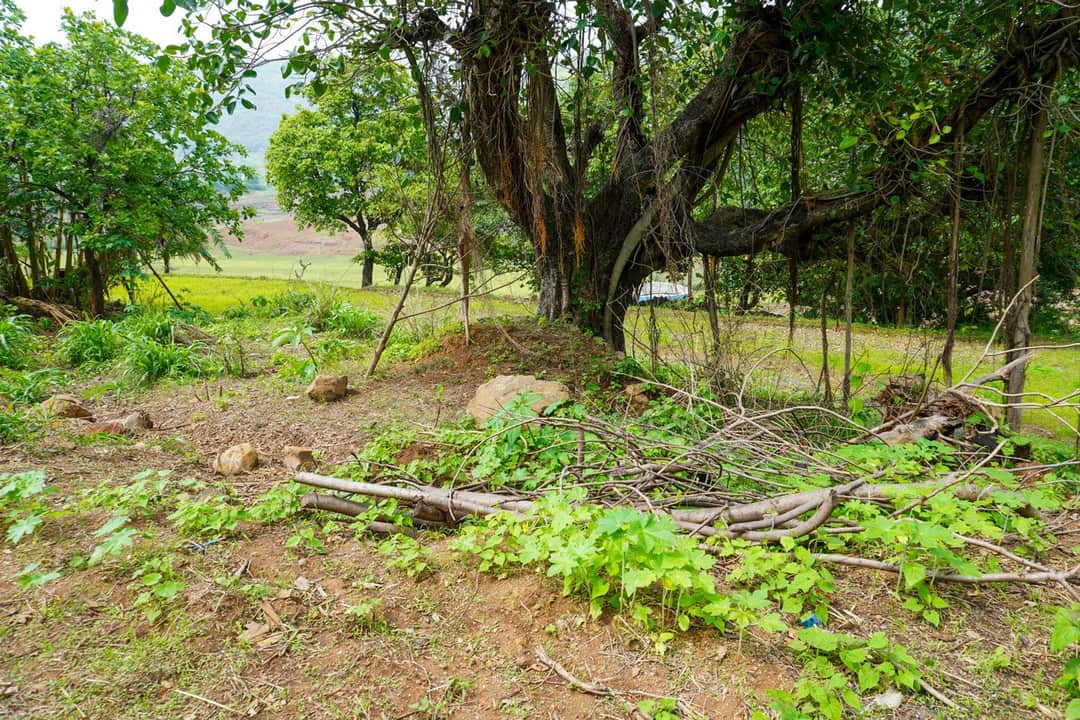
Further down the slope of Pasarwadi, Fasabai’s neighbour Javji Balchim points to the large boulders lying behind homes, rising as tall as Javji’s knees and some even to his thigh. “These rocks came down just last year,” says the 80-year-old farmer. “Smaller rocks got stuck in the trees and these big stones came down. So far they haven’t crushed anyone’s house.”
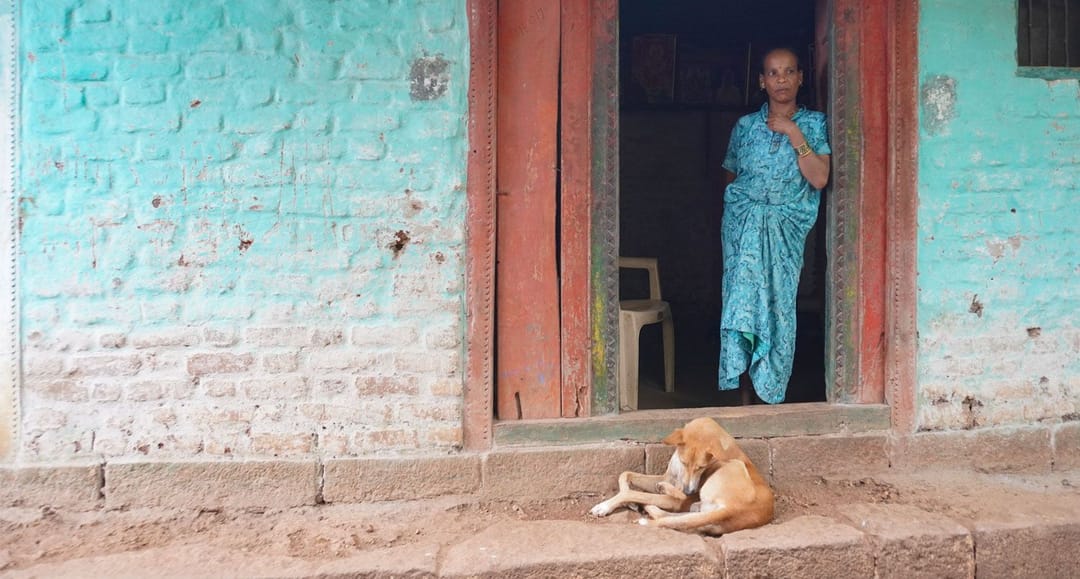
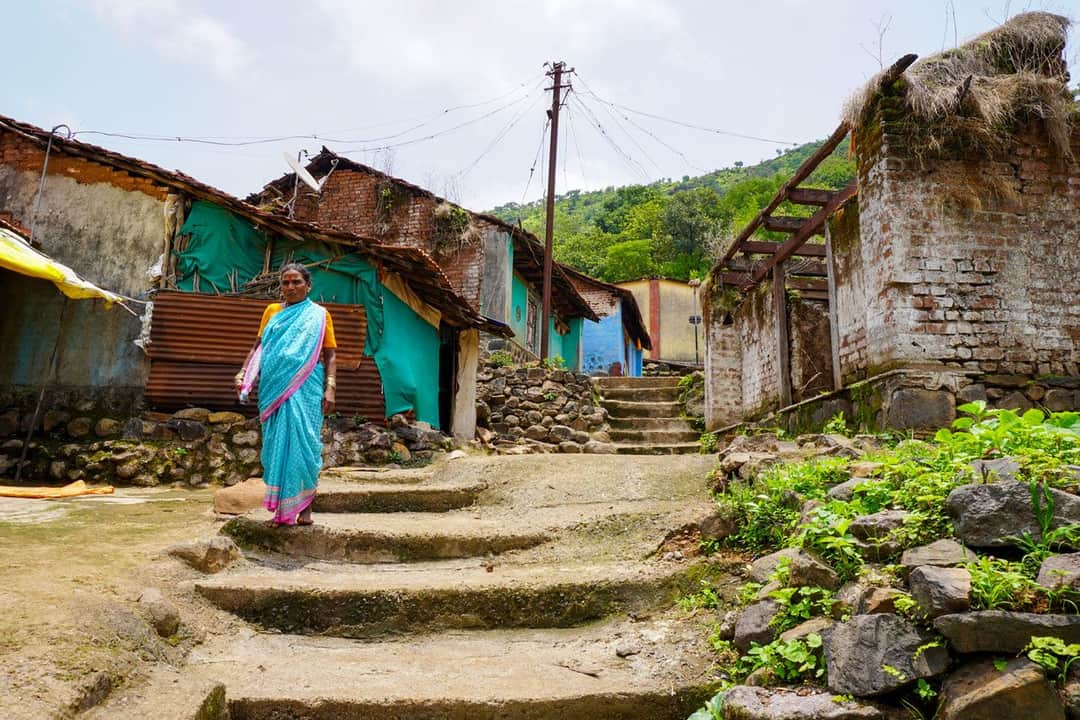
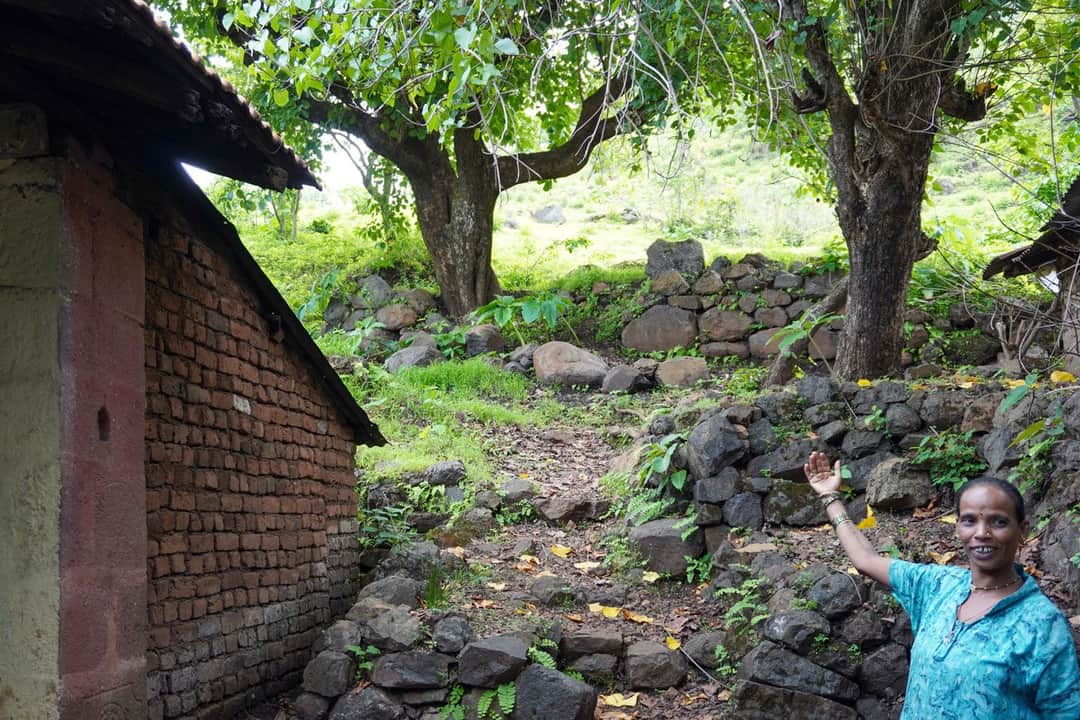
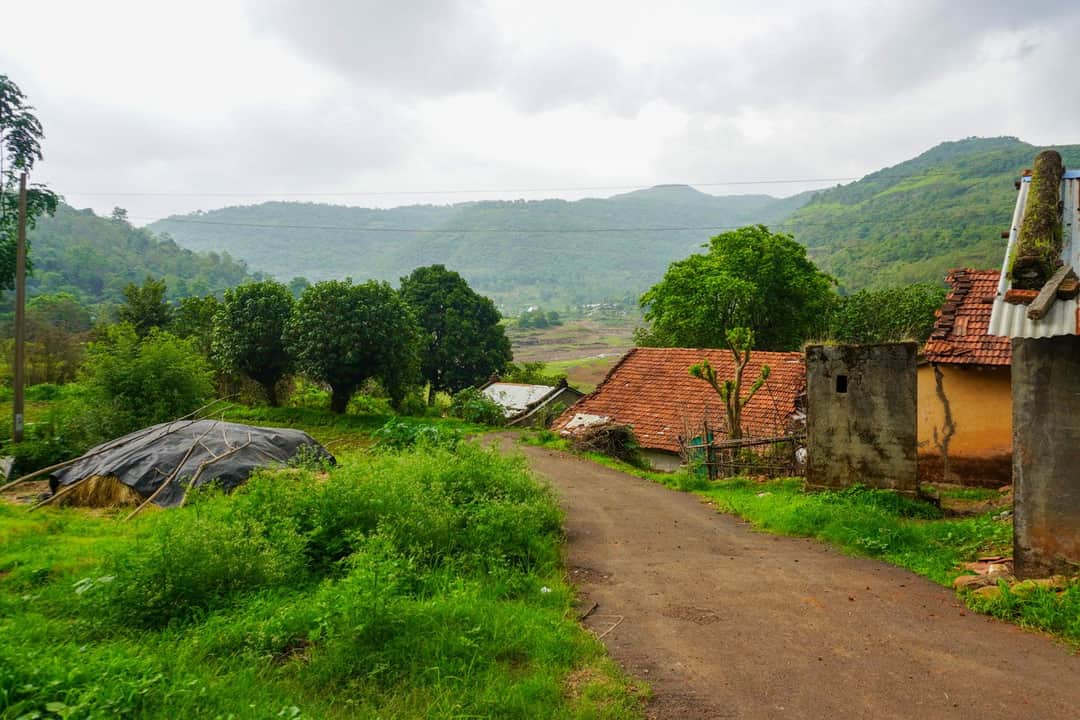
The homes in Pasarwadi – light, mud-brick structures – look strikingly similar to the vulnerable houses that once stood in Malin. Even a decade later, families here appear to have no stronger infrastructure, relying on wooden fences now lining the hillside in a desperate attempt to stop falling stones.
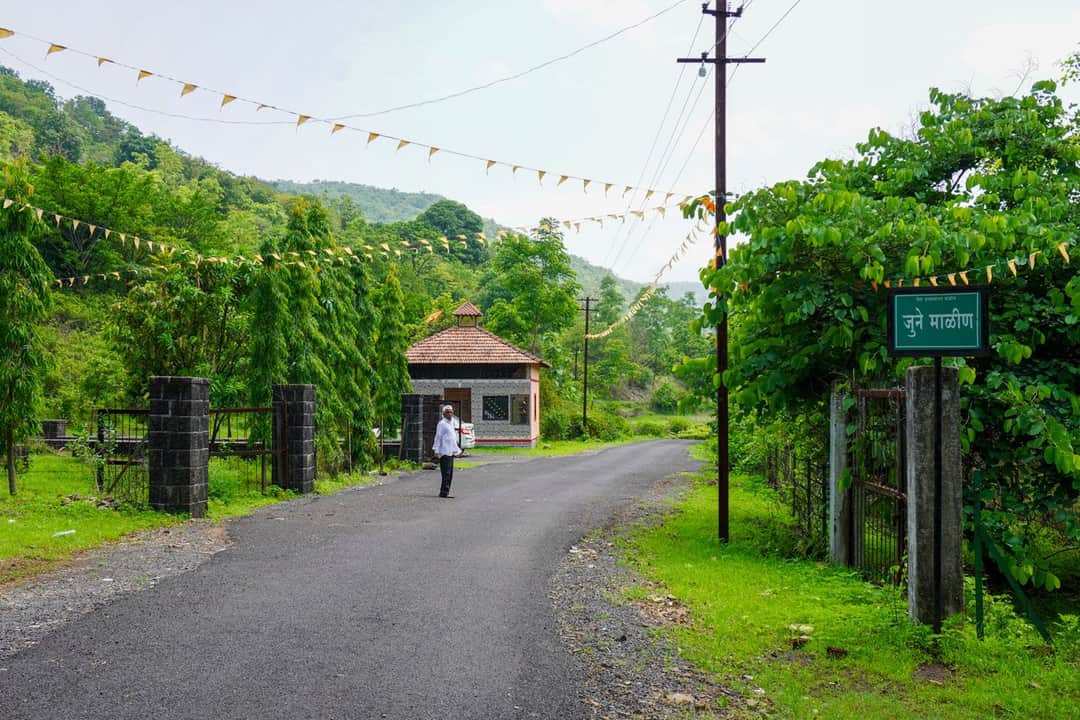
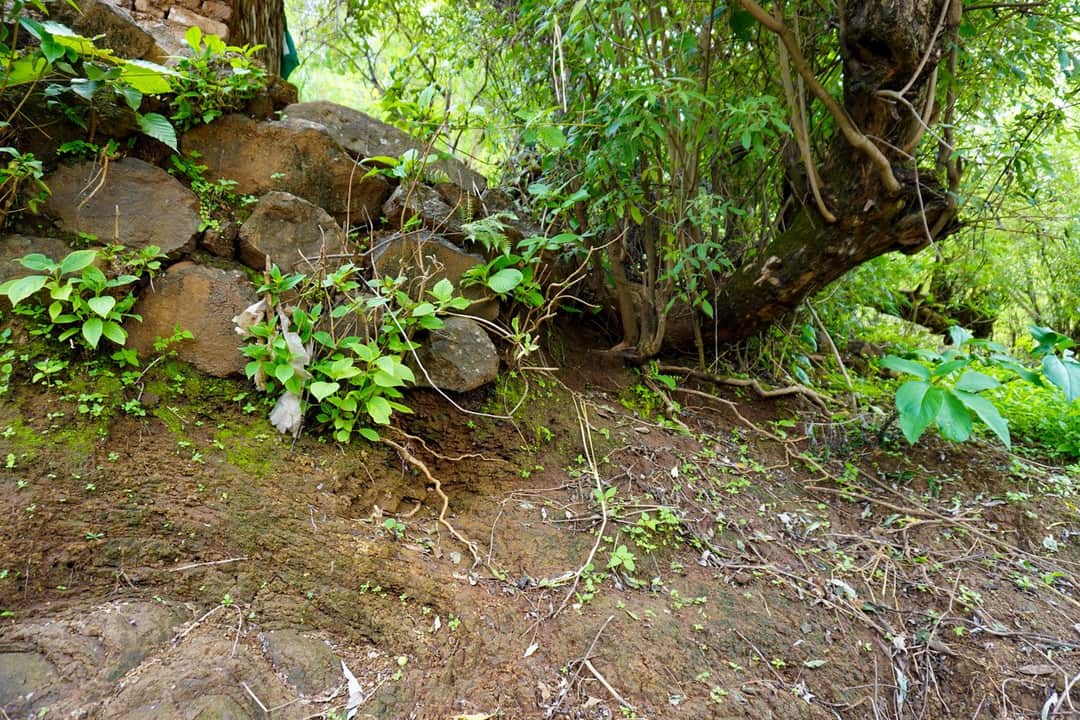
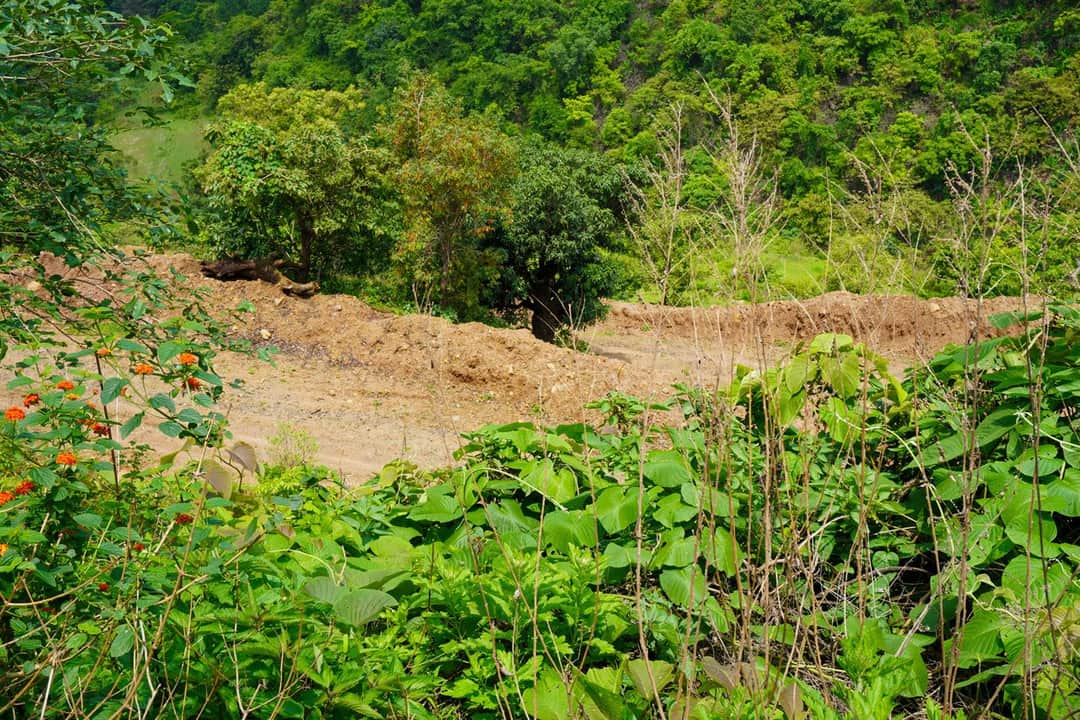
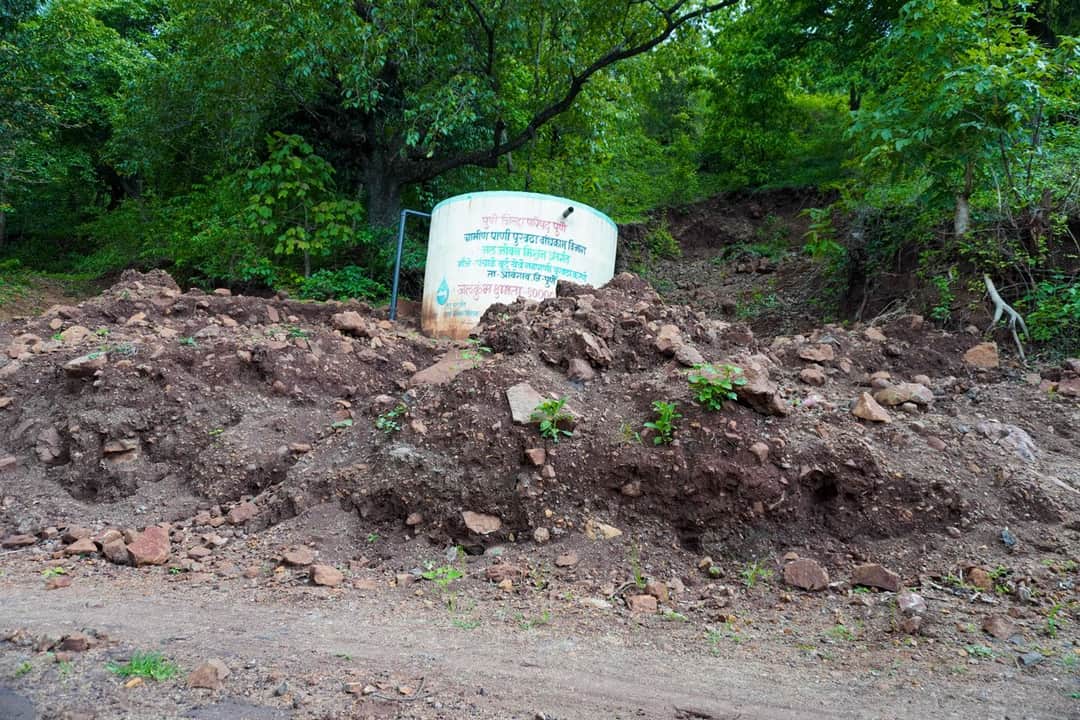
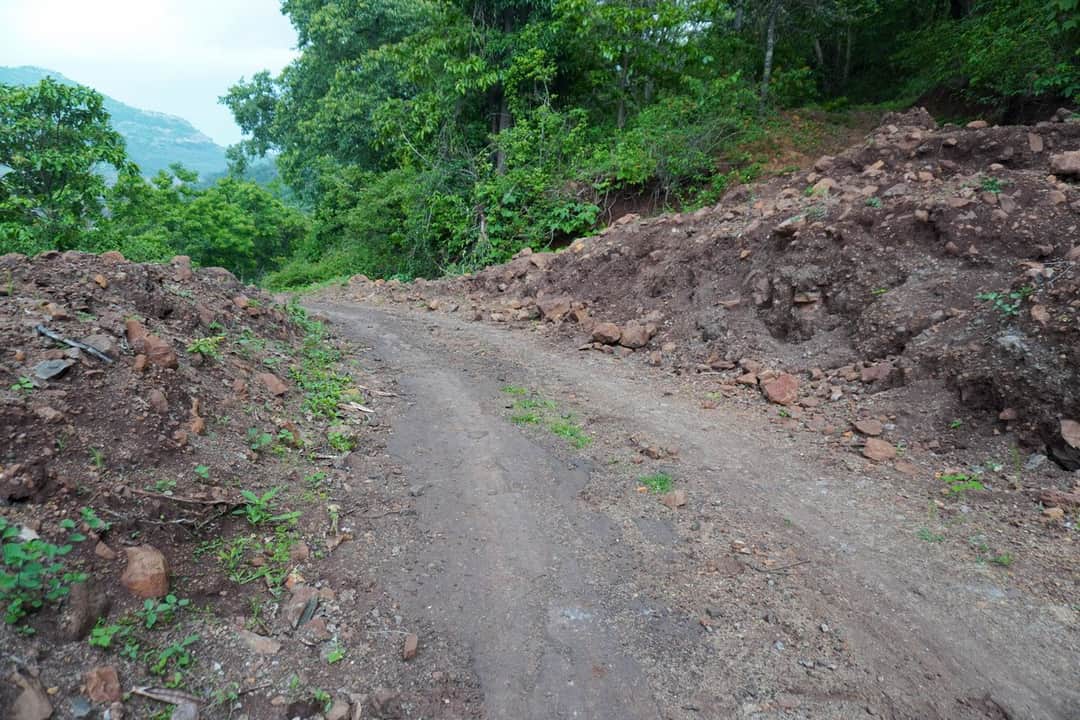
“Earlier, it was not like this. But since road work started, the whole slope feels looser,” says Javji. “They keep digging and dumping soil. We’ve lived our whole lives here. Now we don’t even feel safe inside our homes.” Javji and his wife Yamunabai grow 2-3 quintals of rice on their less than one guntha (0.025 acres) farm. They support that income with agricultural labour and some money sent by their sons from Pune.
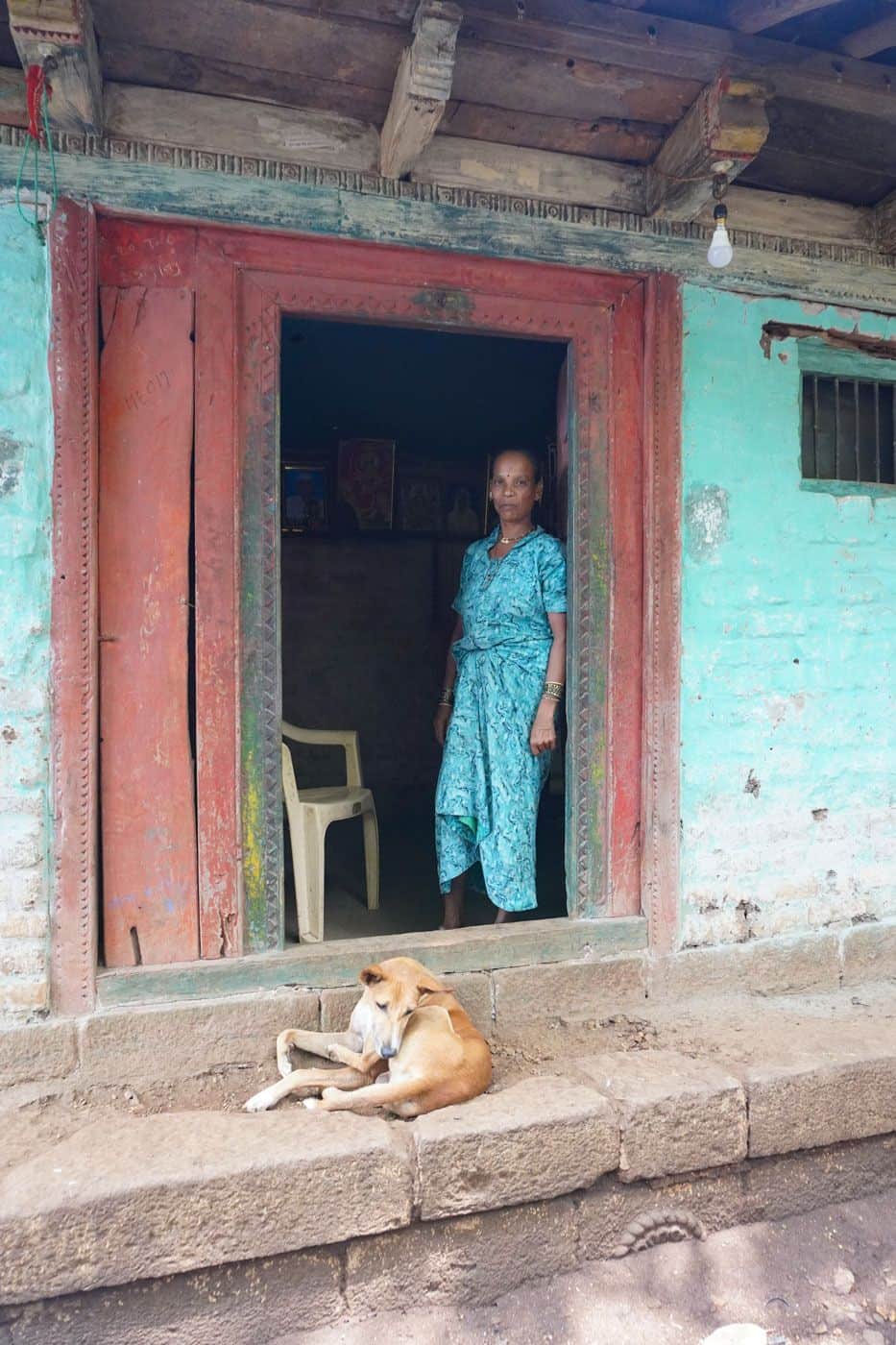
Yamunabai Balchim speaks softly. “Our children live in Pune now. They say they don’t want to return because of the cracks and fear. These two rooms [in the house] were built for them but now it’s just us, old and left behind.”