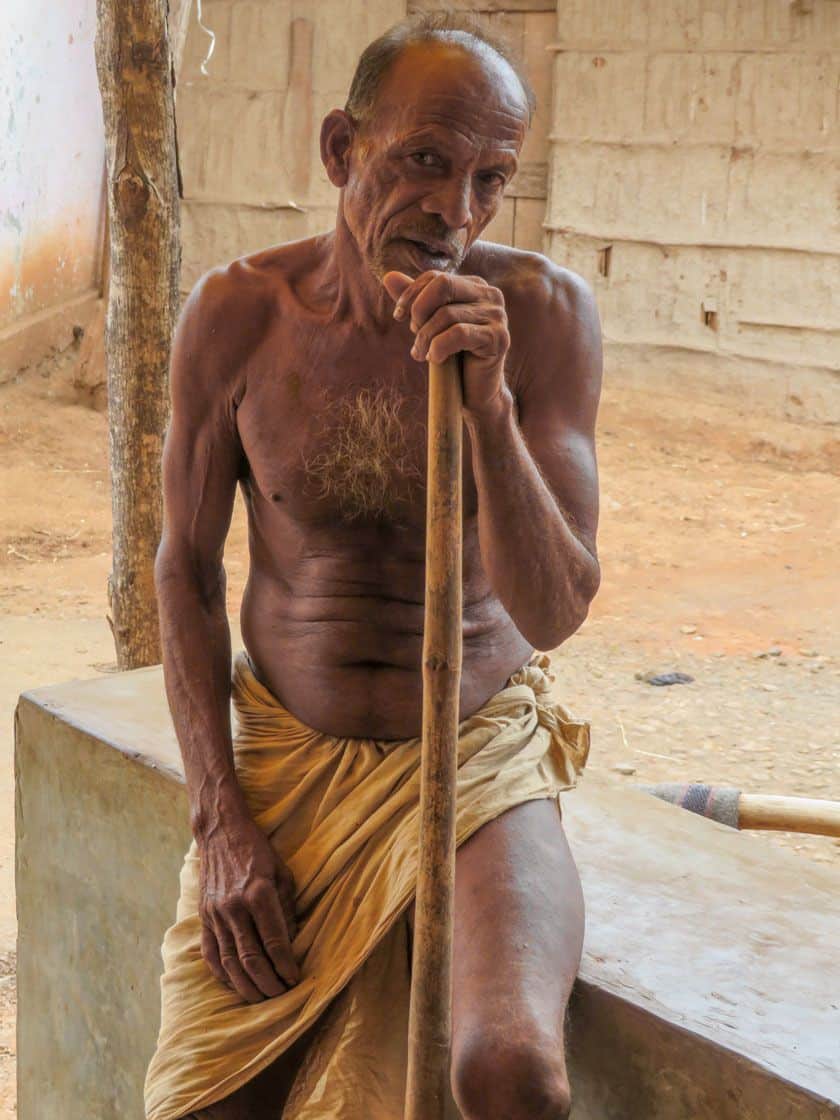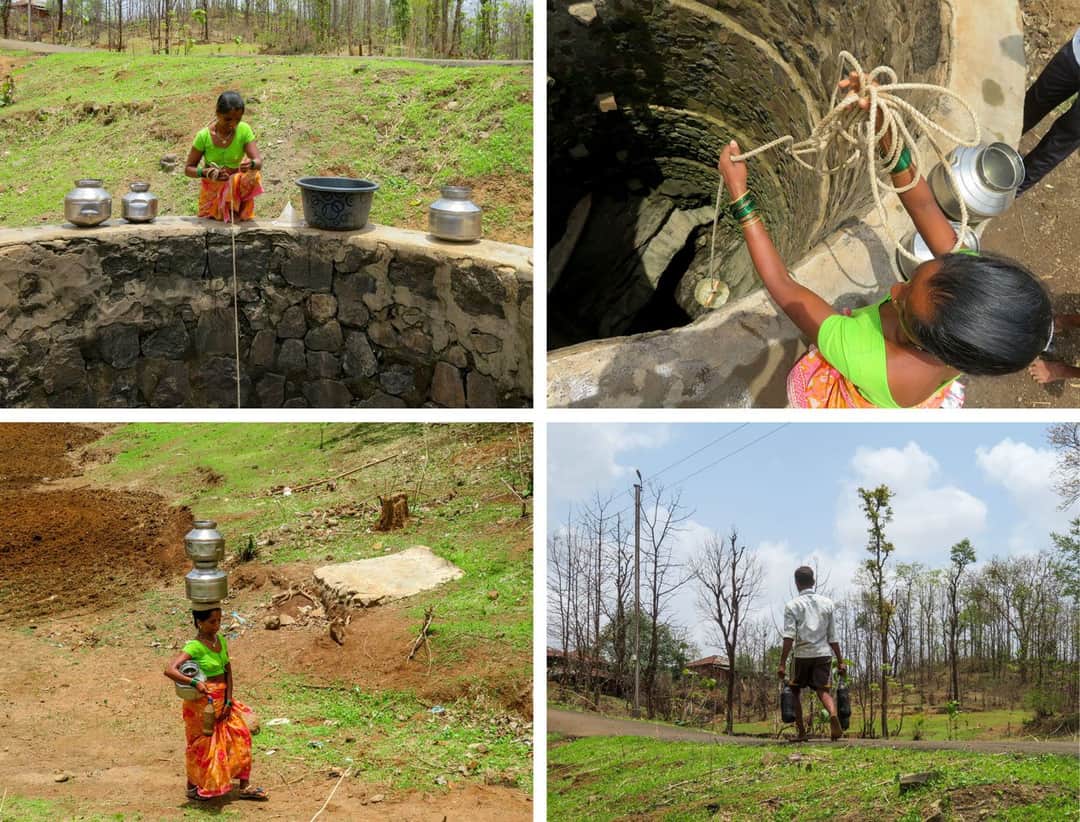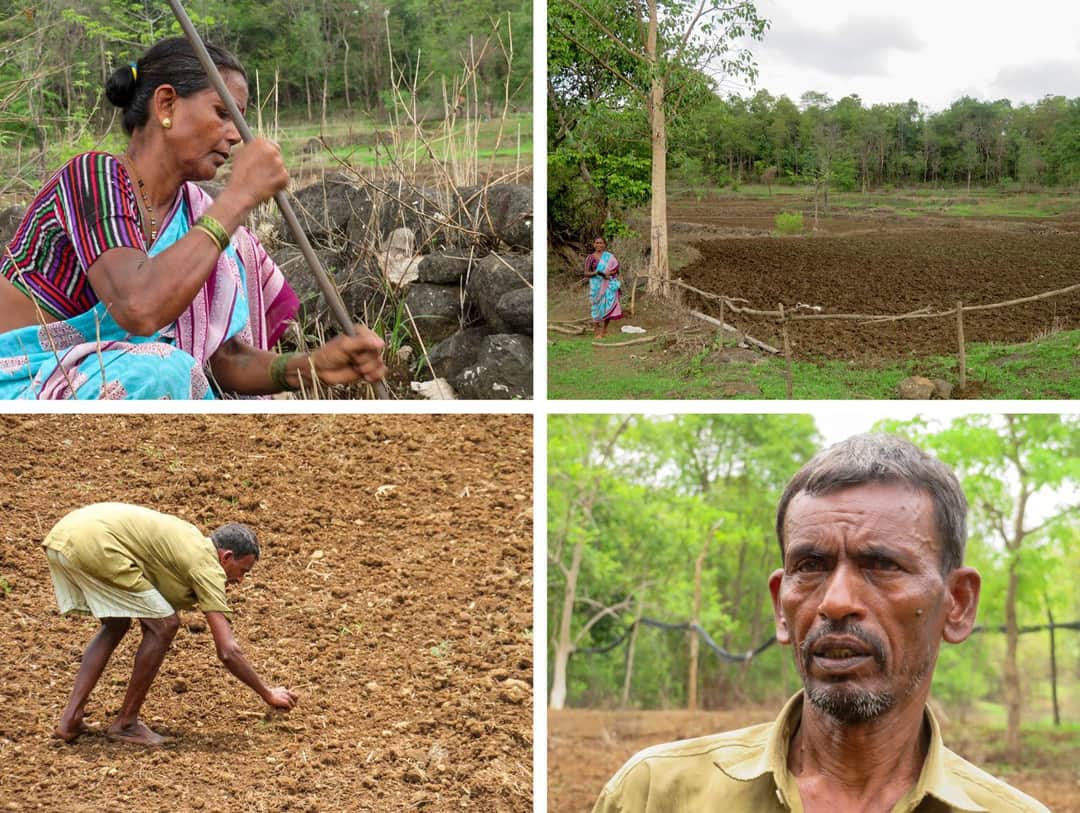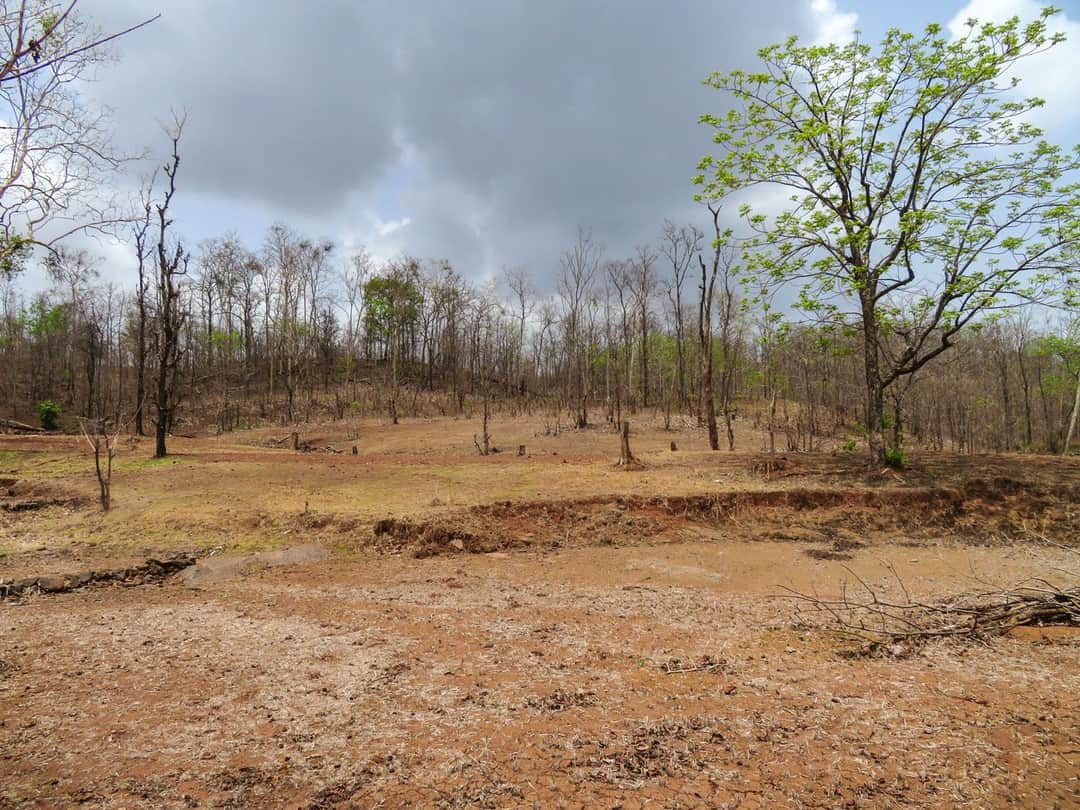


“The rain has stopped again,” said Dharma Garel, walking with the support of a bamboo cane towards his farmland. “June has become a strange month. It will rain for 2-3 hours. Sometimes light, sometimes heavy showers. But in the next few hours there will be unbearable heat once more. Absorbing all the moisture of the land. Then the soil becomes dry again. How will the saplings grow?”
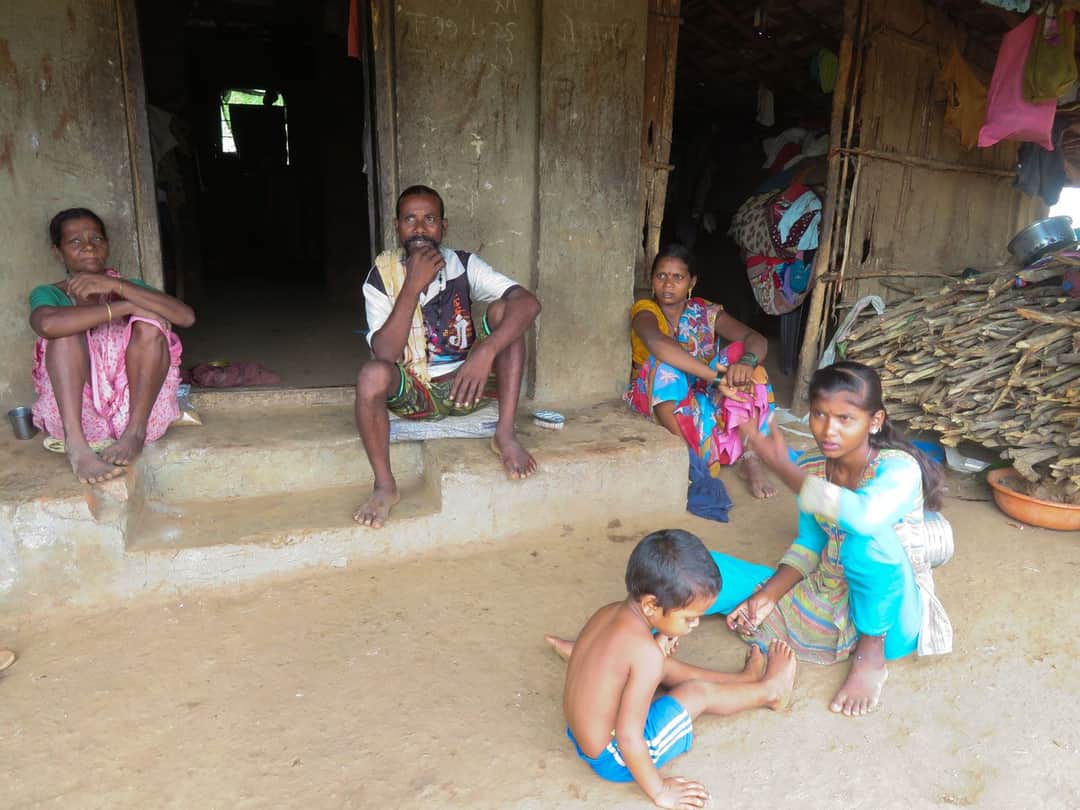
Eighty-year-old Garel and his family cultivate paddy on their one acre in Garelpada, an Adivasi hamlet of 15 Warli families in Shahapur taluka of Thane district. In June 2019, the paddy crop they sowed dried up completely. That month, it rained just 393 mm for 11 days (less than even an average of 421.9 mm).
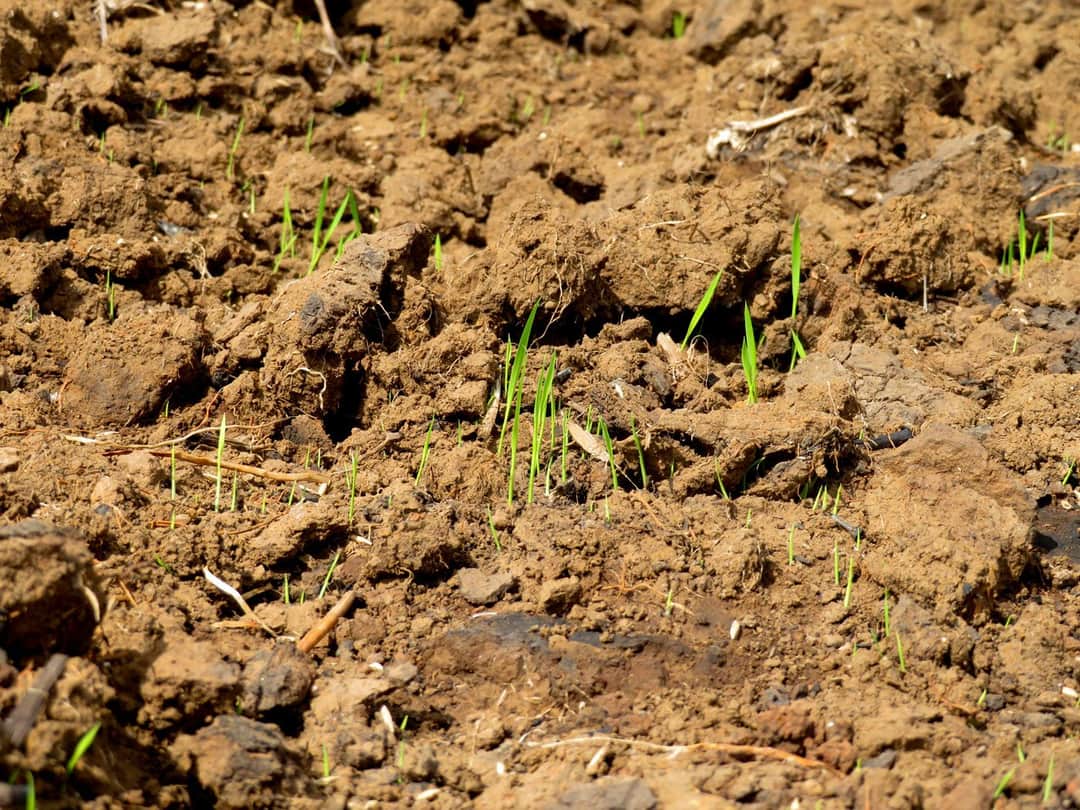
The paddy they had planted didn’t even sprout – and they lost around Rs. 10,000 spent on seeds, fertilisers, a tractor on hire and other cultivation costs.
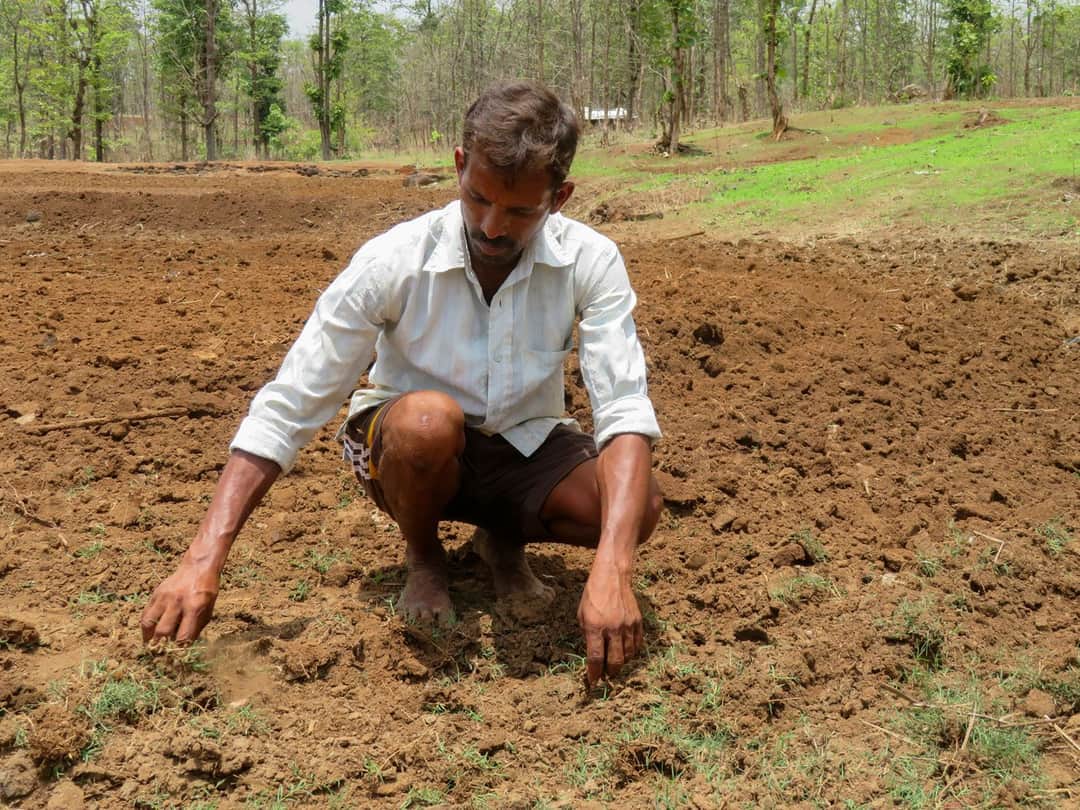
“It was only in August that the land started cooling down with regular rainfall. I was sure that by risking a second sowing, we would get a harvest, some benefit,” said 38-year-old Raju, Dharma’s son.
After that rain-scarce June, in July, it had rained a lot in the taluka – 1586.8 mm, against the normal rainfall of 947.3 mm. So the Garel family was banking on that second sowing. But by August the rain became much too intense – and it continued till October. All seven talukas of Thane district received excess rainfall of around 1,200 mm in 116 days.
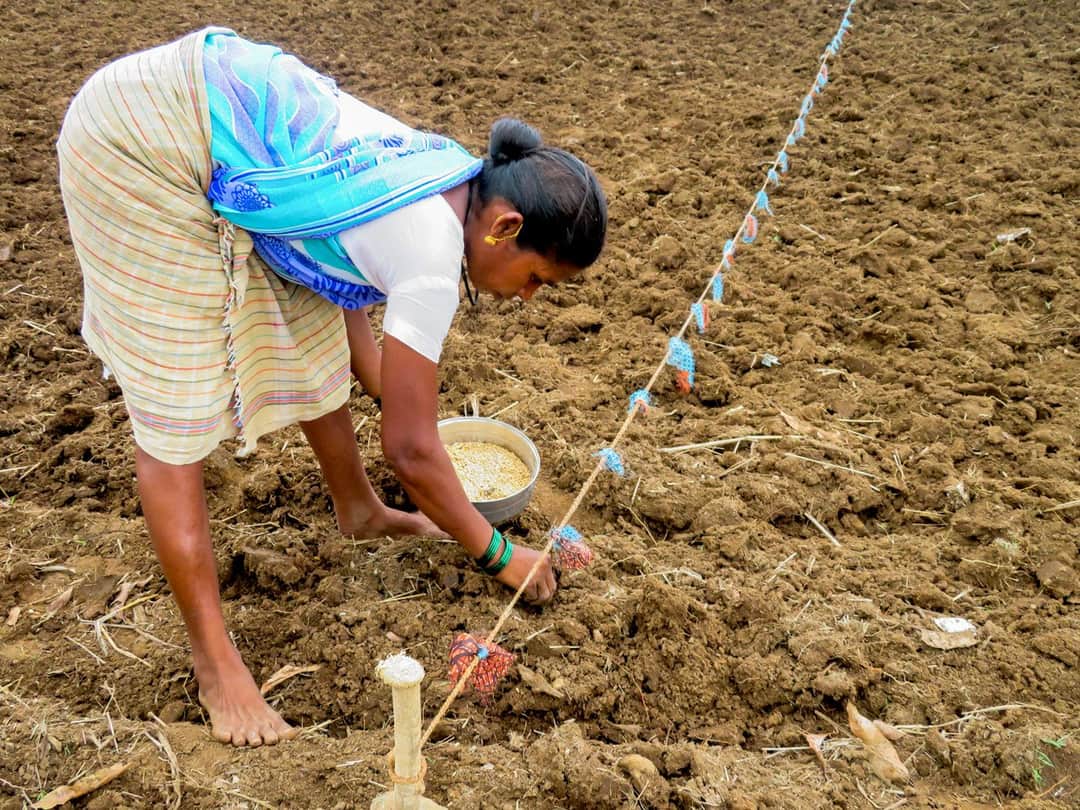
“It was enough rain till September for the growth of the plants. We humans too don’t eat until the belly bursts, why would a small plant?” asks Raju. The October rainfall flooded the Garel family’s farm. “We had started cutting the paddy in the last week of September and stacking it in bundles,” recalls 35-year-old Savita, farmer and Raju’s wife. “We still had to harvest the rest of the crop. After October 5, it suddenly started raining heavily. We tried to take the stacked crops inside the house as much as possible. But within minutes, our farm was flooded…”
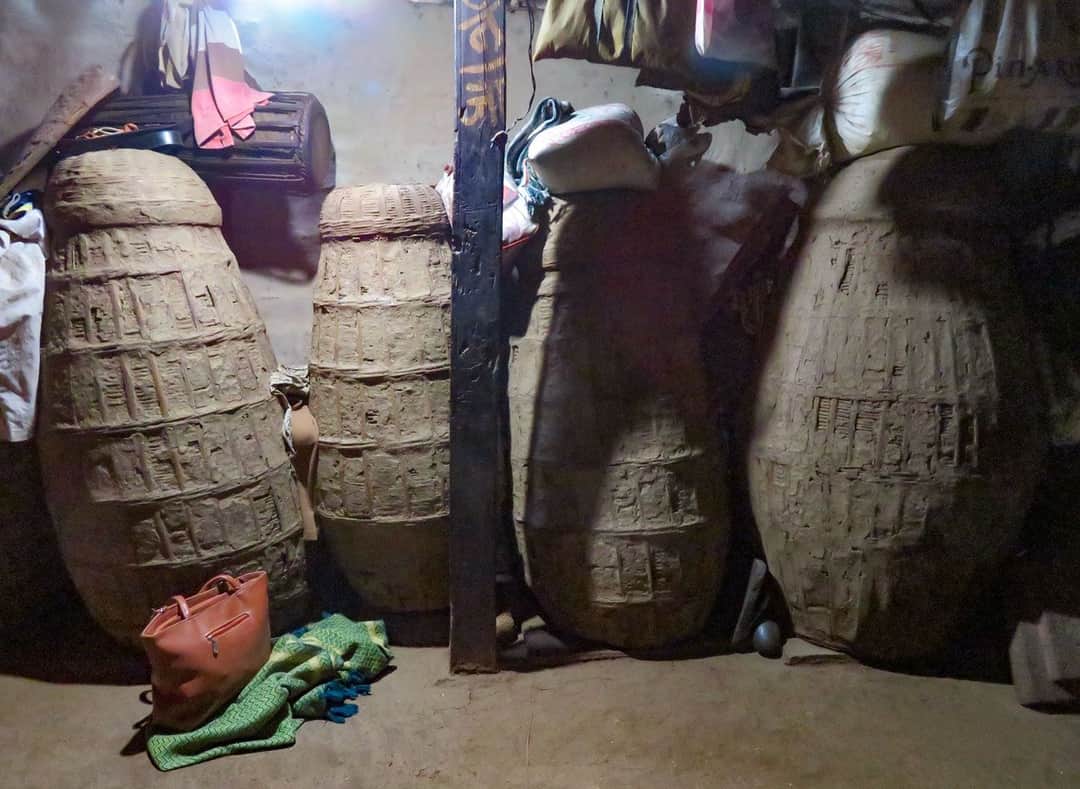
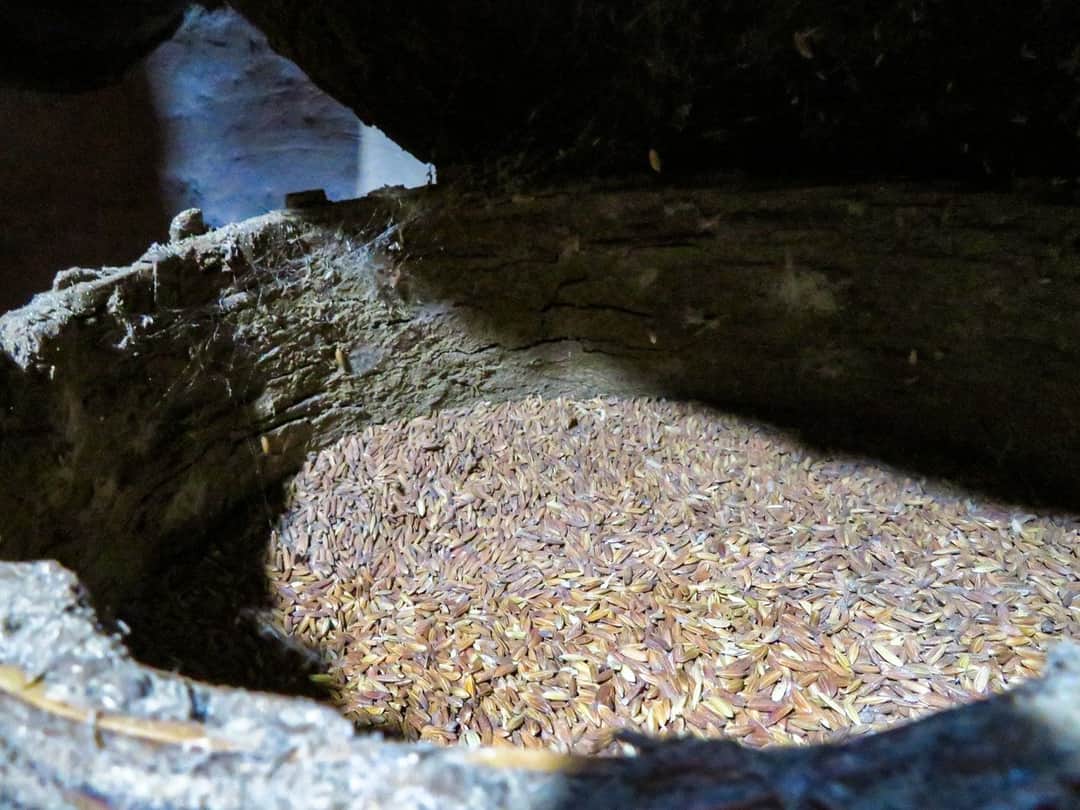
From that second sowing of August, the Garels managed to salvage 3 quintals of rice – when in the past they would harvest, from a single sowing, around 8-9 quintals.