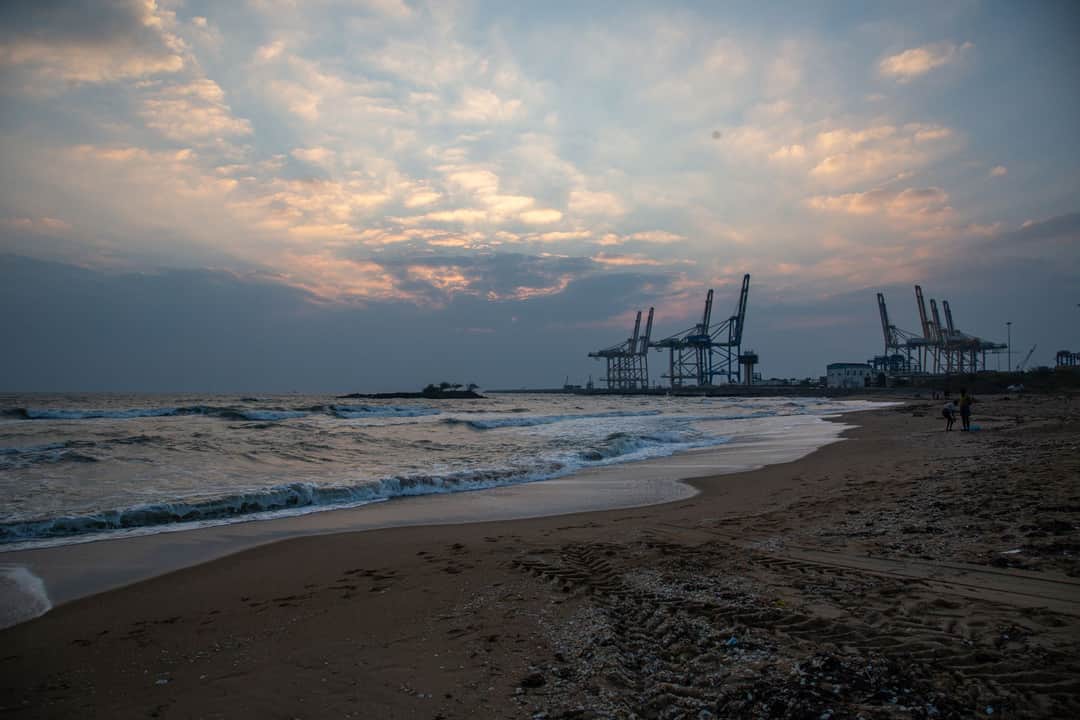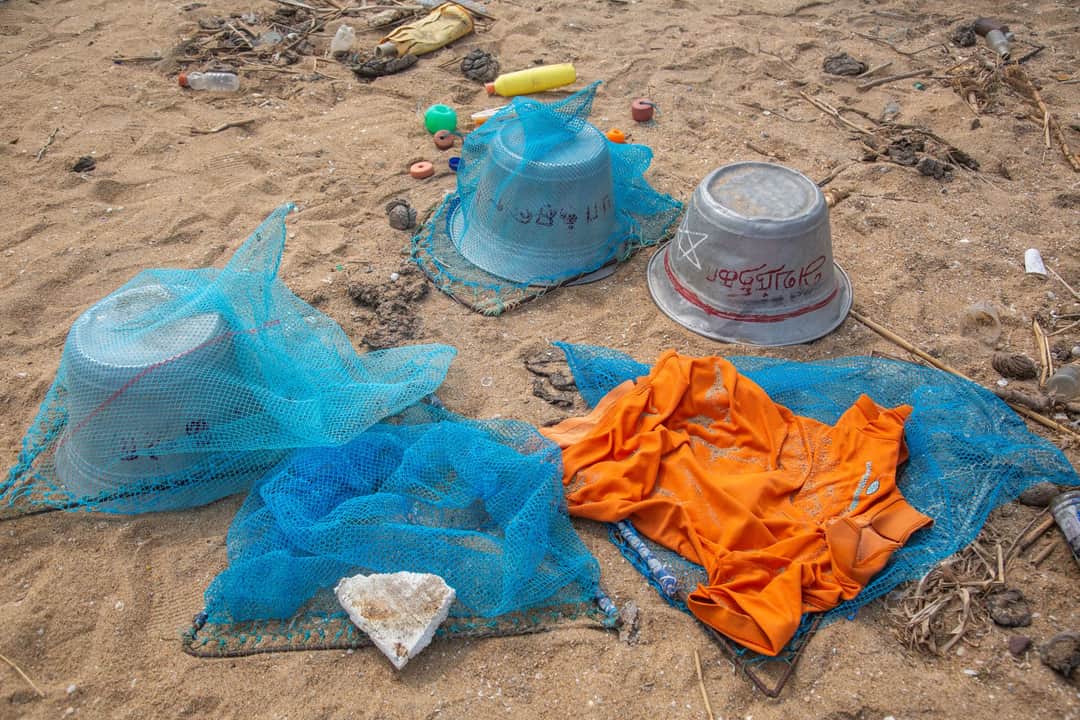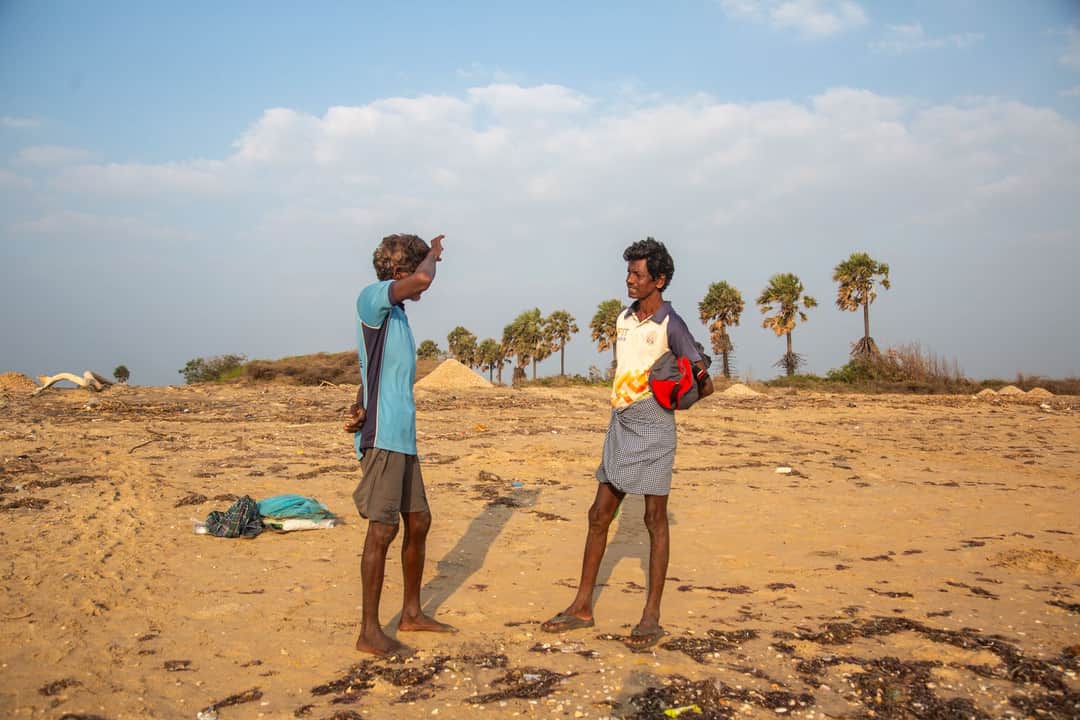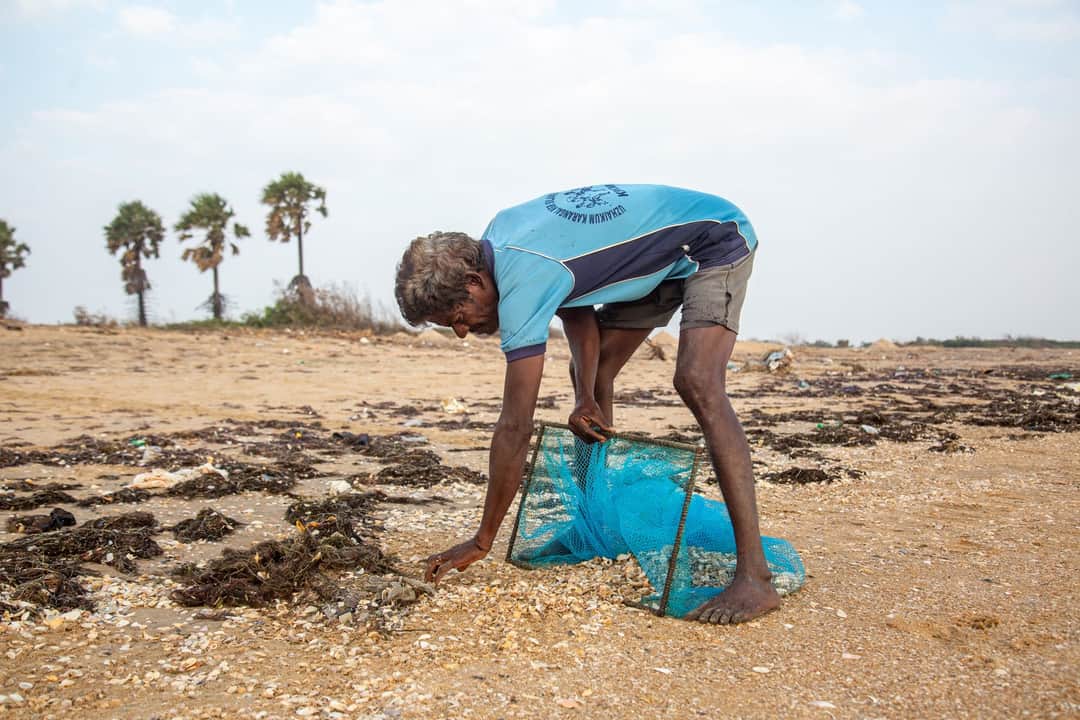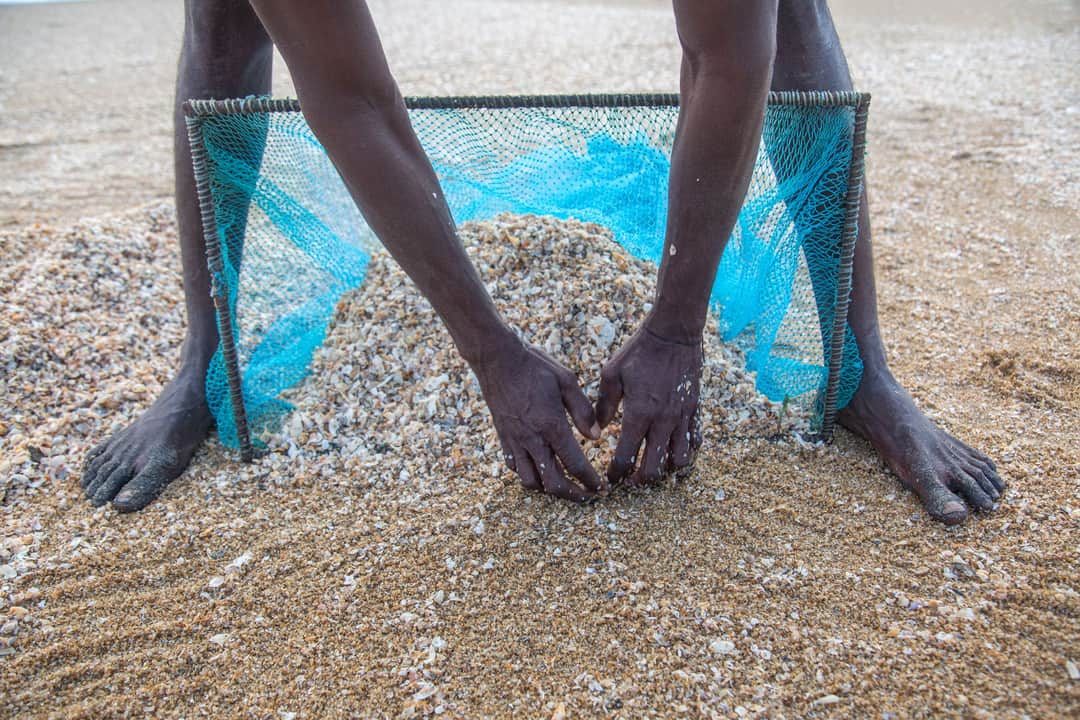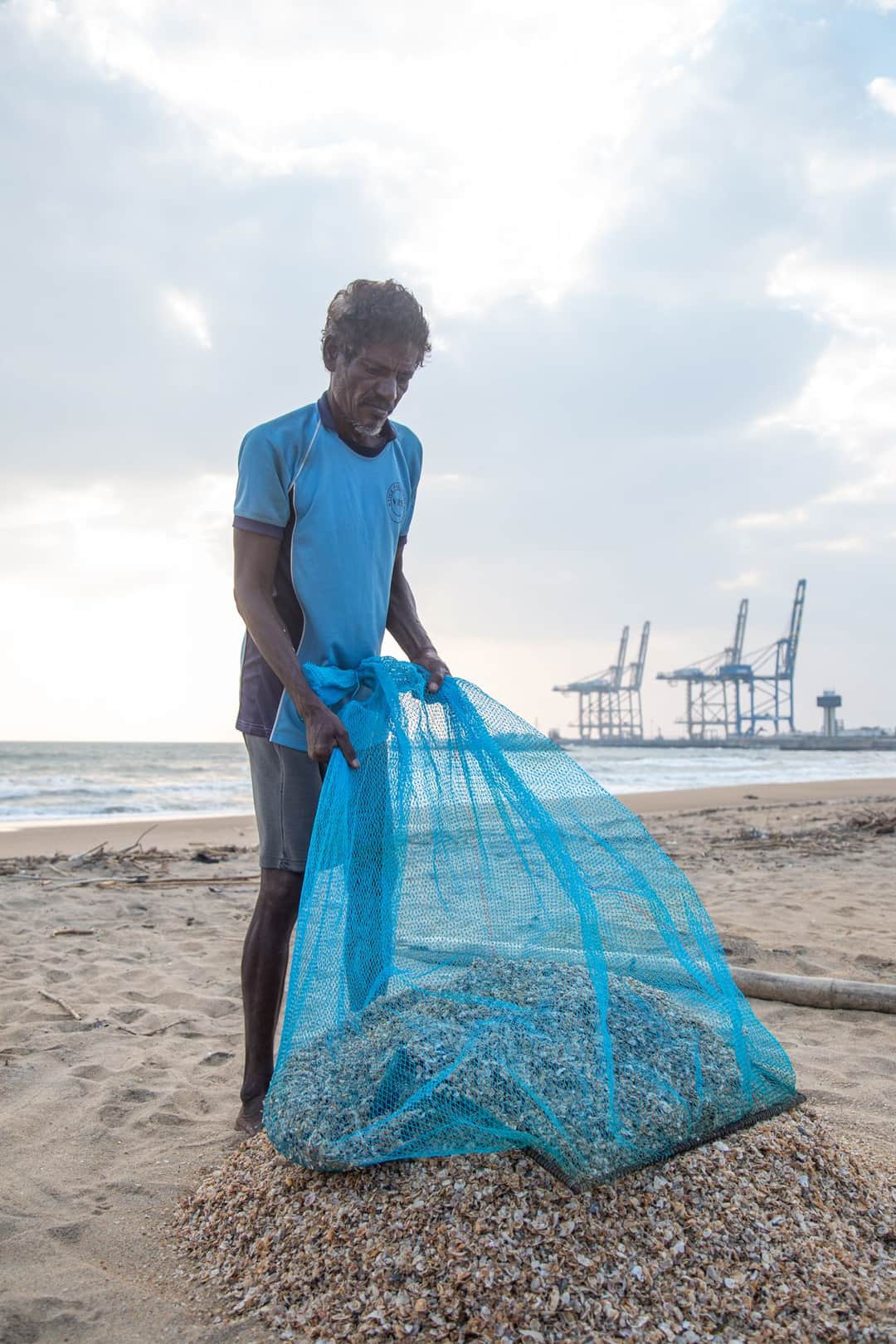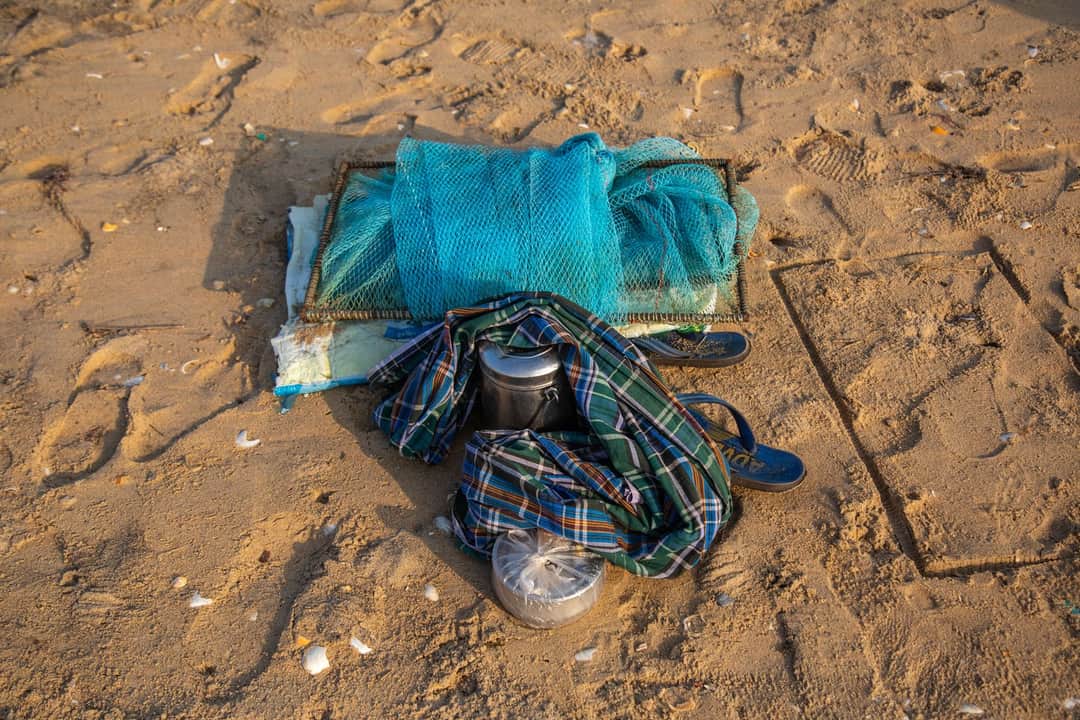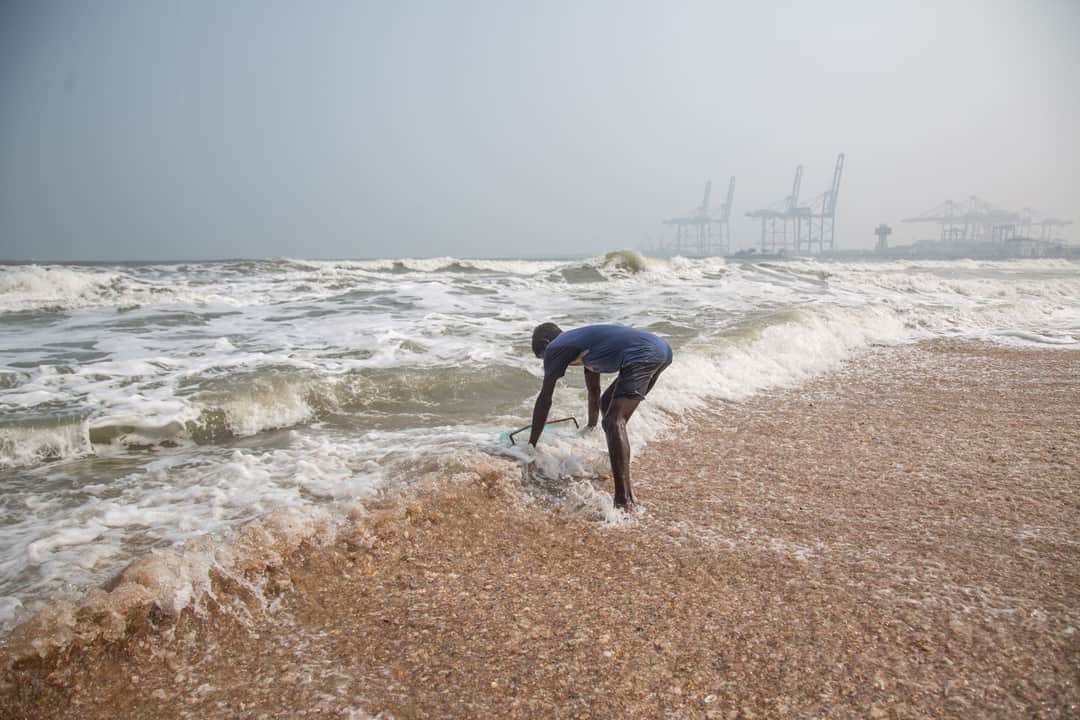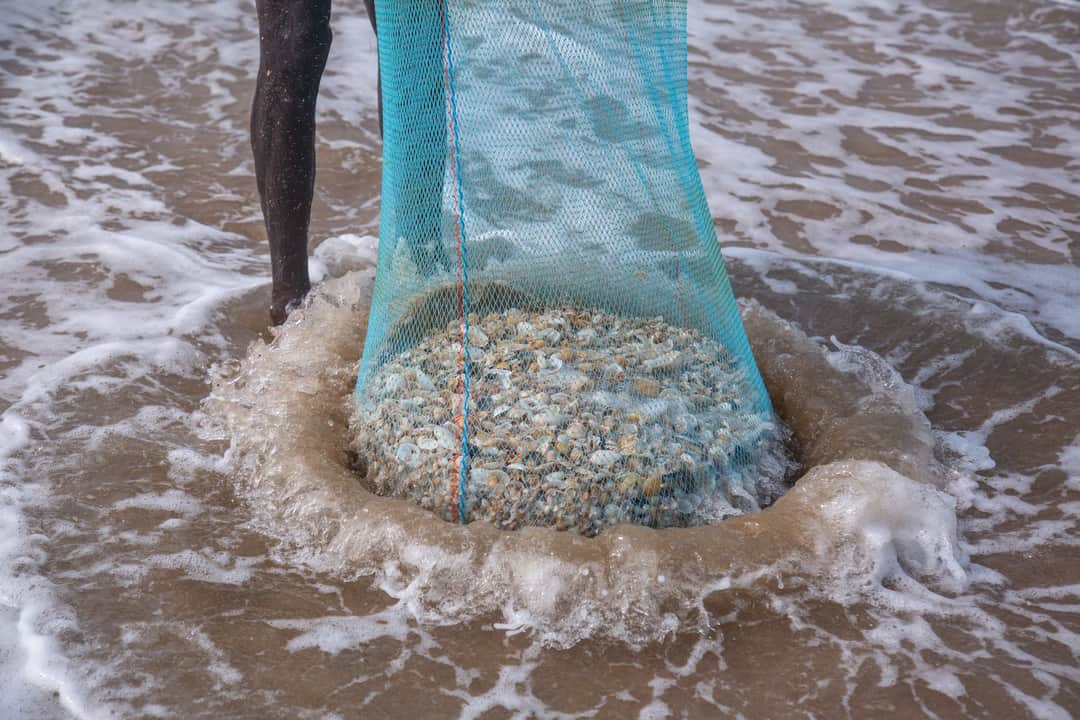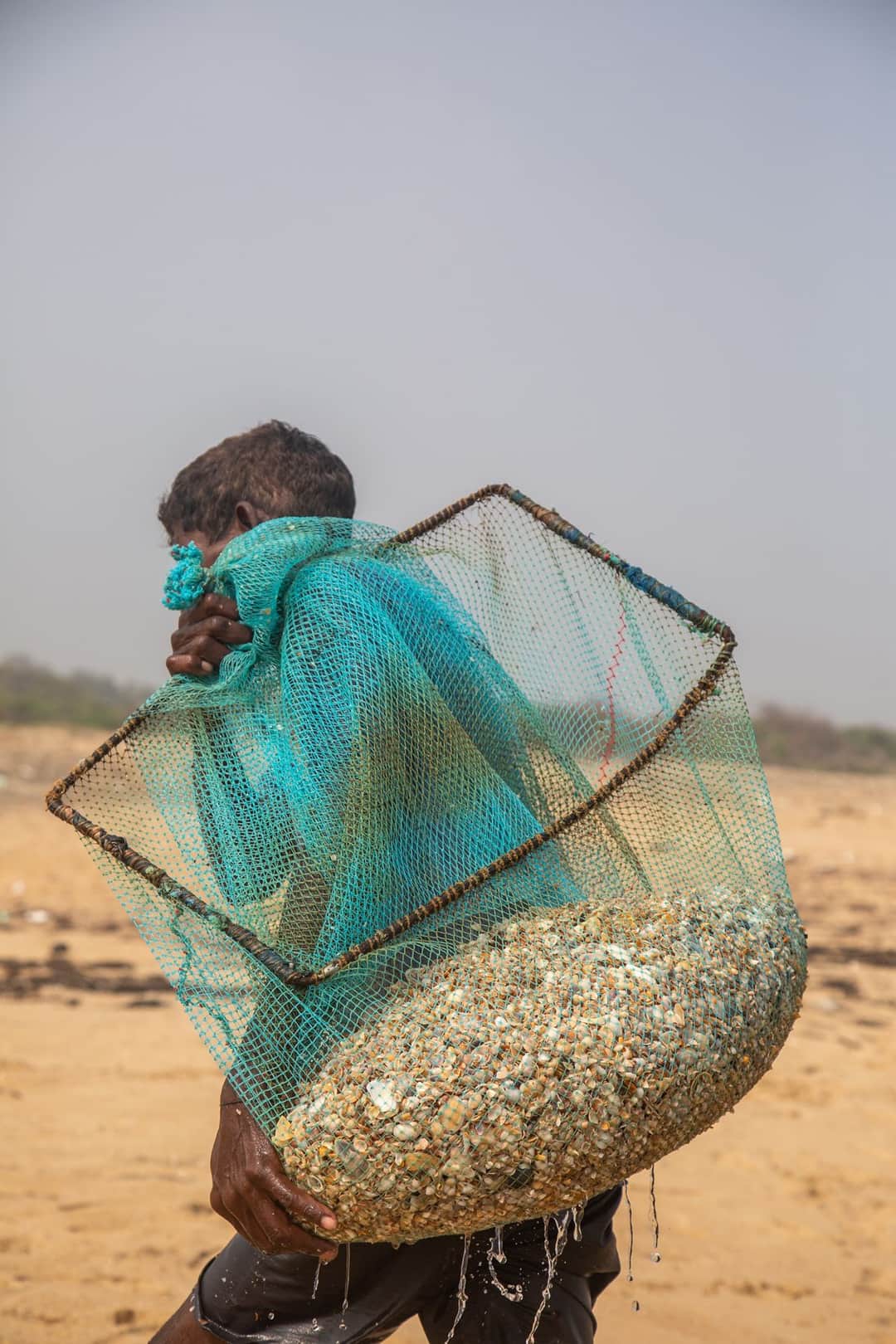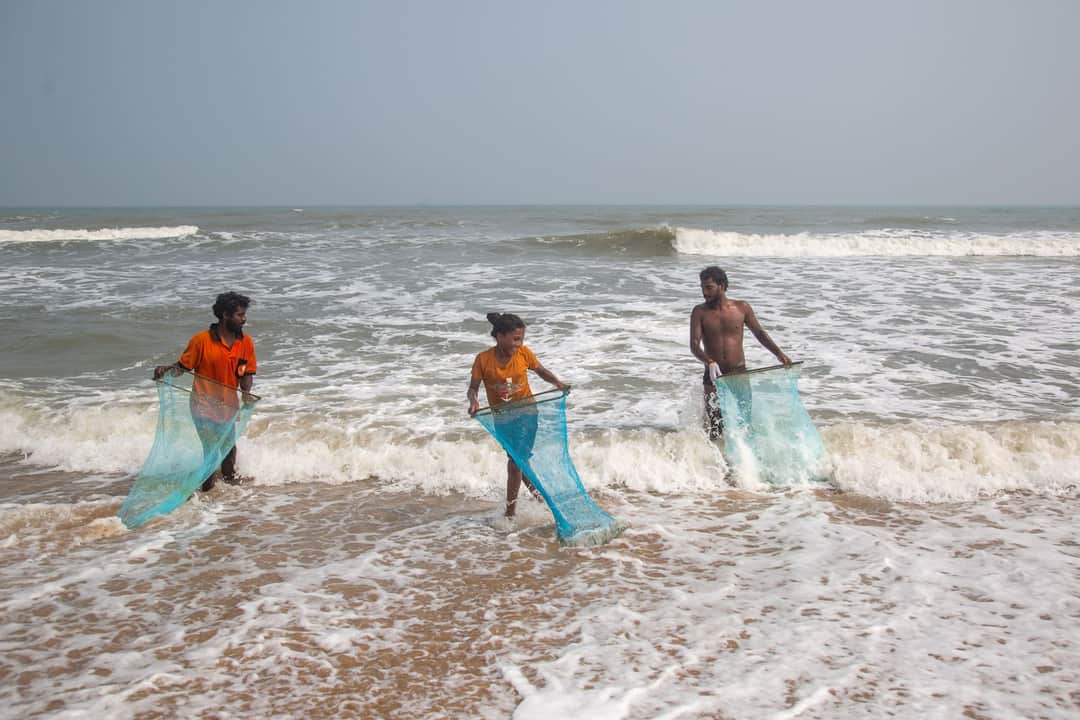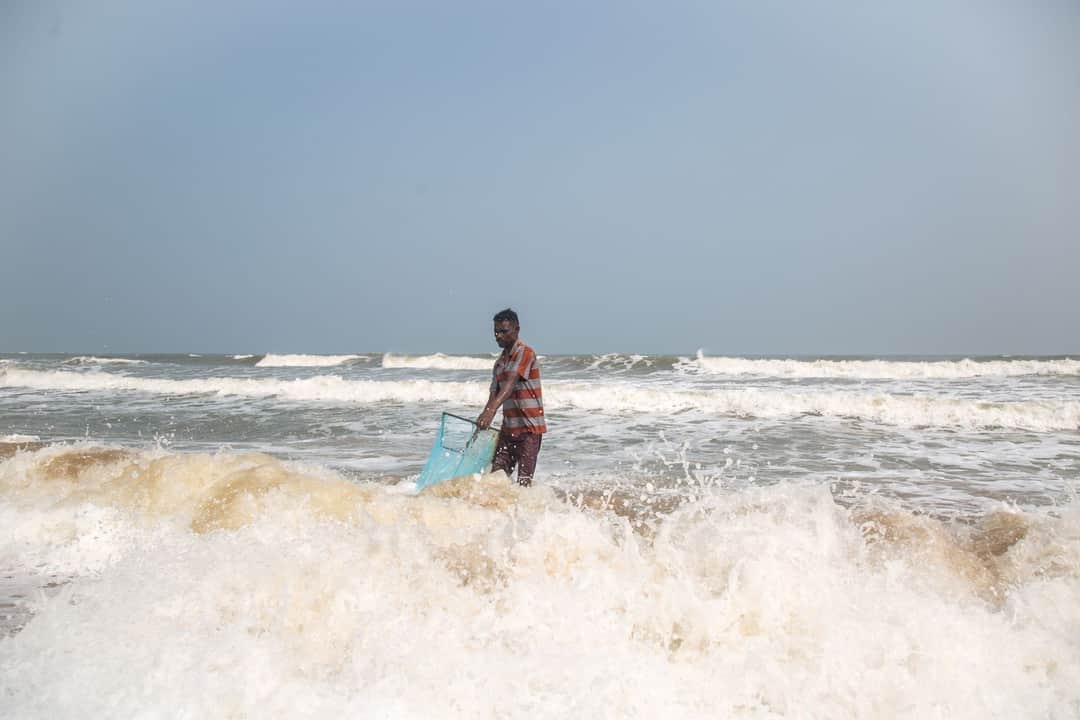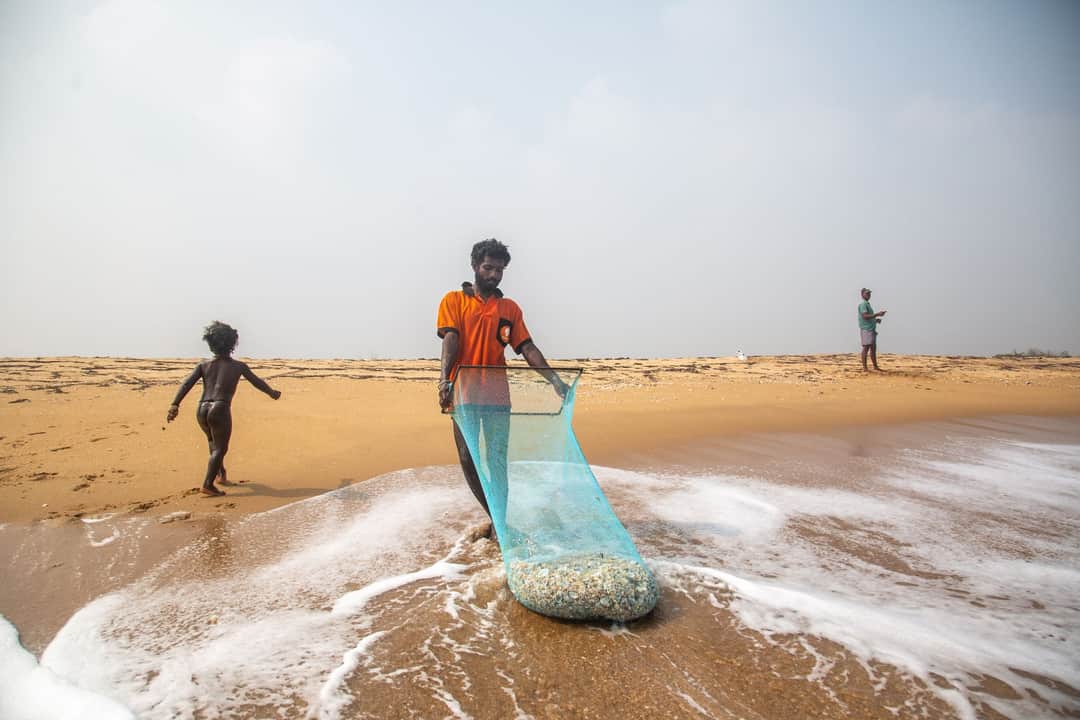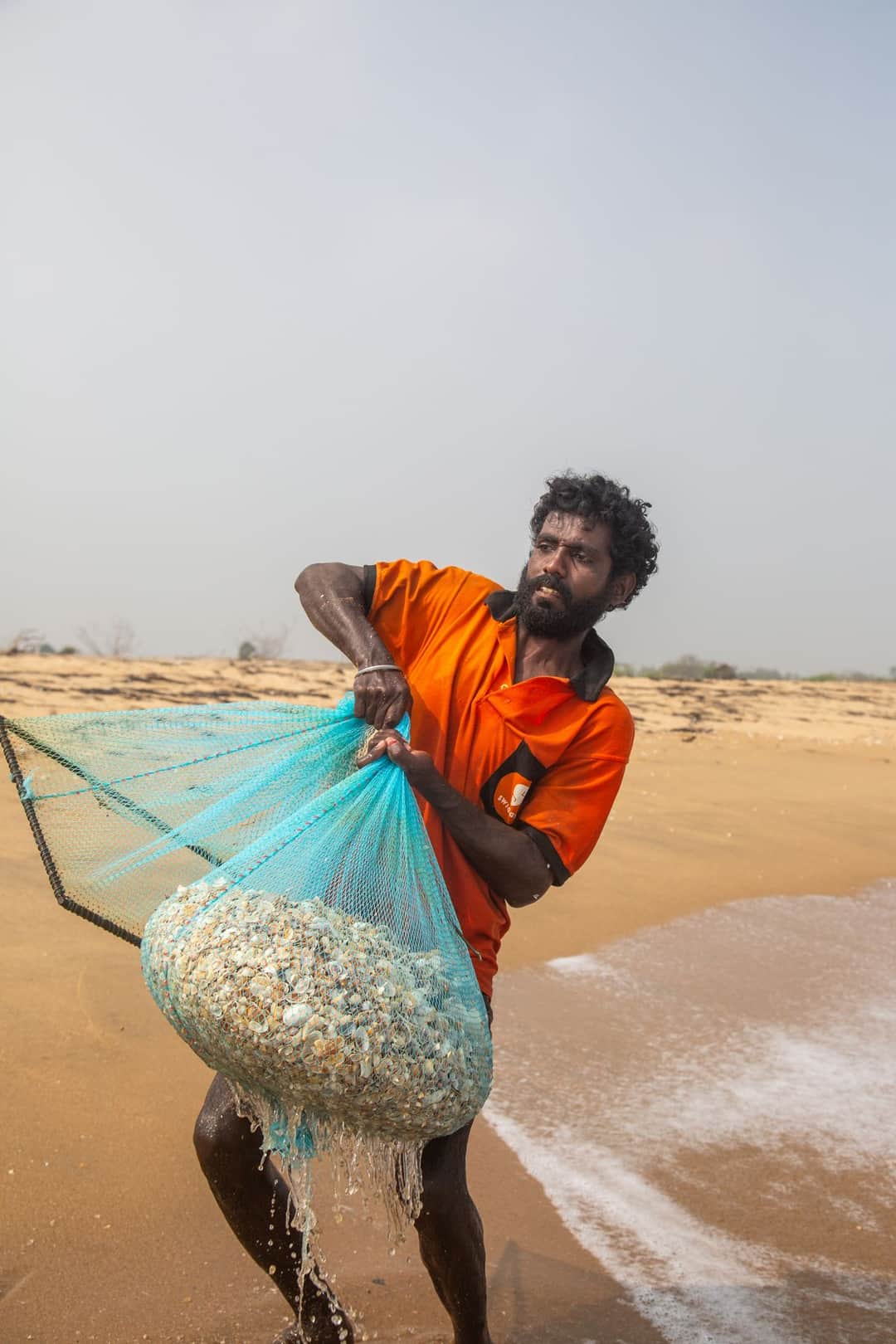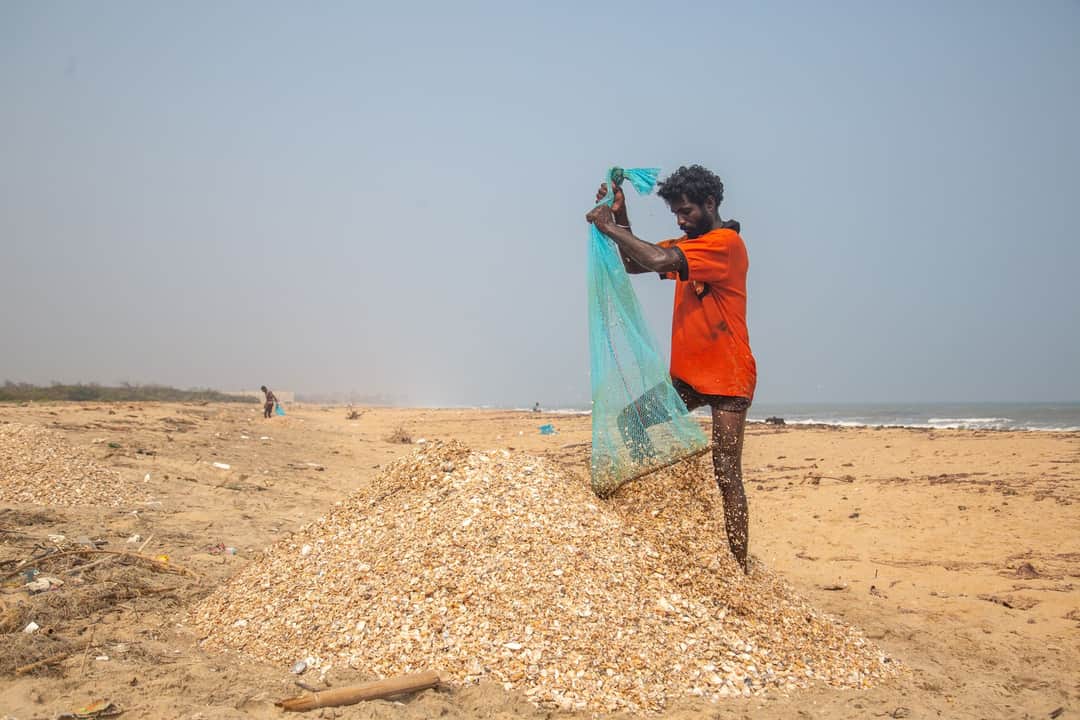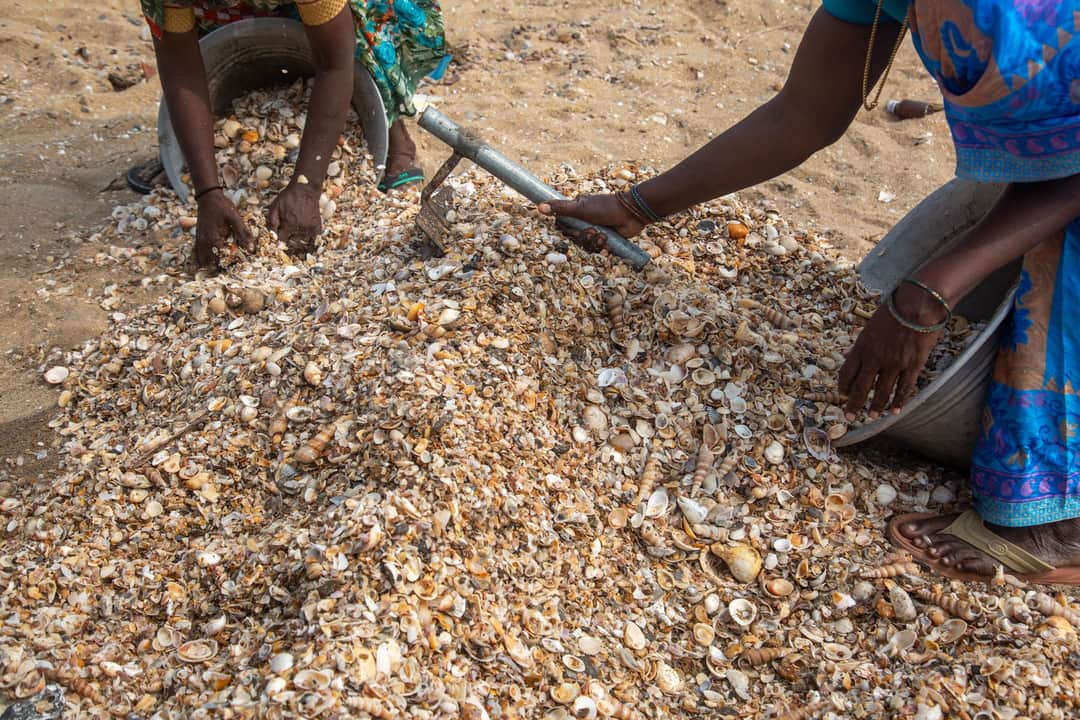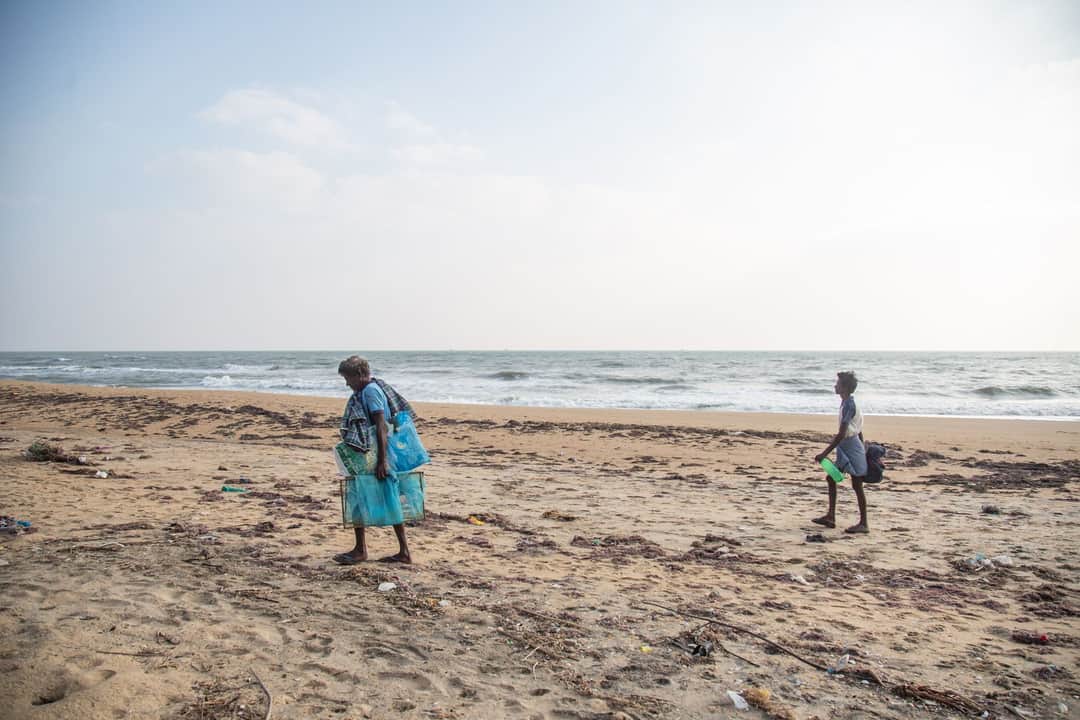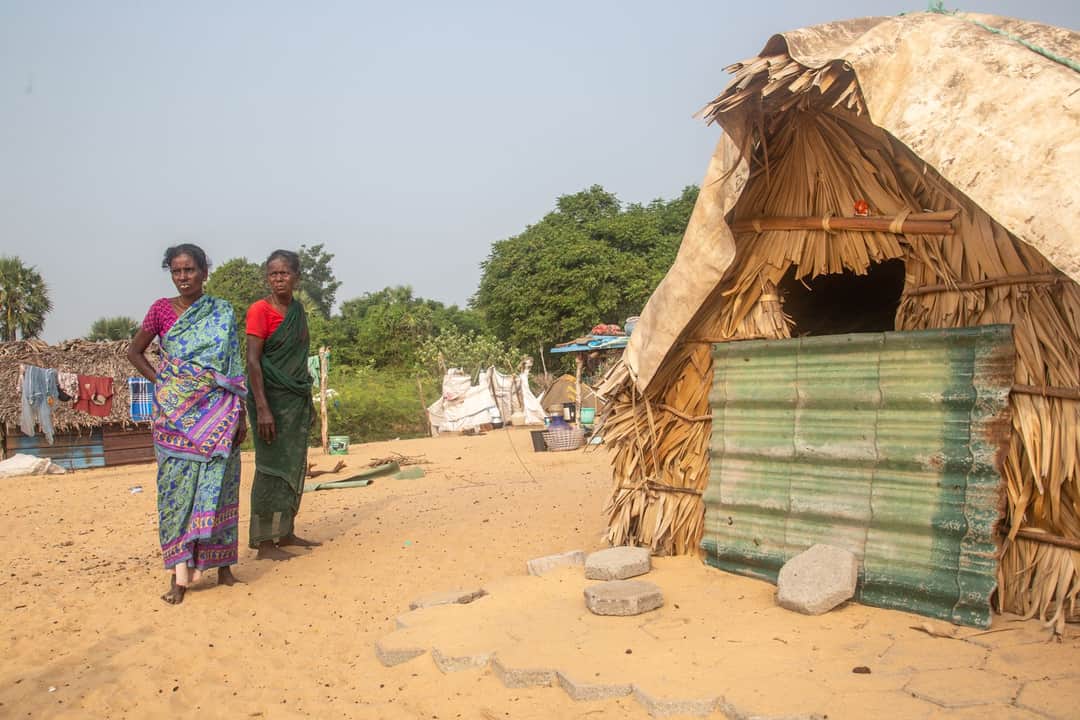

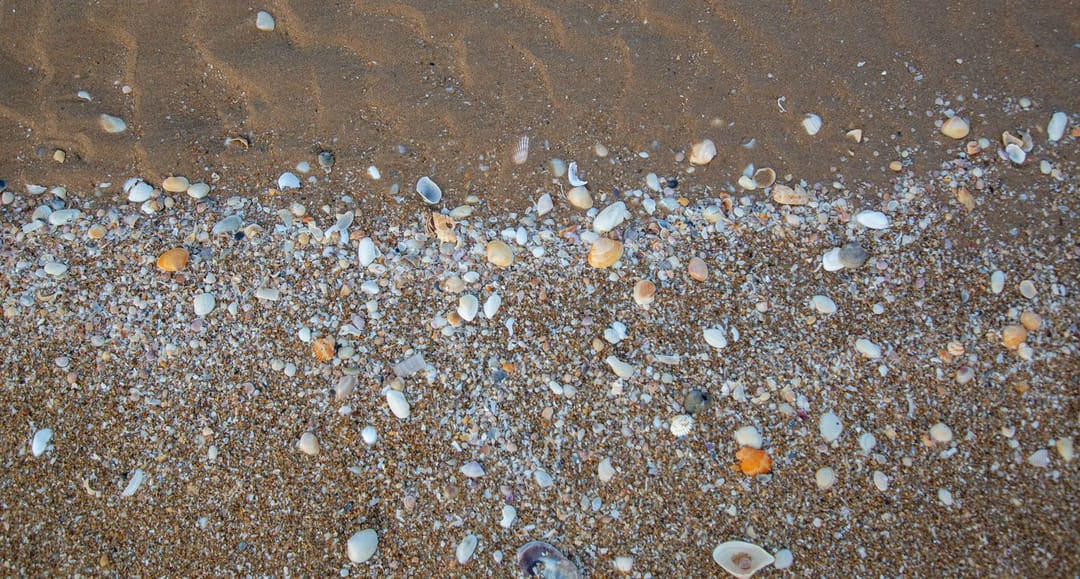
Even before the sun rises above the shores of Kattupalli, the beach is alive with movement. Members of the Irular community are standing knee-deep in the waves, waiting for the tide in the Bay of Bengal to recede. Using specially made nets, they quickly collect kilinjal (seashells) washed ashore during high tide.
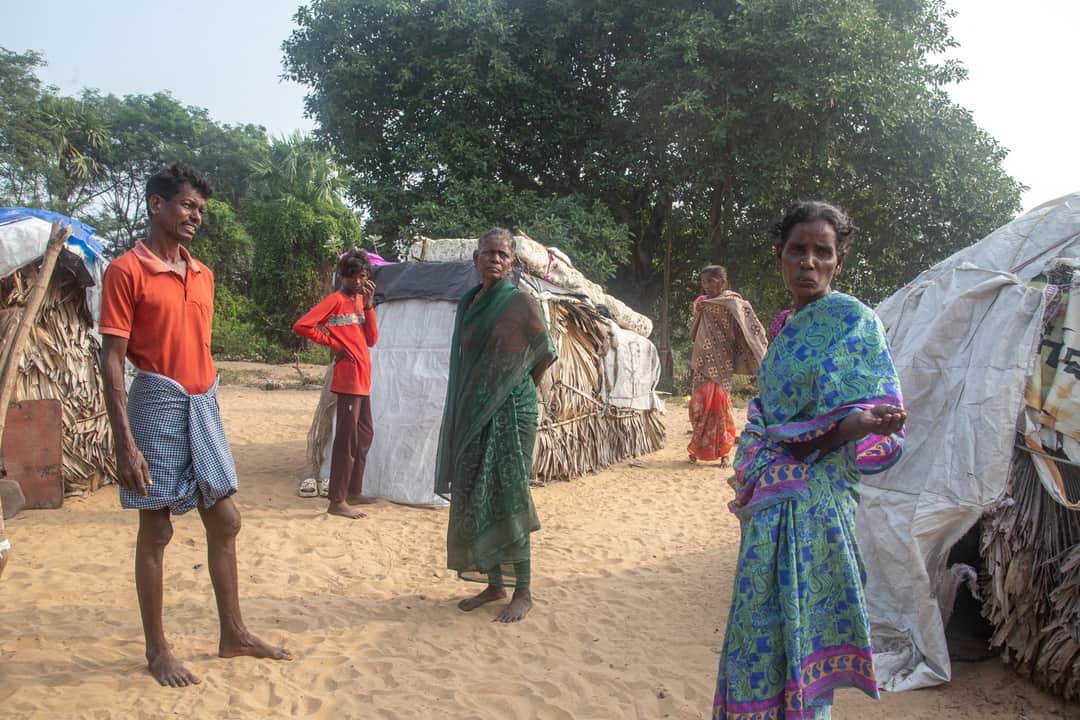
“During high tide, we can’t collect shells, so we wait until the low tide begins. In the meantime, we either go home to eat or stay here along the seashore,” adds Ramesh (he uses only this name). For Irular community members like him, shell collection is not just an occupation, it is a traditional livelihood closely tied to the rhythm of the sea in Tamil Nadu’s Tiruvallur district.
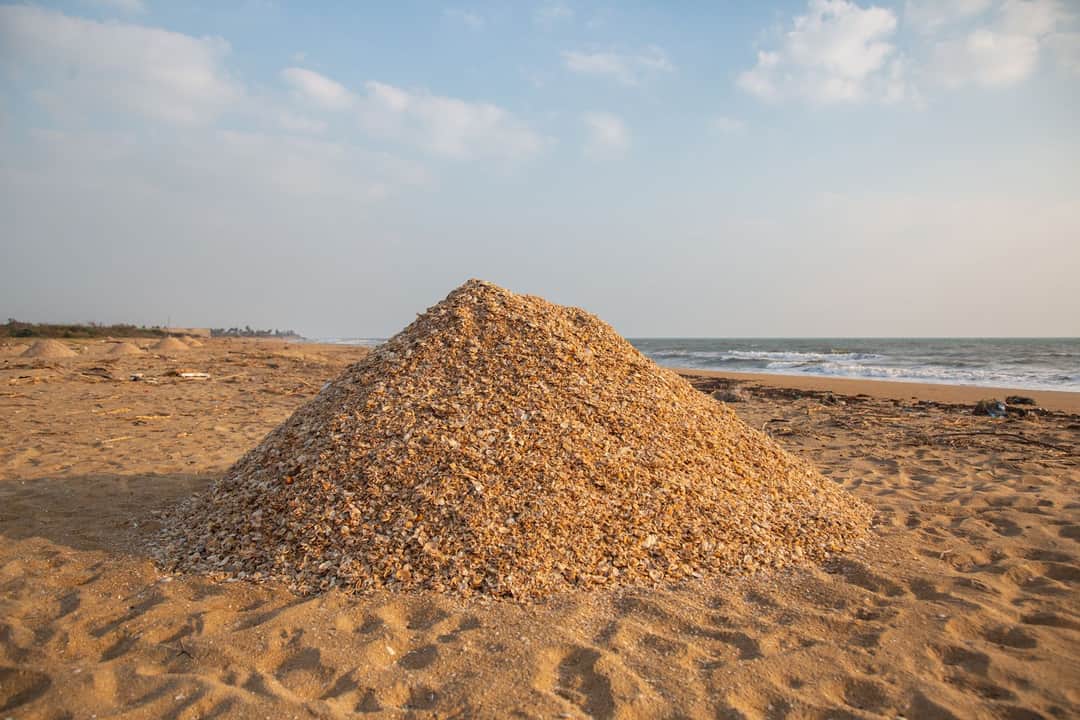
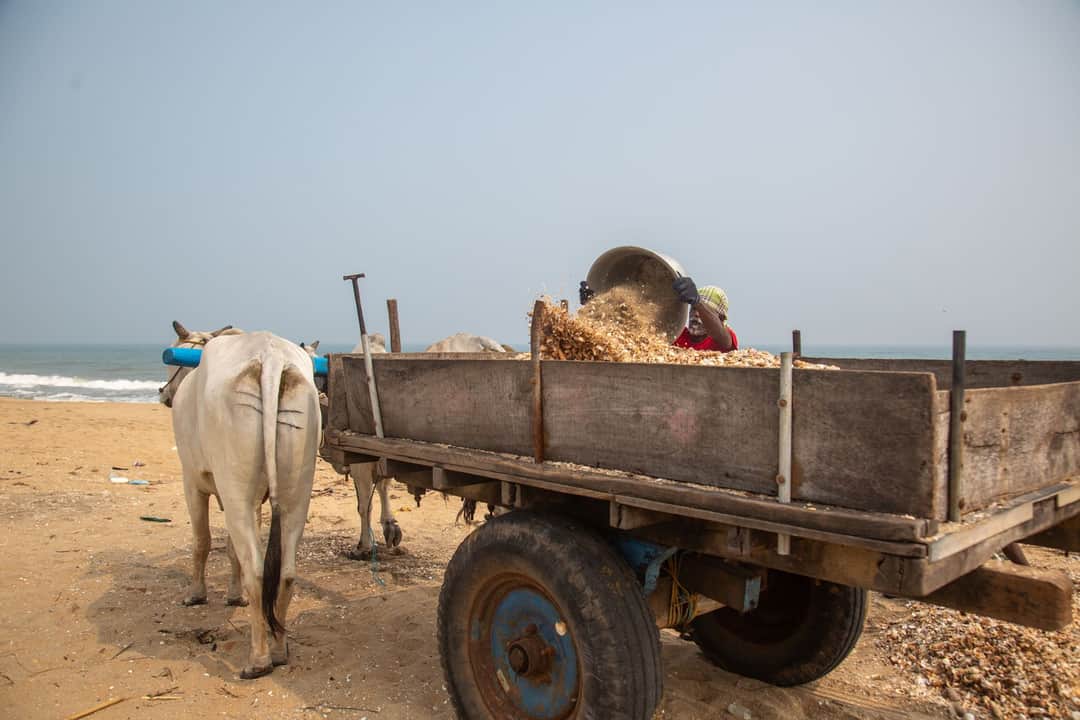
The collected shells are dried, transported on bullock carts to where they are crushed into limestone. Workers are paid around Rs. 500 for a cartload, and on average, a person can manage upto seven trips a week. The shells are processed into limestone and sunnambu – crushed seashells used in construction.