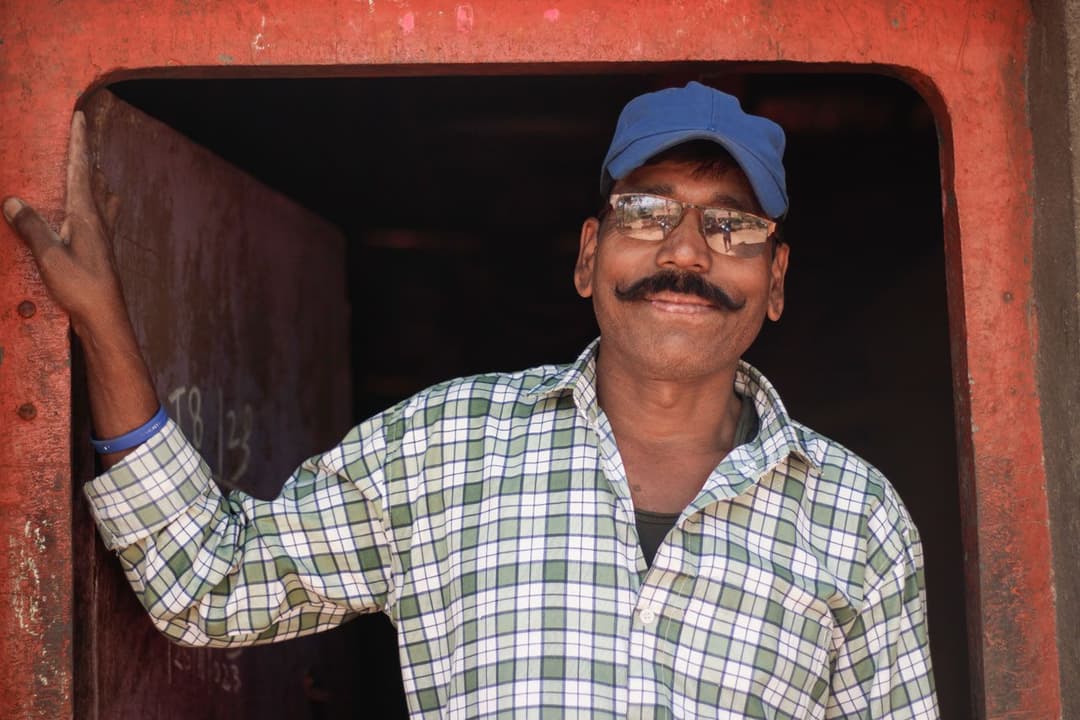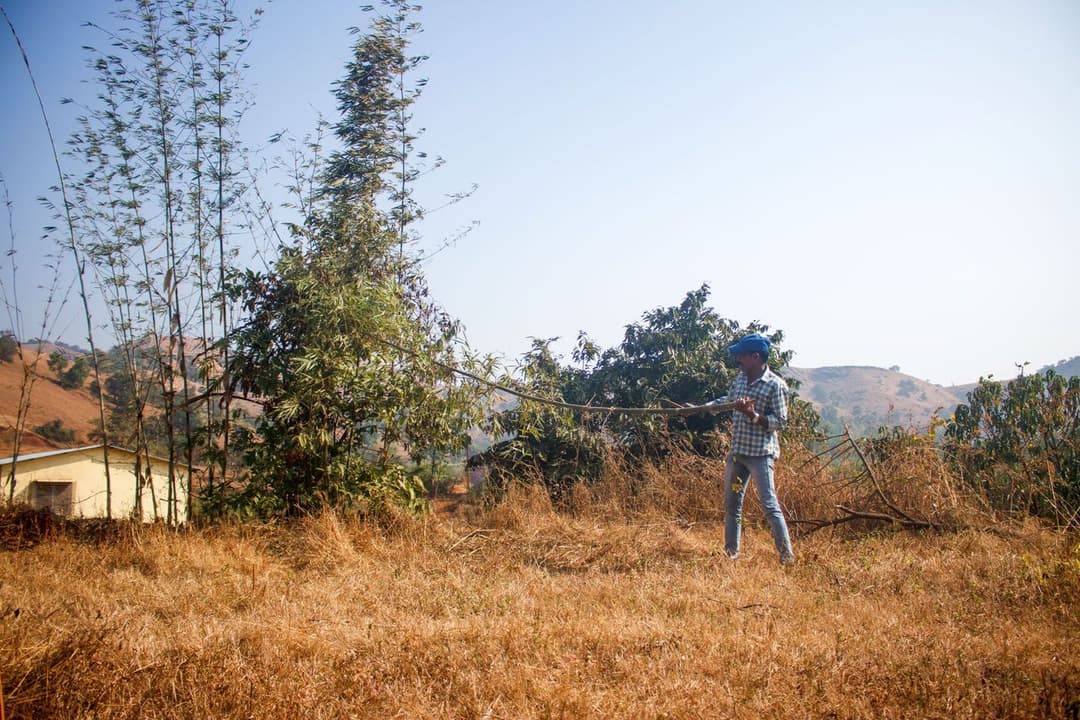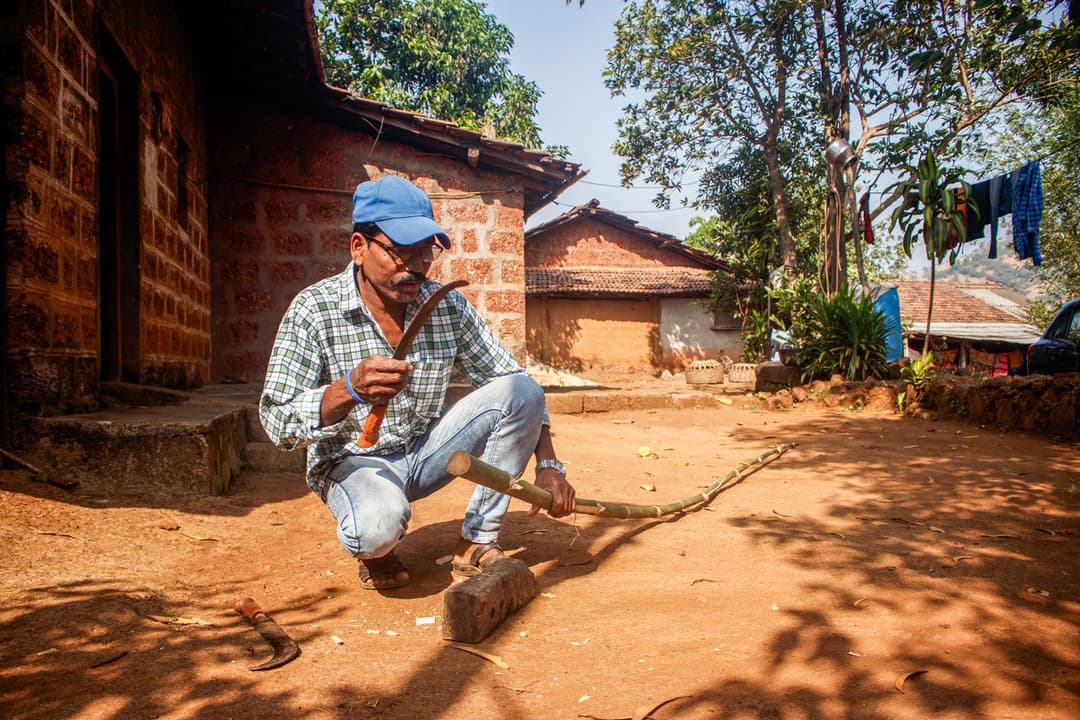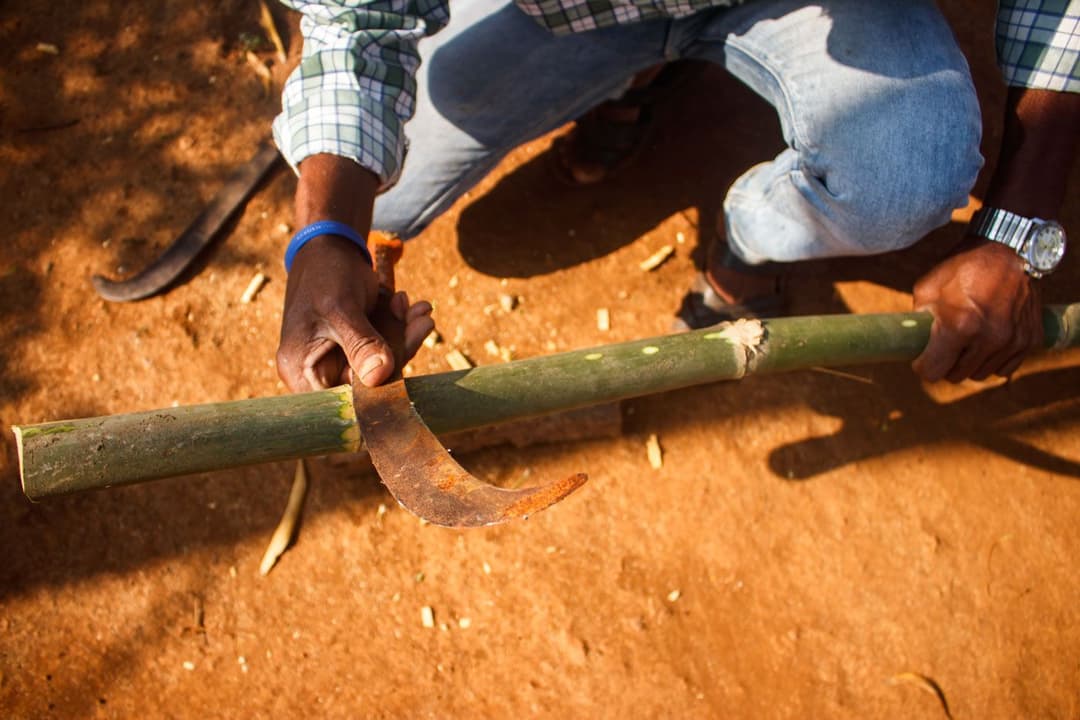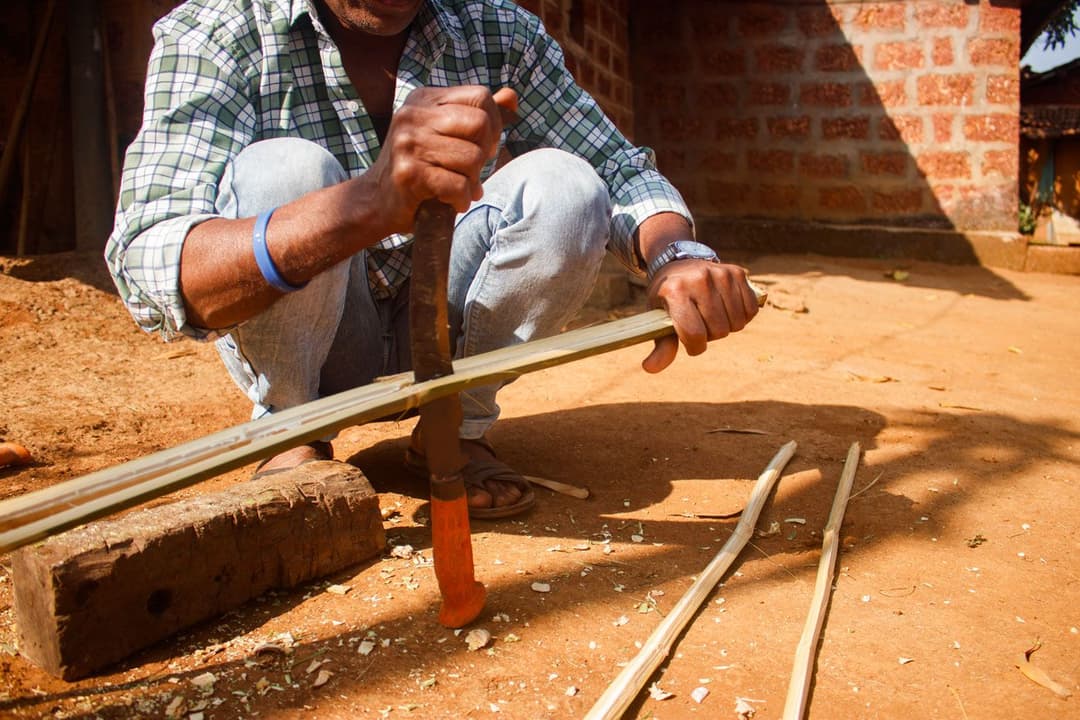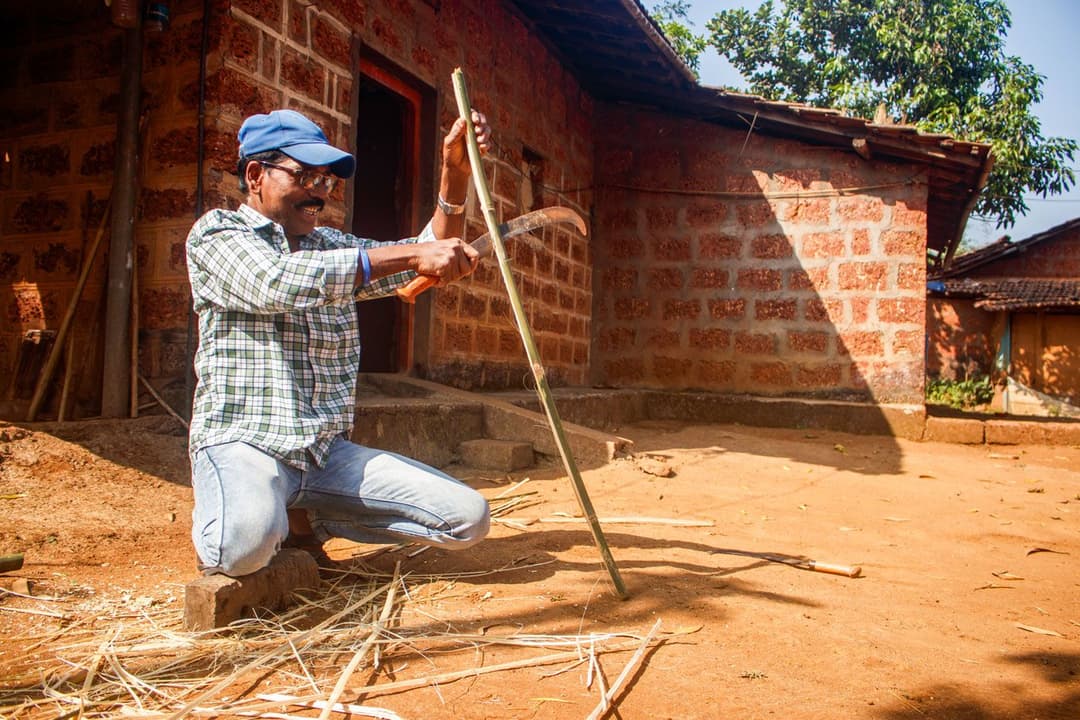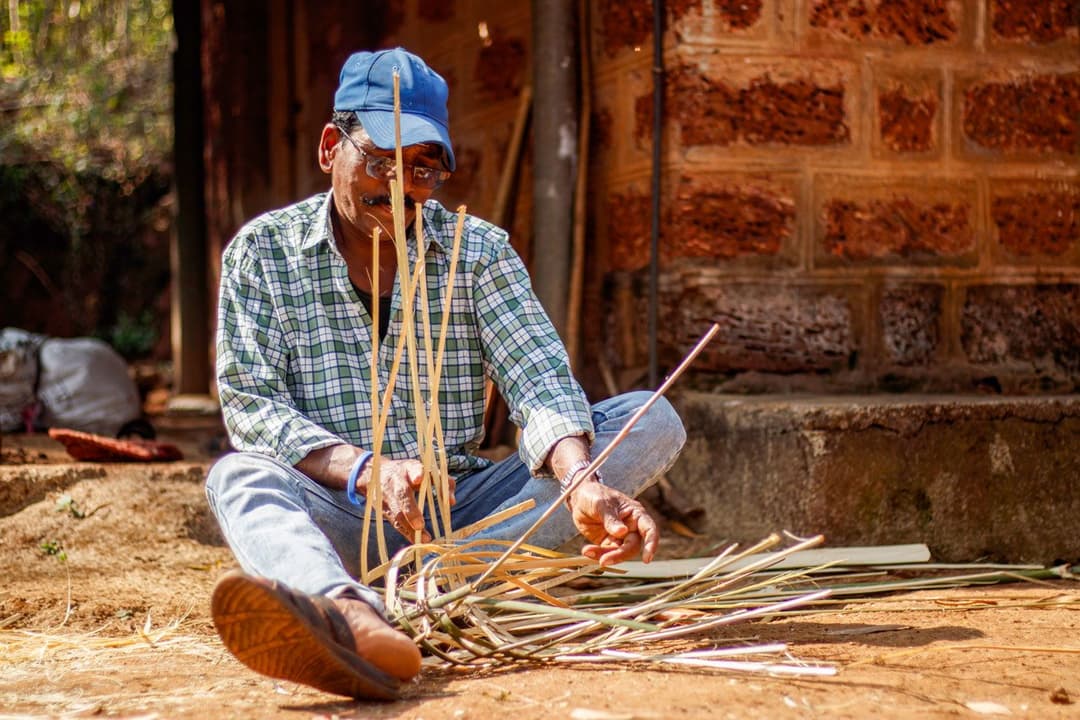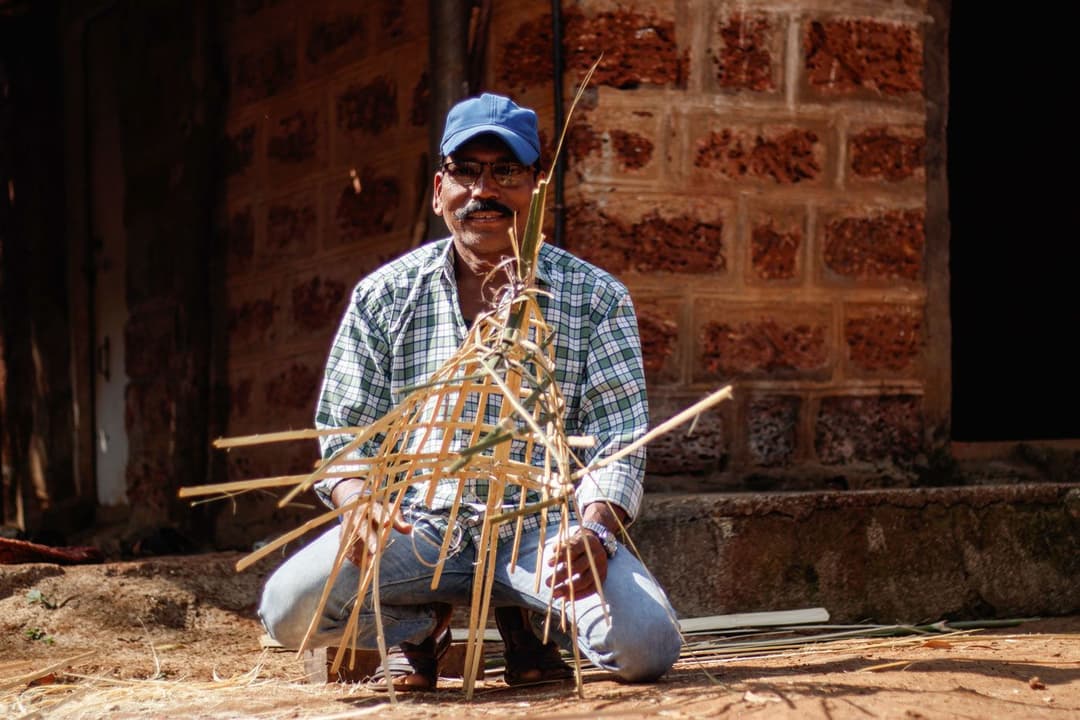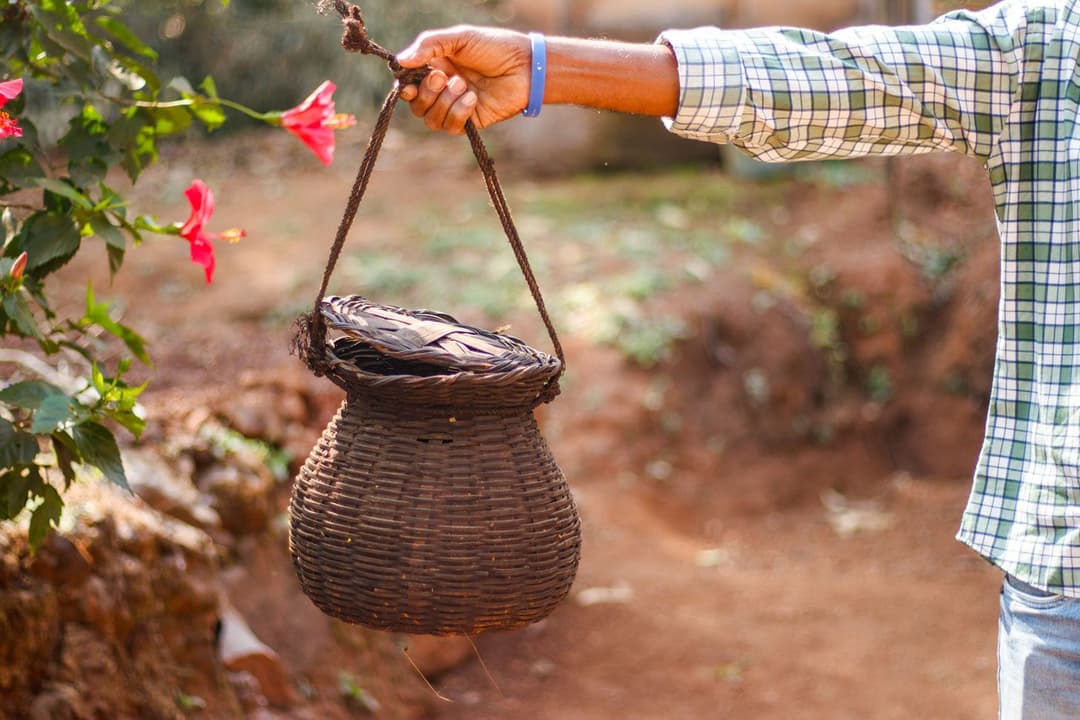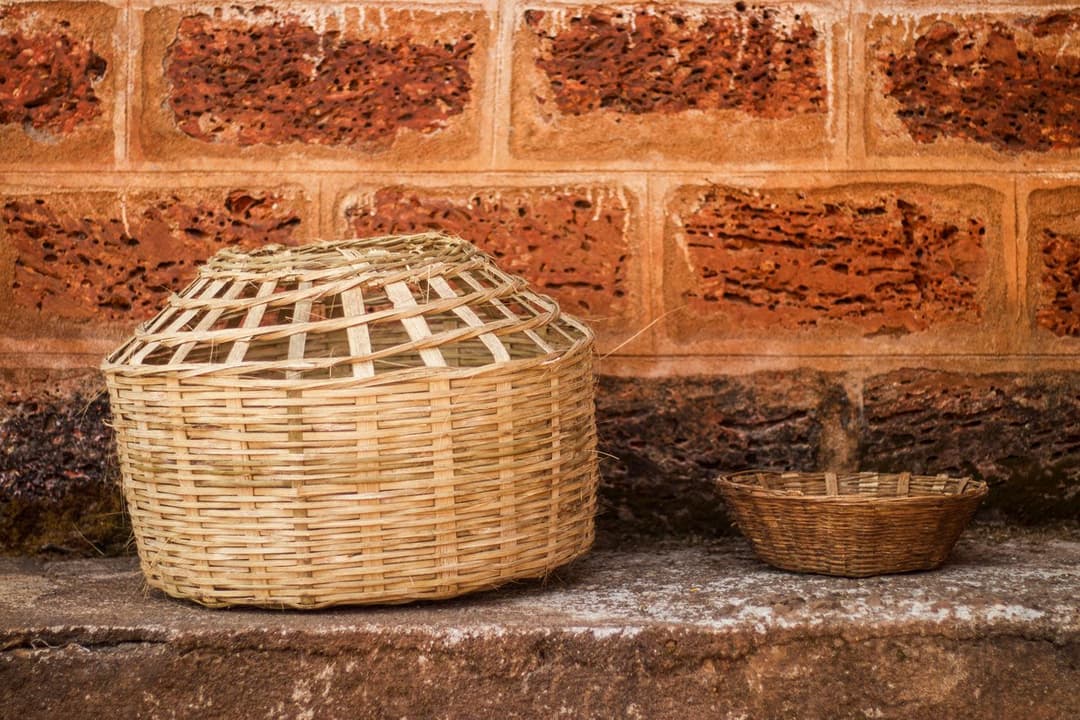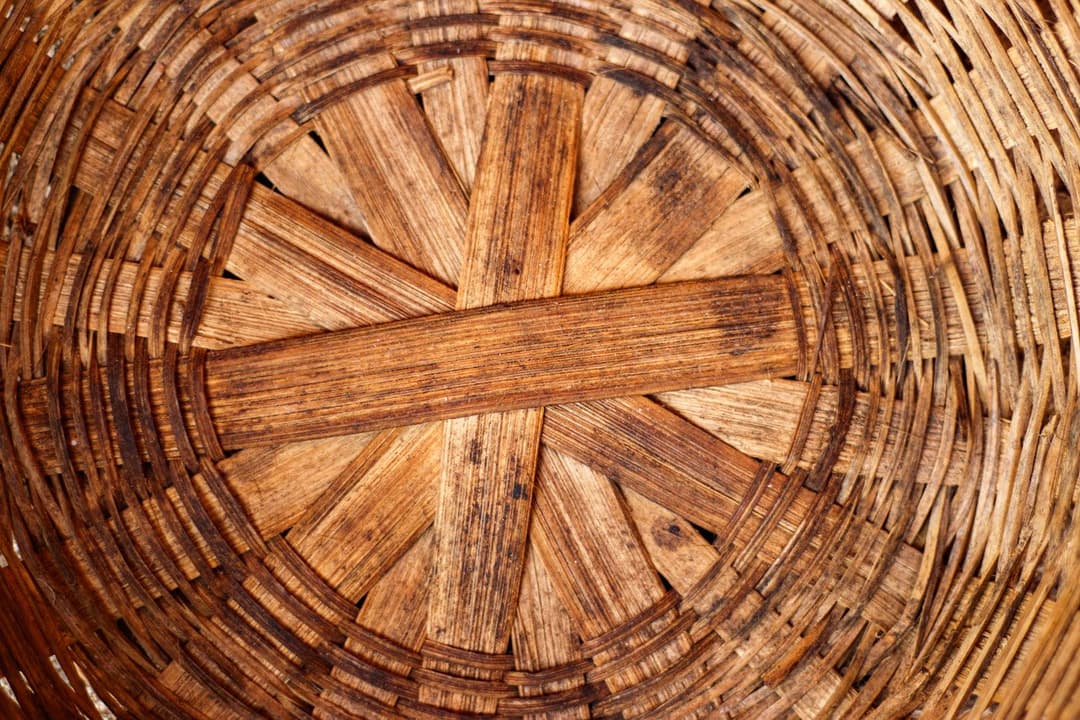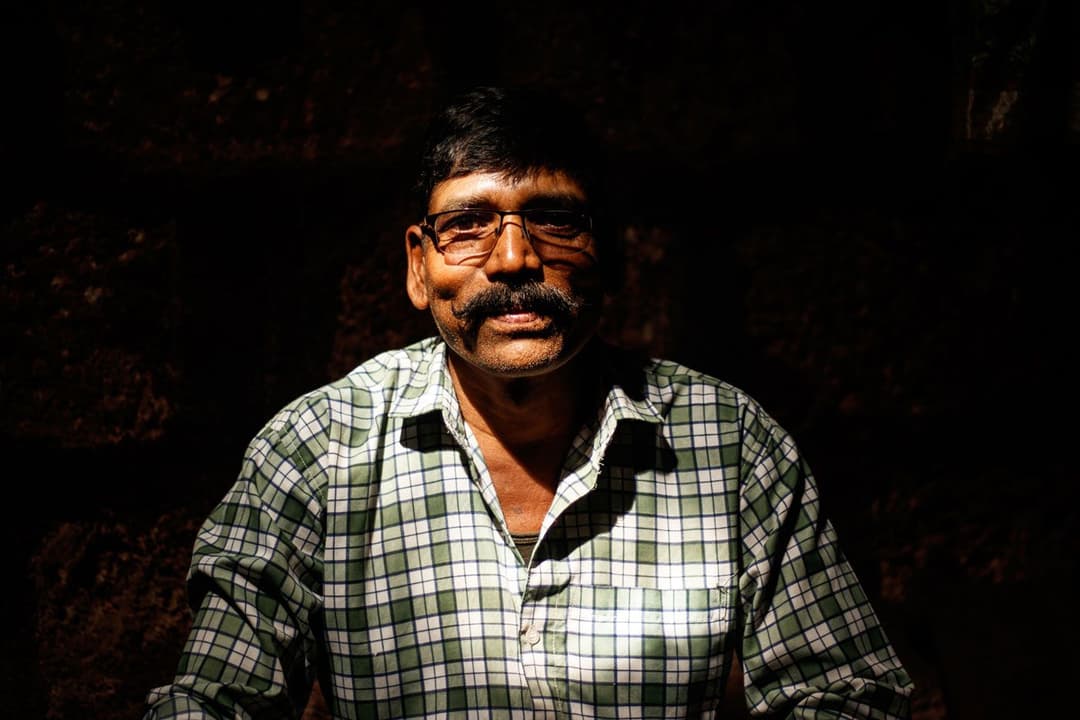

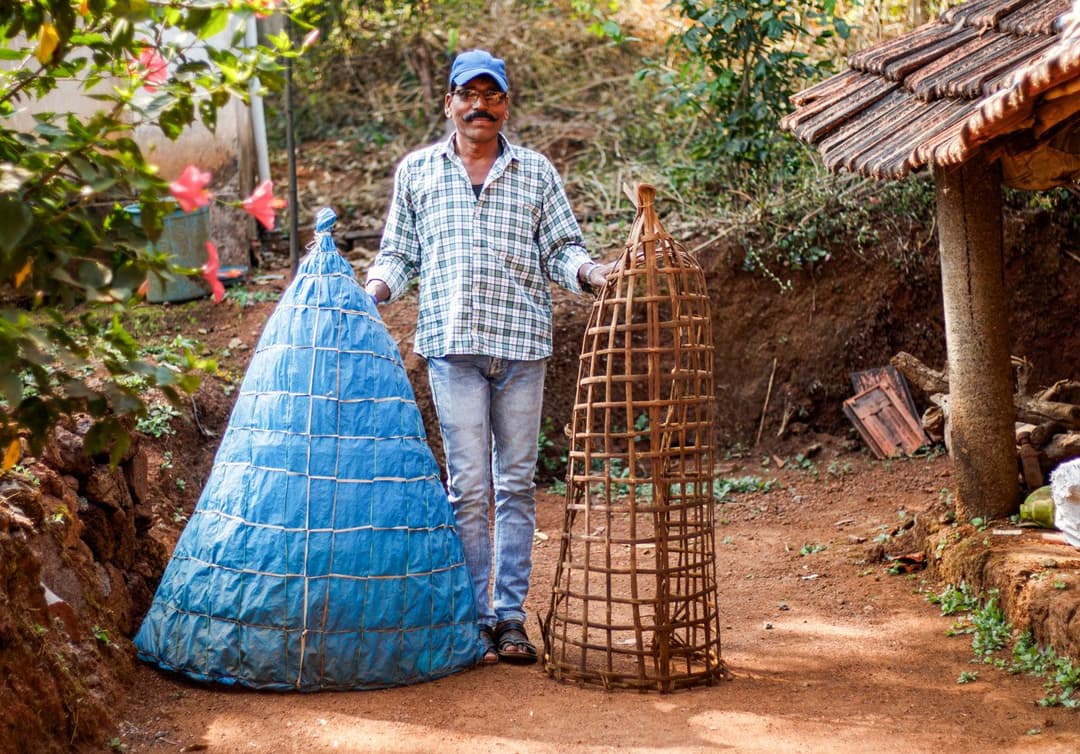
Three decades ago, no one wanted to teach a young Sanjay Kamble how to work with bamboo. Today, when he wants to teach everyone his dying craft, no one wants to learn. “It’s ironic how times have changed,” the 50-year-old says.
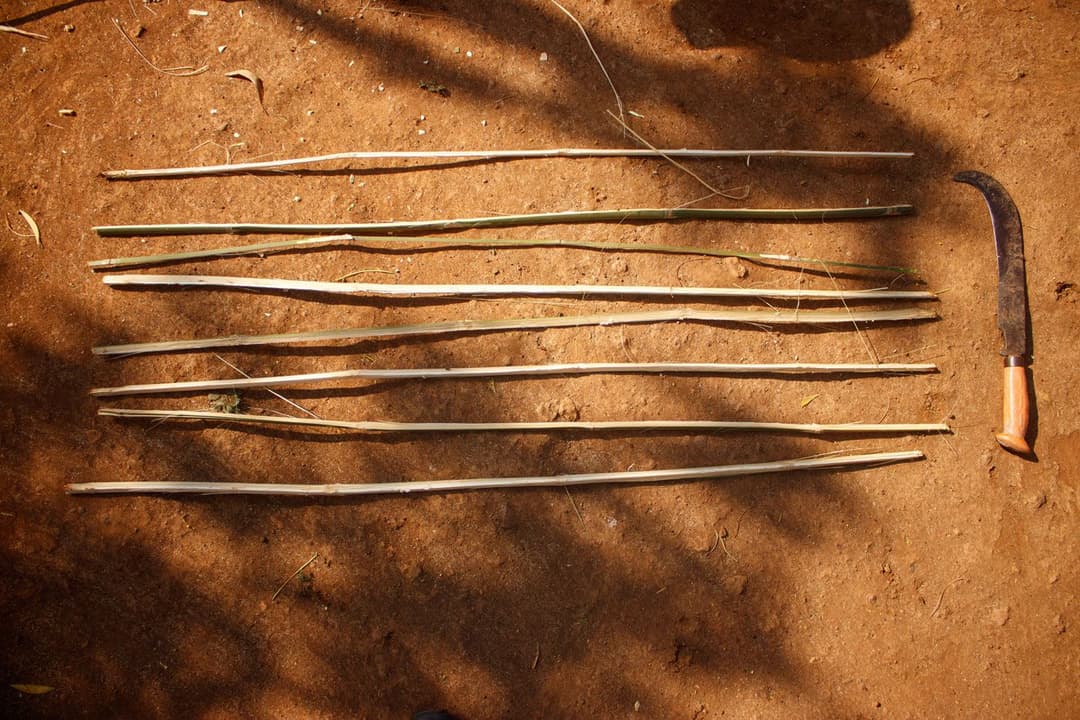
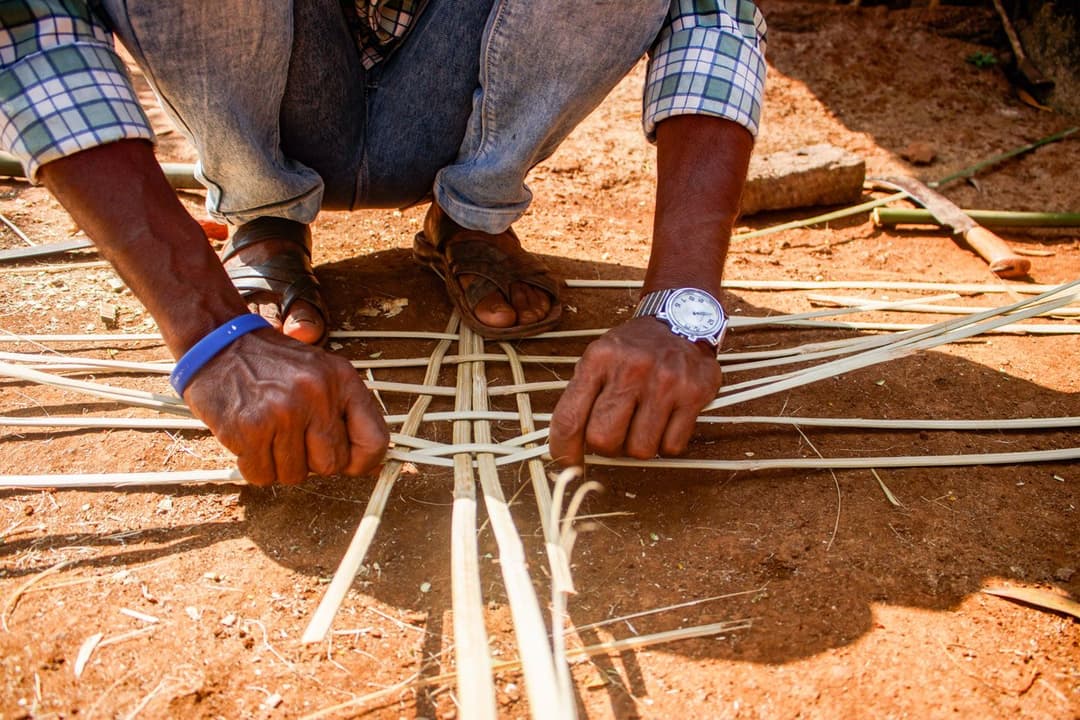
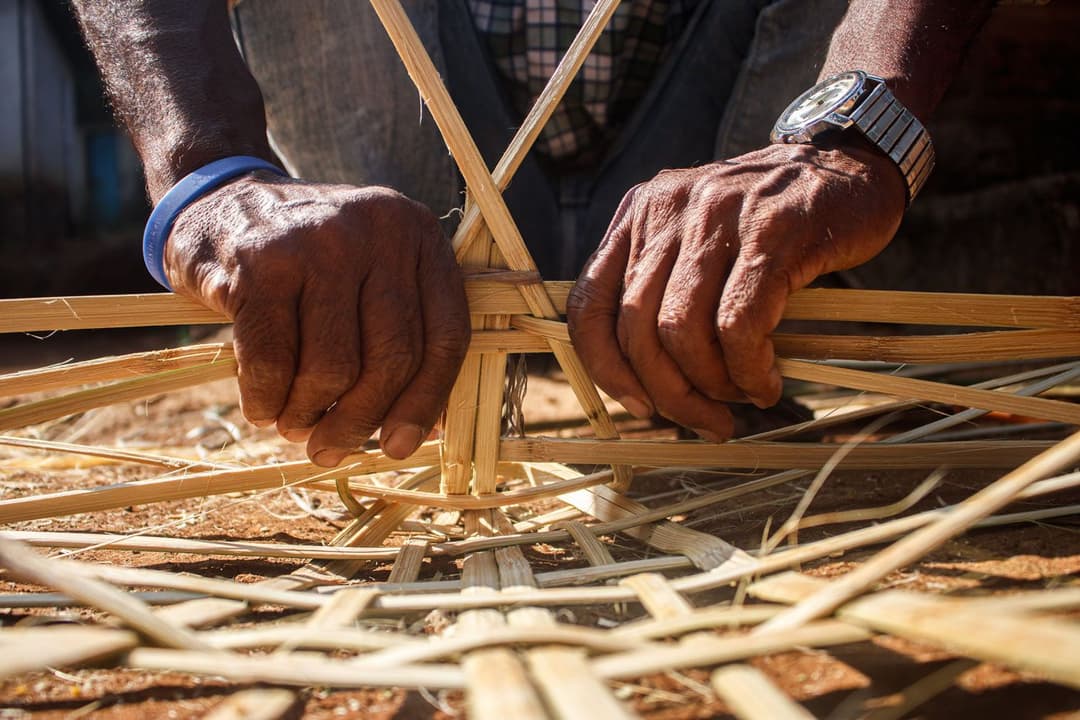
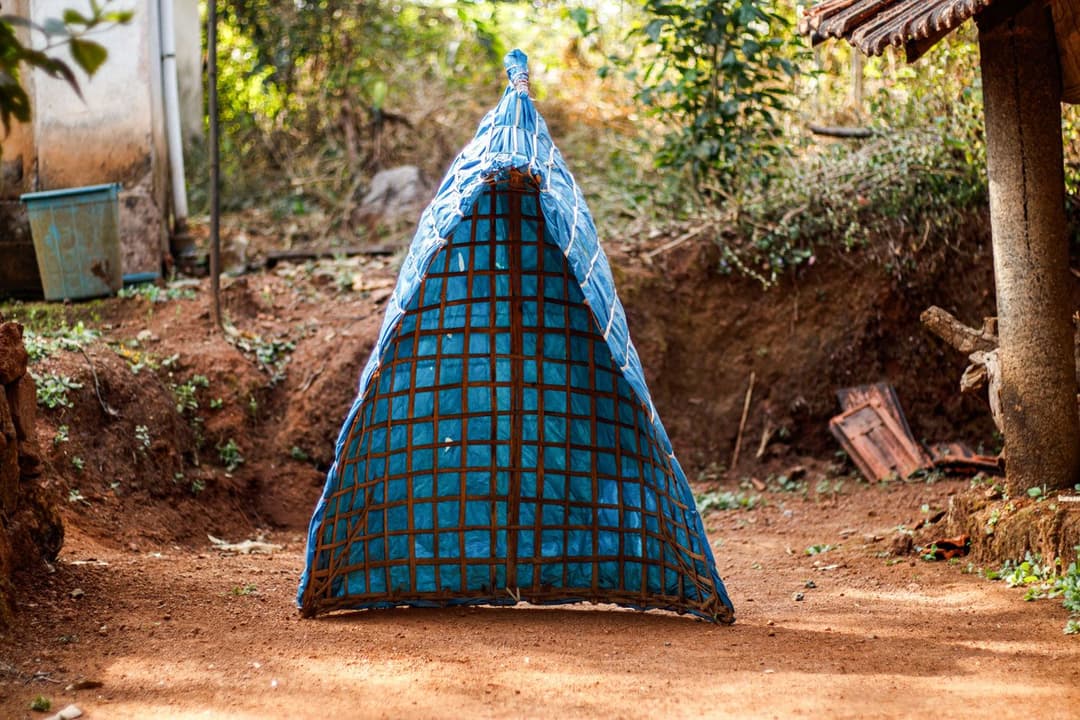
With the bamboo that grows in his one-acre field, Kamble mainly crafts irlas – a kind of raincoat used by paddy farmers in this region in western Maharashtra. “Around twenty years ago, every farmer used an irla while working in the fields because it rained a lot in our Shahuwadi taluka,” this resident of Kerle village says. He would wear one himself when he worked on his farm. The bamboo raincoat lasts at least seven years, and “even after that, it can easily be repaired,” he adds.
But things have changed.
Government data shows that rainfall between July and September in Kolhapur district has decreased over the last 20 years – from 1,308 mm (2003) to 973 (2023).
“Who knew rainfall here would decline so much someday that it would kill my art?” Sanjay Kamble, the irla-maker asks.
“We farm only from June to September every year as agriculture here is dependent on rainfall,” Kamble says. Over the years, the vagaries of rain have forced most villagers to migrate to cities such as Mumbai and Pune where they work in restaurants, as conductors in private bus companies, masons, daily wage labourers, and street vendors, or toil in fields across Maharashtra.