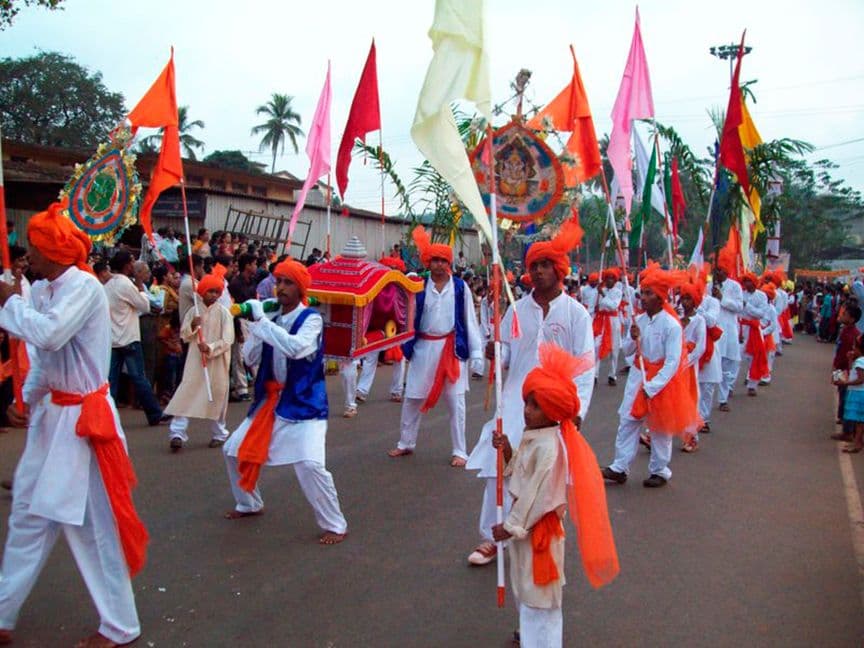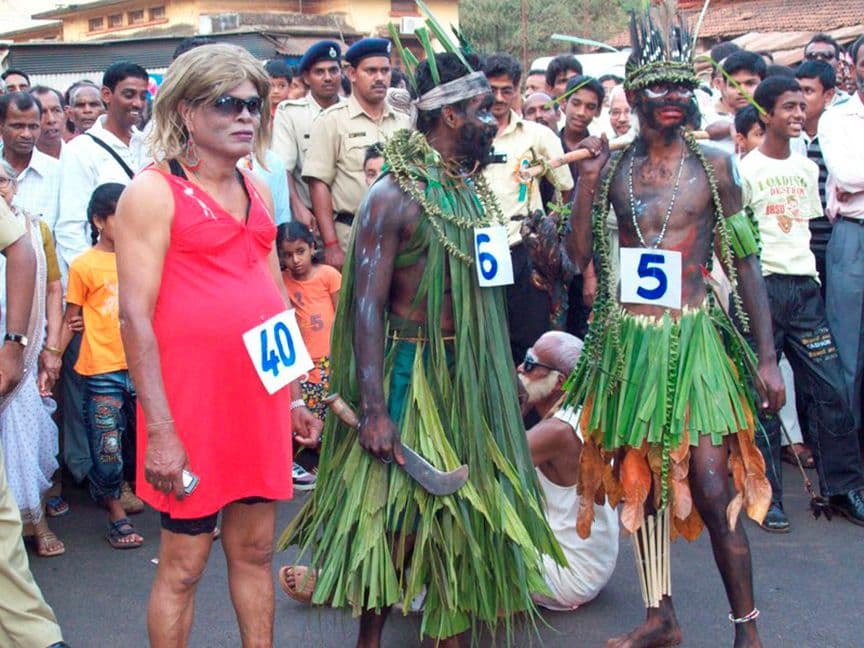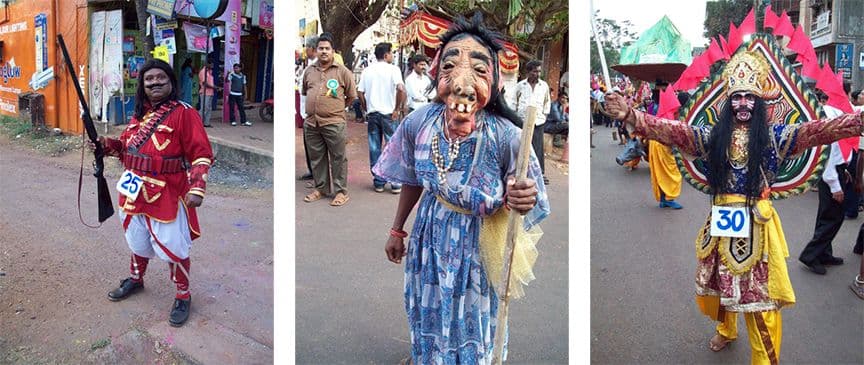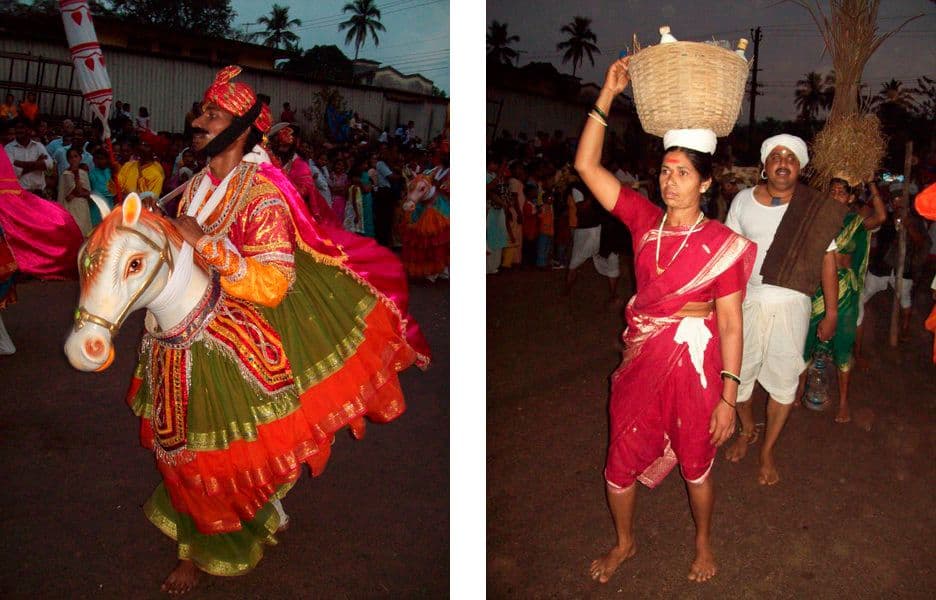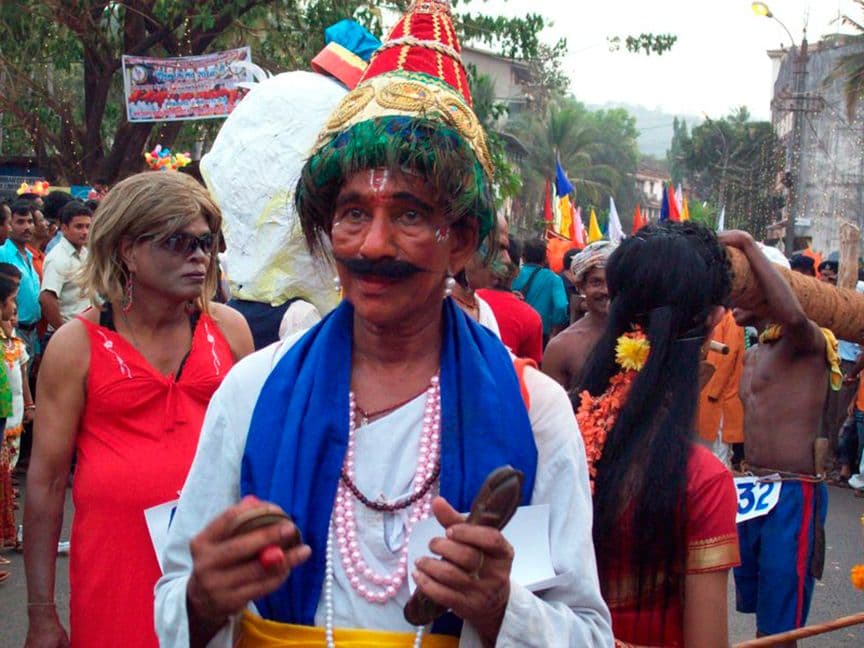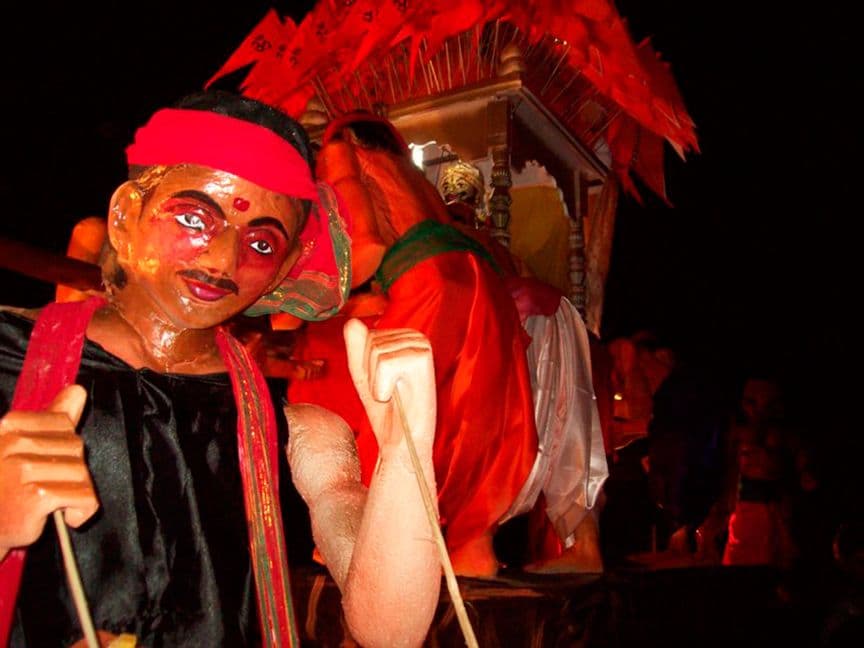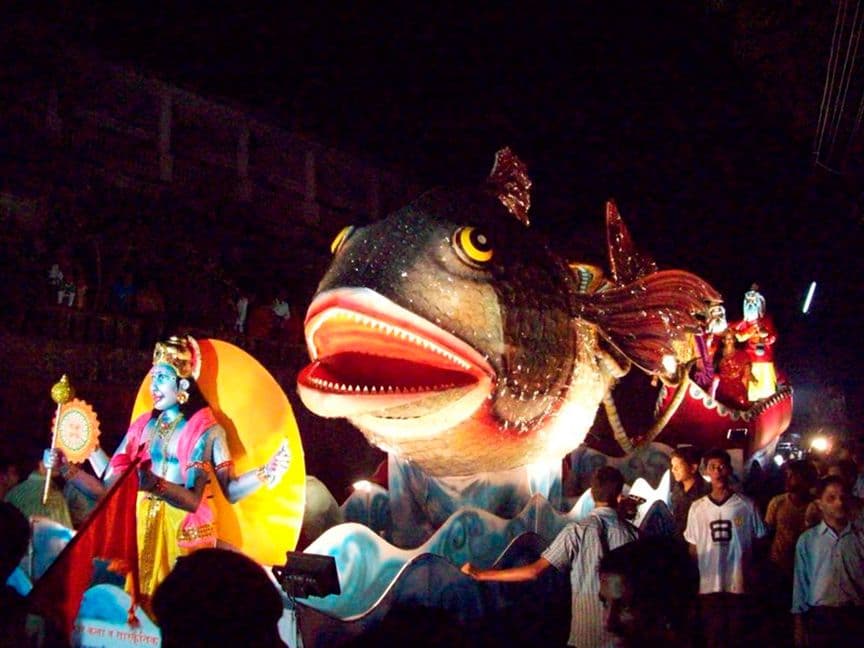

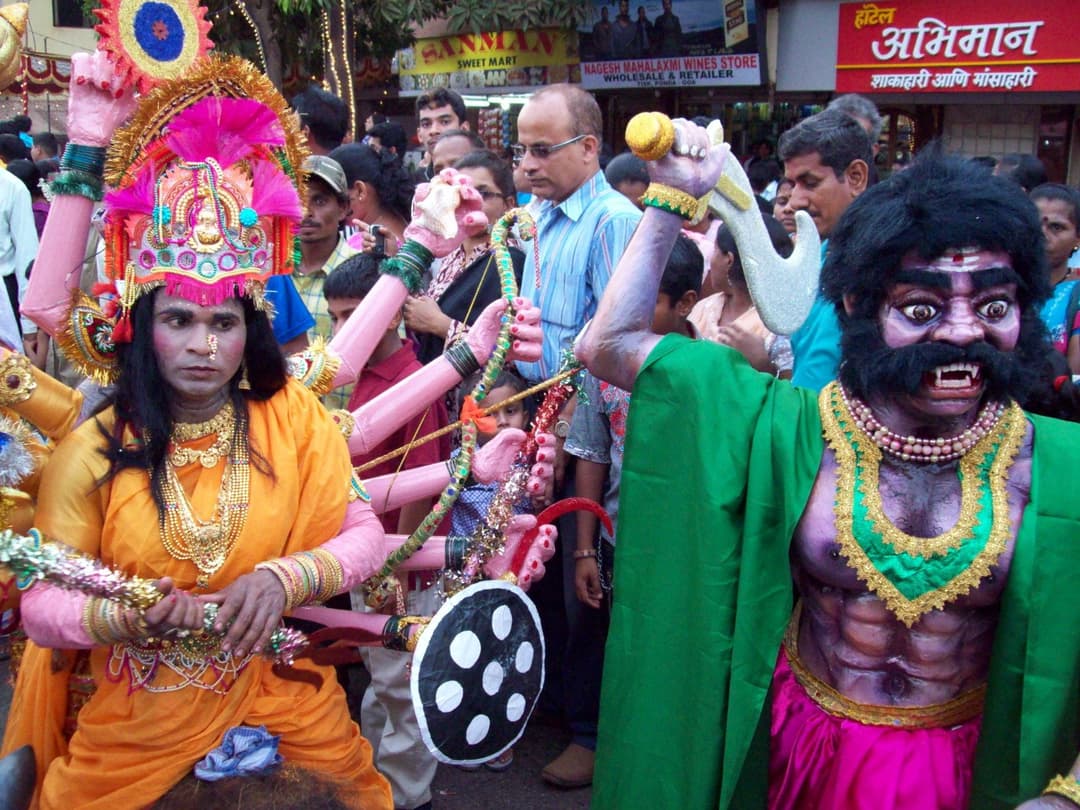
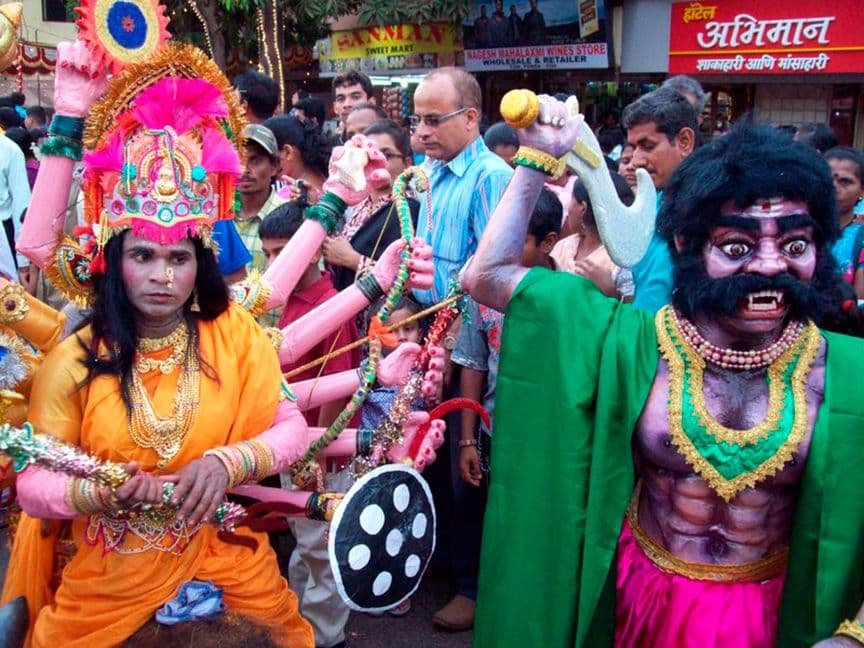
Goa has vindicated my long-held practice of not wearing a watch. Nothing necessarily starts on time. Buses don’t run to timetables. And just as well, you don’t lose or miss much. So after one such ambling 30-km ride from Panjim to Ponda, standing in a crowded state bus, falling asleep clutching a railing, the one-and-a-half hours served well. The extra energy helped traverse the vibrant Shigmo festival that kick-started – well past its designated time – in Ponda.
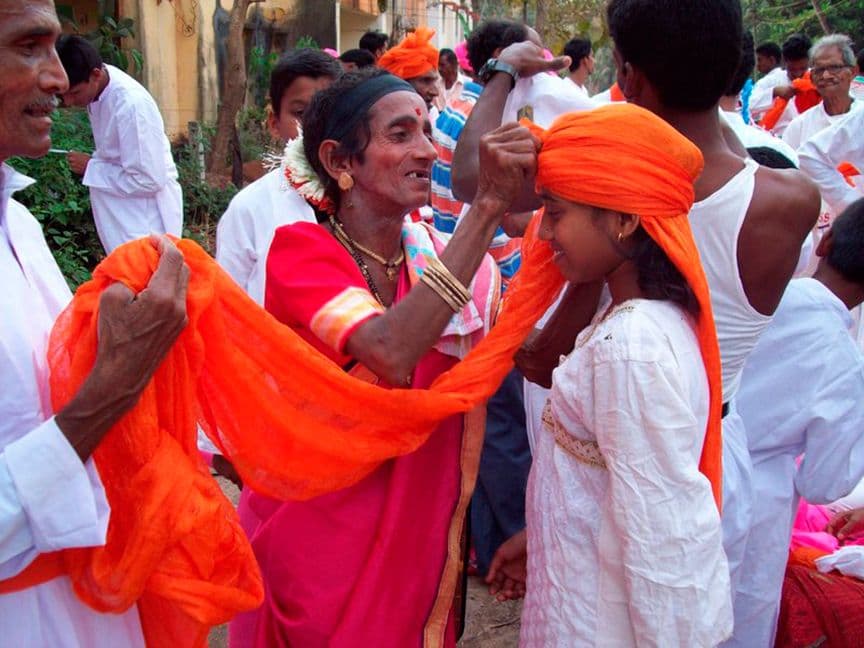
Shigmotsav is the Hindu equivalent of the cultural reminiscent of the state’s 450-year-long Portuguese rule – the carnival. It’s a traditional folk festival, also called the ‘Hindu Carnival’, which coincides with Holi in north India and is celebrated over a fortnight. Its significance lies in the marking the end of winter/harvest season and embracing spring. While Shigmo essentially is a village festival, over the last 30 years, the state government has sponsored floats and competitions for it to gain larger tourist tract in cities like Panjim and Vasco, where popular songs score over traditional music. But it still hasn’t received as much patronage as the carnival has. Locals say it’s because the carnival, with its distinctive westernised flavour, has been largely promoted to the foreign tourists in Goa. But that doesn’t seem to bother them: Shigmo resonates with a deep personal celebration of an important event in their lives that takes place every year. Simply, it’s a cultural context of their livelihoods. And that has perhaps boded well. Compared to the carnival, Shigmo’s parades and its components – costumes, agricultural tools, musical instruments and dances apart from the floats – have largely remained indigenous, without commercial sponsors. It has thus retained a strongly-rooted village identity, an expression of unfettered celebration, free from external diktat. Also, unlike the carnival, where women become the face of beer brands, fast food and pop dances, it’s only the men who participate in Shigmo.