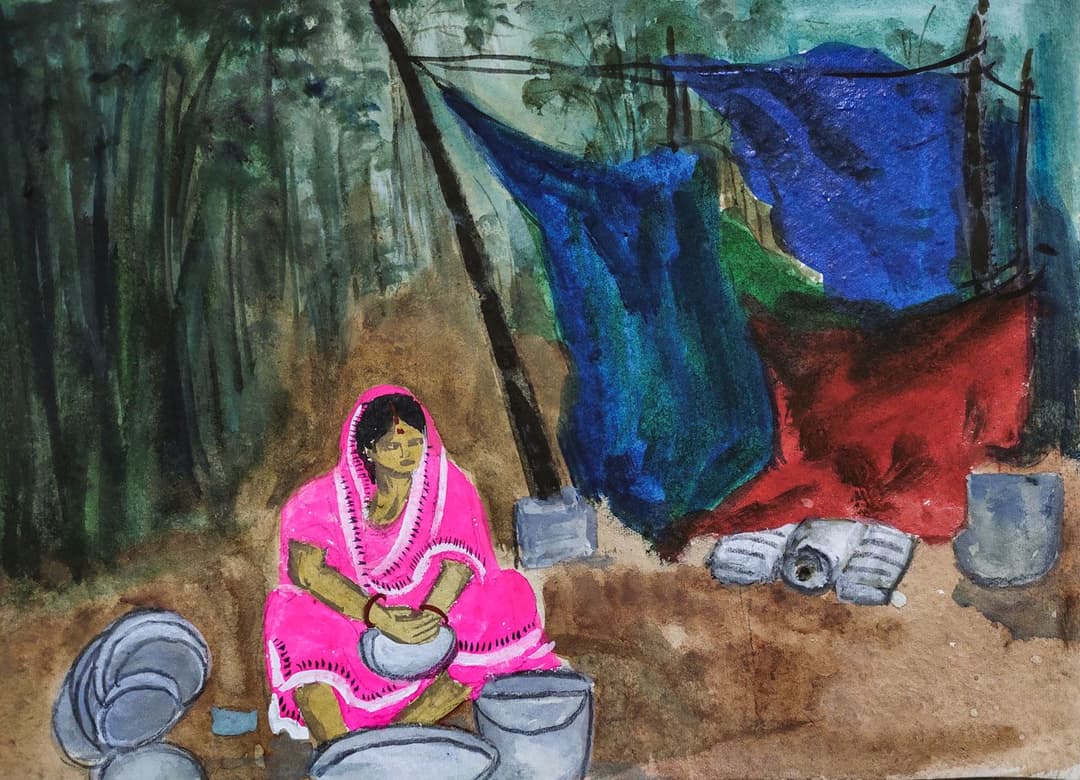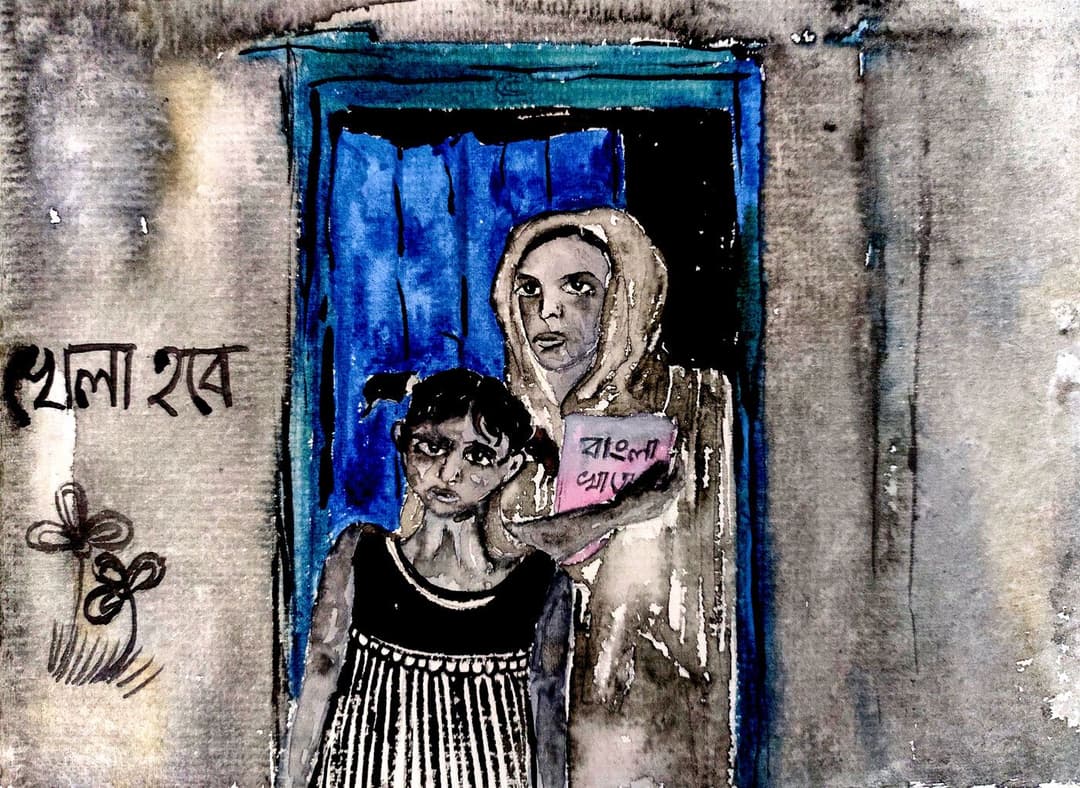

“Ei gachh, ei ghor, ei matir je maya, sei maya liye amra kuthay jabo? [This tree…this house…the tenderness this soil carries…where shall we take this love with us?]”
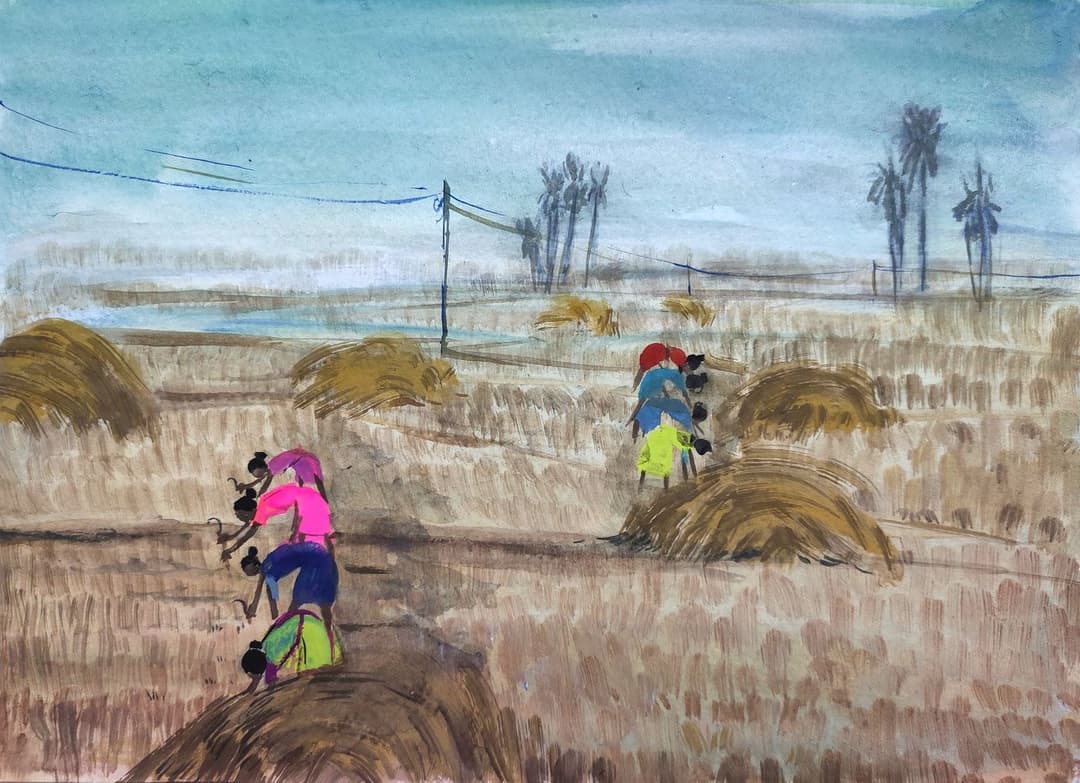
Apankuri Hembram is both sad and angry. “All this is mine,” says the Santhal Adivasi, her eyes sweeping around. “I have my own land,” adds the 40-year-old pointing from one marker to another on the land. Her 5-6 bighas (roughly one and half acres) of land is used to cultivate paddy.
“Will the government be able to give all that I have built over these years?” The Deocha Pachami (also spelt Deucha Pachmi) state coal mining project in West Bengal’s Birbhum district, is slated to wipe out 10 villages, including Apankuri’s Harinsinga.
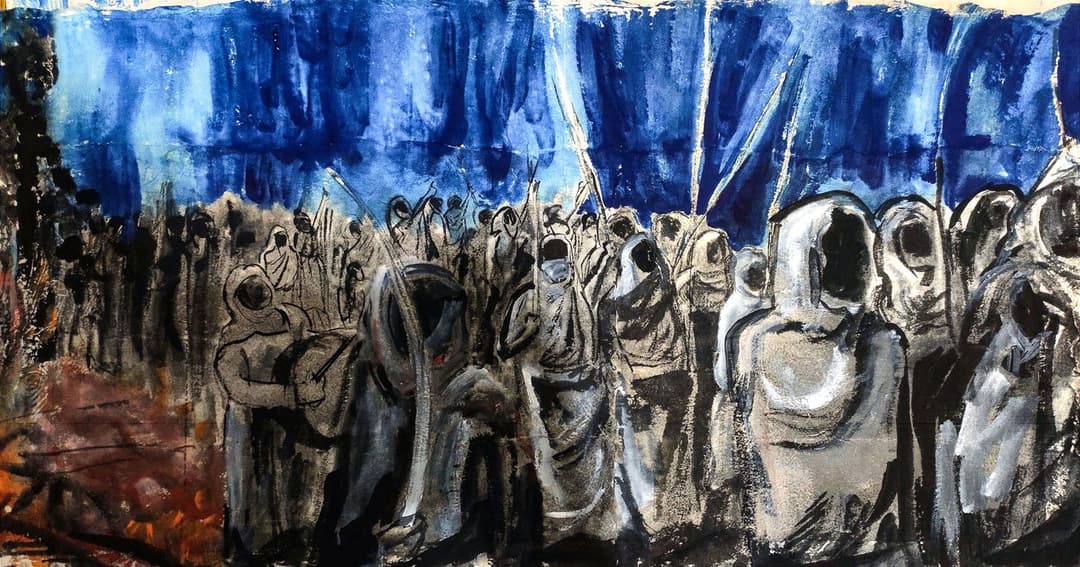
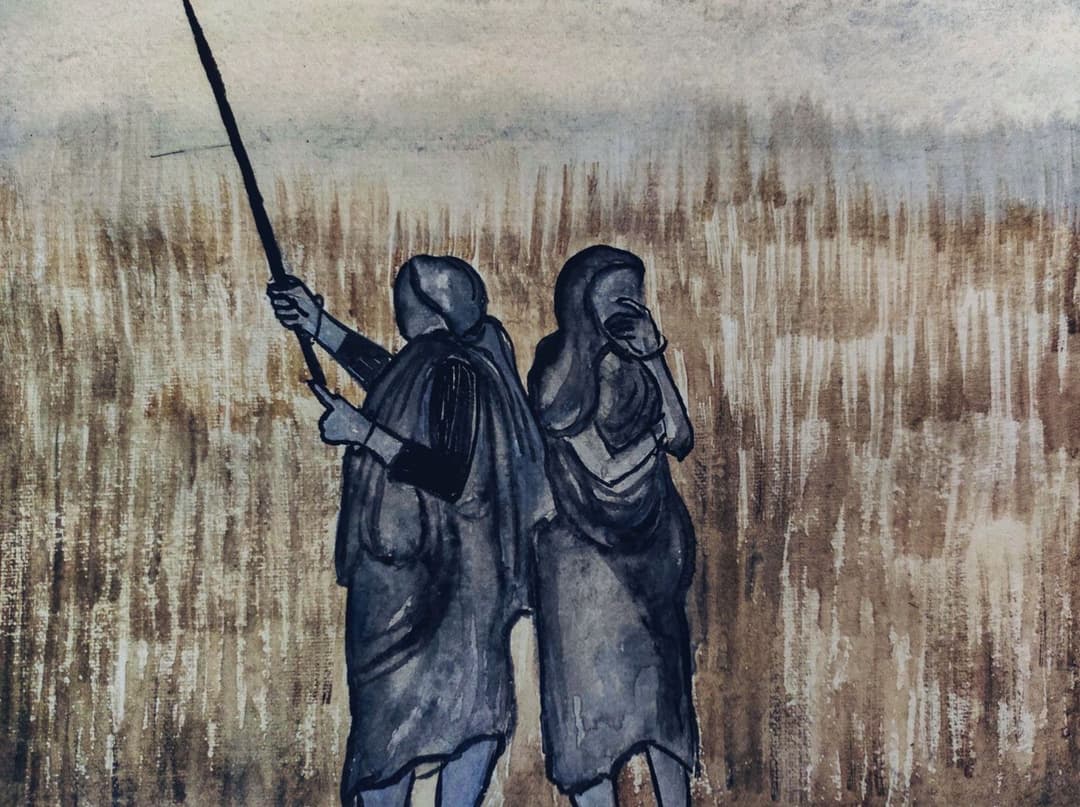
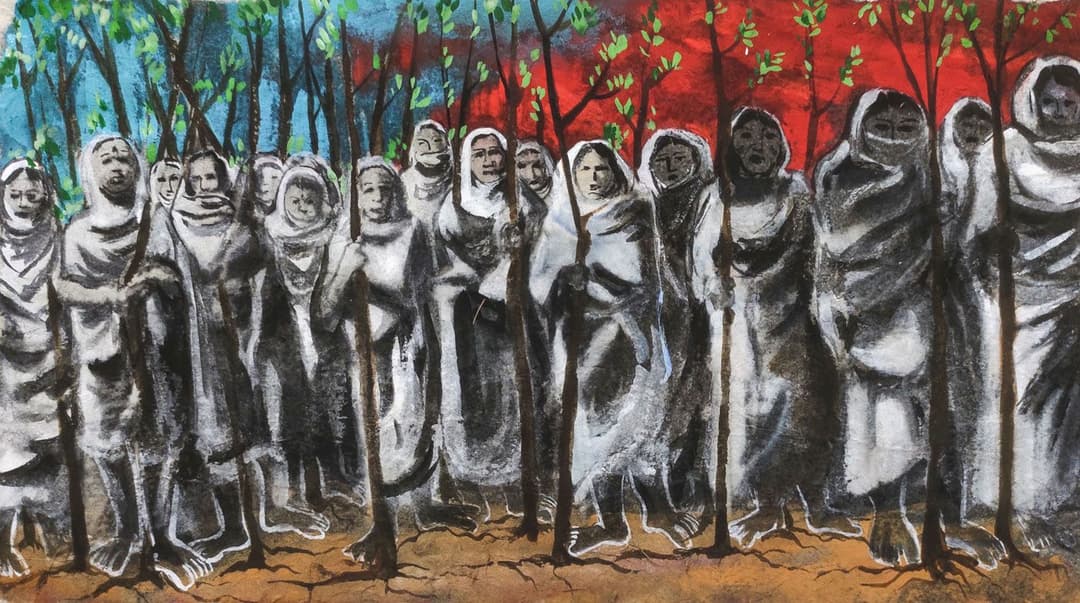
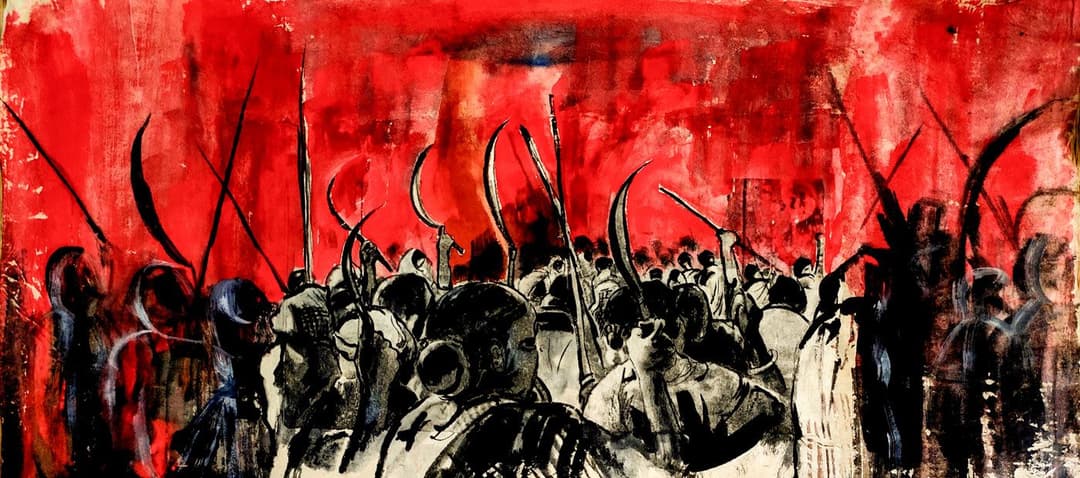
“Where will we go leaving everything behind? We will not go anywhere,” Apankuri adds firmly. She is among those at the forefront of the protest against the mine. Women like her are organising meeting and marches, taking on the combined might of the police and ruling party. Armed with kitchen and farm implements like sticks, brooms, sickles and kataris (machete-like choppers).
The winter afternoon sun is shining brightly in Harinsinga village. Apankuri is speaking to us standing in the courtyard of her neighbour, Labsa’s house with its brick rooms and tiled roof, located at the entrance to the village.
“They have to take our lives for our land,” says Labsa Hembram, joining the discussion as she also catches up on lunch – a mix of rice and water with leftover vegetables, cooked last night. The 40-year-old Labsa works in the crusher, a place where the stones are broken up. Daily wages at the crusher range between Rs. 200 to 500.