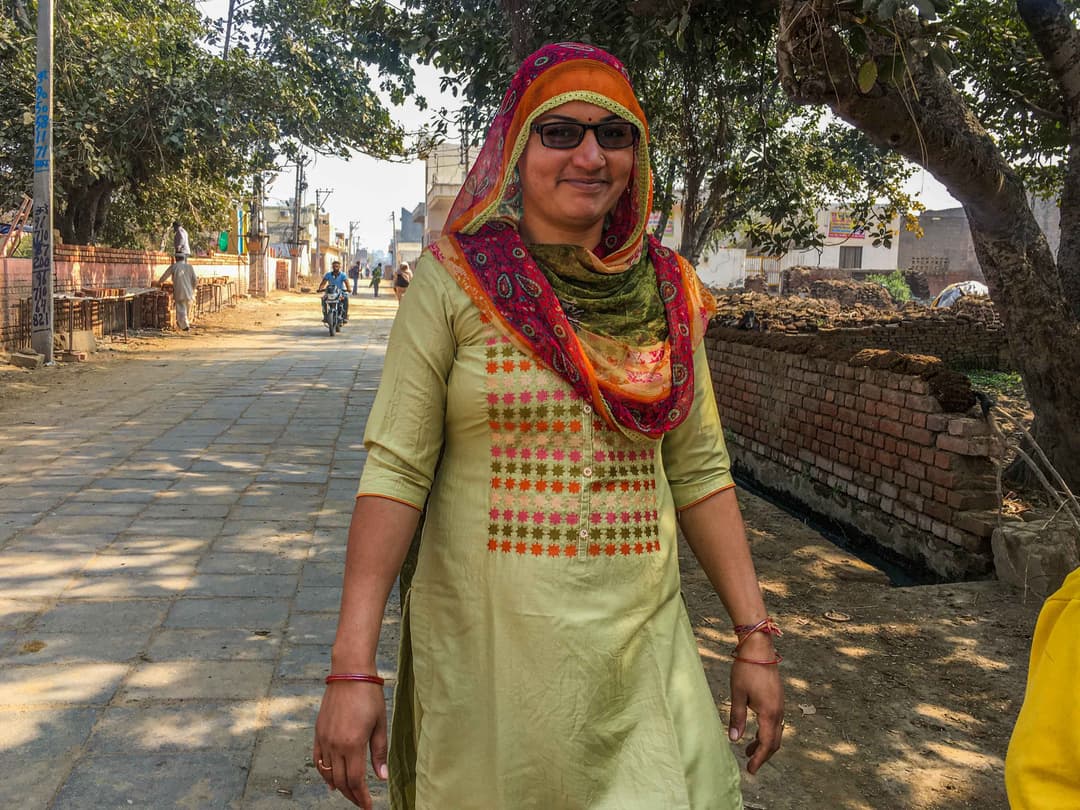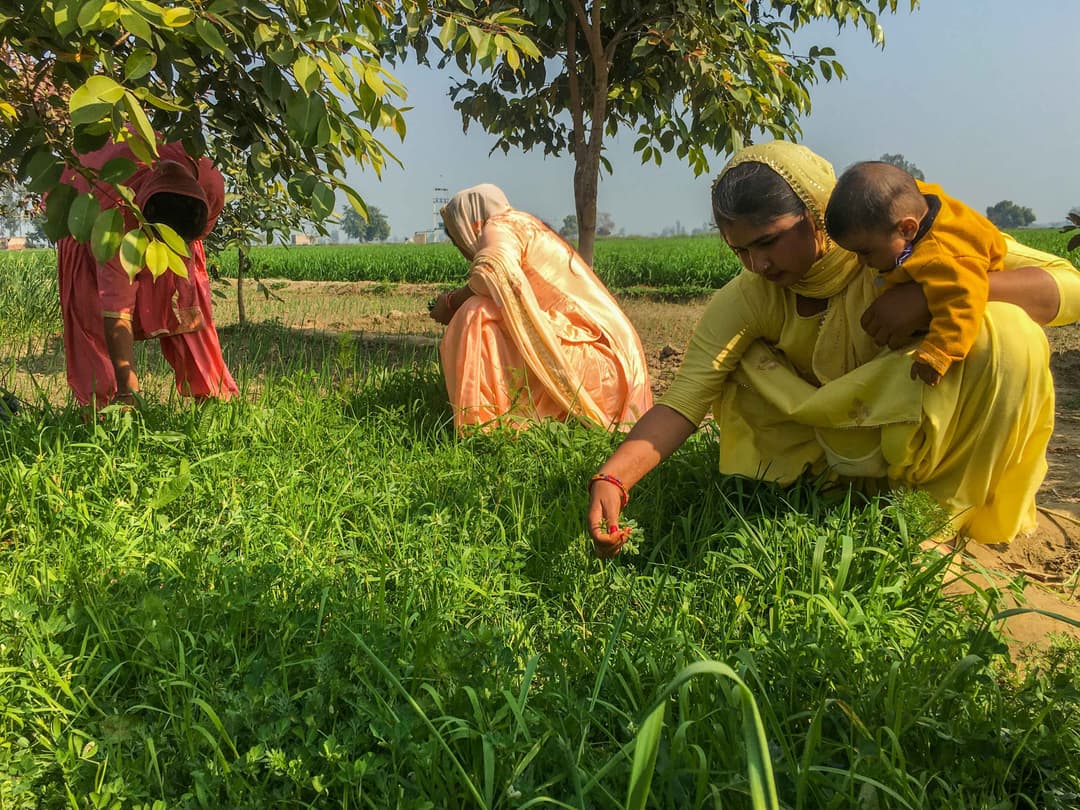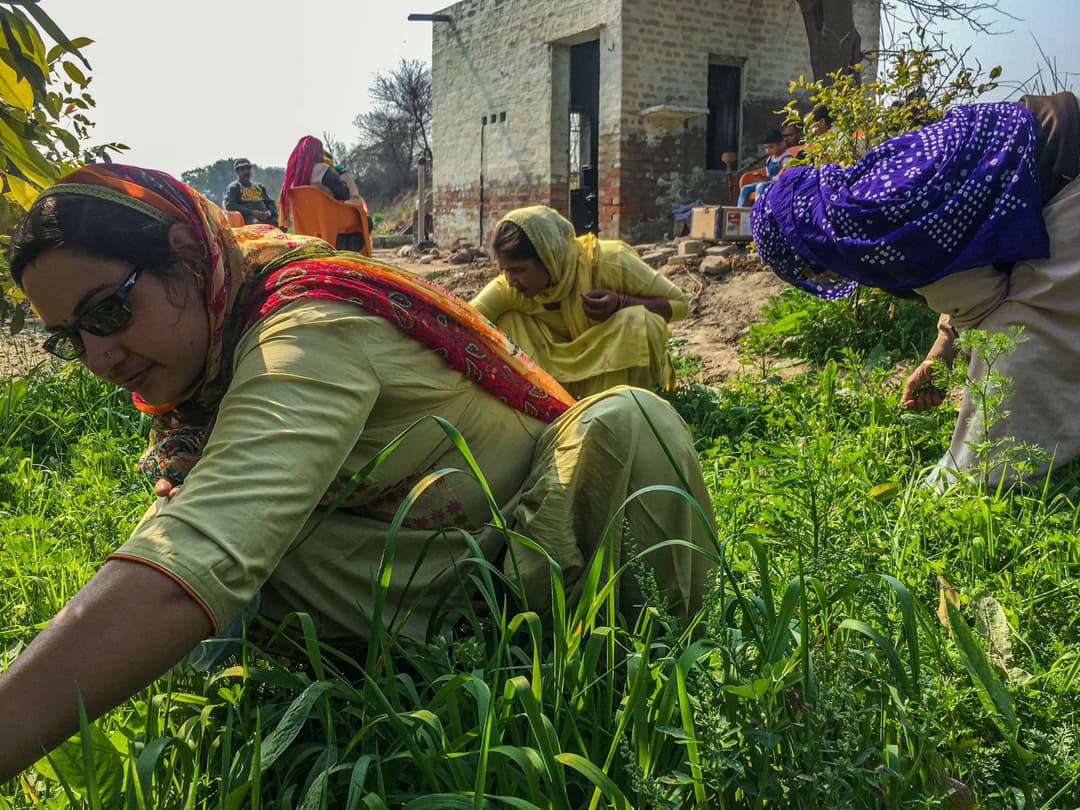

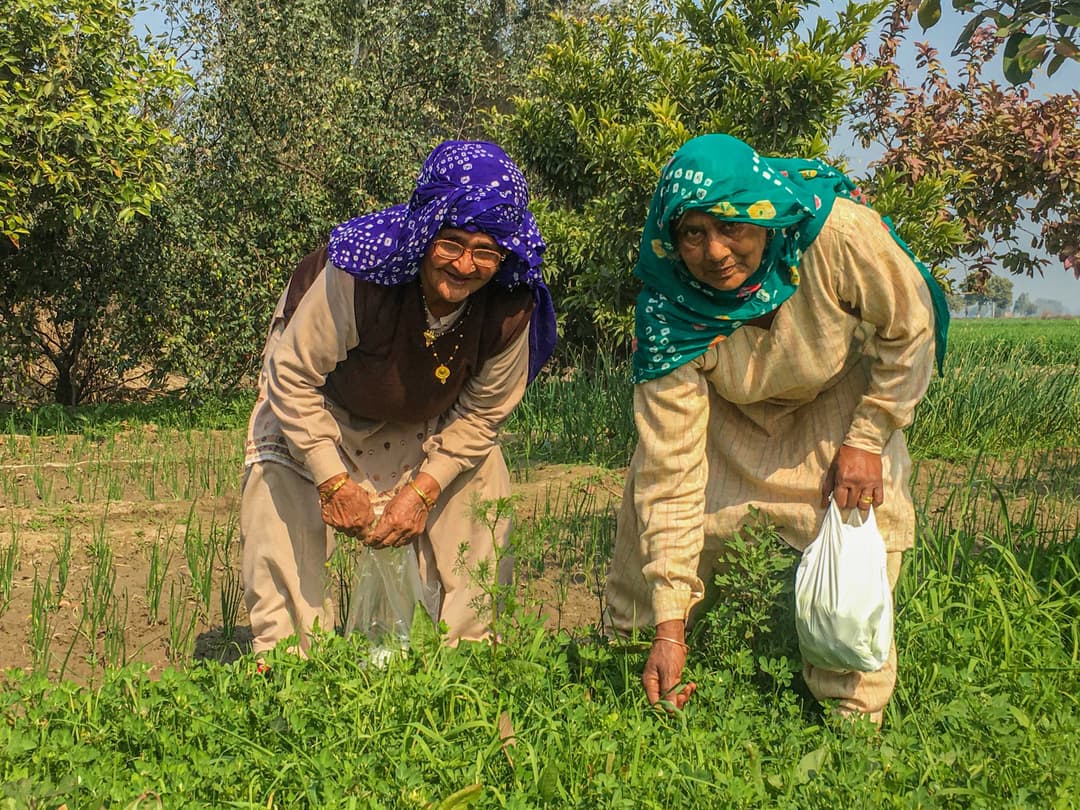
“A tractor trolley went around the village, asking everyone to give whatever they could to send to the protest site. I contributed Rs. 500, three litres of milk and a bowl of sugar,” said Sonia Petwar, 34, from Petwar village in Haryana’s Hisar district.
It was in mid-December 2020 when the rations were first collected in her village located in Narnaund tahsil. The collection was sent to Tikri, about 105 kilometres from Petwar on the Delhi-Haryana border, for the farmers protesting there against the Centre’s three new farm laws since November 26.
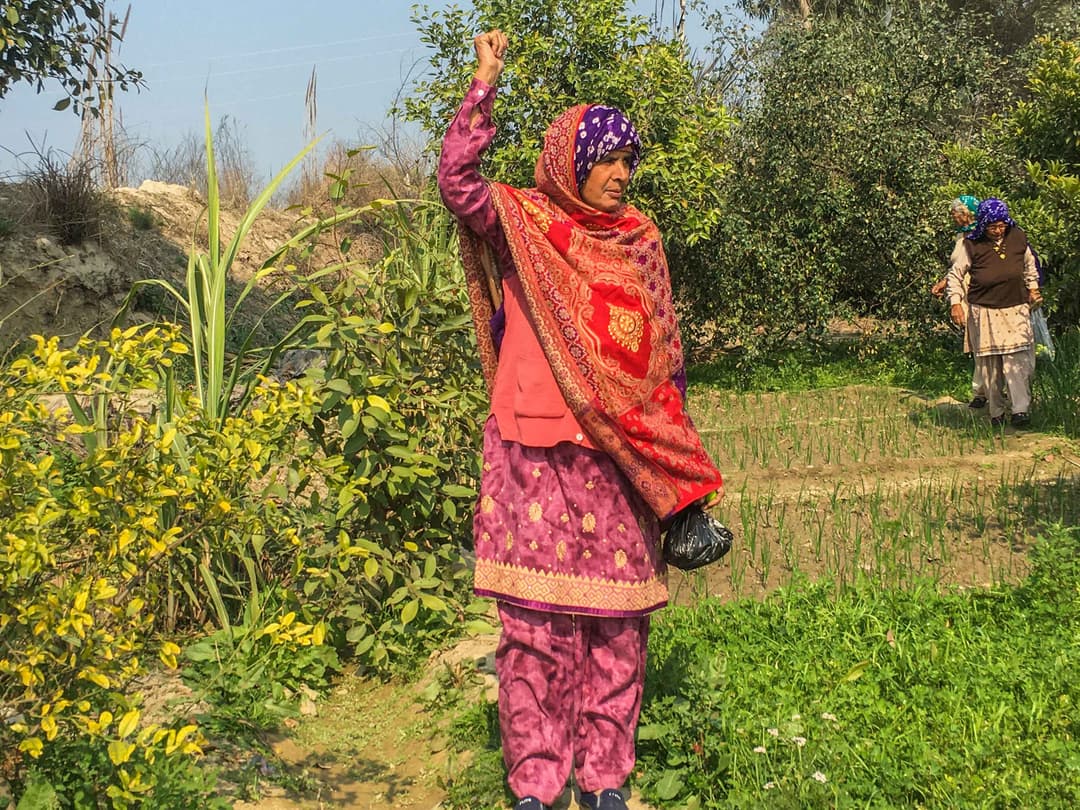
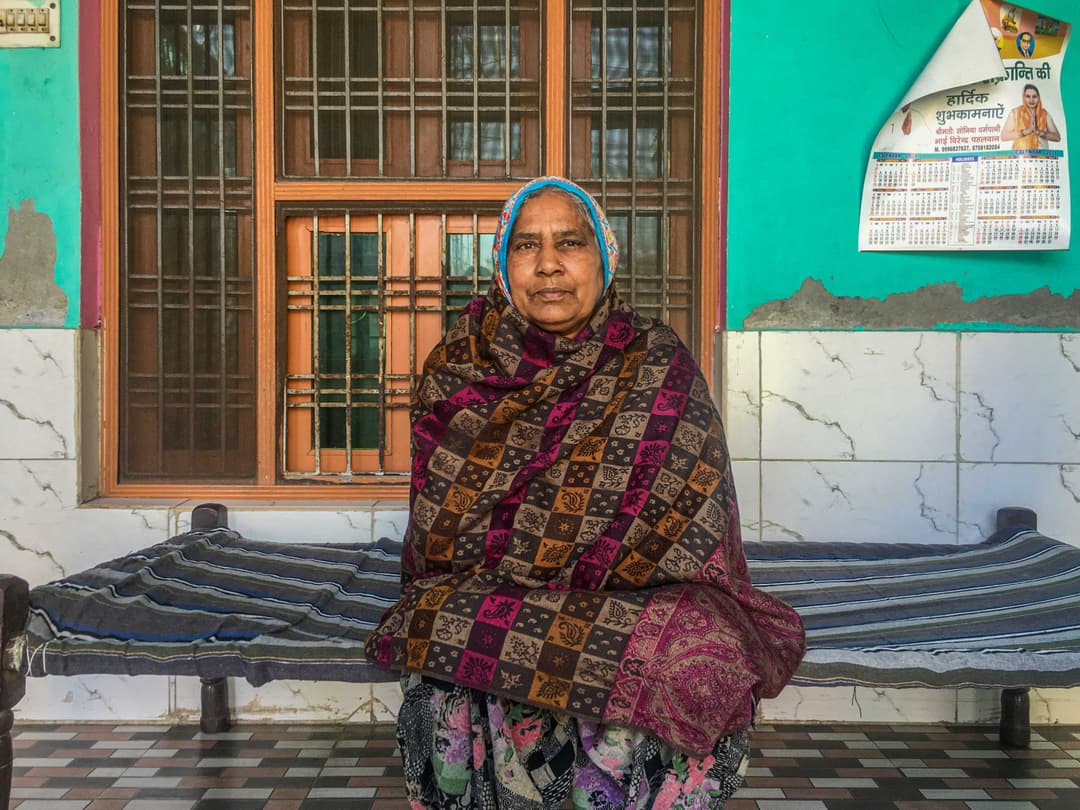
“I didn’t have enough money. So I gave pieces of wood,” said 60-year-old Shanti Devi, a member of Sonia’s extended family. “It was cold then. I thought, the protestors could light the wood to keep warm.”
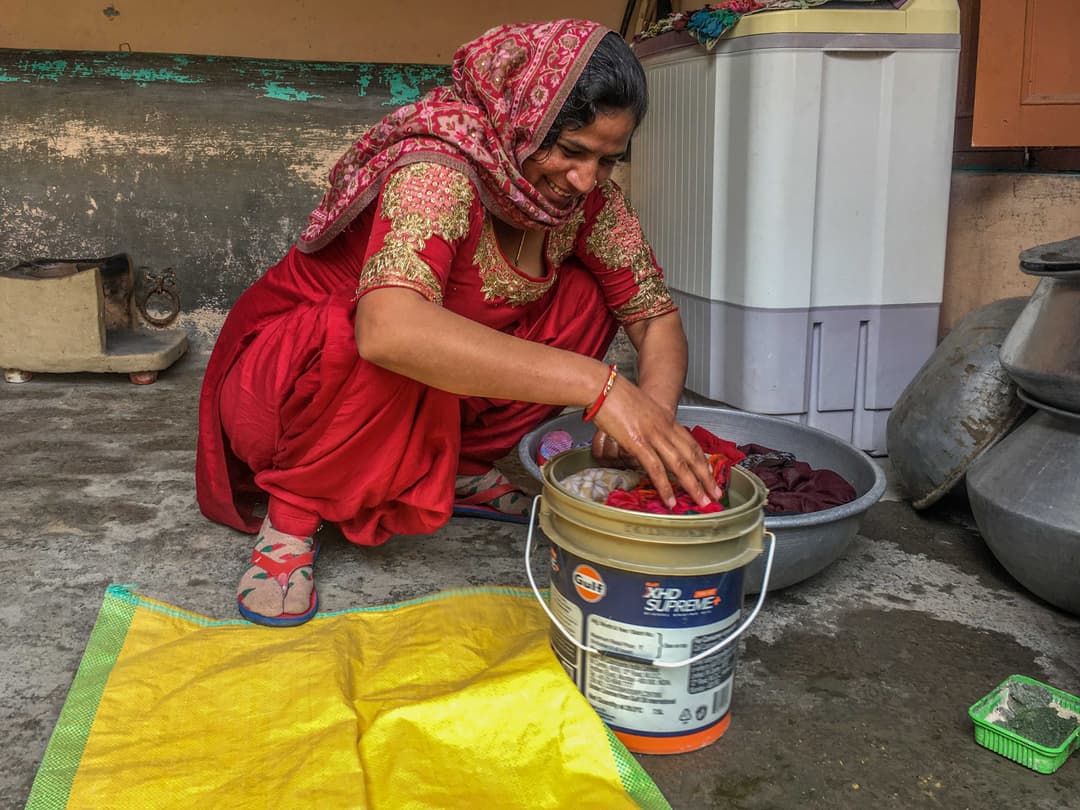
The second time that the tractor trolley came around in Petwar was in early January. “Each woman from the village gave something whenever a person was leaving for the protest site,” said Sonia. Women who rear cattle donated milk. It’s been their way of supporting the farmers’ agitation– from behind the scenes.
The farmers’ protests are in the third month now and tens of thousands of protestors – men as well as women – are still gathered at Delhi’s borders – mainly at Tikri and Singhu (Delhi-Haryana border) and Ghazipur (at Delhi-Uttar Pradesh border).
I first met Sonia at Tikri on the afternoon of February 3. She was with a group of 150 women from Petwar – a village of about 10,000 people (Census 2011) – who had come to the protest, but they were getting ready to go back then. “One feels charged after watching the protests,” she told me later, when I visited her in Petwar on February 7.