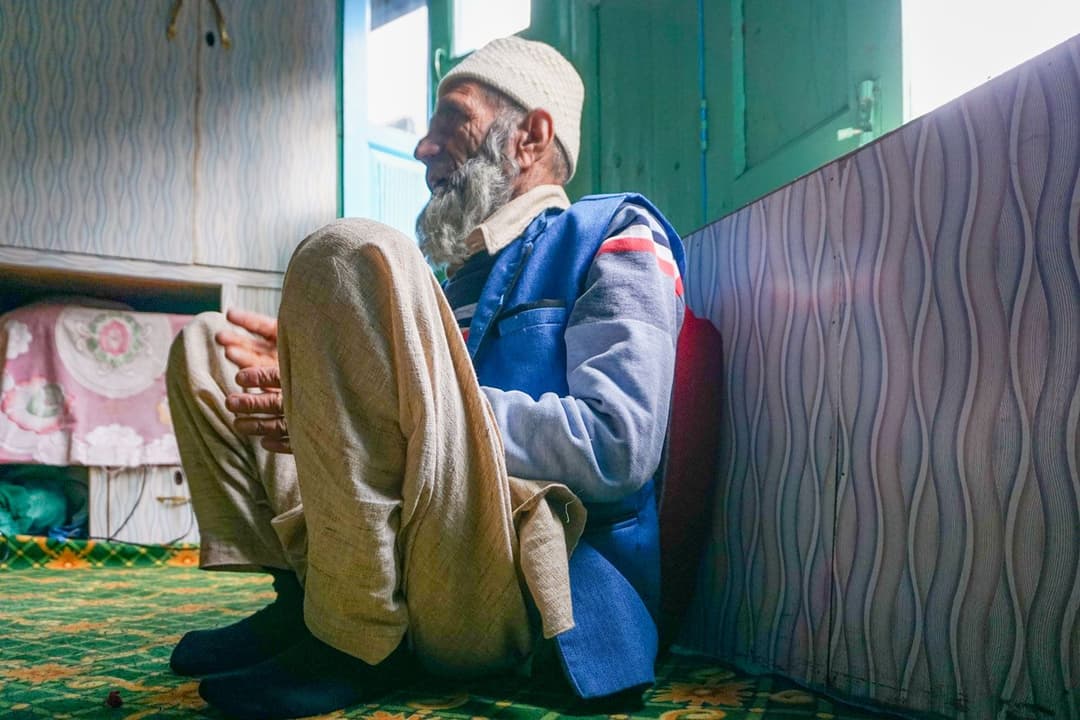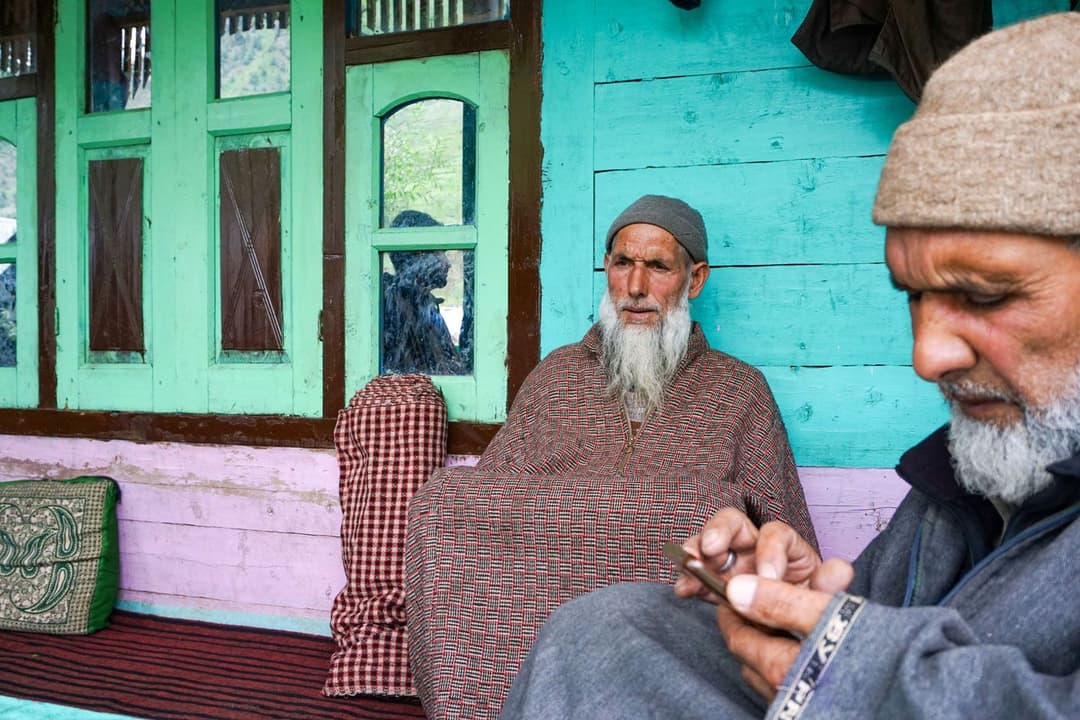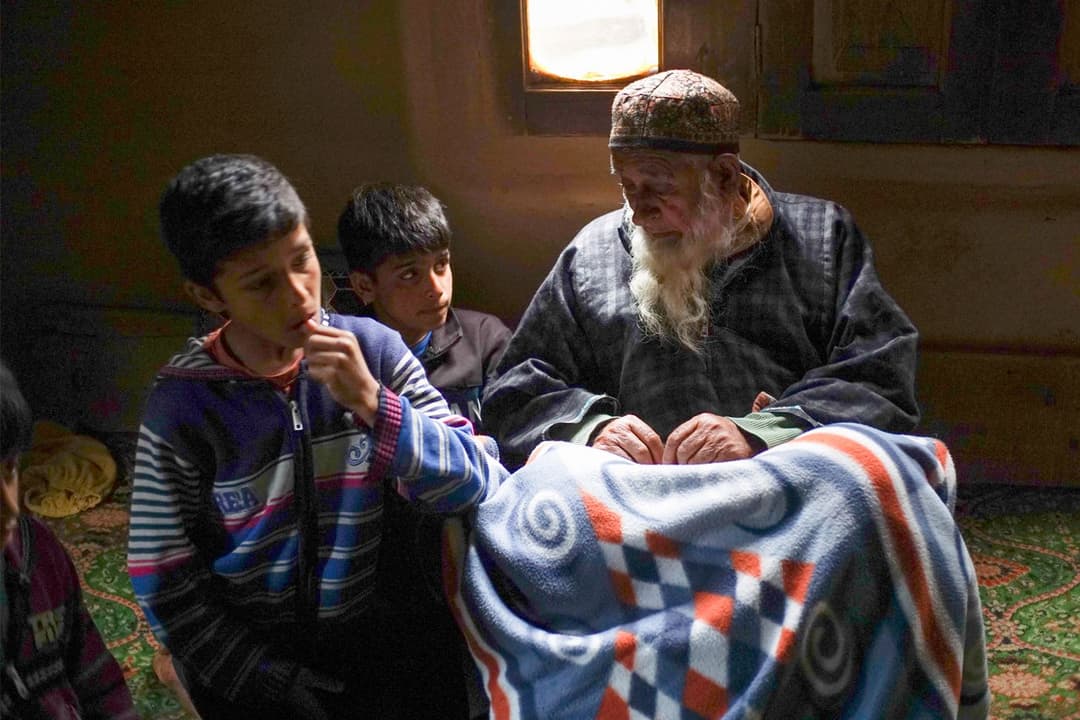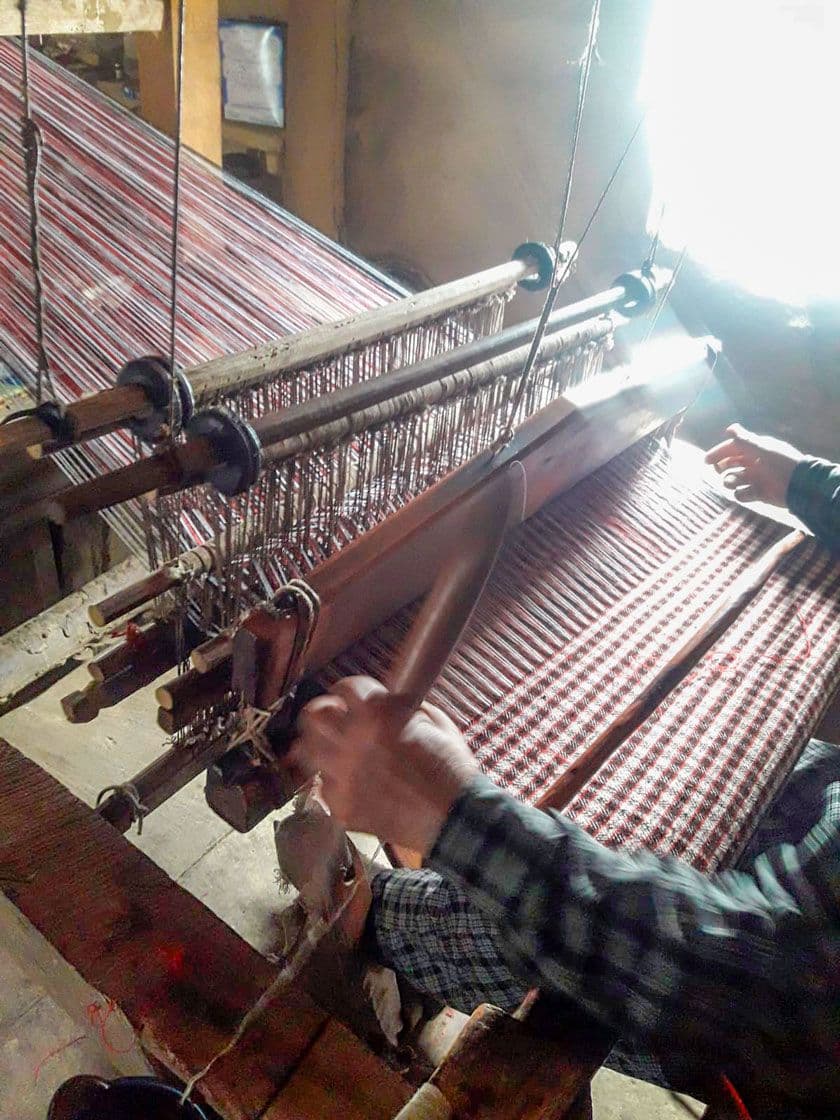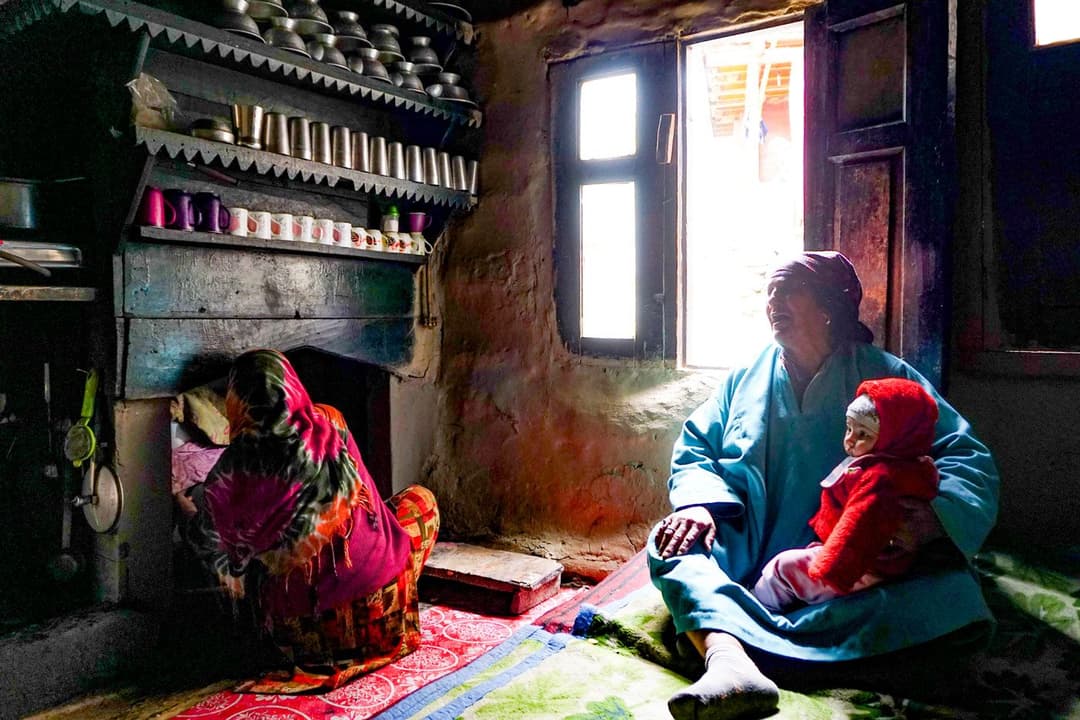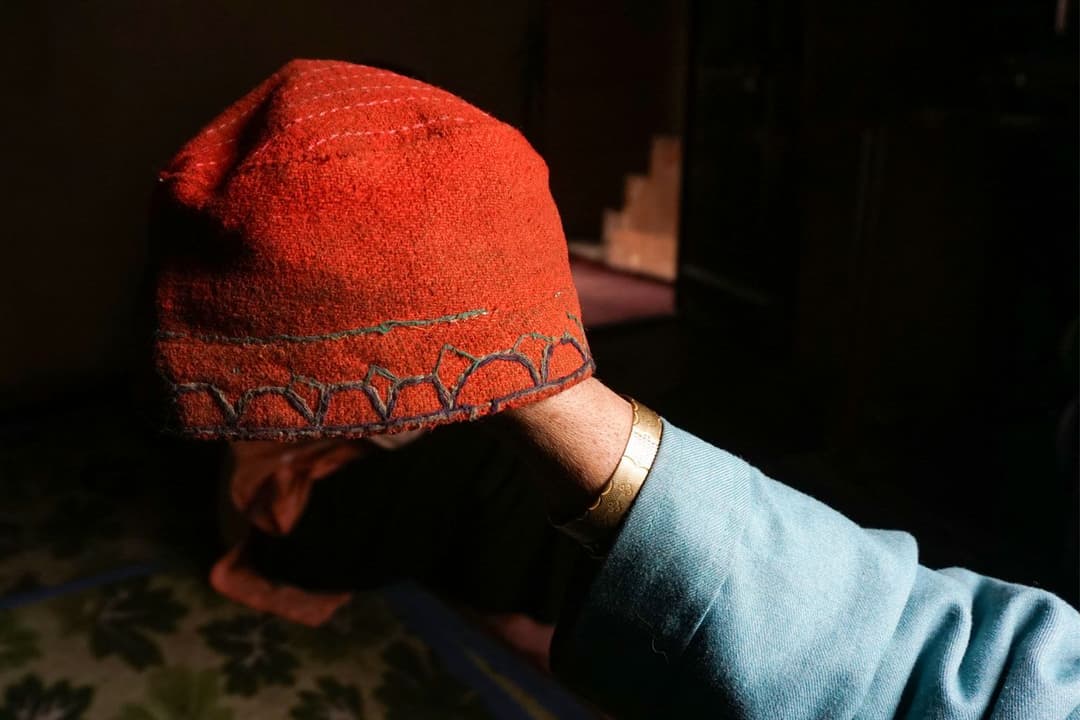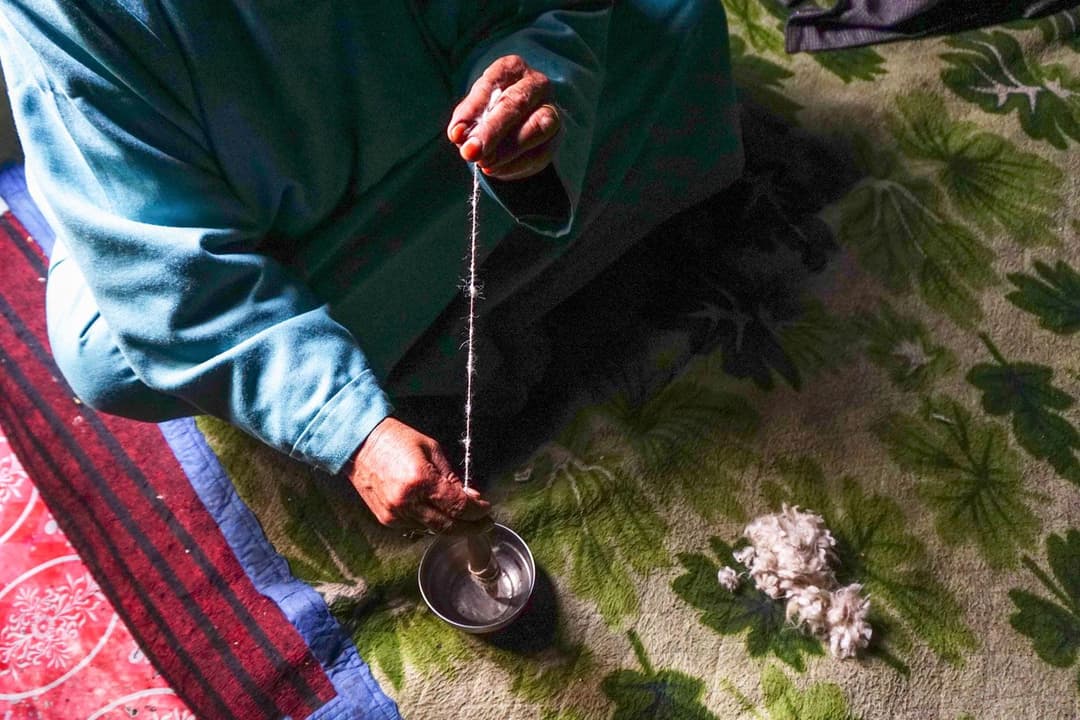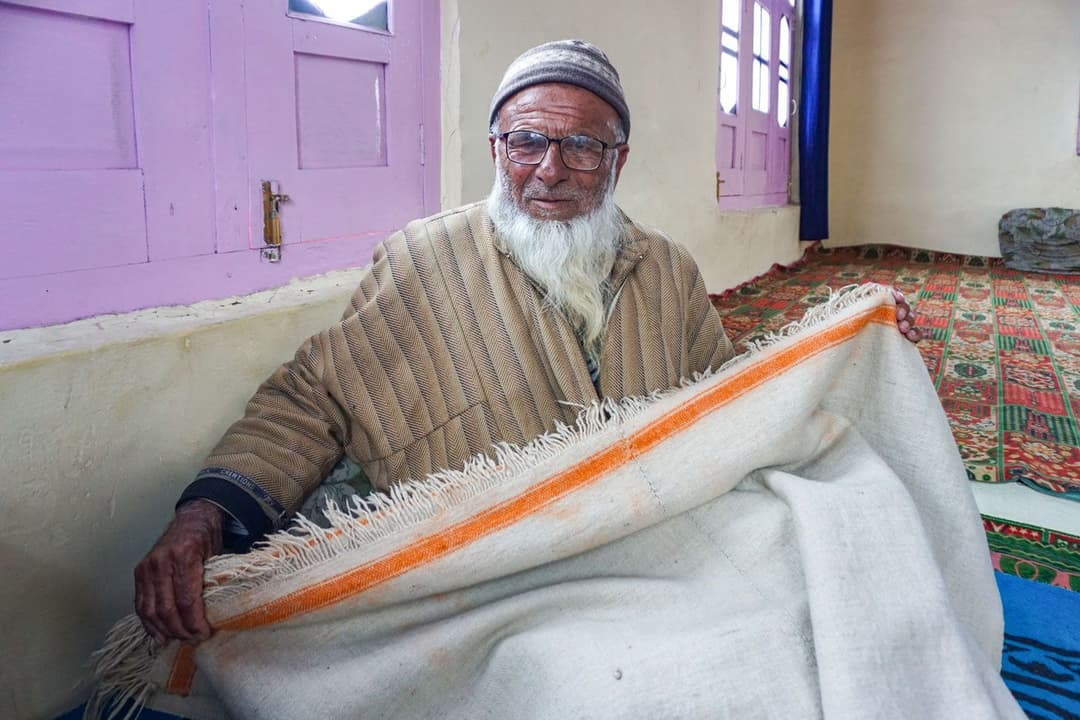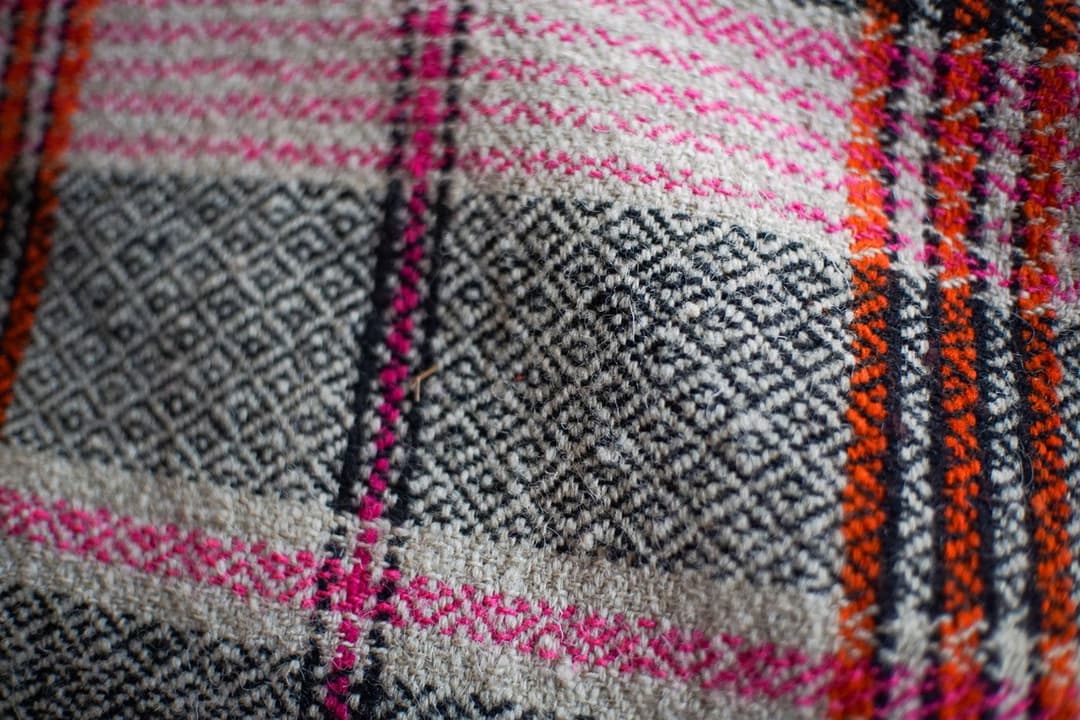

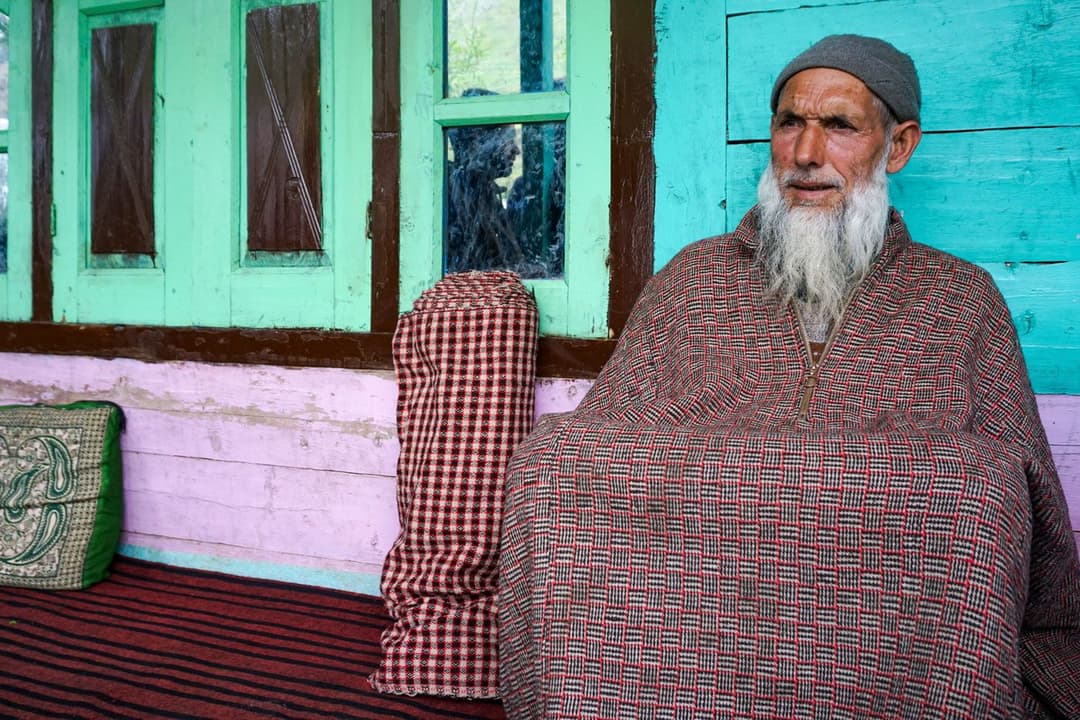
It has been 30 years since Abdul Kumar Magray last wove pattu. He is among the last weavers of this woollen fabric known to stand up to Kashmir’s harsh winters when temperatures drop to below -20 degrees Celsius.
“I used to weave 11 metres in a single day,” recalls the 82-year-old who has lost most of his sight. Making his way carefully across the room, he places a hand on the wall to guide him. “When I was around 50, my eyesight weakened due to excessive weaving.”
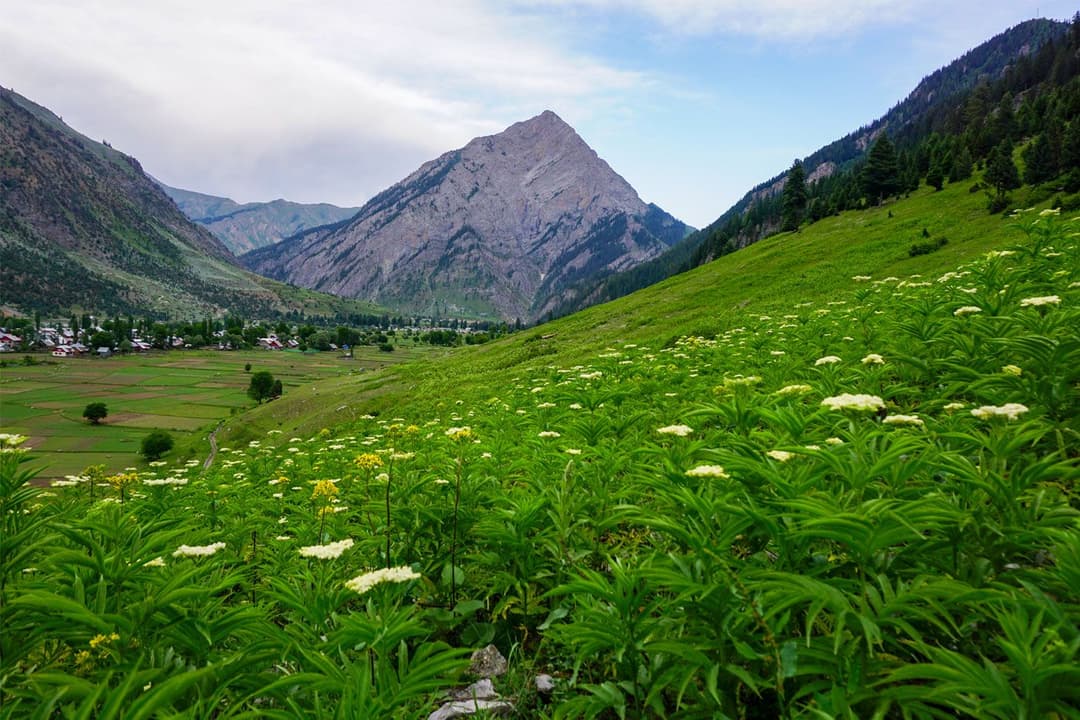
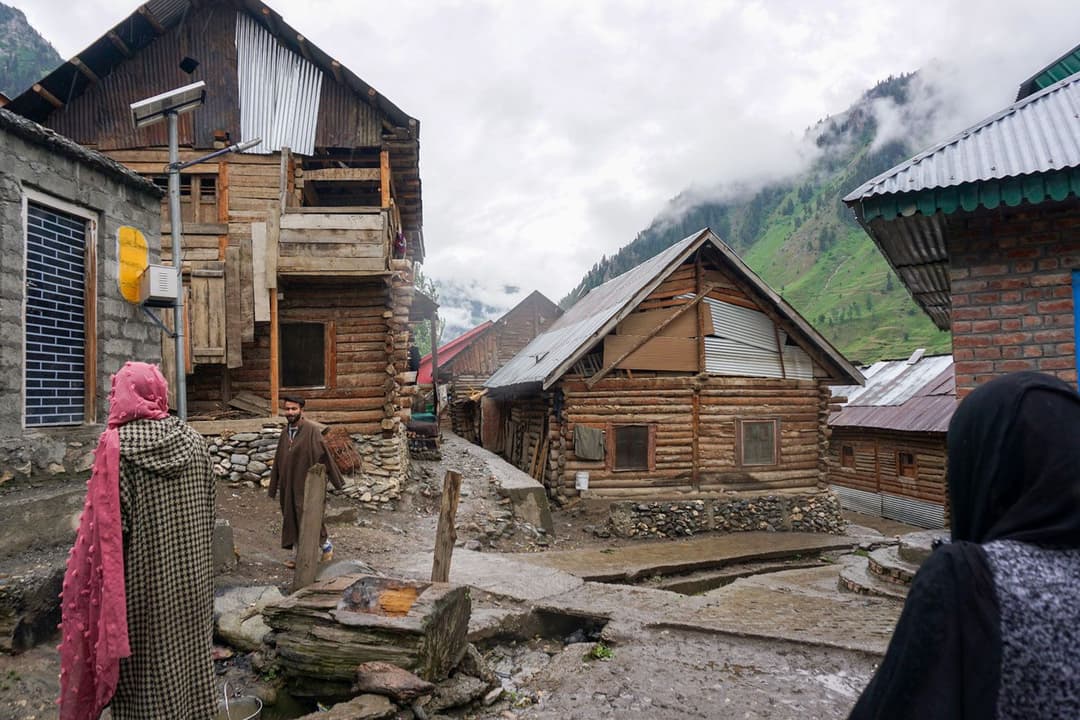
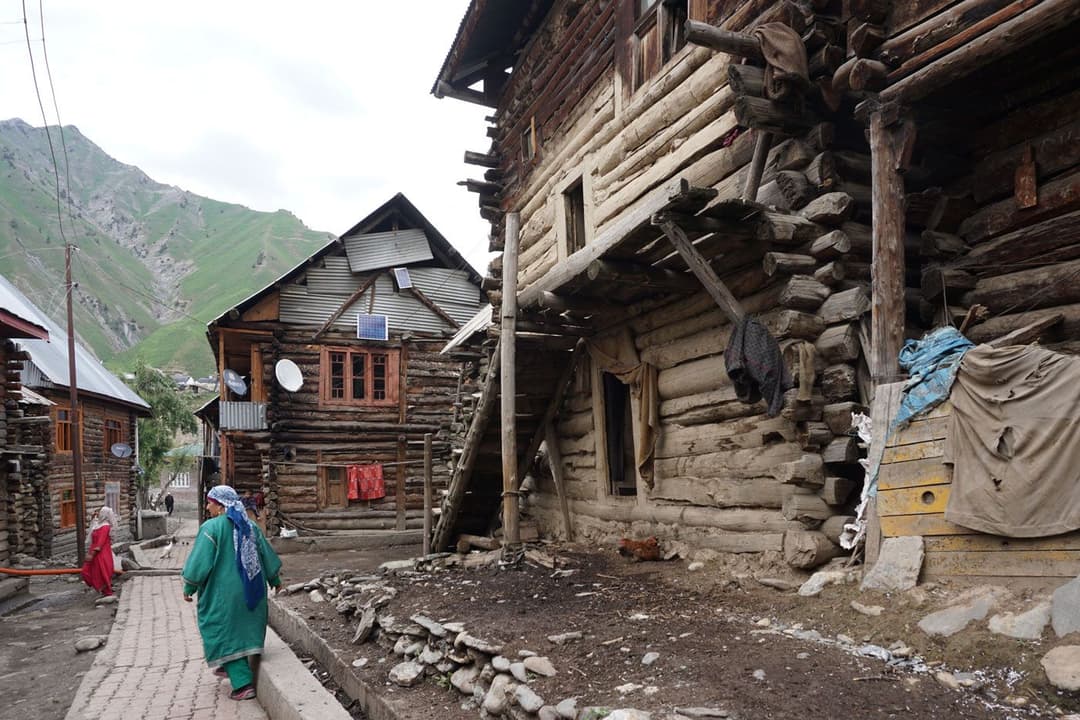
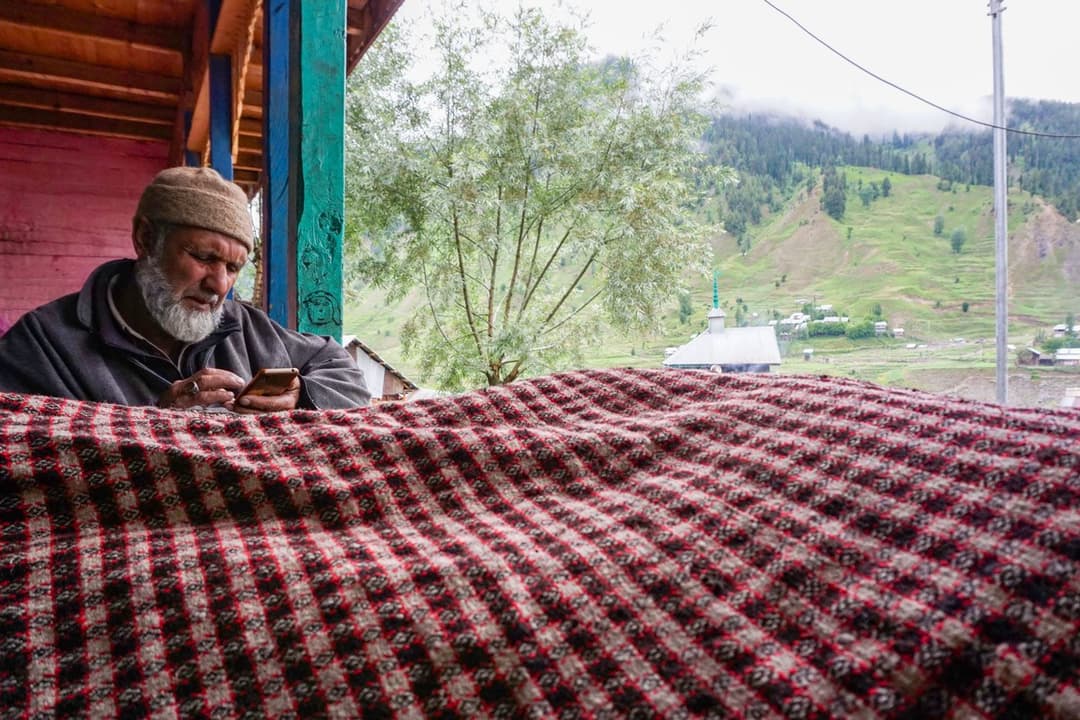
Abdul lives within view of the Habba Khatoon peak in Dawar, a village in Bandipore district with a population of 4,253 people (Census 2011). He tells us that now there are no active pattu artisans but, “until almost a decade ago, in the winter months, every household in the village would weave garments for sale in spring and summer.”
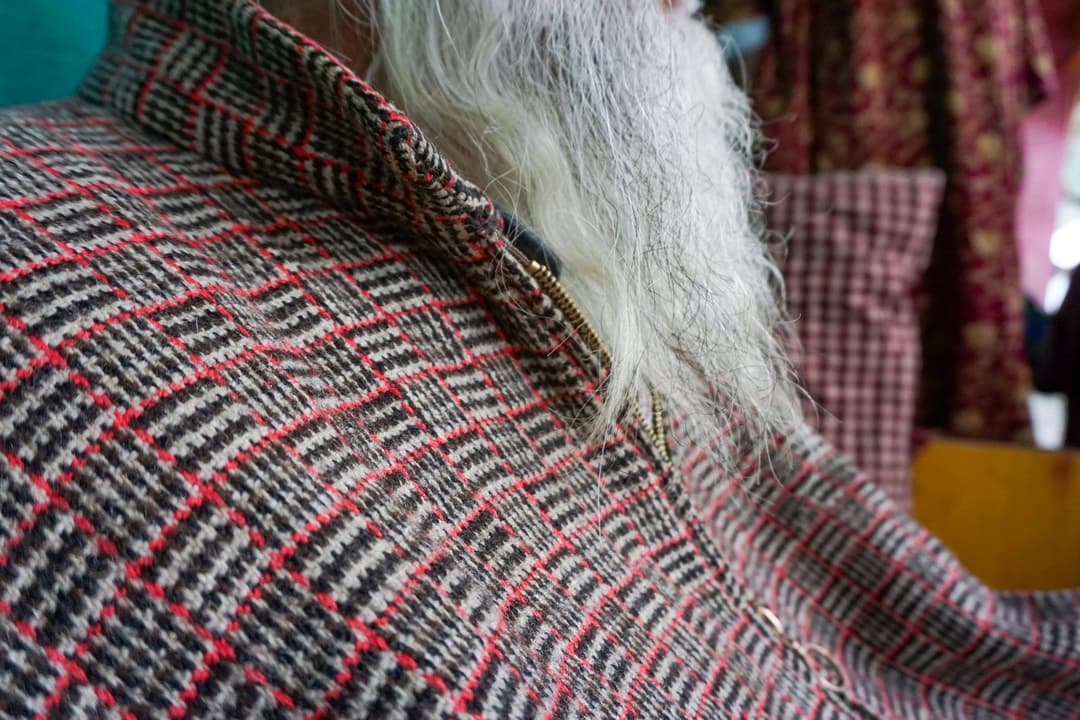
Some of the garments Abdul and his family would make for sale in Srinagar and even other states included pheran (a traditional gown-like upper garment), dupathi (blanket), socks and gloves.
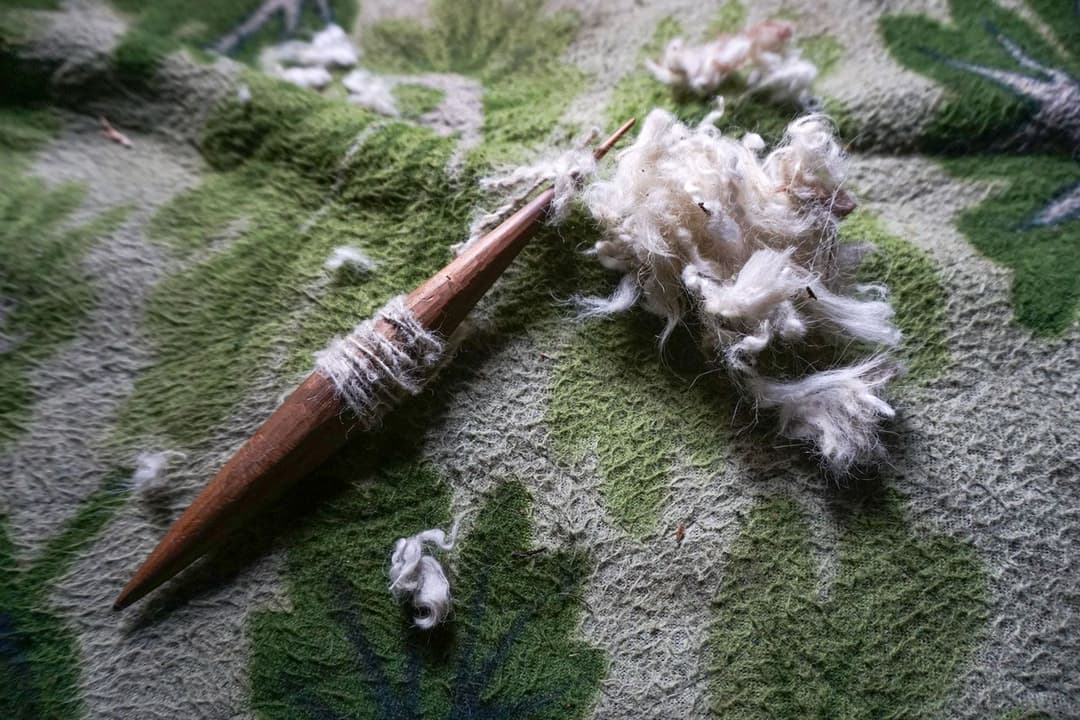
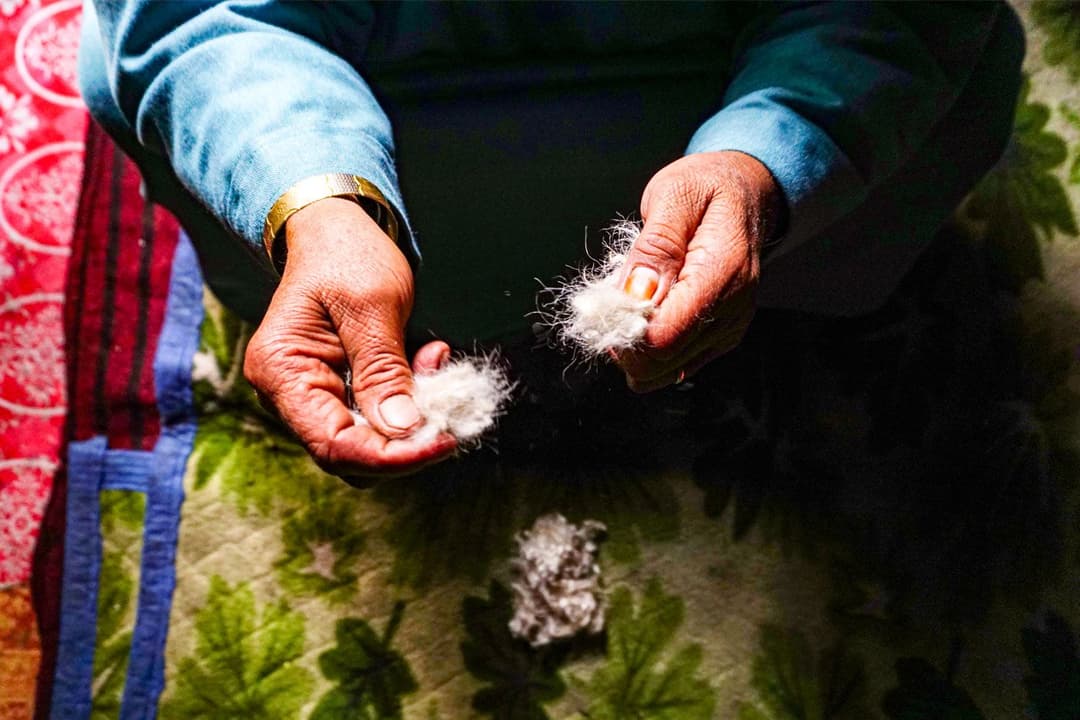
But despite Abdul’s love for his craft, sustaining it today is not easy as the raw material – wool, is no longer readily available. Weavers like Abdul used to keep sheep and get the wool to weave pattu from the animals they raised. Around 20 years ago, he says, sourcing wool was easy and cheap since his family owned around 40 t0 45 sheep. “We used to make a good profit,” he recalls. Currently, the family owns only six sheep.