
“If we stop working, the entire country will be unhappy.”
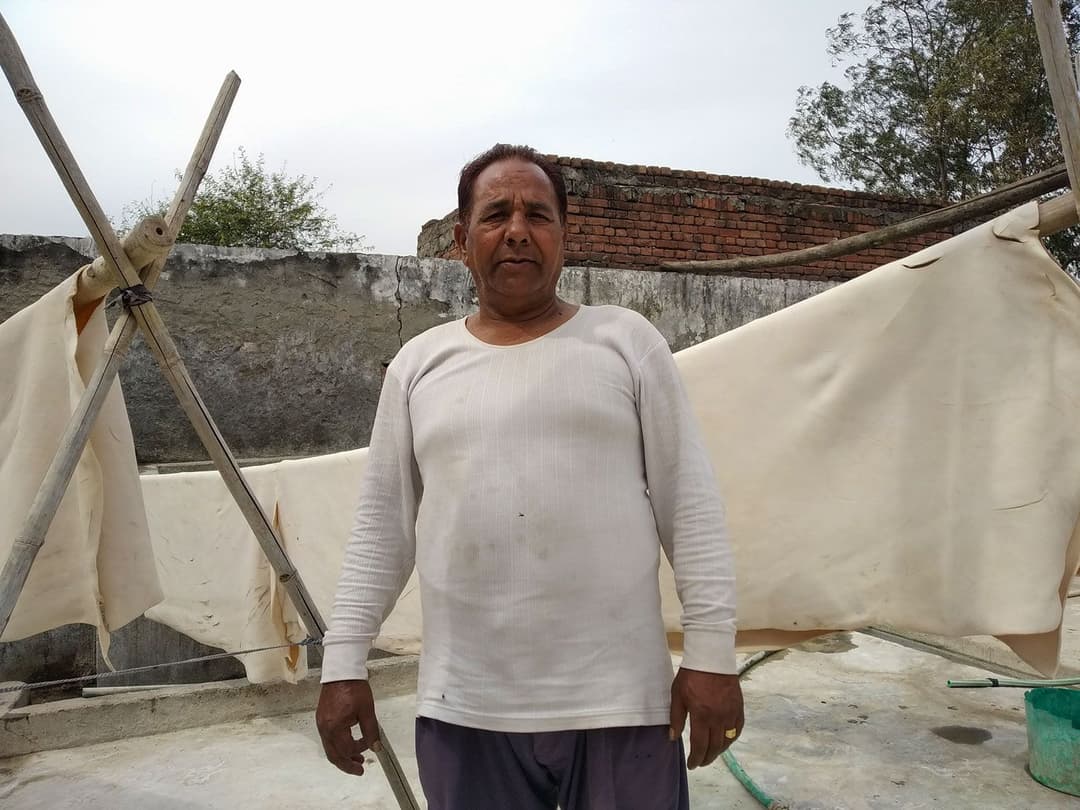
Babu Lal’s statement is better understood when he follows it up by saying, “Cricket khelne ko nahi milega kisiko bhi [no one will be able to play cricket].”
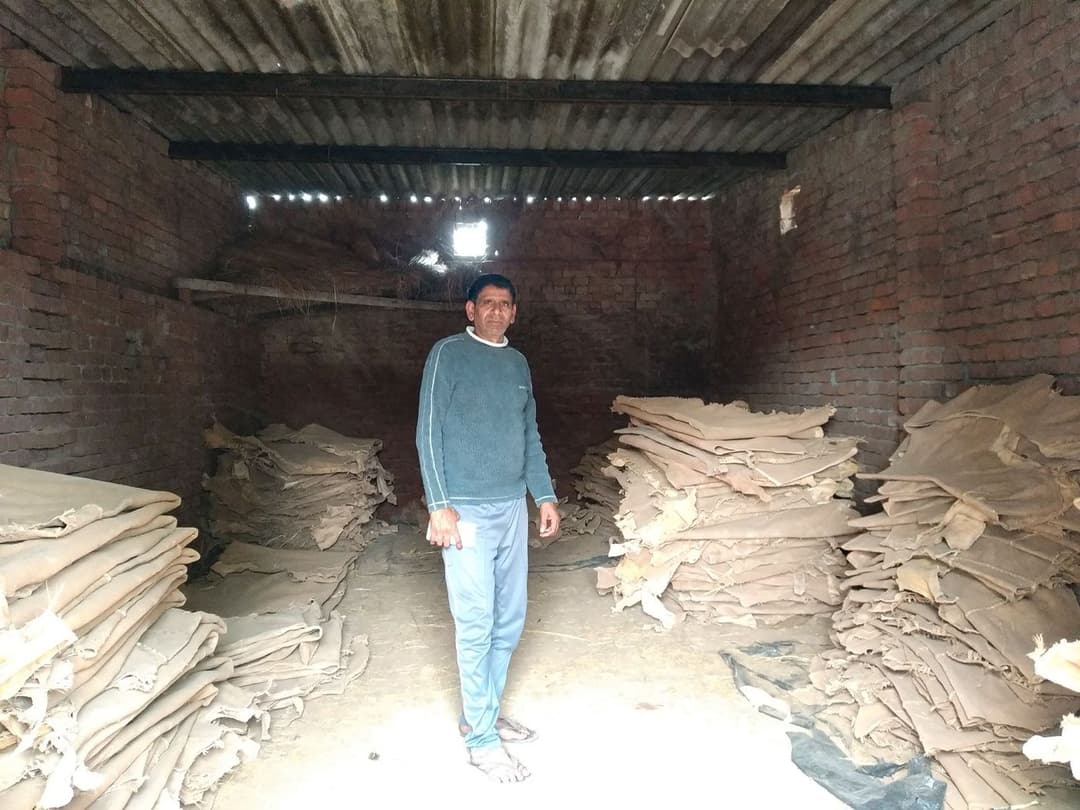
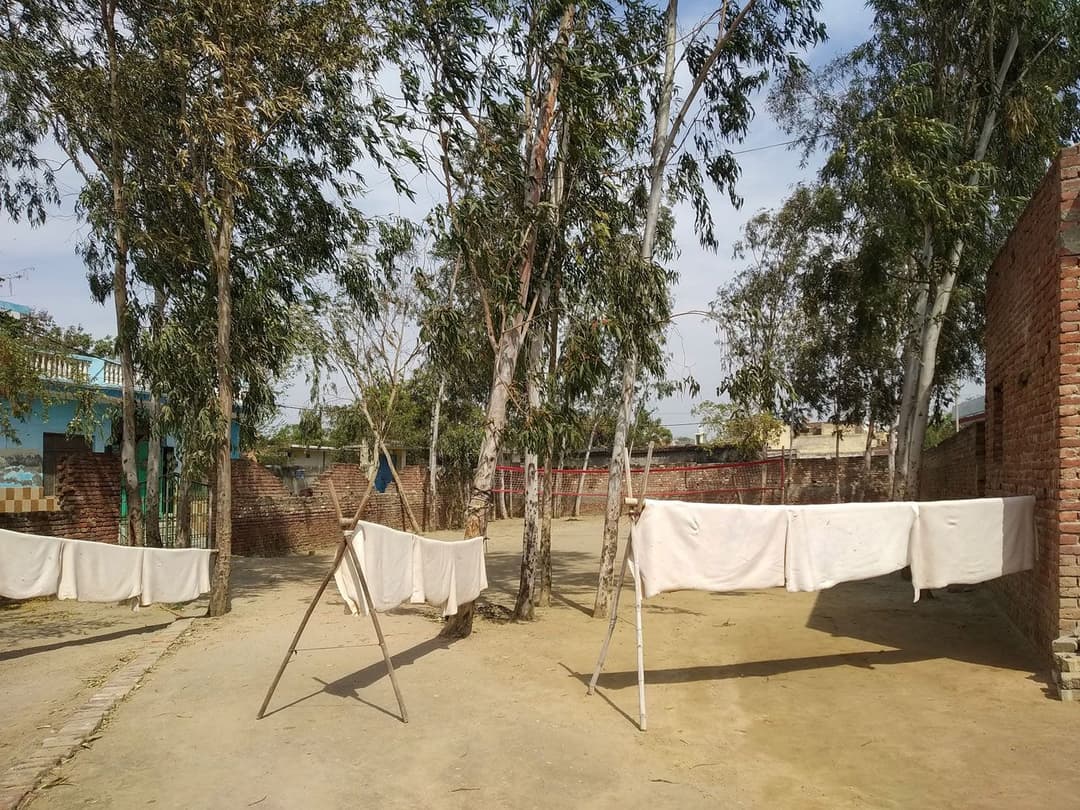
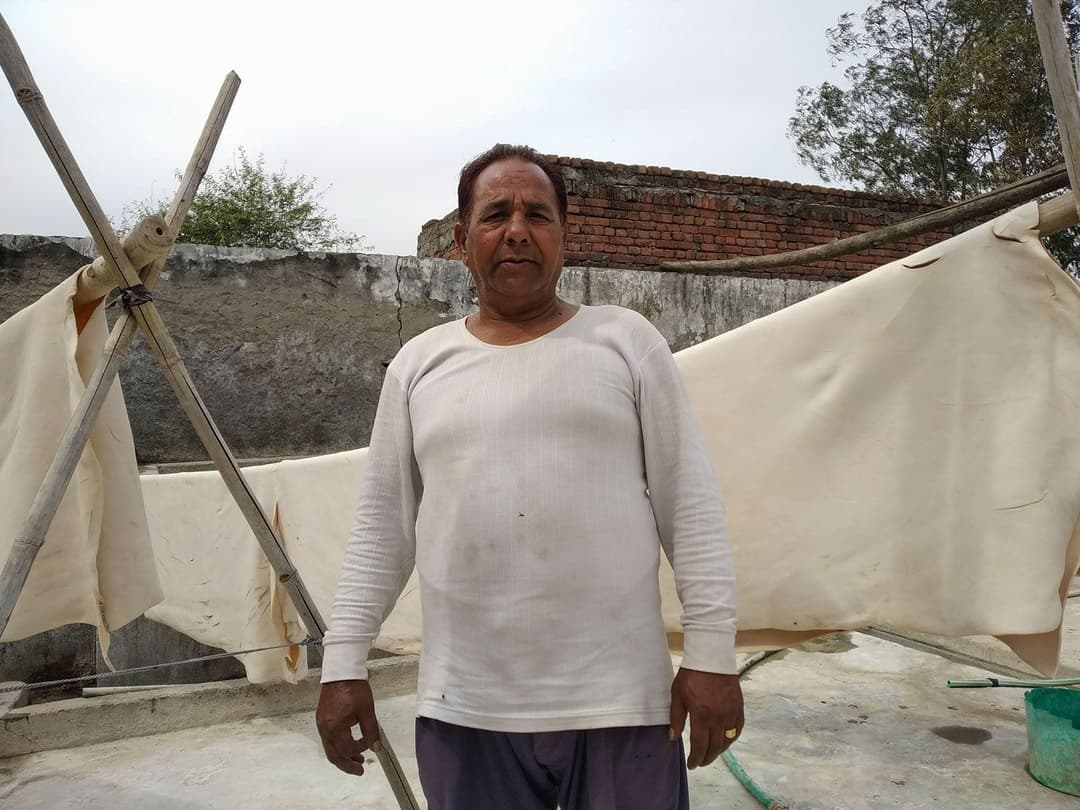
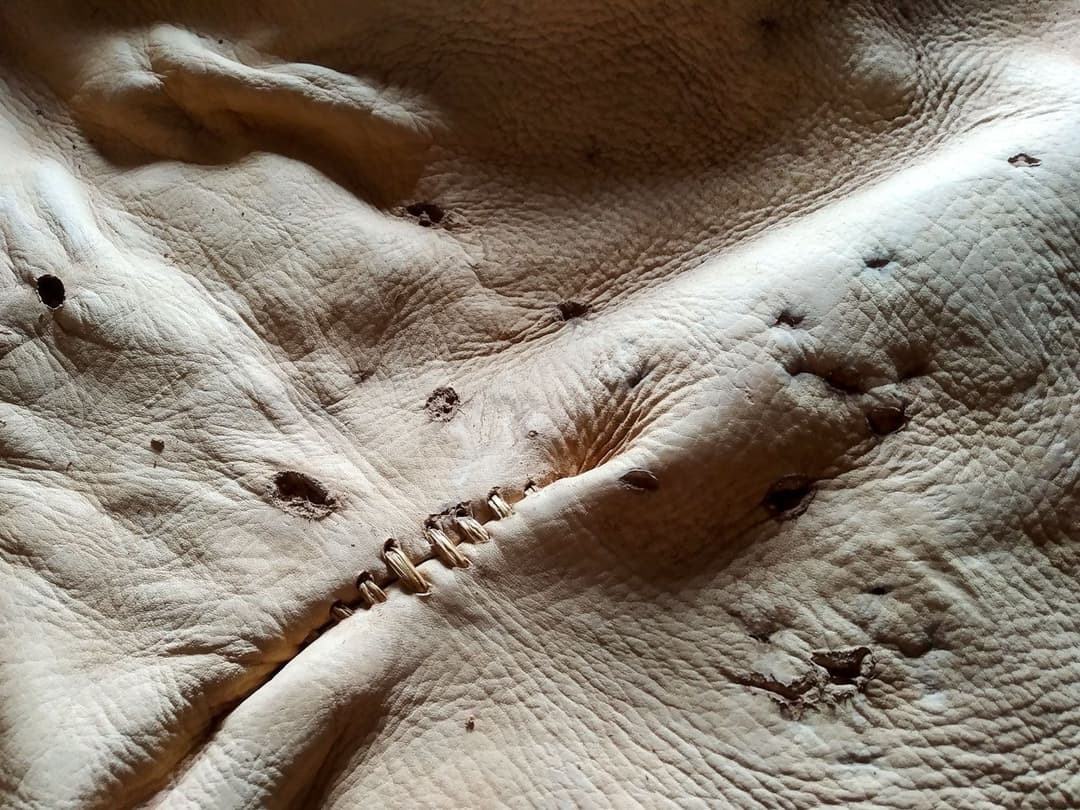
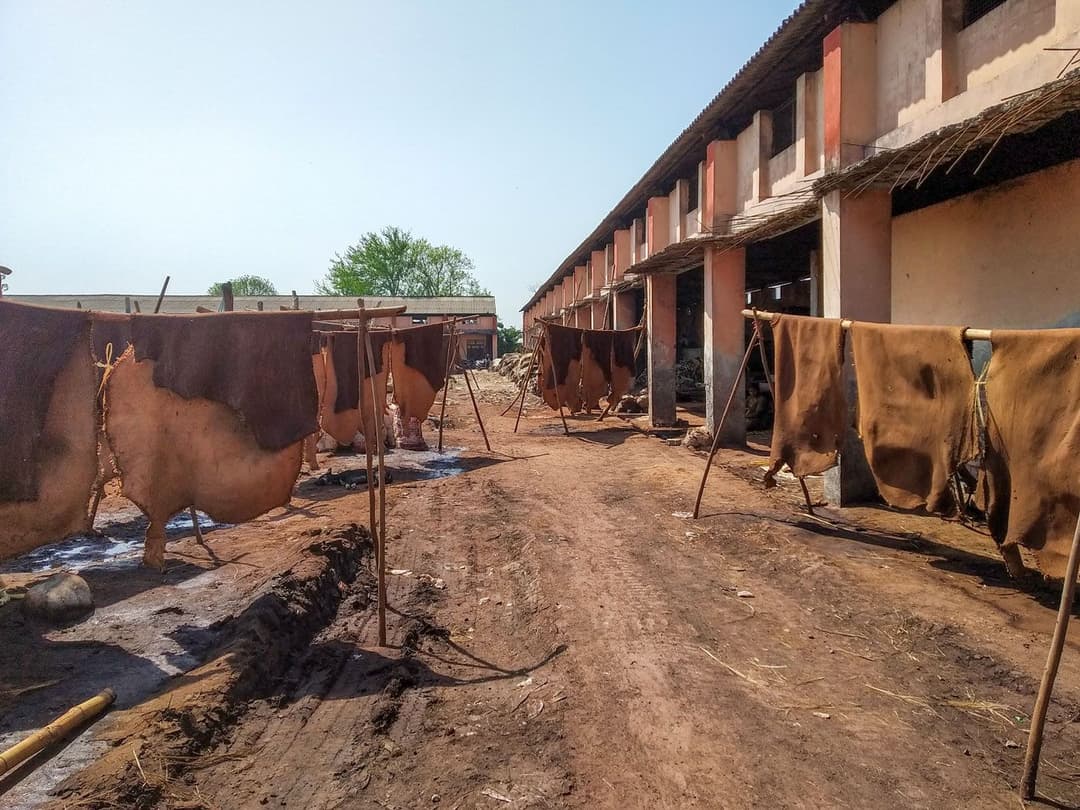
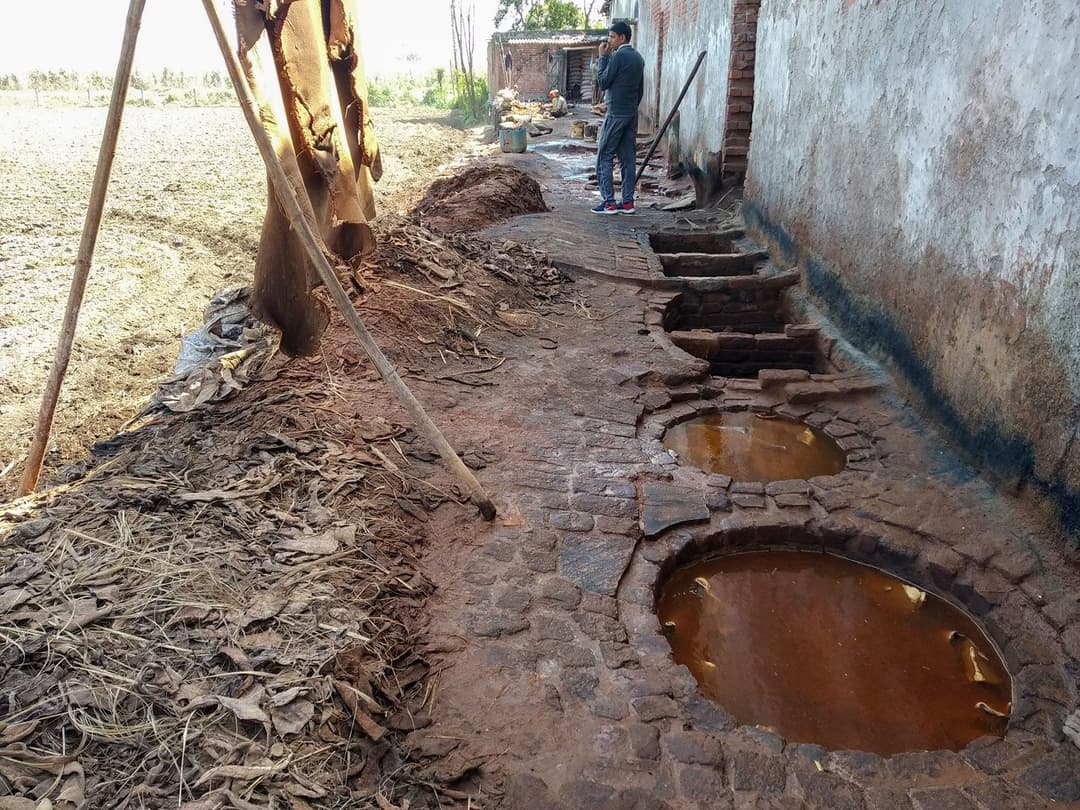
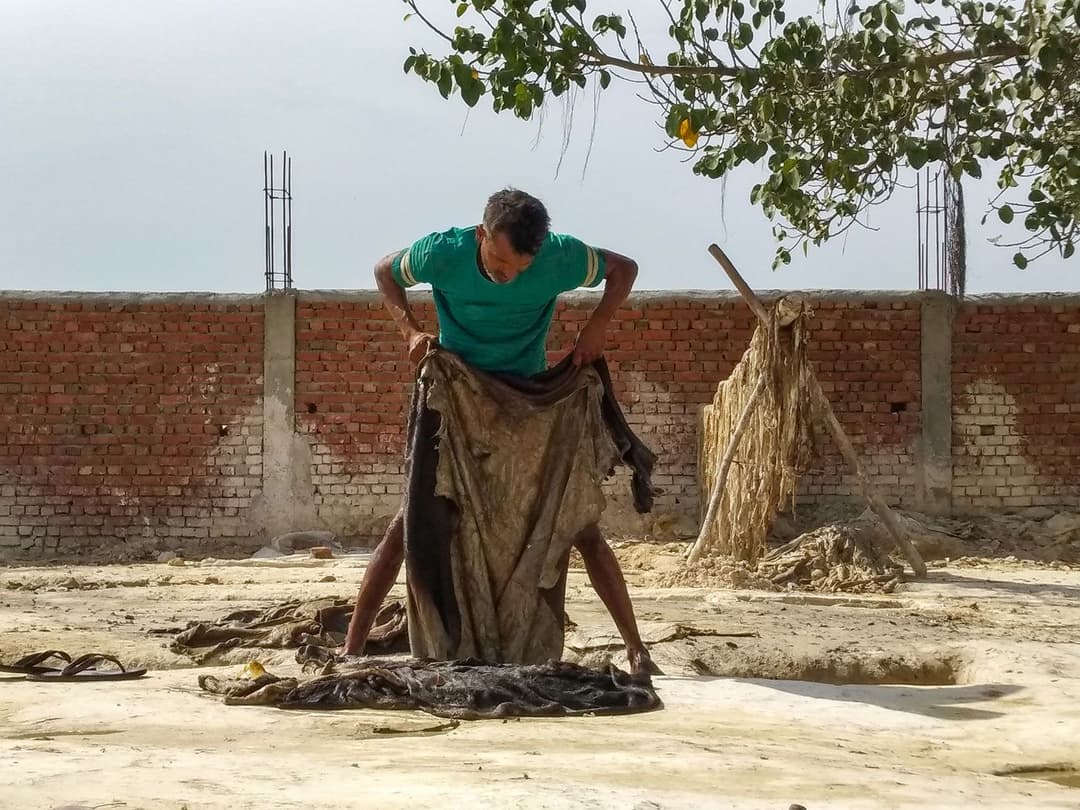
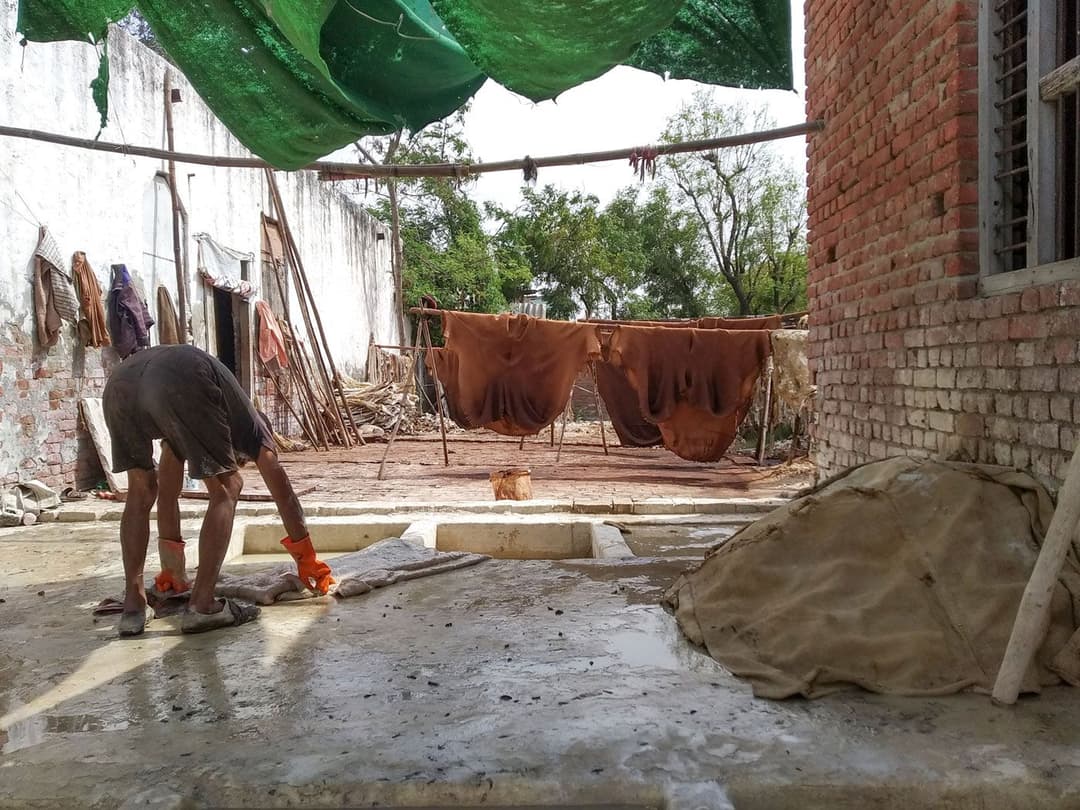
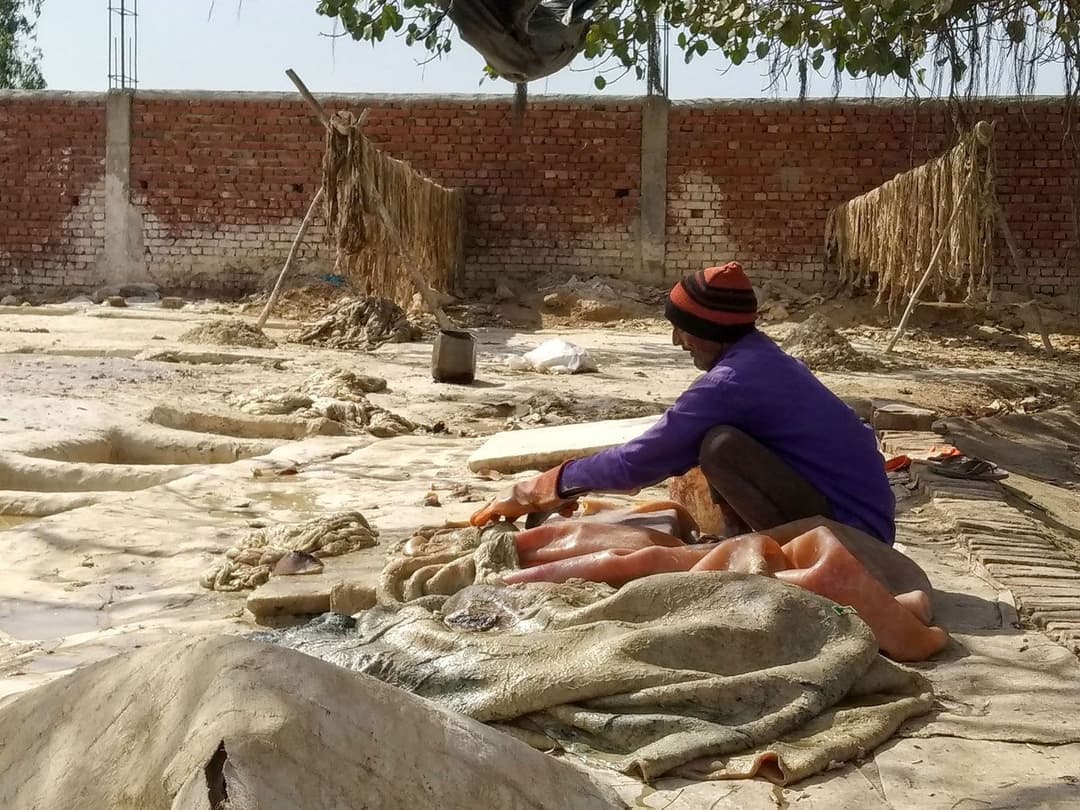
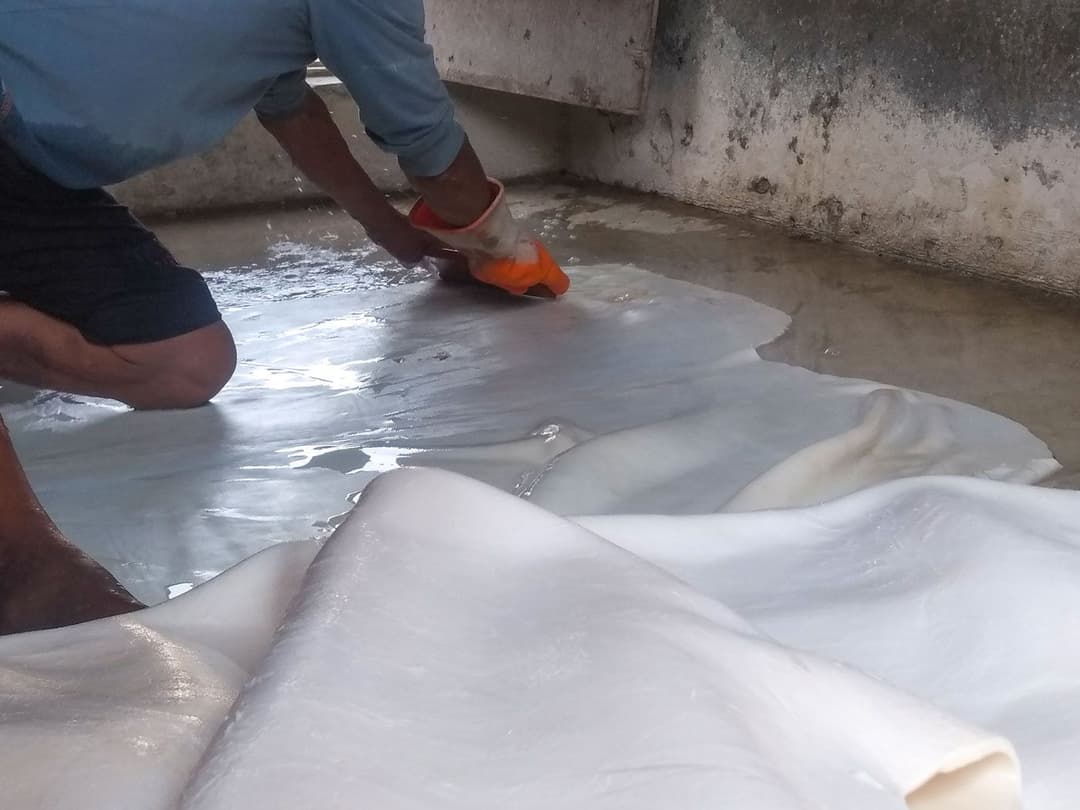
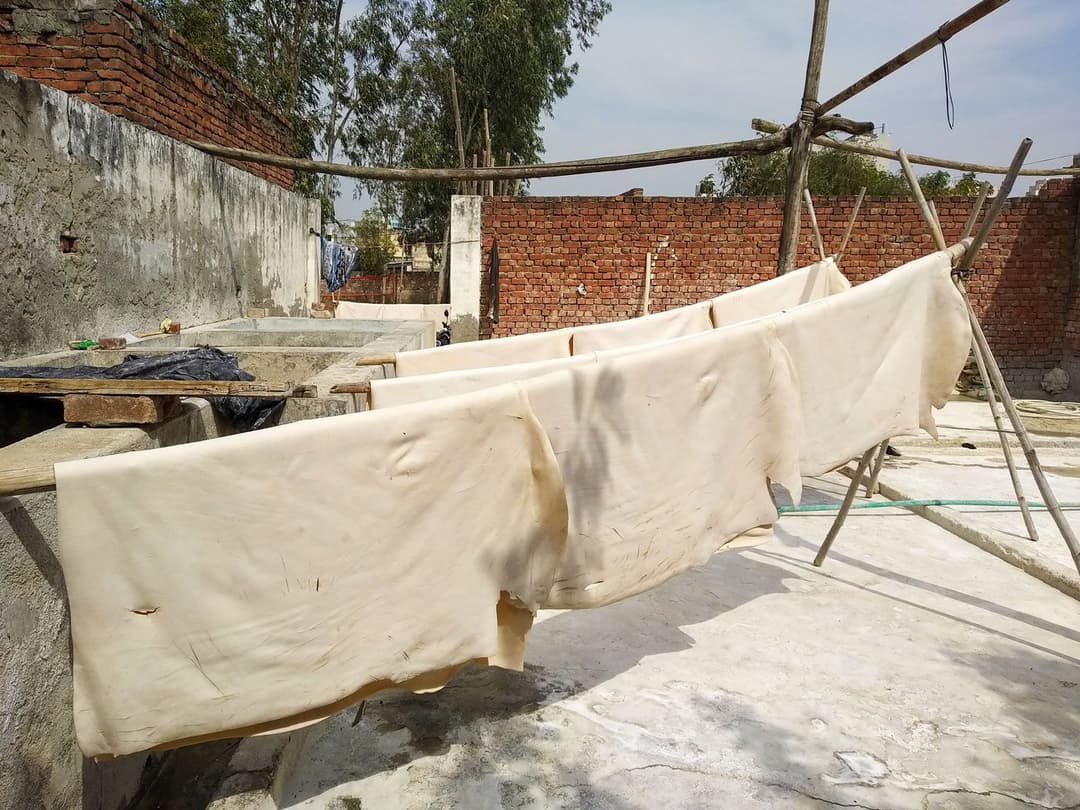
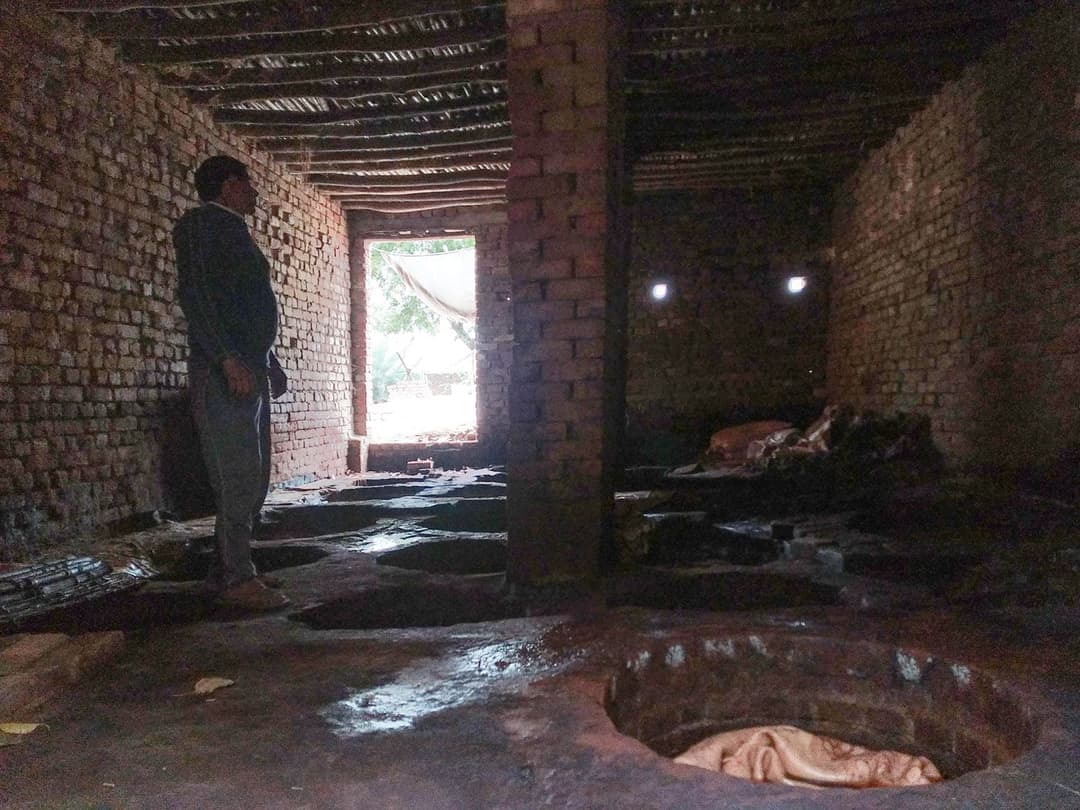
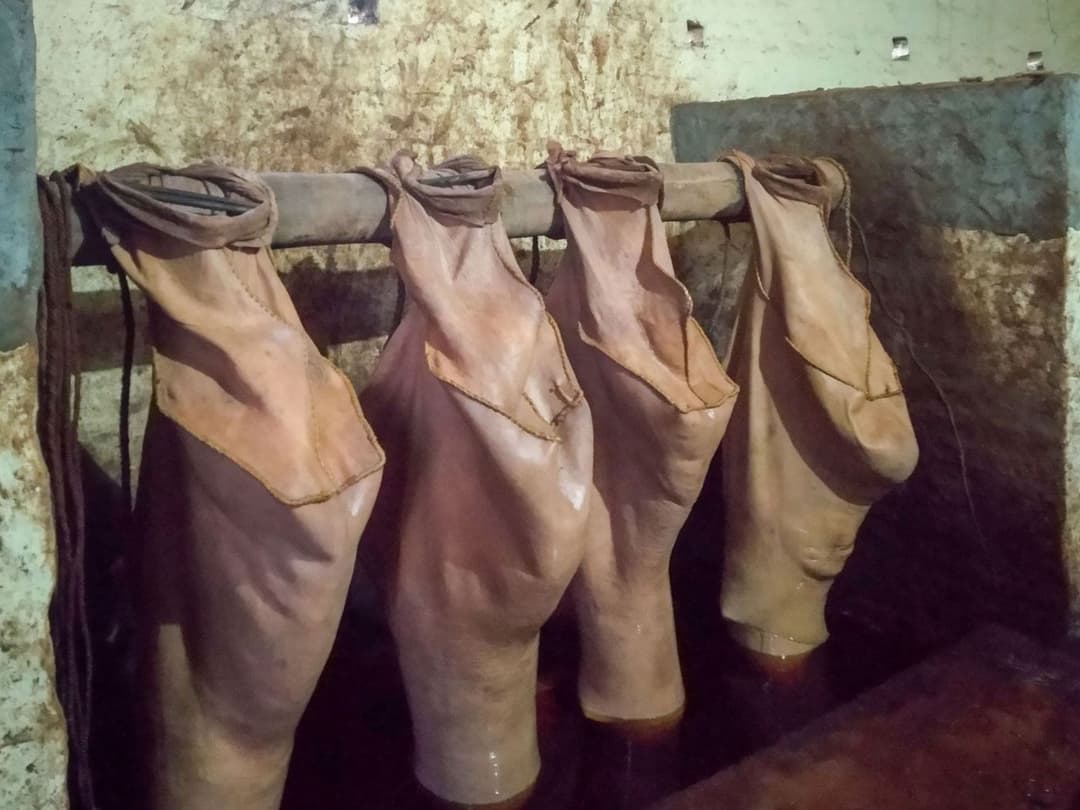
The red and white cricket ball, loved and feared by batters and bowlers, and keenly watched by millions of spectators, is made of leather that comes from tanneries located in Shobhapur, a slum in Meerut, Uttar Pradesh. It is the only locality in the city where leather-workers process raw hides using the alum-tanning method to arrive at this essential raw material for the cricket ball industry. ‘Tanning’ is the process of transforming raw hides into finished leather.
“Only alum tanning can open up the grains of the hide and allow rang [colour] to pass through it easily,” says Babu Lal. His statement is backed by the Central Leather Research Institute’s research in the sixties that said alum-tanning ensured that perspiration from a bowler’s hand or application of sweat/saliva to shine the cricket ball would not damage the ball – and cause the bowler to throw the match away.
The sixty-two-year-old is seated on a plastic chair in a corner of the tannery he owns here in Shobhapur; the lime whitewashed floor is gleaming. “Our ancestors have been making leather for 200 years here,” he says.