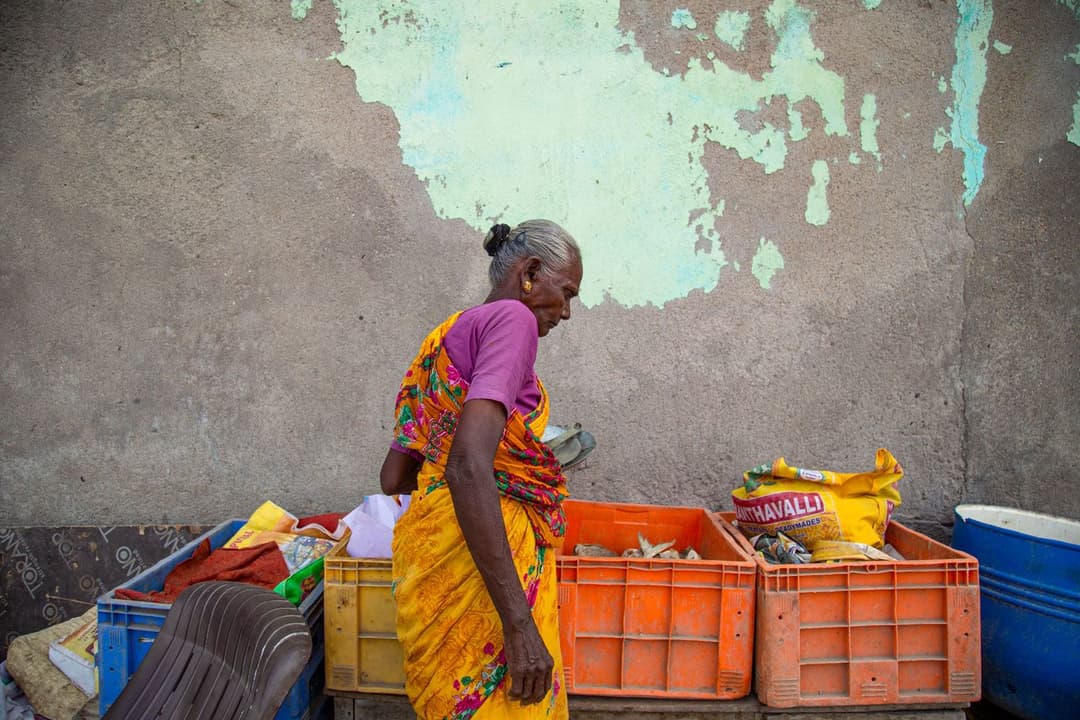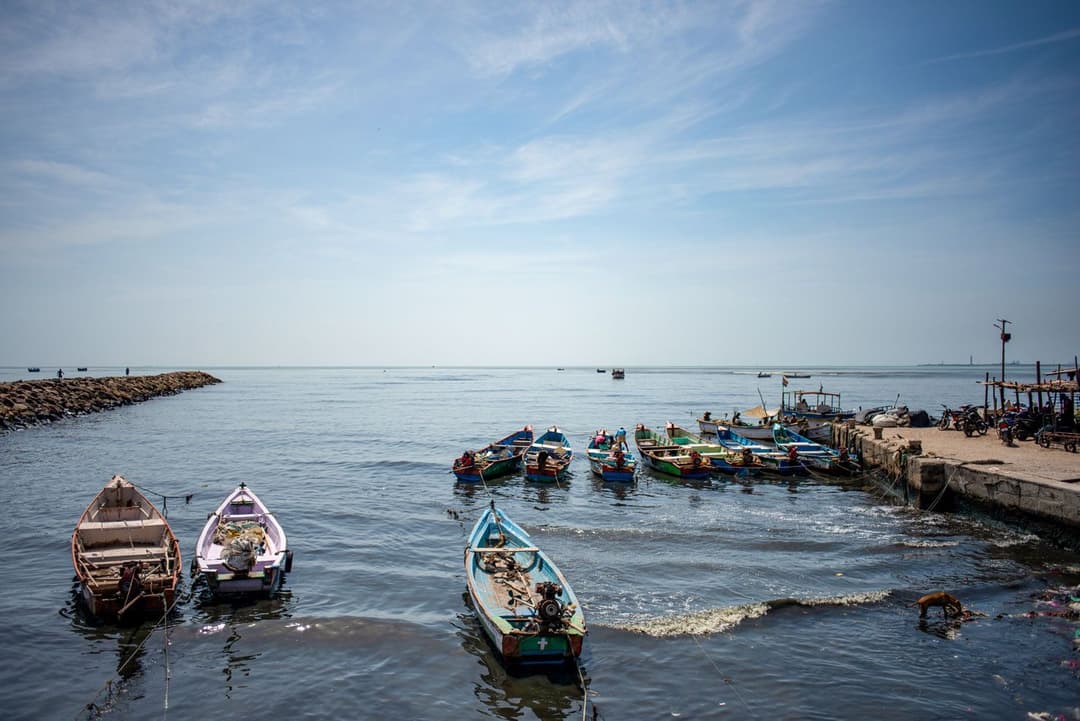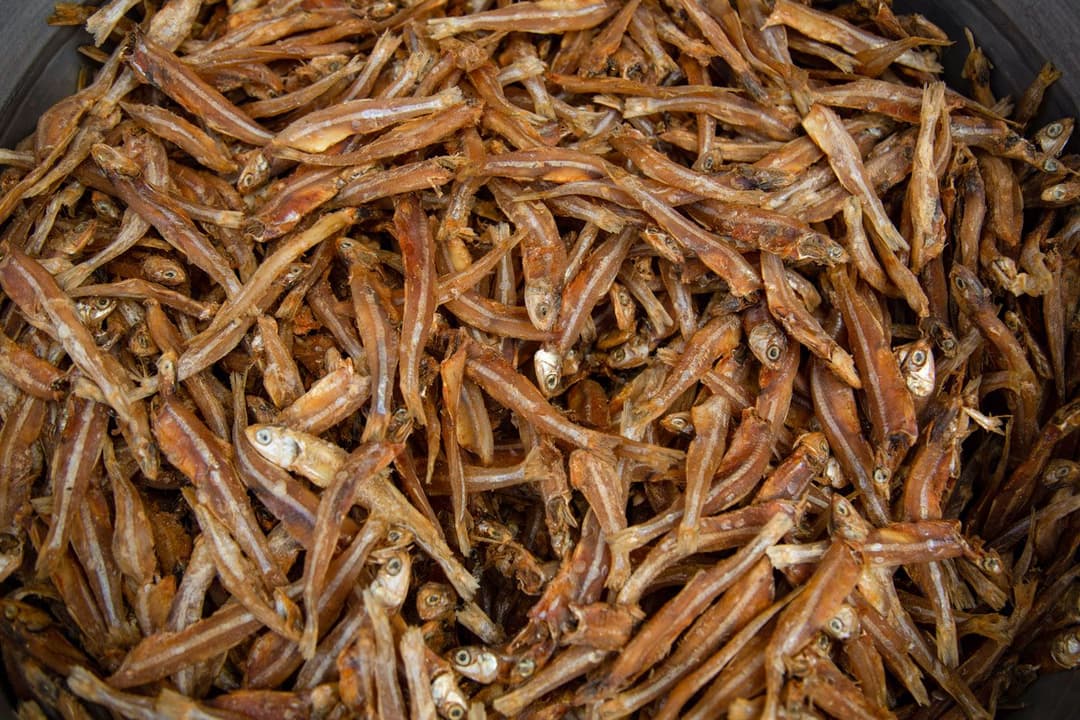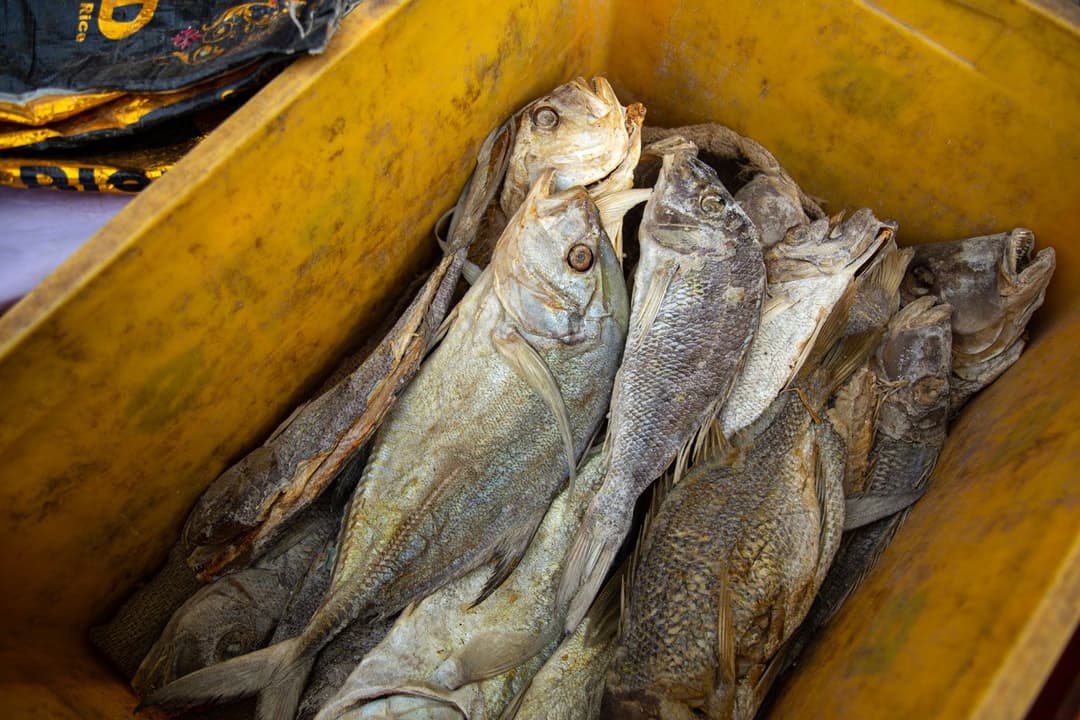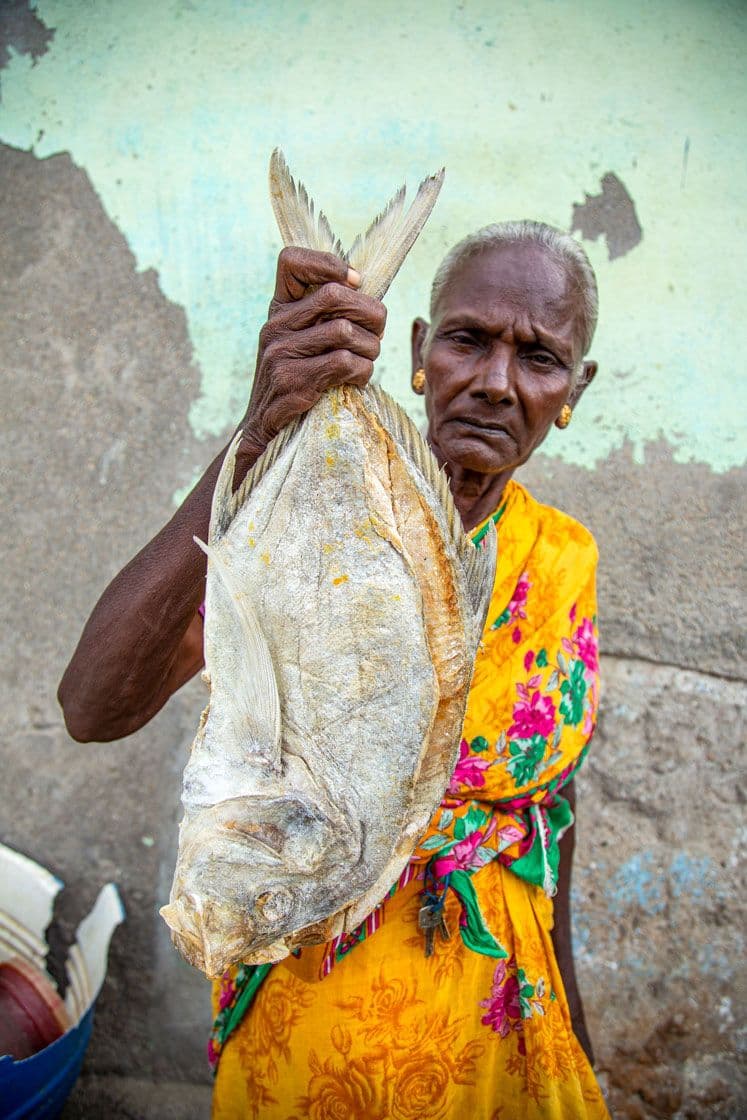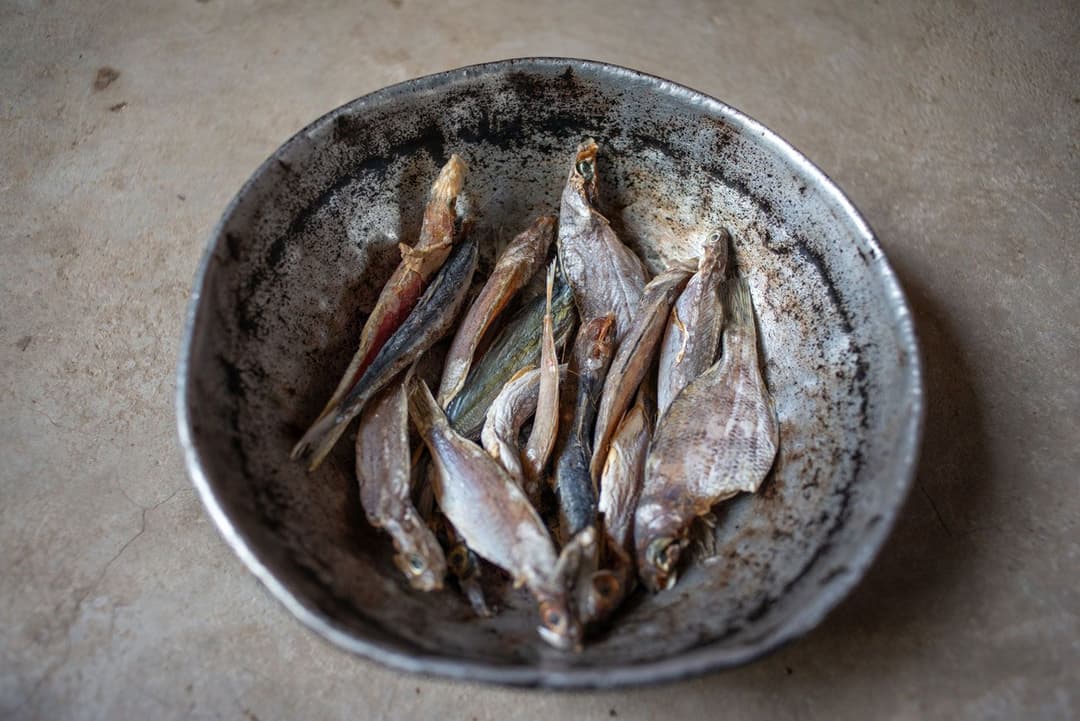

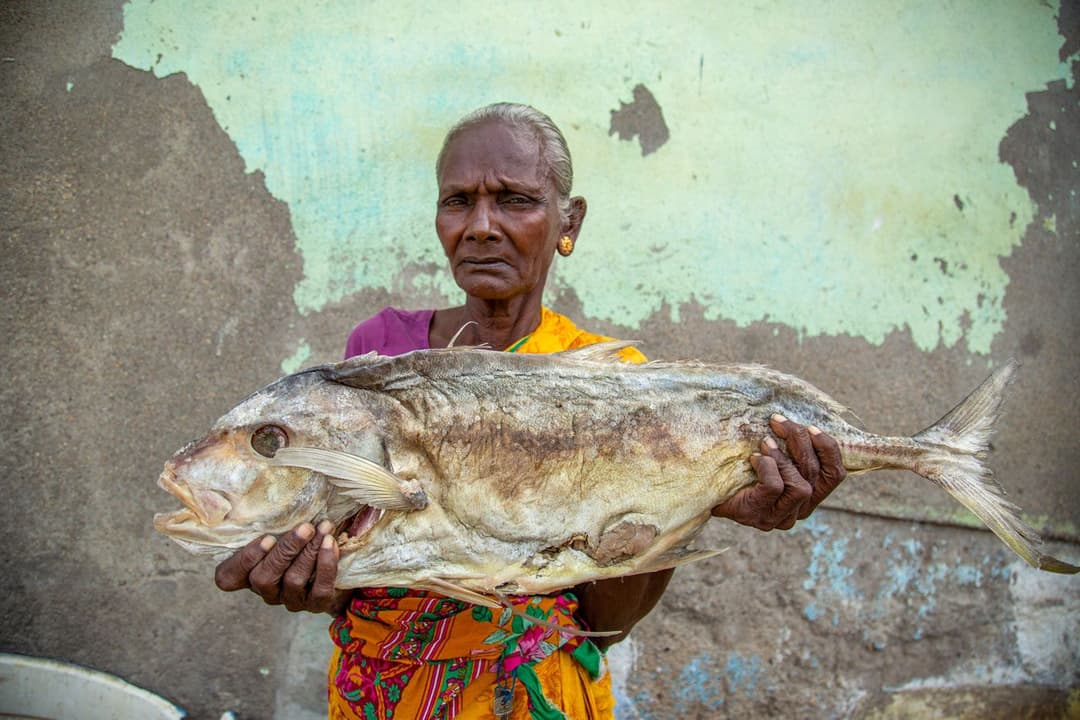
It’s an unexpected magic show. From an old blue box at the back of her shop, D. Fathima brings out treasures. Each one is a work of art: big, strong fish, that lived in the deep sea beyond Thoothukudi, now dried and preserved by sun, salt and skilled hands.
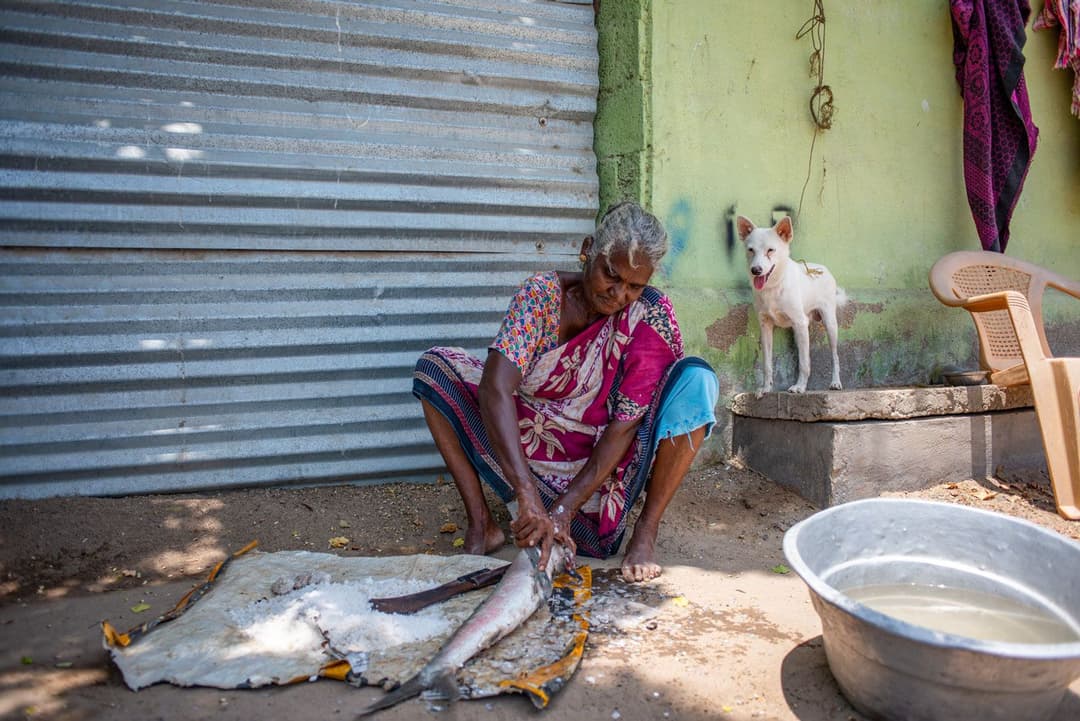
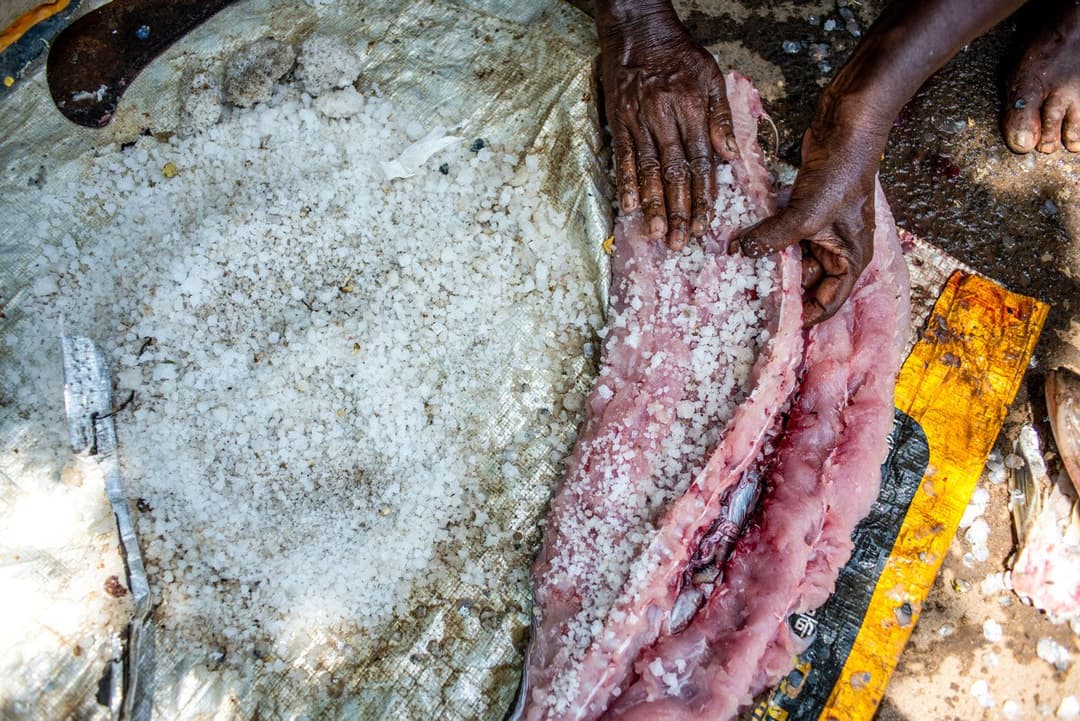
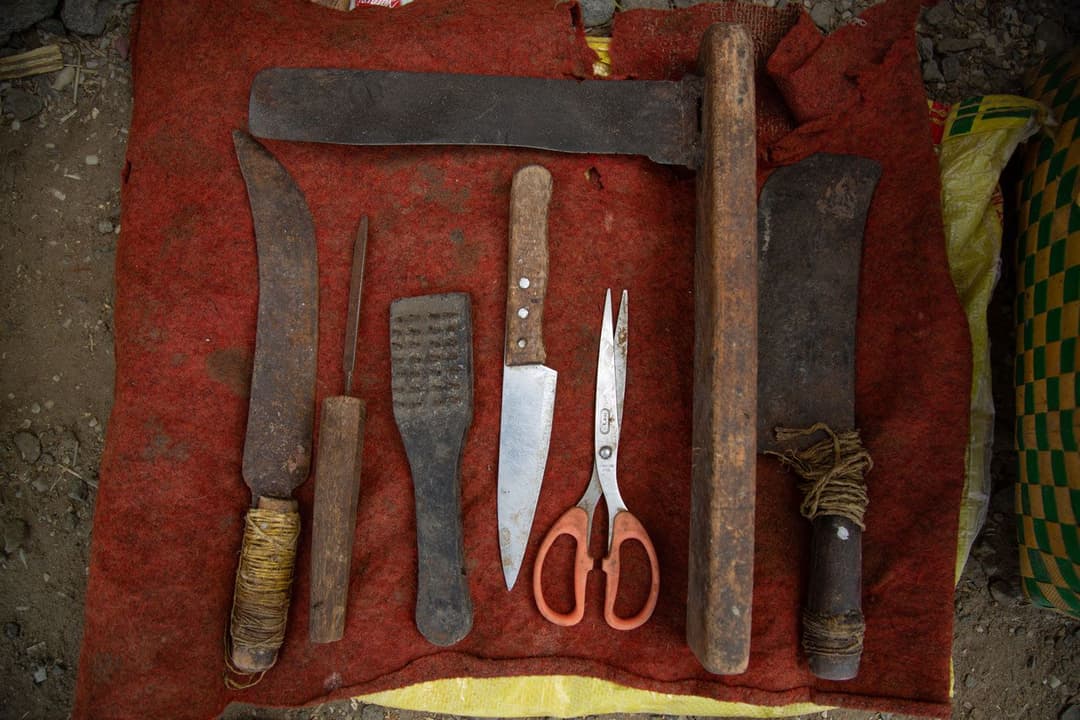
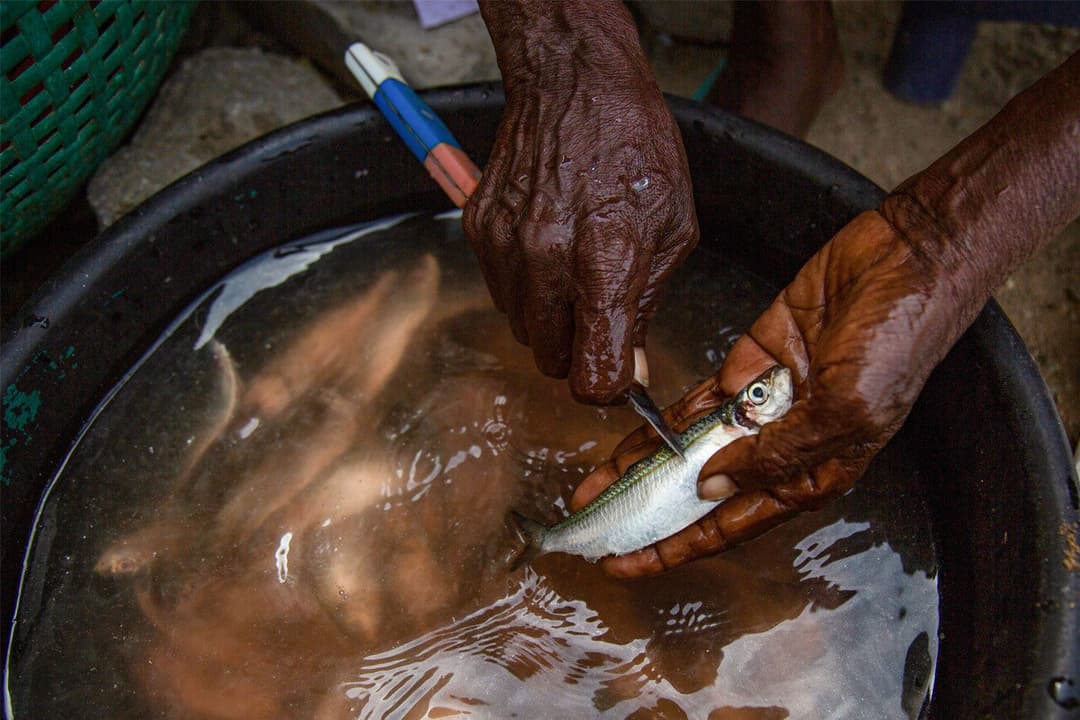
Fathima lifts a katta paarai meen (queen fish) and holds it near her face. It’s half her height and its throat is as wide as her hands. A deep gash runs from its mouth to tail, where she has split the plump flesh with a sharp knife, removing the entrails, stuffing the katta paarai with salt, and laying it under a sun so fierce, it dries everything it shines on: fish, earth and people...
The lines on her face and hands tell that scorching story. But she begins another. Of a different era, when her aachi (grandmother), salted and sold fish. Of a different city and street, when the canal across the road was just a few feet wide, right beside their old home. And of the tsunami in 2004, which brought in sludge and sewage into their lives, and with it, the promise of a new home. But there was one problem. The purpose-built house was “rombha dhooram [very far],” Fathima says, tilting her head and raising a hand to indicate the distance. It took them about half an hour by bus, and they had to come to the seashore anyway, to purchase fish.
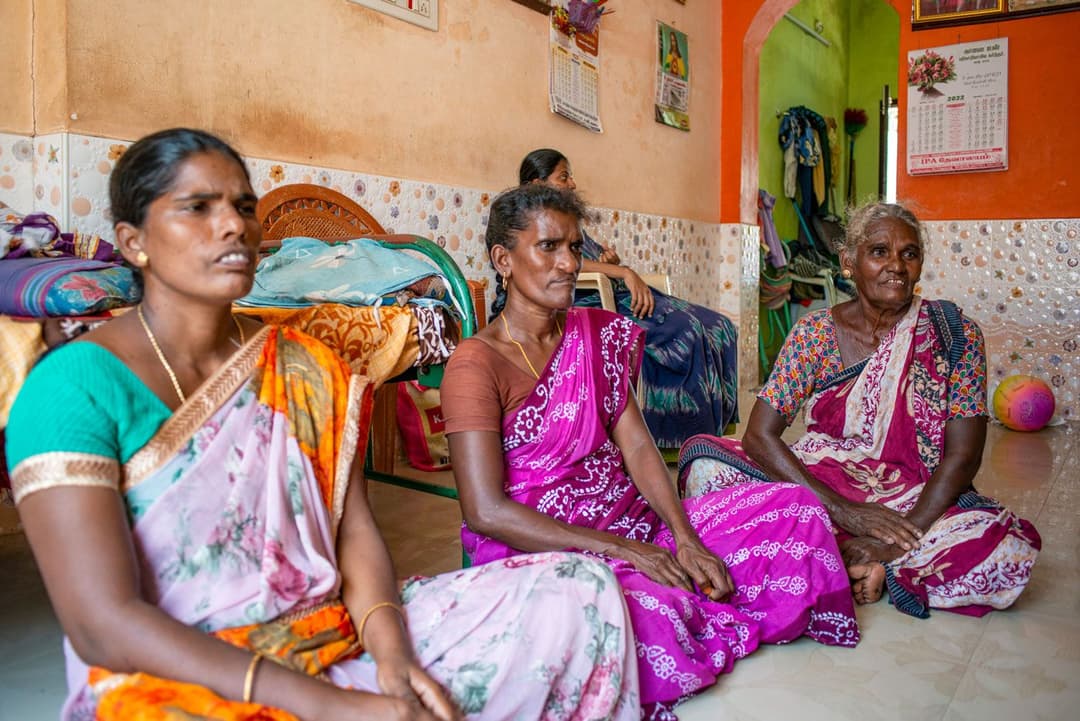
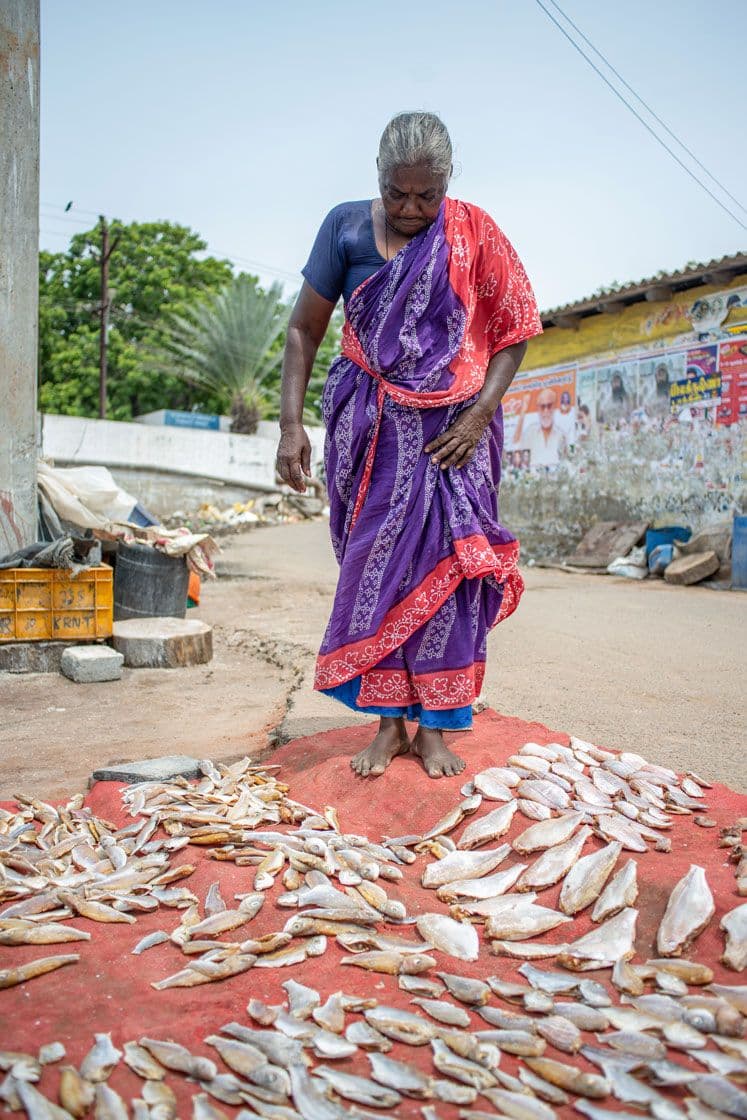
Nine years later, Fathima and her sisters came back to their old neighbourhood – Therespuram, a locality on the edge of Thoothukudi town. The house and shop are next to a now-widened canal, where water flows sluggishly. The afternoon is still: as still as the dried fish that preserve the women’s lives with some salt and a lot of sun.
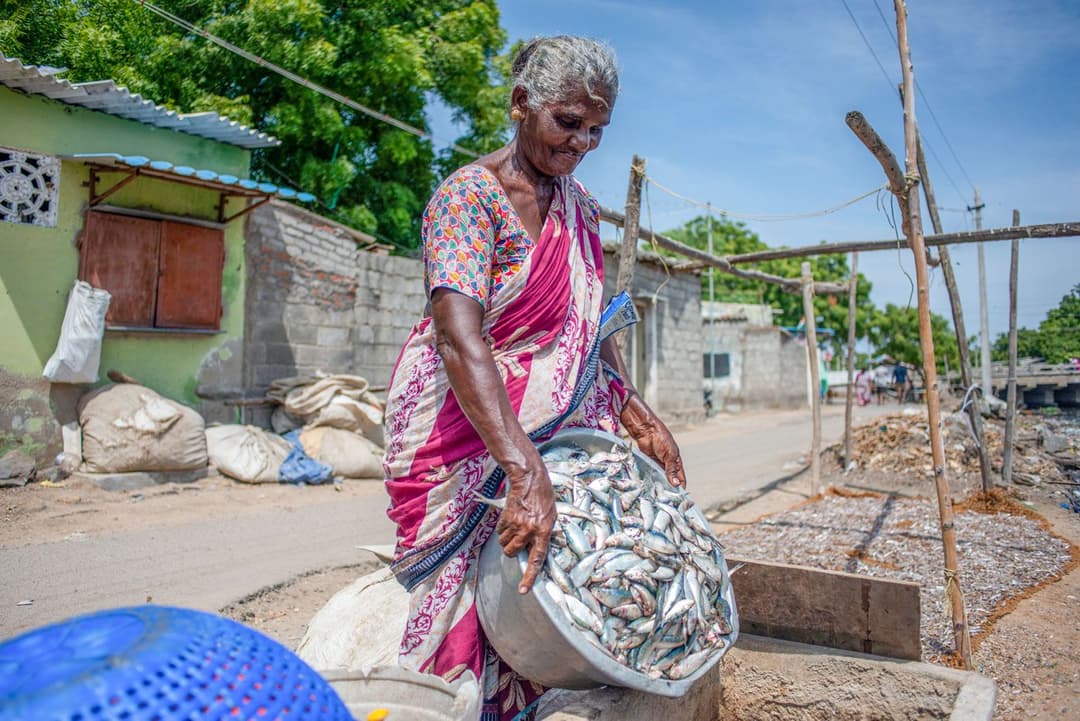
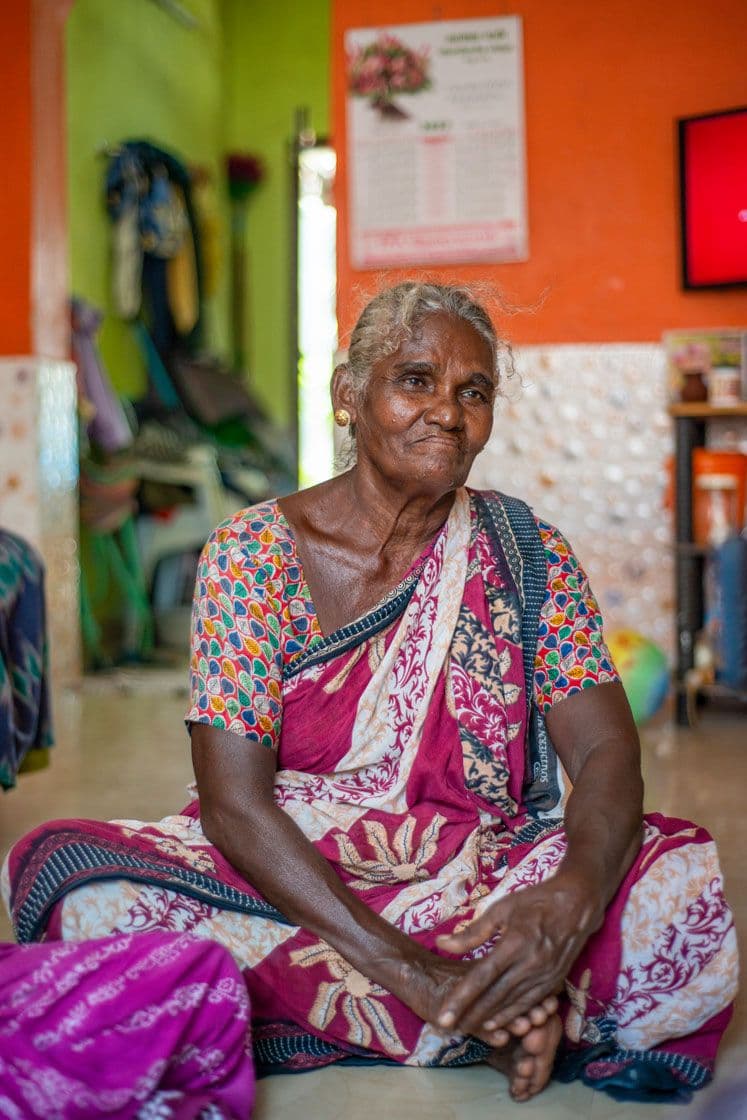
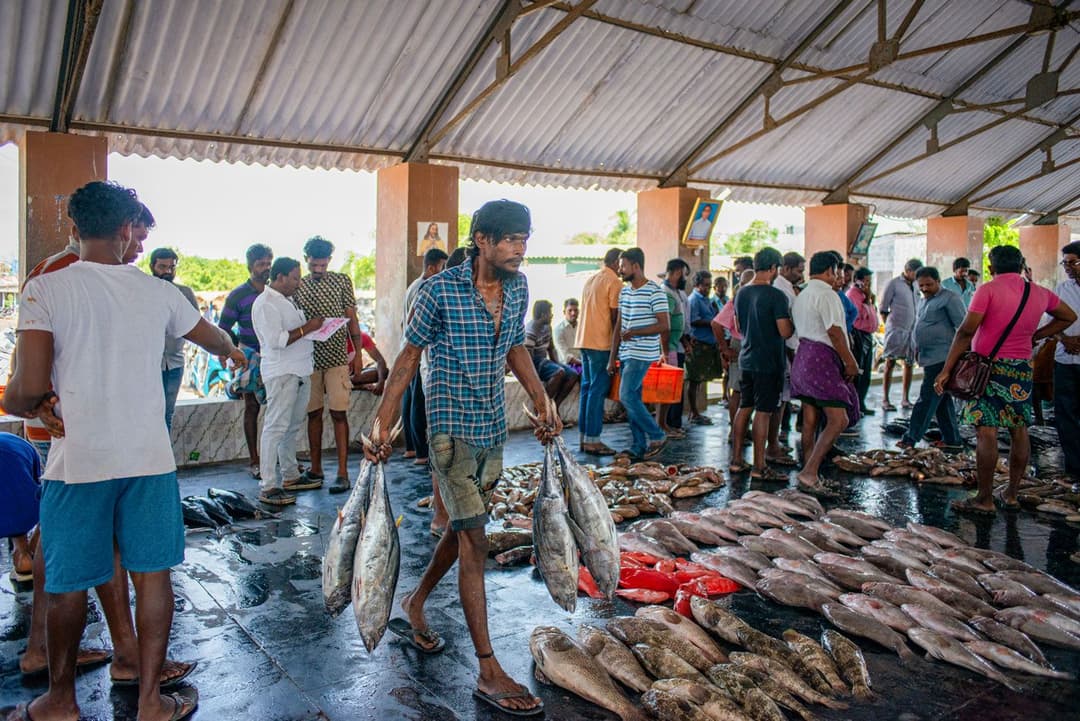
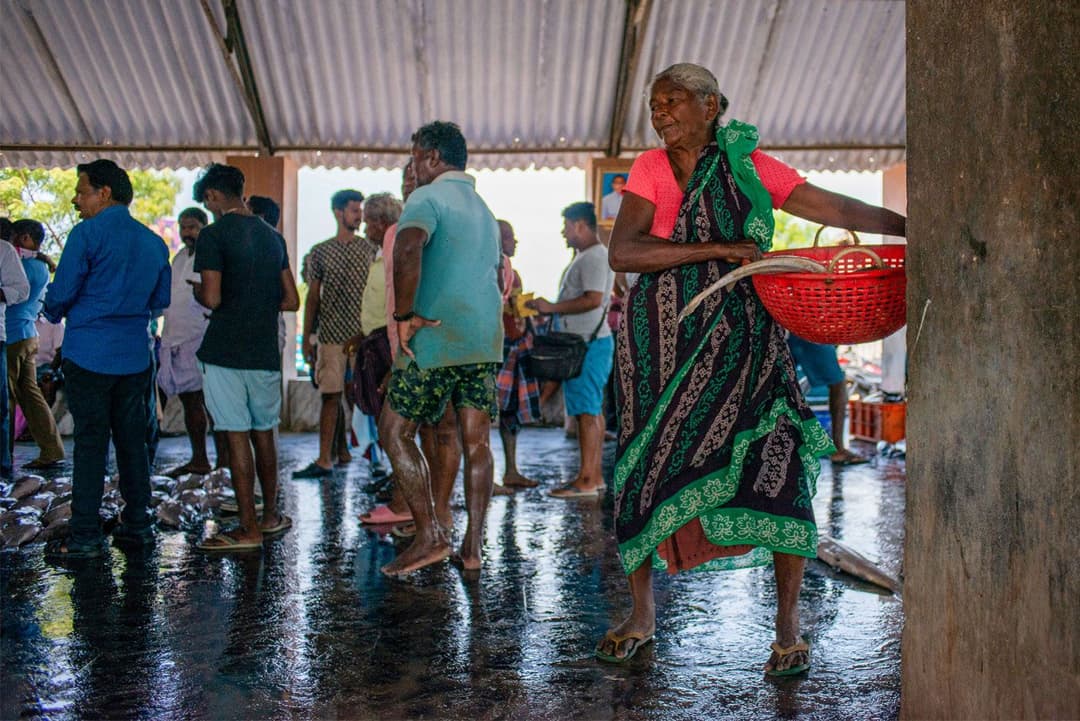
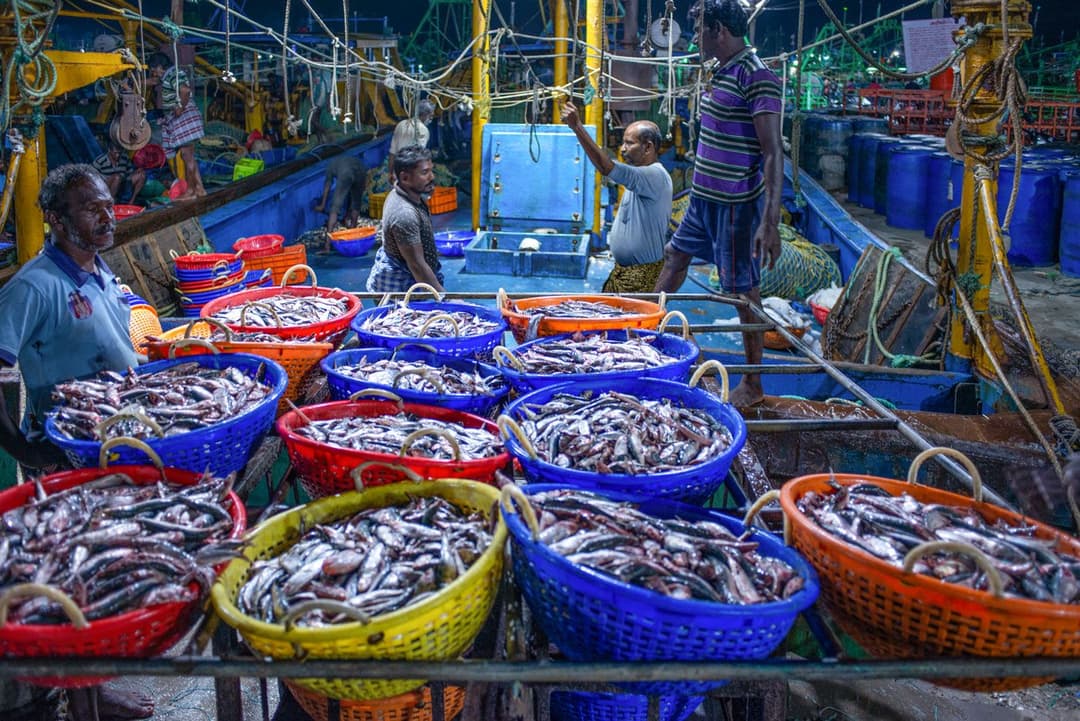
Fathima, 64, was in her grandmother’s fish trade until she got married. She returned to it again after her husband died over two decades ago. When she was eight years old, Fathima remembers the fish trembling and quivering with life when the nets were brought to the shore – so fresh was the catch. Nearly 56 years later, it is all ‘ice meen [fish],’, she points out. The boats carry ice to pack the fish and bring it back. The sale of big fish runs into lakhs of rupees. “Back then, we dealt with annas, paise, one hundred rupees was big money, now it’s thousands and lakhs.”