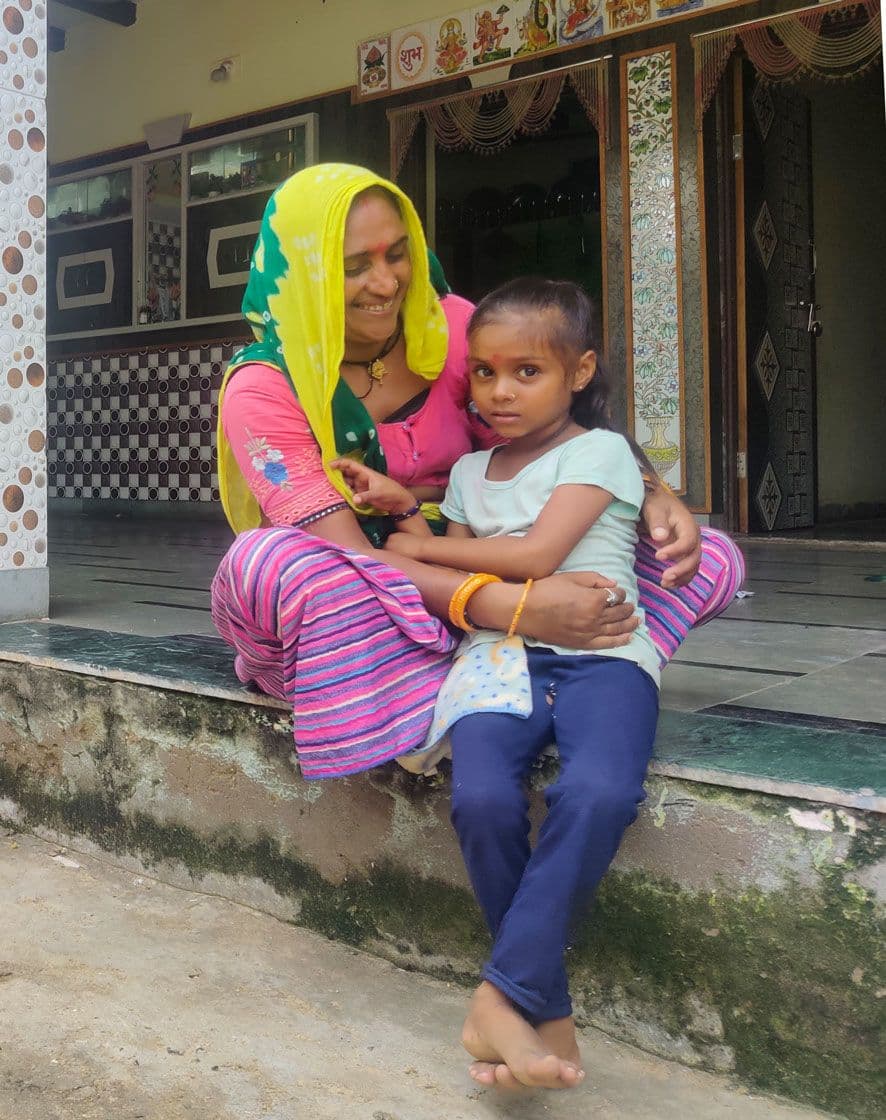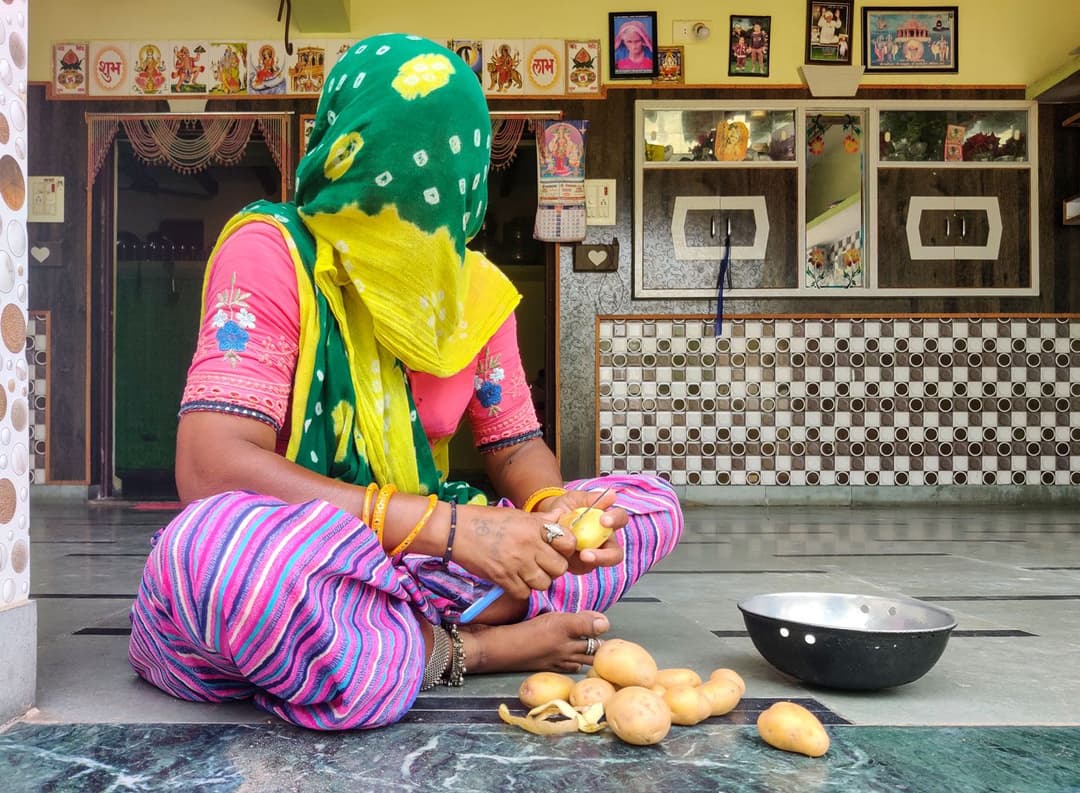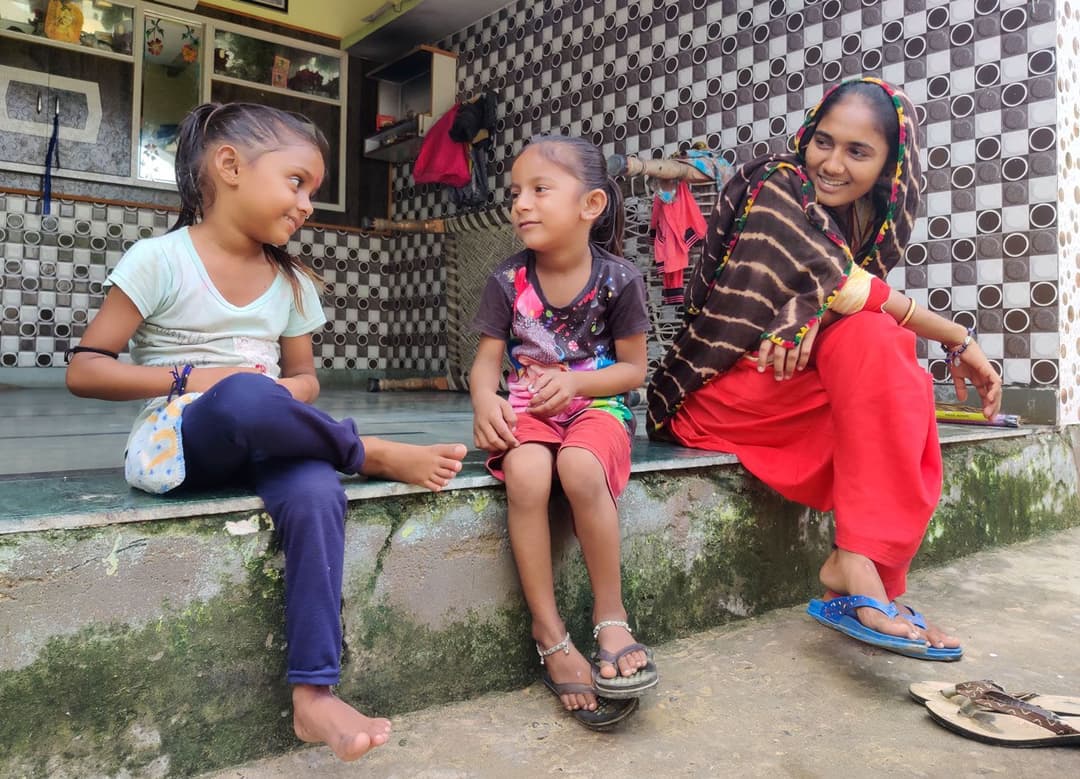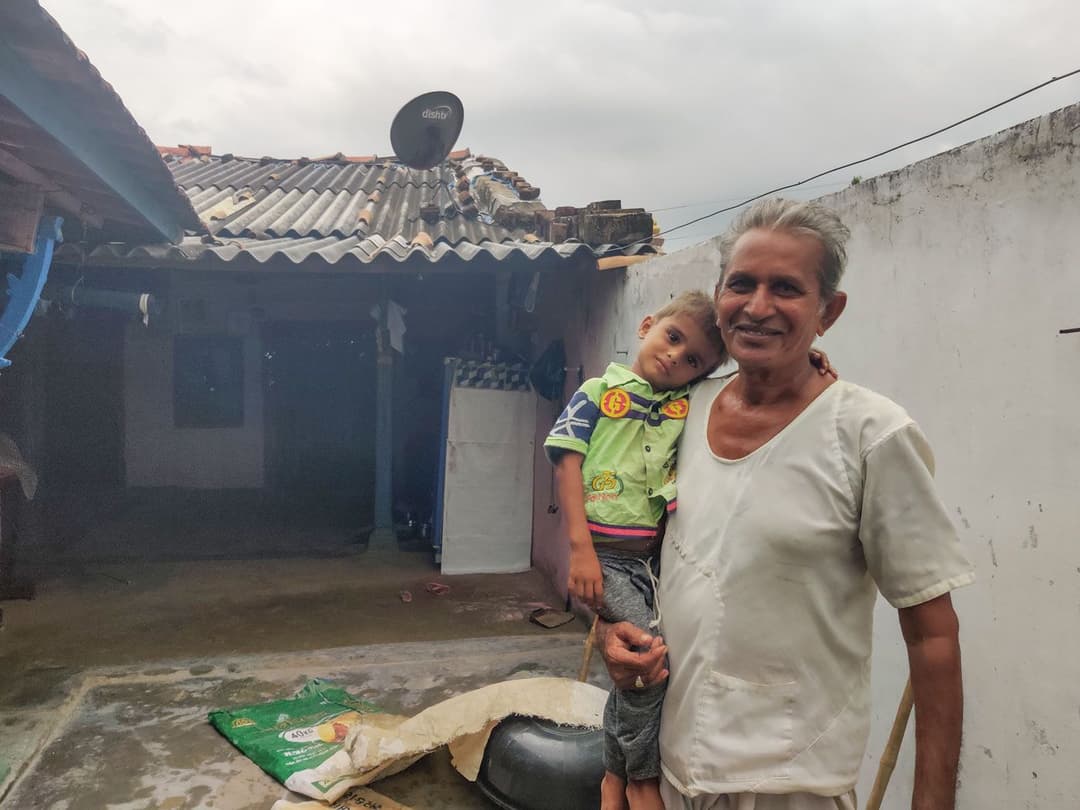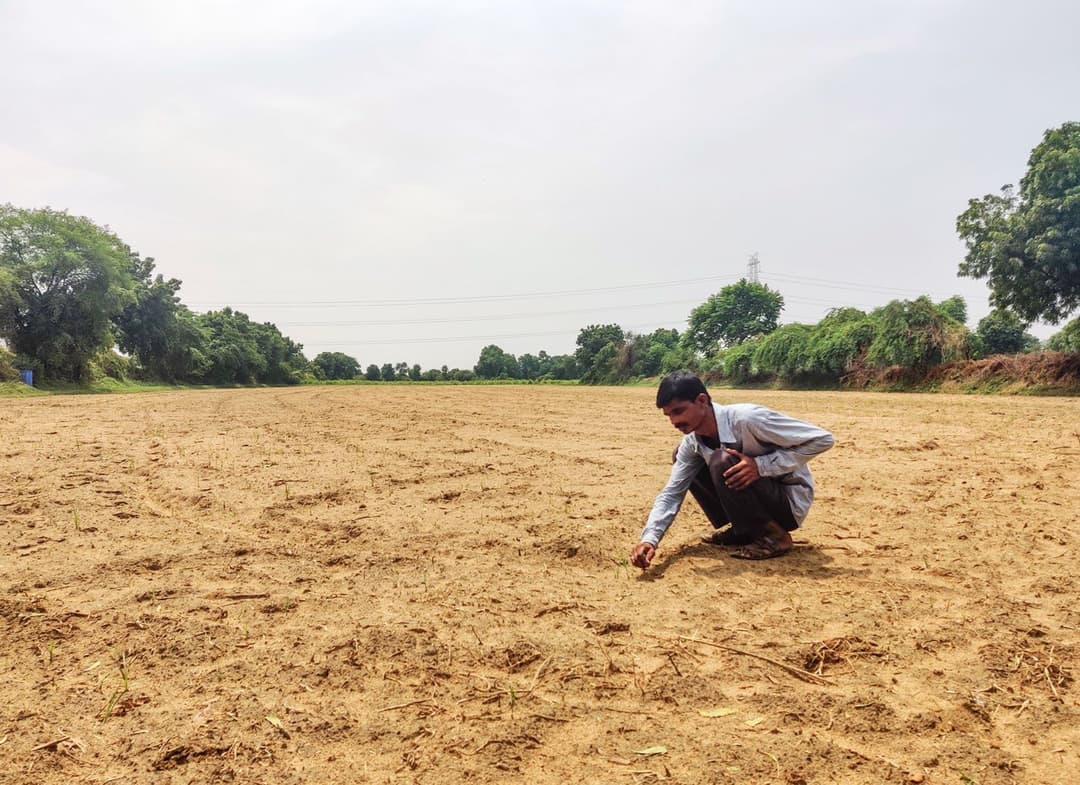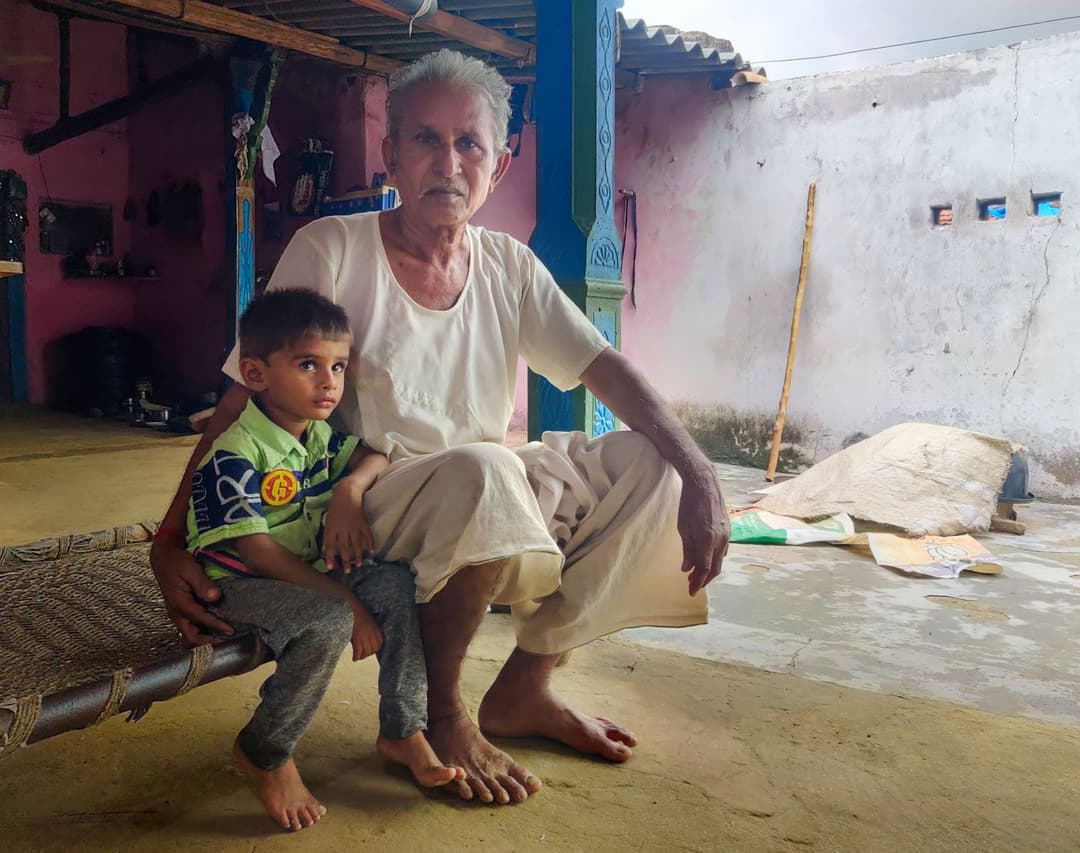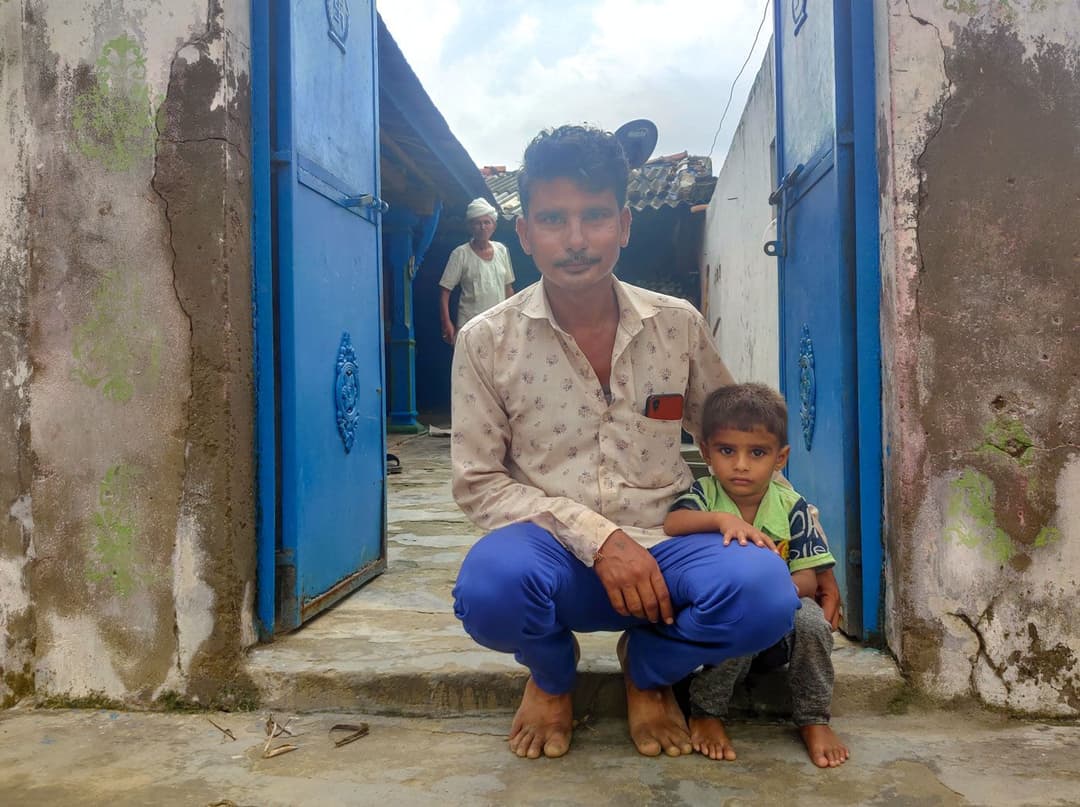

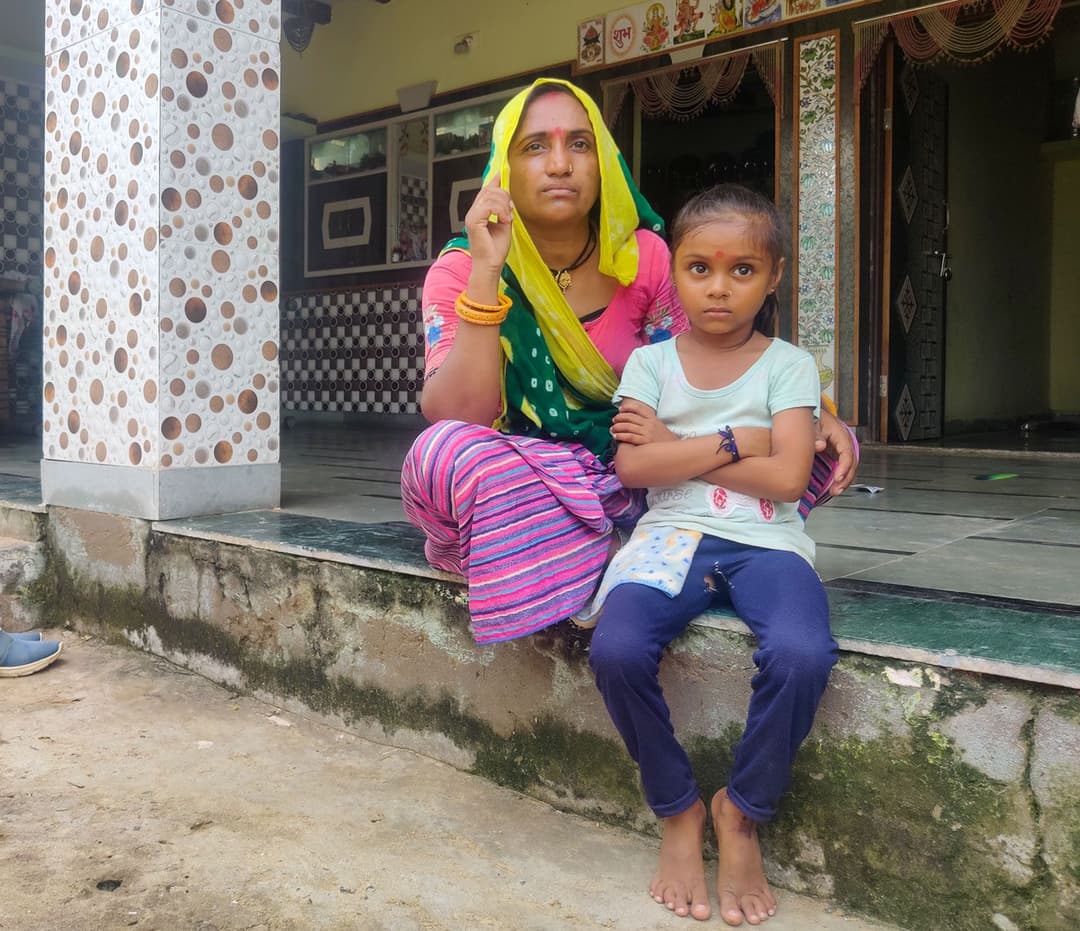
It has been a year since Bhanuben Bharwad visited her 2.5-acre farmland in Banaskantha district. There was a time when she and her husband went there every day, to cultivate the food that they would consume during the year – bajra, moong and jowar . The farm was their main source of sustenance until the calamitous floods in Gujarat in 2017, which destroyed their patch of land. “Our diet changed after that,” says Bhanuben, 35. “We had to start buying the crops that we used to grow in our farm.”
Half an acre of bajra in her farmland would yield about four quintals (400 kilos) of the pearl millet. If she were to buy it now, the same quantity would cost her close to Rs. 10,000 at the mandi. “Even taking inflation into account, our [input] costs to cultivate half an acre of bajra would be half of the market rate,” she says. “The calculation for other crops is similar. The price is double for every crop [we used to grow].”
Bhanuben, her husband Bhojabhai, 38, and their three children live in Totana village of Banaskantha’s Kankrej taluka. When they still tilled their land, Bhojabhai would also work as an agricultural labourer to earn an income. But he’s had to work as a labourer full time since 2017 – in farms nearby and at construction sites in Patan, 30 kilometres away. “He is out looking for work even now. He earns about 200 rupees a day when he finds work,” says Bhanuben.
Suhana, Bhanuben and Bhojabhai’s youngest child, was born the same year as the ruinous floods. Caressing her forehead, Bhanuben says she can’t believe it’s been five years already.
Many districts of Gujarat, including Banaskantha, Patan, Surendranagar, Aravalli and Morbi, recorded extremely heavy rainfall in July 2017. The deluge was brought on by low-pressure systems of both Arabian Sea and Bay of Bengal that had formed at the same time. It was a rare phenomenon. According to a report of National Disaster Management Authority, it was the highest rainfall that the area had received in 112 years.