
It all began with a piece of paper and a question from a stranger.
Kamlesh Dandoliya, all of 12 years old, was wandering near a tourist guest house closer to his home in Rathed village, when he came across a pardesi (stranger). “He asked if I knew Bharia.” Before Kamlesh could answer, “the man handed me a paper and asked me to read.”
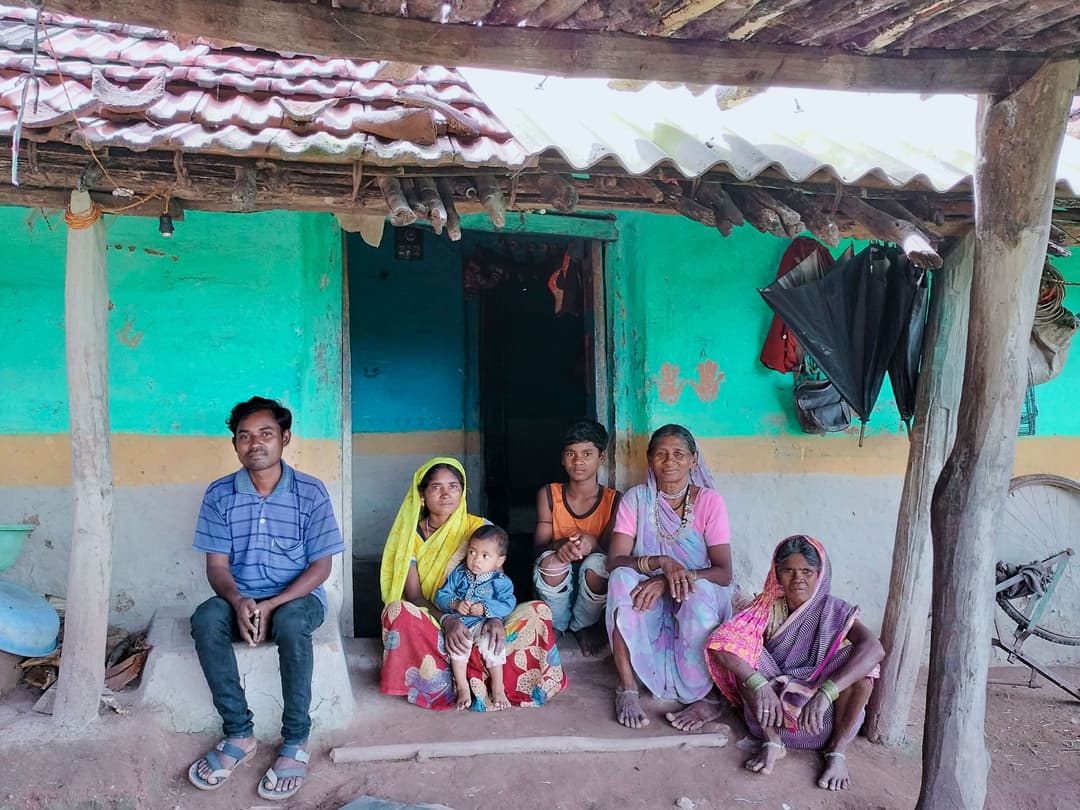
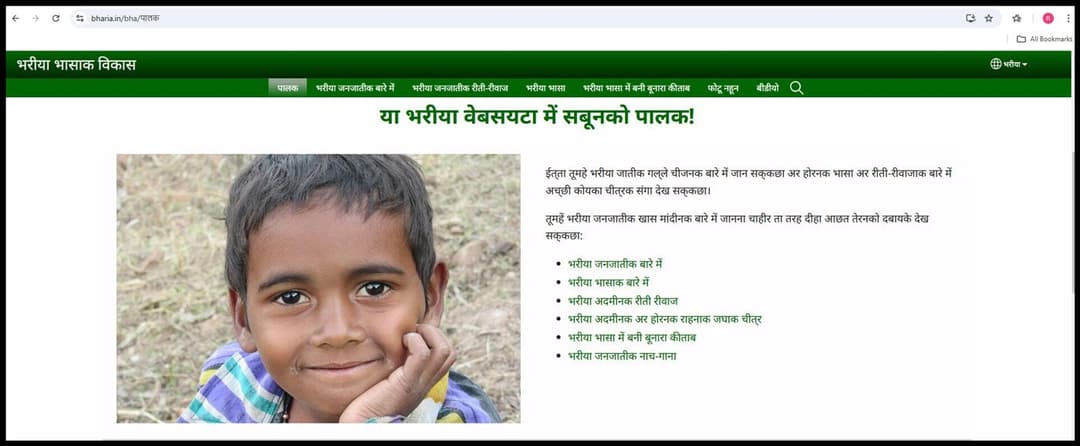
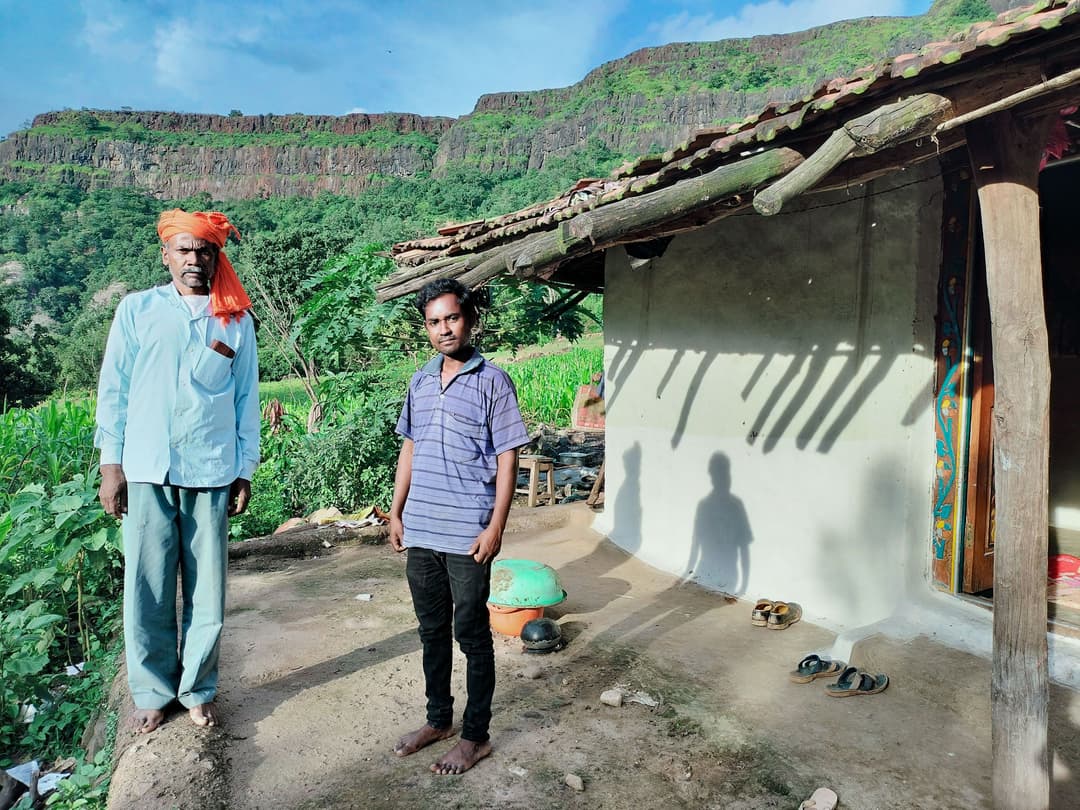
The stranger was taking a fair chance – here in Patalkot valley of Tamia block, there are many members of the Bharia community, a Particularly Vulnerable Tribal Group (PVTG) in Madhya Pradesh. Kamlesh is a Bharia and was fluent in Bhariati – the language of his community.
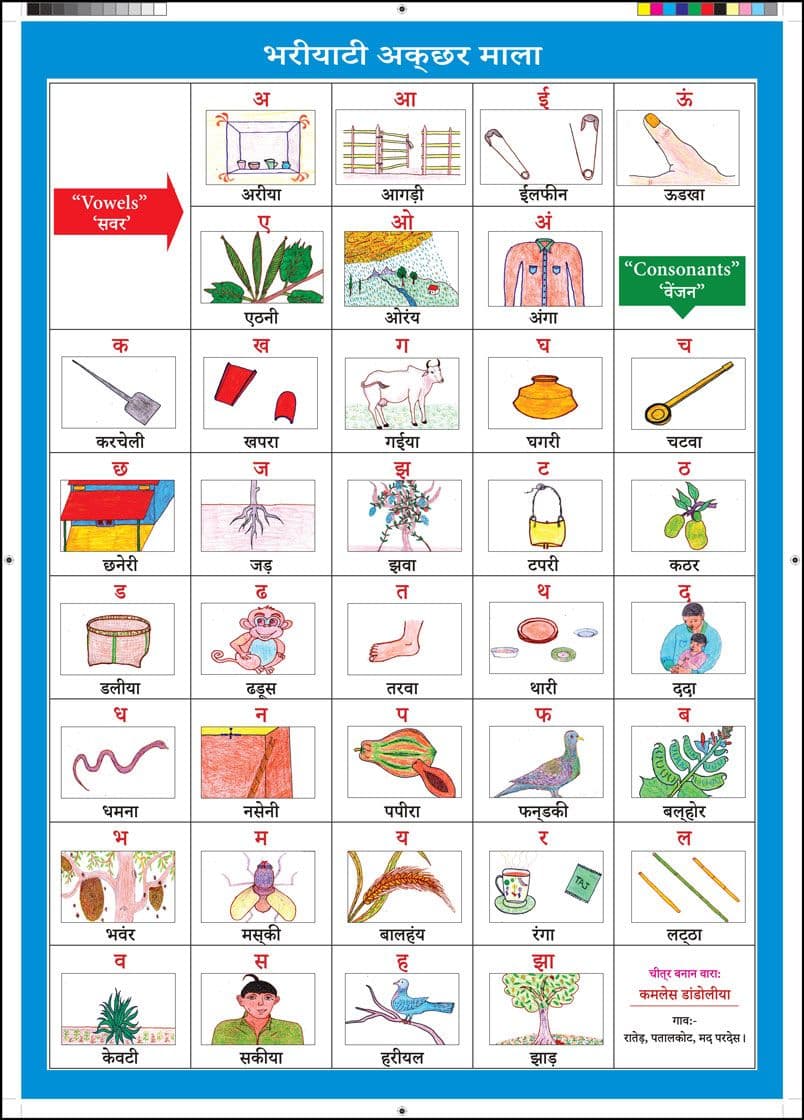
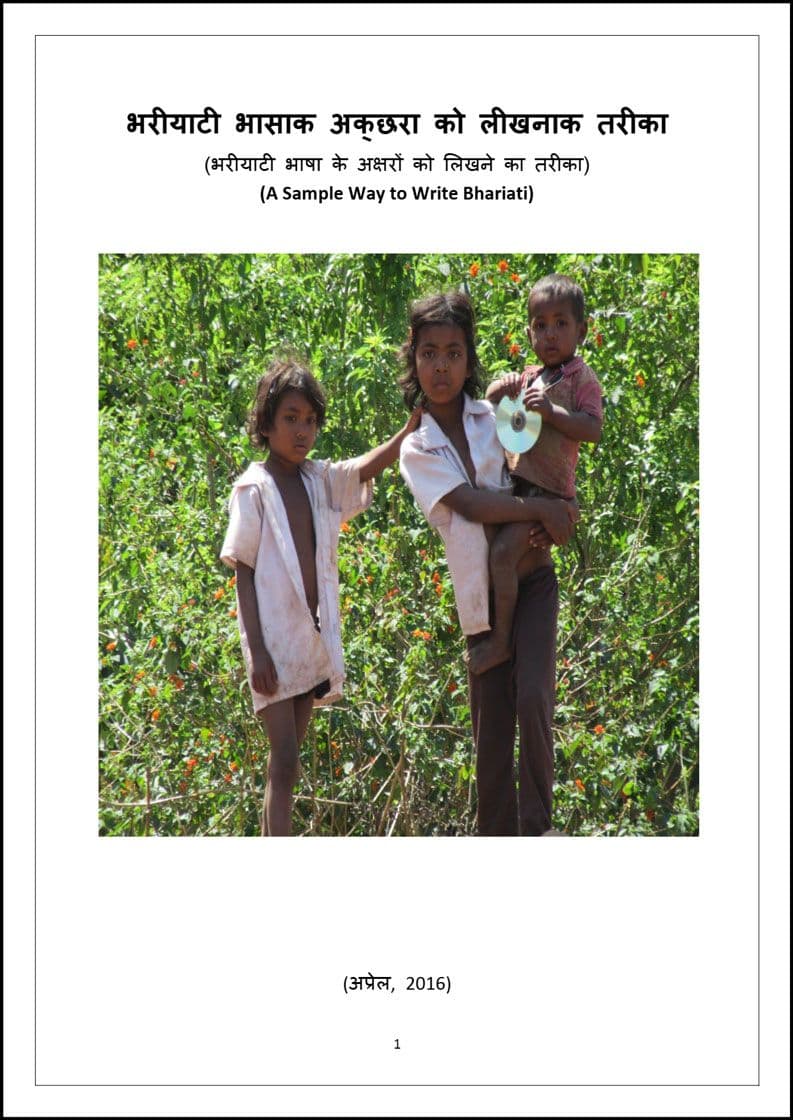
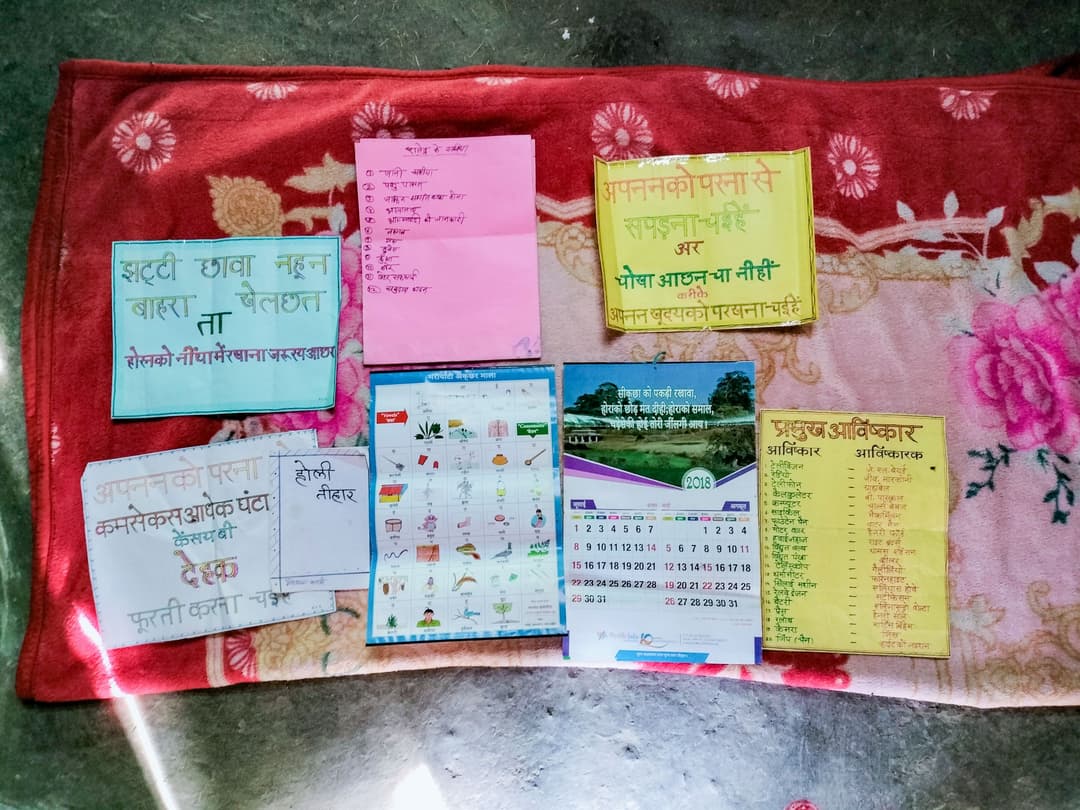
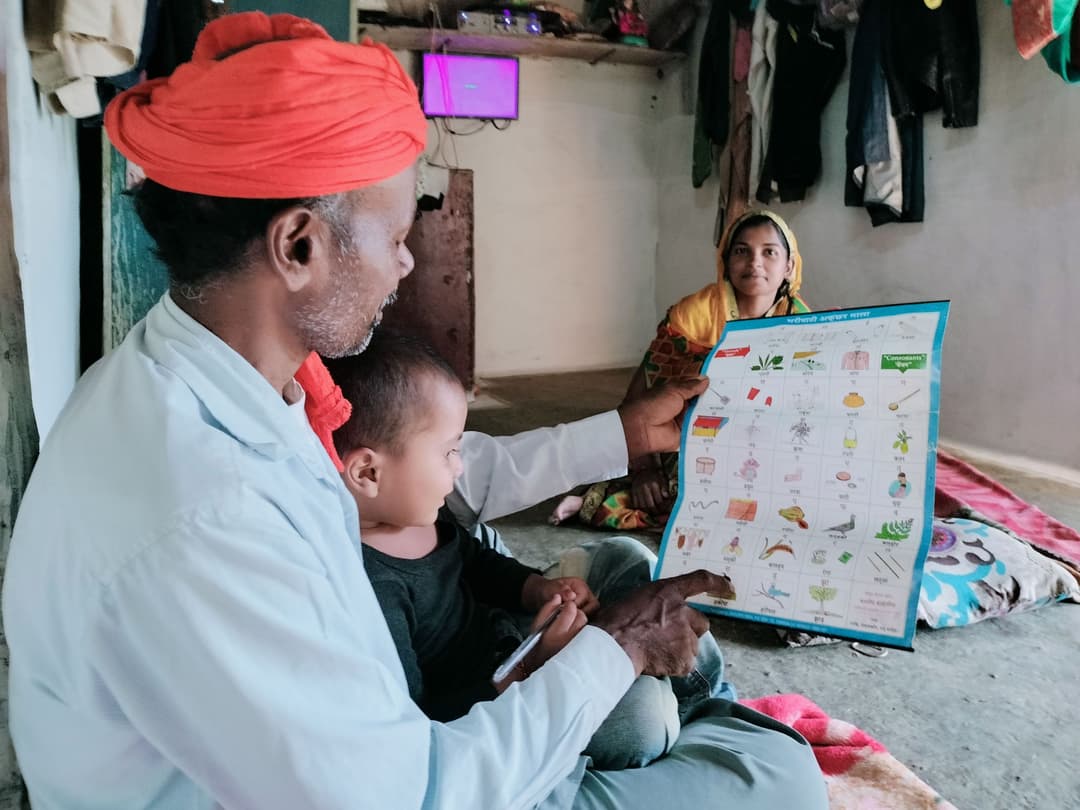
The young child read the paper with confidence at first. It contained general information about his community. Since it was in Devanagari script, “it felt easy.” In the second section which consisted of the names of objects, Kamlesh started to stumble. “The words were surely in Bhariati,” he recalls, “Those sounds were so familiar, but those words were strangers.”
He pauses for a minute while trying hard to recollect something. “There was one word in particular. It was a type of junglee jadibutti [medicinal plant]. I wish I had written it down,” he says, shaking his head in disappointment. “Now I can’t even recall the word or its meaning.”
Kamlesh’s distress left him thinking: “I wondered how many more words in Bhariati I didn’t know.” He did know that he was fluent – he grew up speaking Bhariati to his grandparents who had brought him up. “It was the only language I spoke until my teenage years. I still struggle to speak fluent Hindi,” he adds laughing.