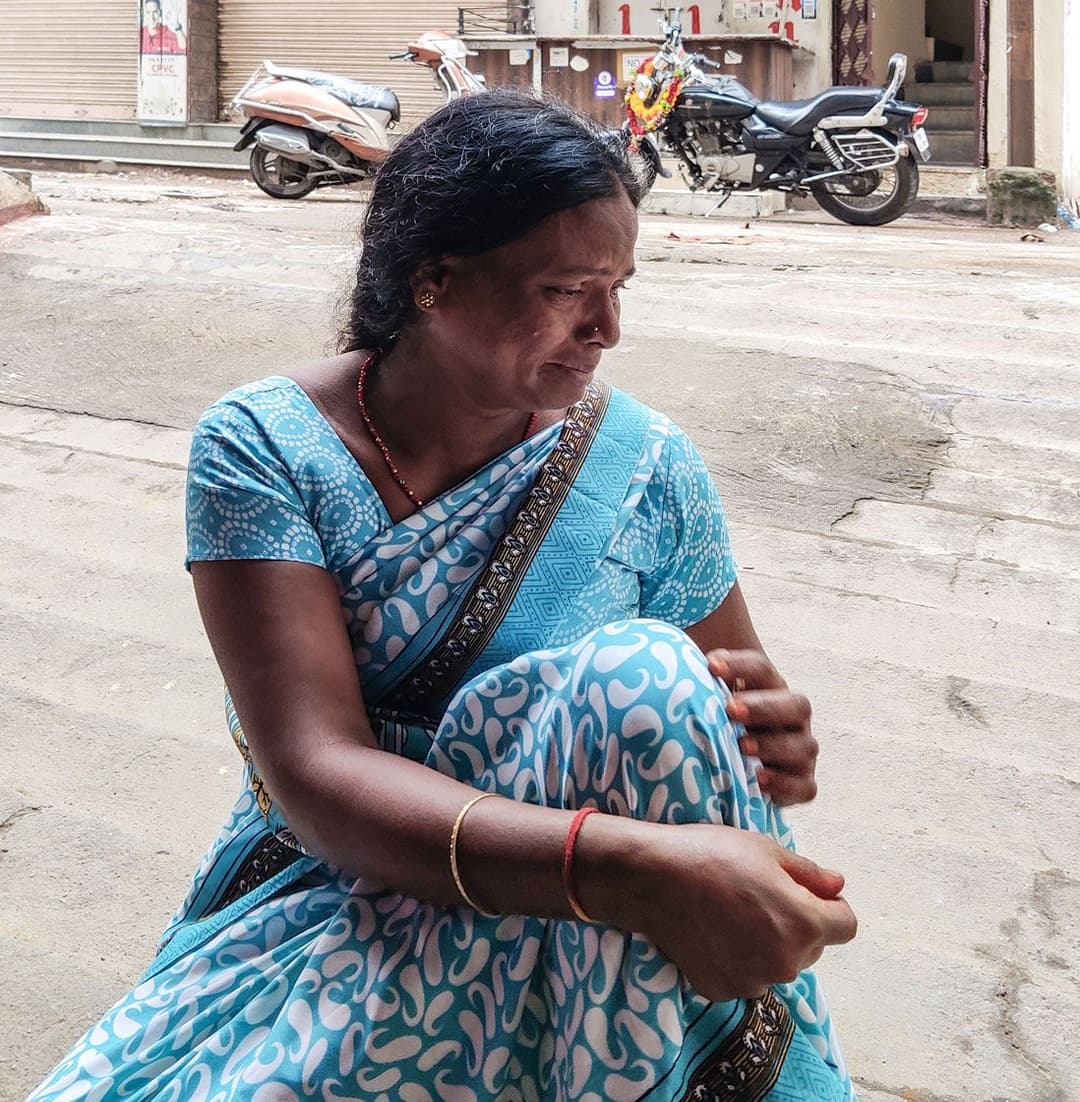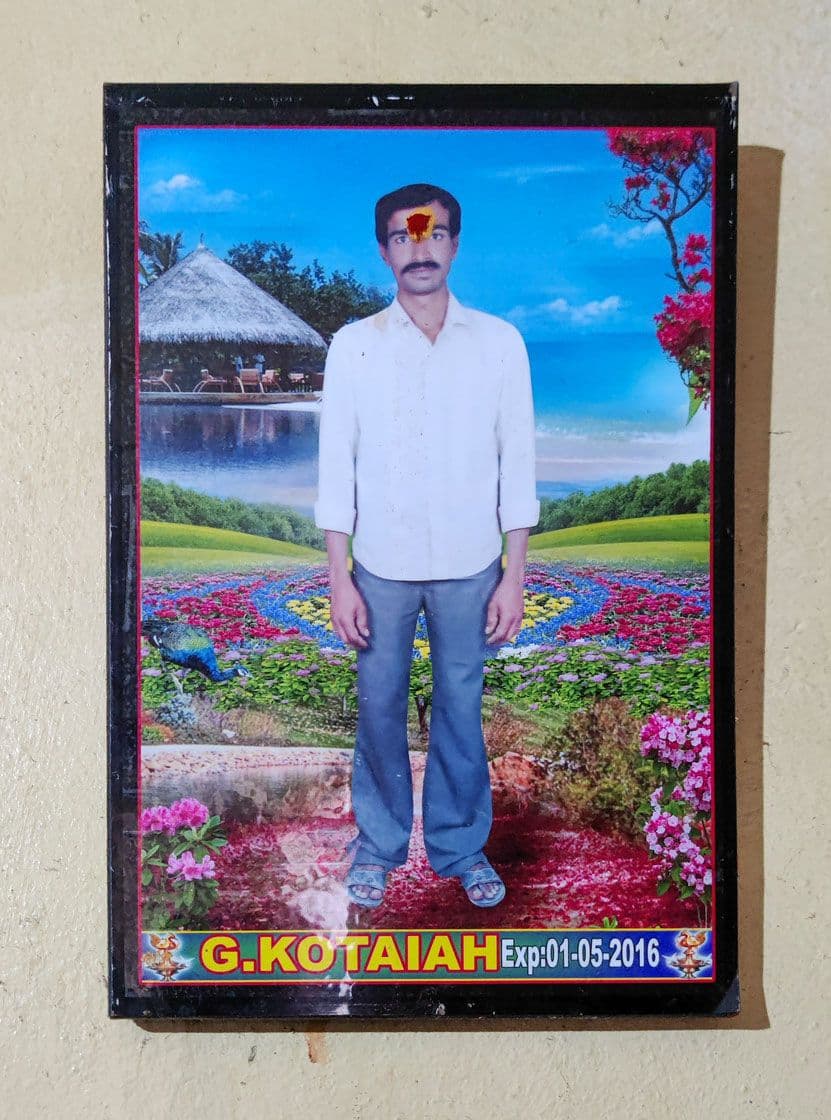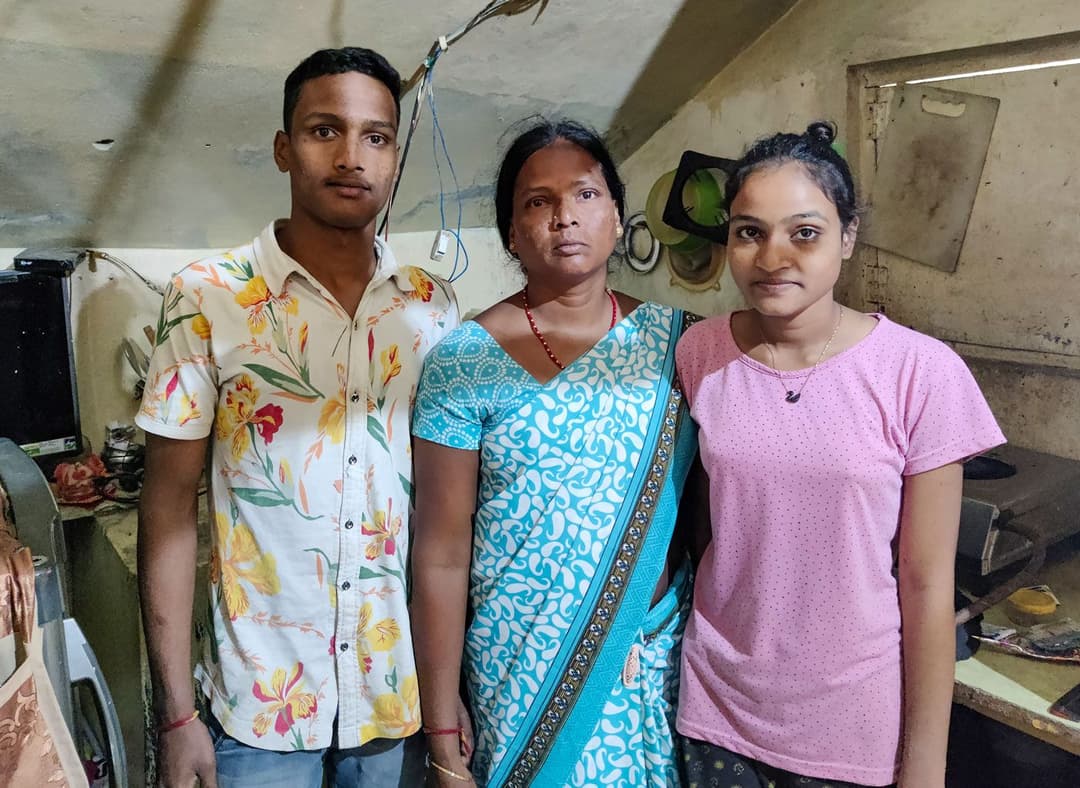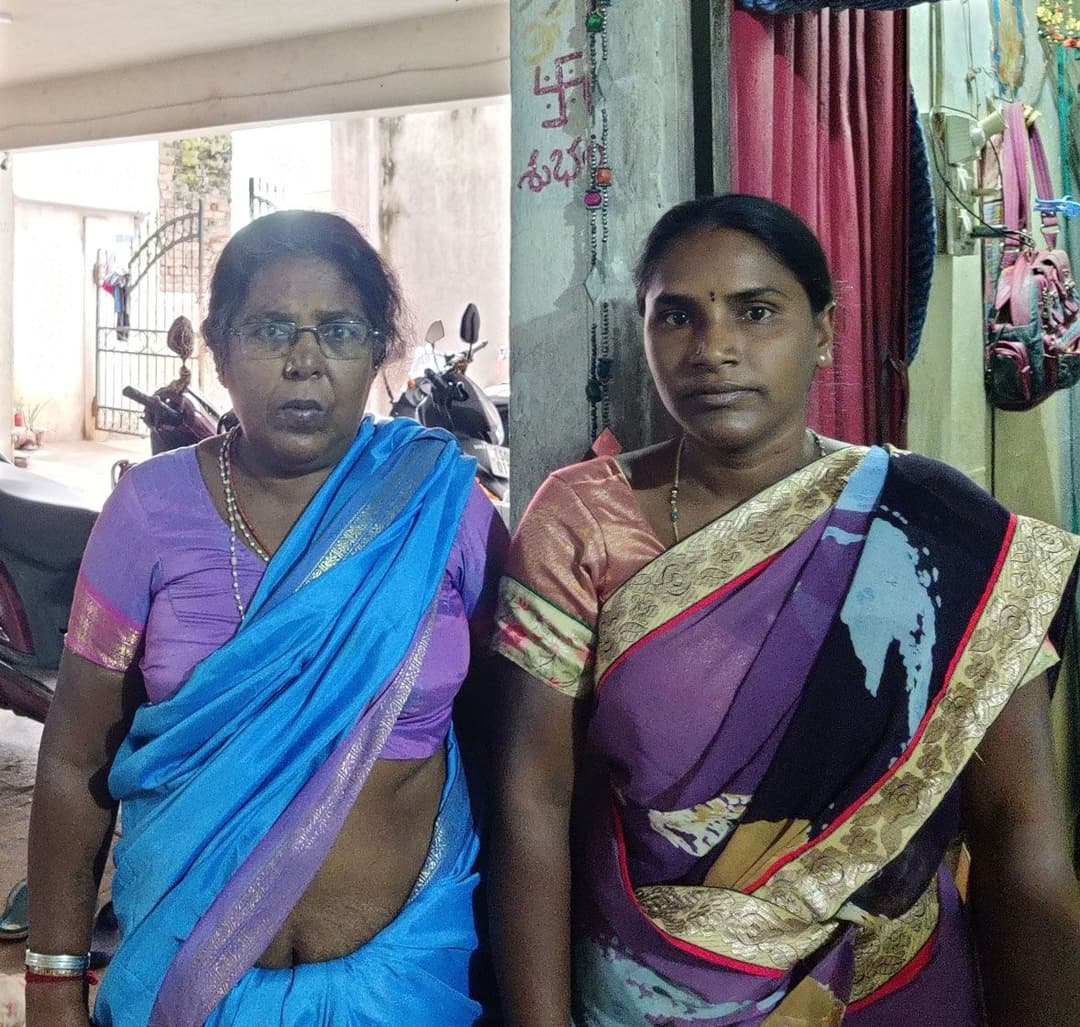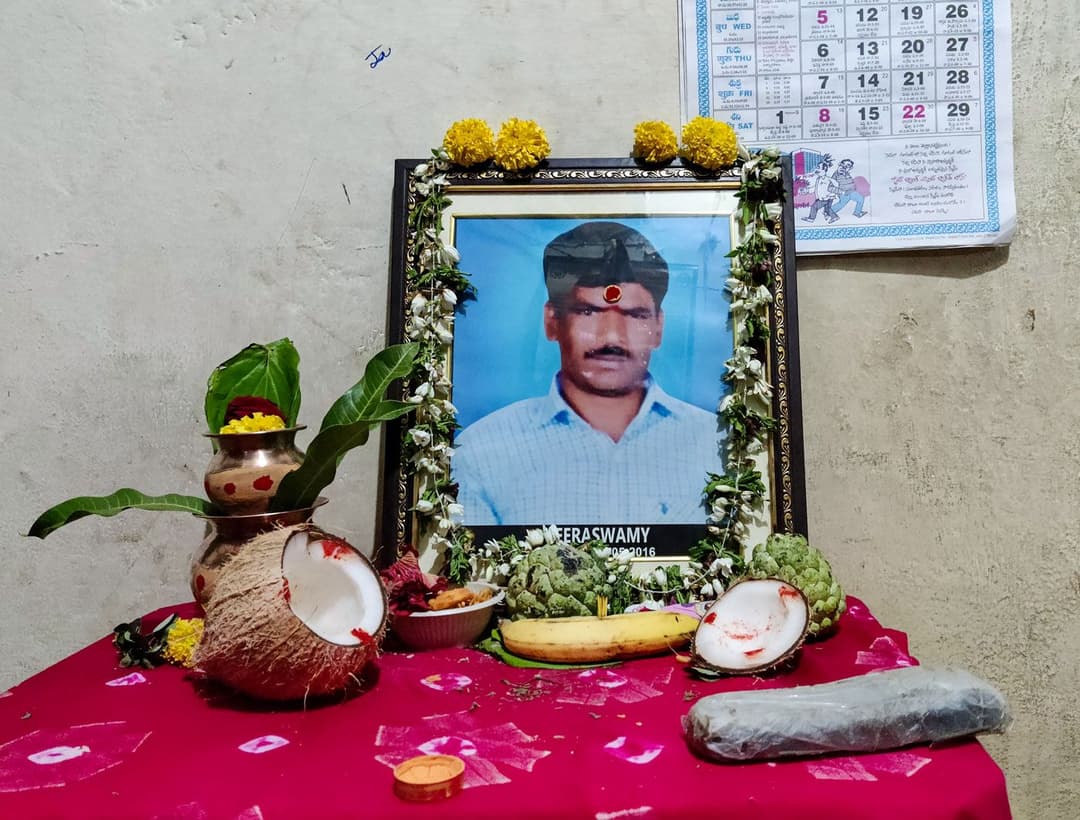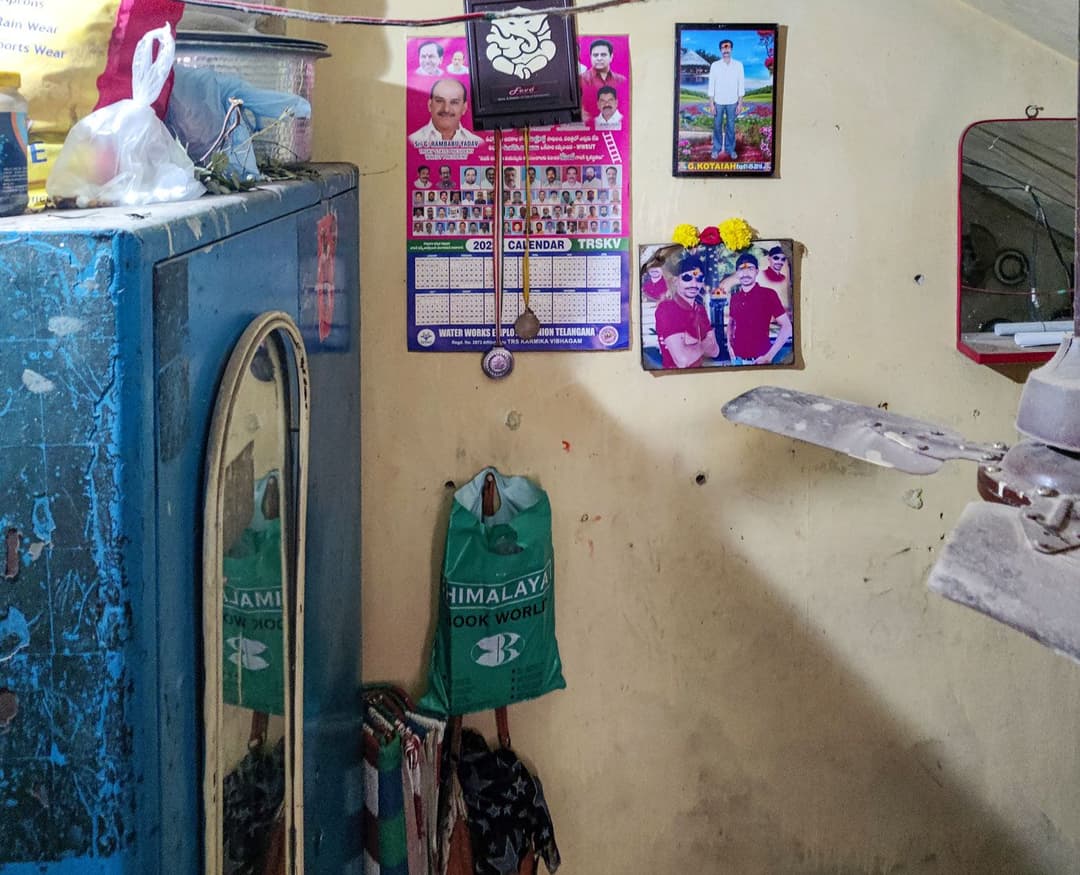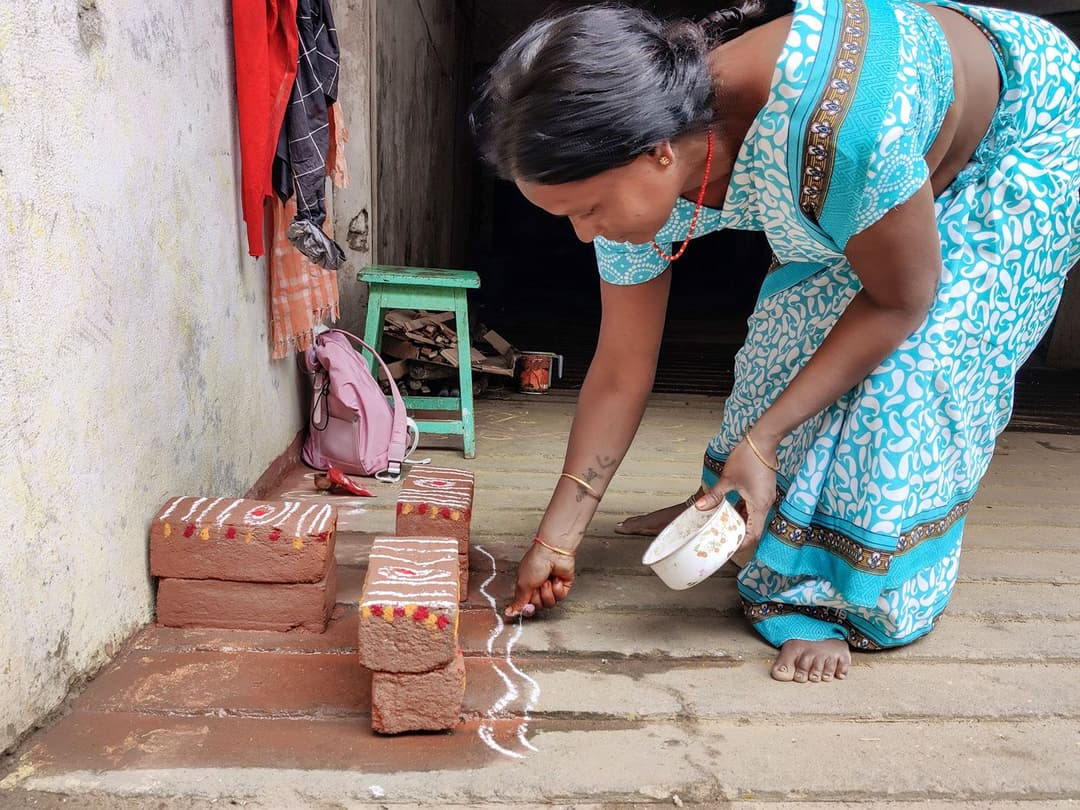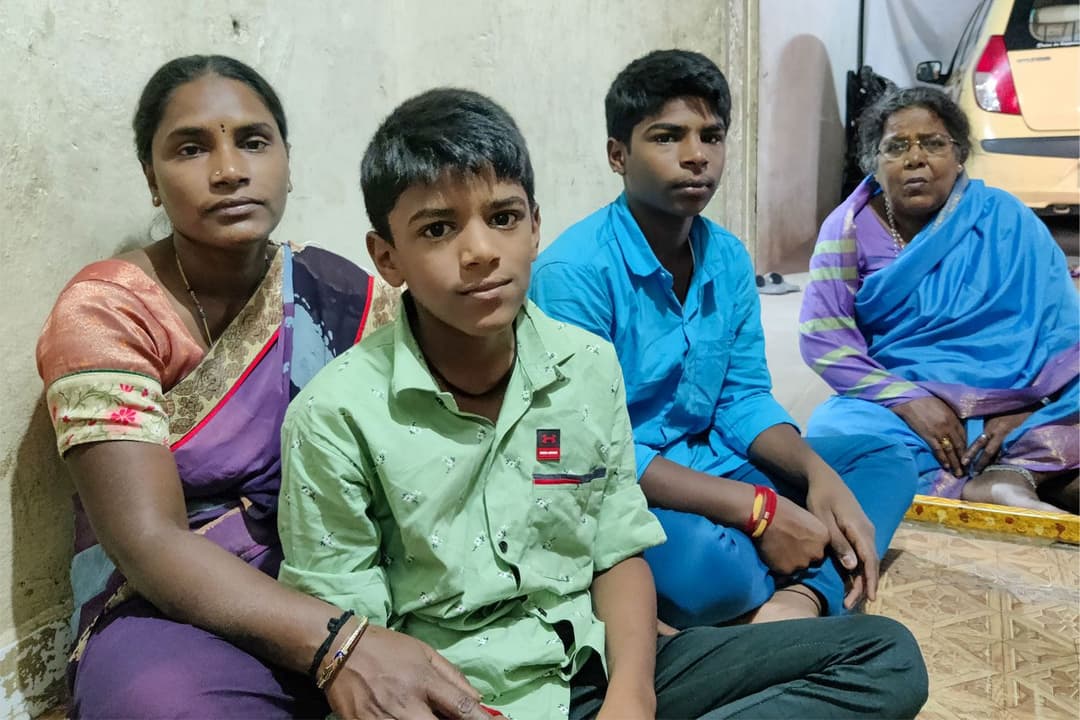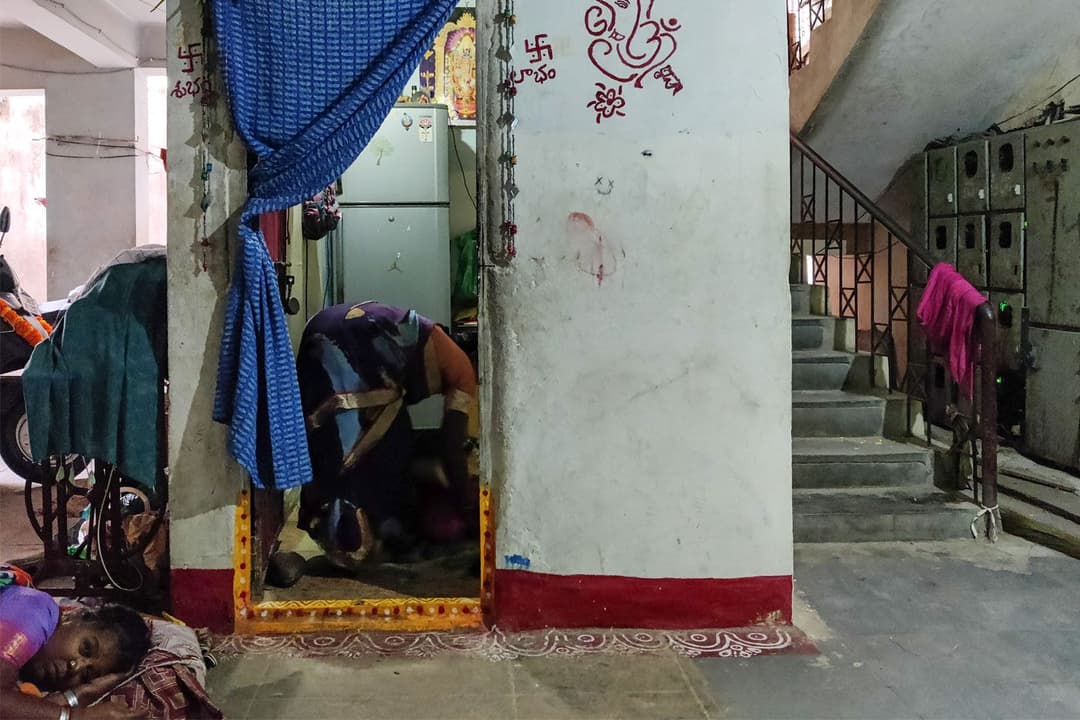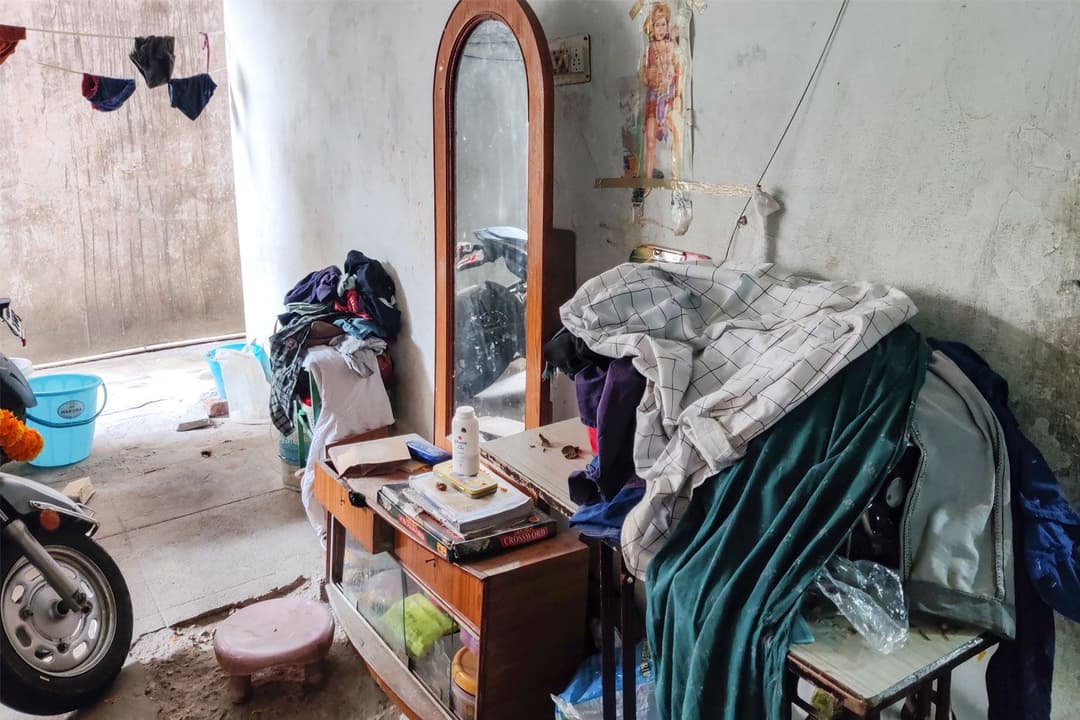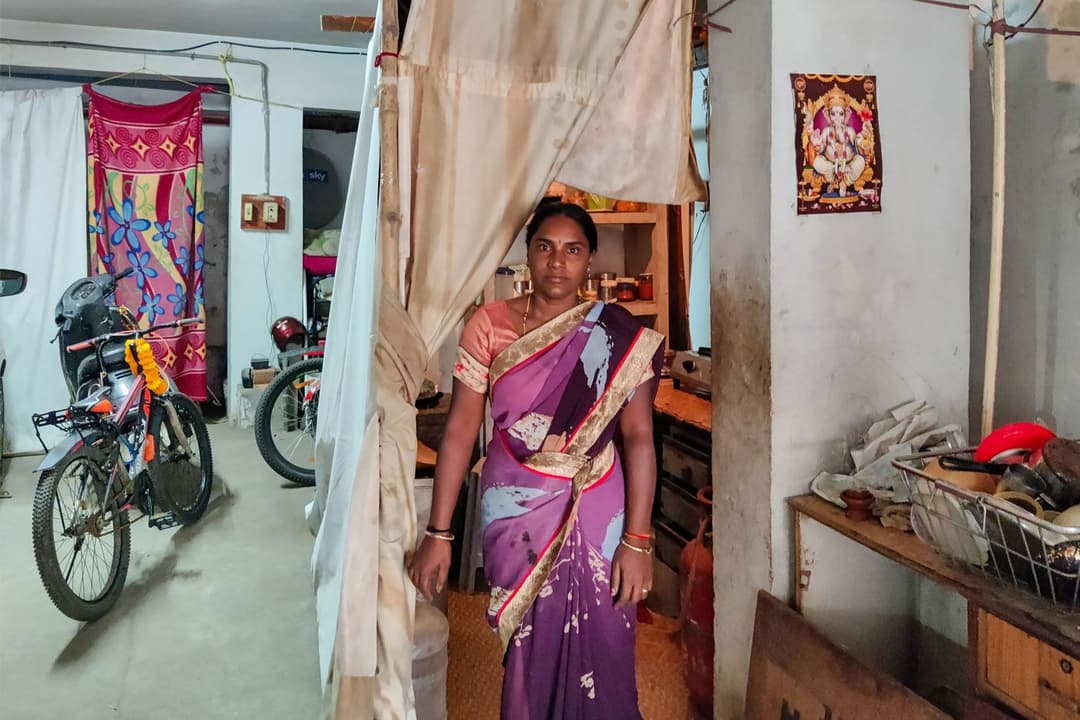

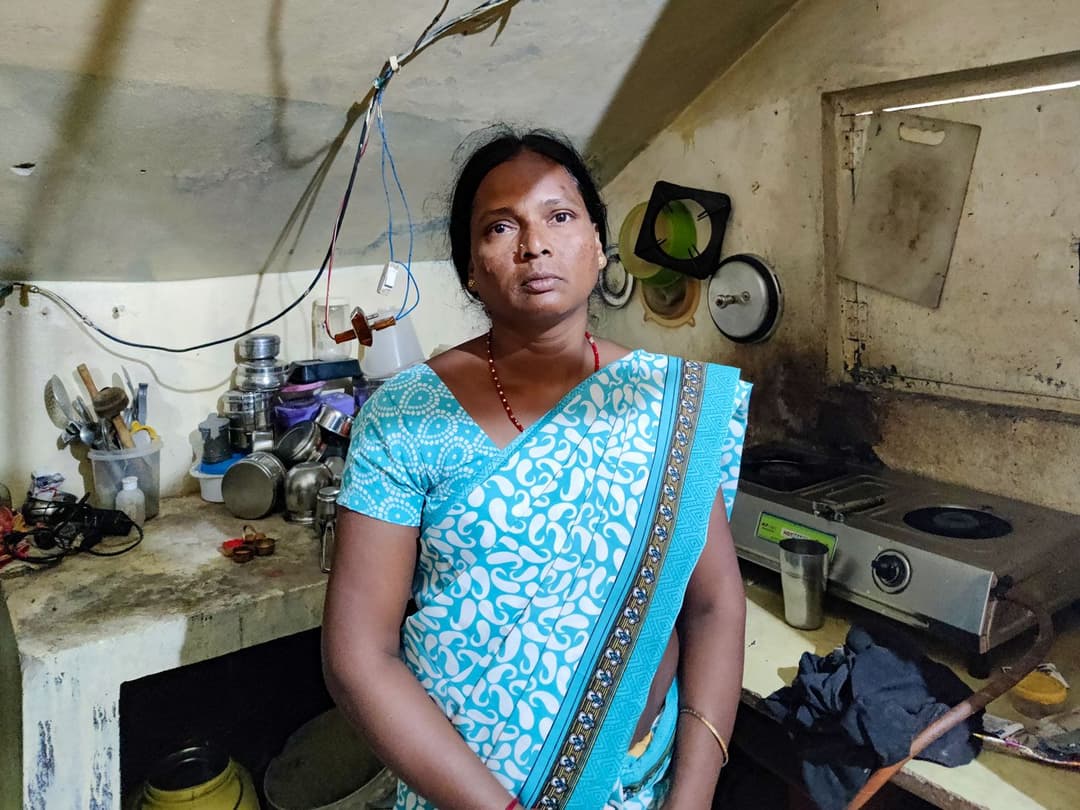
“When we migrated to Hyderabad we took up almost any job we got. We wanted to make enough money to give our daughter a good education,” says Gudla Mangamma. She and her husband, Gudla Kotaiah, had left their village in Telangana's Mahbubnagar district in 2000 and come to Hyderabad, the state capital. This was soon after their first child, Kalpana, was born.
But the city was not generous to them. When he could find no work, Kotaiah was compelled to take up manual scavenging to earn. He started cleaning sewage drains.
In Hyderabad, there were no takers for Kotaiah’s traditional occupation of washing clothes – he belonged to the Chakali community (an Other Backward Class in Telangana). “Our ancestors washed and ironed clothes. But there is very little work for us now; everyone has their own washing machines and iron boxes,” points out Mangamma, explaining why they both found it hard to get work.
Kotaiah also tried daily wage work at construction sites. “The construction sites were always far away from home and he had to pay to travel there, so he felt that manual scavenging work was better as the work was closer home,” says Mangamma. She estimates that he did this work at least three times a week. It fetched him Rs. 250 a day.
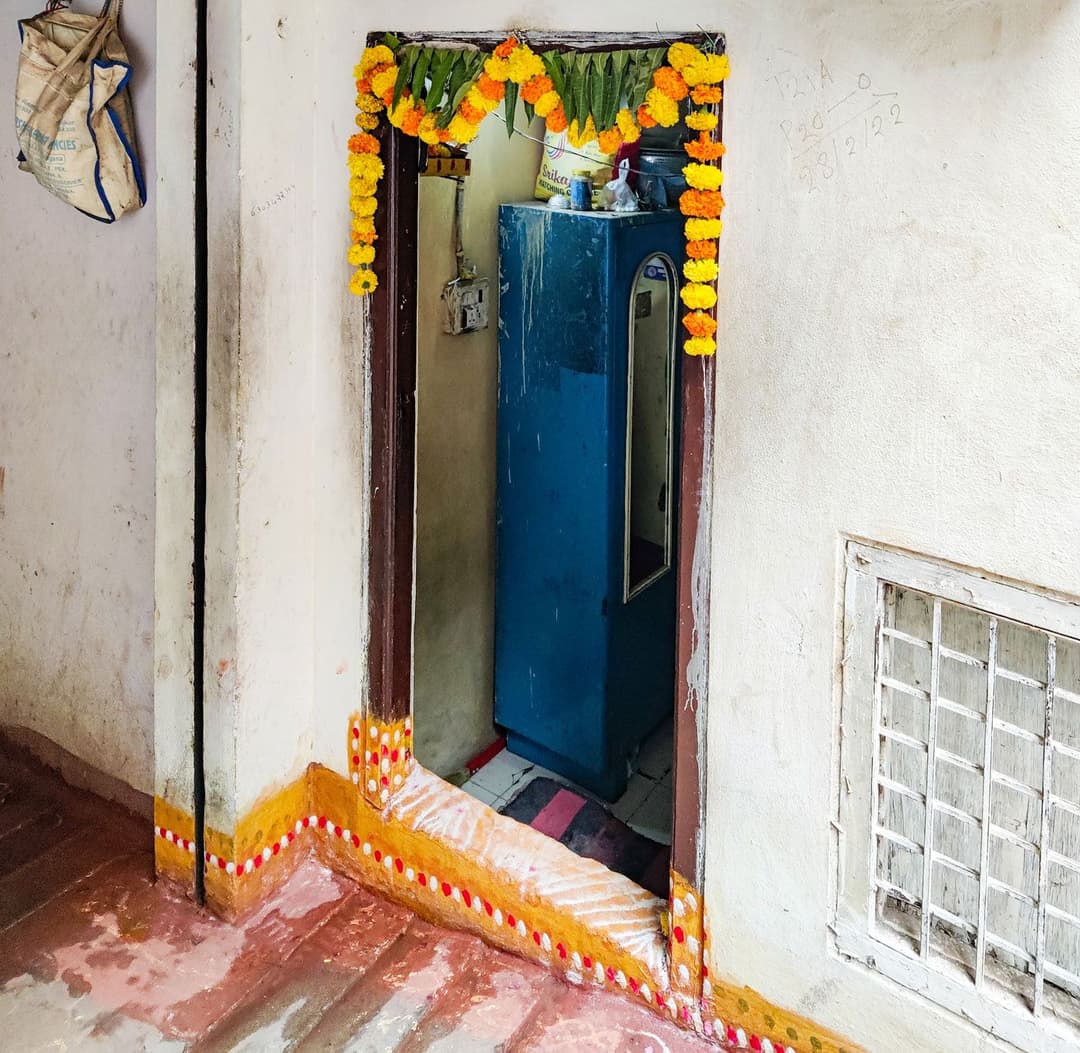
Mangamma remembers that morning in May 2016 when Kotaiah had left home around 11 a.m. He had told his wife that he was going to clean a sewer, and asked her to place a bucket of water outside their home so that he could wash himself before entering. “My husband wasn't a safai karmikulu [municipal sanitation worker]. He did it because we needed the money,” says Mangamma.