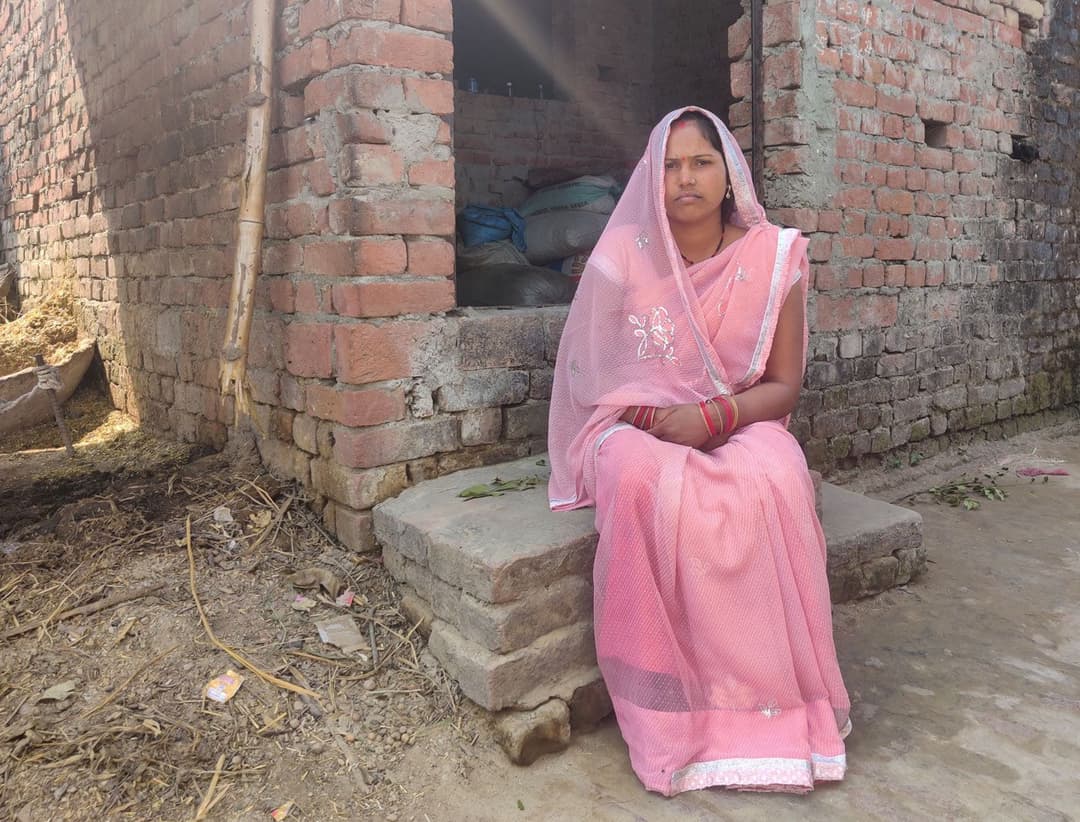
Shobha Sahni thought she knew what had caused her son’s death. But seven months later, she was not so sure.
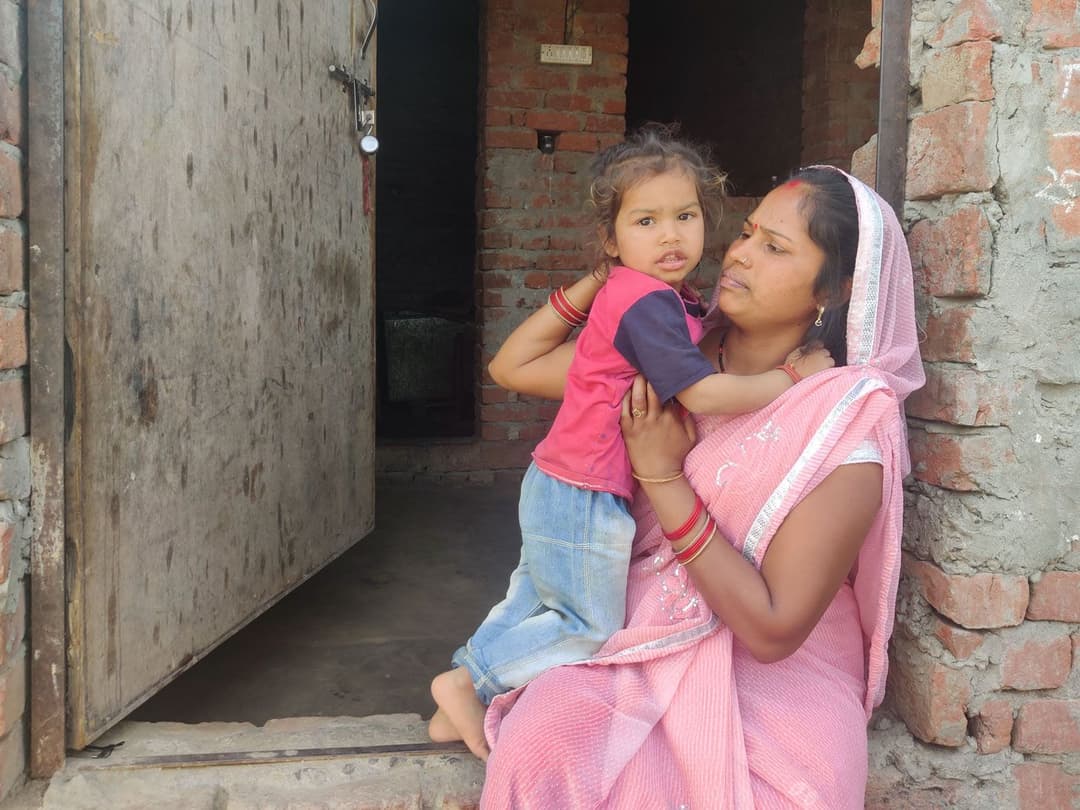
On a quiet afternoon in February, sitting at the doorstep of her one-room house in Brahmasari village, Shobha, 30, recalled how six-year-old Ayush had taken ill. “He had a fever, and then he complained of a stomach ache,” she said.
It had been late July 2021, after rains had deluged their village in Gorakhpur district, Uttar Pradesh. The flooding was not unusual. “It happens every year,” she said. “There is no outlet for the water.”
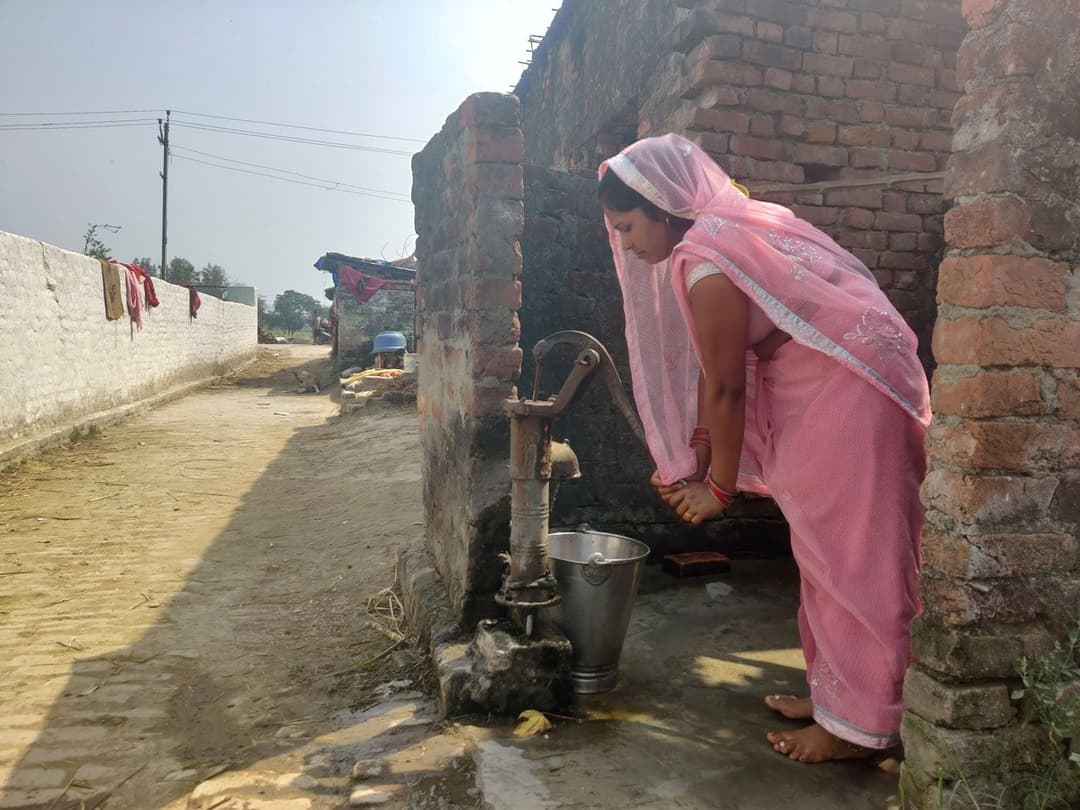
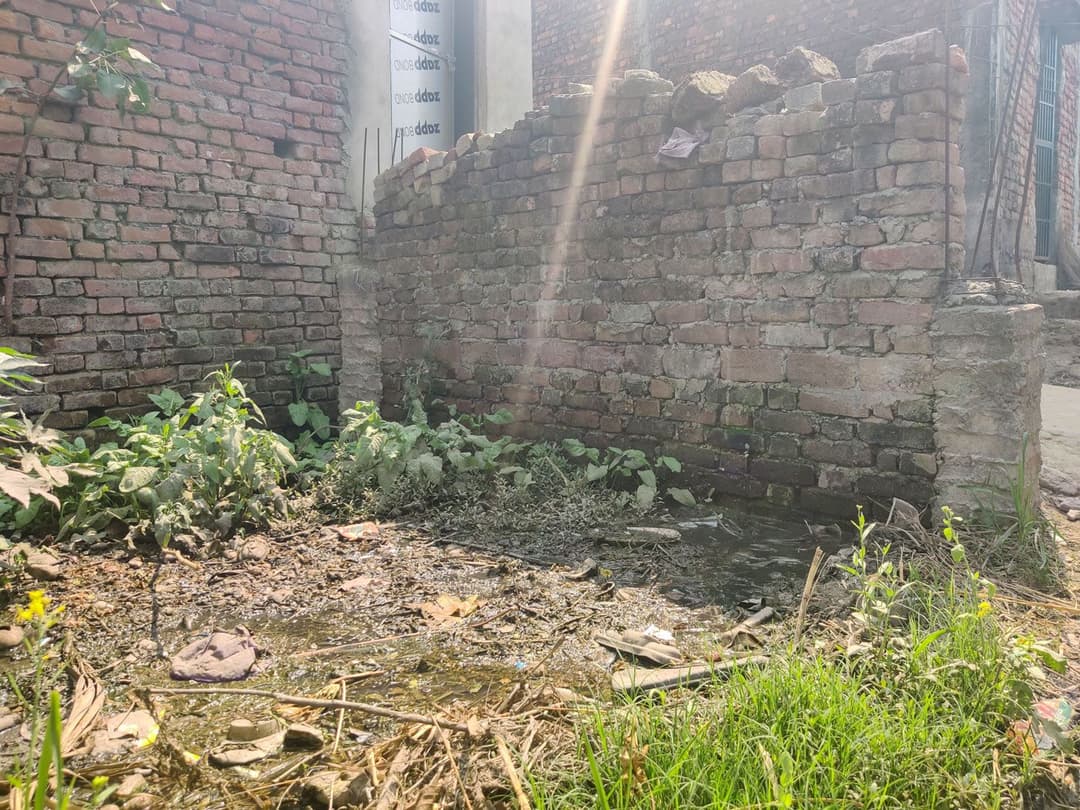
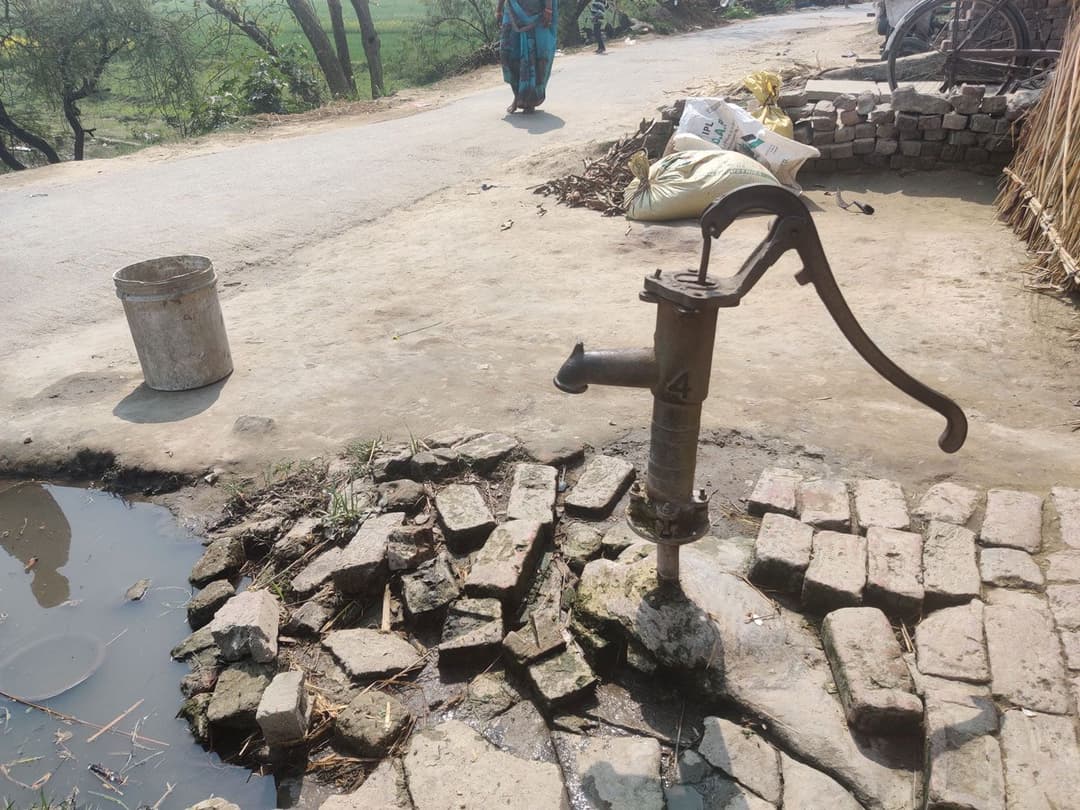
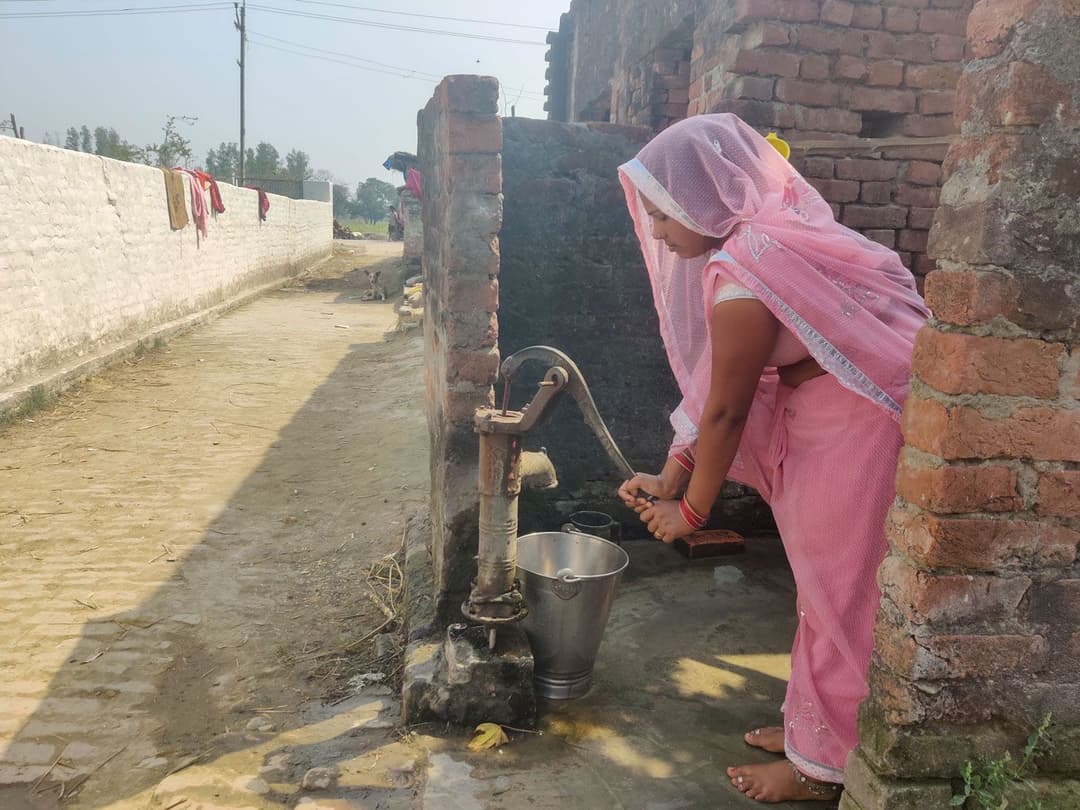
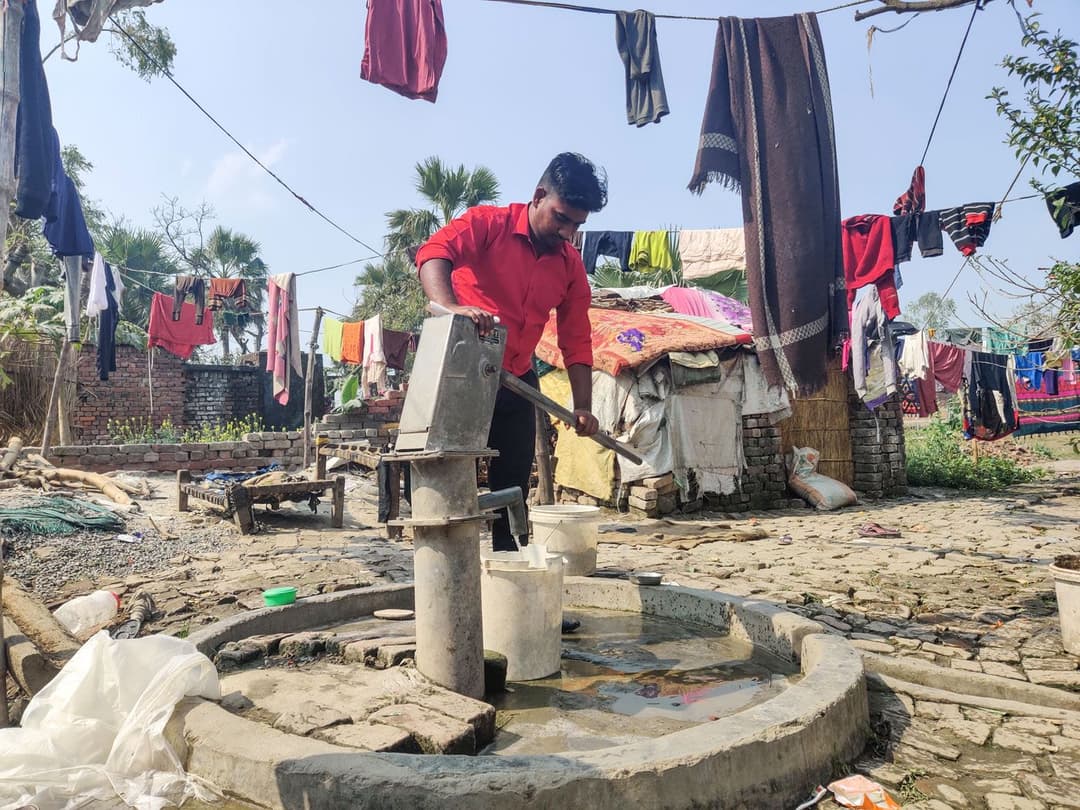
Brahmasari gets waterlogged every time it rains, and the water mixes with cow dung, human faeces – due to open defecation – and the garbage strewn all over the village. “There are dead insects in the water, and there are mosquitoes. The dirty water enters our homes where we cook food,” said Shobha. “Our kids play in the water no matter how much we try to stop them. People here fall ill a lot in the monsoons.”
It was her son’s turn last year. “We first tried to get him treated at two private hospitals – in Barhalganj and Sikriganj – but it didn’t help,” said Shobha.
Then, about a week after the fever had set in, Shobha took Ayush to the community health centre (CHC) in Belghat, which is just 7 kilometres away. There he was referred to Baba Raghav Das Medical College (BRD Medical College) in Gorakhpur, the nearest city, 50 kilometres from Brahmasari.