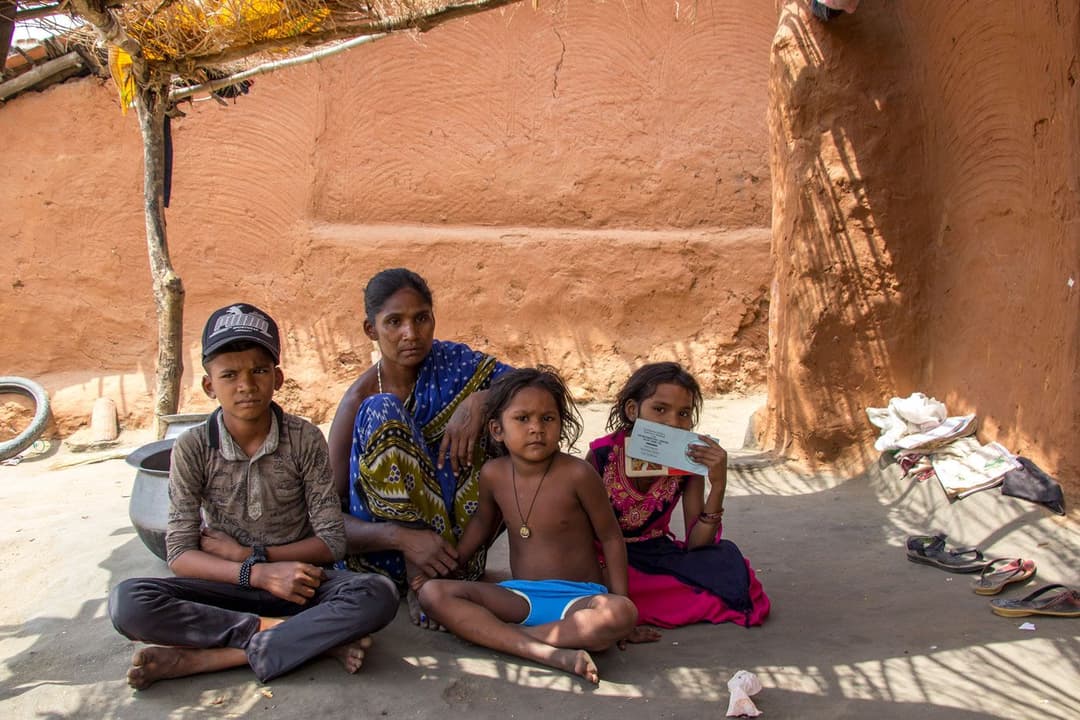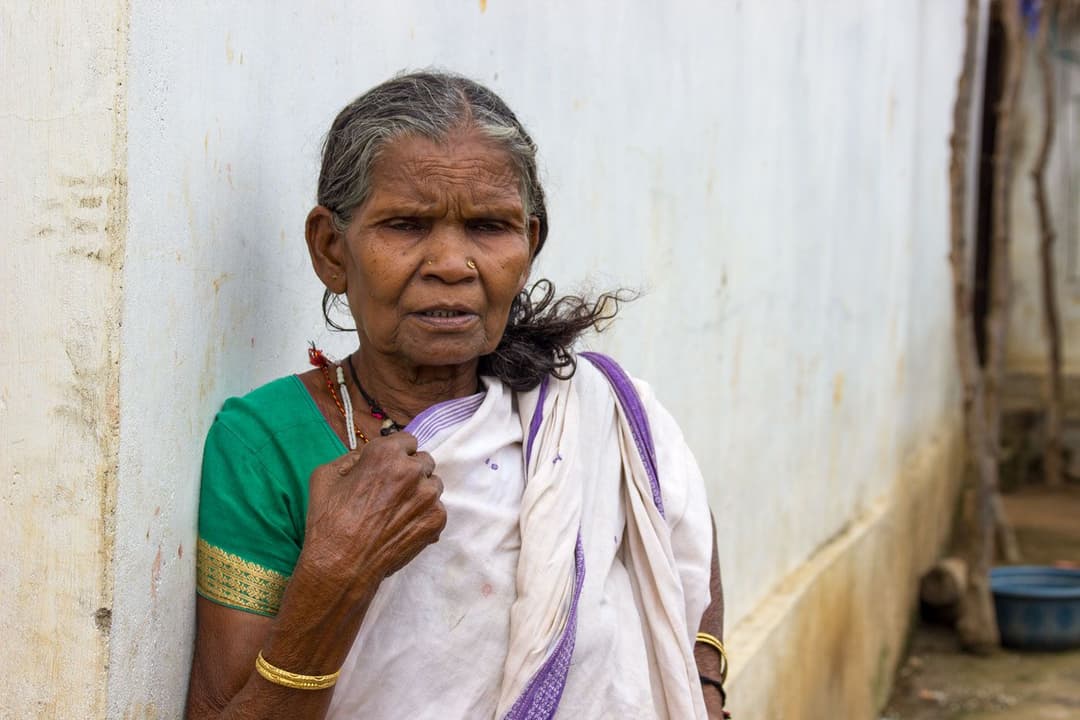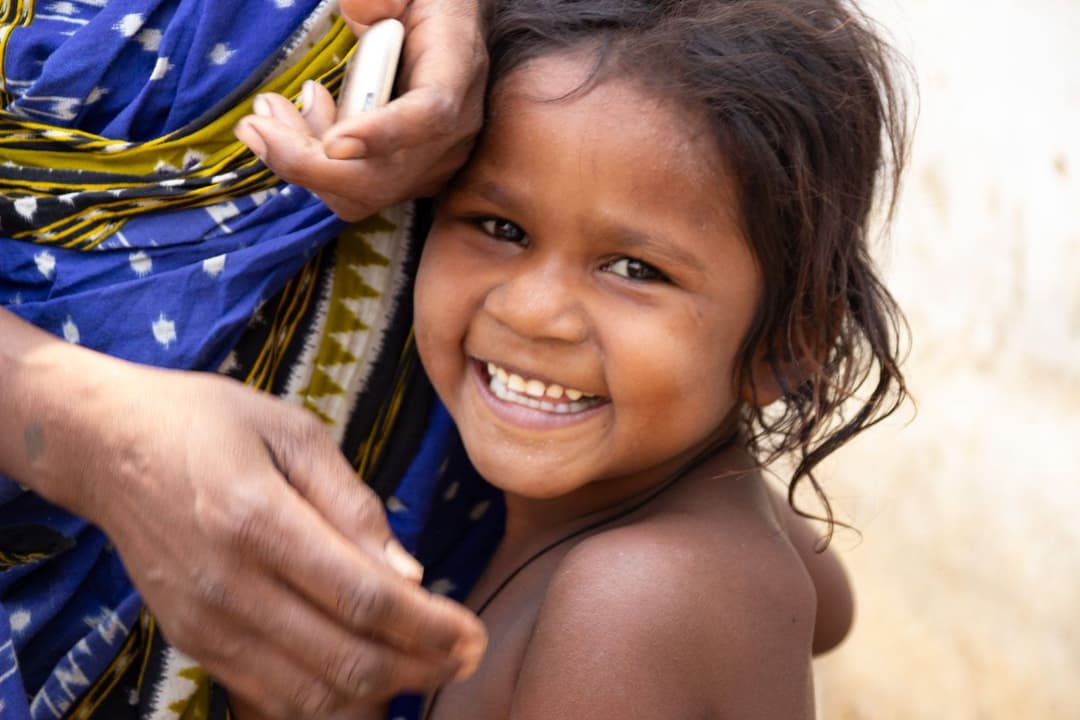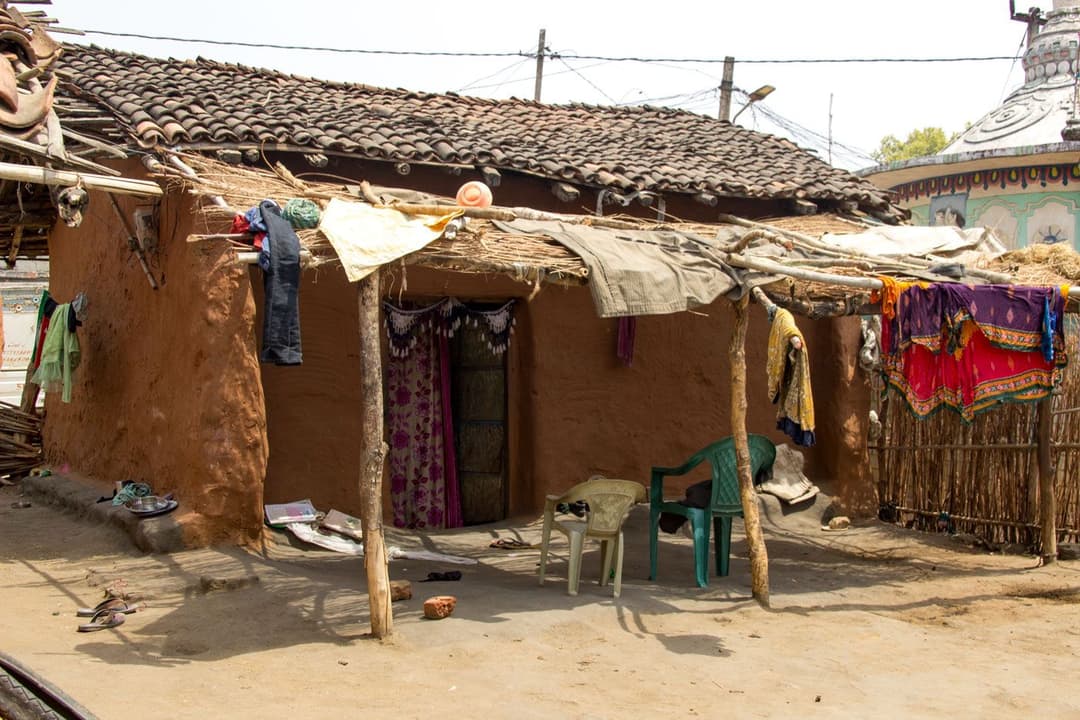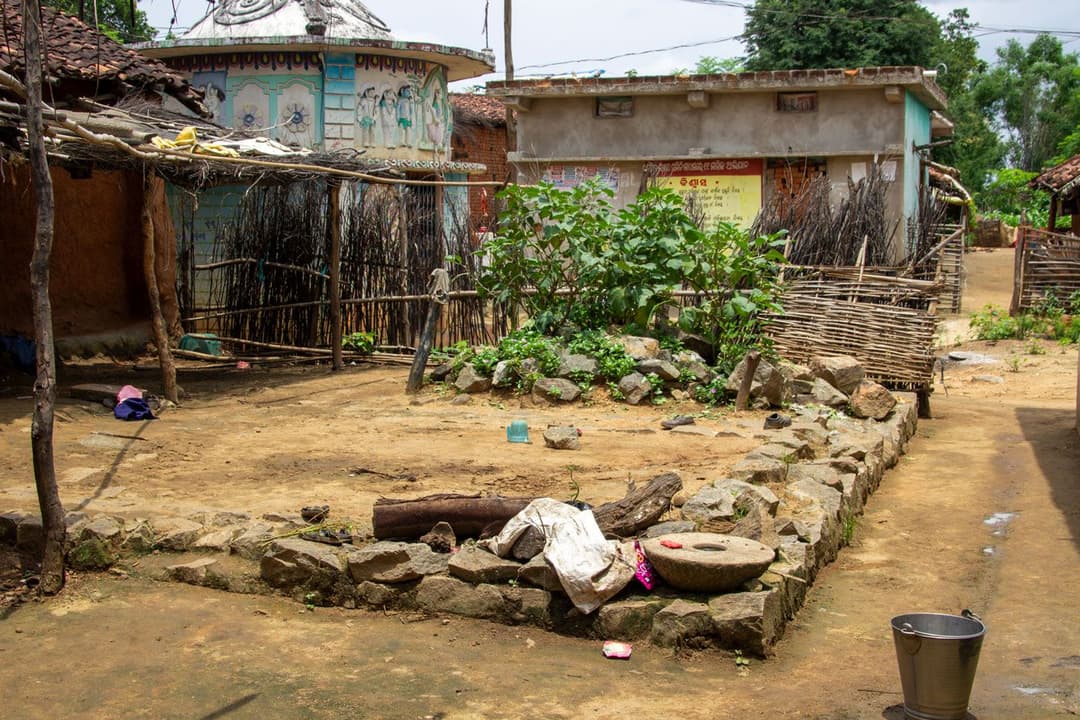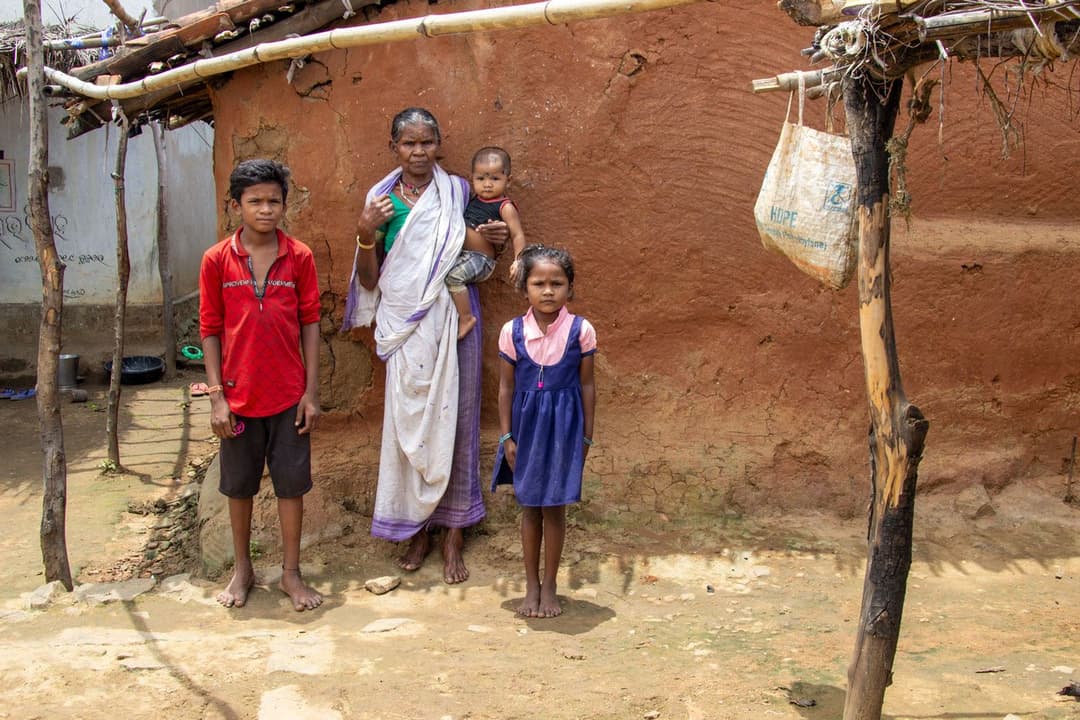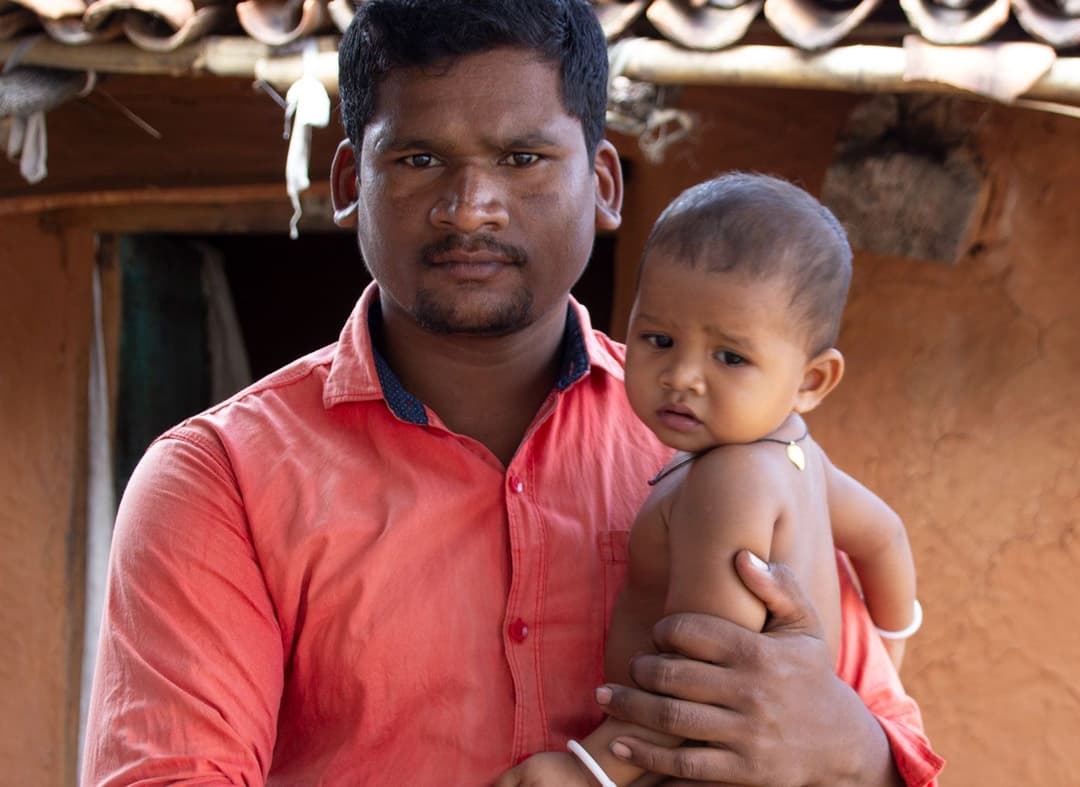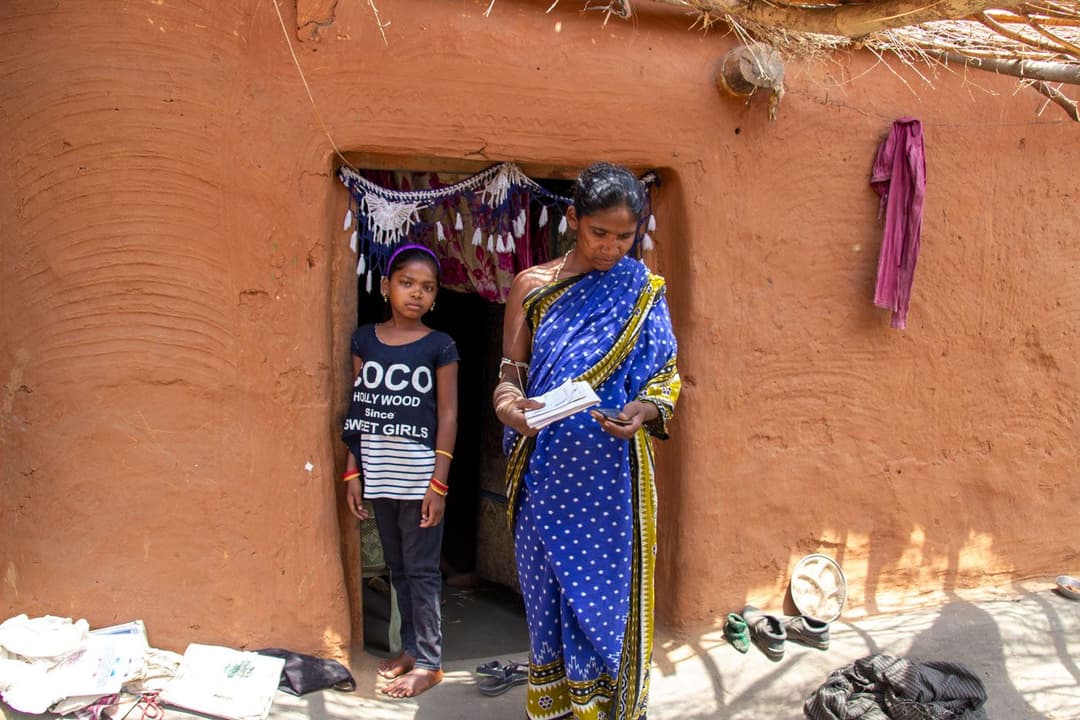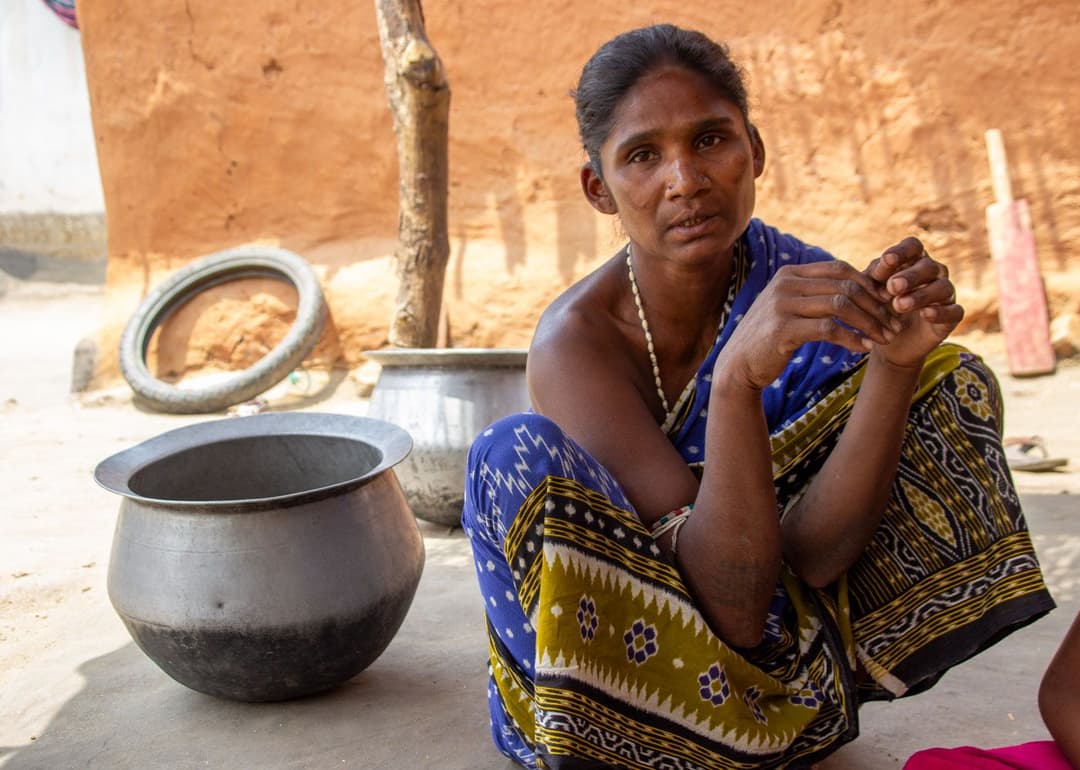

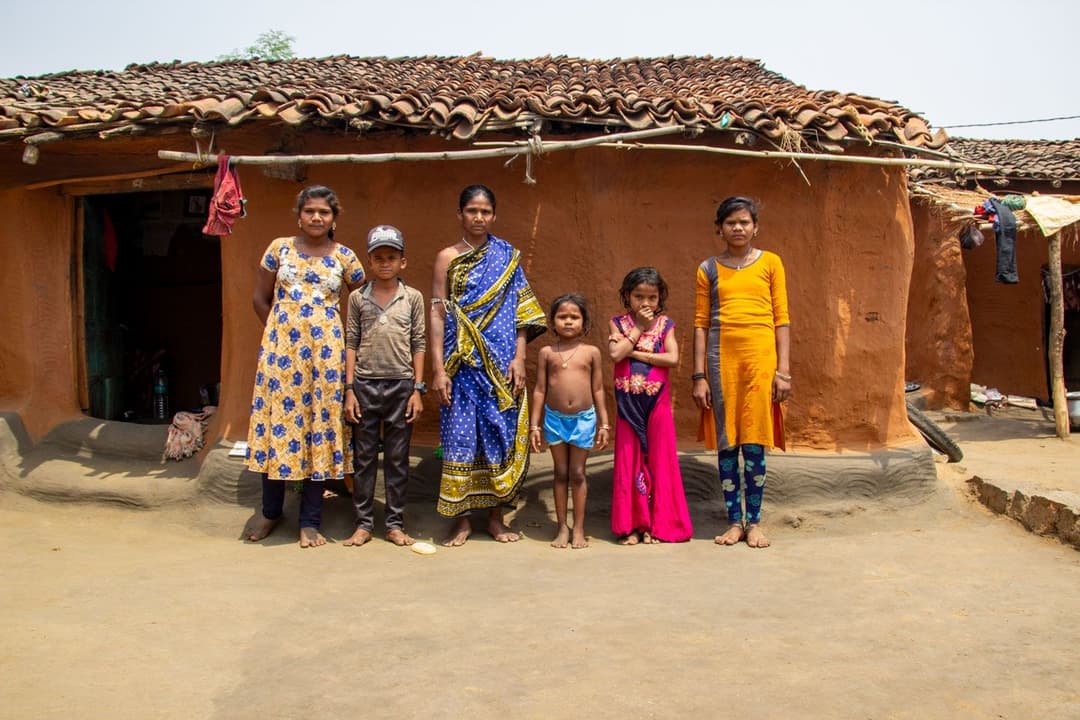
A grandmother many times over, Bute Majhi is worried about the six girls and two boys her son has left behind; the youngest is six-year-old Janaki. “I don’t know how we are going to raise them all,” says the 70-year-old Gond Adivasi, a resident of Hial village in Balangir district of Odisha.
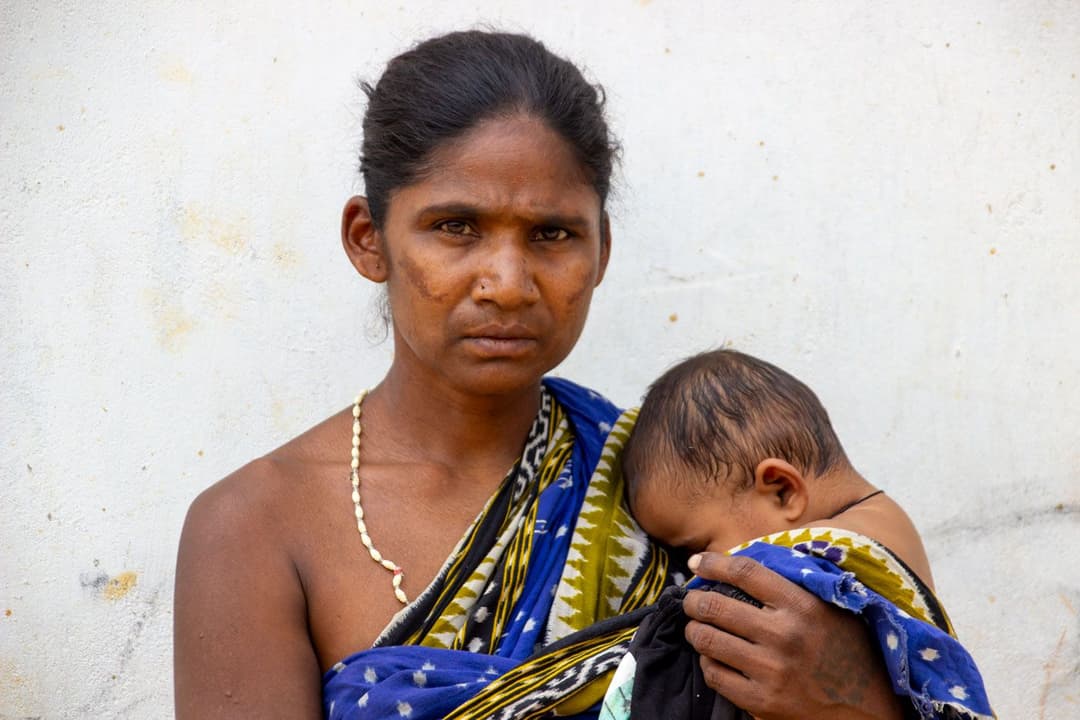
Her son Nrupa Majhi was 50 years old when he succumbed two years ago to what the family believe was kidney failure. A migrant worker, he and his wife, Namani, 47, would travel to Telangana, Andhra Pradesh and Tamil Nadu to work in brick kilns.
“In November 2019, we went to Chennai to work in a brick kiln,” says Namani. She says 10 people from their family went, among them her husband Nrupa, 50, their eldest son Judhisthir who is 24-years-old and his wife Parmila, 21, Purnami, 19, Sajne, 16, Kumari, 15, and her husband Dinesh, 21. “Each one of us was paid an advance of 25,000 rupees by the local sardar [contractor],” she adds. Accompanying the family were 10-year-old Sabitri and six-year-old Janaki, who were not paid.
In June 2020, they all returned to their village during the Covid-19 lockdown. The government of Odisha had made arrangements for temporary medical and quarantine areas in schools and community centres, for returning migrants. “We stayed in the village school for 14 days. My husband and I got 2,000 rupees each [from the government of Odisha] for staying there,” recalls Namani.