Dear PARI Reader,
It’s been a busy year at www.ruralindiaonline.org.
As 2023 draws to a close, the PARI team has slated a series of year-end reviews headlined by striking visuals: every day, for the next nine days, we will be publishing our editors’ choices of the Best of PARI – stories, poems, music and illustrations, films, photos, translations, Library, FACES, social media and our engagement with students.
We continued to publish stories from across the country, and this year we added many from new locations, including the north east. Our coverage of agriculture now includes a meticulously researched series by Aparna Karthikeyan on jasmine, sesame, dry fish and more. A gripping series on farming can be read in Jaideep Hardikar’s relentless pursuit of the fall-out of man-animal conflict and its crushing impact on people who live near sanctuaries – ‘a new kind of drought’.
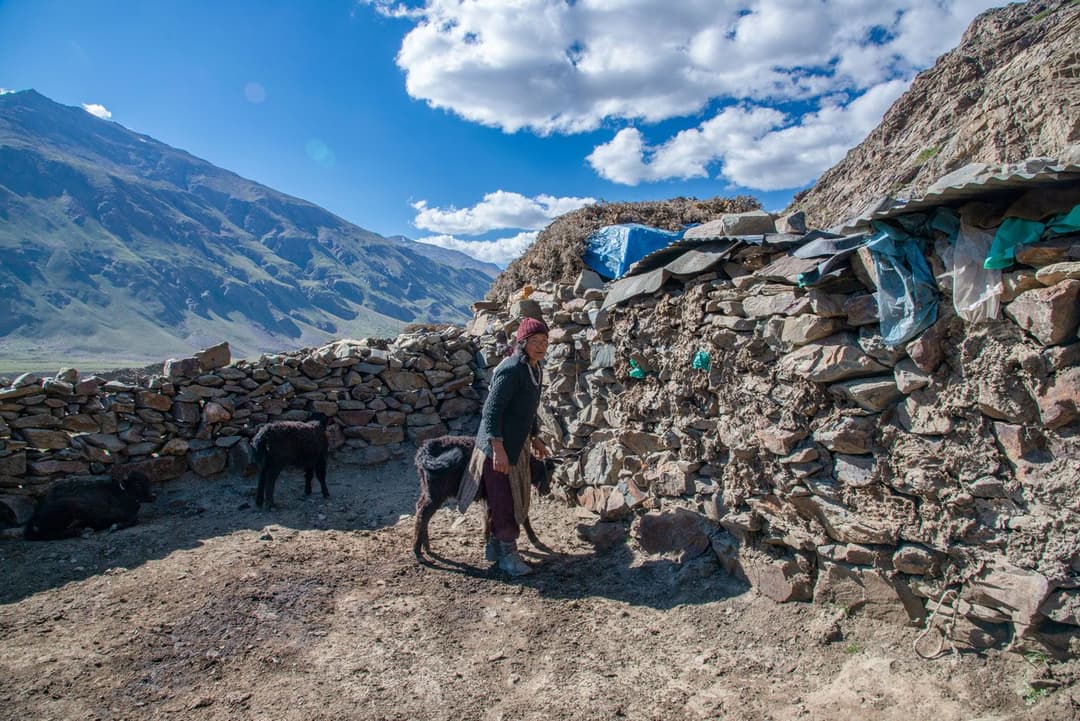
Palani Kumar shot unforgettable photographs of people at the margins – idol makers, trans actors, as well as fisherfolk in Tamil Nadu. Ritayan Mukherjee and Muzamil Bhat travelled with pastoralists across Kashmir and Ladakh to photograph them at work in the high mountains as they try to cope with a changing climate. Jyoti Shinoli covered many pressing injustices in rural Maharashtra – young athletes, education for children of migrants, menstruation taboos and more. And we had PARI Fellow Umesh K. Ray’s hard-hitting series from Bihar on the Musahar community and alcohol-related deaths.
We managed to cover new ground with stories around communities and conservation: Vishaka George found threats to the Bugun Liocichla, an endangered bird in the eastern Himalayas and how locals are helping mitigate the crisis; Priti David covered the critically endangered Great Indian Bustard in Rajasthan, and sacred groves taken over by renewable energy plants, so sacred no more.
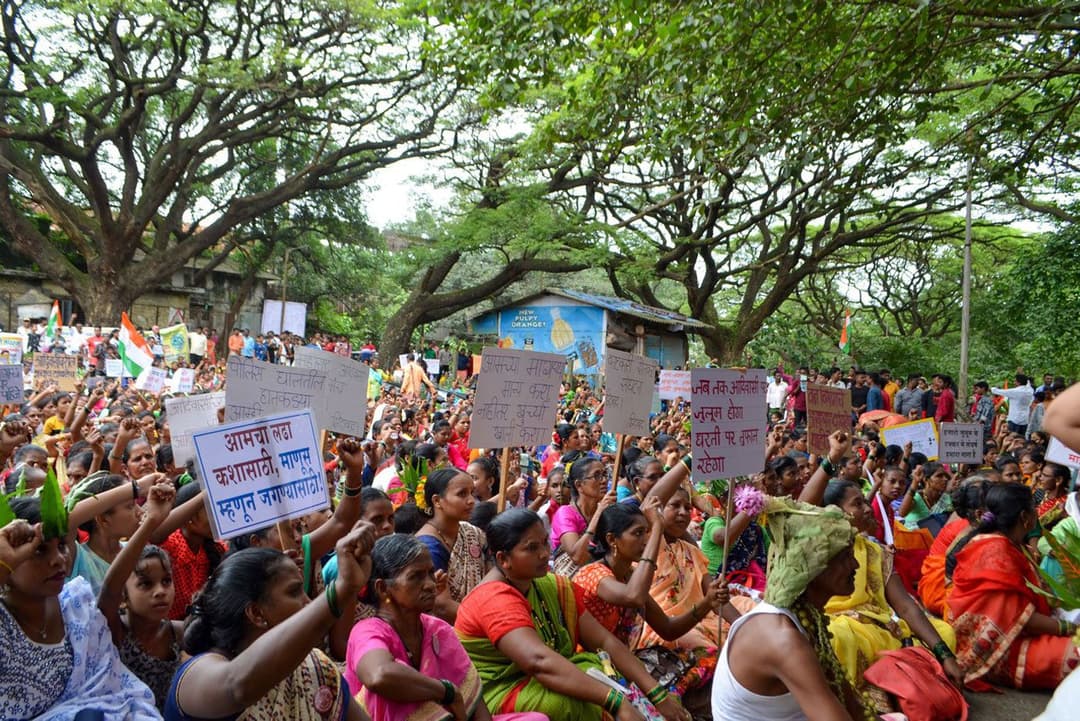
We caught the news stories as they came – we walked with farmers protesting in Maharashtra, and spoke to Adivasis as they marched for their rights, as also striking anganwadi workers. And then, in the run-up to the December 2023 state elections in MP and Chhattisgarh, Parth M.N. was on the ground, writing about the lived realities of those hit by bulldozer injustice, atrocities on tribals and custodial deaths in these states going to the polls.
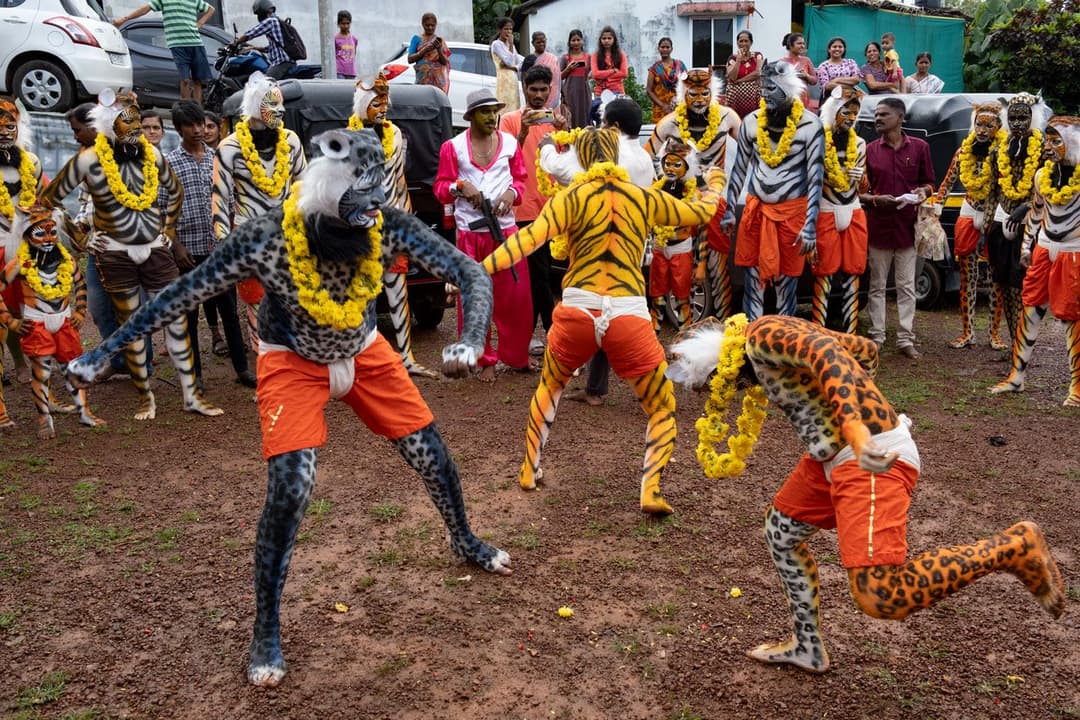
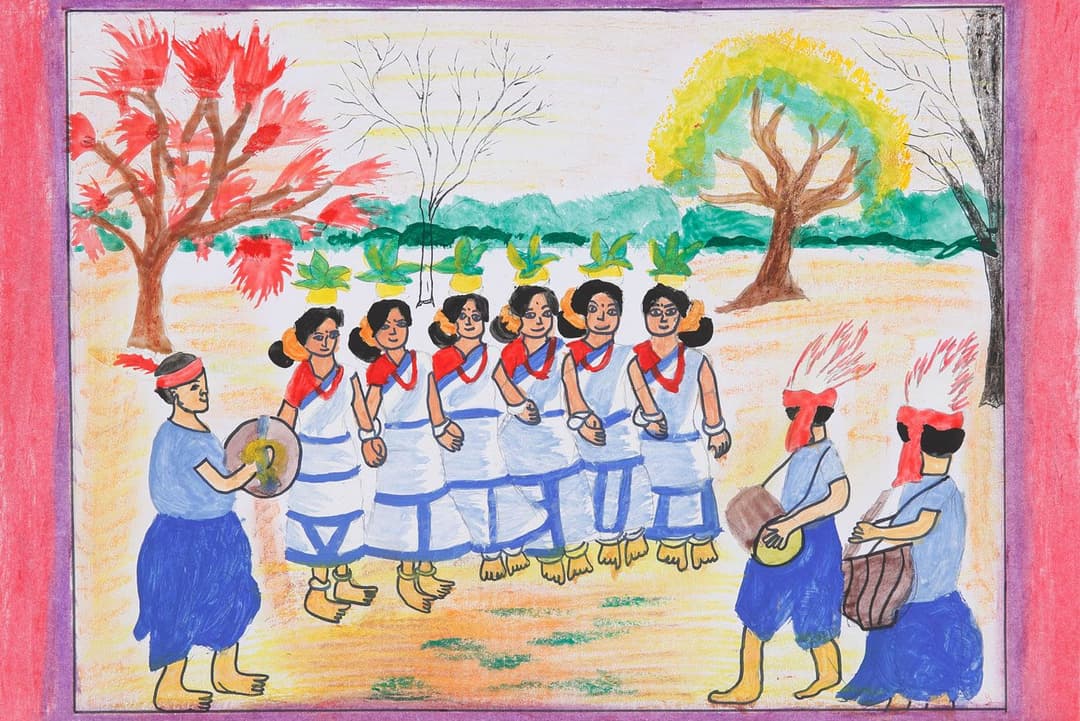
Reporting from the field often throws up short musafir pieces like the songs of women and the play of children in Murshidabad district where Smita Khator covered beedi workers. Some stories come with a personal touch as Medha Kale, also a teacher, wrote a celebratory piece on special-educators. Our reporters watched and covered festivals in rural India – Ma Bonbibi, Shaila Nritya, Chadar Badni, Pili Vesha, and we also have a piece, ‘Whose shrine is it anyway?’
We used the fact that the PARI team is spread across multiple locations to bring in pan-India pieces on hapless gig workers, the agony and the ecstasy of translations, migrant workers and migrant words, and even one on how women in rural India spend their ‘leisure’ time. We hope to do more next year.